

What the Lake Does to a Roof in Rochester Hills
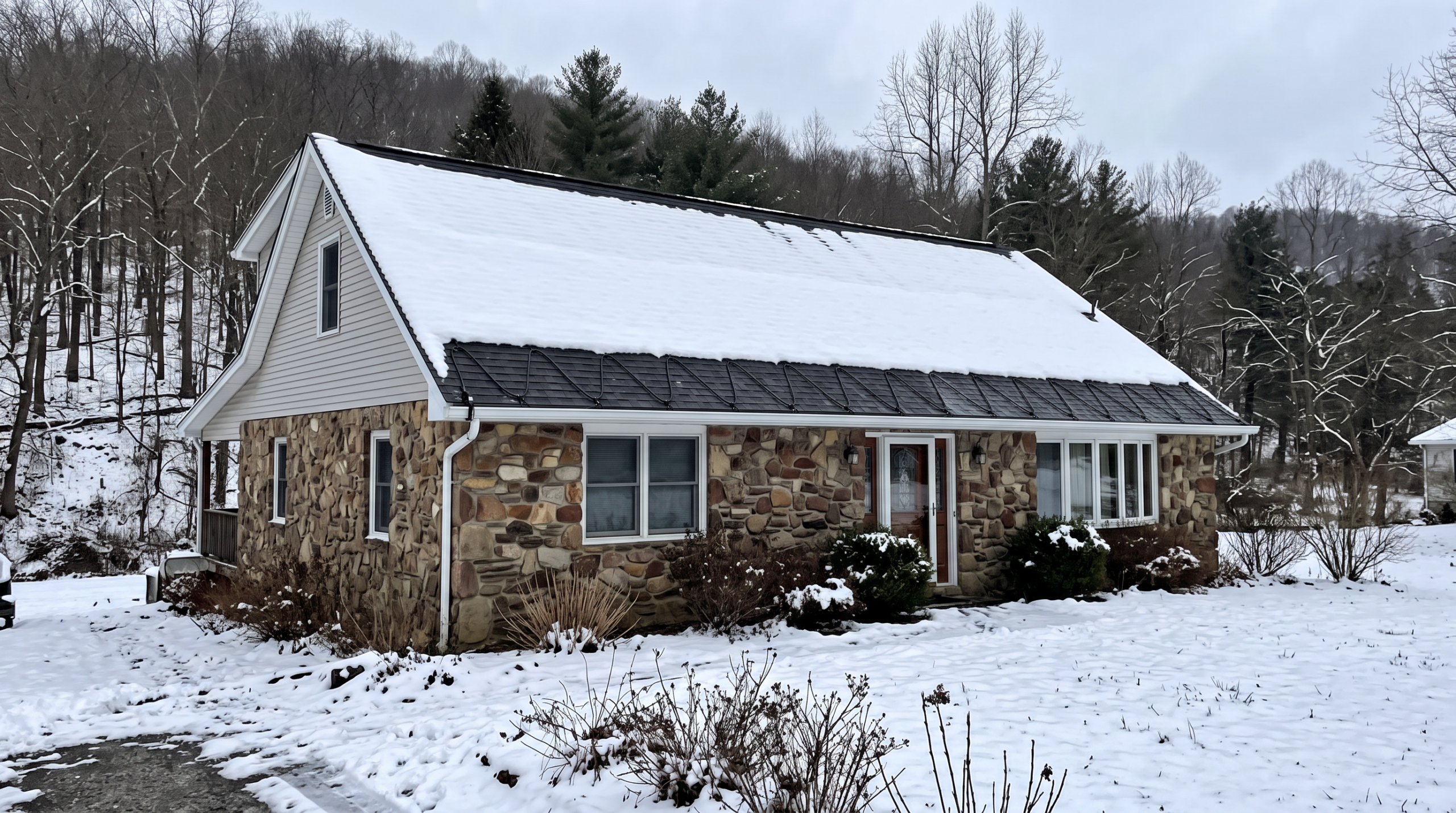
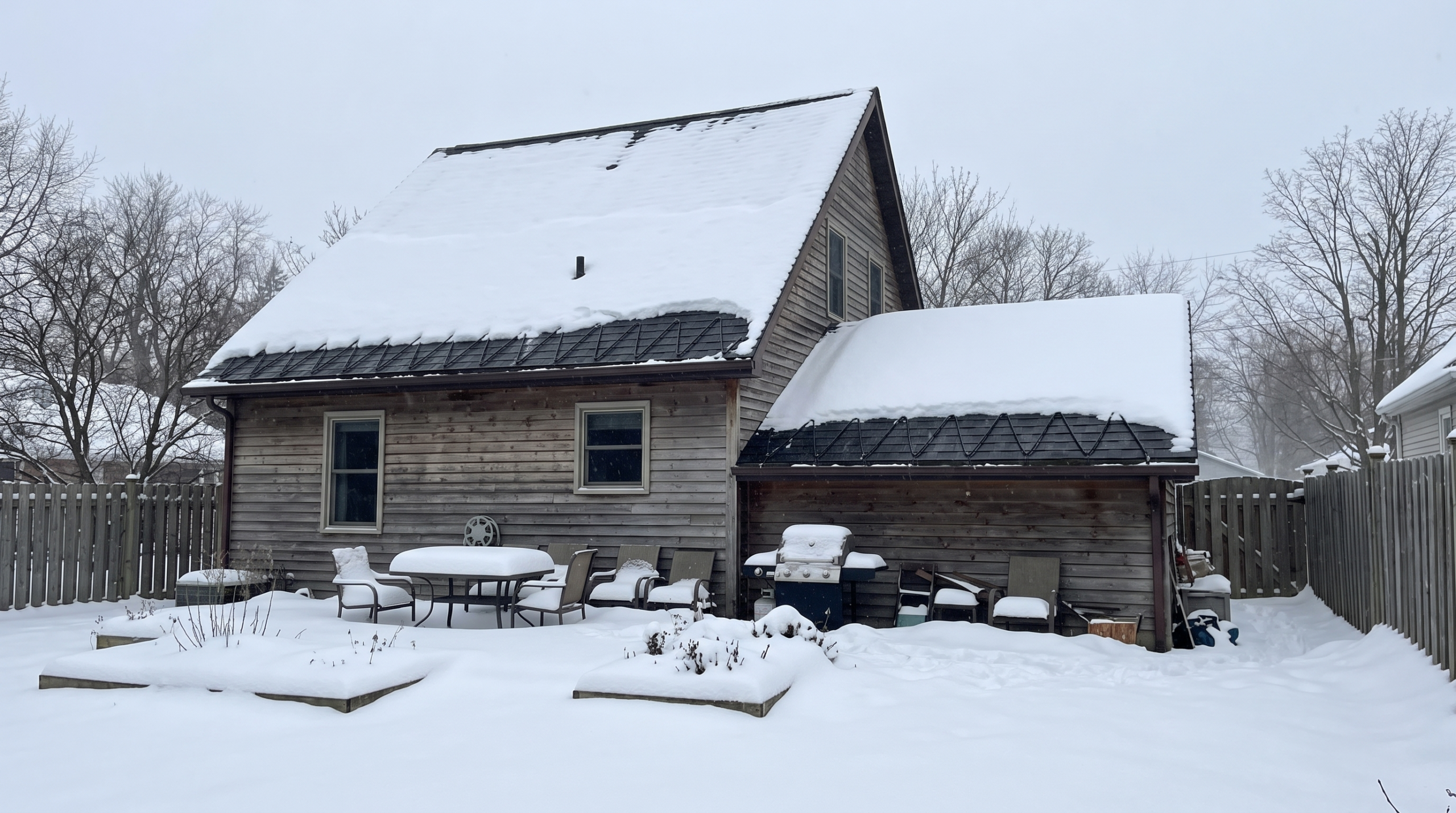
The lake keeps producing snow long after a front has passed, so a roof in Oakland County rarely gets the clear stretch it needs to shed. One band follows another and the pack simply deepens.

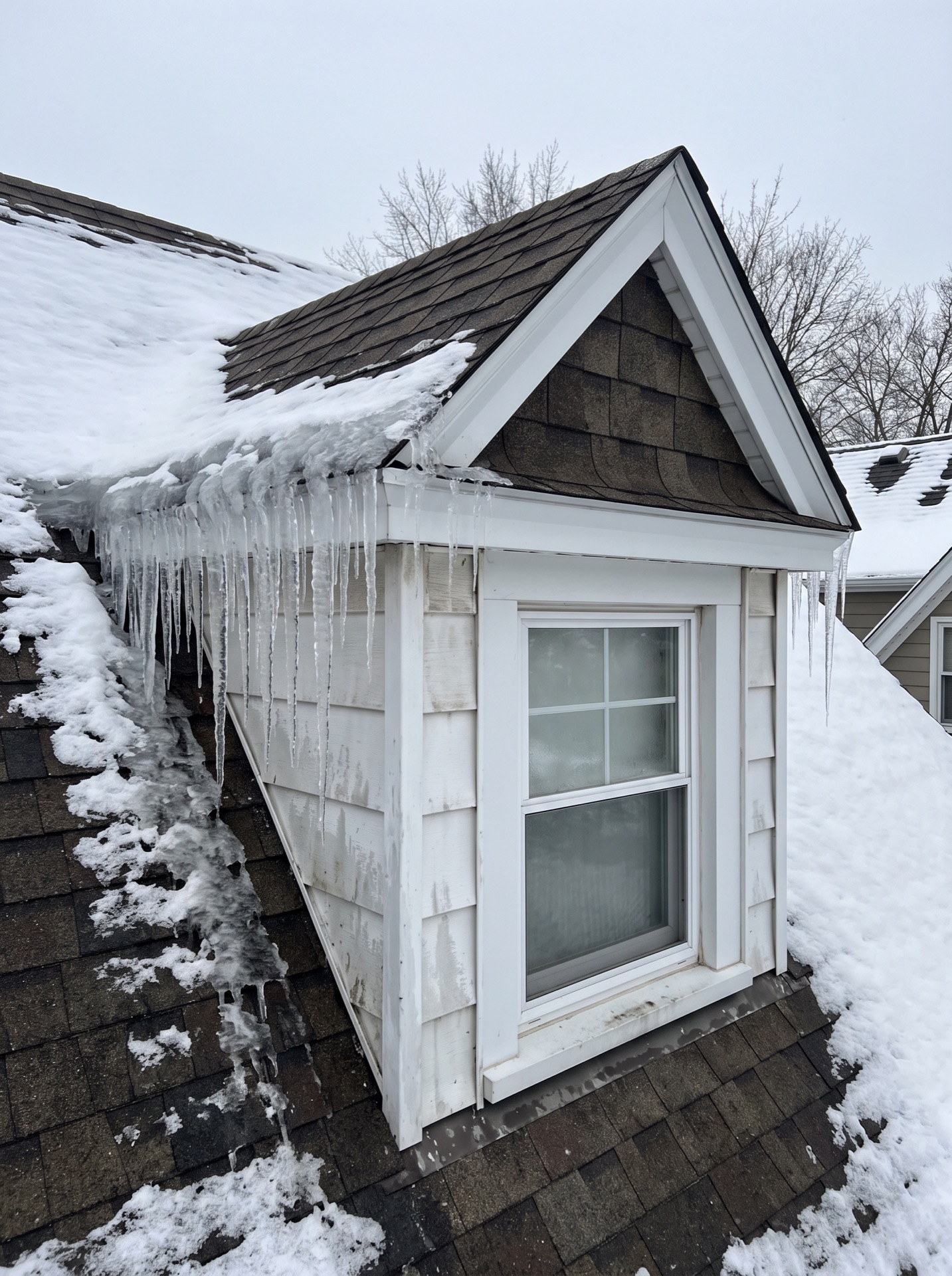
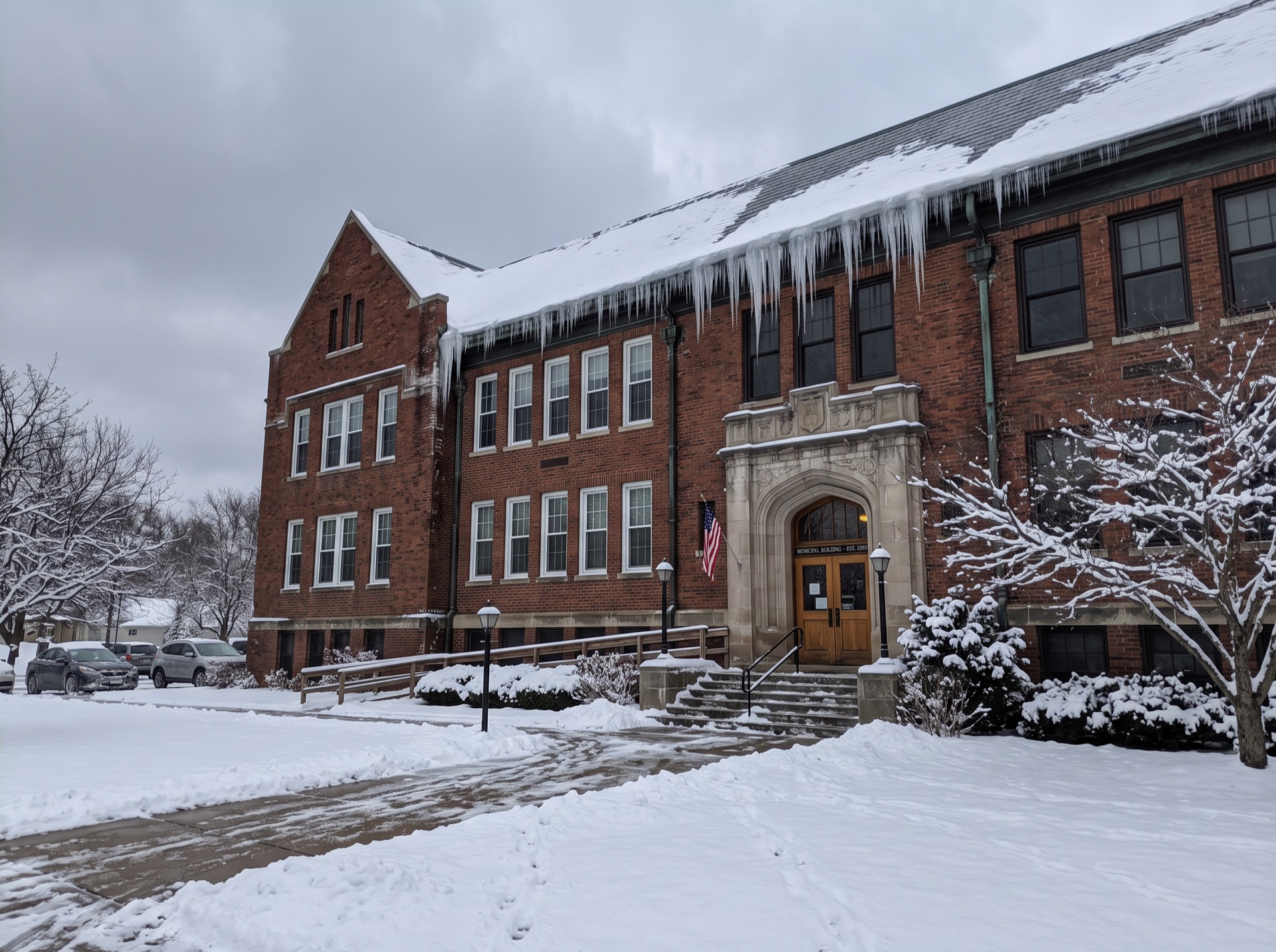
Then the temperature swings. Lake-effect regions cycle hard either side of freezing, and each cycle moves meltwater down to a cold eave and locks it there. The dam grows by a layer every time, and the water behind it rises with it.
Ice-barrier practice in Oakland County
Most Oakland County building departments expect self-adhering ice barrier at the eaves on any re-roof permit. The houses that leak are generally the ones last roofed before that became routine.
What a Crew Does on a Rochester Hills Roof
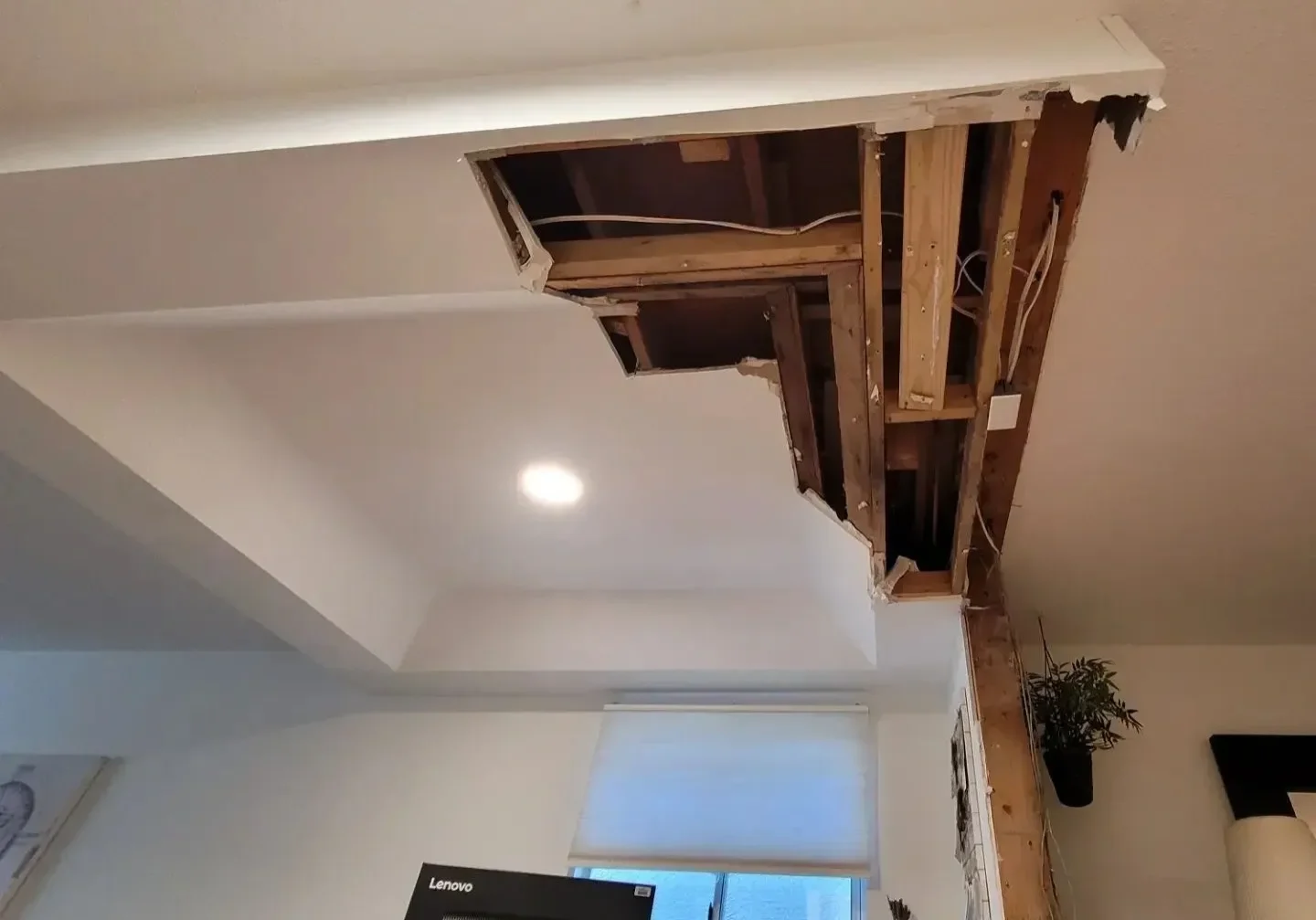
The first pass is assessment: eaves, valleys, gutter line and any interior staining, all photographed with timestamps. You see what the crew sees, and the rate and likely hours are agreed before work begins.
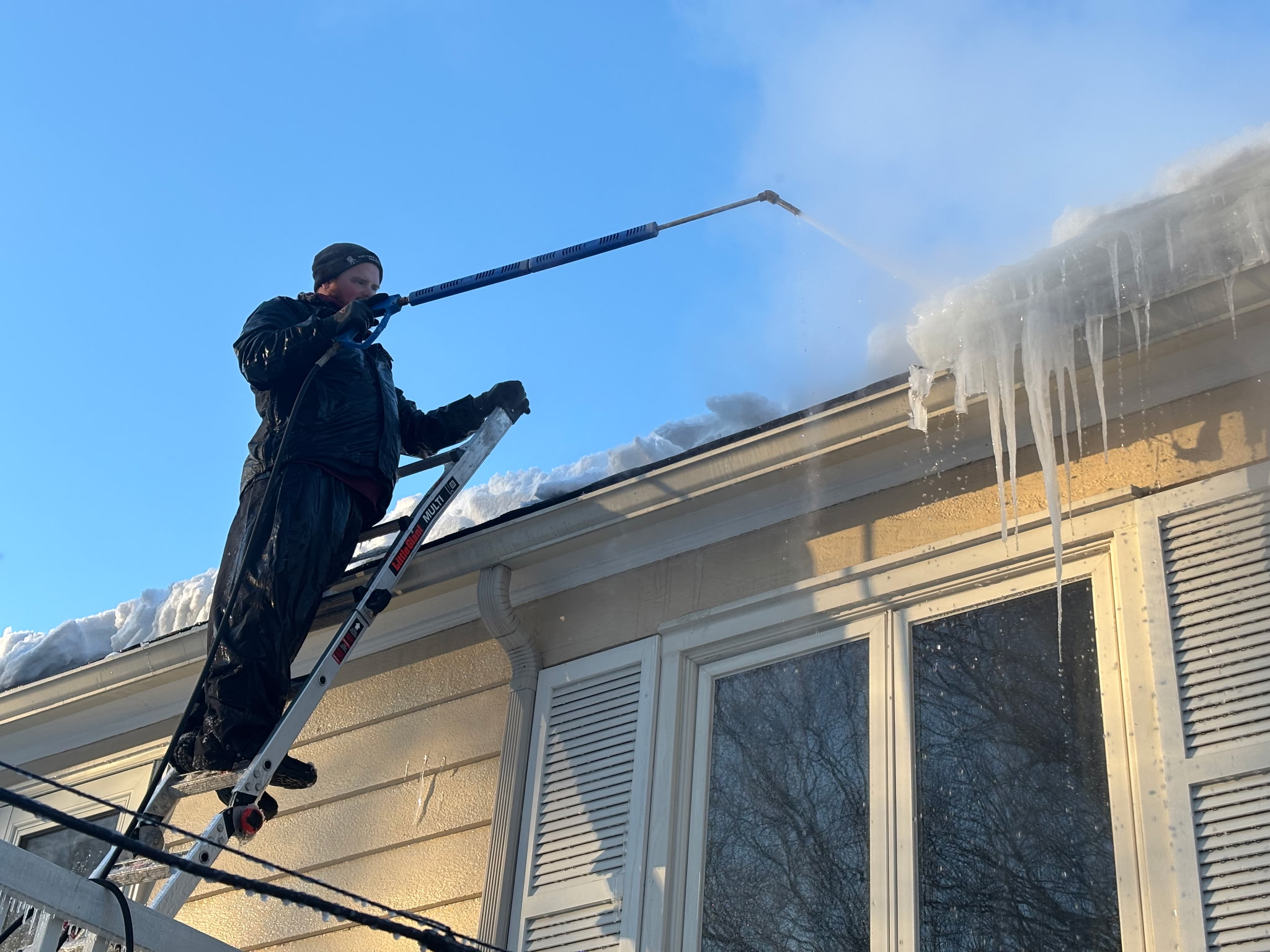
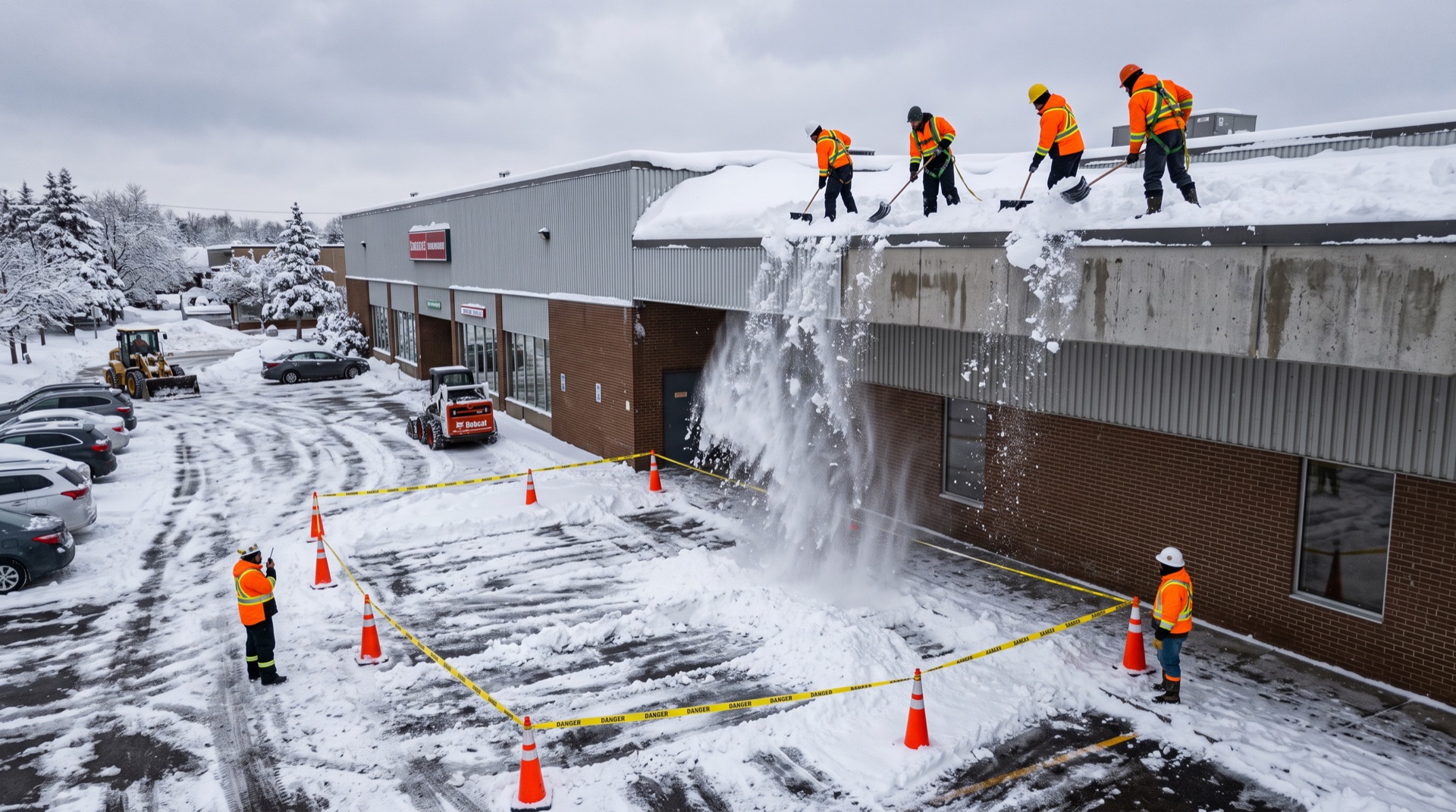
Steam then takes the dam off in sections, prioritizing wherever water is actively backing up behind it. The gutter trough and downspout are cleared through to daylight on the same visit, because a clear eave over a frozen gutter is a temporary fix.
Working at night and during an active storm
Freeze events do not keep office hours, and the worst leaks tend to announce themselves in the evening when the day's melt refreezes. Crews run lit, and a roof that is actively collecting snow is worked anyway, because waiting for better weather means the dam is bigger when somebody finally gets to it.
What does stop a crew is wind and lightning. Both are judgment calls made on site in Rochester Hills, and a postponed start gets explained rather than dressed up.
What the crew does on arrival
Before anything is touched, the crew walks the eaves, valleys and gutter line and photographs every dam and every point where water is tracking inside. You get shown what they found. Then the dam comes off in sections, starting wherever water is actively backing up, so drainage opens early rather than at the end.
Downspouts and gutter troughs get cleared in the same visit where they are frozen, because a dam removed above a solid block of ice in the gutter just reforms in the next cold night.
Why the dam formed in the first place
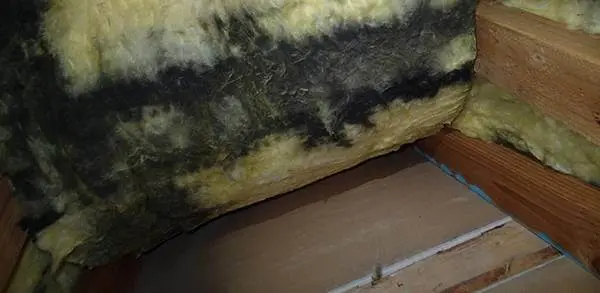
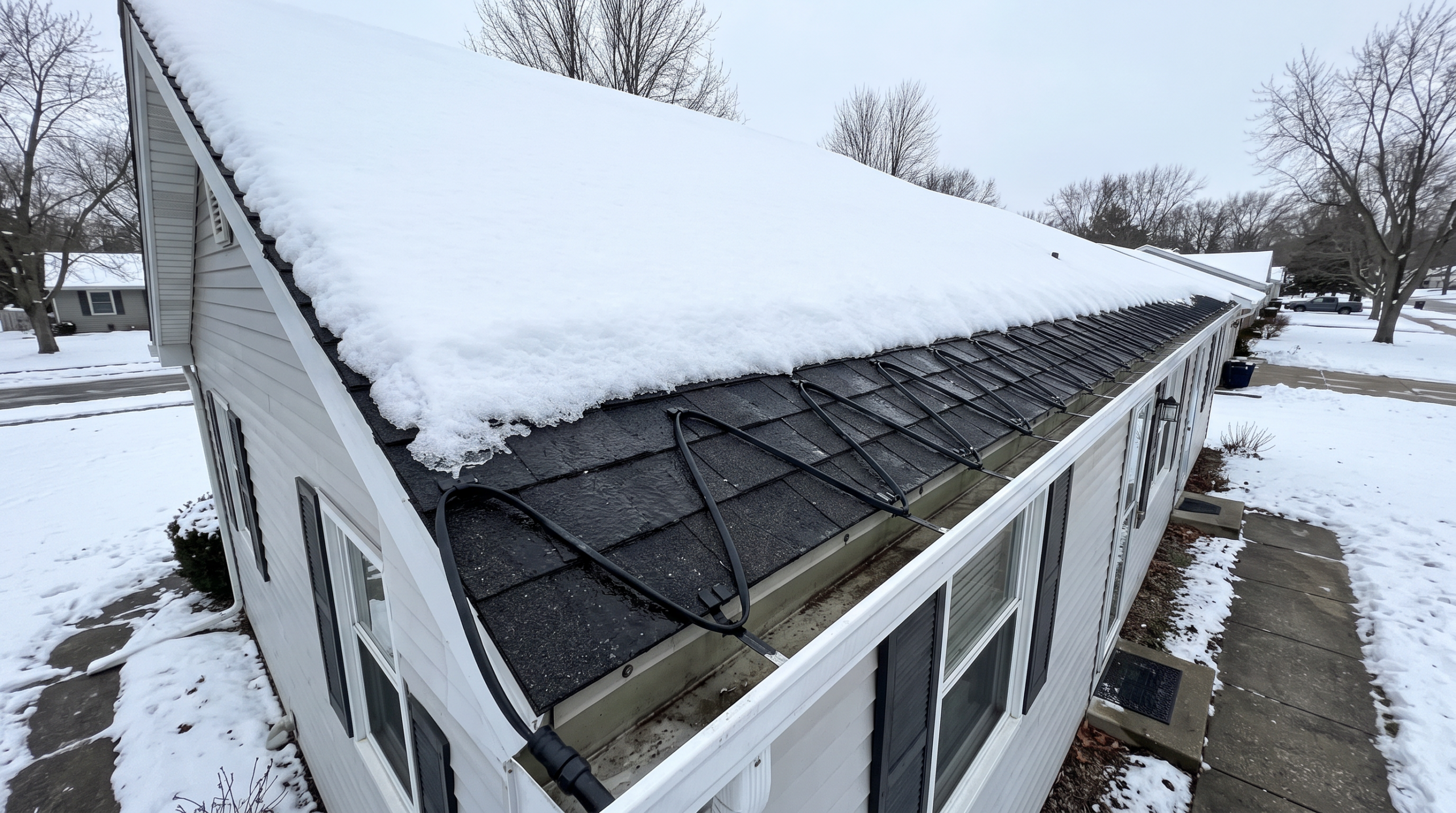
Ice dams are a heat problem wearing a weather costume. Warm air escaping into the attic melts snow on the upper roof; that meltwater runs to the eave, which hangs past the heated envelope and stays below freezing; it refreezes there, and the ridge of ice grows a layer every cycle. Removal is the emergency fix. Before the crew leaves you will know which part of your attic is feeding it.
| Dispatch window | Same day to 24 hours |
|---|---|
| Local ice-barrier practice | Eave membrane expected on re-roofs |
| Service | Ice dam removal in Rochester Hills, MI |
| Removal method | Low-pressure steam only. No chipping, salt or pressure washing. |
| Primary climate stressor | Lake-effect bands, wet heavy pack |
| Typical scope | Steam, 6-12 crew hours typical |
| Coverage area | Rochester Hills and Oakland County |
Oakland County Coverage From Rochester Hills
Crews working Rochester Hills cover the adjoining communities on the same route — Rochester, Utica, Washington, Oakland and Lake Orion — so a storm week usually means one truck handling several addresses in Oakland County rather than separate trips.
Nearest hub towns with their own crew pages: Auburn Hills, Troy, Pontiac, Sterling Heights, Birmingham, Berkley.
When a storm hits Oakland County, crews are dispatched by severity rather than by call order — water already inside the house goes first.
If water is already inside a property in Rochester Hills, call (888) 561-9664 rather than filling in a form — the phone is faster and leaks jump the line.