



Why Auburn Hills Roofs Dam Up: Lake-Effect Load and Freeze-Thaw
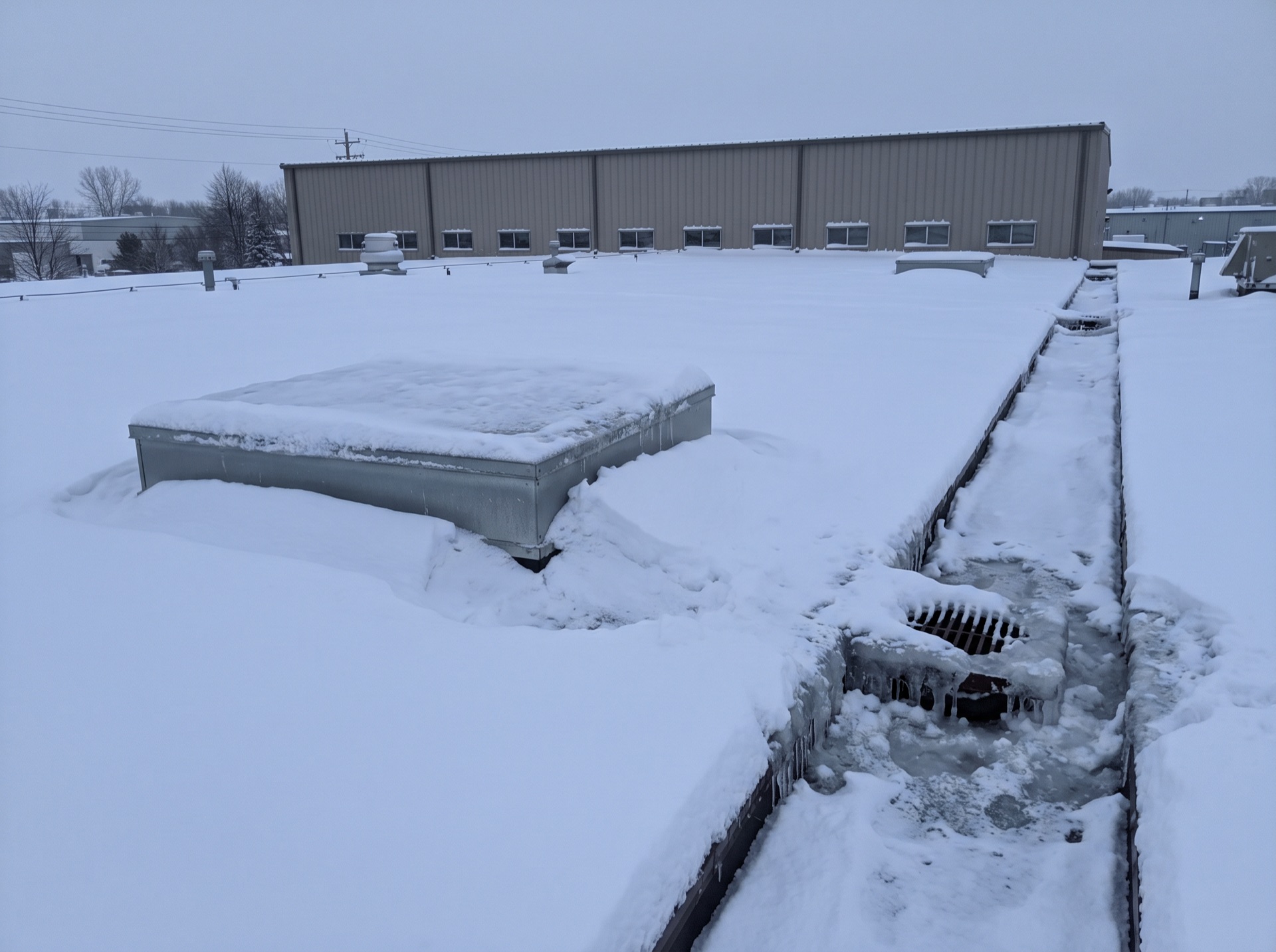
Auburn Hills sits in the lake-effect belt, where a single band can drop a foot on one side of Oakland County and leave the other side clear. That snow lands wet and heavy, packs down on the upper roof, and sits there as a reservoir.

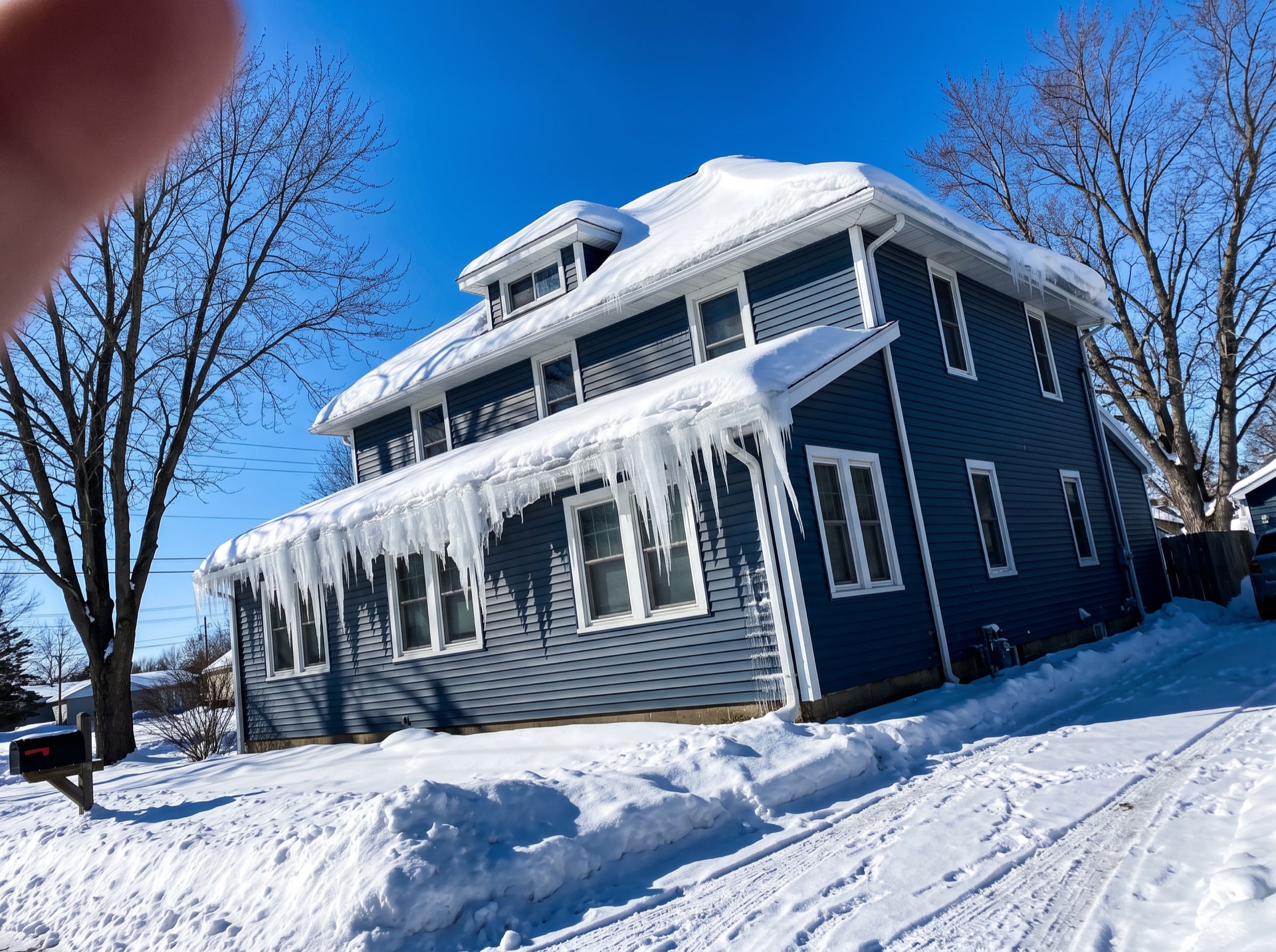
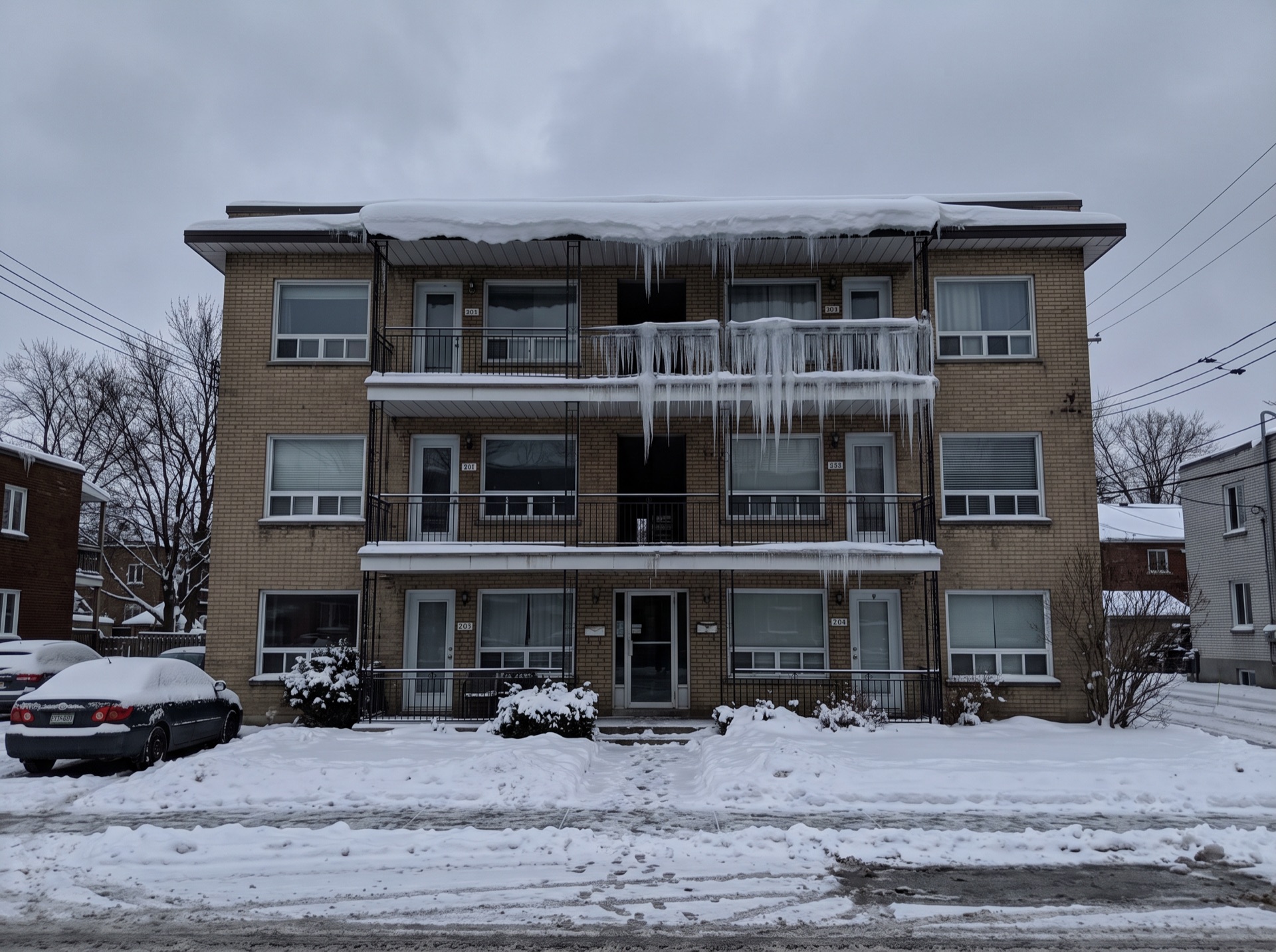
Then the temperature swings. Lake-effect regions cycle hard either side of freezing, and each cycle moves meltwater down to a cold eave and locks it there. The dam grows by a layer every time, and the water behind it rises with it.
Ice-barrier practice in Oakland County
Ice-barrier membrane at the eaves is standard practice across the lake-effect counties, and most Michigan jurisdictions enforce it on re-roofs. If your roof predates that, the eave has nothing under the shingles holding water out.
How We Work an Auburn Hills Ice Dam
Nothing gets touched until the roof has been walked and photographed. The crew finds every dam, locates where water is getting in, shows you, and gives you the crew-hour rate and a time estimate before the equipment comes off the truck.
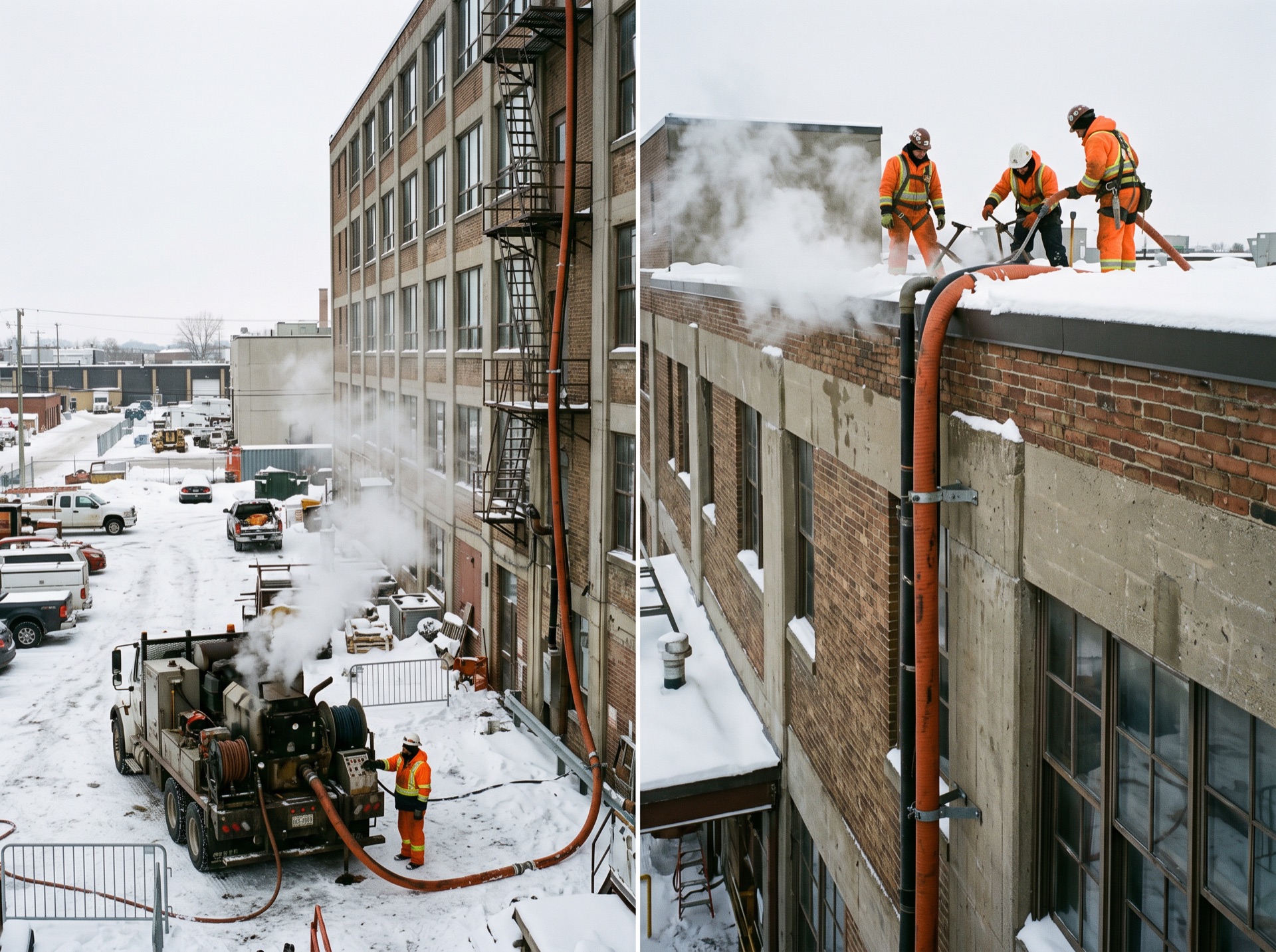
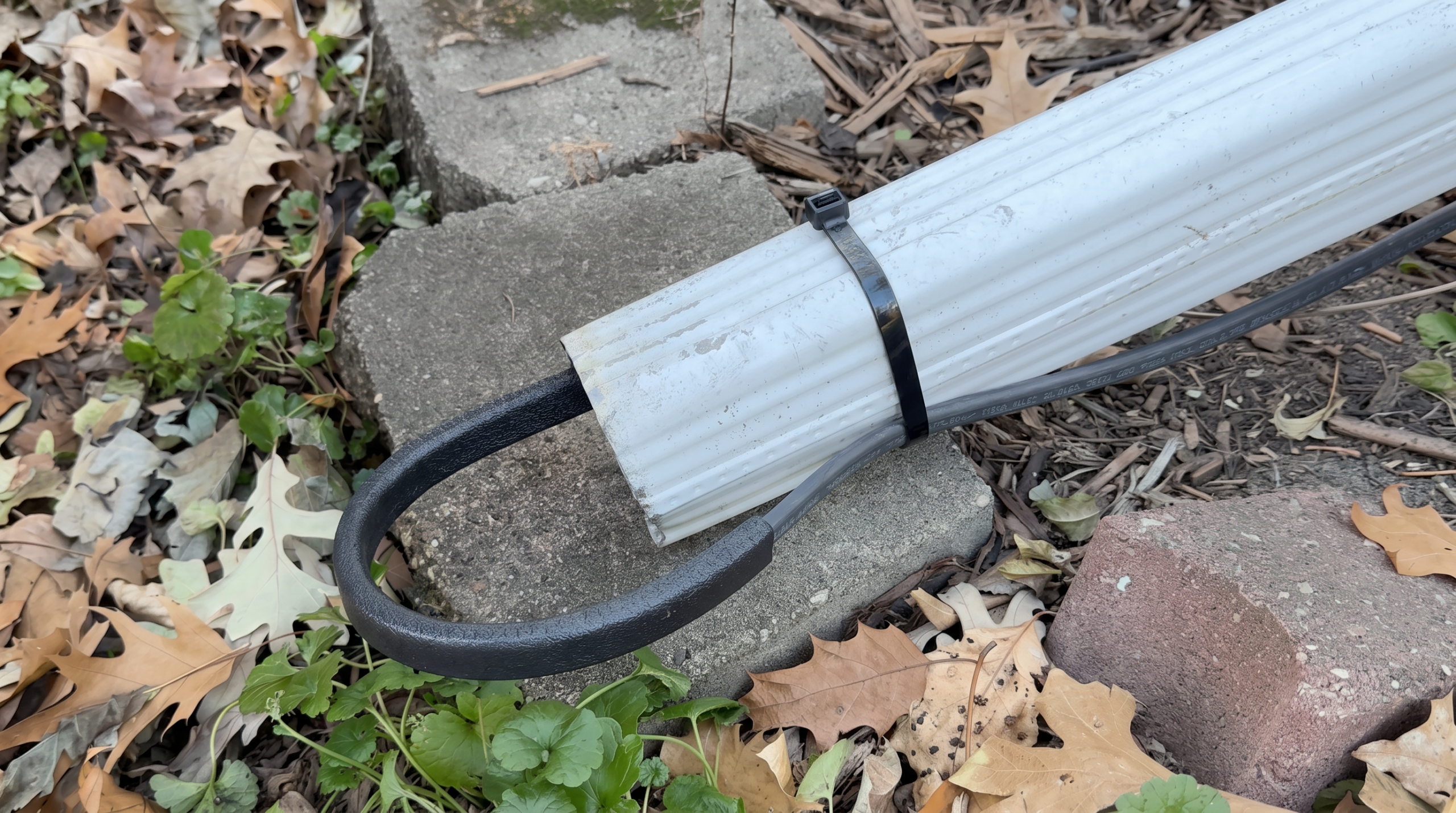
Removal then works from the worst point outward, so water starts draining early rather than at the end. Gutters and downspouts frozen solid get steamed through in the same visit — leaving them means the eave dams again within days.
What steam actually does
A steam unit delivers water at roughly 290°F at a pressure low enough to rest your hand in the plume. It cuts a channel straight through the ice and lifts the dam off in sections, right down to the shingle. The heat does the work, not force, so granules, seal strips and flashing come through untouched.
That is the whole difference between steam and the hot pressure washers often sold as steam. A pressure washer cuts ice fast because of its pressure — and that same pressure strips the granules off asphalt shingles and drives water up under the courses. One method removes ice. The other removes ice and roof.
Why the gutter has to be cleared in the same visit
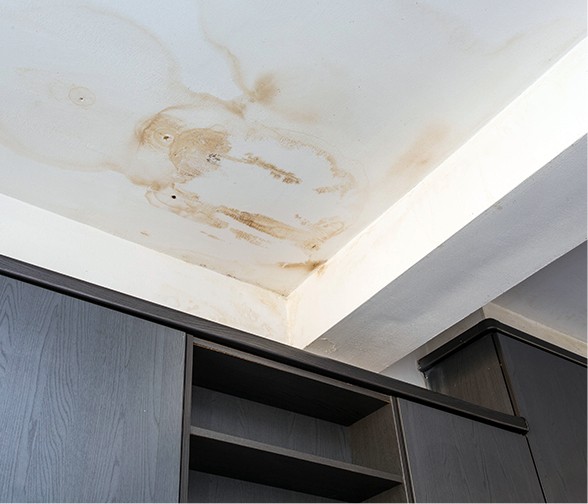
A dam sitting above a gutter packed solid with ice is only half the problem. Clear the eave and leave the trough frozen, and the next day's meltwater has nowhere to run — it backs up onto the roof and the dam rebuilds from the bottom.
Crews steam the trough and the downspout through to daylight on the same visit. It adds time, which is why the hour estimate given on the phone accounts for it, and it is the difference between a fix and a repeat visit in Auburn Hills the following week.
Why the dam formed in the first place
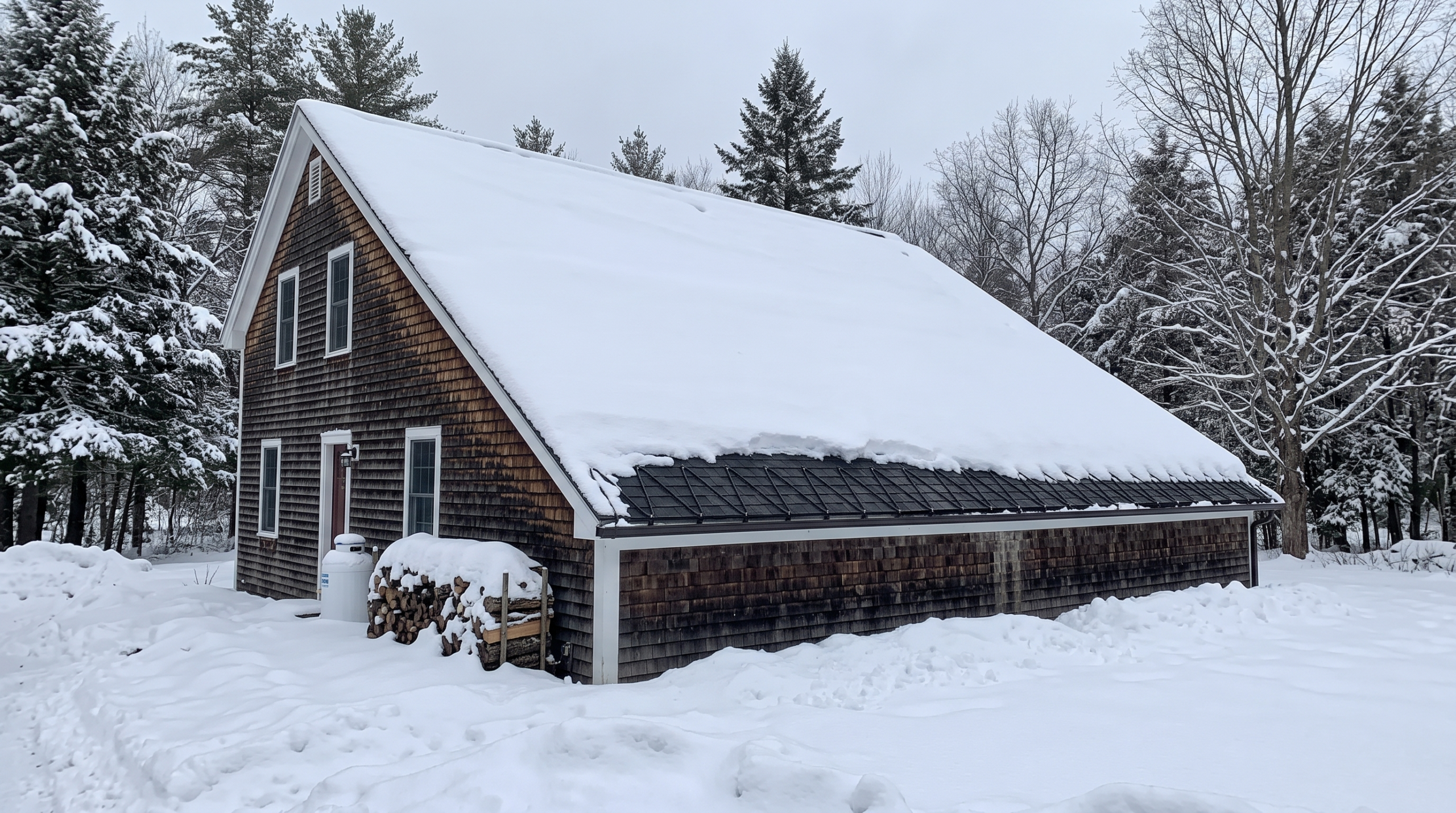
Ice dams are a heat problem wearing a weather costume. Warm air escaping into the attic melts snow on the upper roof; that meltwater runs to the eave, which hangs past the heated envelope and stays below freezing; it refreezes there, and the ridge of ice grows a layer every cycle. Removal is the emergency fix. Before the crew leaves you will know which part of your attic is feeding it.
| Service | Ice dam removal in Auburn Hills, MI |
|---|---|
| Local ice-barrier practice | Eave membrane expected on re-roofs |
| Removal method | Low-pressure steam only. No chipping, salt or pressure washing. |
| Coverage area | Auburn Hills and Oakland County |
| Documentation | Dated before and after photos, written scope in Xactimate line items |
| Dispatch window | Same day to 24 hours |
| Typical scope | Steam, 6-12 crew hours typical |
Auburn Hills Coverage and the Adjoining Communities
Crews working Auburn Hills cover the adjoining communities on the same route — Lake Orion, Rochester, Oakland, Drayton Plains and Keego Harbor — so a storm week usually means one truck handling several addresses in Oakland County rather than separate trips.
Nearest hub towns with their own crew pages: Pontiac, Rochester Hills, Troy, Birmingham, Sterling Heights, Berkley.
During a cold snap Auburn Hills gets worked alongside the neighboring Oakland County towns on the same route, with active interior leaks moved to the front of the list.
Water through a ceiling in Auburn Hills is a same-day call, not a next-week one. (888) 561-9664 goes straight to dispatch.