



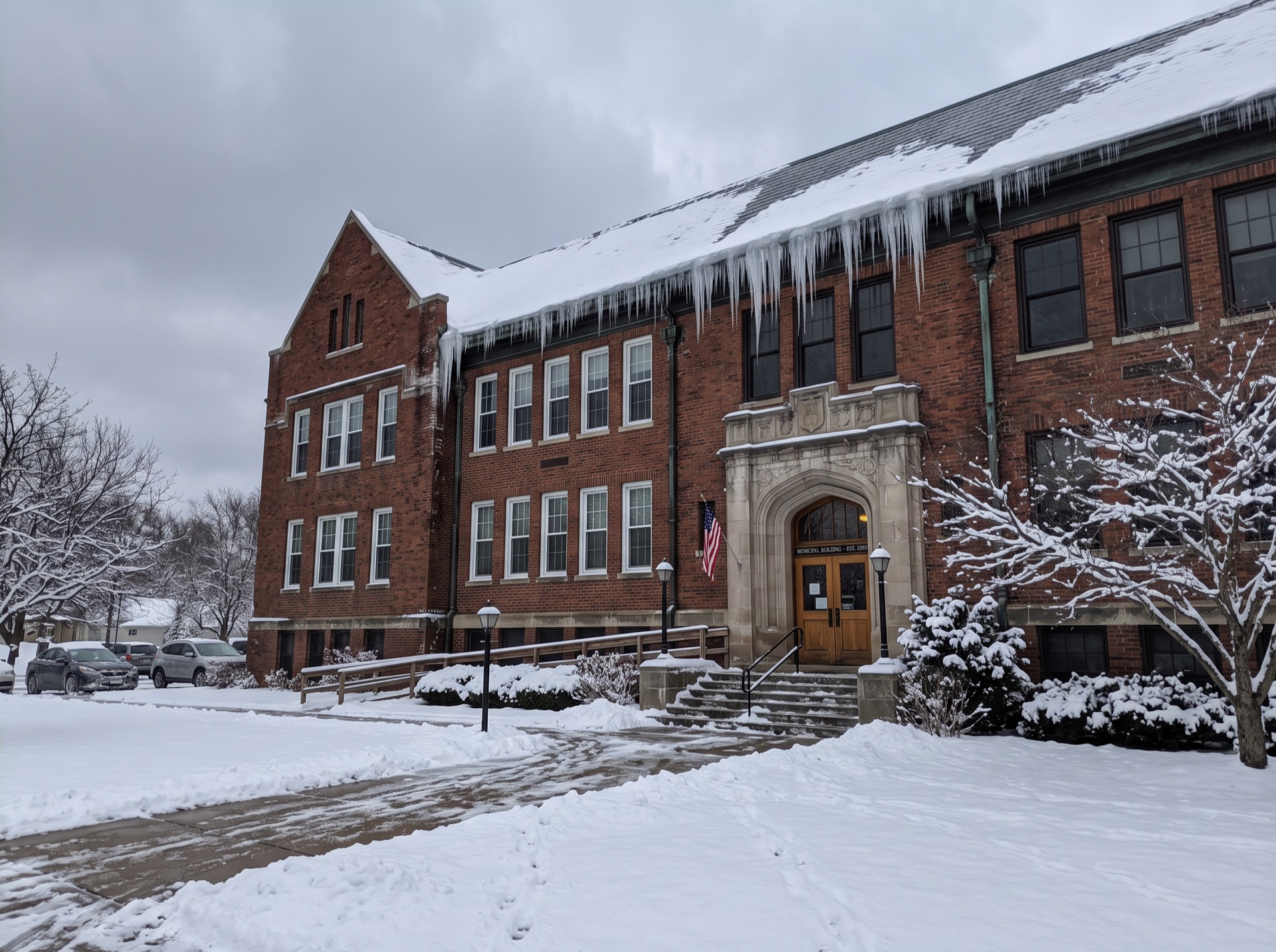
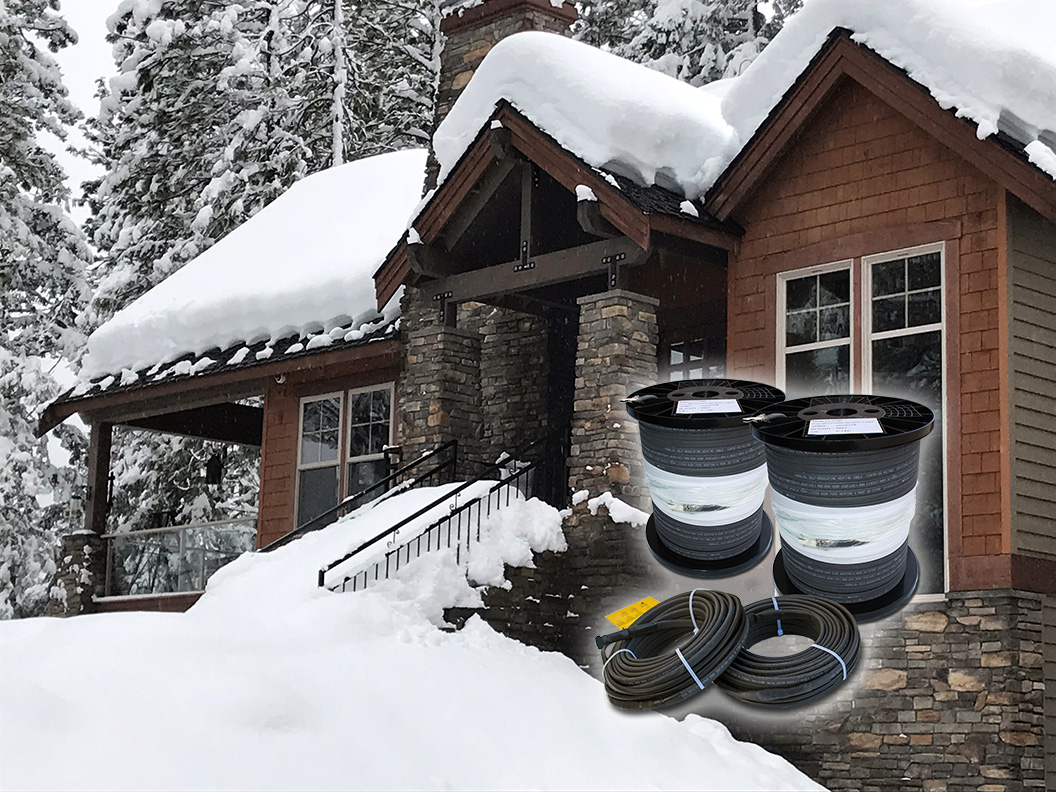
Sun on Cold Snow: The McCall Pattern
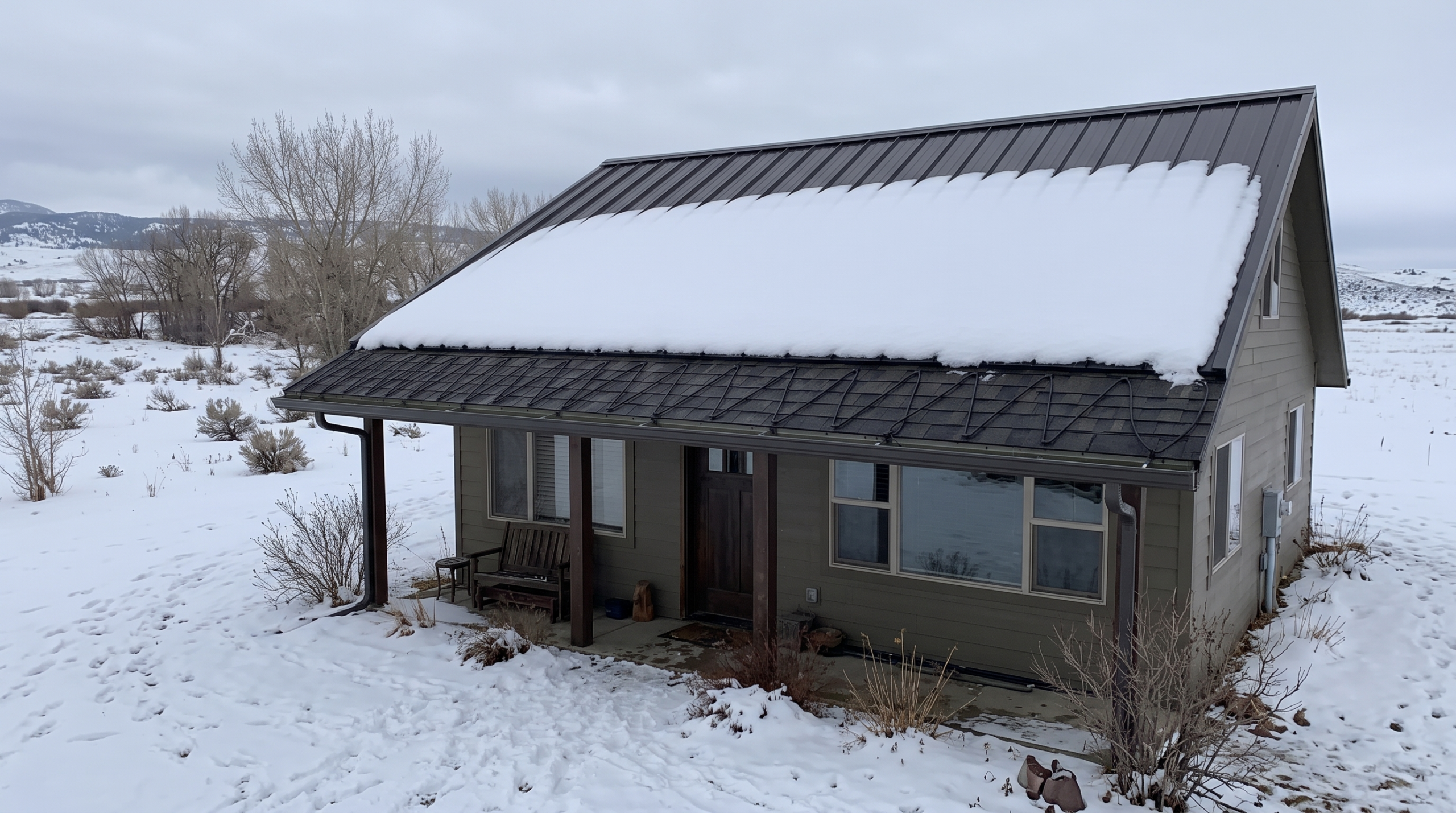
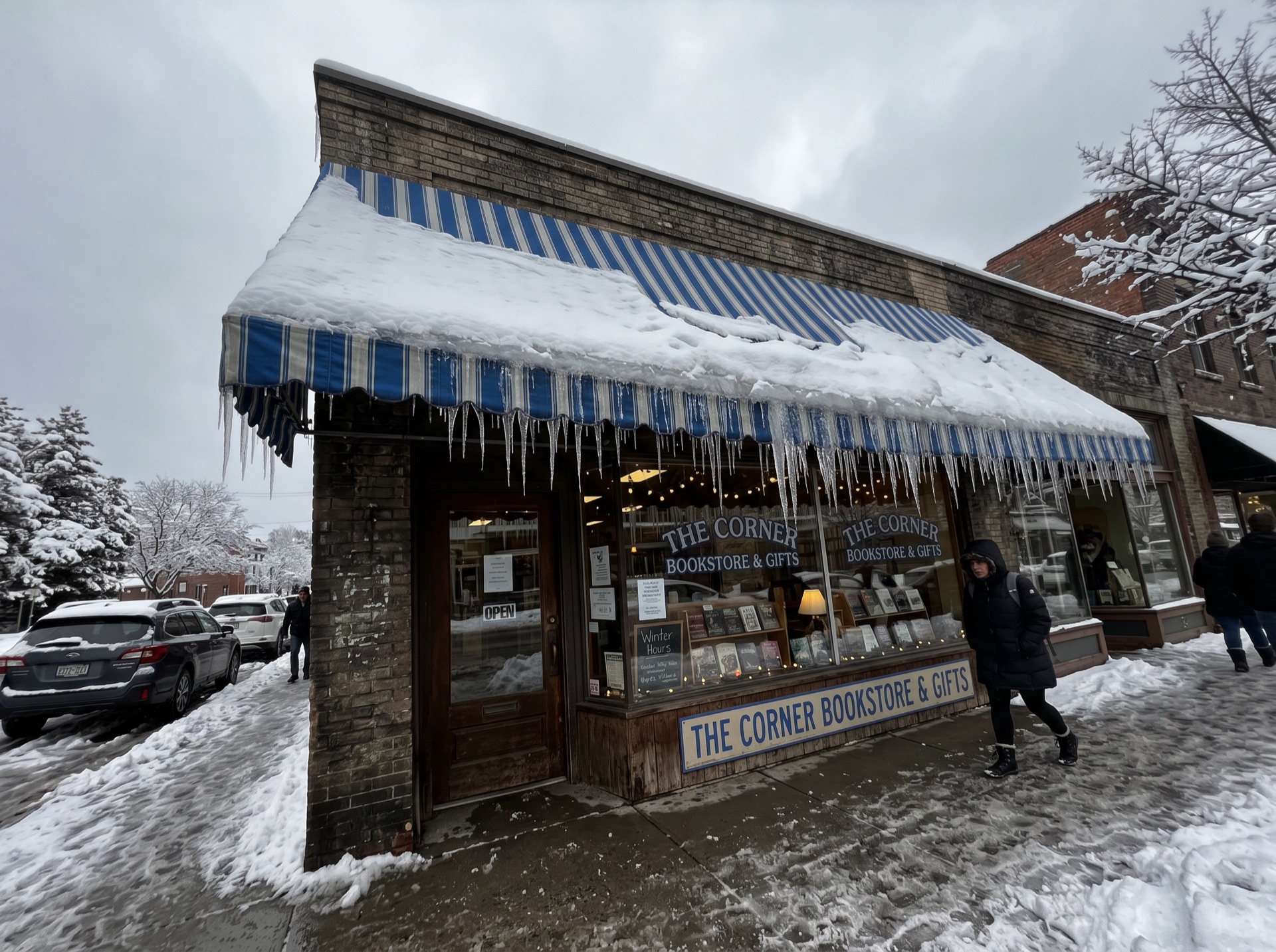
Thin air at altitude means intense direct sun even in deep cold. A McCall roof can be melting on its south face at midday in air that never gets near freezing, and all of that water has to go somewhere.

Volume is the other factor. A Valley County roof carrying several feet of pack has an enormous reservoir above an overhang that never sees direct sun, and the supply does not run out until spring.
Ice-barrier practice in Valley County
Design snow loads in Valley County are among the highest anywhere, and the membrane and retention requirements that go with them are not formalities. On an older McCall cabin or chalet neither may be present.
The McCall Dispatch Process, Step by Step
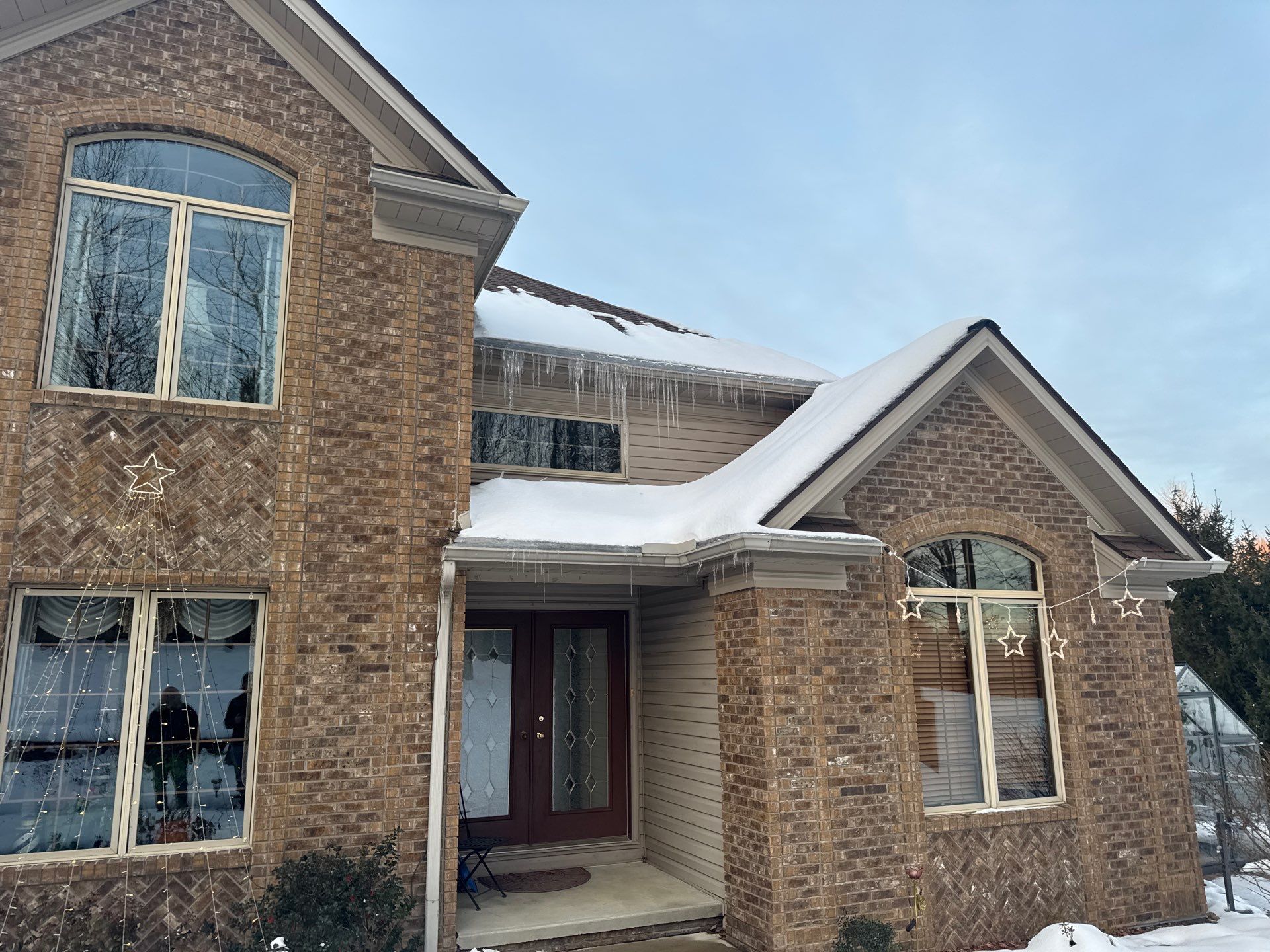
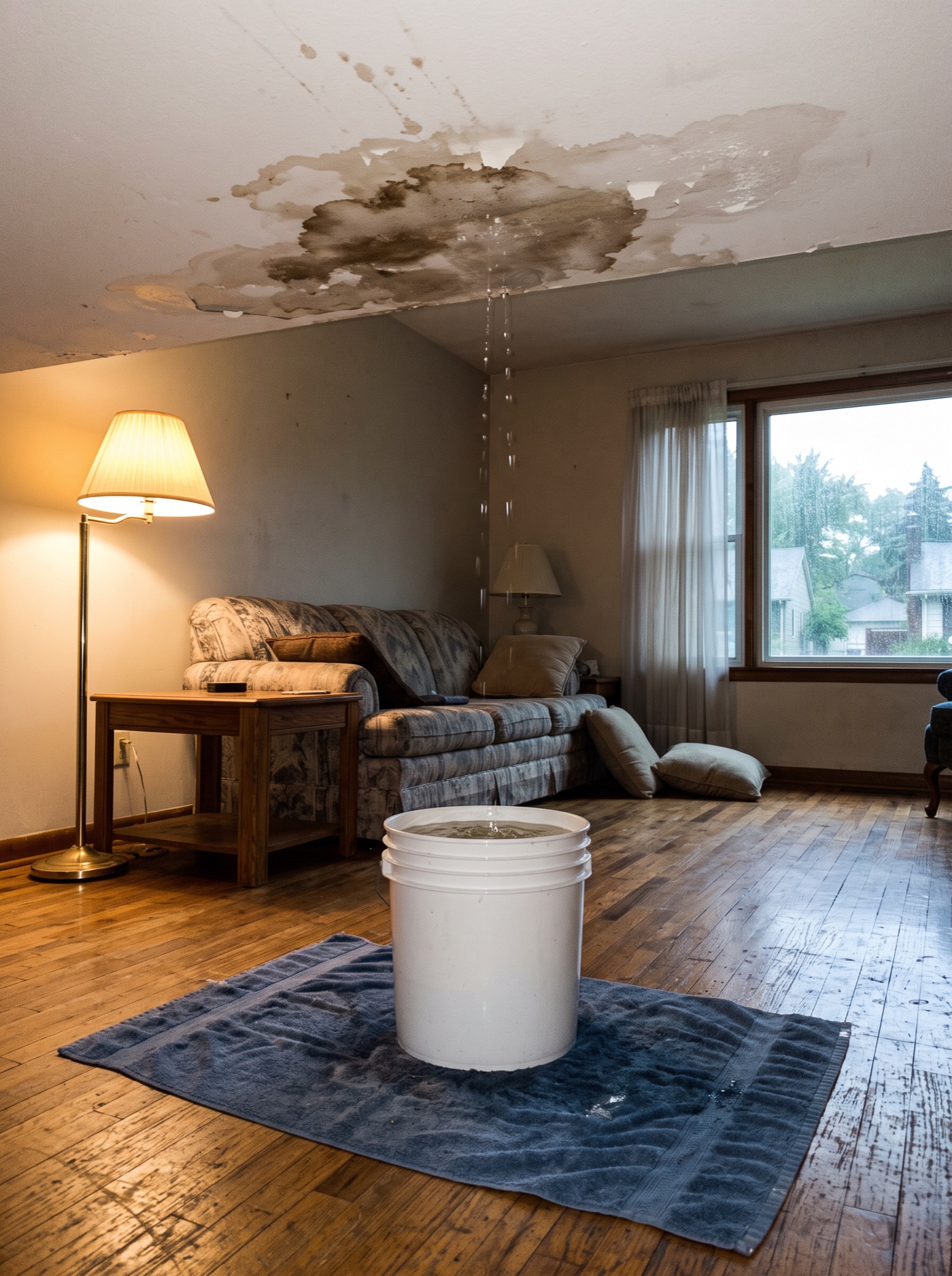
Crews walk the eaves, valleys and gutter line first and photograph every dam and every point where water is tracking inside, before touching anything. You get shown what they found and quoted the crew-hour rate before work starts.
Then the ice comes off with low-pressure steam, starting wherever water is actively backing up so drainage opens early. Frozen gutters and downspouts are cleared in the same visit, because a cleared eave above a solid block of ice in the gutter dams again on the next cold night.
Why the gutter has to be cleared in the same visit
A dam sitting above a gutter packed solid with ice is only half the problem. Clear the eave and leave the trough frozen, and the next day's meltwater has nowhere to run — it backs up onto the roof and the dam rebuilds from the bottom.
Crews steam the trough and the downspout through to daylight on the same visit. It adds time, which is why the hour estimate given on the phone accounts for it, and it is the difference between a fix and a repeat visit in McCall the following week.
Why salt and ice melt make it worse
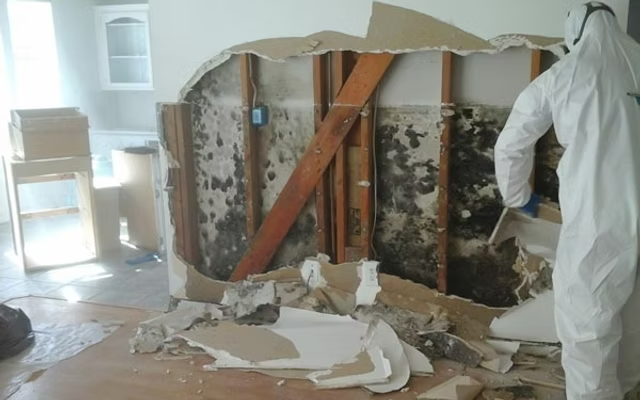
Calcium chloride opens a narrow channel and leaves the dam standing. The channel refreezes, the dam does not go anywhere, and in the meantime the runoff corrodes gutter seams, fasteners, flashing and anything growing underneath.
It is a stopgap at best. On a roof in McCall with an active leak it buys hours, not days, and it adds a corrosion problem to the water problem.
Working at night and during an active storm
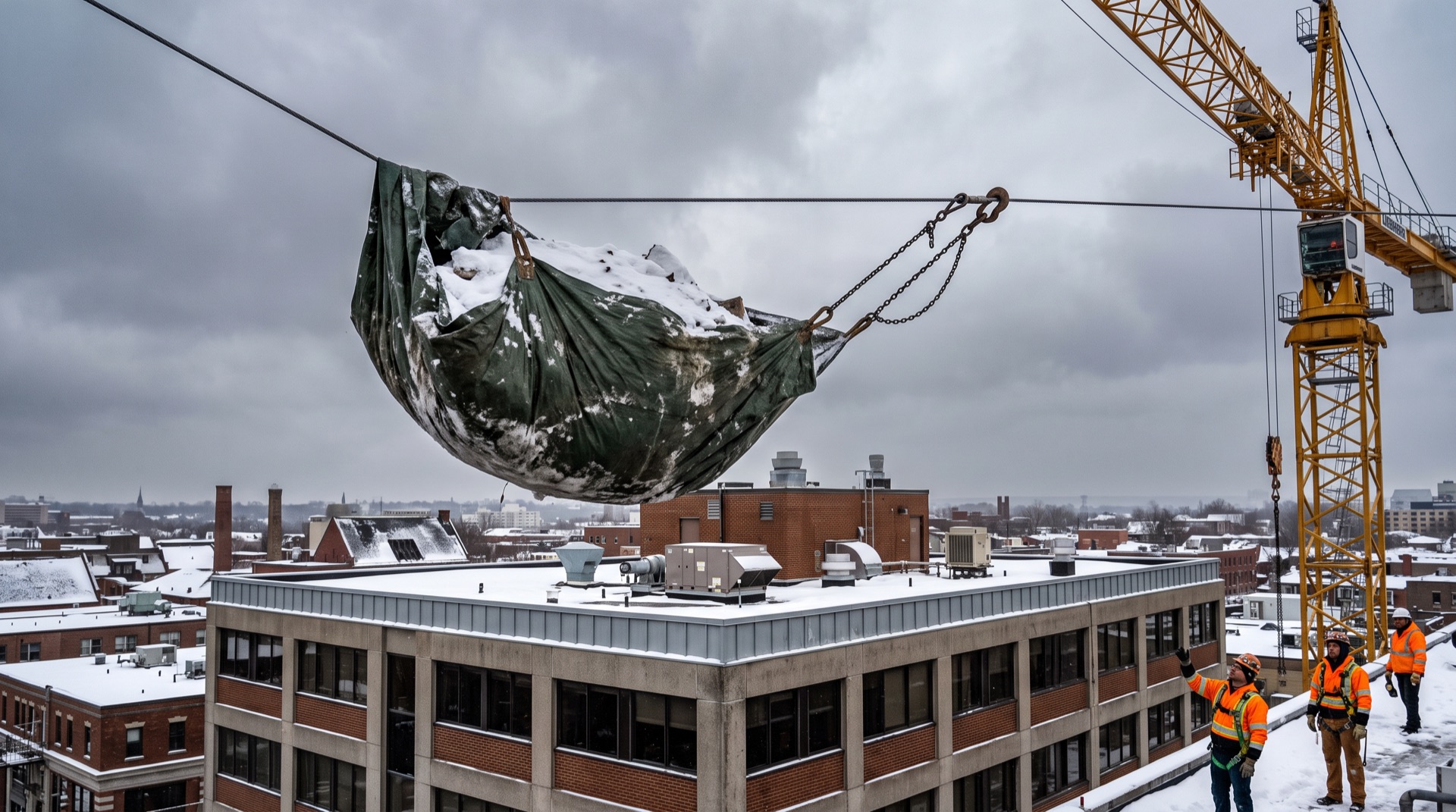
Freeze events do not keep office hours, and the worst leaks tend to announce themselves in the evening when the day's melt refreezes. Crews run lit, and a roof that is actively collecting snow is worked anyway, because waiting for better weather means the dam is bigger when somebody finally gets to it.
What does stop a crew is wind and lightning. Both are judgment calls made on site in McCall, and a postponed start gets explained rather than dressed up.
| Coverage area | McCall and Valley County |
|---|---|
| Dispatch window | 24 to 48 hours in mountain terrain |
| Documentation | Dated before and after photos, written scope in Xactimate line items |
| Pricing model | Billed by the crew hour, rate quoted before dispatch |
| Service | Ice dam removal in McCall, ID |
| Local ice-barrier practice | Extended membrane plus snow retention |
| Primary climate stressor | Solar melt on deep pack, shaded eaves |
Neighborhoods and Towns We Reach From McCall
Crews working McCall cover the adjoining communities on the same route — Lake Fork, Donnelly and New Meadows — so a storm week usually means one truck handling several addresses in Valley County rather than separate trips.
Nearest hub towns with their own crew pages: Eagle, Boise, Meridian, Caldwell, Nampa, Kuna.
Coverage runs across McCall and the nearby towns all winter, and capacity is surged into whichever Idaho market the storm actually hits.
Water coming in right now in McCall? Call (888) 561-9664. Active interior leaks go to the front of the schedule.