



Skip to content
Driggs, ID
High-Altitude Solar Melt · Teton County

Ice Dam Removal in Driggs, ID — High‑Altitude Response

Ice Dam Now provides emergency ice dam removal, roof snow clearing and water mitigation in Driggs, ID and across Teton County. Removal uses low-pressure steam only, never chipping or pressure washing. Crews dispatch same day for active interior leaks, bill by the crew hour at a rate quoted beforehand, and document every job for insurance.

Active Driggs leaks moved to the front of the schedule
Heat, not force — nothing mechanical on the roof
Downspouts cleared through to daylight
Photo record timestamped as the crew works

Get Ice Dam Help Driggs

A few quick questions, then pick a time. If water is coming in, call instead.

What is the zip code of the home?

Roof leaking right now? Call (888) 561-9664 — that is faster than any form.
Water coming through the ceiling?Every hour an ice dam sits there, more water gets under the shingles.Call (888) 561-9664
Same Day
For Water Already Inside
Steam
Safe On Every Covering
Teton
County Coverage
Insured
Harness-Certified On Every Roof
Written
Scope Before Work Starts
Driggs Services

What We Do In Driggs

Every service below is dispatched to Driggs and the surrounding Teton County addresses.

Emergency
contractor using steam equipment to remove ice dam from snowy roof

Ice Dam Removal in Driggs

24/7 Emergency Steam

Low-pressure steam melts the dam off the eave in sections until the shingle is clear and water is draining again.

Book Ice Dam Removal in Driggs
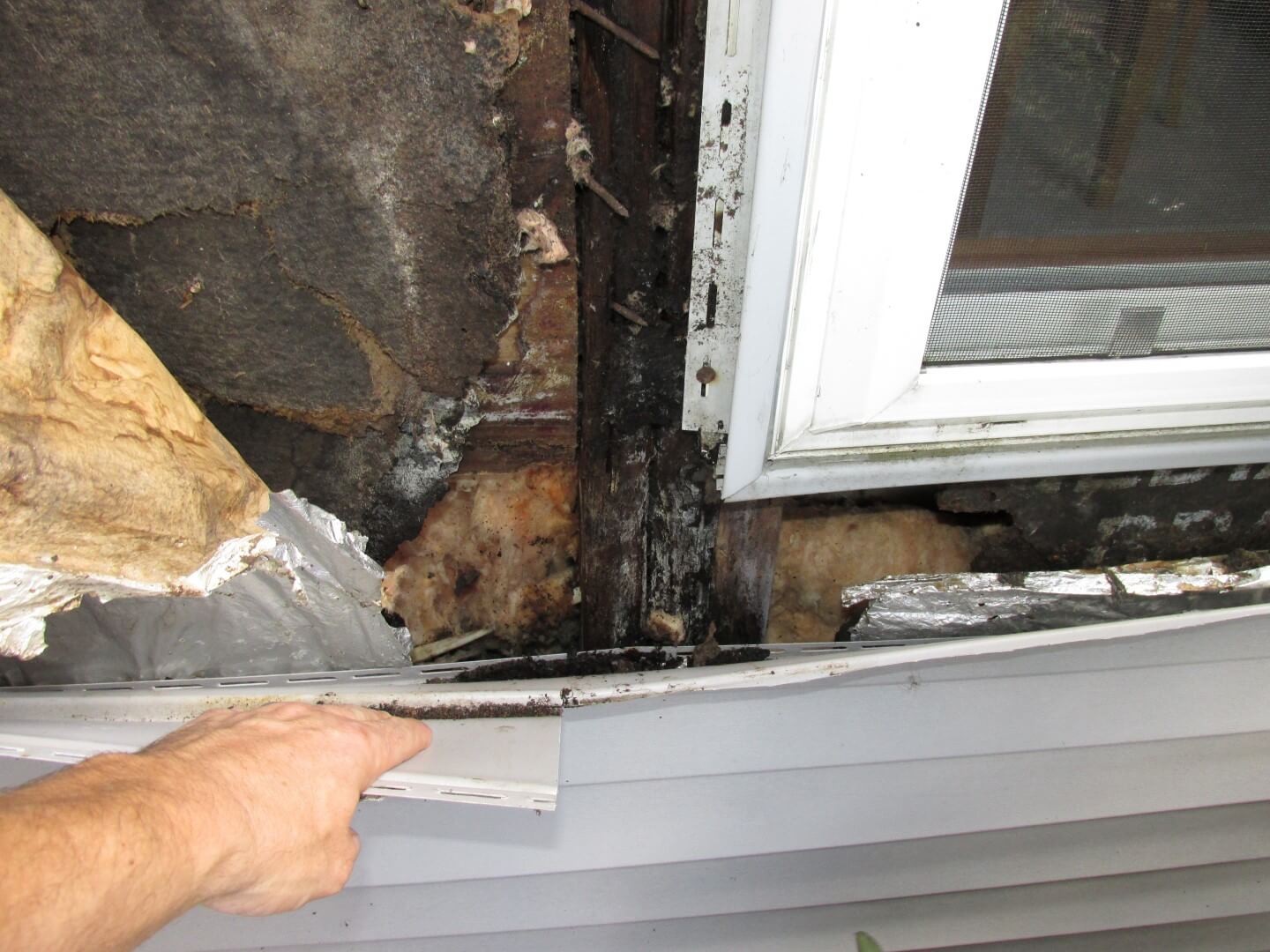
Severe water damage mold and rot exposed behind vinyl siding near window

Mold Remediation in Driggs

IICRC S520 Standard

Attic, wall cavity and ceiling mold left behind by ice dam water, removed under containment and cleared before the room is rebuilt.

Book Inspection in Driggs
Worker in safety harness shoveling snow off a residential roof in winter

Roof Snow Removal in Driggs

Stops The Next Dam

No snow on the roof means no meltwater, and no meltwater means no new dam.

Request Snow Clearing in Driggs
Large sheet of snow sliding off residential roof during winter removal

Roof Shoveling in Driggs

Hand Clearing

Deep pack, dead valleys and dormer pockets, cleared by hand where a rake cannot reach.

Request Hand Shoveling in Driggs
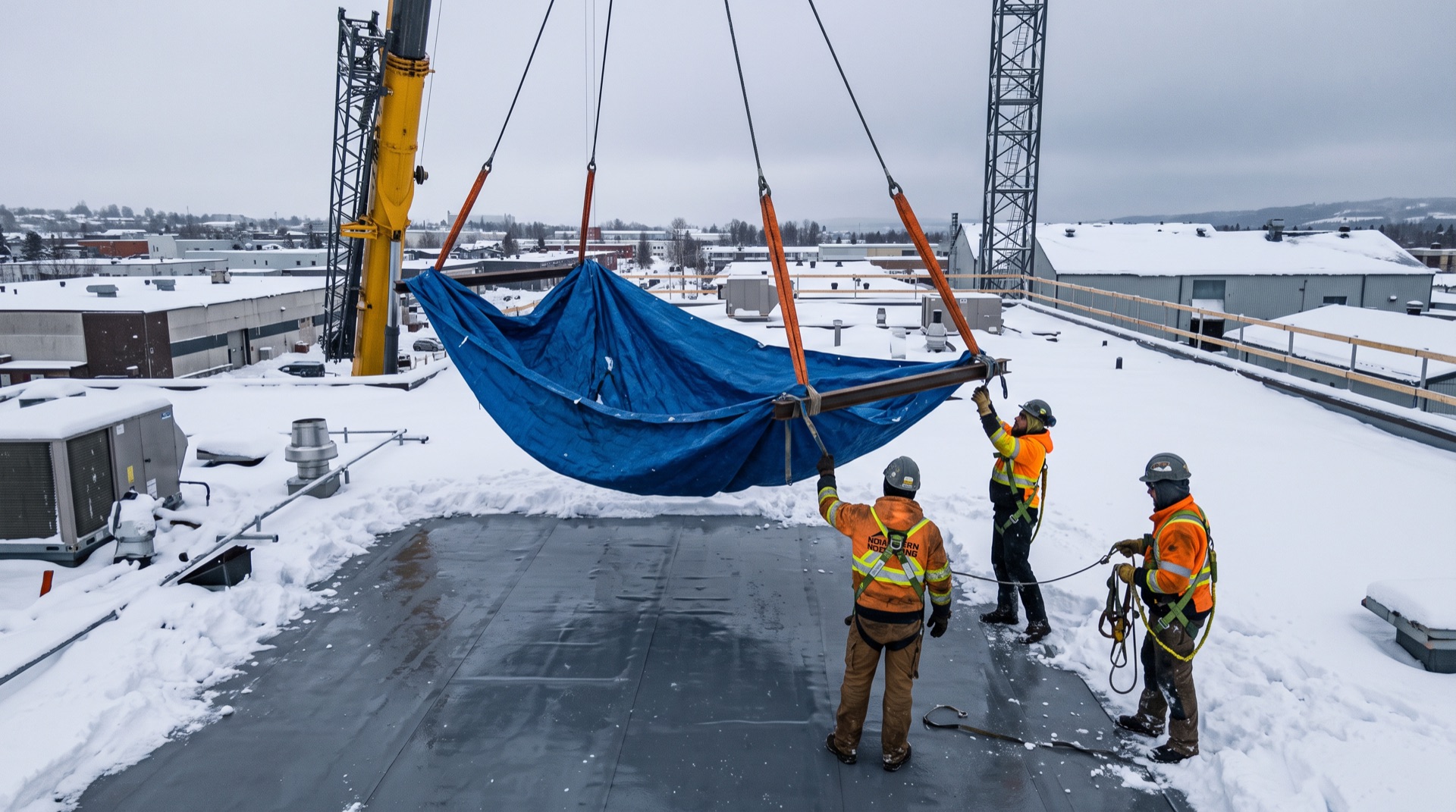
Three construction workers on snowy rooftop guiding empty blue tarp lowered by crane

Crane-Assisted Snow Removal in Driggs

Deep Drifts & Big Roofs

Snow tarps rigged and lifted by boom crane where drifts are too deep and too heavy to move by hand.

Ask About A Crane Pick in Driggs
Emergency
contractor using drill to repair ceiling drywall after ice dam water damage

Water Mitigation & Dryout in Driggs

IICRC S500 Standard

Extraction, drying and controlled tear-out to IICRC S500, then the interior repair, so the water that already got in does not become rot and mold by spring.

Start Dryout in Driggs
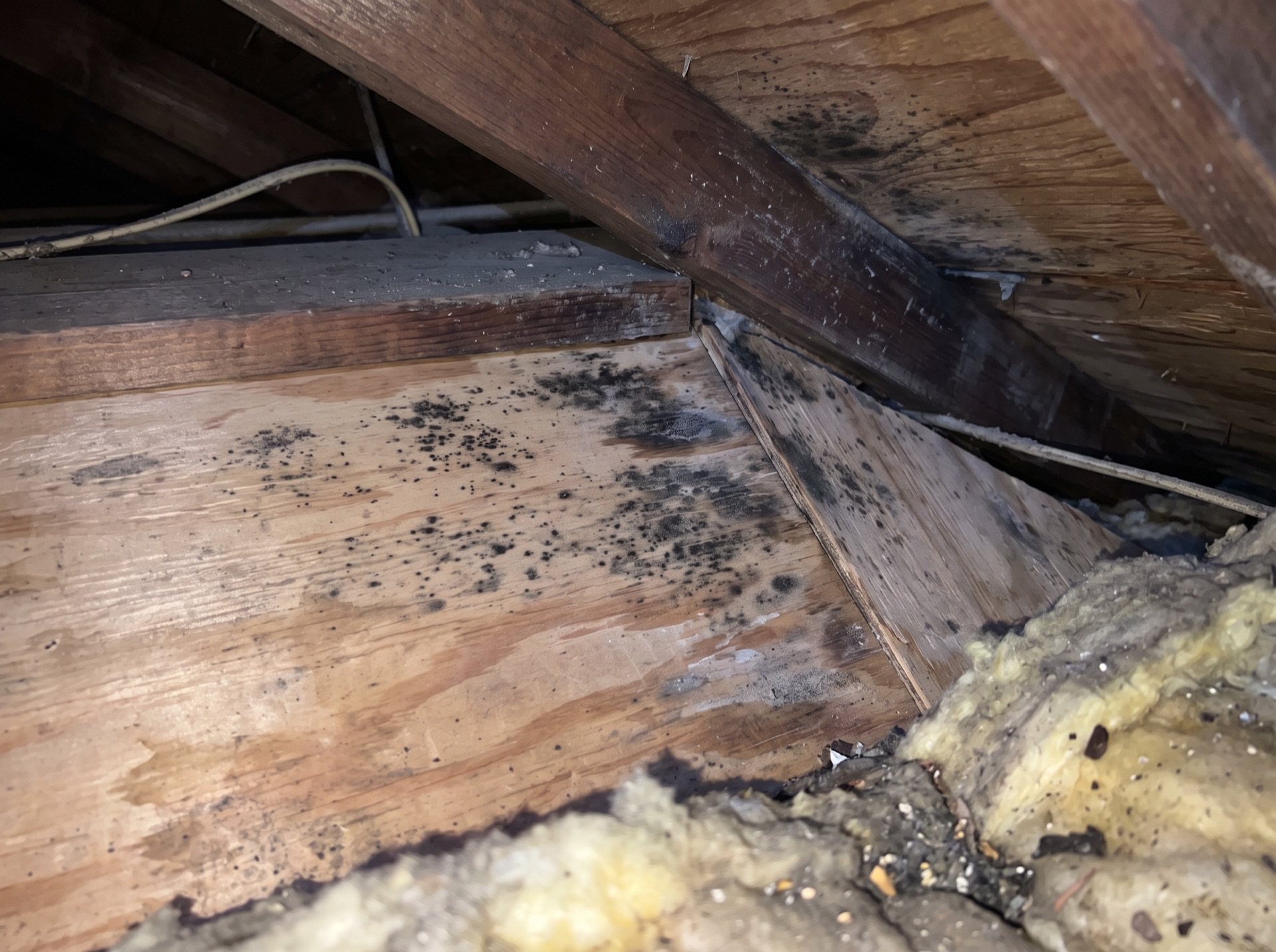
Black mold growth covering attic wood sheathing and roof rafters near insulation

Ice Dam Insurance Claims in Driggs

Xactimate Scopes

One claim for the whole event: ice dam removal, water mitigation, mold remediation, interior repair and roof replacement where the storm damaged it, documented in Xactimate line items.

Get Claim Help in Driggs
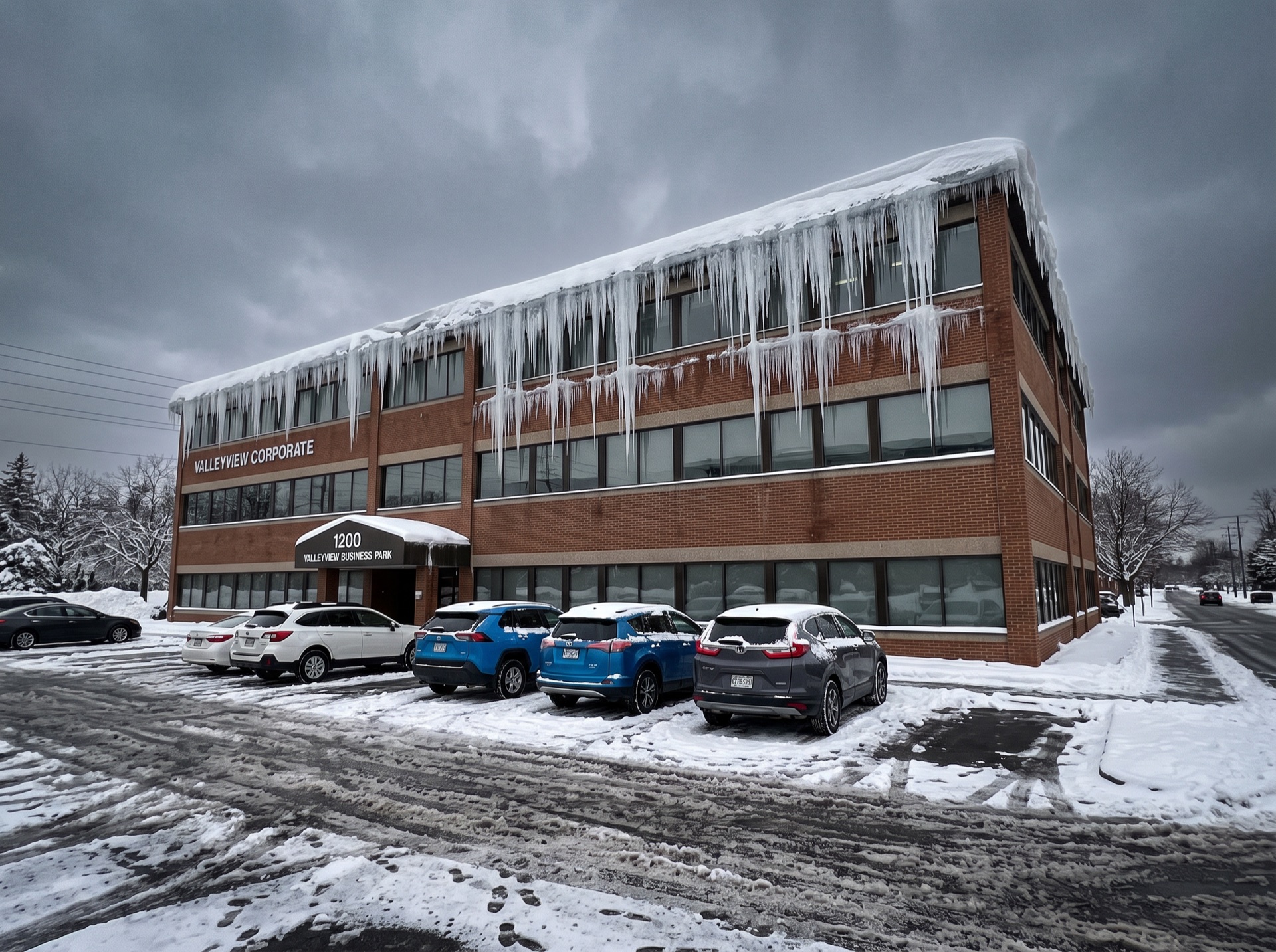
Large icicles hanging from roofline of Valleyview Corporate office building in winter

Commercial Ice Dam Removal in Driggs

Flat Roof & Parapet

Membrane-safe steaming for EPDM and TPO decks, frozen parapet scuppers and blocked internal drains.

Book Commercial Steaming in Driggs
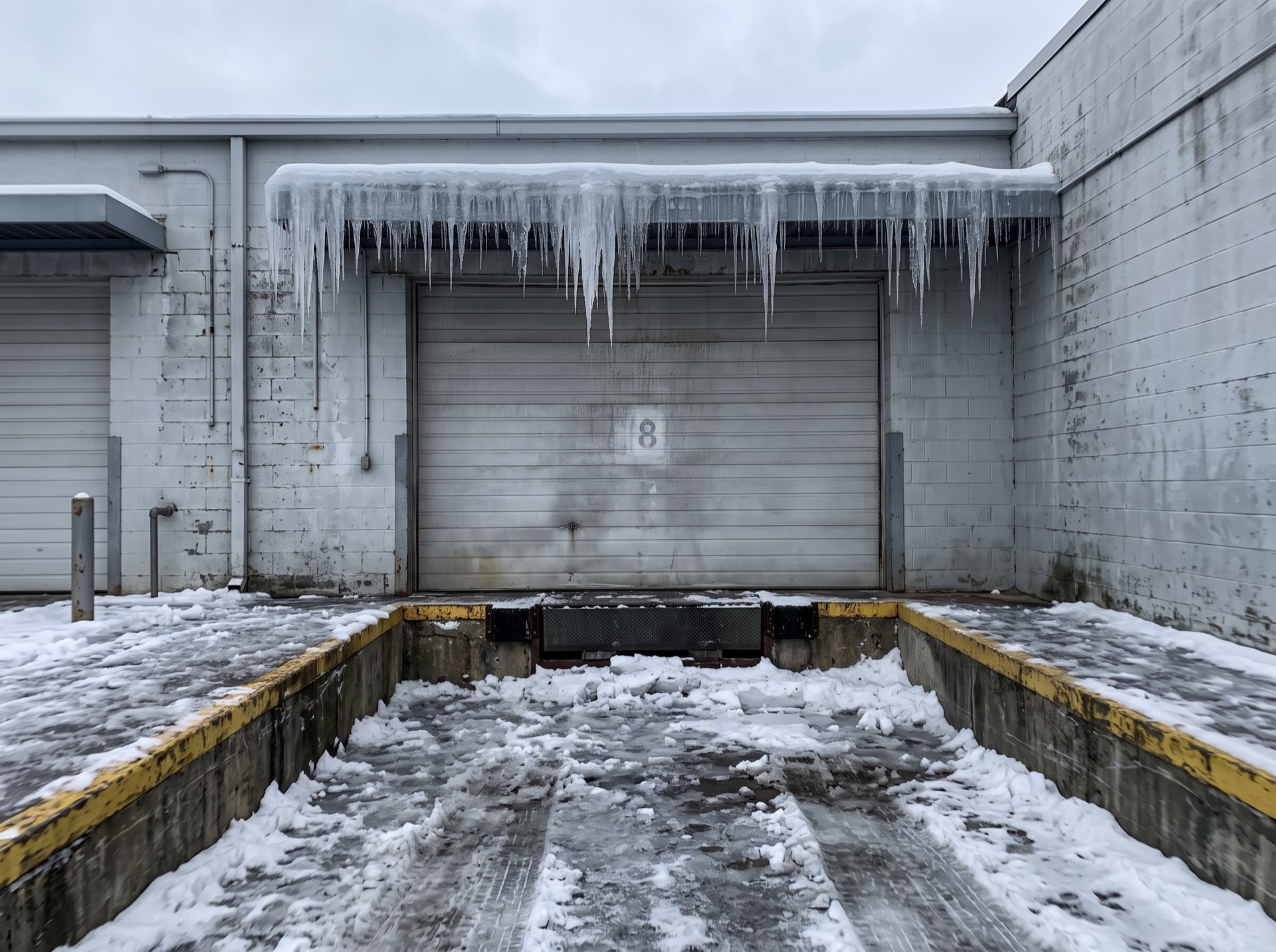
Large icicles hanging over warehouse loading dock number 8 in winter

Commercial Roof Snow Removal in Driggs

Structural Snow Load

Scheduled load reduction for warehouses, retail, schools and multi-unit buildings before drift weight becomes a deflection problem.

Schedule Load Reduction in Driggs
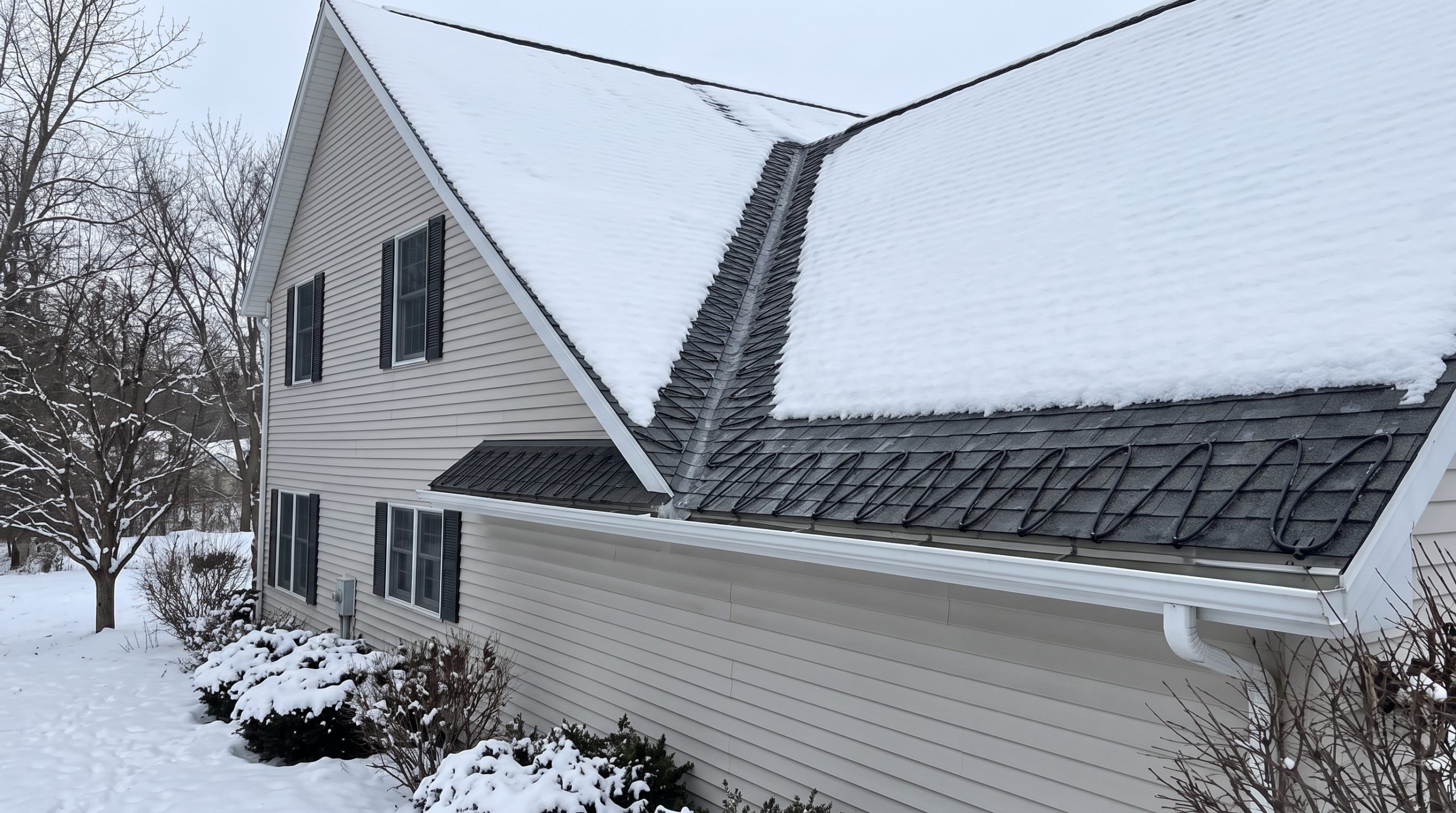
Roof valley with heat cable preventing ice dams on snow-covered house

Heated Roof & Gutter Cables in Driggs

Permanent Prevention

Self-regulating heat trace on the eaves, valleys, gutters and downspouts, so meltwater keeps a path out all winter.

Get A Cable Quote in Driggs

Elevation, Aspect and Ice: The Teton County Pattern

At Driggs's elevation the air can stay below freezing all day while direct sun still melts the top of the snowpack. That meltwater runs down under the pack, reaches a shaded eave, and refreezes — on a day the thermometer never rose above freezing.

Diagram showing how ice dams form on roofs due to inadequate insulation and poor ventilation
Heat escaping into the attic melts roof snow; the meltwater refreezes at the cold eave and the dam grows a layer every cycle.

Aspect decides which eaves suffer. A sunny plane sheds water across a roof in Driggs to a shaded eave that has not been above freezing for weeks, and that is where the ice builds into a wall.

Ice-barrier practice in Teton County

Design snow loads in Teton County are among the highest anywhere, and the membrane and retention requirements that go with them are not formalities. On an older Driggs cabin or chalet neither may be present.

The Driggs Dispatch Process, Step by Step

The first pass is assessment: eaves, valleys, gutter line and any interior staining, all photographed with timestamps. You see what the crew sees, and the rate and likely hours are agreed before work begins.

Steam then takes the dam off in sections, prioritizing wherever water is actively backing up behind it. The gutter trough and downspout are cleared through to daylight on the same visit, because a clear eave over a frozen gutter is a temporary fix.

Steep, high and awkward Driggs roofs

Pitch and height change the job more than ice thickness does. A walkable ranch eave is a ladder and a lance. A three-story roof with a steep pitch means anchors, rope, staging and two people where one would otherwise do.

Crews quote on that honestly. If a property in Driggs needs a longer setup, it is said on the phone rather than discovered at the end of the invoice.

Why the gutter has to be cleared in the same visit

A dam sitting above a gutter packed solid with ice is only half the problem. Clear the eave and leave the trough frozen, and the next day's meltwater has nowhere to run — it backs up onto the roof and the dam rebuilds from the bottom.

Crews steam the trough and the downspout through to daylight on the same visit. It adds time, which is why the hour estimate given on the phone accounts for it, and it is the difference between a fix and a repeat visit in Driggs the following week.

Access, ladders and what the crew needs on site

Steam equipment needs somewhere to park within hose reach, and ladders need footing that is not a buried flower bed or a sheet of ice. Clearing a path to the affected eave, moving vehicles off the driveway and unlocking a side gate takes ten minutes and saves considerably more than that on the clock.

Where the only access is through a neighbor's property, that conversation is worth having before the crew is in the street rather than while it waits.

Ice dam removal in Driggs, ID — specification
Service specification for Driggs, ID
Pricing modelBilled by the crew hour, rate quoted before dispatch
DocumentationDated before and after photos, written scope in Xactimate line items
Typical scopeSteam, 8-16 crew hours typical
Dispatch window24 to 48 hours in mountain terrain
Local ice-barrier practiceExtended membrane plus snow retention
Primary climate stressorSolar melt on deep pack, shaded eaves
ServiceIce dam removal in Driggs, ID

Neighborhoods and Towns We Reach From Driggs

Crews working Driggs cover the adjoining communities on the same route — Victor, Tetonia and Felt — so a storm week usually means one truck handling several addresses in Teton County rather than separate trips.

Nearest hub towns with their own crew pages: Rexburg, Idaho Falls, Ammon, Pocatello, Sun Valley, Ketchum.

Crews cover Driggs and the surrounding Teton County towns through the whole season, and during a freeze event they run from first light until dark.

Water coming in right now in Driggs? Call (888) 561-9664. Active interior leaks go to the front of the schedule.
Nearby

Hub Towns Around Driggs

Crews run these on the same route, so a storm week usually means one truck covering several of them.

All Idaho Locations
Conditions We Work In

What We Find On Driggs Roofs

Every job is photographed before and after. These are the conditions crews work in across Teton County.

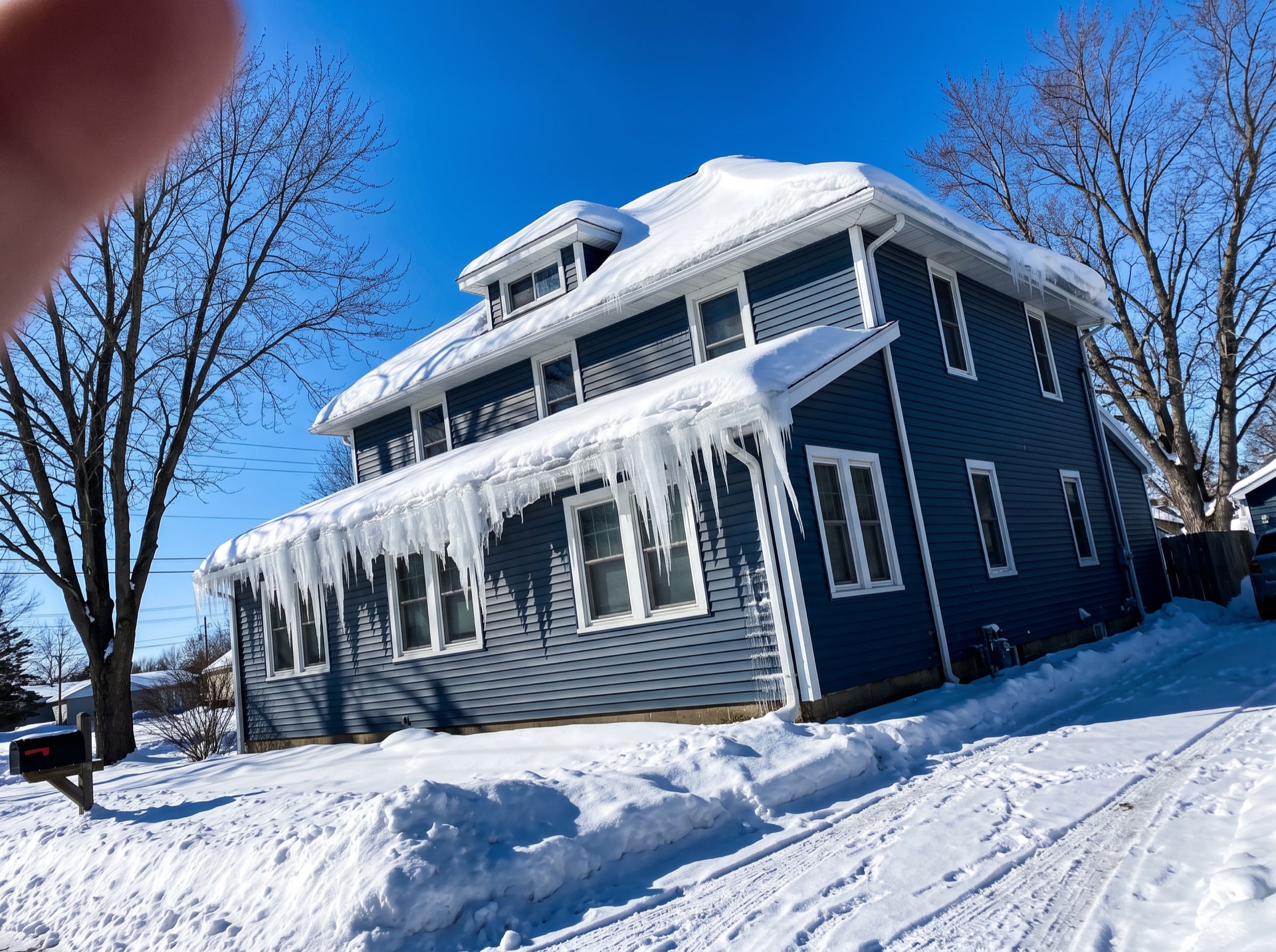
Blue two-story house with heavy snow load and large icicles on roof edge
Large icicles and a significant ice dam form along the lower roof edge of a blue home after heavy snowfall.
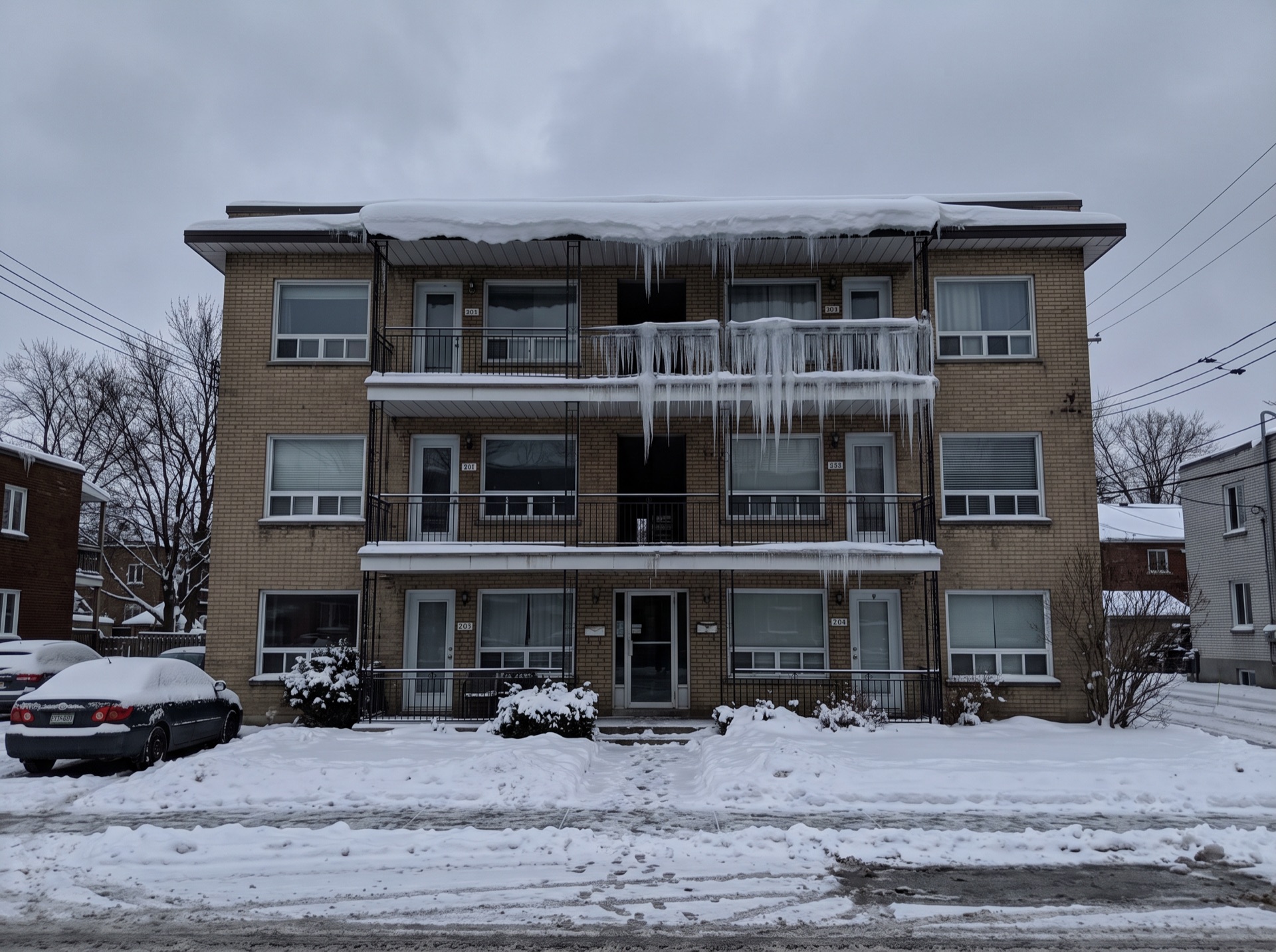
Large ice dam with icicles hanging from apartment building roof eave in winter
A heavy ice dam and long icicles form along the roofline of a three-story brick apartment building after winter snowfall.
Snow-covered colonial home with black shutters and brick chimney in winter
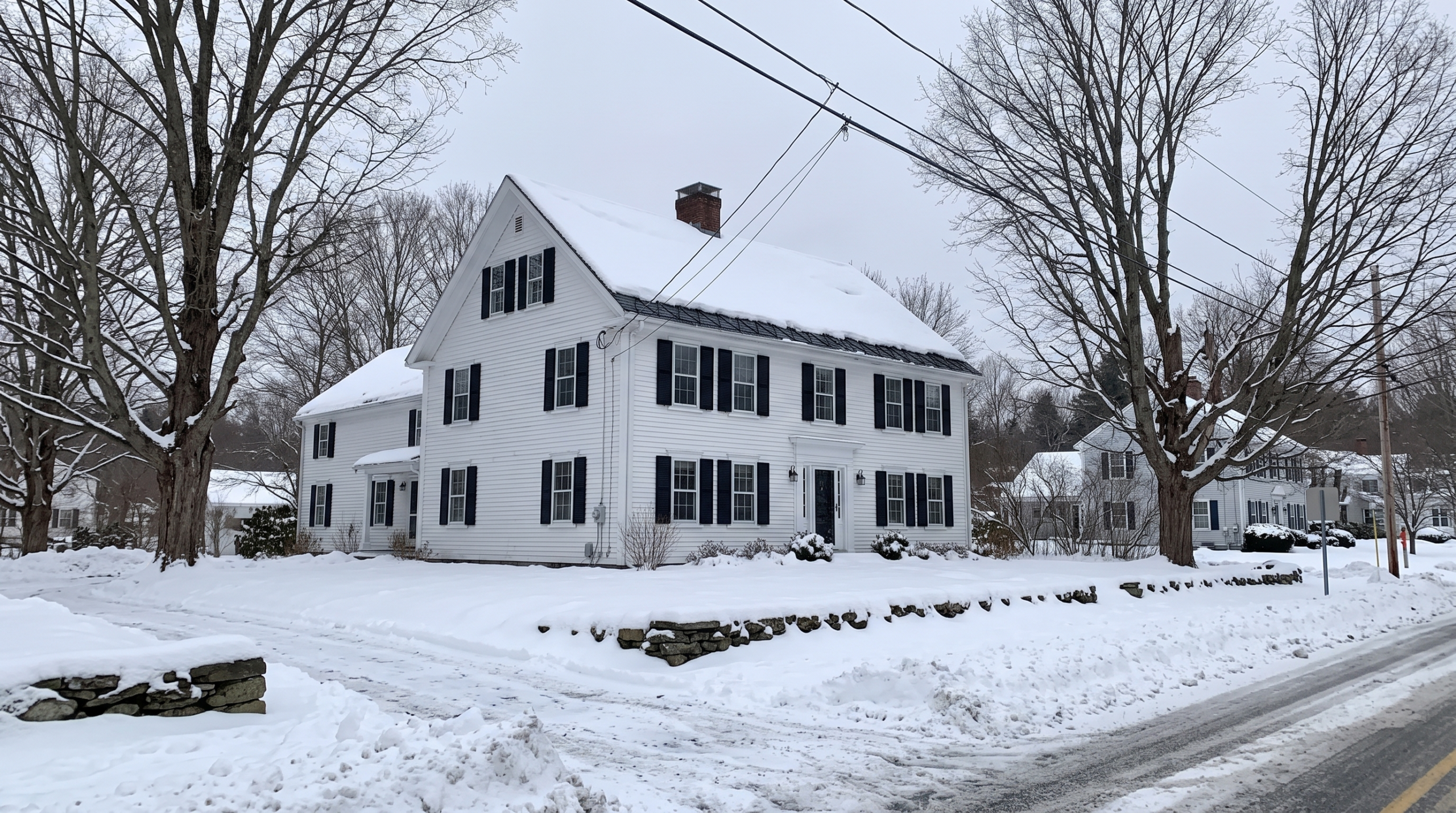
A classic New England colonial house surrounded by heavy snow accumulation, showing conditions ideal for ice dam formation.
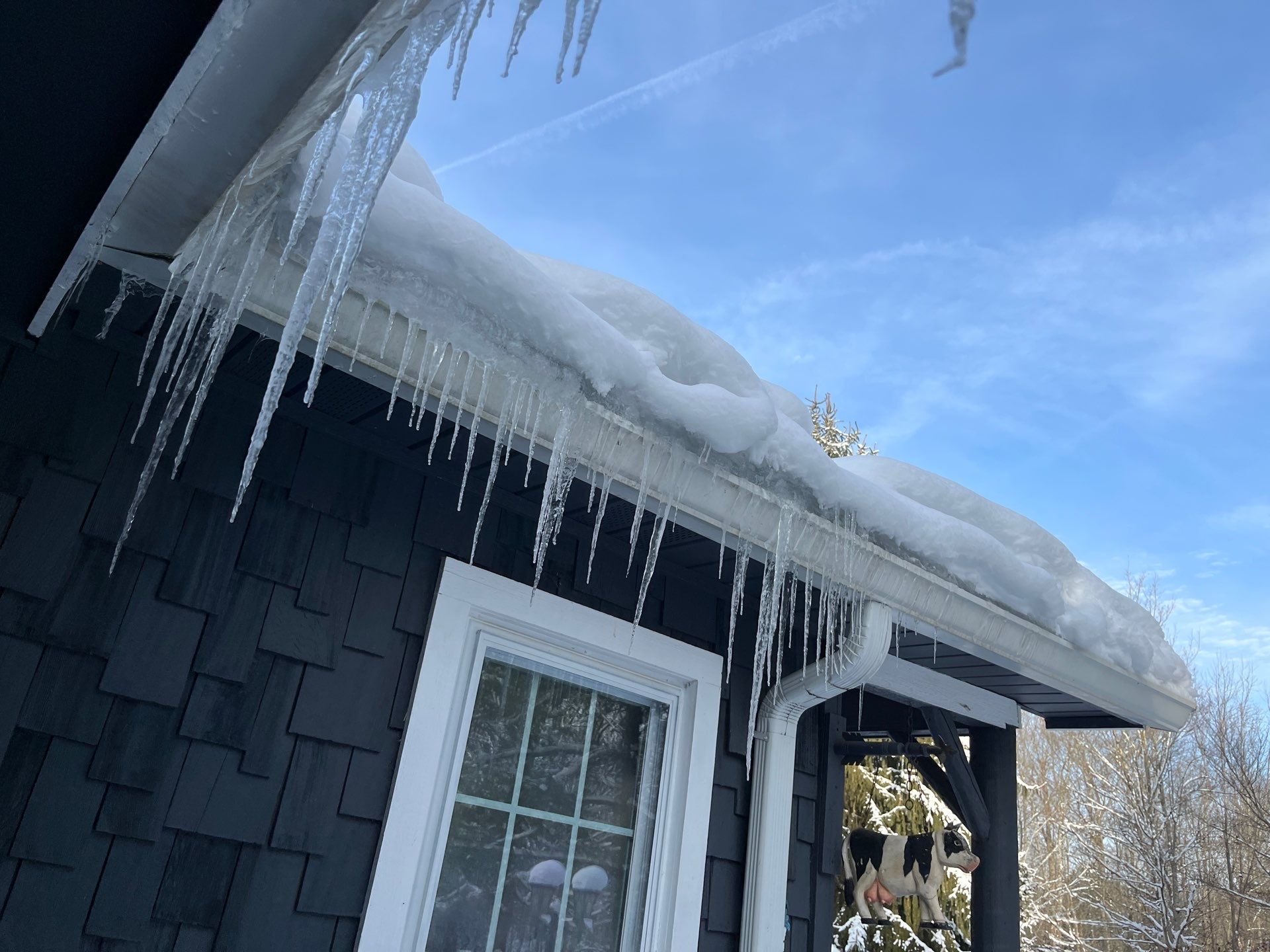
Large icicles and thick snow ice dam along roof edge of dark gray house
Method

Steam, Never A Hammer

Low-pressure steam removes ice with heat rather than force, so granules, seal strips and flashing come through untouched. It is the only method crews use on a roof in Driggs.

FAQ

Driggs and Teton County FAQ

Because ice dams are made by heat loss, and two houses on the same street rarely leak heat the same way.

  • Attic air leaks around can lights, bath fans and the attic hatch are the usual source.
  • Crushed or missing soffit baffles stop the intake ventilation that would otherwise keep the deck cold.
  • An addition or dormer built over unheated space puts warm air right against a cold eave.
  • Local factor: altitude sun on deep pack makes the difference show up faster here than it would further south.

Yes. Steam is safe on slate, cedar shake, tile and metal as well as asphalt, because it removes ice with heat rather than force.

  • Older Driggs housing stock with original slate is exactly where chipping does the most damage.
  • Crews adjust the lance distance and dwell rather than the pressure.
  • Nothing mechanical touches the covering at any point.

More than it looks from the ground - a foot-deep dam across a thirty-foot eave is a few thousand pounds.

  • Depth is measured at the eave rather than estimated from the driveway.
  • The gutter trough underneath is usually frozen solid too and is part of the same mass.
  • That weight is one of the reasons chipping at it from a ladder goes badly.

No, but there is a worse one: after the thaw, when the evidence has melted and the damage is all that is left.

  • Mid-storm calls are fine — crews work through freeze events.
  • An evening call for a leak that started that afternoon usually gets a next-morning slot.
  • Waiting for a weekend to pass is the most common and most expensive delay.
Same-Day Response

Get A Driggs Crew Out

Waiting for a thaw is a strategy, but it is an expensive one — the melt has to go somewhere, and it goes into the insulation first.

✓ Licensed & insured✓ Low-pressure steam only✓ Rate quoted up front✓ Photos for your claim
Online Quote(888) 561-9664