



The Waynesboro Problem Is the Thermometer, Not the Snowfall
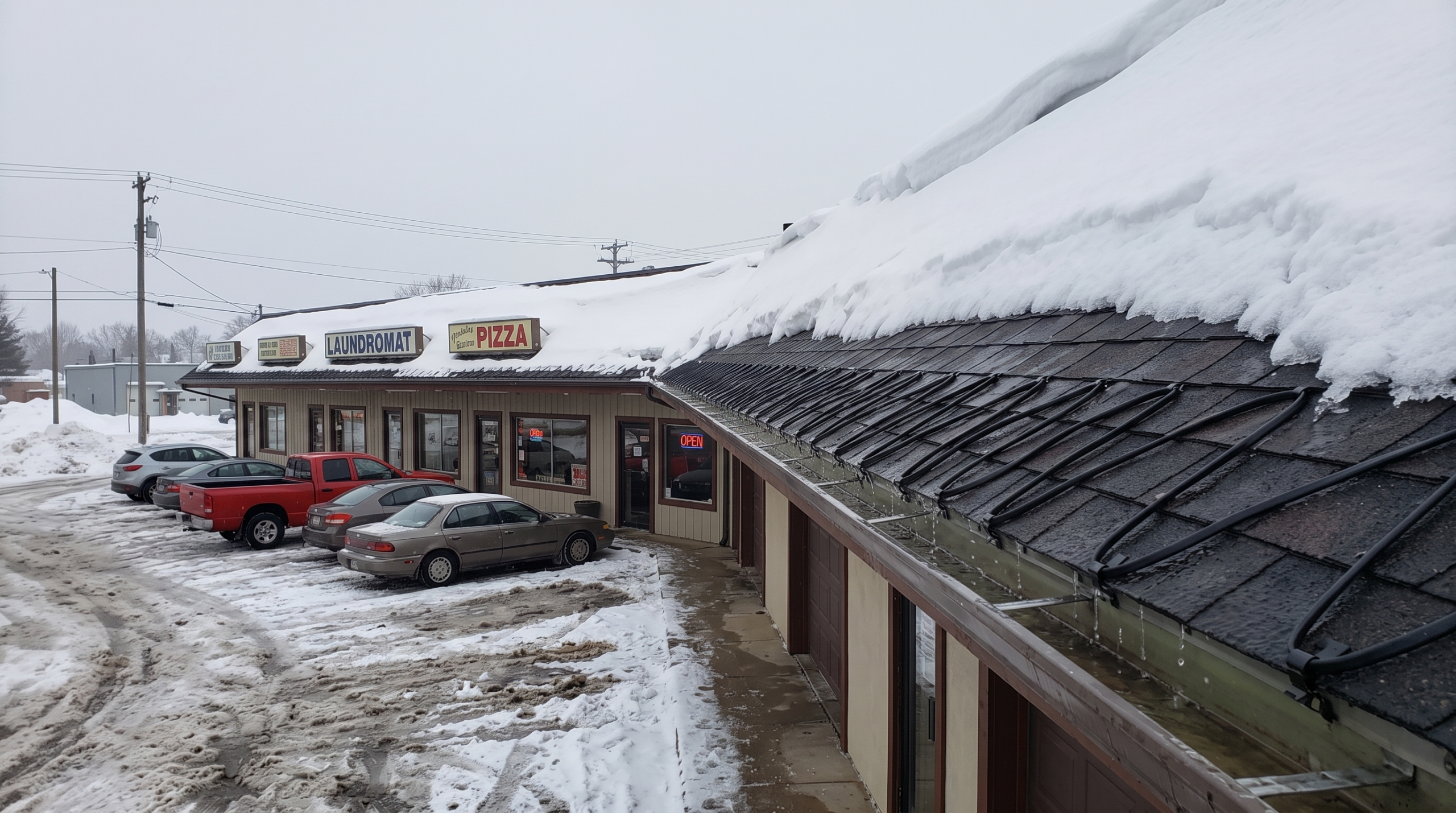
An ice dam needs meltwater and a cold eave, and Waynesboro supplies both on an ordinary week. A thin cover that melts by lunchtime and sets again after dark is a perfectly good dam factory.

And the cycling is relentless rather than dramatic. Fifteen or twenty crossings of freezing in a season each add a layer, and the houses with the thinnest attic insulation in Waynesboro City County all find out in the same week.
Ice-barrier practice in Waynesboro City County
The residential code Virginia follows requires eave ice barrier on new work, and Waynesboro City County enforces it. The variable on any given house is simply when it was last roofed.
What a Crew Does on a Waynesboro Roof
Crews walk the eaves, valleys and gutter line first and photograph every dam and every point where water is tracking inside, before touching anything. You get shown what they found and quoted the crew-hour rate before work starts.
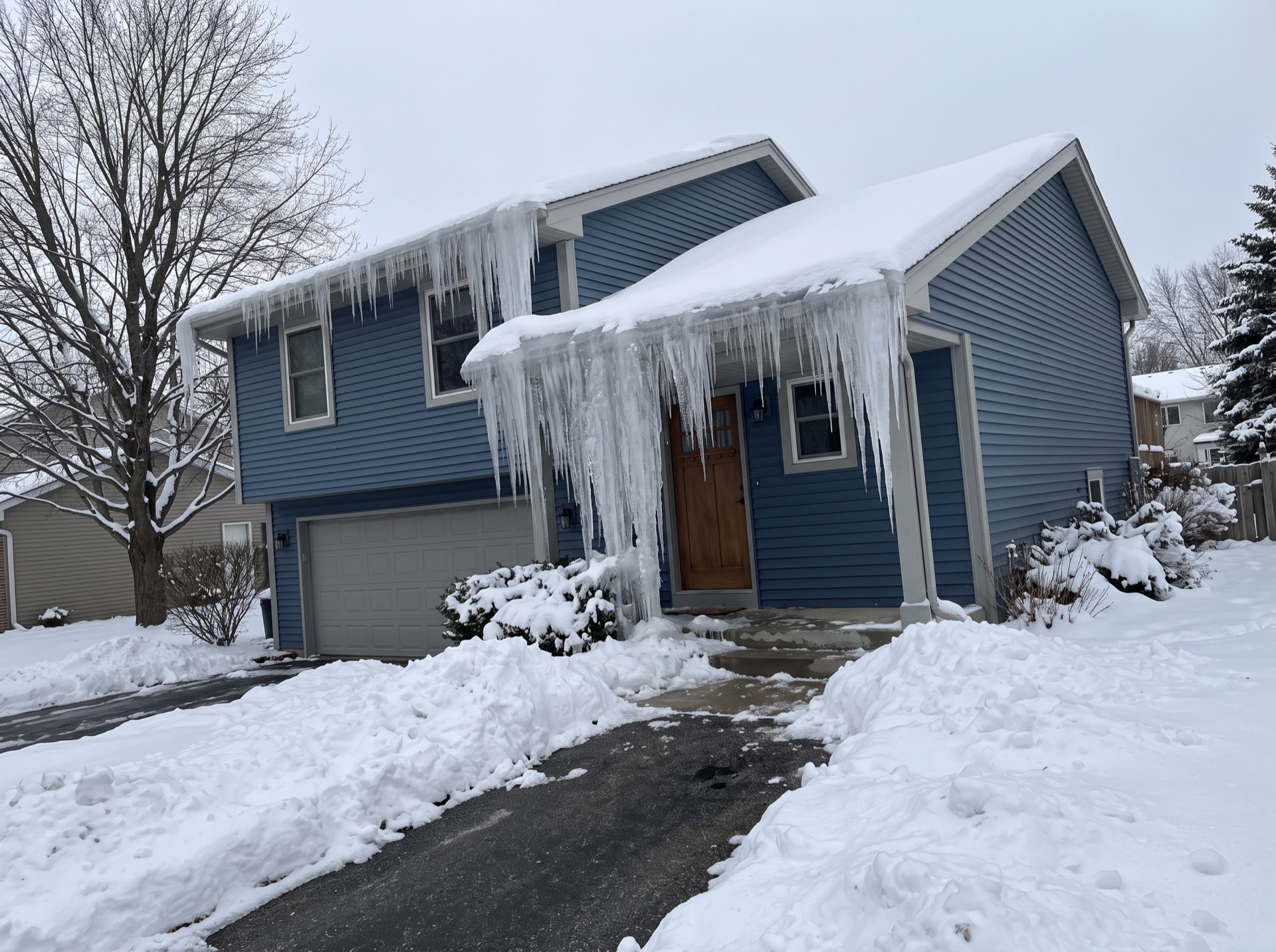
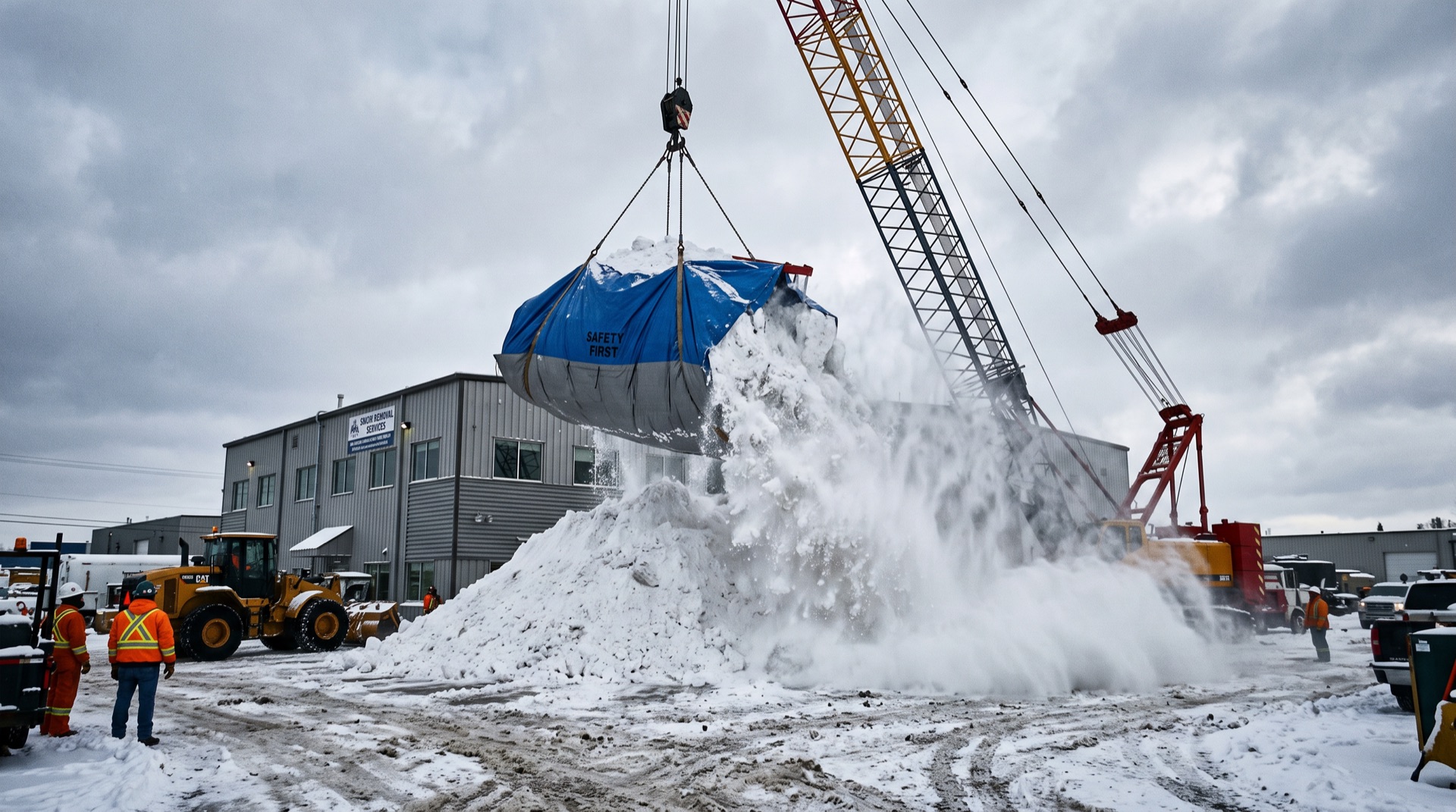
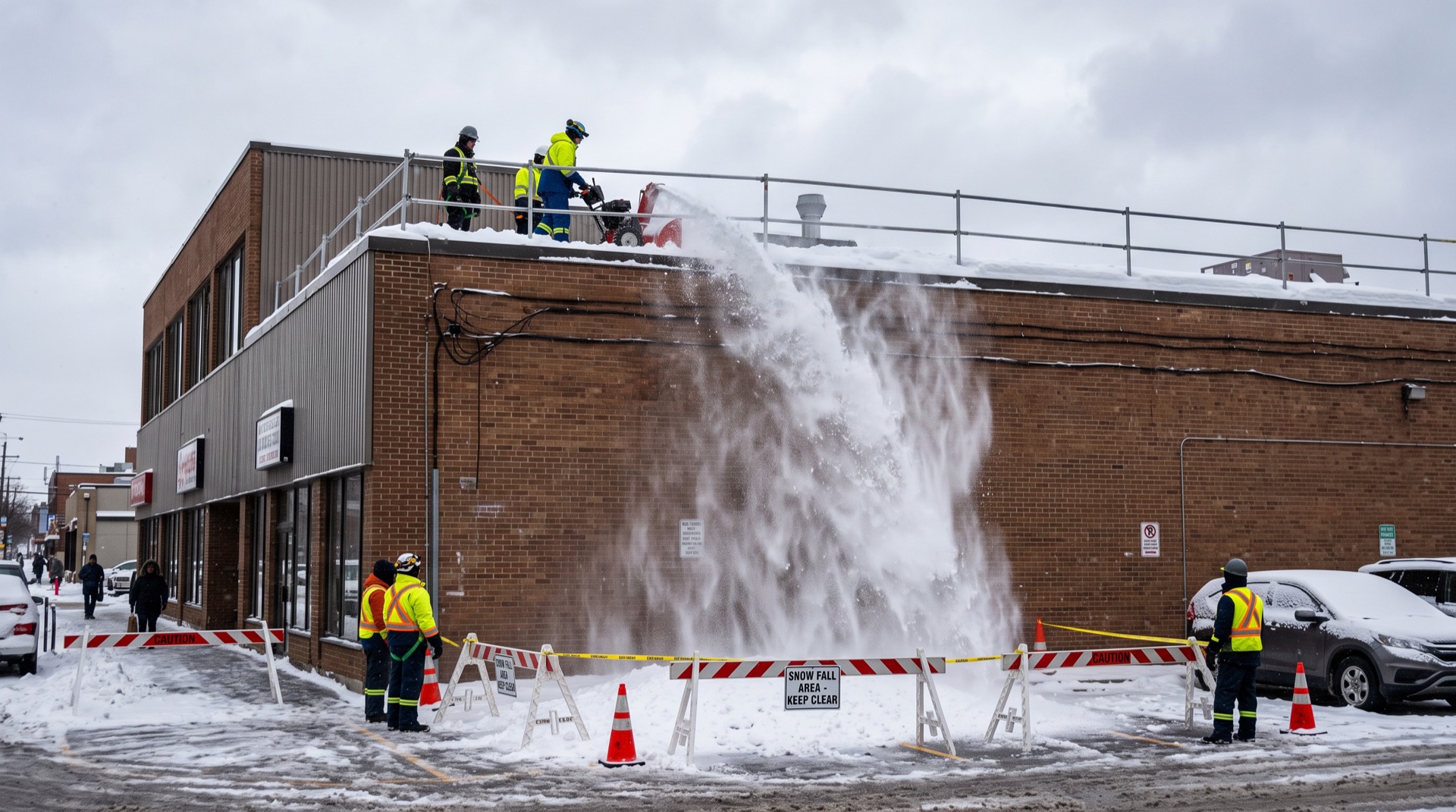
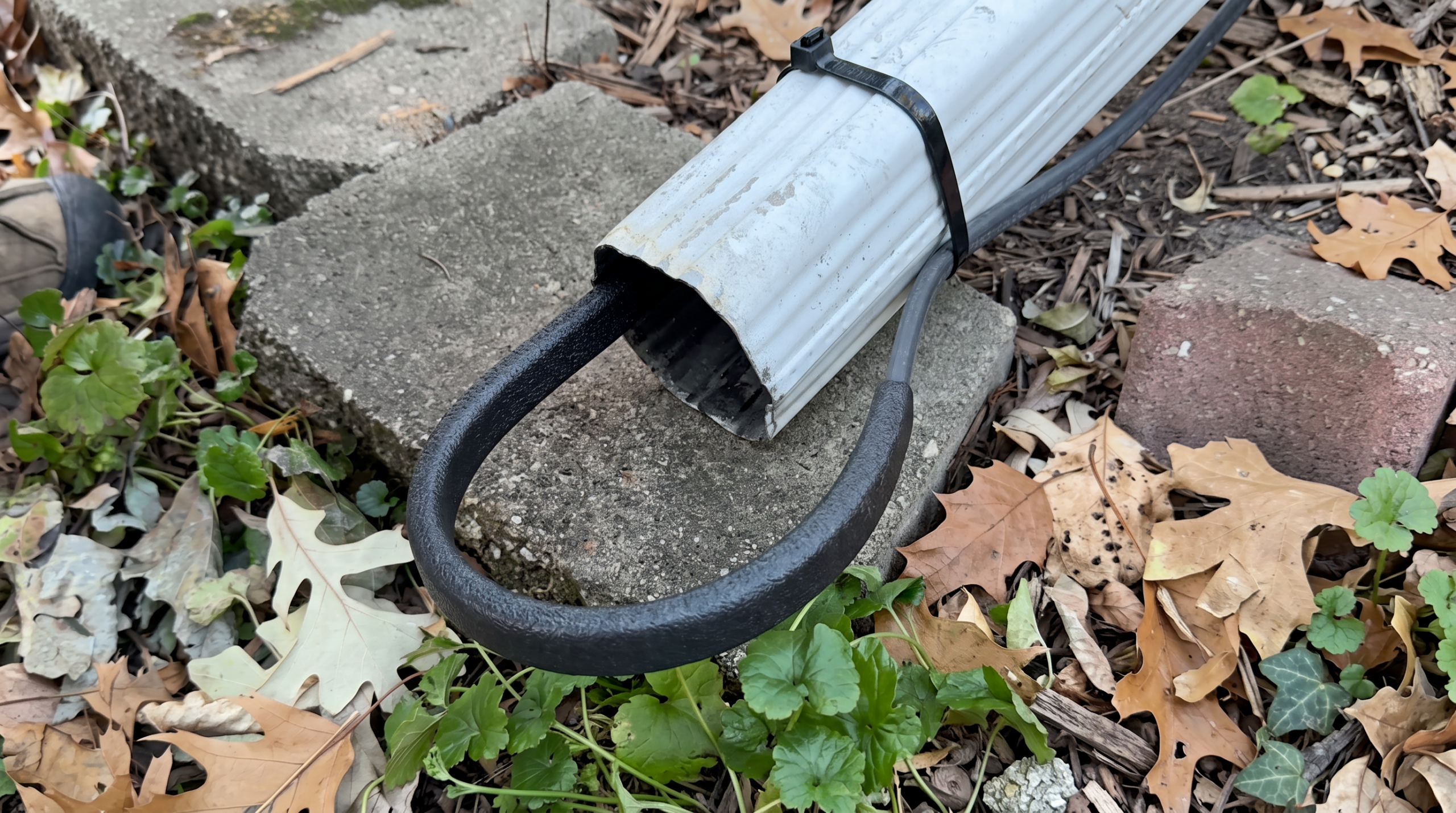
Then the ice comes off with low-pressure steam, starting wherever water is actively backing up so drainage opens early. Frozen gutters and downspouts are cleared in the same visit, because a cleared eave above a solid block of ice in the gutter dams again on the next cold night.
Why the gutter has to be cleared in the same visit
A dam sitting above a gutter packed solid with ice is only half the problem. Clear the eave and leave the trough frozen, and the next day's meltwater has nowhere to run — it backs up onto the roof and the dam rebuilds from the bottom.
Crews steam the trough and the downspout through to daylight on the same visit. It adds time, which is why the hour estimate given on the phone accounts for it, and it is the difference between a fix and a repeat visit in Waynesboro the following week.
Working at night and during an active storm
Freeze events do not keep office hours, and the worst leaks tend to announce themselves in the evening when the day's melt refreezes. Crews run lit, and a roof that is actively collecting snow is worked anyway, because waiting for better weather means the dam is bigger when somebody finally gets to it.
What does stop a crew is wind and lightning. Both are judgment calls made on site in Waynesboro, and a postponed start gets explained rather than dressed up.
What happens after the ice is off
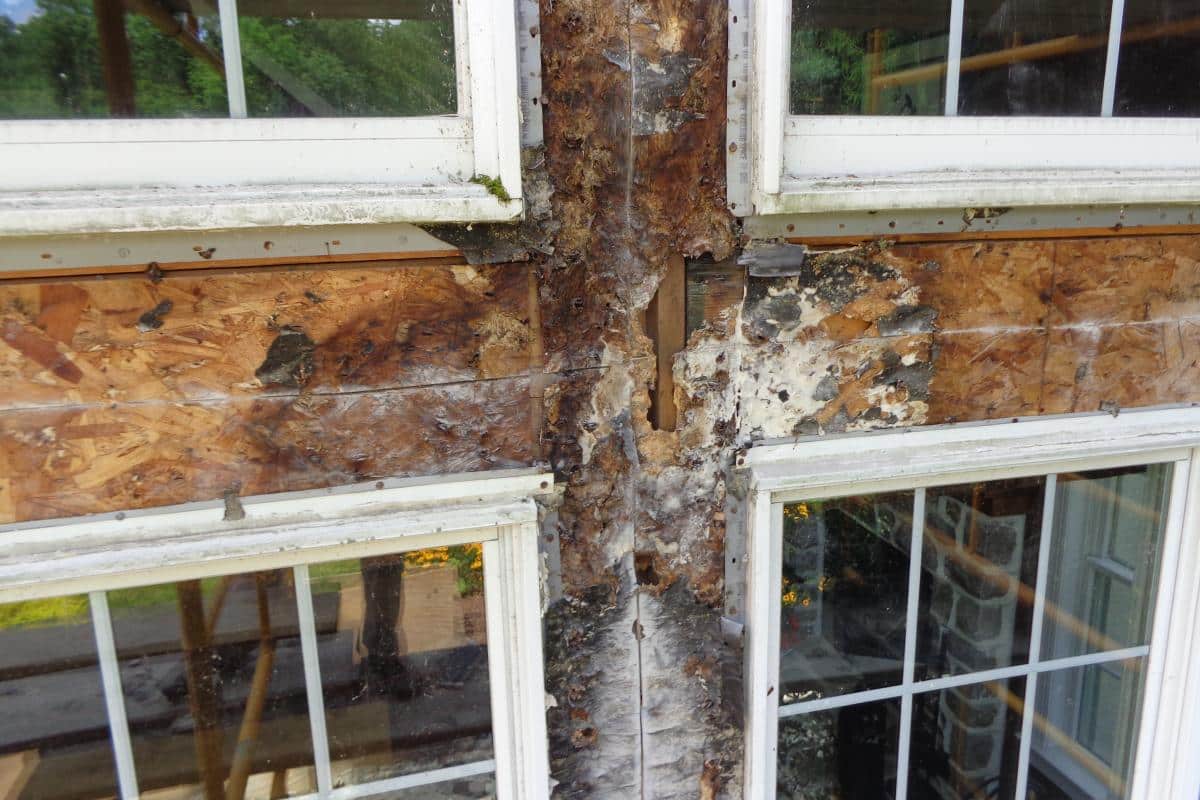
Once the eave is clear and water is draining, the crew walks the interior with you where there is visible damage and says plainly whether it needs drying. Wet insulation and a damp ceiling cavity do not resolve themselves in a cold Waynesboro February.
If it does, that is a separate scope and it gets written separately — nobody is upsold a dryout on the strength of one damp patch.
| Documentation | Dated before and after photos, written scope in Xactimate line items |
|---|---|
| Service | Ice dam removal in Waynesboro, VA |
| Dispatch window | Same day to 24 hours |
| Primary climate stressor | Repeated thaw-freeze cycling |
| Local ice-barrier practice | Eave membrane on new work, often absent |
| Typical scope | Steam, 4-8 crew hours typical |
| Coverage area | Waynesboro and Waynesboro City County |
Waynesboro Coverage and the Adjoining Communities
Crews working Waynesboro cover the adjoining communities on the same route — Fishersville, Lyndhurst, Greenwood, Crimora and Stuarts Draft — so a storm week usually means one truck handling several addresses in Waynesboro City County rather than separate trips.
Nearest hub towns with their own crew pages: Staunton, Charlottesville, Harrisonburg, Lynchburg, Front Royal, Roanoke.
When a storm hits Waynesboro City County, crews are dispatched by severity rather than by call order — water already inside the house goes first.
If water is already inside a property in Waynesboro, call (888) 561-9664 rather than filling in a form — the phone is faster and leaks jump the line.