



Roanoke Ice Dams: Why a Few Inches Is Enough
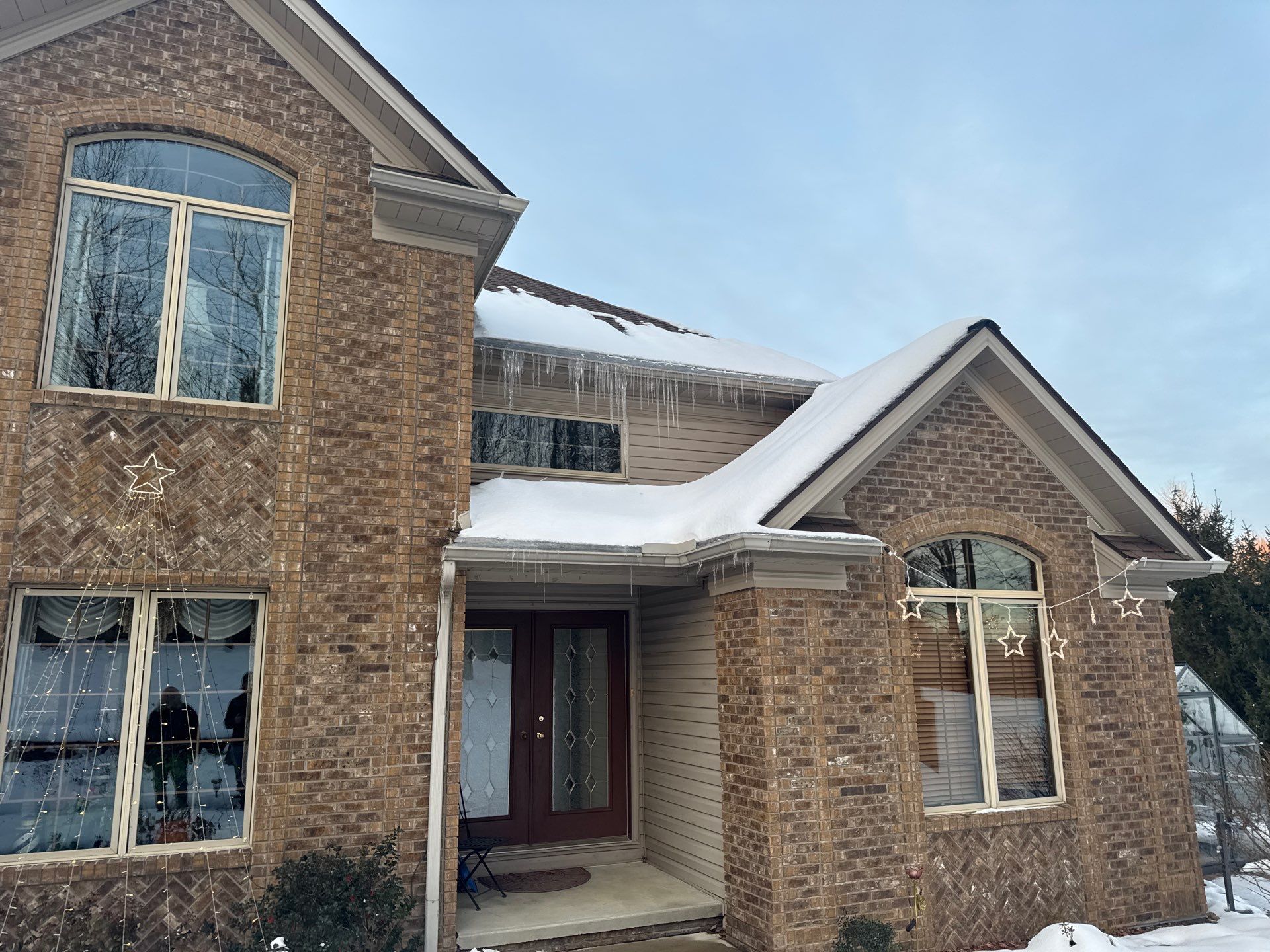
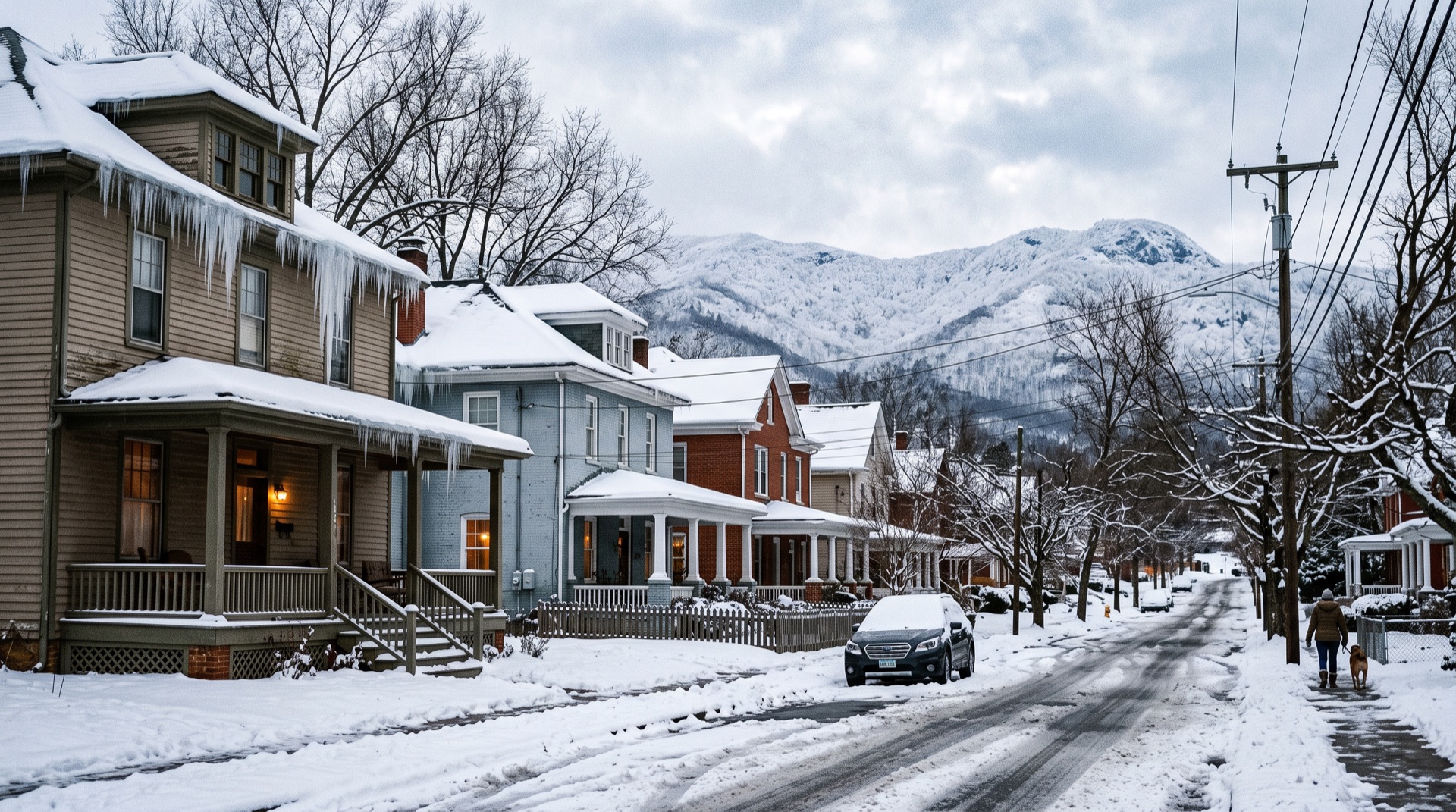
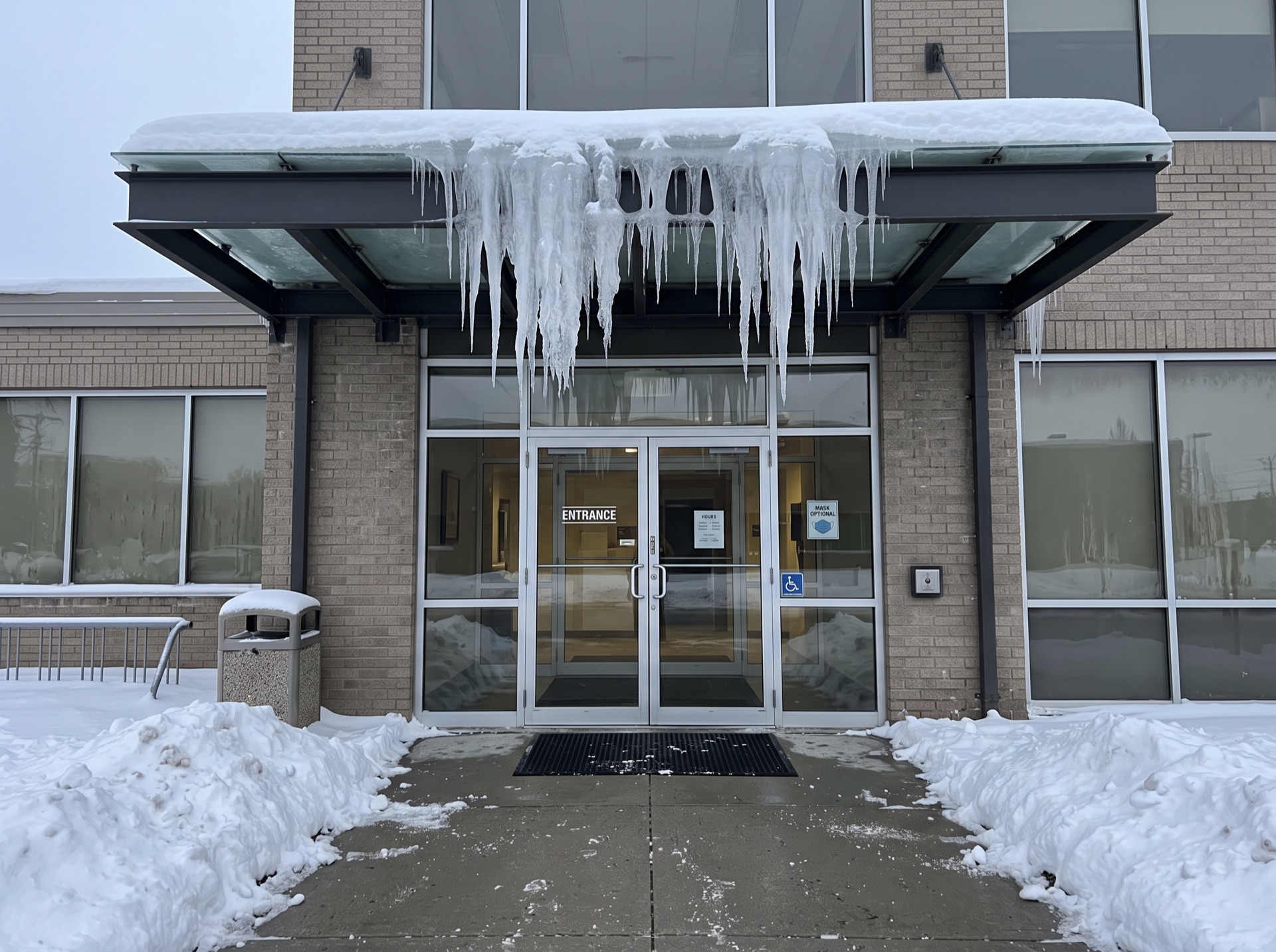
The snow totals here are unremarkable, which is exactly why Roanoke roofs get caught out. An ice dam needs meltwater and a cold eave, not a record storm.

The building stock has no margin for it. Because the winters here read as mild, attics tend to be under-insulated, eave details are less considered, and ice barrier is as often absent as present on a roof in Roanoke.
Ice-barrier practice in Roanoke City County
Because ice is not the first thing a homeowner in Roanoke thinks about, the eave membrane is the detail most often value-engineered out of a re-roof quote. It is worth asking for by name.
How We Work a Roanoke Ice Dam
Crews walk the eaves, valleys and gutter line first and photograph every dam and every point where water is tracking inside, before touching anything. You get shown what they found and quoted the crew-hour rate before work starts.
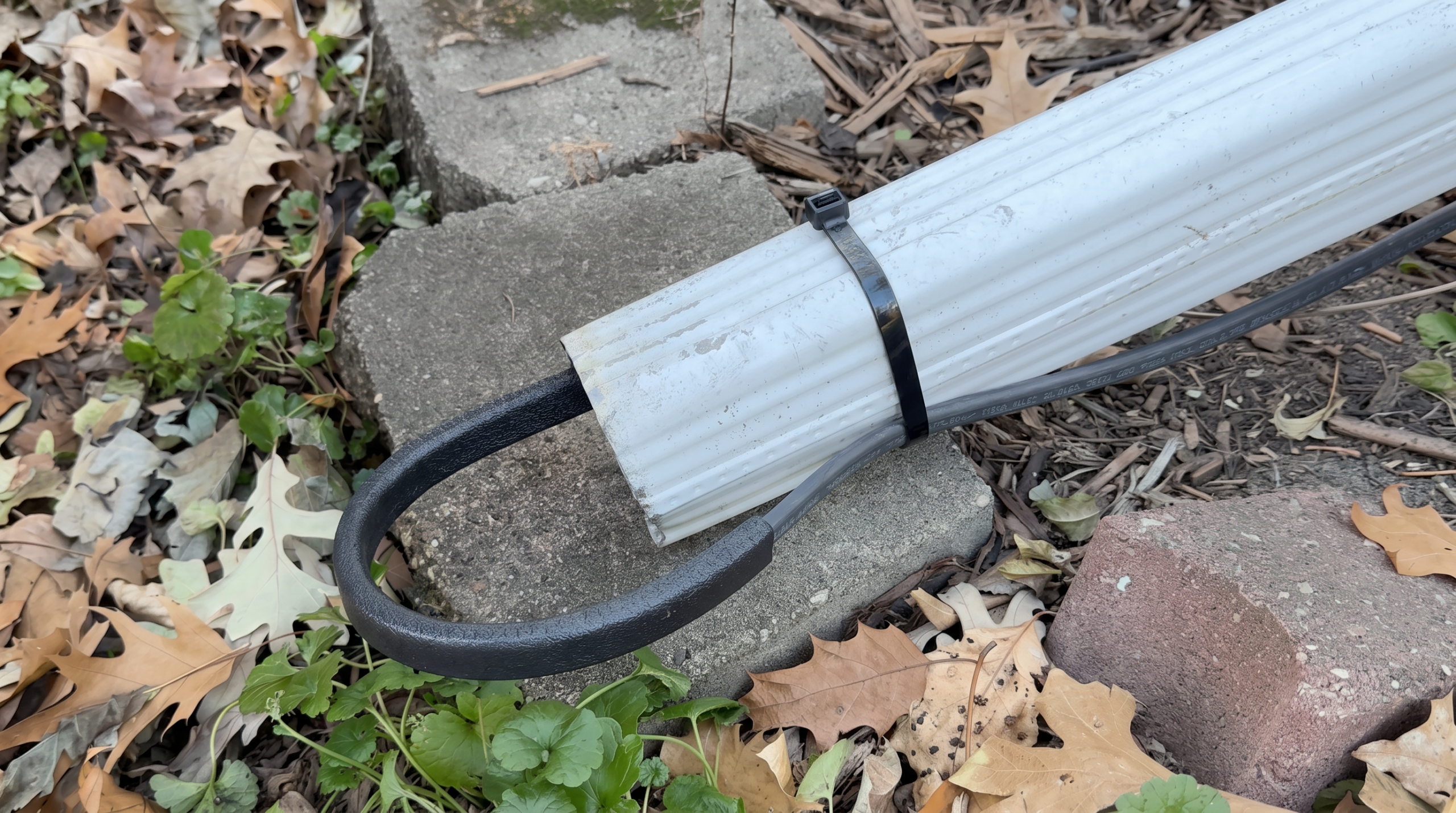
Then the ice comes off with low-pressure steam, starting wherever water is actively backing up so drainage opens early. Frozen gutters and downspouts are cleared in the same visit, because a cleared eave above a solid block of ice in the gutter dams again on the next cold night.
Why the dam formed in the first place
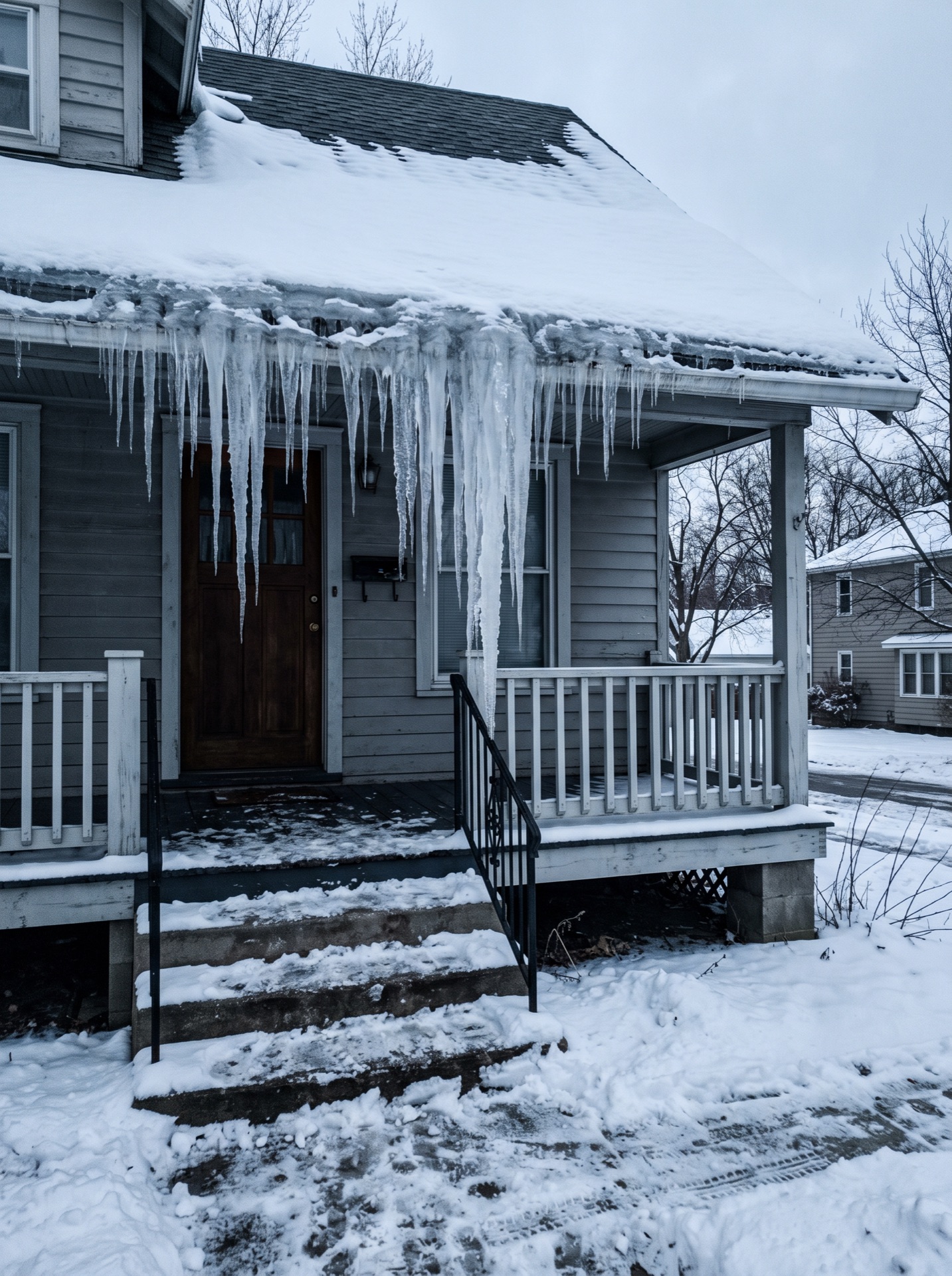
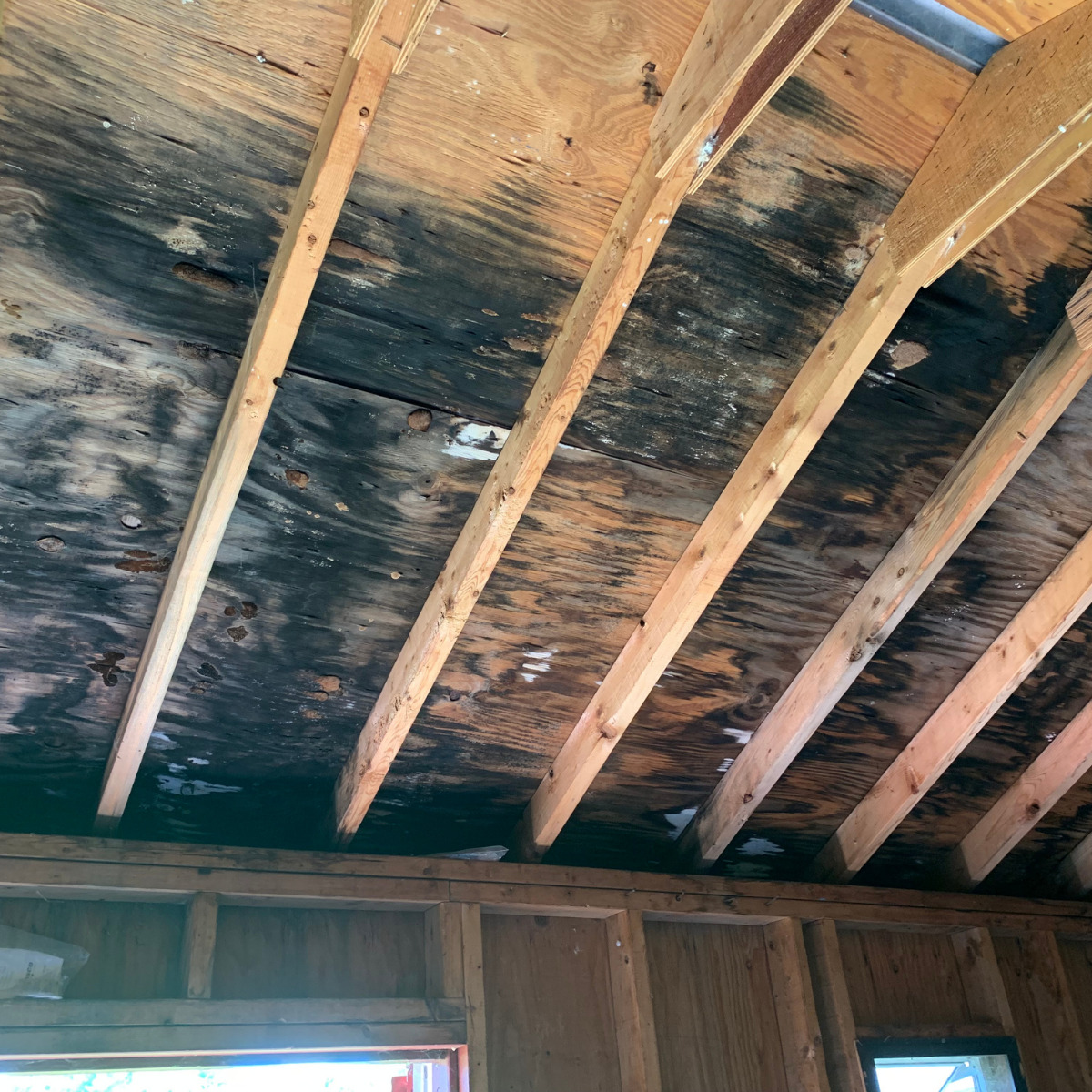
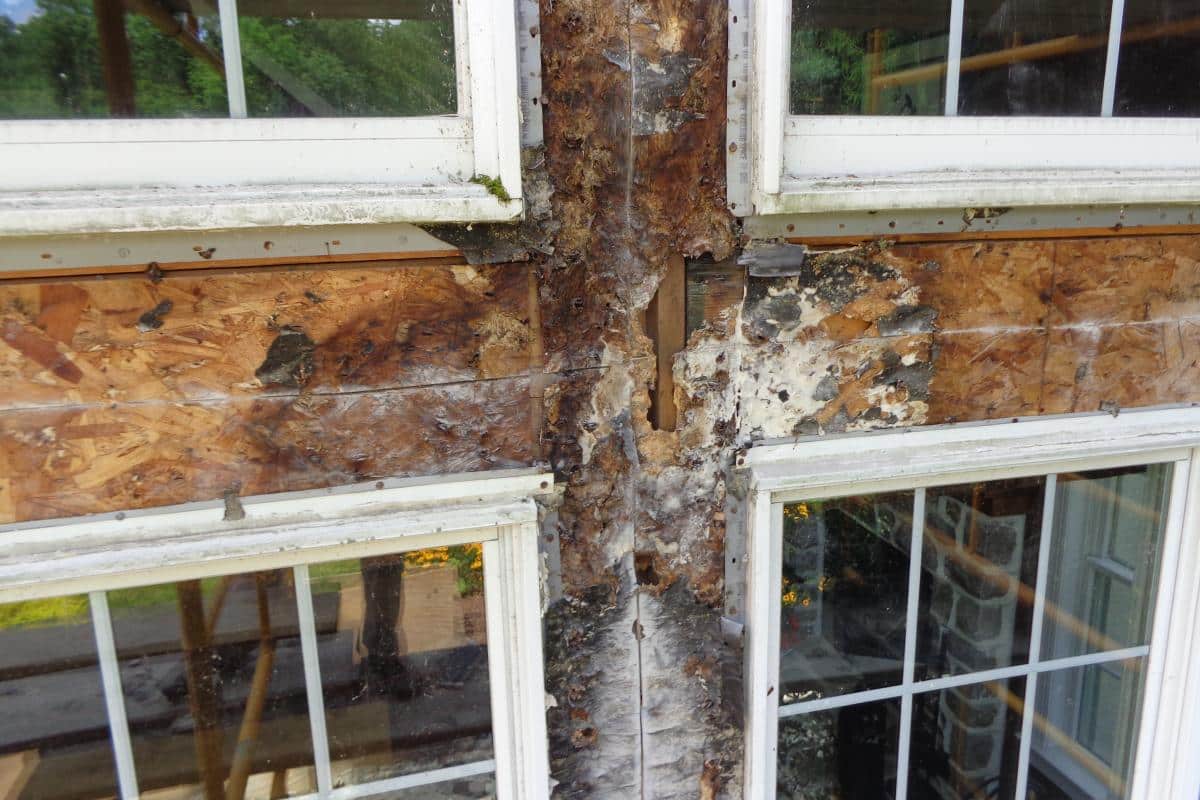
Ice dams are a heat problem wearing a weather costume. Warm air escaping into the attic melts snow on the upper roof; that meltwater runs to the eave, which hangs past the heated envelope and stays below freezing; it refreezes there, and the ridge of ice grows a layer every cycle. Removal is the emergency fix. Before the crew leaves you will know which part of your attic is feeding it.
Steep, high and awkward Roanoke roofs
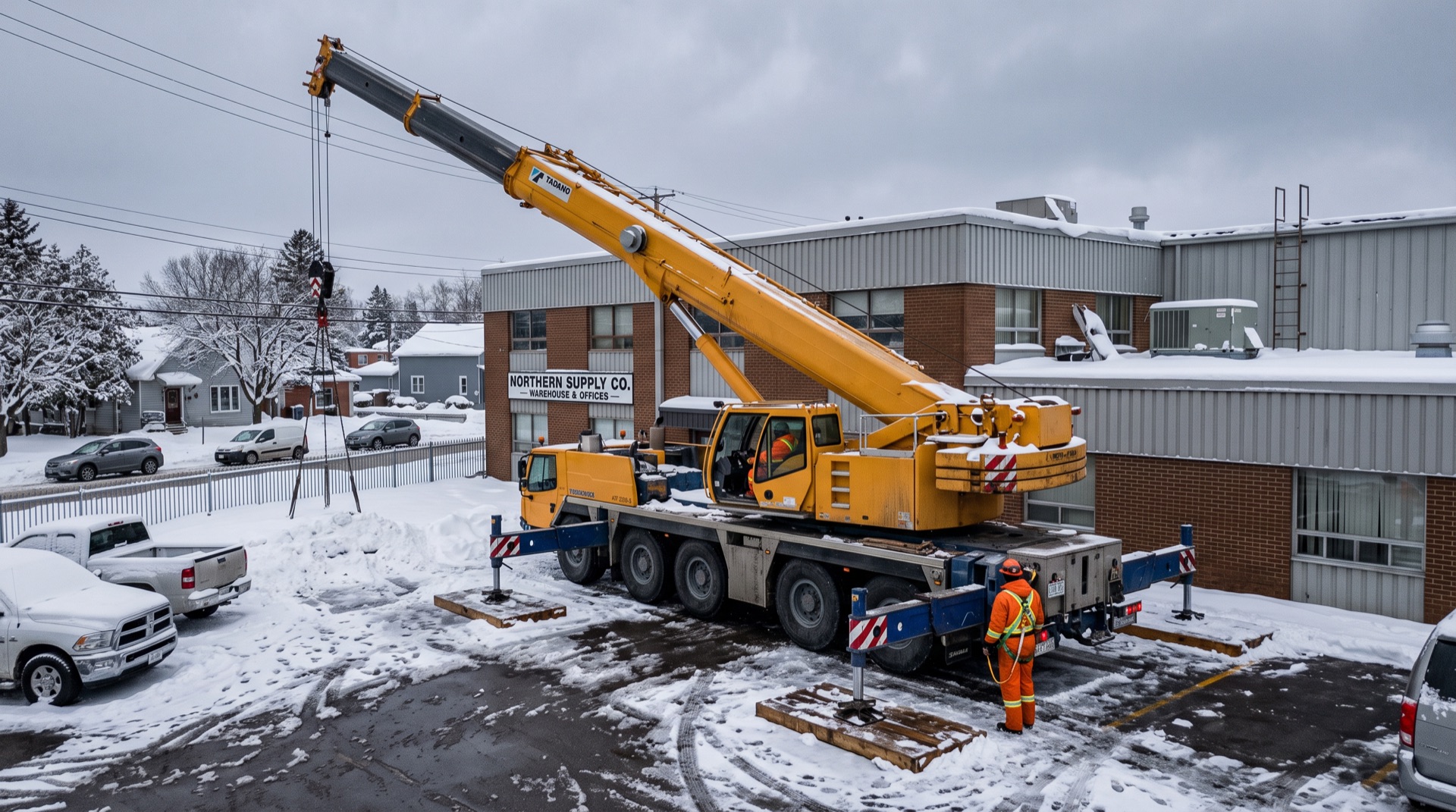
Pitch and height change the job more than ice thickness does. A walkable ranch eave is a ladder and a lance. A three-story roof with a steep pitch means anchors, rope, staging and two people where one would otherwise do.
Crews quote on that honestly. If a property in Roanoke needs a longer setup, it is said on the phone rather than discovered at the end of the invoice.
What steam actually does
A steam unit delivers water at roughly 290°F at a pressure low enough to rest your hand in the plume. It cuts a channel straight through the ice and lifts the dam off in sections, right down to the shingle. The heat does the work, not force, so granules, seal strips and flashing come through untouched.
That is the whole difference between steam and the hot pressure washers often sold as steam. A pressure washer cuts ice fast because of its pressure — and that same pressure strips the granules off asphalt shingles and drives water up under the courses. One method removes ice. The other removes ice and roof.
| Pricing model | Billed by the crew hour, rate quoted before dispatch |
|---|---|
| Documentation | Dated before and after photos, written scope in Xactimate line items |
| Typical scope | Steam, 4-8 crew hours typical |
| Dispatch window | Same day to 24 hours |
| Coverage area | Roanoke and Roanoke City County |
| Removal method | Low-pressure steam only. No chipping, salt or pressure washing. |
| Primary climate stressor | Repeated thaw-freeze cycling |
Roanoke City County Coverage From Roanoke
Crews working Roanoke cover the adjoining communities on the same route — Vinton, Cloverdale, Hardy, Boones Mill and Troutville — so a storm week usually means one truck handling several addresses in Roanoke City County rather than separate trips.
Nearest hub towns with their own crew pages: Salem, Blacksburg, Lynchburg, Staunton, Waynesboro, Charlottesville.
When a storm hits Roanoke City County, crews are dispatched by severity rather than by call order — water already inside the house goes first.
Water through a ceiling in Roanoke is a same-day call, not a next-week one. (888) 561-9664 goes straight to dispatch.