



Why Salt Lake City Roofs Dam Up: Altitude Sun on a Deep Pack
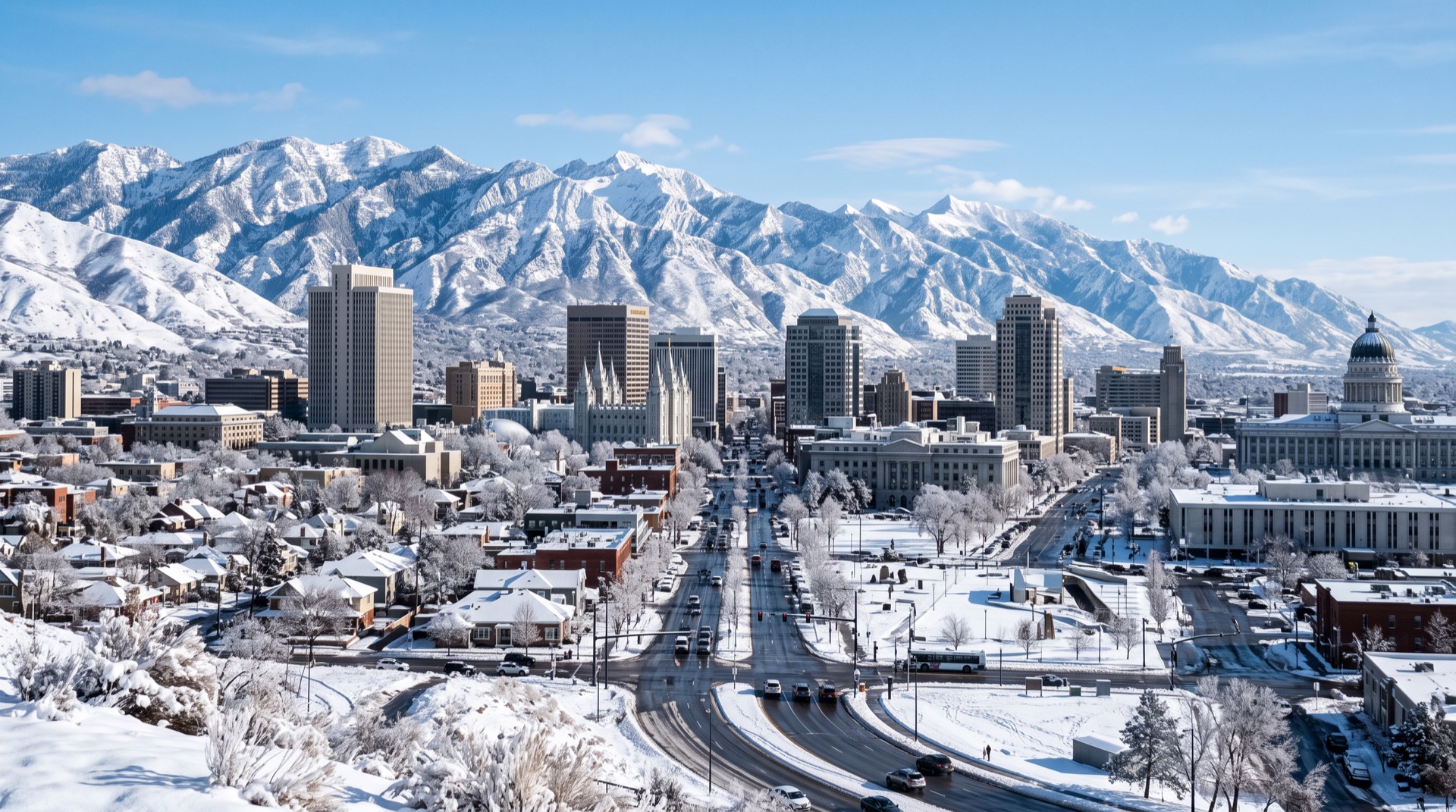
At Salt Lake City's elevation the air can stay below freezing all day while direct sun still melts the top of the snowpack. That meltwater runs down under the pack, reaches a shaded eave, and refreezes — on a day the thermometer never rose above freezing.

Aspect decides everything here. The sunny plane sheds water that the shaded plane and the shaded eave then lock up, so one side of a roof in Salt Lake City is clear while the other carries a wall of ice.
Ice-barrier practice in Salt Lake County
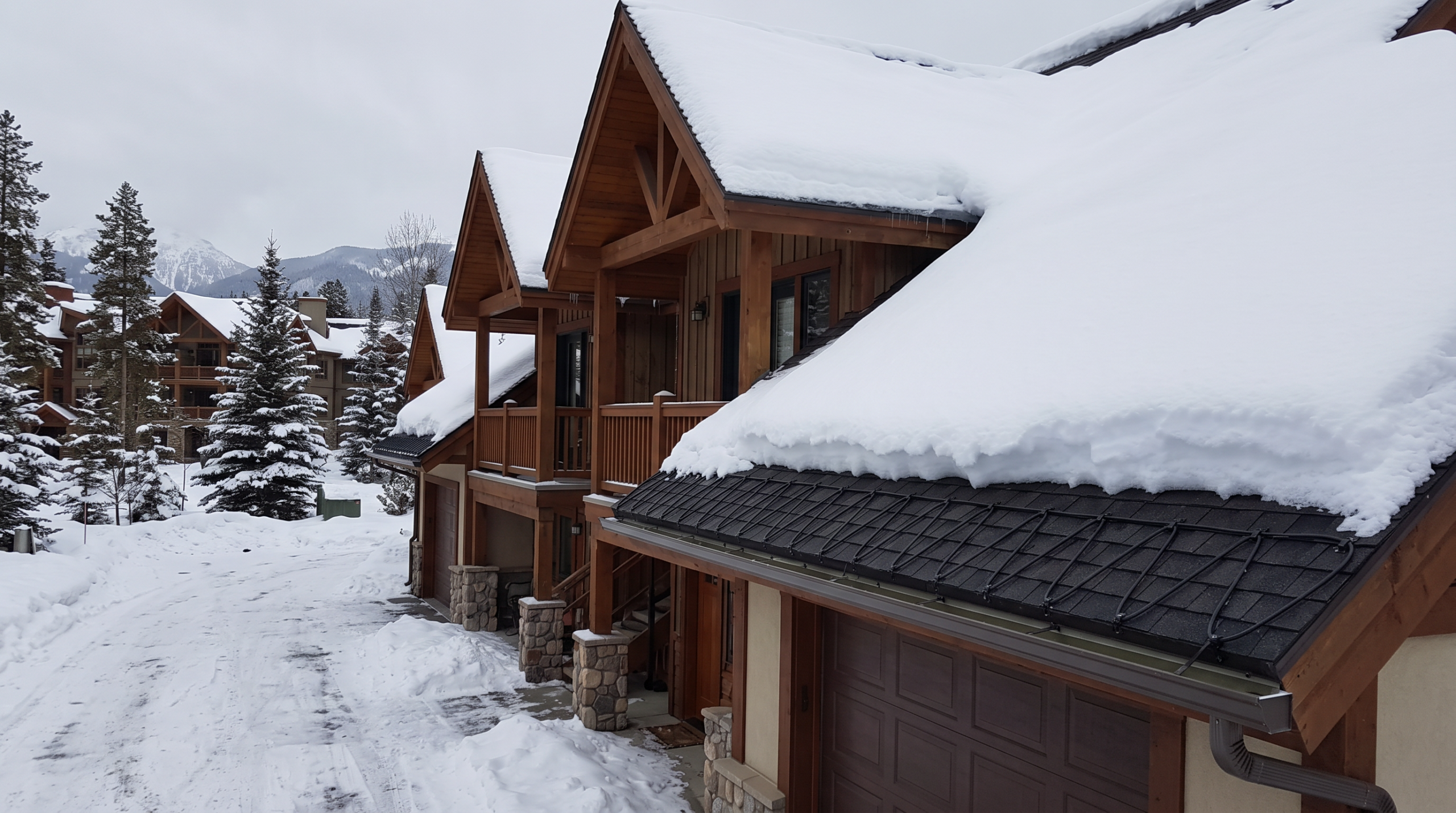
Snow retention above doors, walkways and parking is a requirement in most Salt Lake County jurisdictions for good reason: a release off a metal mountain roof is a serious event, not an inconvenience.
How We Work a Salt Lake City Ice Dam
The first pass is assessment: eaves, valleys, gutter line and any interior staining, all photographed with timestamps. You see what the crew sees, and the rate and likely hours are agreed before work begins.
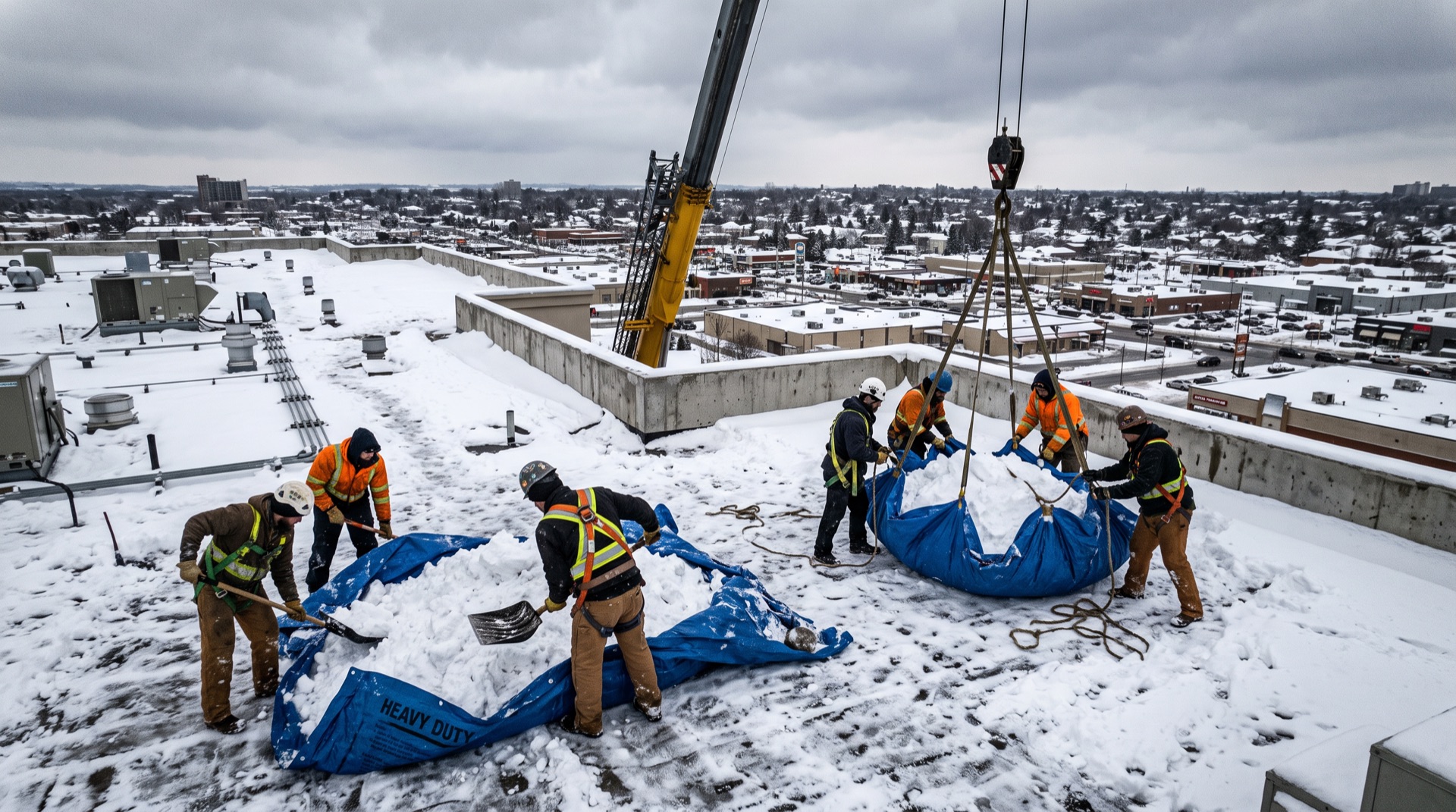
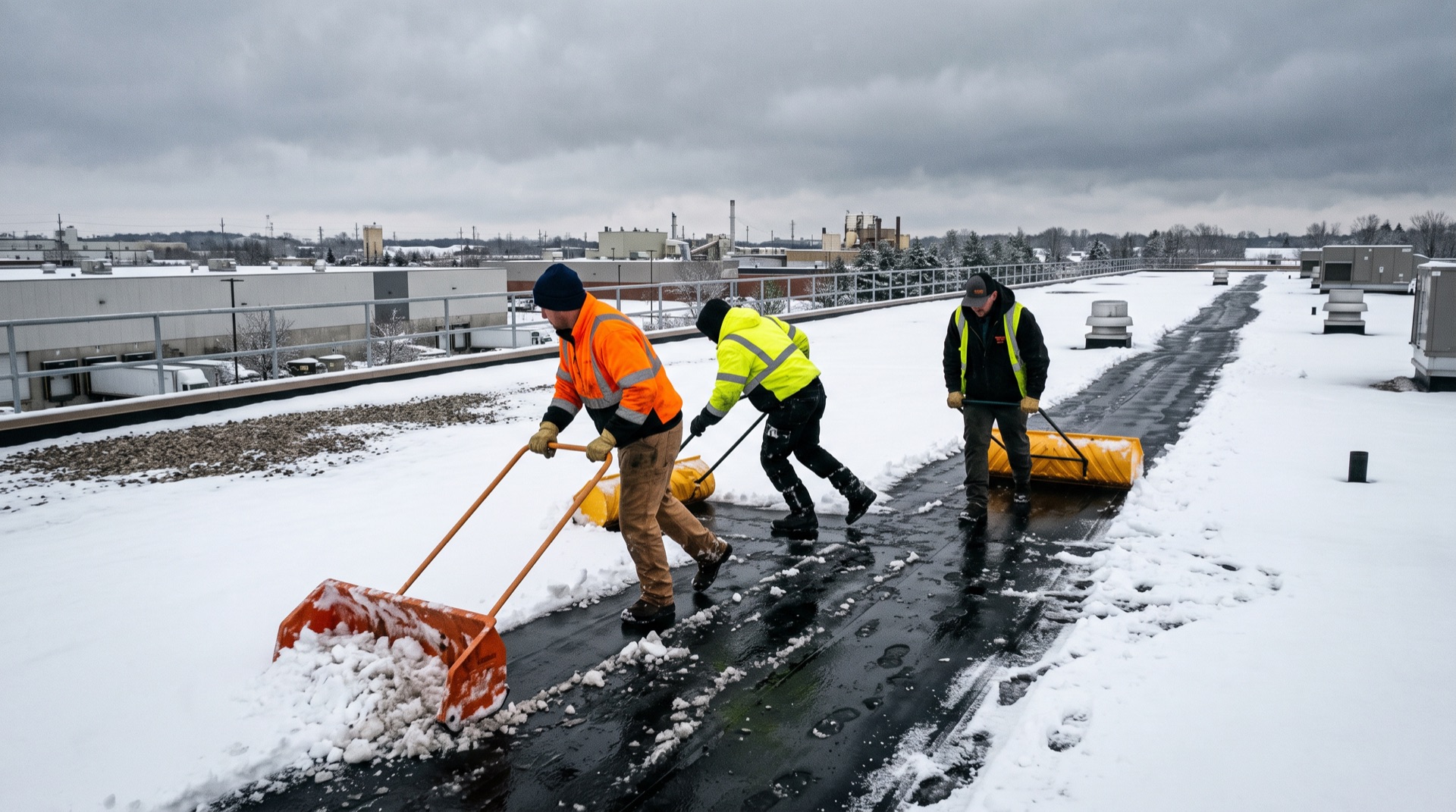
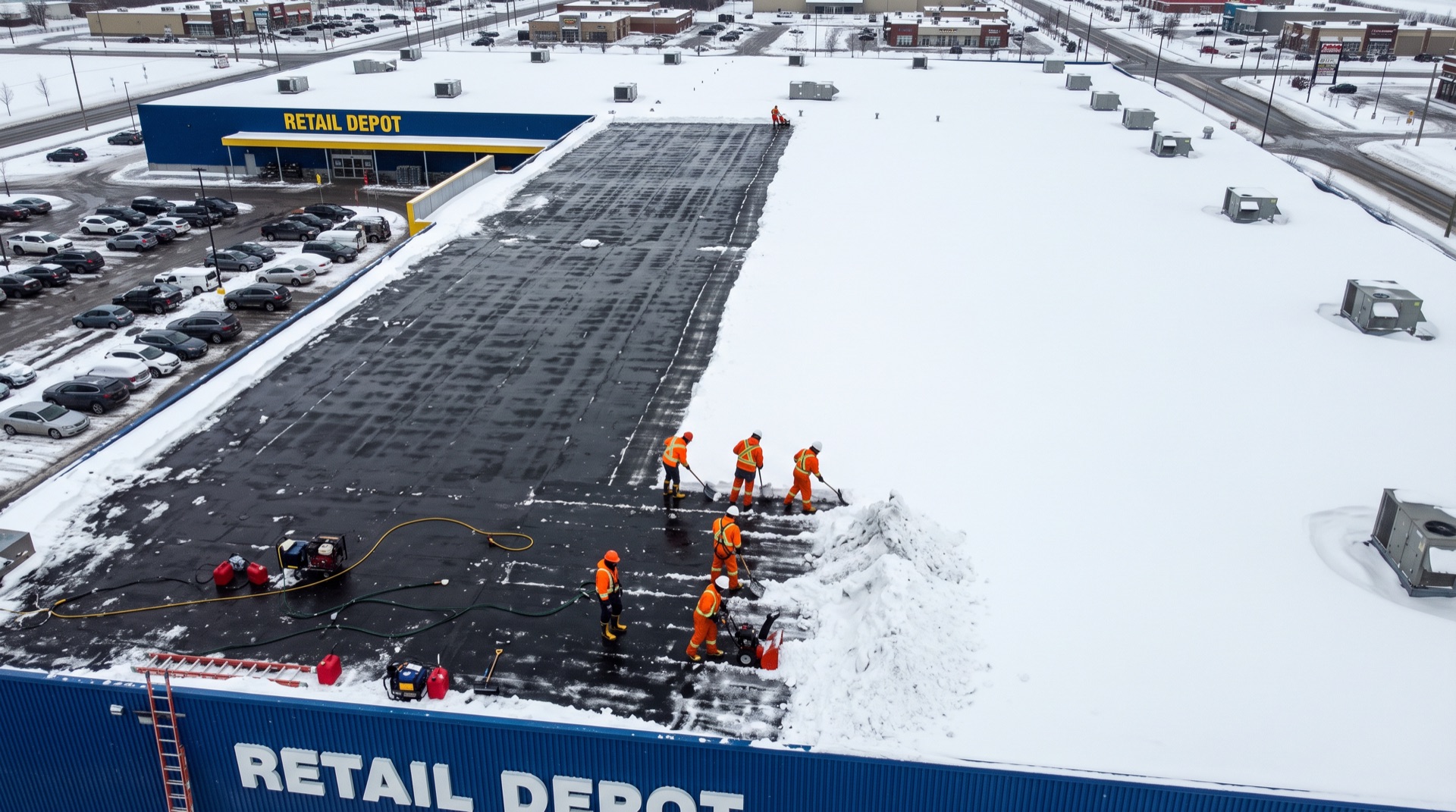
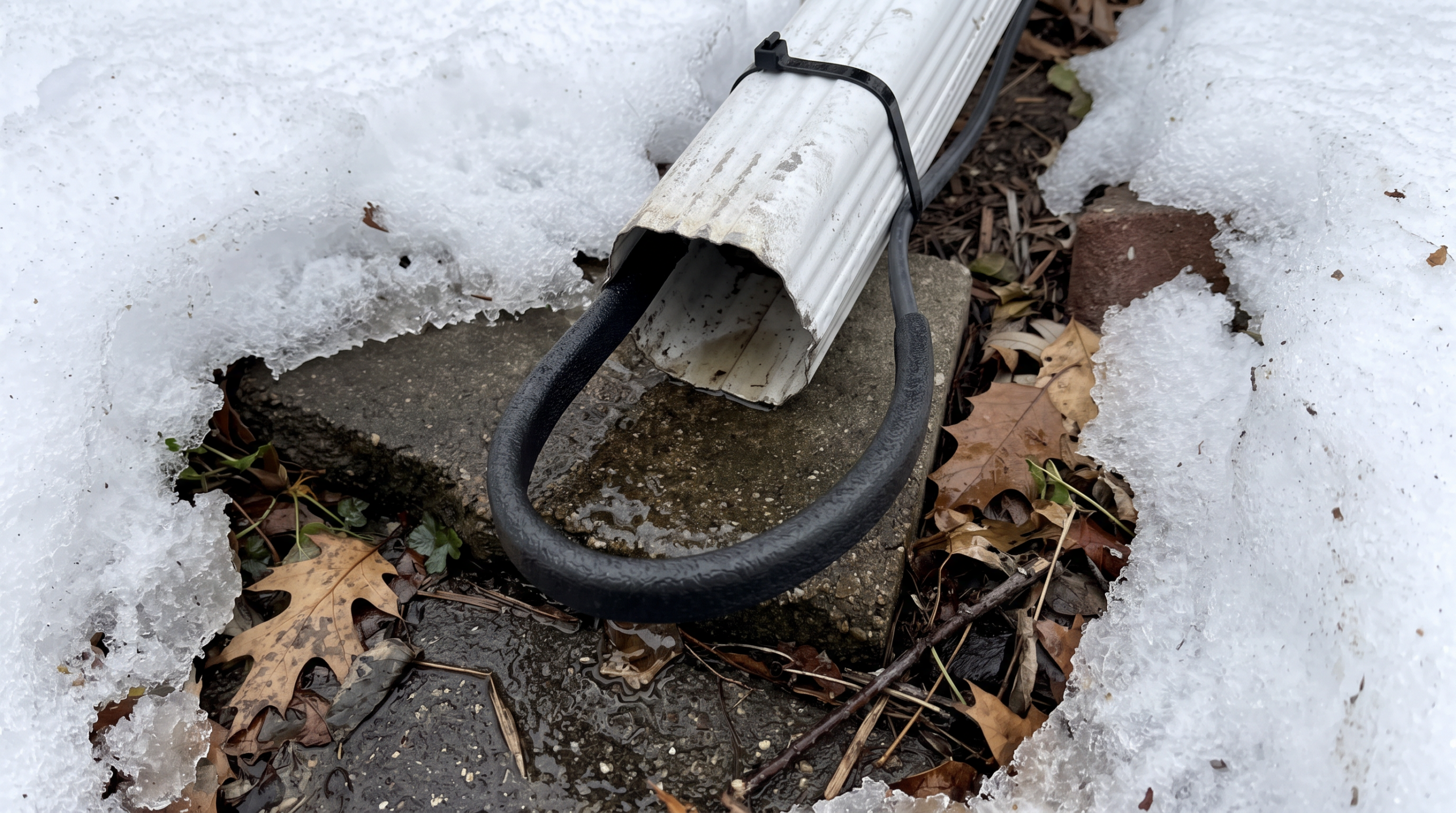
Steam then takes the dam off in sections, prioritizing wherever water is actively backing up behind it. The gutter trough and downspout are cleared through to daylight on the same visit, because a clear eave over a frozen gutter is a temporary fix.
Dormers, valleys and dead spots
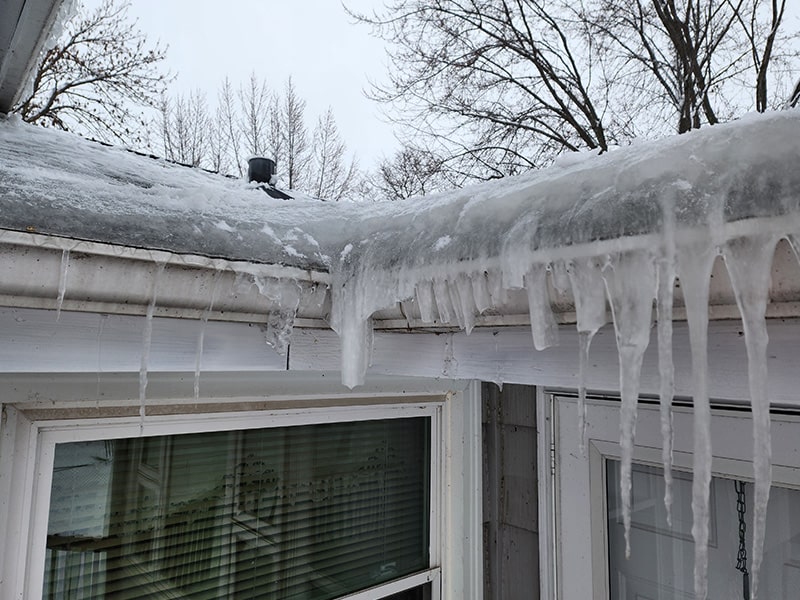
Ice does not distribute evenly. It concentrates where two roof planes meet, behind dormers, in dead valleys that drain nowhere, and along the north face that never sees sun. Those pockets hold water deepest and leak first.
A crew working a roof in Salt Lake City clears the full eave line and then goes back through the valleys and dormer pockets specifically, because clearing the easy straight run and calling it done is how a roof leaks again a week later.
Why the dam formed in the first place
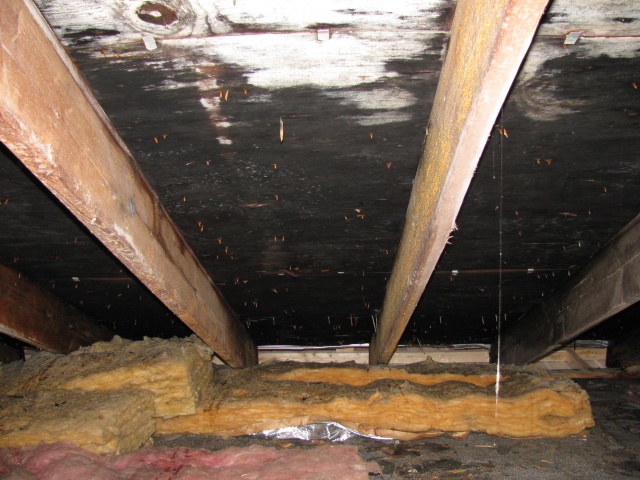
Ice dams are a heat problem wearing a weather costume. Warm air escaping into the attic melts snow on the upper roof; that meltwater runs to the eave, which hangs past the heated envelope and stays below freezing; it refreezes there, and the ridge of ice grows a layer every cycle. Removal is the emergency fix. Before the crew leaves you will know which part of your attic is feeding it.
What gets photographed, and why it matters later
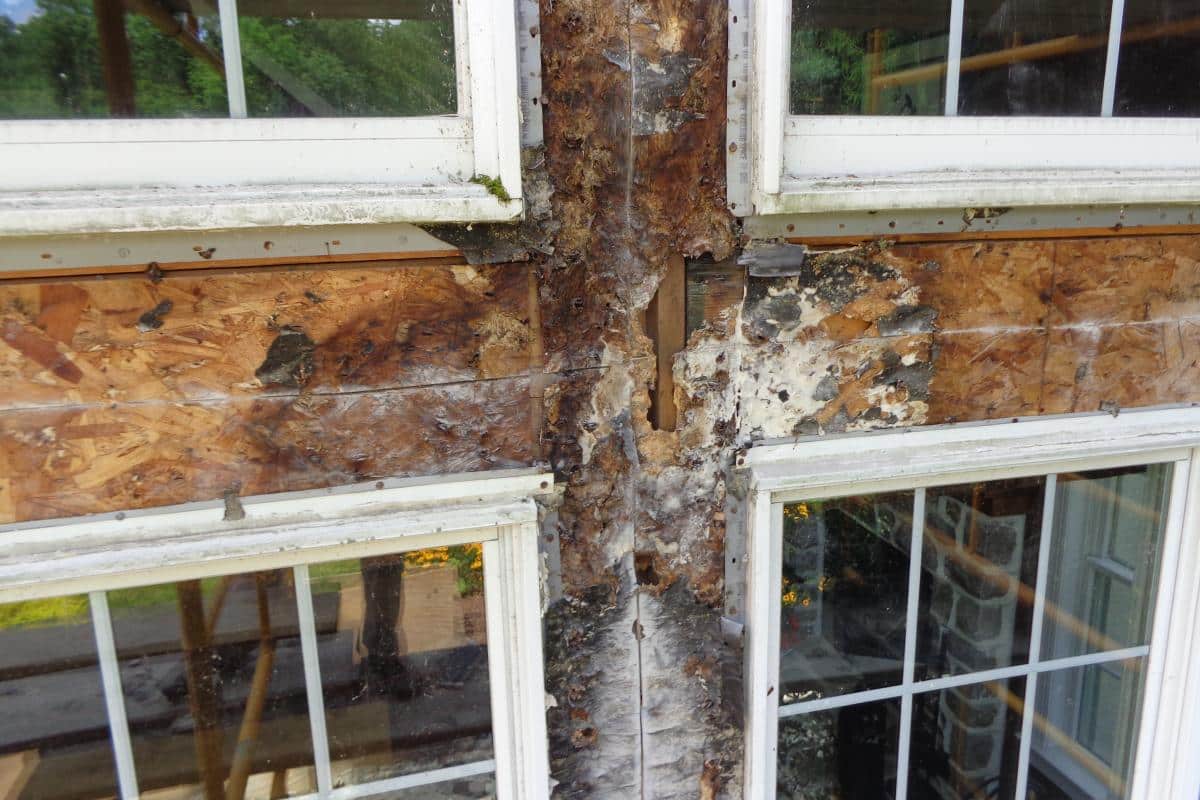
Before the lance comes out, the crew shoots the dam from the ground and from the roof, the icicle line, any staining visible inside, and the specific courses where water is tracking under the shingles. Timestamps are on every frame.
That record is the whole case if a claim follows. An adjuster arriving in March sees a dry roof and a stained ceiling; the photographs are what connect the two, and they are what a maintenance-exclusion denial runs into.
| Primary climate stressor | Solar melt on deep pack, shaded eaves |
|---|---|
| Service | Ice dam removal in Salt Lake City, UT |
| Documentation | Dated before and after photos, written scope in Xactimate line items |
| Dispatch window | 24 to 48 hours in mountain terrain |
| Pricing model | Billed by the crew hour, rate quoted before dispatch |
| Coverage area | Salt Lake City and Salt Lake County |
| Typical scope | Steam, 8-16 crew hours typical |
Salt Lake City Coverage and the Adjoining Communities
Crews working Salt Lake City cover the adjoining communities on the same route — North Salt Lake, Woods Cross, Magna and Centerville — so a storm week usually means one truck handling several addresses in Salt Lake County rather than separate trips.
Nearest hub towns with their own crew pages: Millcreek, Murray, Taylorsville, West Valley City, Bountiful, Midvale.
During a cold snap Salt Lake City gets worked alongside the neighboring Salt Lake County towns on the same route, with active interior leaks moved to the front of the list.
Water through a ceiling in Salt Lake City is a same-day call, not a next-week one. (888) 561-9664 goes straight to dispatch.