



Layton Ice Dams: Melting on Days It Never Thaws
Altitude makes the sun stronger and the air colder at the same time. A roof in Layton can be producing meltwater on its south face at midday while the thermometer reads well below freezing.

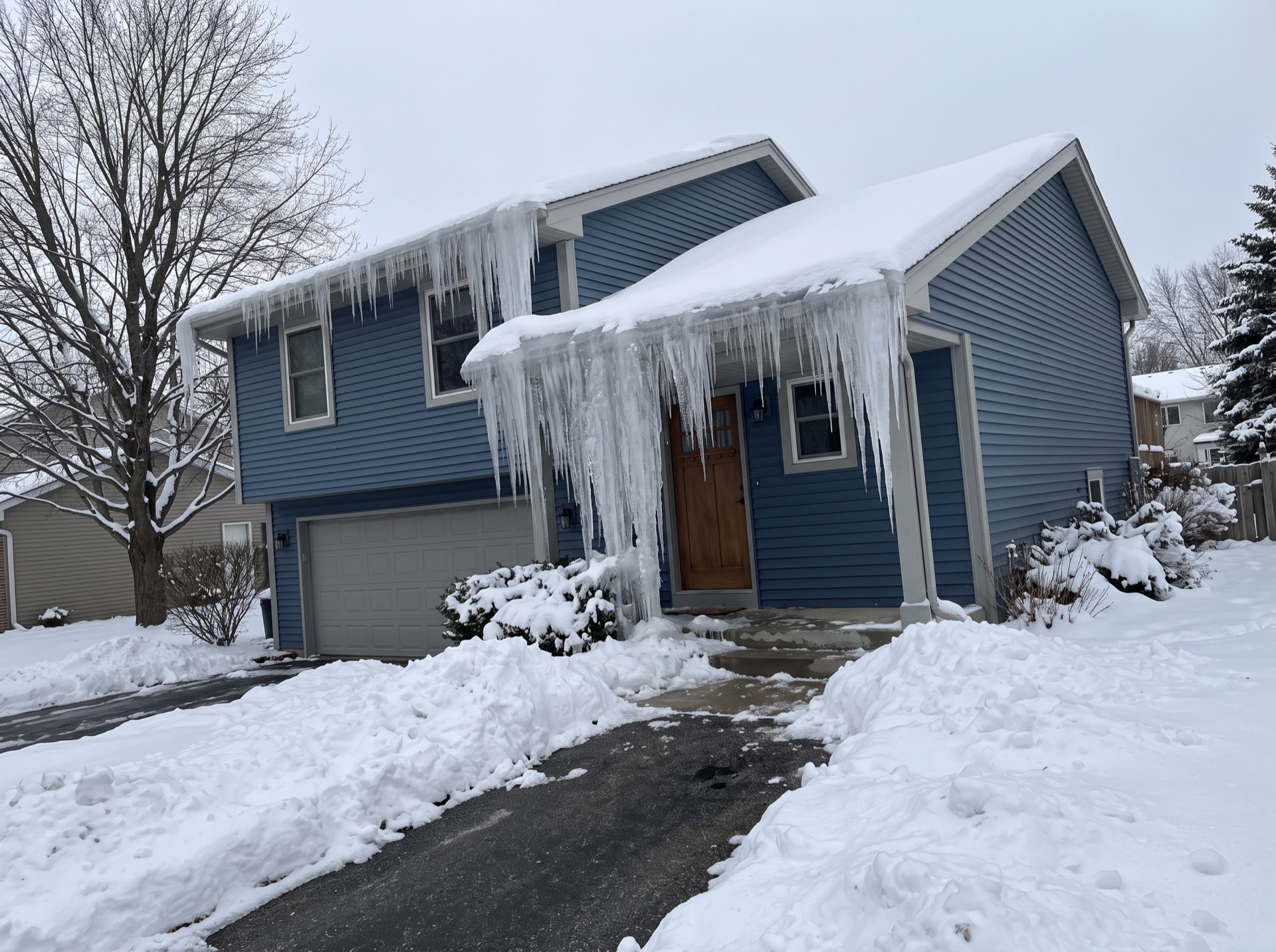
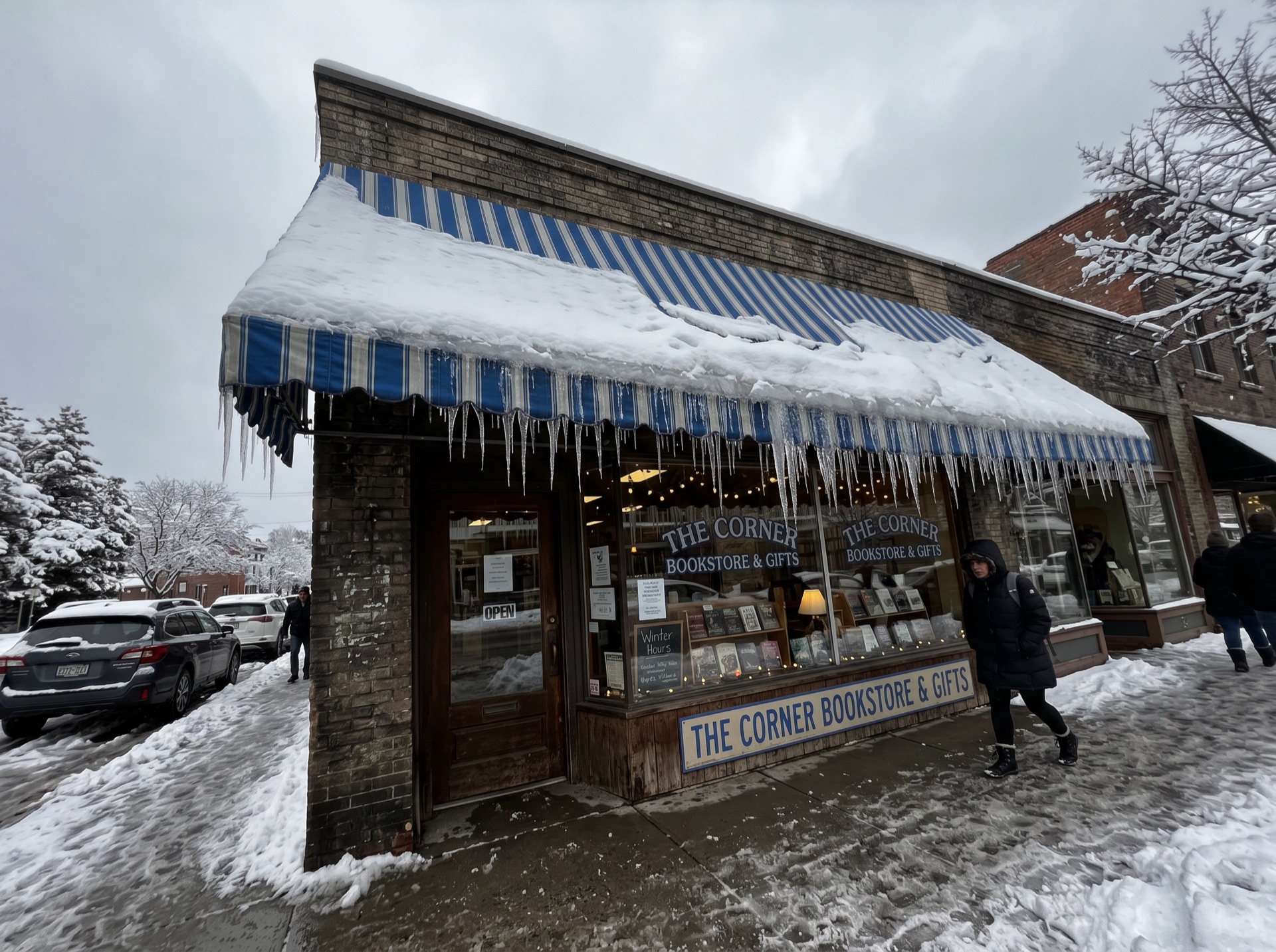
Aspect decides everything here. The sunny plane sheds water that the shaded plane and the shaded eave then lock up, so one side of a roof in Layton is clear while the other carries a wall of ice.
Ice-barrier practice in Davis County
Mountain jurisdictions across Davis County generally require ice-barrier membrane well up the roof plane, not just the first course, along with snow retention on metal roofs above entries and walkways.
How a Layton Steam Call Runs, Start to Finish
The first pass is assessment: eaves, valleys, gutter line and any interior staining, all photographed with timestamps. You see what the crew sees, and the rate and likely hours are agreed before work begins.
Steam then takes the dam off in sections, prioritizing wherever water is actively backing up behind it. The gutter trough and downspout are cleared through to daylight on the same visit, because a clear eave over a frozen gutter is a temporary fix.
What happens after the ice is off
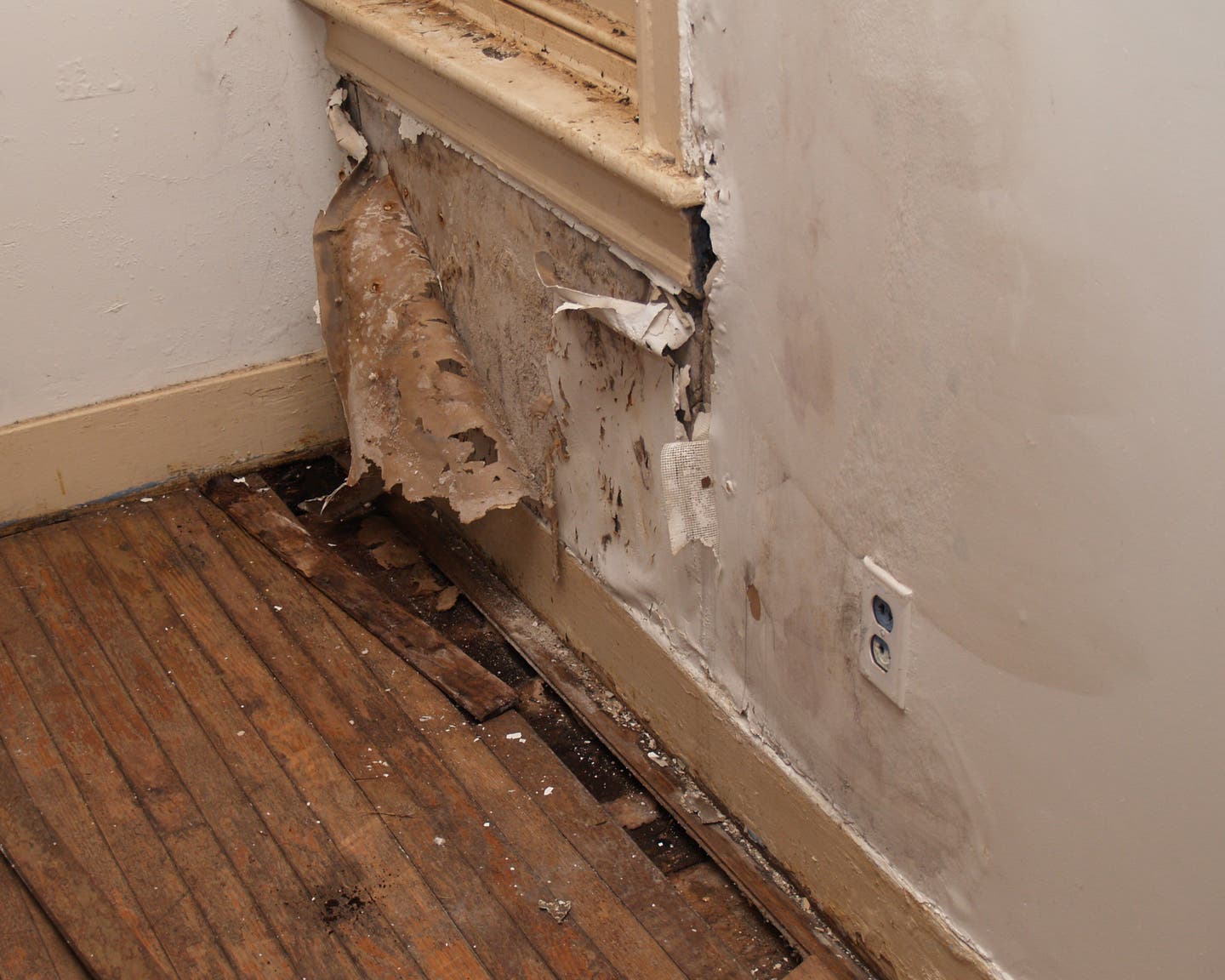
Once the eave is clear and water is draining, the crew walks the interior with you where there is visible damage and says plainly whether it needs drying. Wet insulation and a damp ceiling cavity do not resolve themselves in a cold Layton February.
If it does, that is a separate scope and it gets written separately — nobody is upsold a dryout on the strength of one damp patch.
What steam actually does
A steam unit delivers water at roughly 290°F at a pressure low enough to rest your hand in the plume. It cuts a channel straight through the ice and lifts the dam off in sections, right down to the shingle. The heat does the work, not force, so granules, seal strips and flashing come through untouched.
That is the whole difference between steam and the hot pressure washers often sold as steam. A pressure washer cuts ice fast because of its pressure — and that same pressure strips the granules off asphalt shingles and drives water up under the courses. One method removes ice. The other removes ice and roof.
Working at night and during an active storm
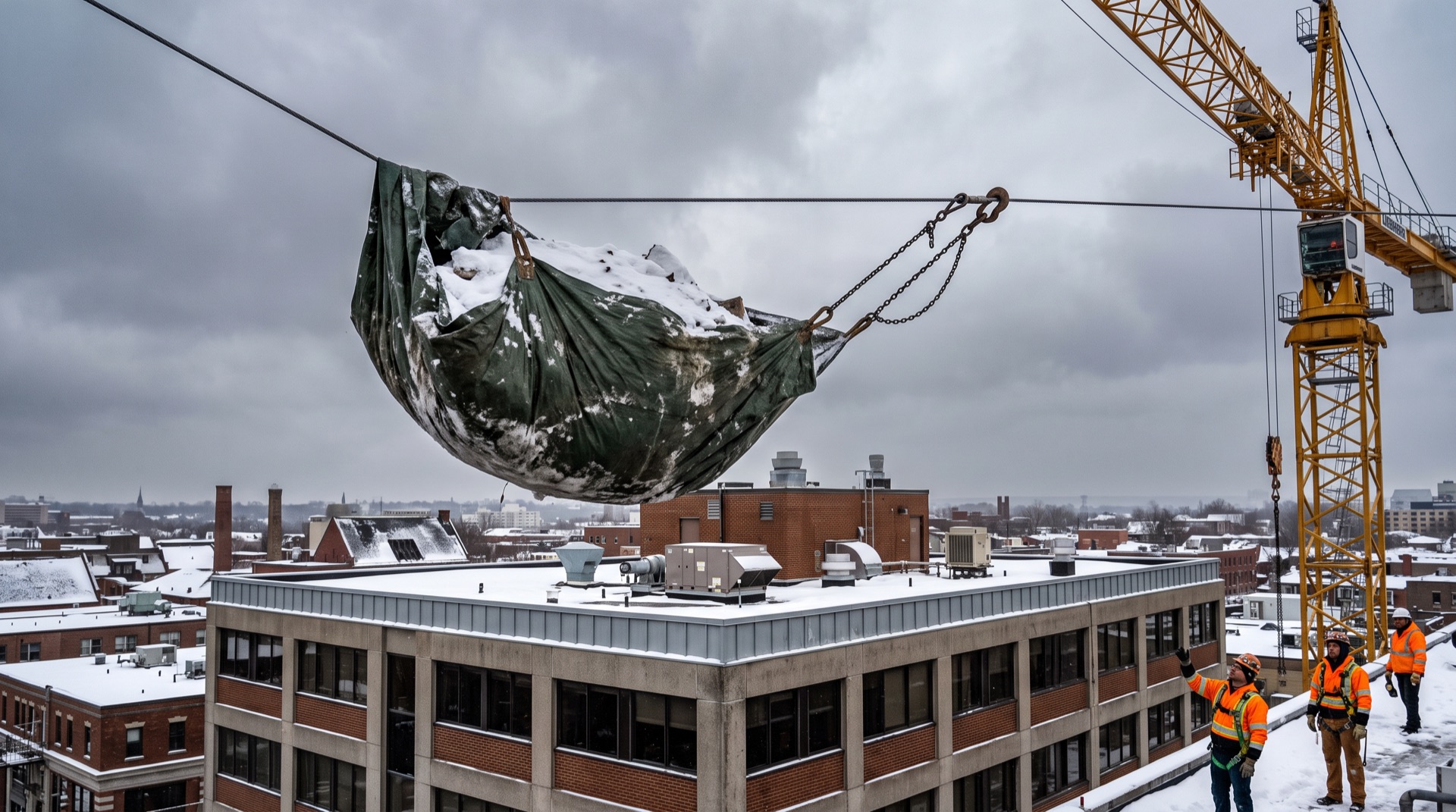
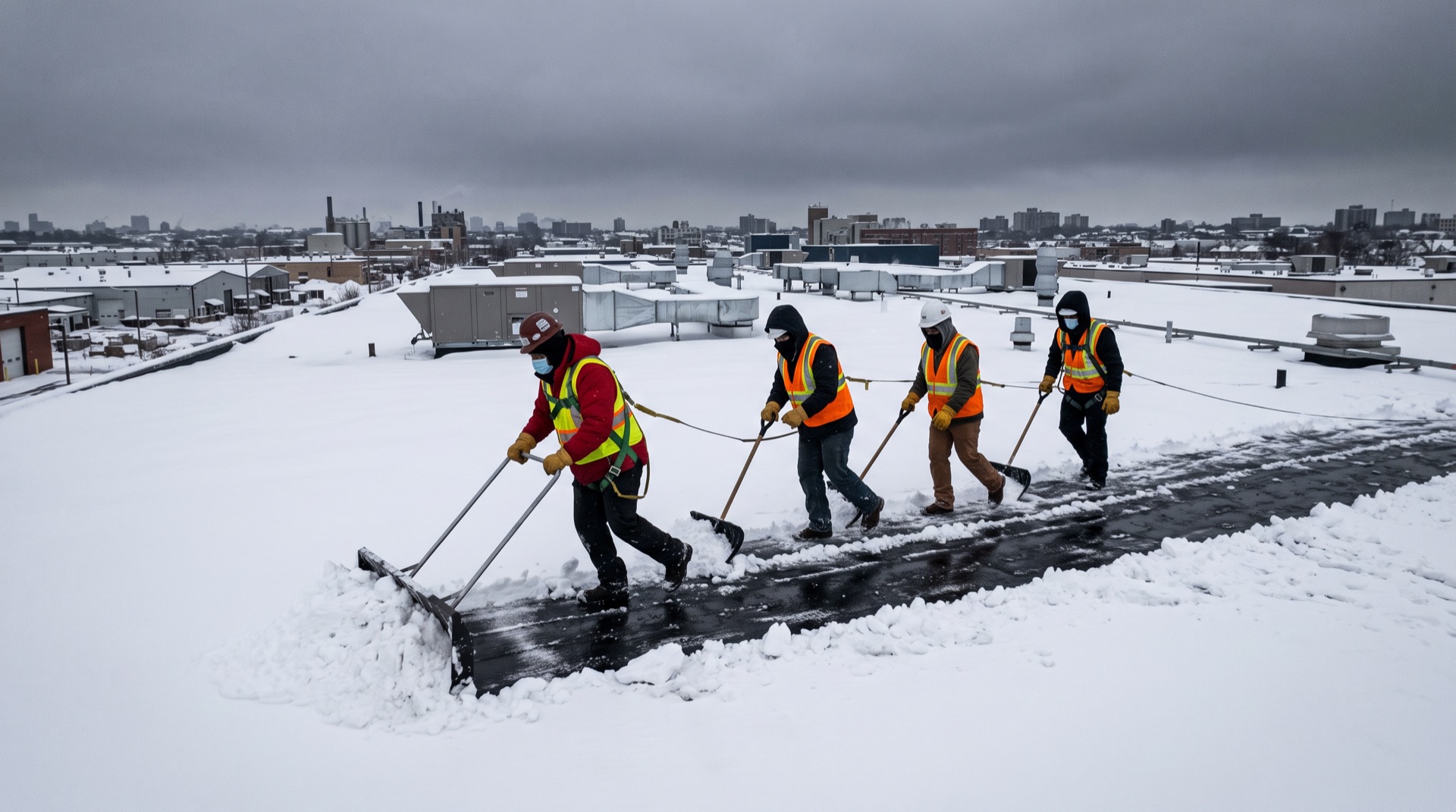
Freeze events do not keep office hours, and the worst leaks tend to announce themselves in the evening when the day's melt refreezes. Crews run lit, and a roof that is actively collecting snow is worked anyway, because waiting for better weather means the dam is bigger when somebody finally gets to it.
What does stop a crew is wind and lightning. Both are judgment calls made on site in Layton, and a postponed start gets explained rather than dressed up.
| Primary climate stressor | Solar melt on deep pack, shaded eaves |
|---|---|
| Typical scope | Steam, 8-16 crew hours typical |
| Coverage area | Layton and Davis County |
| Local ice-barrier practice | Extended membrane plus snow retention |
| Dispatch window | 24 to 48 hours in mountain terrain |
| Service | Ice dam removal in Layton, UT |
| Pricing model | Billed by the crew hour, rate quoted before dispatch |
Neighborhoods and Towns We Reach From Layton
Crews working Layton cover the adjoining communities on the same route — Kaysville, Hill Afb, Farmington, Hooper and Morgan — so a storm week usually means one truck handling several addresses in Davis County rather than separate trips.
Nearest hub towns with their own crew pages: Syracuse, Clearfield, Roy, Ogden, Bountiful, Salt Lake City.
Layton sits inside the regular Utah service area, so a crew is usually scheduled the same day or the following morning.
Active leak at an address in Layton? (888) 561-9664 reaches dispatch directly. Interior water moves a job to the front of the day.