



Long Winters, Layered Ice: The Davison County Problem
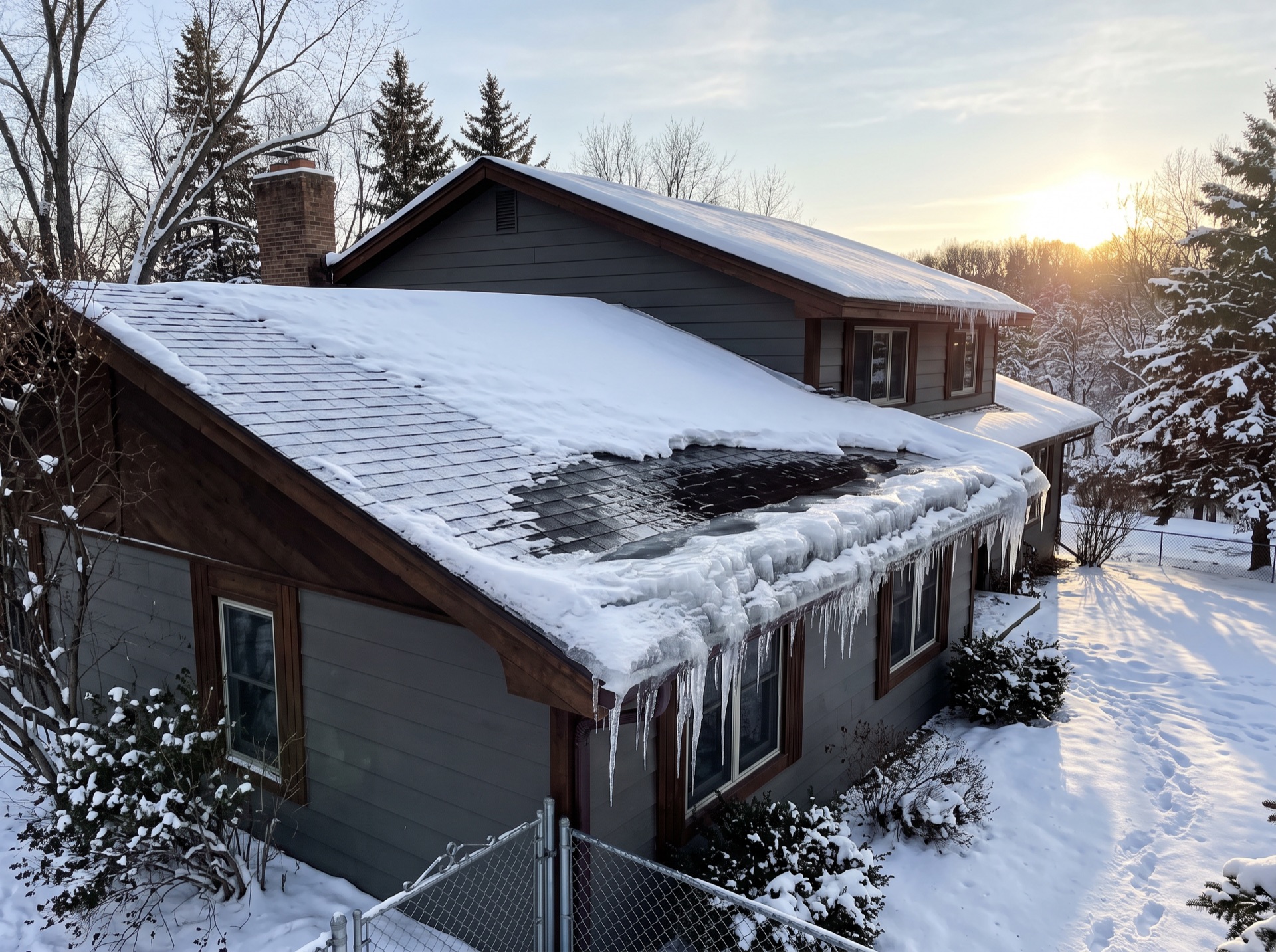
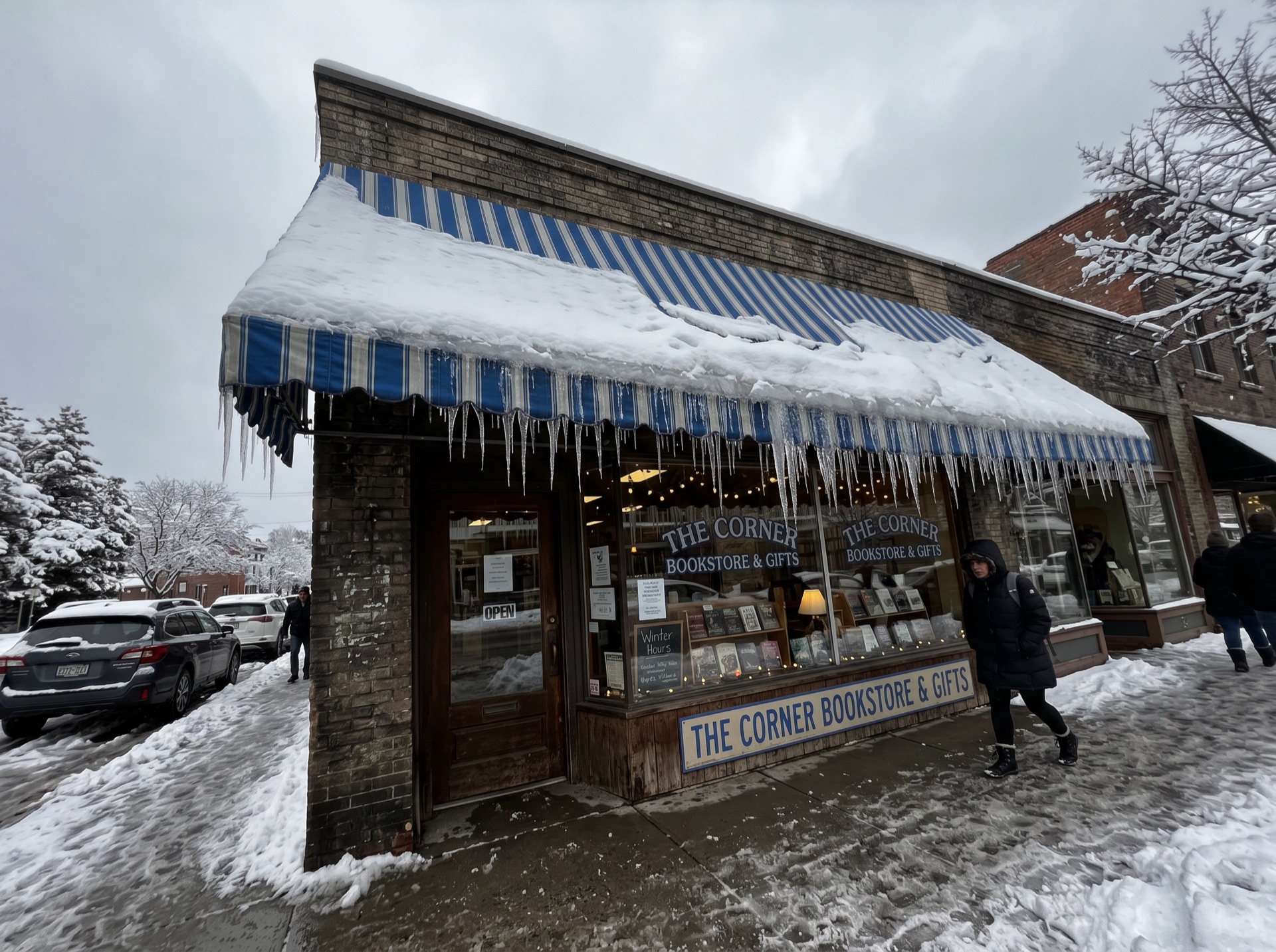
Mitchell holds snow. In a normal winter the pack that lands in December is still on the roof in February, which means the eave spends months below freezing while the attic underneath stays heated.

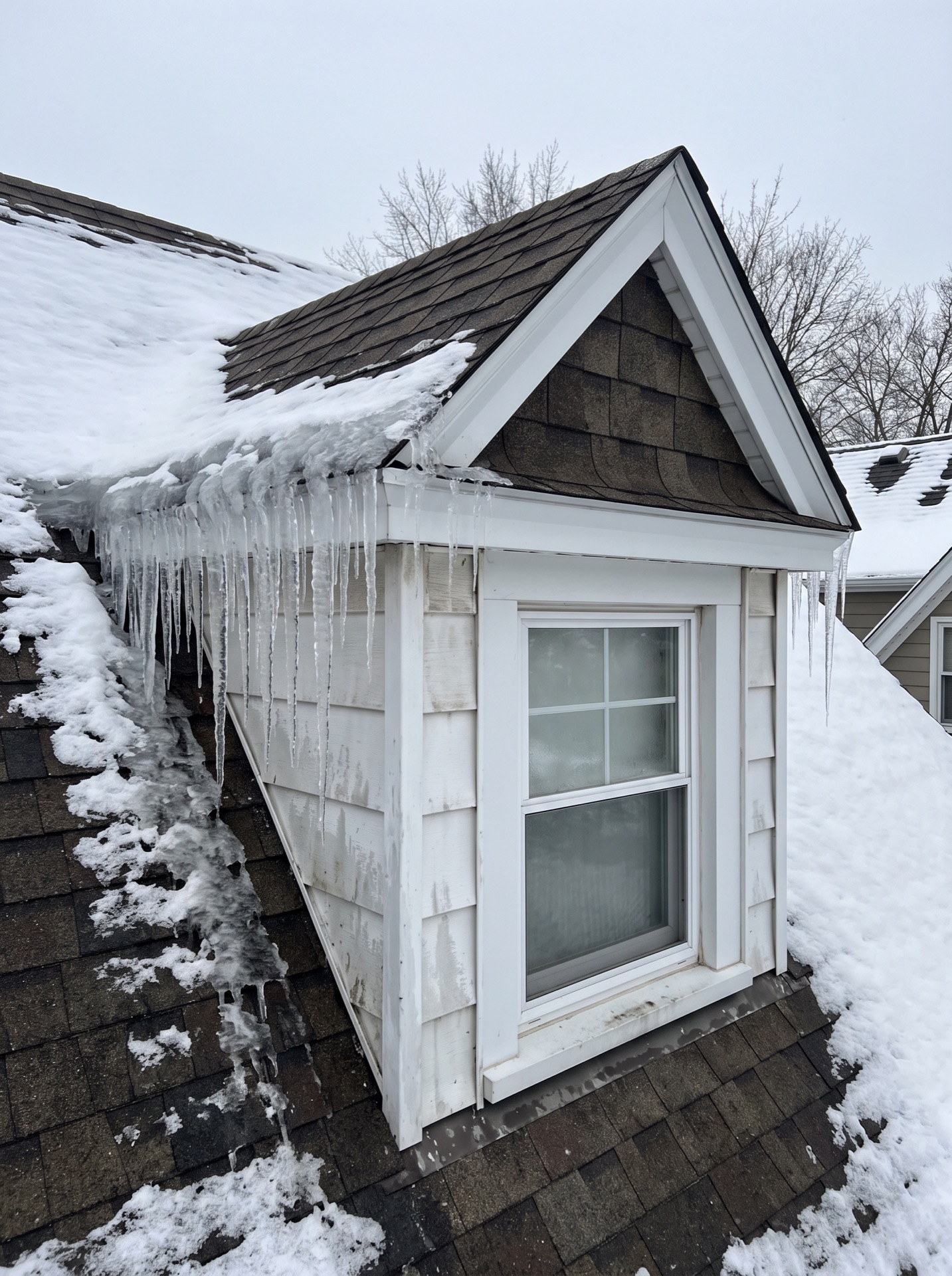
The ice that comes off a roof in Mitchell in February is rarely one event's worth. It is a laminated record of the whole season, which is why it is thick, dense and firmly bonded to the shingle.
Ice-barrier practice in Davison County
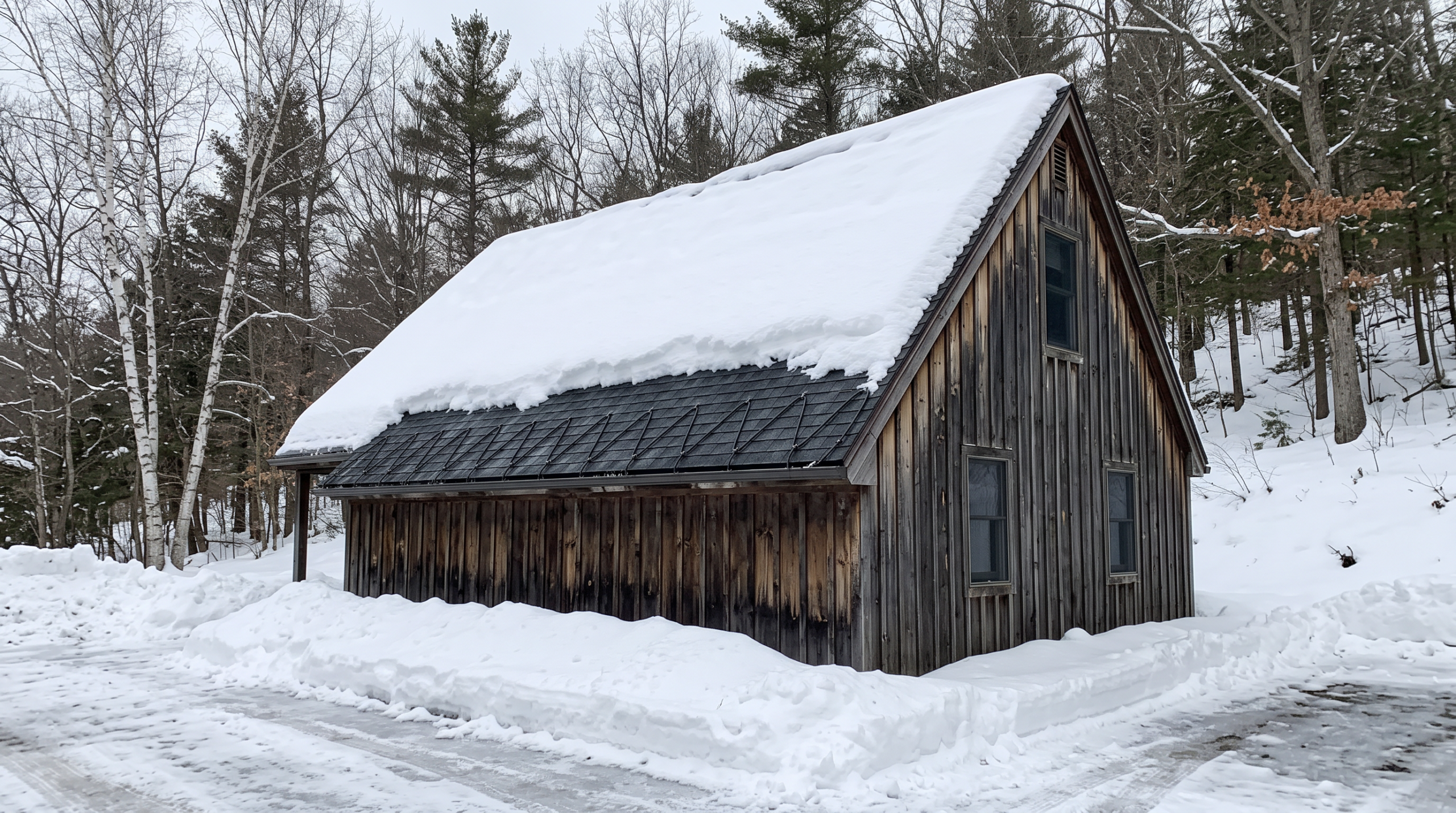
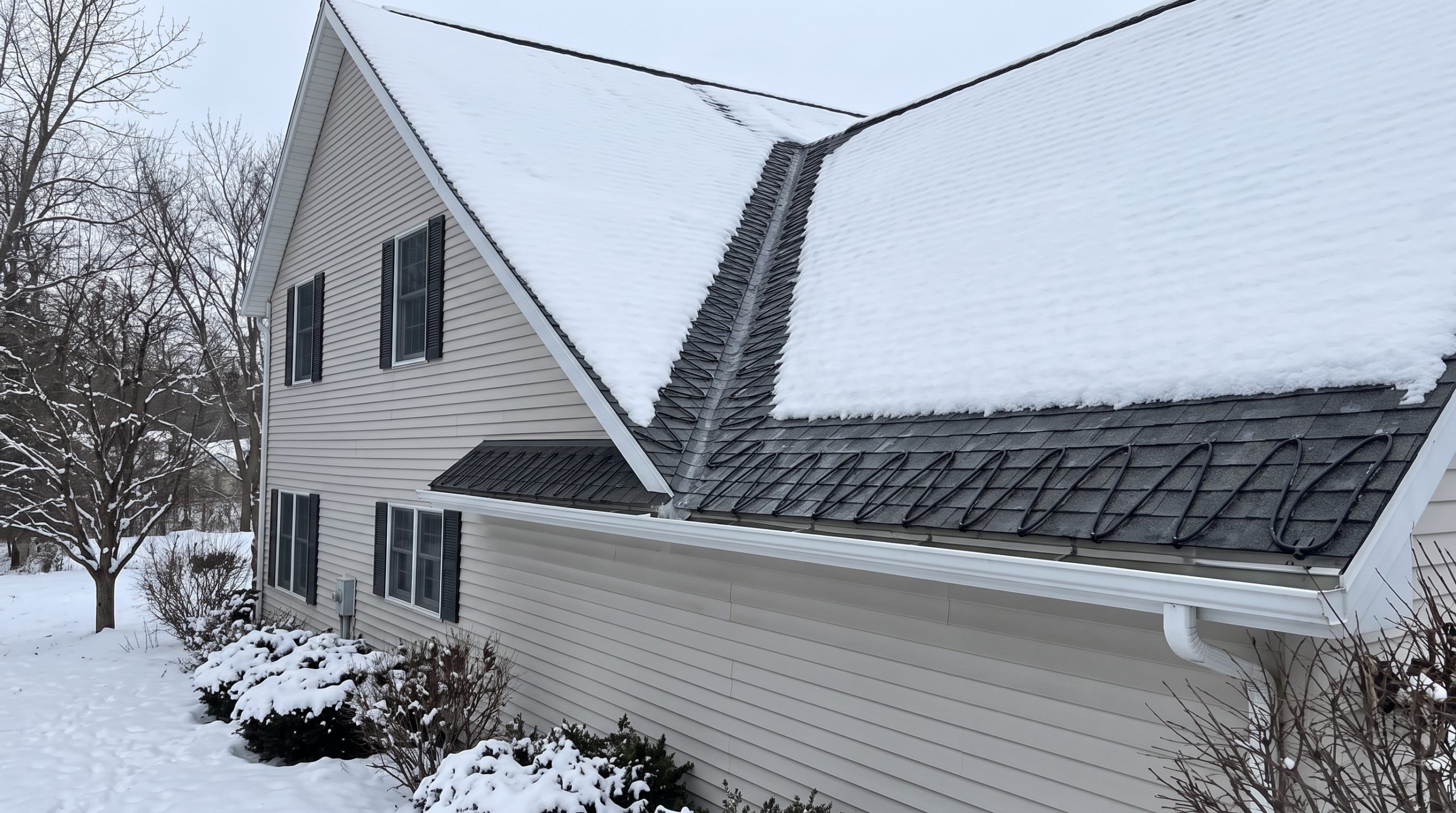
South Dakota code has required ice-barrier underlayment at the eaves for years on new work, but plenty of housing stock predates it. On an older Mitchell roof the only thing between backed-up water and the deck is the shingle course itself.
What a Crew Does on a Mitchell Roof
The first pass is assessment: eaves, valleys, gutter line and any interior staining, all photographed with timestamps. You see what the crew sees, and the rate and likely hours are agreed before work begins.
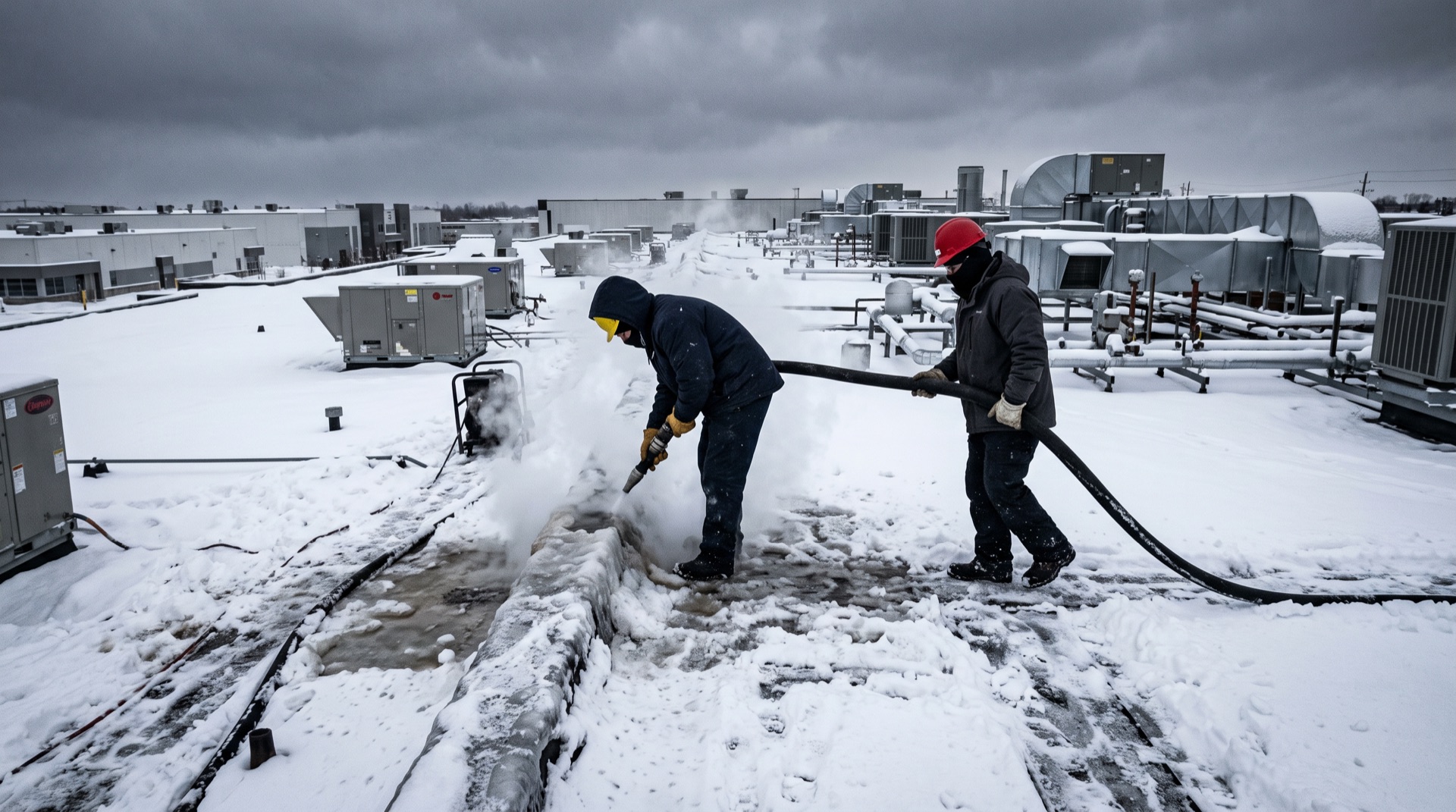
Steam then takes the dam off in sections, prioritizing wherever water is actively backing up behind it. The gutter trough and downspout are cleared through to daylight on the same visit, because a clear eave over a frozen gutter is a temporary fix.
What the dam has already done to the gutter and fascia
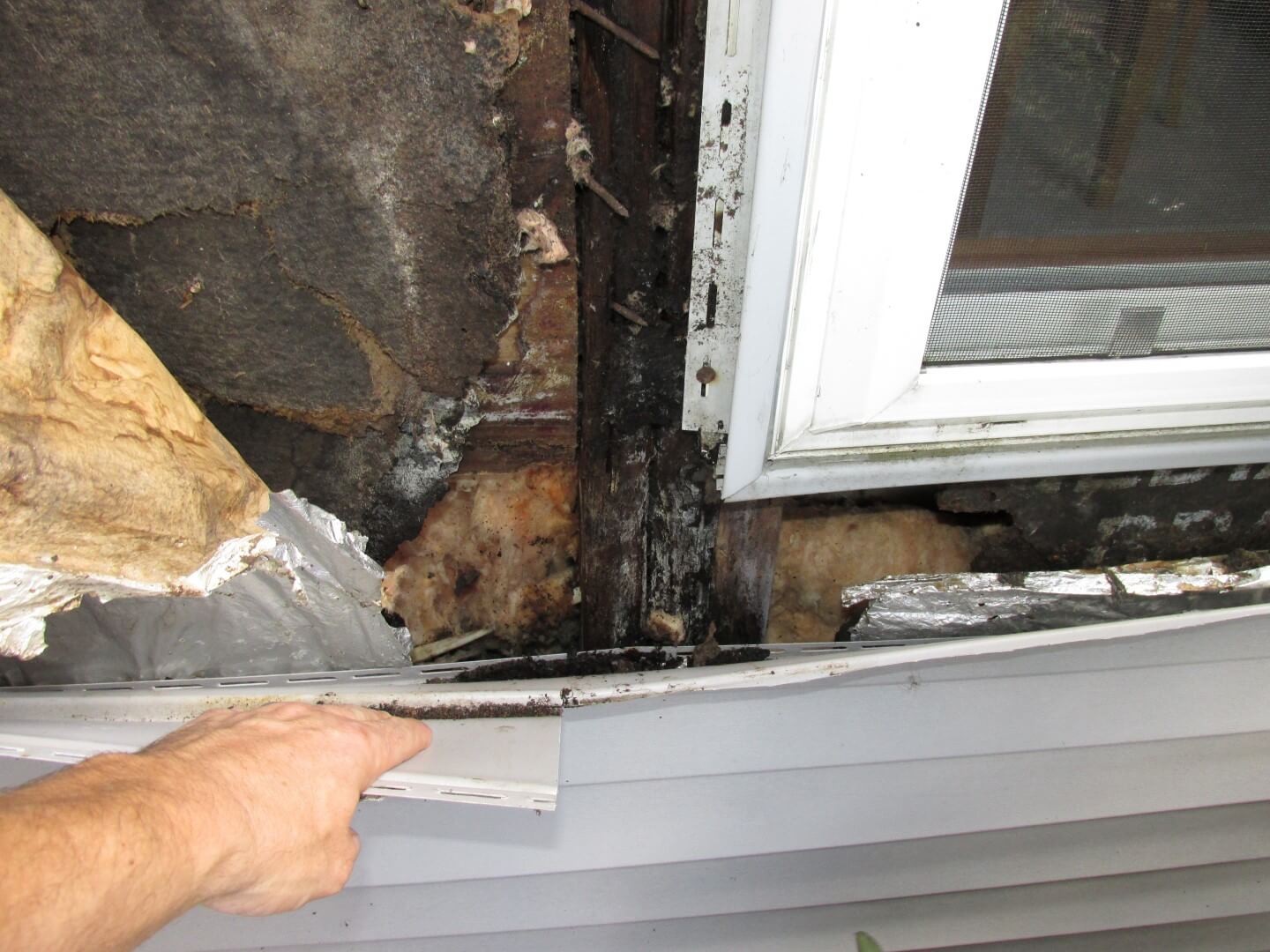
Ice expands as it forms, and a trough packed solid pushes the gutter away from the fascia a little more every cycle. By the time the dam is thick enough to leak, the hangers are often pulled, the back of the trough has lifted, and the fascia board behind it has been wet for weeks.
None of that is visible until the ice is off. It gets photographed when it appears, because a bent gutter found in February is a great deal easier to argue about with a carrier than one discovered in May.
What gets photographed, and why it matters later
Before the lance comes out, the crew shoots the dam from the ground and from the roof, the icicle line, any staining visible inside, and the specific courses where water is tracking under the shingles. Timestamps are on every frame.
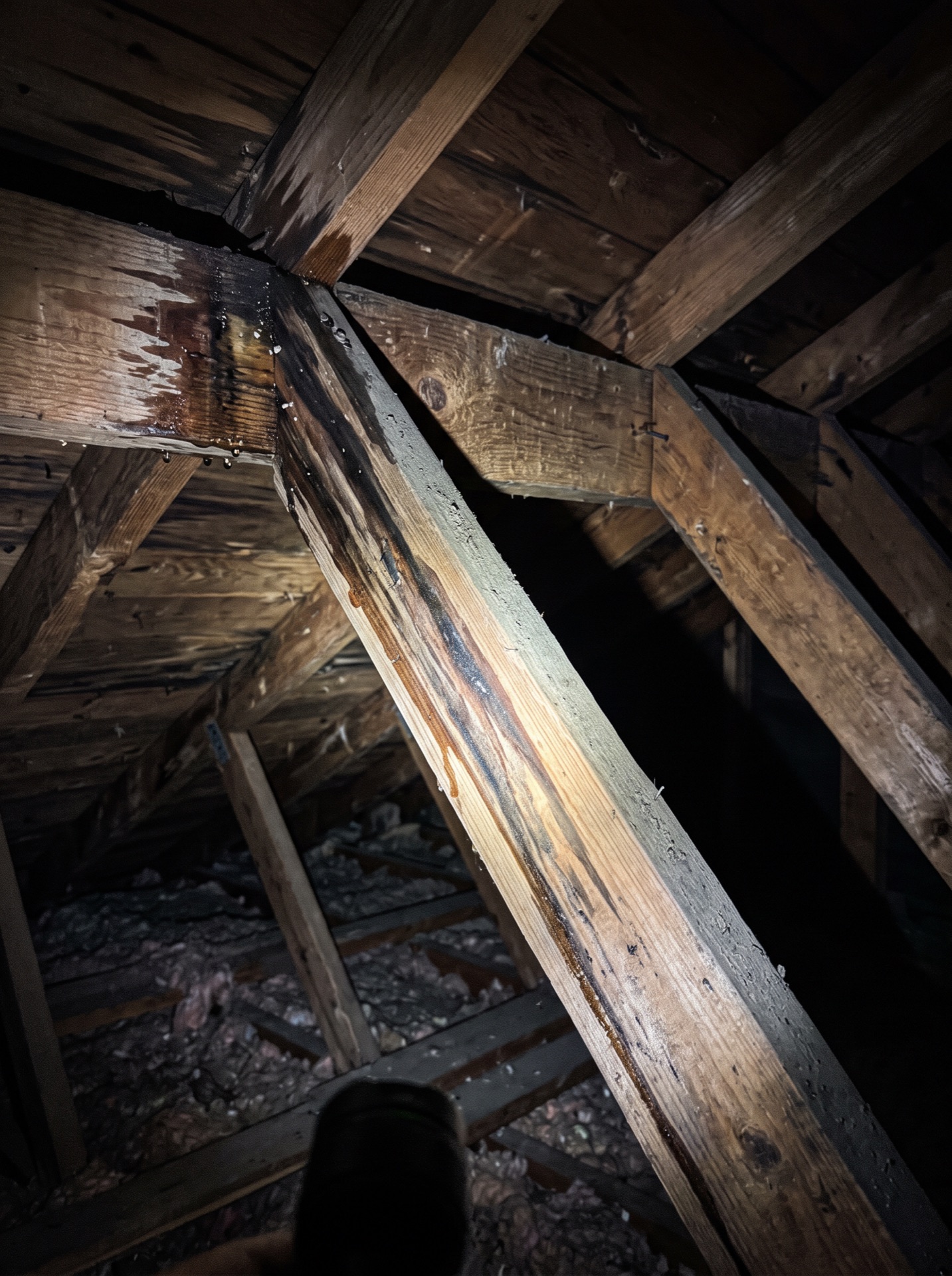
That record is the whole case if a claim follows. An adjuster arriving in March sees a dry roof and a stained ceiling; the photographs are what connect the two, and they are what a maintenance-exclusion denial runs into.
Why salt and ice melt make it worse
Calcium chloride opens a narrow channel and leaves the dam standing. The channel refreezes, the dam does not go anywhere, and in the meantime the runoff corrodes gutter seams, fasteners, flashing and anything growing underneath.
It is a stopgap at best. On a roof in Mitchell with an active leak it buys hours, not days, and it adds a corrosion problem to the water problem.
| Coverage area | Mitchell and Davison County |
|---|---|
| Typical scope | Steam, 6-14 crew hours typical |
| Local ice-barrier practice | Eave membrane required on new work |
| Removal method | Low-pressure steam only. No chipping, salt or pressure washing. |
| Primary climate stressor | Sustained sub-freezing, long season |
| Pricing model | Billed by the crew hour, rate quoted before dispatch |
| Documentation | Dated before and after photos, written scope in Xactimate line items |
Davison County Coverage From Mitchell
Crews working Mitchell cover the adjoining communities on the same route — Fulton, Ethan, Mount Vernon and Alexandria — so a storm week usually means one truck handling several addresses in Davison County rather than separate trips.
Nearest hub towns with their own crew pages: Yankton, Sioux Falls, Brookings, Watertown, Pierre, Aberdeen.
When a storm hits Davison County, crews are dispatched by severity rather than by call order — water already inside the house goes first.
If water is already inside a property in Mitchell, call (888) 561-9664 rather than filling in a form — the phone is faster and leaks jump the line.