



Aberdeen Ice Dams and the Winter That Does Not Break
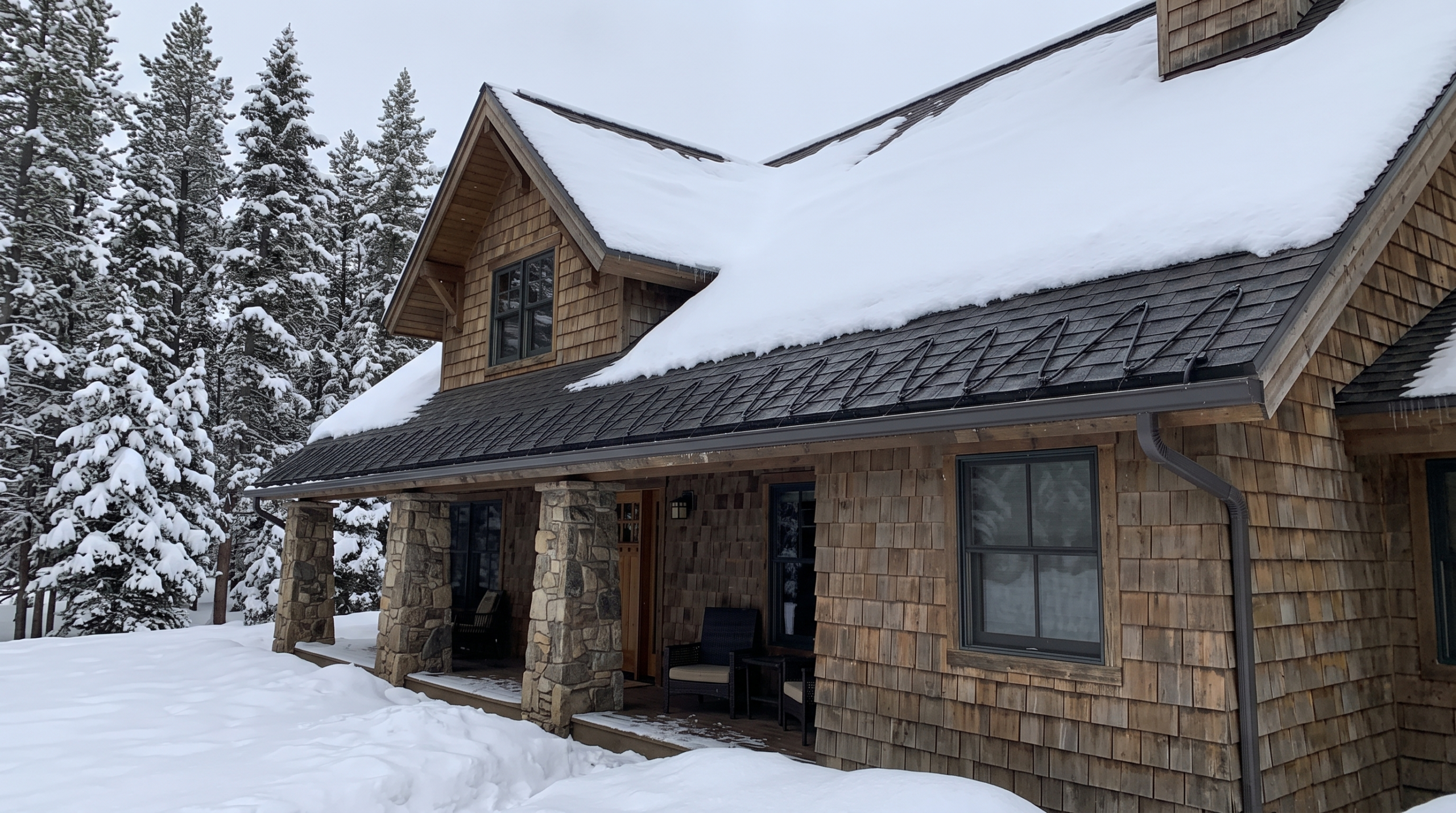
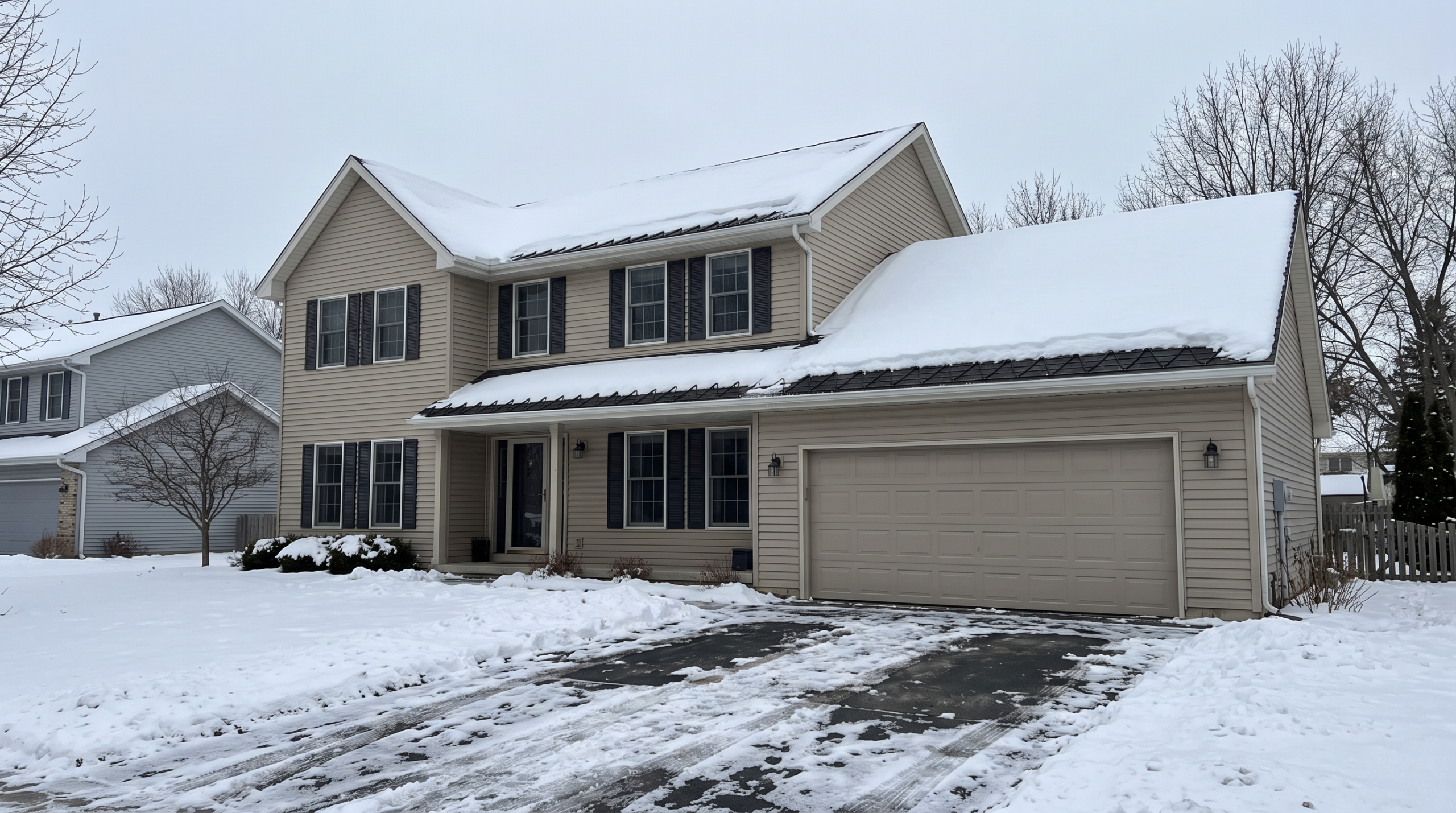
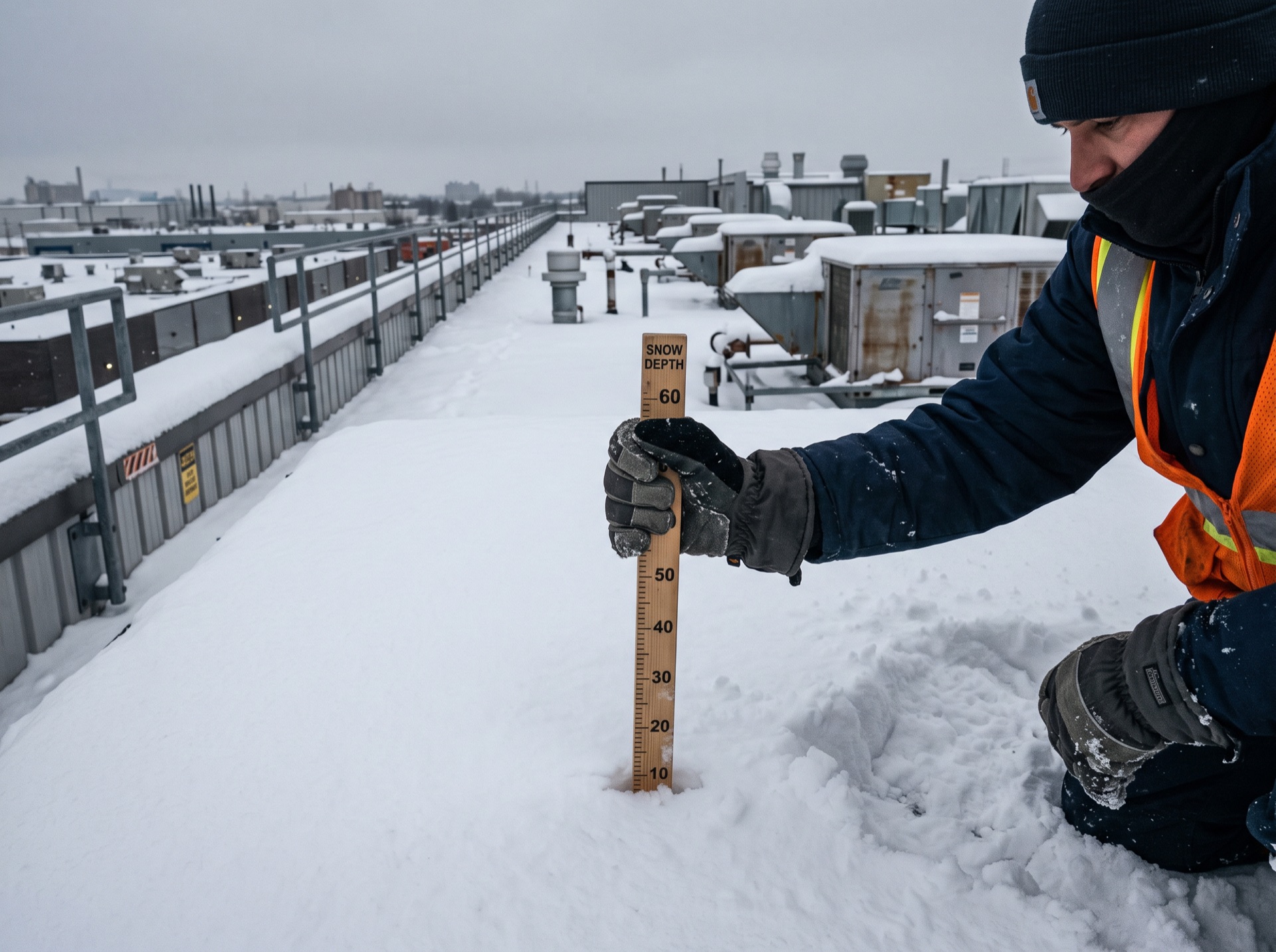
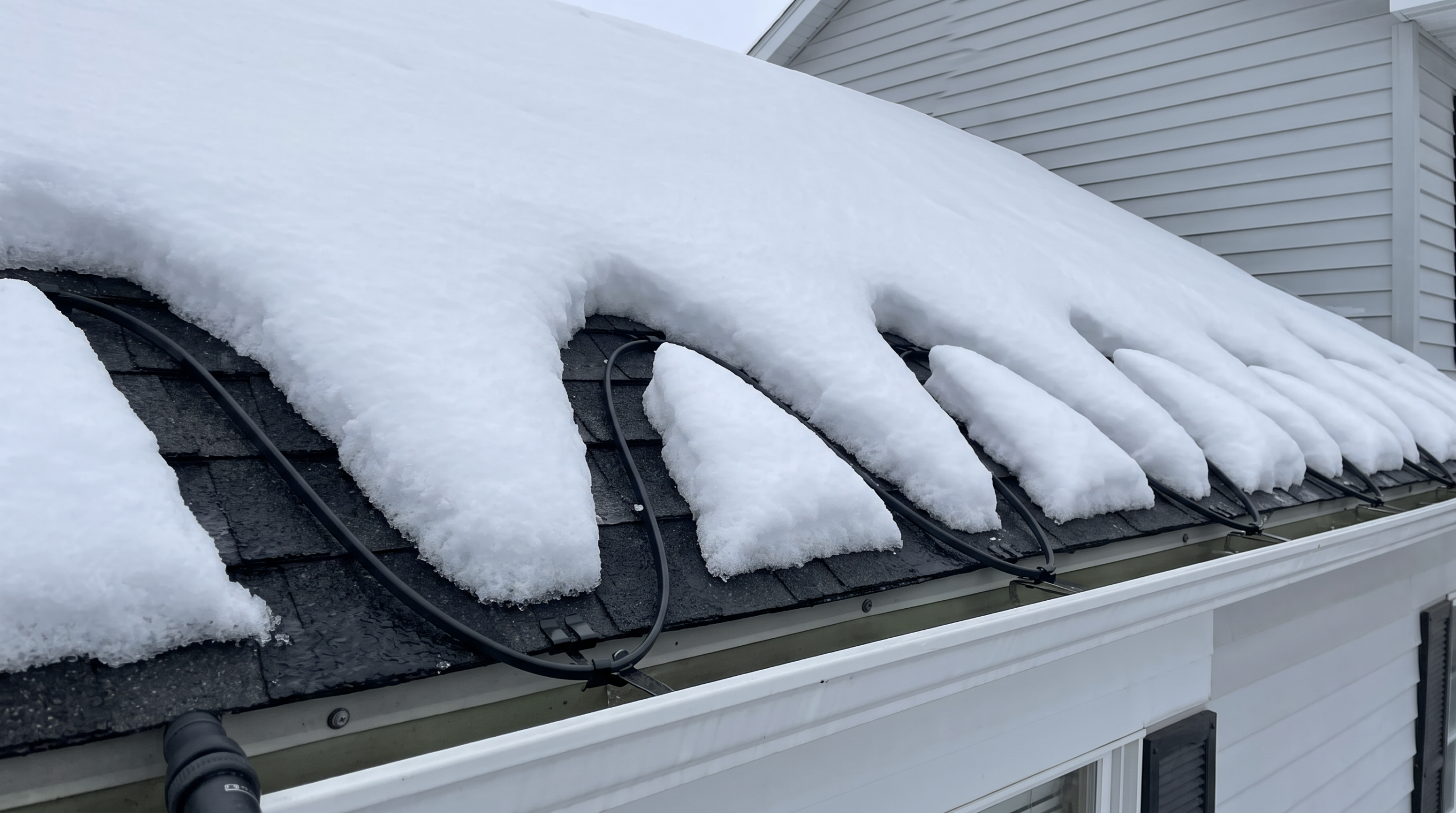
Snow that falls on a roof in Aberdeen in December tends to stay there. A pack that never fully clears is a pack that keeps feeding meltwater to the same eave for months on end.

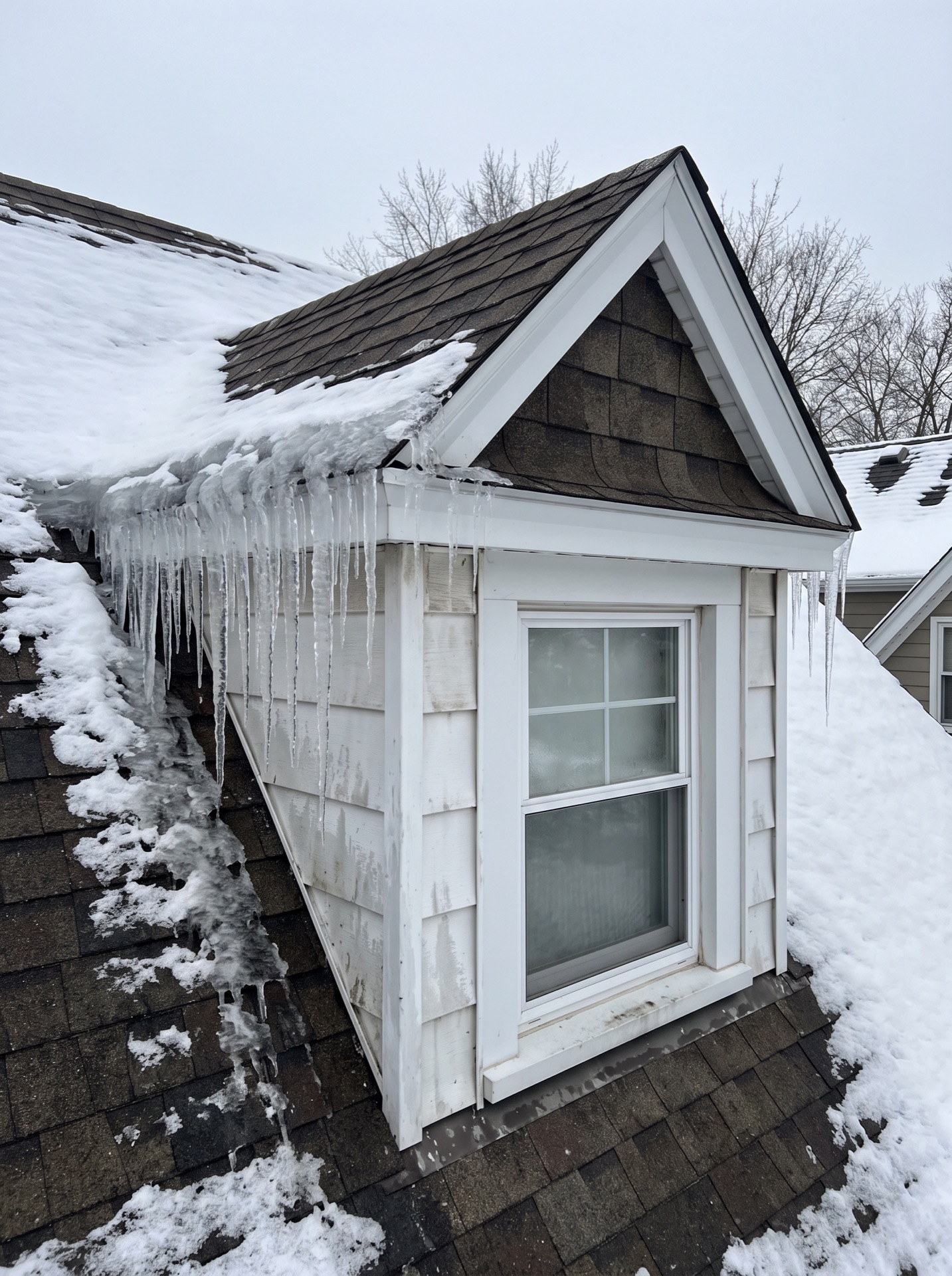
Ice built this way is dense and bonded. It is not the brittle shell that comes off a mild-climate roof in one piece - it is layered, hard and locked to the shingle, which is exactly why mechanical removal does so much damage here.
Ice-barrier practice in Brown County
Because the ice here does not stay near the edge, the South Dakota requirement generally runs the membrane well up the roof plane. On a house in Aberdeen roofed a few decades ago it is frequently missing entirely.
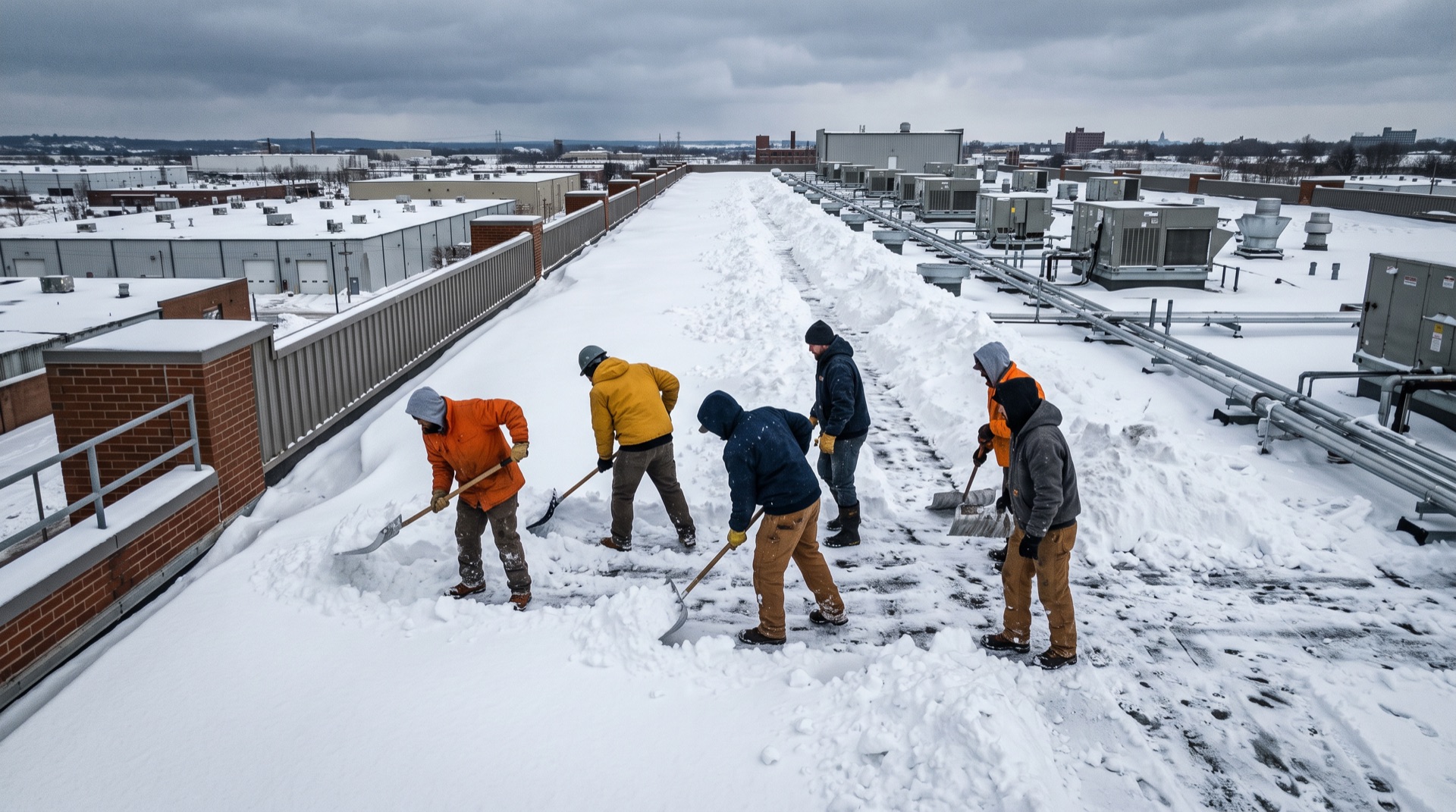
What a Crew Does on an Aberdeen Roof
Crews walk the eaves, valleys and gutter line first and photograph every dam and every point where water is tracking inside, before touching anything. You get shown what they found and quoted the crew-hour rate before work starts.
Then the ice comes off with low-pressure steam, starting wherever water is actively backing up so drainage opens early. Frozen gutters and downspouts are cleared in the same visit, because a cleared eave above a solid block of ice in the gutter dams again on the next cold night.
Steep, high and awkward Aberdeen roofs
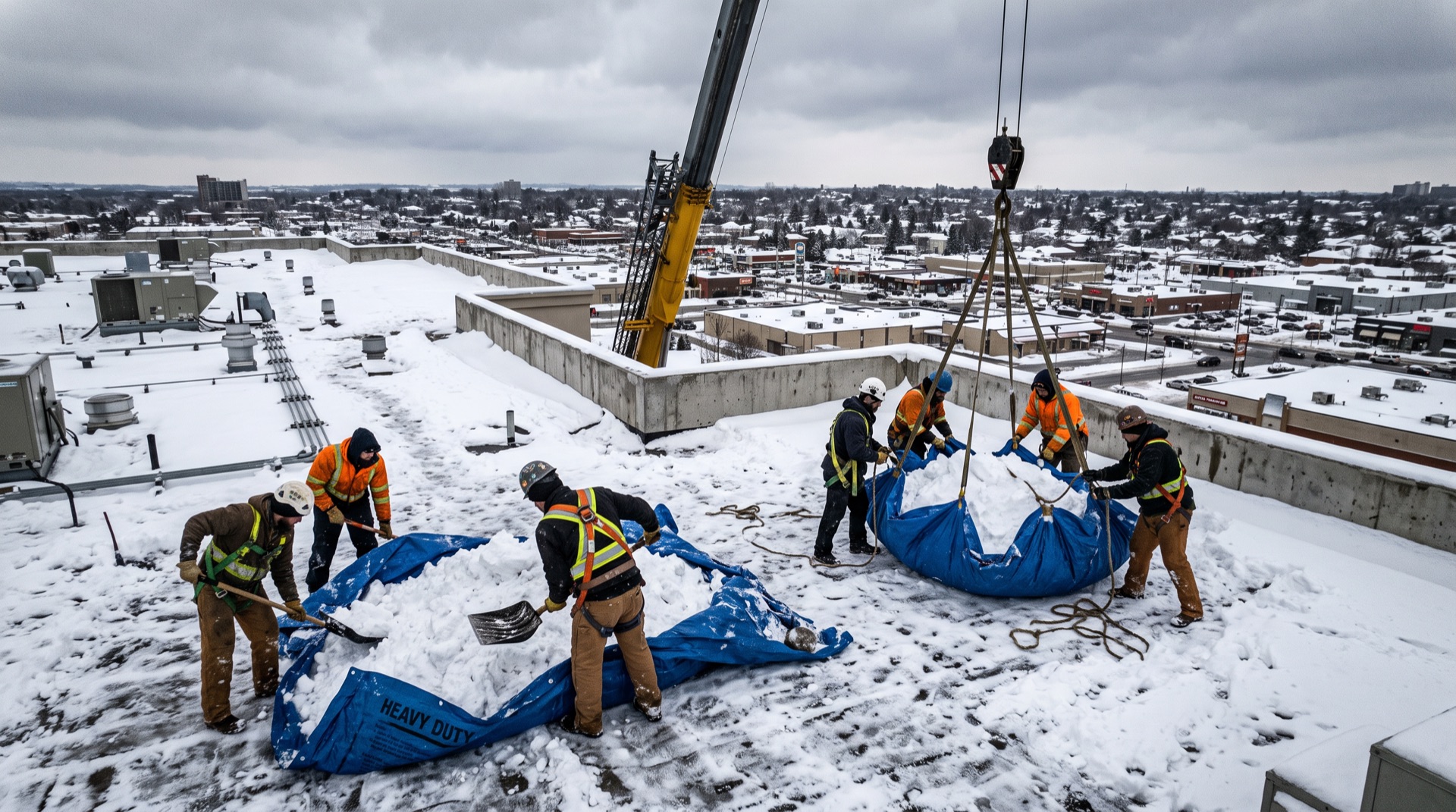
Pitch and height change the job more than ice thickness does. A walkable ranch eave is a ladder and a lance. A three-story roof with a steep pitch means anchors, rope, staging and two people where one would otherwise do.
Crews quote on that honestly. If a property in Aberdeen needs a longer setup, it is said on the phone rather than discovered at the end of the invoice.
Access, ladders and what the crew needs on site
Steam equipment needs somewhere to park within hose reach, and ladders need footing that is not a buried flower bed or a sheet of ice. Clearing a path to the affected eave, moving vehicles off the driveway and unlocking a side gate takes ten minutes and saves considerably more than that on the clock.
Where the only access is through a neighbor's property, that conversation is worth having before the crew is in the street rather than while it waits.
Why the dam formed in the first place
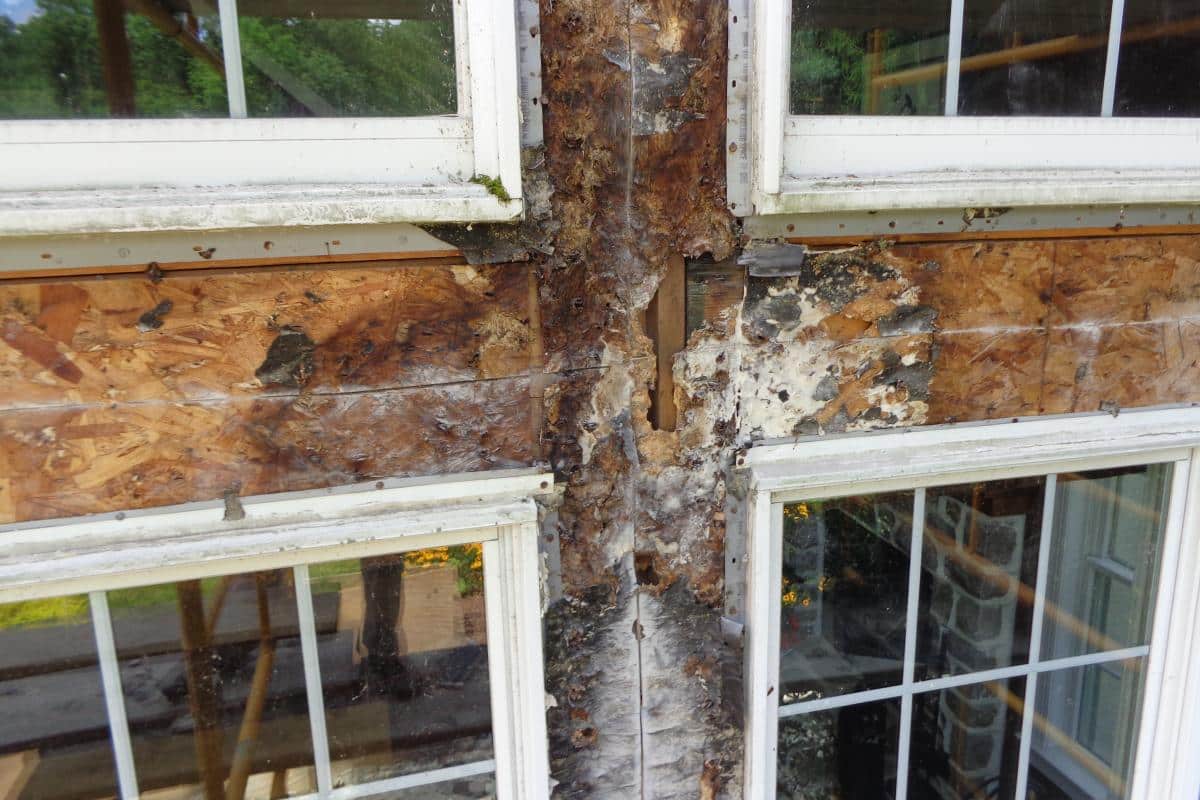
Ice dams are a heat problem wearing a weather costume. Warm air escaping into the attic melts snow on the upper roof; that meltwater runs to the eave, which hangs past the heated envelope and stays below freezing; it refreezes there, and the ridge of ice grows a layer every cycle. Removal is the emergency fix. Before the crew leaves you will know which part of your attic is feeding it.
| Local ice-barrier practice | Eave membrane required on new work |
|---|---|
| Coverage area | Aberdeen and Brown County |
| Documentation | Dated before and after photos, written scope in Xactimate line items |
| Service | Ice dam removal in Aberdeen, SD |
| Removal method | Low-pressure steam only. No chipping, salt or pressure washing. |
| Primary climate stressor | Sustained sub-freezing, long season |
| Pricing model | Billed by the crew hour, rate quoted before dispatch |
Brown County Coverage From Aberdeen
Crews working Aberdeen cover the adjoining communities on the same route — Bath, Warner and Westport — so a storm week usually means one truck handling several addresses in Brown County rather than separate trips.
Nearest hub towns with their own crew pages: Watertown, Brookings, Pierre, Mitchell, Sioux Falls, Yankton.
When a storm hits Brown County, crews are dispatched by severity rather than by call order — water already inside the house goes first.
If water is already inside a property in Aberdeen, call (888) 561-9664 rather than filling in a form — the phone is faster and leaks jump the line.