




Why a Westerly Roof Dams Between Storms
The maritime air is the other half of it. Temperatures in Washington County move either side of freezing within the same day far more often than they do inland, and every crossing moves water down the roof and locks it at the eave.

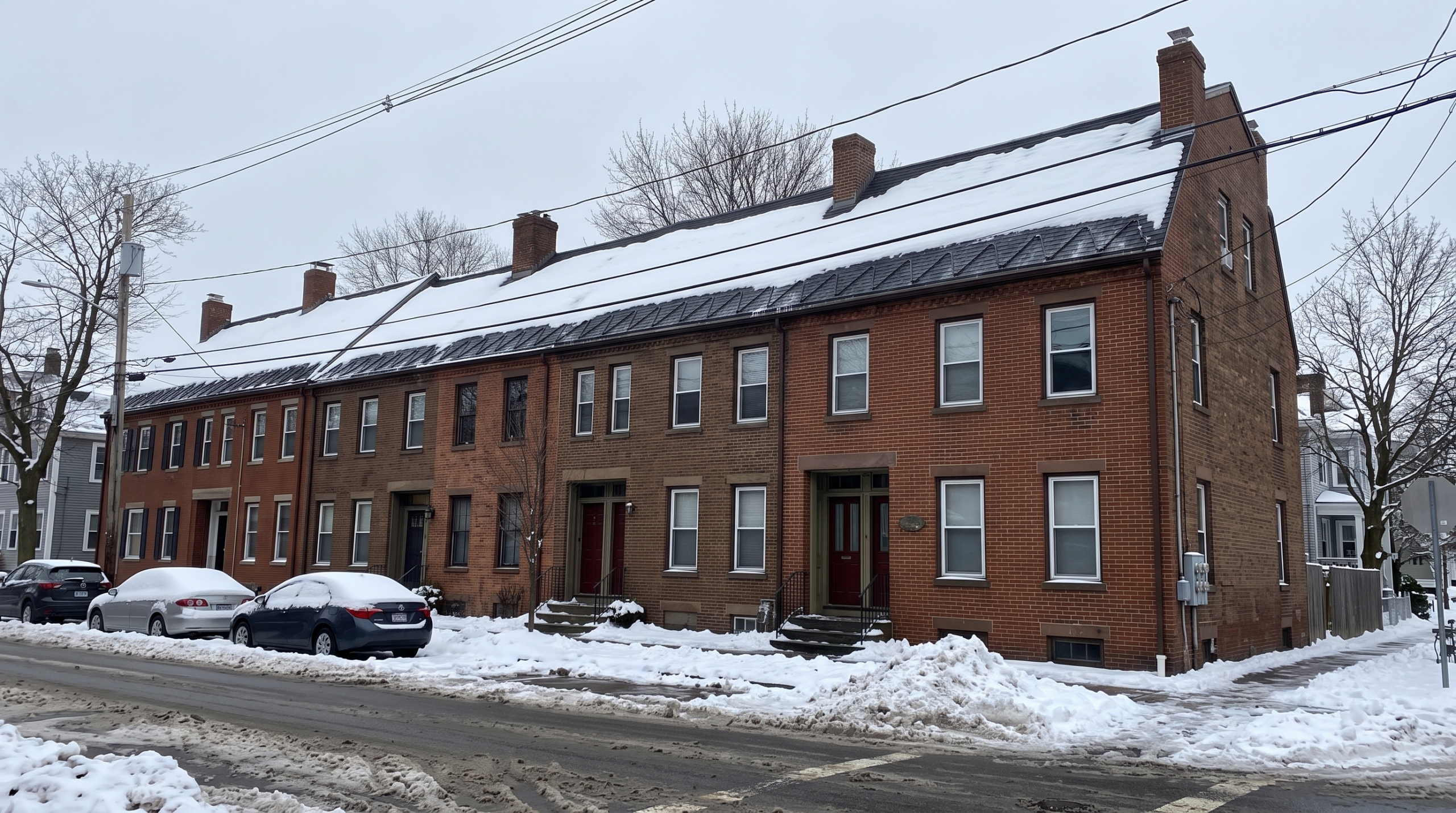
Then there is the architecture. Westerly has a great deal of older housing with shallow eave returns, knee-wall attics and rooms built out over porches, all of which put heated air against cold deck with very little between.
Ice-barrier practice in Washington County
In most coastal Rhode Island towns the eave membrane requirement extends past the interior wall line rather than stopping at the first course. On a roof in Westerly with a deep overhang, that is further up than it sounds.
The Westerly Dispatch Process, Step by Step
The first pass is assessment: eaves, valleys, gutter line and any interior staining, all photographed with timestamps. You see what the crew sees, and the rate and likely hours are agreed before work begins.
Steam then takes the dam off in sections, prioritizing wherever water is actively backing up behind it. The gutter trough and downspout are cleared through to daylight on the same visit, because a clear eave over a frozen gutter is a temporary fix.
Working at night and during an active storm
Freeze events do not keep office hours, and the worst leaks tend to announce themselves in the evening when the day's melt refreezes. Crews run lit, and a roof that is actively collecting snow is worked anyway, because waiting for better weather means the dam is bigger when somebody finally gets to it.
What does stop a crew is wind and lightning. Both are judgment calls made on site in Westerly, and a postponed start gets explained rather than dressed up.
How long a removal actually takes
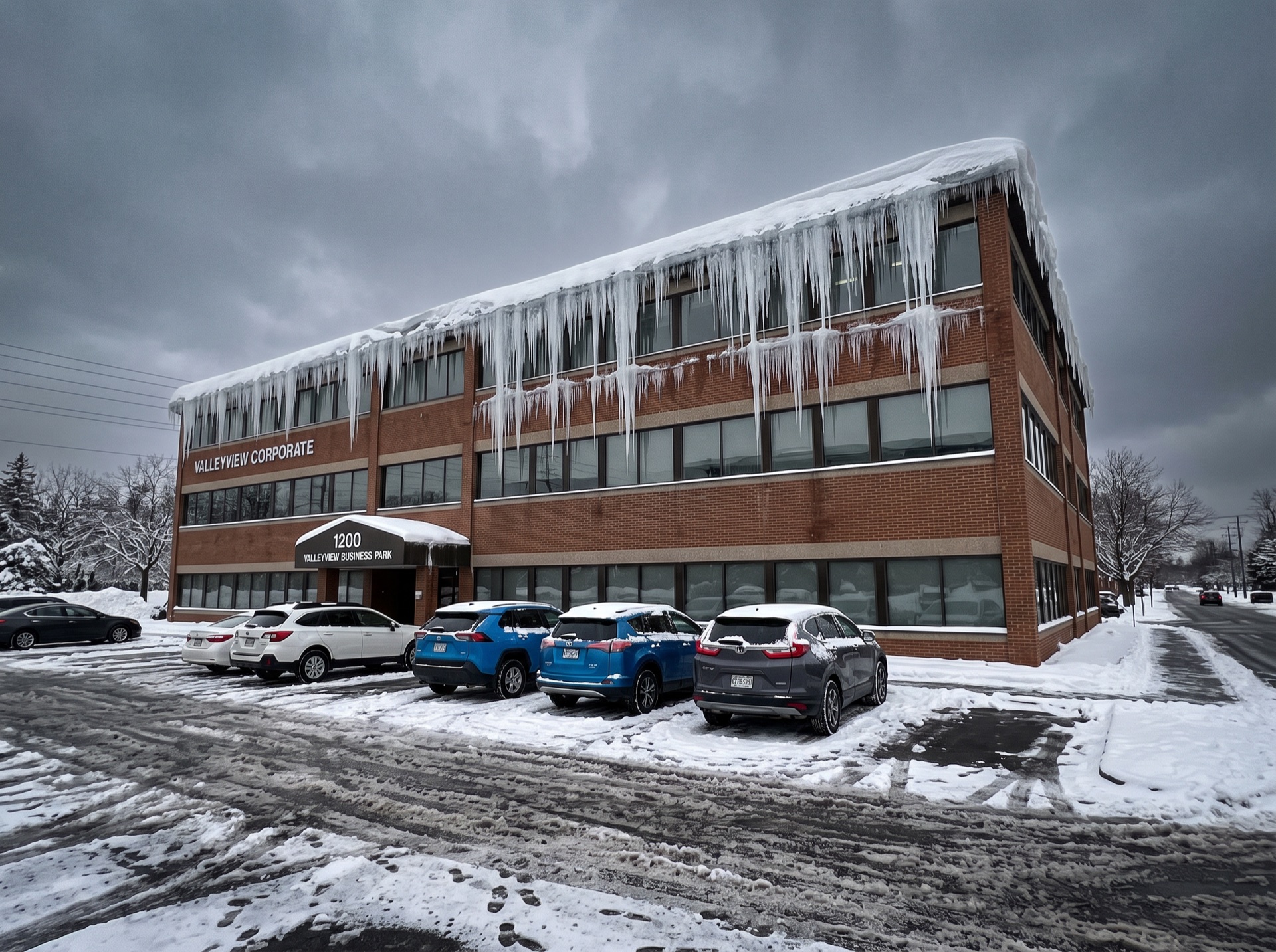
A single-story eave with a thin dam and clear gutters is often an hour or two. A two-story Westerly house with ice standing a foot deep across the front, frozen downspouts and a valley packed solid is most of a day for a two-man crew. The honest answer on the phone is a range and the reason for it, not a number designed to win the booking.
The estimate is revised out loud if the roof turns out worse than it looked from the ground, before the extra hours are worked rather than after they appear on the invoice.
Access, ladders and what the crew needs on site
Steam equipment needs somewhere to park within hose reach, and ladders need footing that is not a buried flower bed or a sheet of ice. Clearing a path to the affected eave, moving vehicles off the driveway and unlocking a side gate takes ten minutes and saves considerably more than that on the clock.
Where the only access is through a neighbor's property, that conversation is worth having before the crew is in the street rather than while it waits.
| Documentation | Dated before and after photos, written scope in Xactimate line items |
|---|---|
| Removal method | Low-pressure steam only. No chipping, salt or pressure washing. |
| Service | Ice dam removal in Westerly, RI |
| Primary climate stressor | Nor'easters, rapid thaw-freeze swing |
| Coverage area | Westerly and Washington County |
| Dispatch window | Same day to 24 hours |
| Local ice-barrier practice | Eave membrane standard on re-roofs |
Where We Dispatch Around Westerly
Crews working Westerly cover the adjoining communities on the same route — Ashaway, Bradford, Hopkinton, Wood River Junction and Charlestown — so a storm week usually means one truck handling several addresses in Washington County rather than separate trips.
Nearest hub towns with their own crew pages: South Kingstown, North Kingstown, Coventry, West Warwick, Newport, Warwick.
Coverage runs across Westerly and the nearby towns all winter, and capacity is surged into whichever Rhode Island market the storm actually hits.
Water coming in right now in Westerly? Call (888) 561-9664. Active interior leaks go to the front of the schedule.