



Why Bethlehem Roofs Dam Up: Nor'easter Load and the Maritime Swing
Lehigh County gets the worst combination for ice: snow with high water content, followed by temperatures that oscillate rather than settle. The pack does not stay frozen and it does not drain.

Retrofits often made it worse rather than better. Insulation laid on an attic floor without sealing the bypasses underneath it keeps the living space warm and sends the same warm air straight to the roof deck.
Ice-barrier practice in Lehigh County
Historic district review in parts of Lehigh County adds a step on materials and sometimes on color, which is worth knowing before a re-roof is scheduled rather than after the permit is refused.
What a Crew Does on a Bethlehem Roof
Nothing gets touched until the roof has been walked and photographed. The crew finds every dam, locates where water is getting in, shows you, and gives you the crew-hour rate and a time estimate before the equipment comes off the truck.
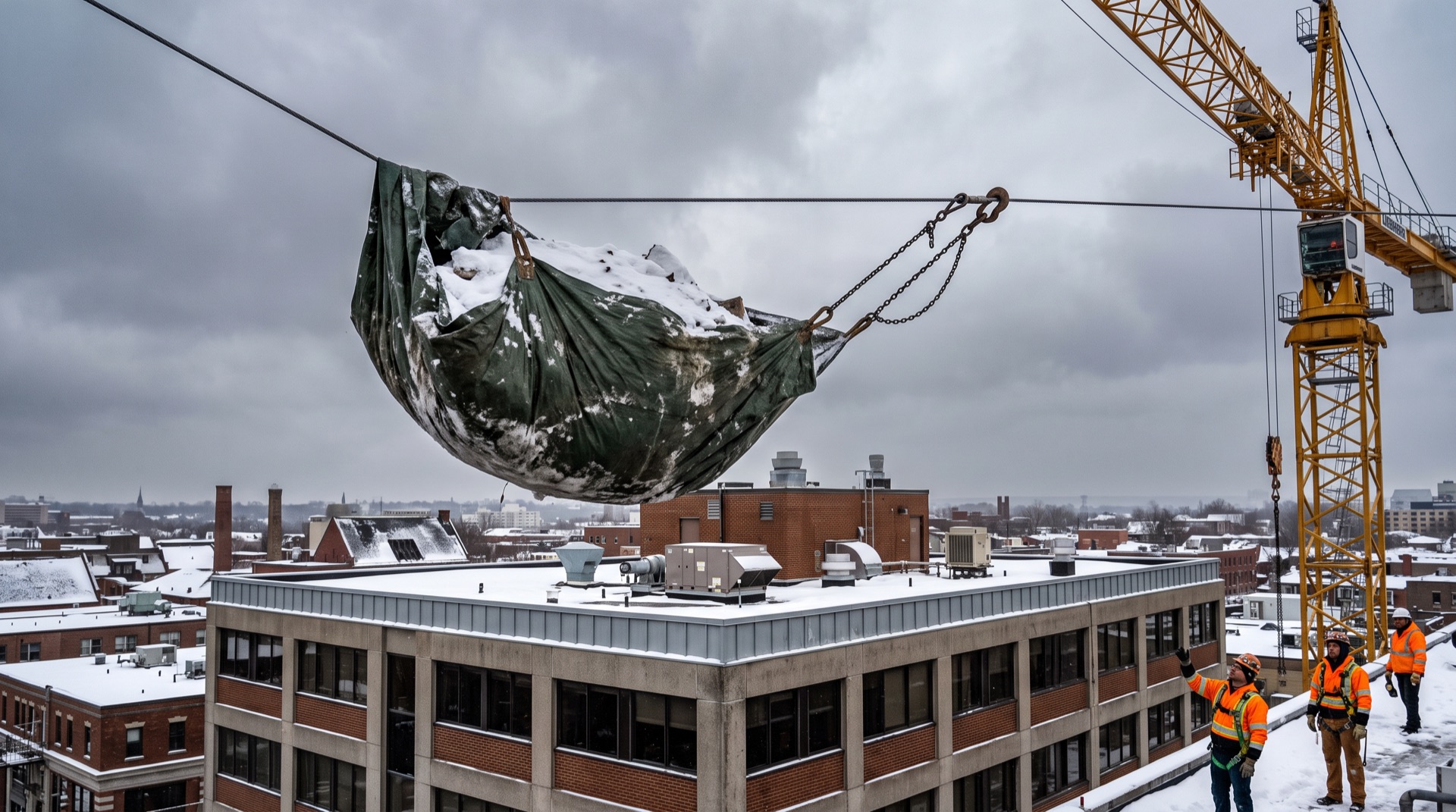
Removal then works from the worst point outward, so water starts draining early rather than at the end. Gutters and downspouts frozen solid get steamed through in the same visit — leaving them means the eave dams again within days.
What the dam has already done to the gutter and fascia
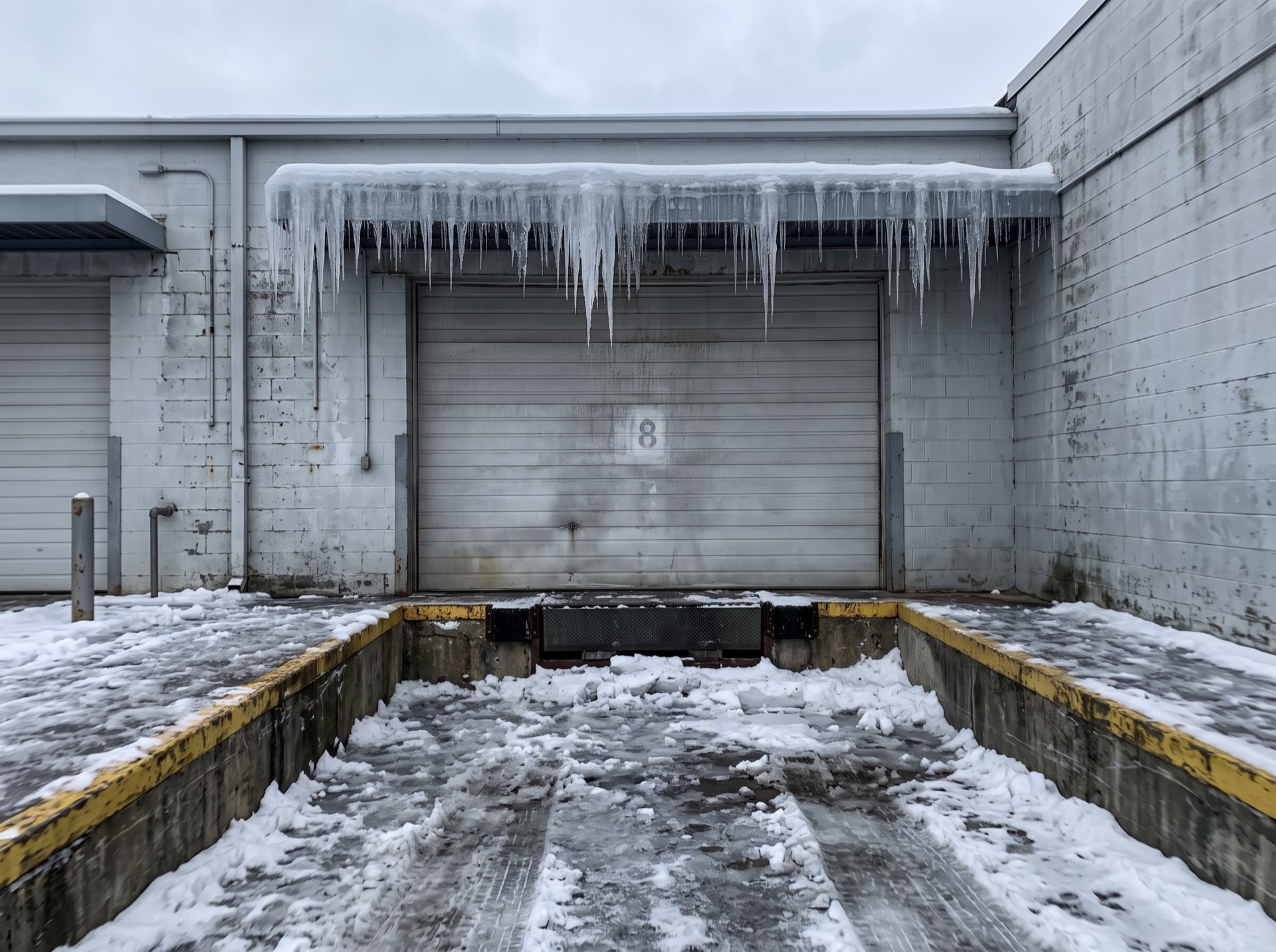
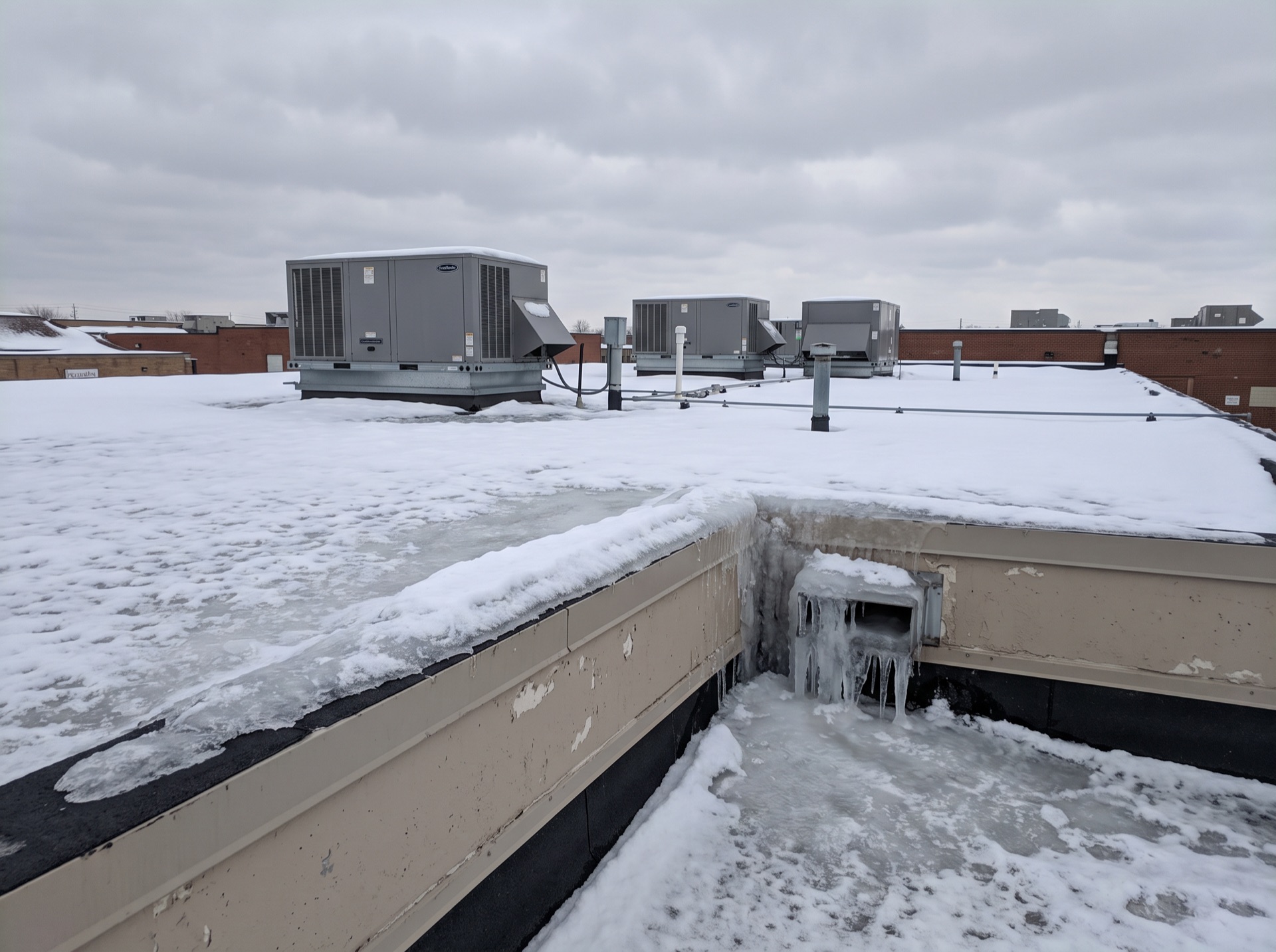
Ice expands as it forms, and a trough packed solid pushes the gutter away from the fascia a little more every cycle. By the time the dam is thick enough to leak, the hangers are often pulled, the back of the trough has lifted, and the fascia board behind it has been wet for weeks.
None of that is visible until the ice is off. It gets photographed when it appears, because a bent gutter found in February is a great deal easier to argue about with a carrier than one discovered in May.
Why a drainage channel is not removal
Cutting a few channels through a dam so water can get past is quick and it is sometimes sold as ice dam removal. It drains the roof for as long as the channels stay open, which in a Bethlehem cold snap can be a single night before they close again.
Removing the dam means taking the ice off down to the shingle along the whole affected run, so the eave can drain the way it was built to. It takes longer and it is the only version that holds.
What happens after the ice is off
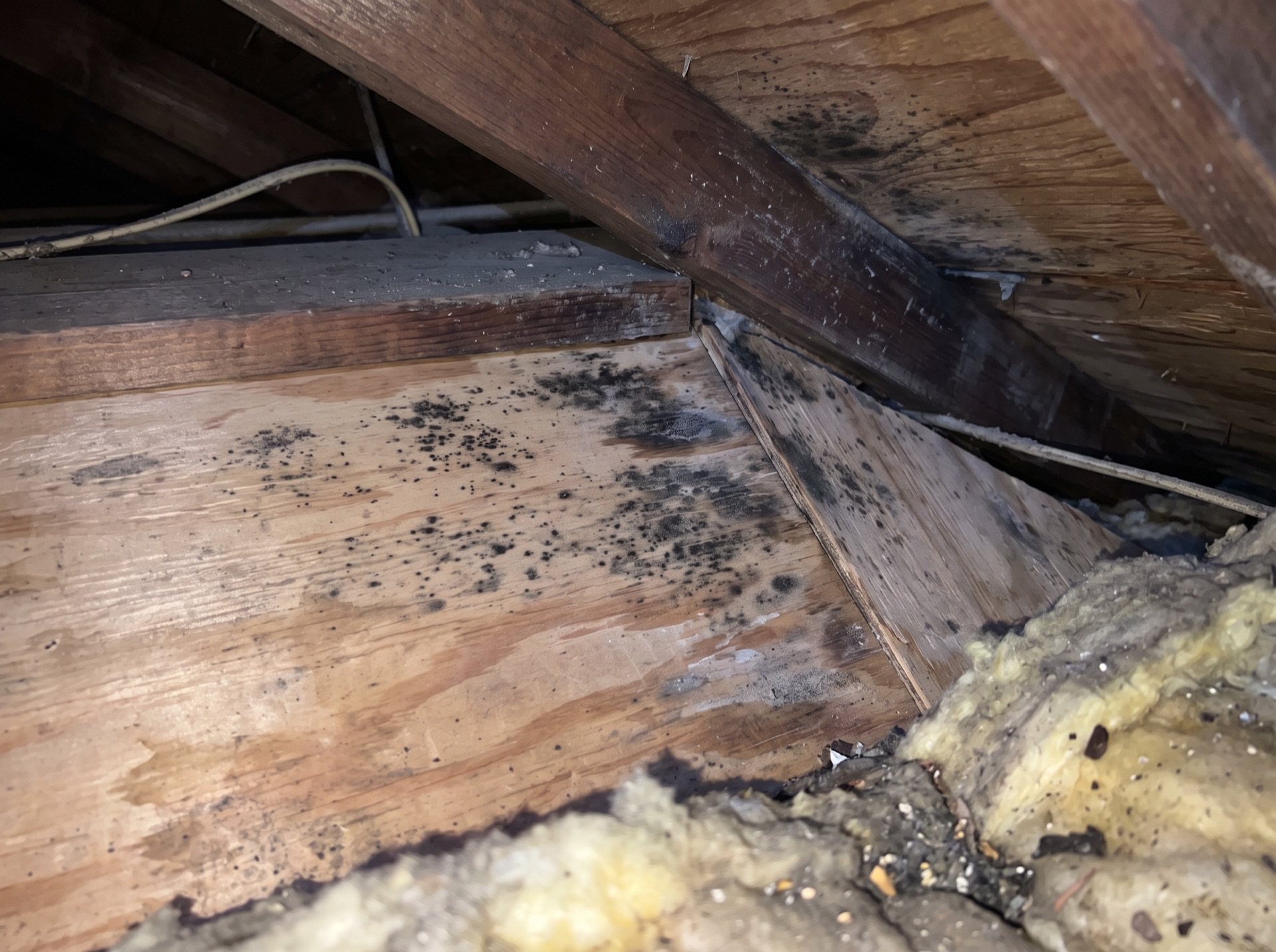
Once the eave is clear and water is draining, the crew walks the interior with you where there is visible damage and says plainly whether it needs drying. Wet insulation and a damp ceiling cavity do not resolve themselves in a cold Bethlehem February.
If it does, that is a separate scope and it gets written separately — nobody is upsold a dryout on the strength of one damp patch.
| Removal method | Low-pressure steam only. No chipping, salt or pressure washing. |
|---|---|
| Typical scope | Steam, 4-10 crew hours typical |
| Dispatch window | Same day to 24 hours |
| Coverage area | Bethlehem and Lehigh County |
| Service | Ice dam removal in Bethlehem, PA |
| Local ice-barrier practice | Eave membrane standard on re-roofs |
| Pricing model | Billed by the crew hour, rate quoted before dispatch |
Lehigh County Coverage From Bethlehem
Crews working Bethlehem cover the adjoining communities on the same route — Catasauqua, Lehigh Valley, Hellertown, Whitehall and Northampton — so a storm week usually means one truck handling several addresses in Lehigh County rather than separate trips.
Nearest hub towns with their own crew pages: Allentown, Easton, Pottstown, Pocono Pines, Reading, Norristown.
Scheduling for Bethlehem tightens up during a freeze event, which is exactly when the phone beats the form. Water coming in means a call, not an email.
If water is already inside a property in Bethlehem, call (888) 561-9664 rather than filling in a form — the phone is faster and leaks jump the line.