


Strongsville Ice Dams: Why a Few Inches Is Enough
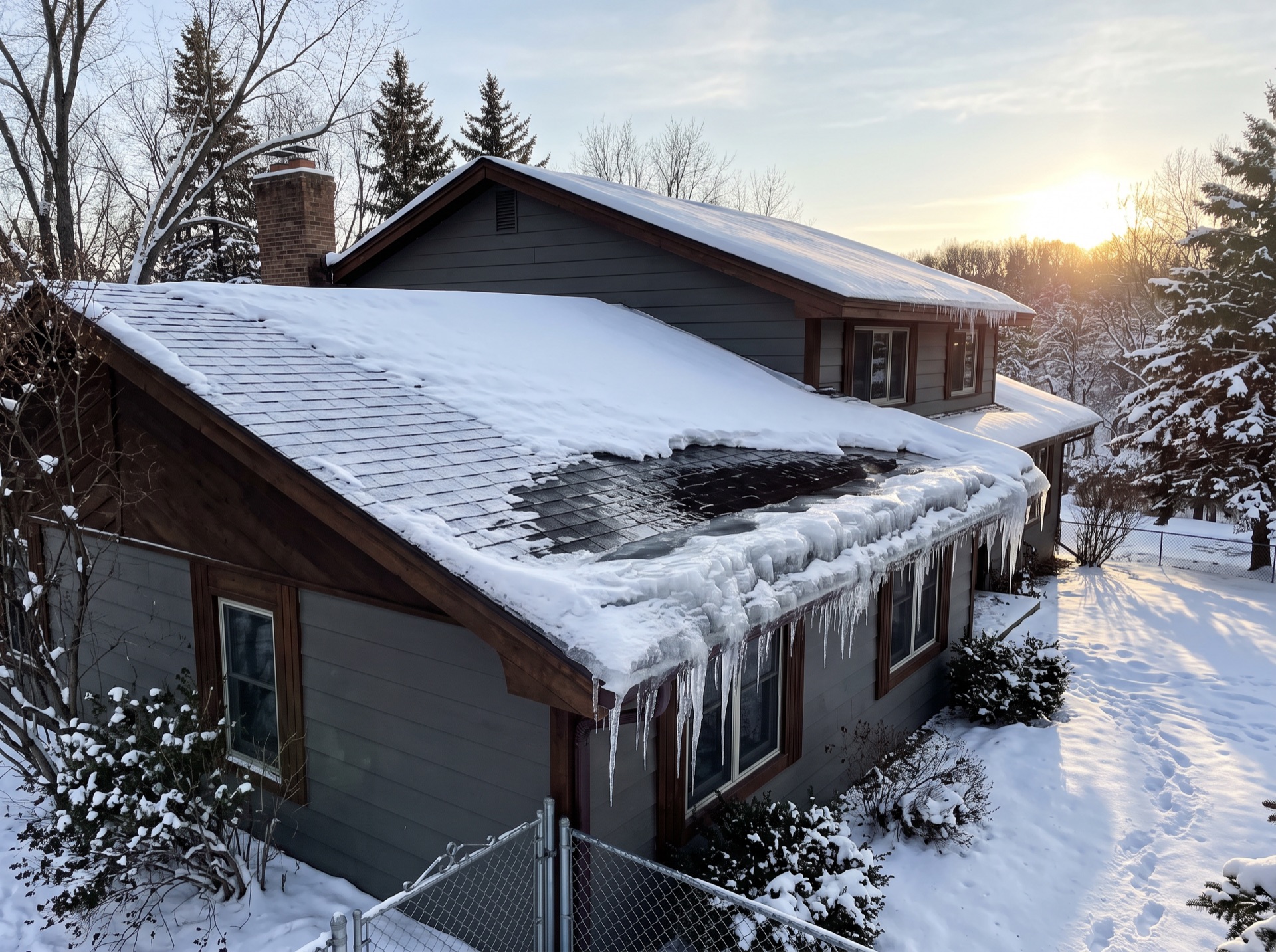
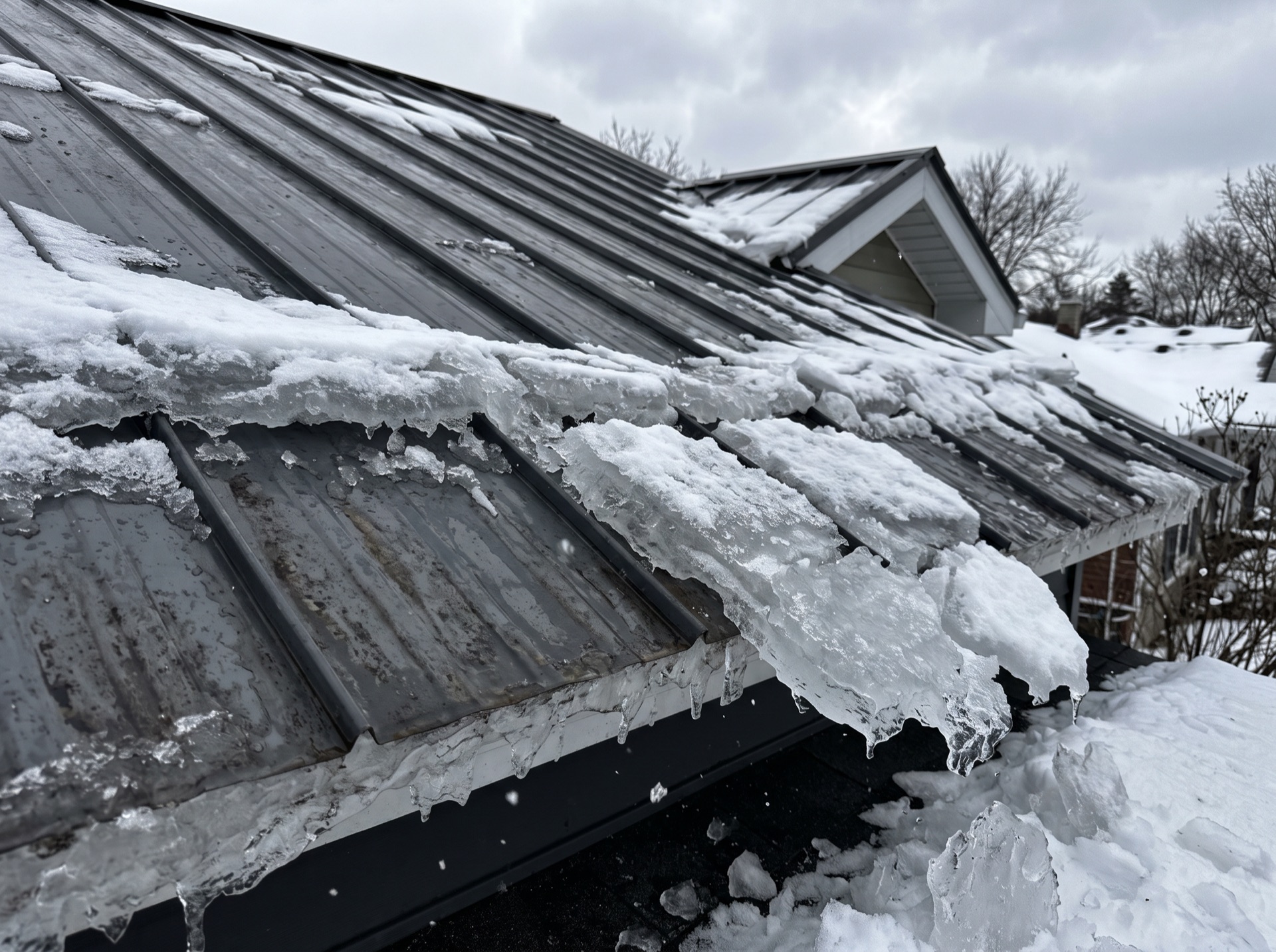
An ice dam needs meltwater and a cold eave, and Strongsville supplies both on an ordinary week. A thin cover that melts by lunchtime and sets again after dark is a perfectly good dam factory.

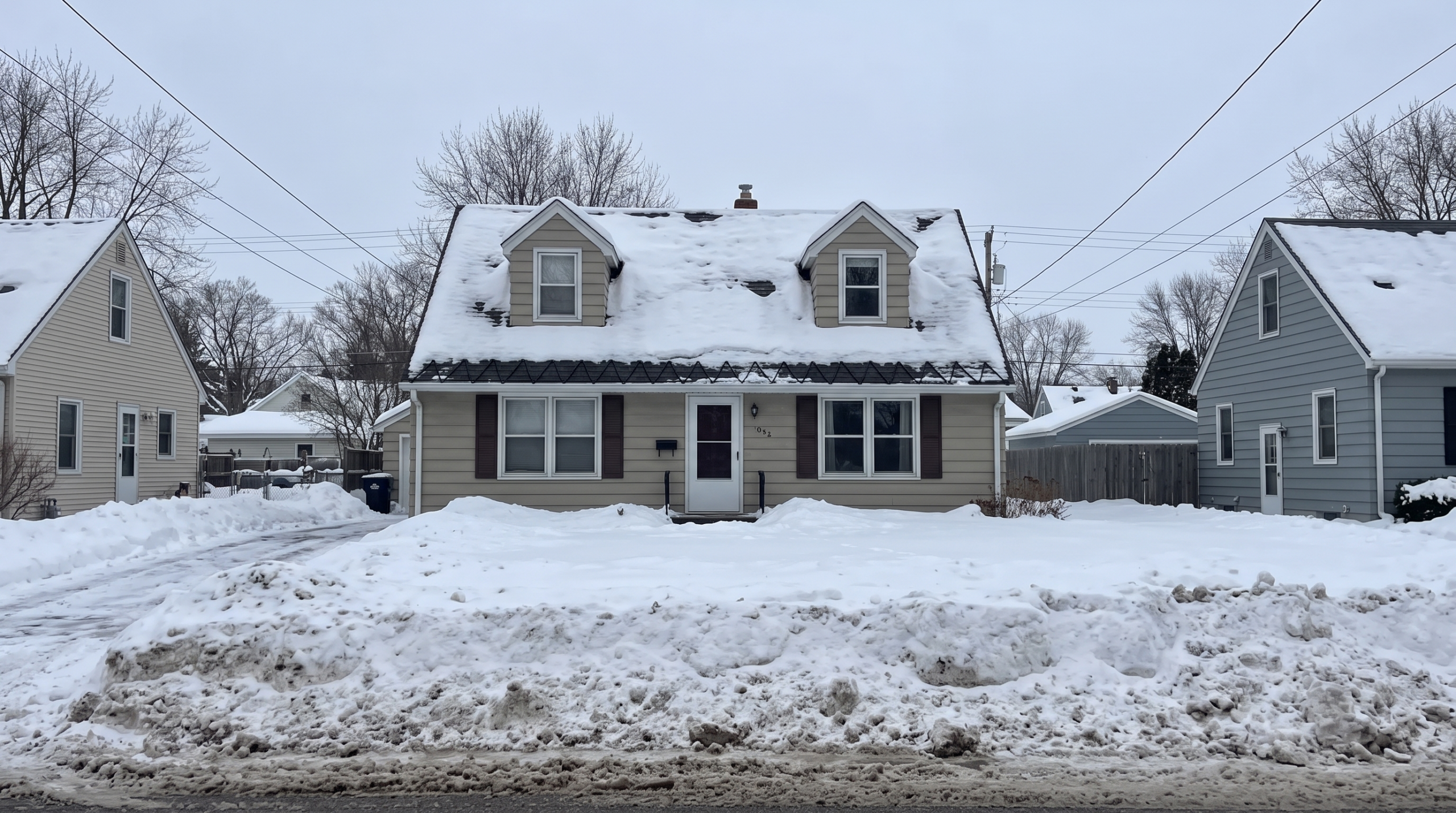
Because the winters read as mild, the building stock is not built for ice. Attic insulation is thinner, eave details are less considered, and ice barrier is more often absent than present on a roof in Strongsville.
Ice-barrier practice in Cuyahoga County
Because ice is not the first thing a homeowner in Strongsville thinks about, the membrane is the detail most often value-engineered out of a re-roof. It is worth asking for by name on any quote.
The Strongsville Dispatch Process, Step by Step
Nothing gets touched until the roof has been walked and photographed. The crew finds every dam, locates where water is getting in, shows you, and gives you the crew-hour rate and a time estimate before the equipment comes off the truck.
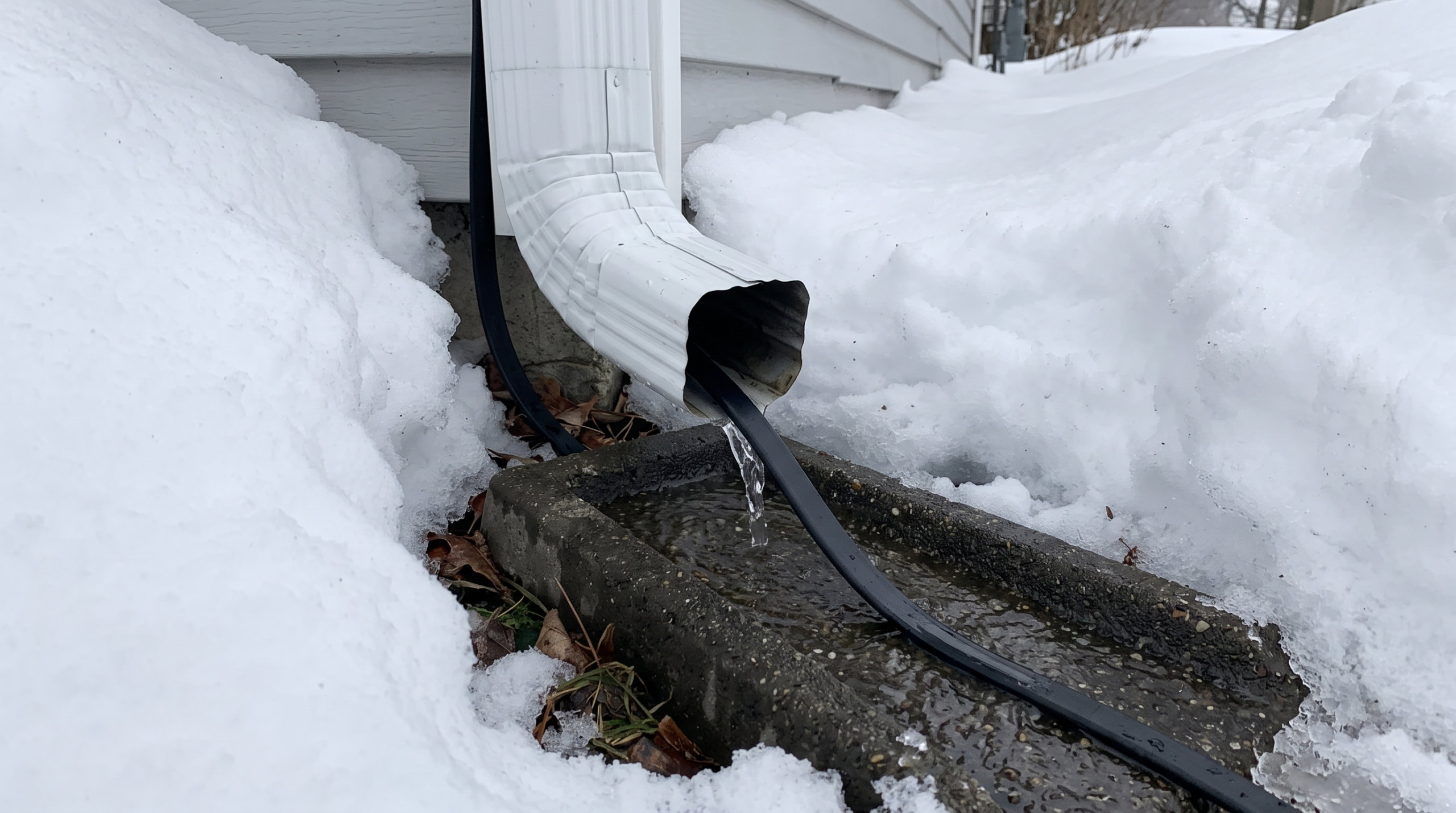
Removal then works from the worst point outward, so water starts draining early rather than at the end. Gutters and downspouts frozen solid get steamed through in the same visit — leaving them means the eave dams again within days.
What steam actually does
A steam unit delivers water at roughly 290°F at a pressure low enough to rest your hand in the plume. It cuts a channel straight through the ice and lifts the dam off in sections, right down to the shingle. The heat does the work, not force, so granules, seal strips and flashing come through untouched.
That is the whole difference between steam and the hot pressure washers often sold as steam. A pressure washer cuts ice fast because of its pressure — and that same pressure strips the granules off asphalt shingles and drives water up under the courses. One method removes ice. The other removes ice and roof.
Why salt and ice melt make it worse
Calcium chloride opens a narrow channel and leaves the dam standing. The channel refreezes, the dam does not go anywhere, and in the meantime the runoff corrodes gutter seams, fasteners, flashing and anything growing underneath.
It is a stopgap at best. On a roof in Strongsville with an active leak it buys hours, not days, and it adds a corrosion problem to the water problem.
What happens after the ice is off
Once the eave is clear and water is draining, the crew walks the interior with you where there is visible damage and says plainly whether it needs drying. Wet insulation and a damp ceiling cavity do not resolve themselves in a cold Strongsville February.
If it does, that is a separate scope and it gets written separately — nobody is upsold a dryout on the strength of one damp patch.
| Local ice-barrier practice | Eave membrane on new work, often absent |
|---|---|
| Documentation | Dated before and after photos, written scope in Xactimate line items |
| Primary climate stressor | Repeated thaw-freeze cycling |
| Service | Ice dam removal in Strongsville, OH |
| Removal method | Low-pressure steam only. No chipping, salt or pressure washing. |
| Pricing model | Billed by the crew hour, rate quoted before dispatch |
| Dispatch window | Same day to 24 hours |
Neighborhoods and Towns We Reach From Strongsville
Crews working Strongsville cover the adjoining communities on the same route — Berea, Columbia Station, Brook Park, Olmsted Falls and Hinckley — so a storm week usually means one truck handling several addresses in Cuyahoga County rather than separate trips.
Nearest hub towns with their own crew pages: North Royalton, Brunswick, Parma, North Olmsted, Westlake, Lakewood.
Coverage runs across Strongsville and the nearby towns all winter, and capacity is surged into whichever Ohio market the storm actually hits.
Water coming in right now in Strongsville? Call (888) 561-9664. Active interior leaks go to the front of the schedule.