



Batavia Ice Dams: What a Five-Month Snow Pack Does
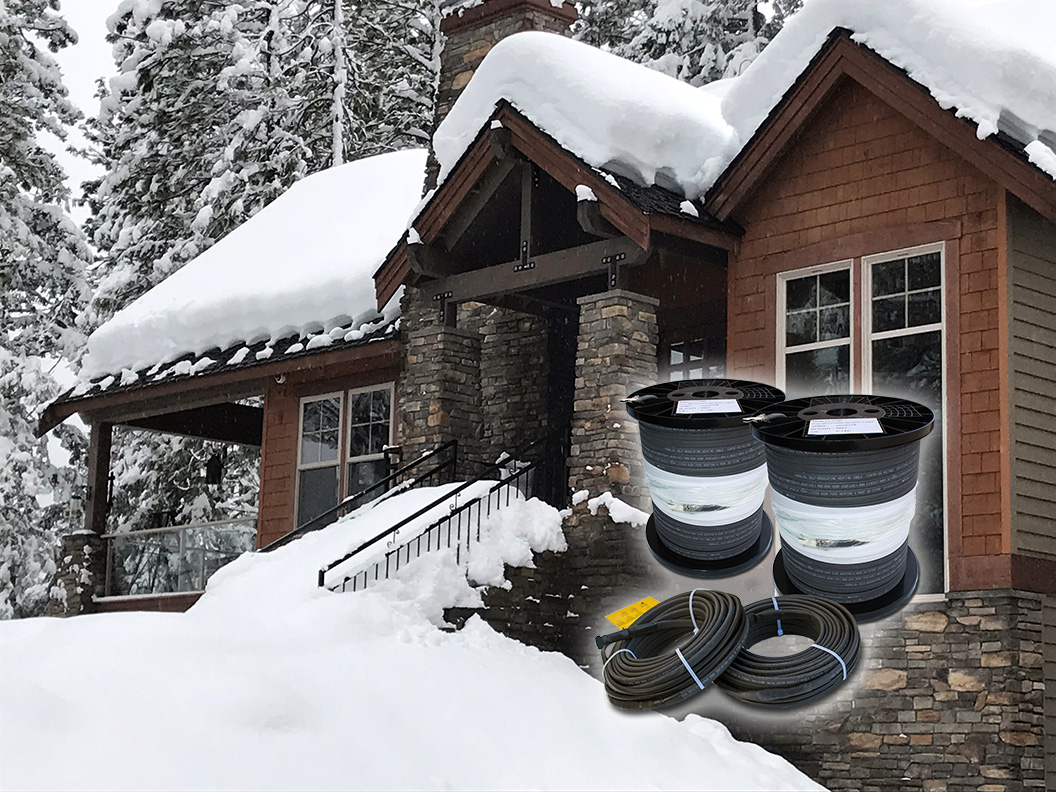
A roof in Genesee County spends most of the year's coldest months under continuous load. That is a different problem from a single heavy storm, and it produces a different kind of ice.

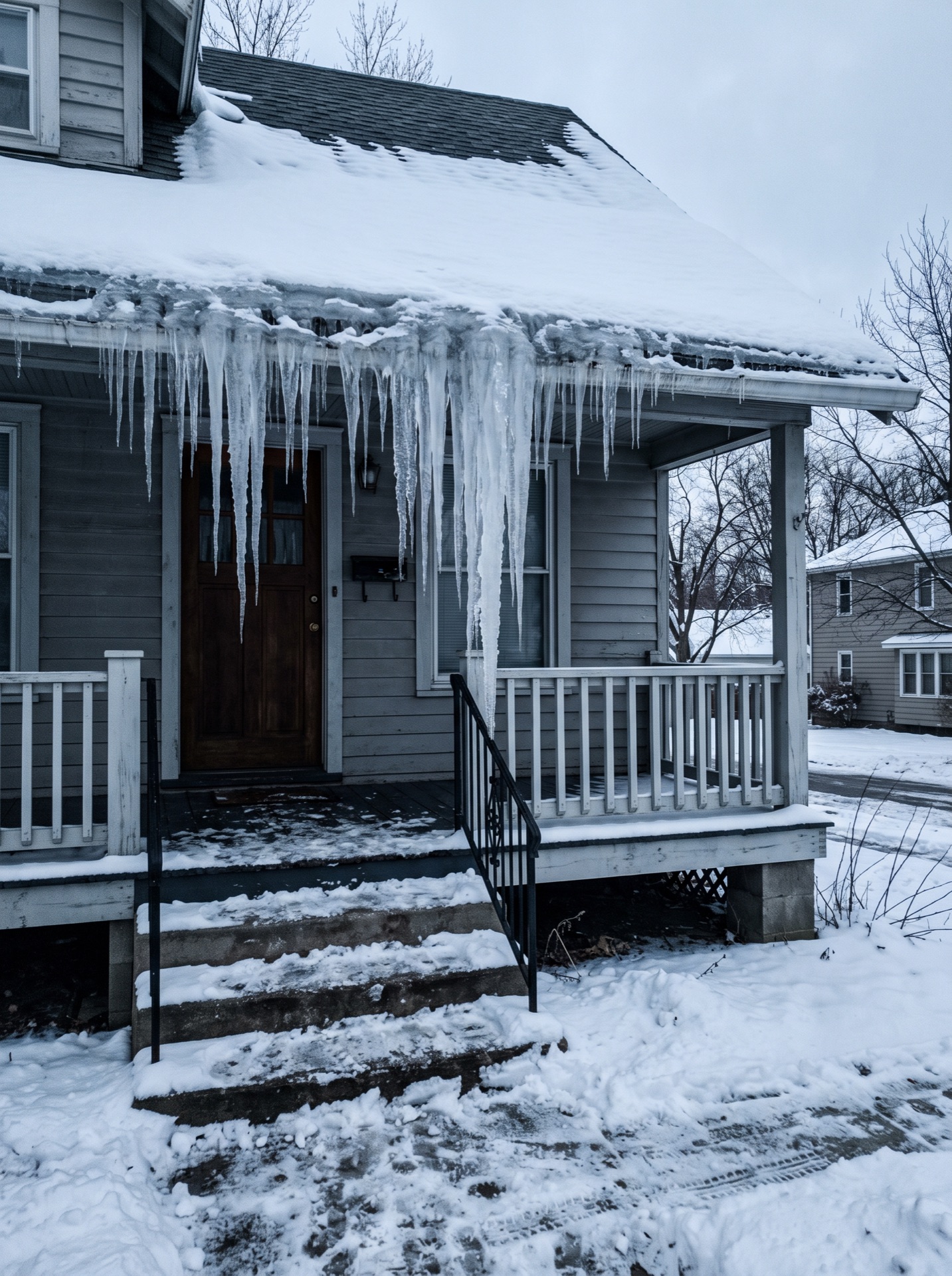
Every mild afternoon through that stretch releases a little meltwater, and every cold night sets it at the overhang. Done fifty times, that is how an eave ends up carrying several hundred pounds of ice by March.
Ice-barrier practice in Genesee County
In the colder New York jurisdictions the membrane requirement extends well up the roof plane rather than stopping at the first course, precisely because the ice here does not stay near the edge.
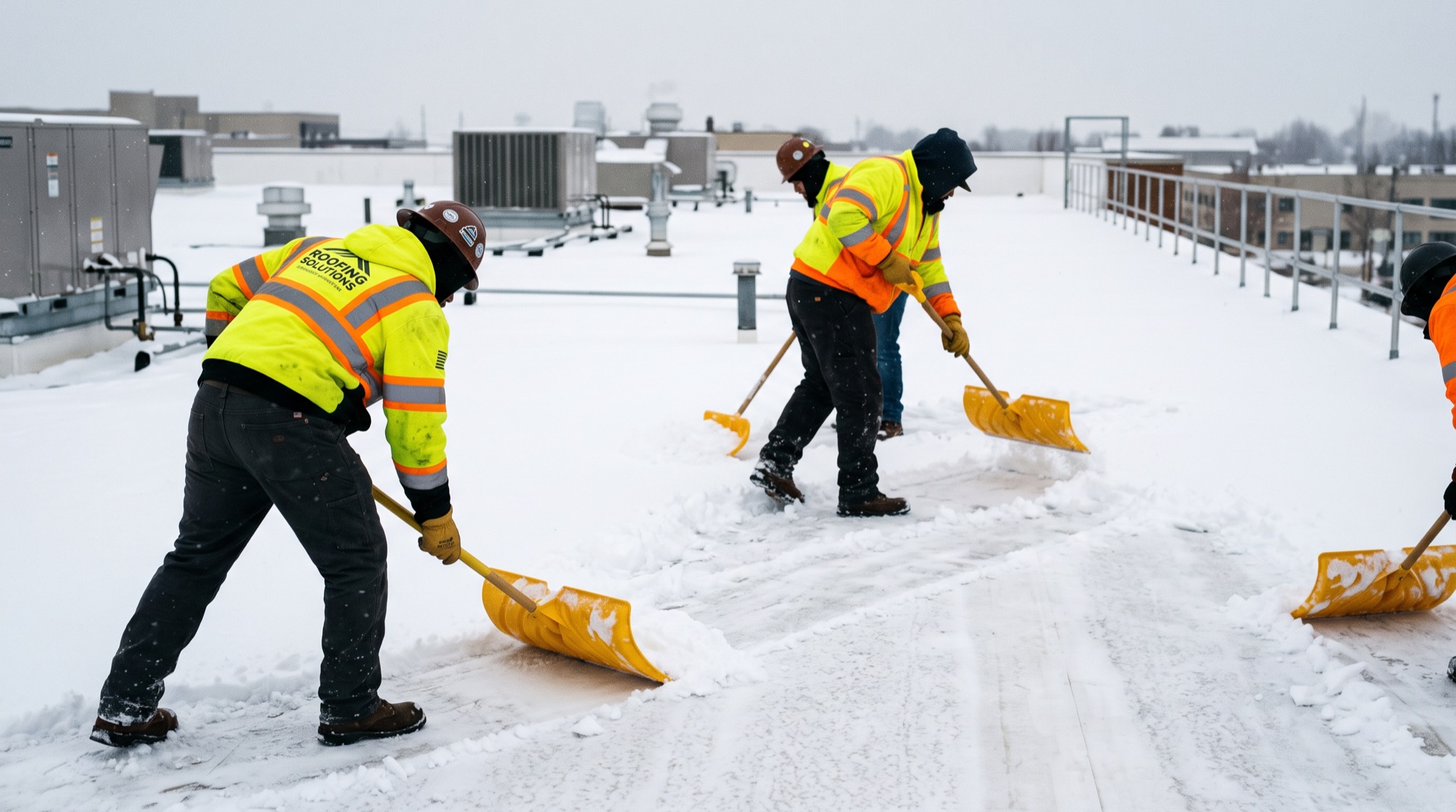
What a Crew Does on a Batavia Roof
Nothing gets touched until the roof has been walked and photographed. The crew finds every dam, locates where water is getting in, shows you, and gives you the crew-hour rate and a time estimate before the equipment comes off the truck.
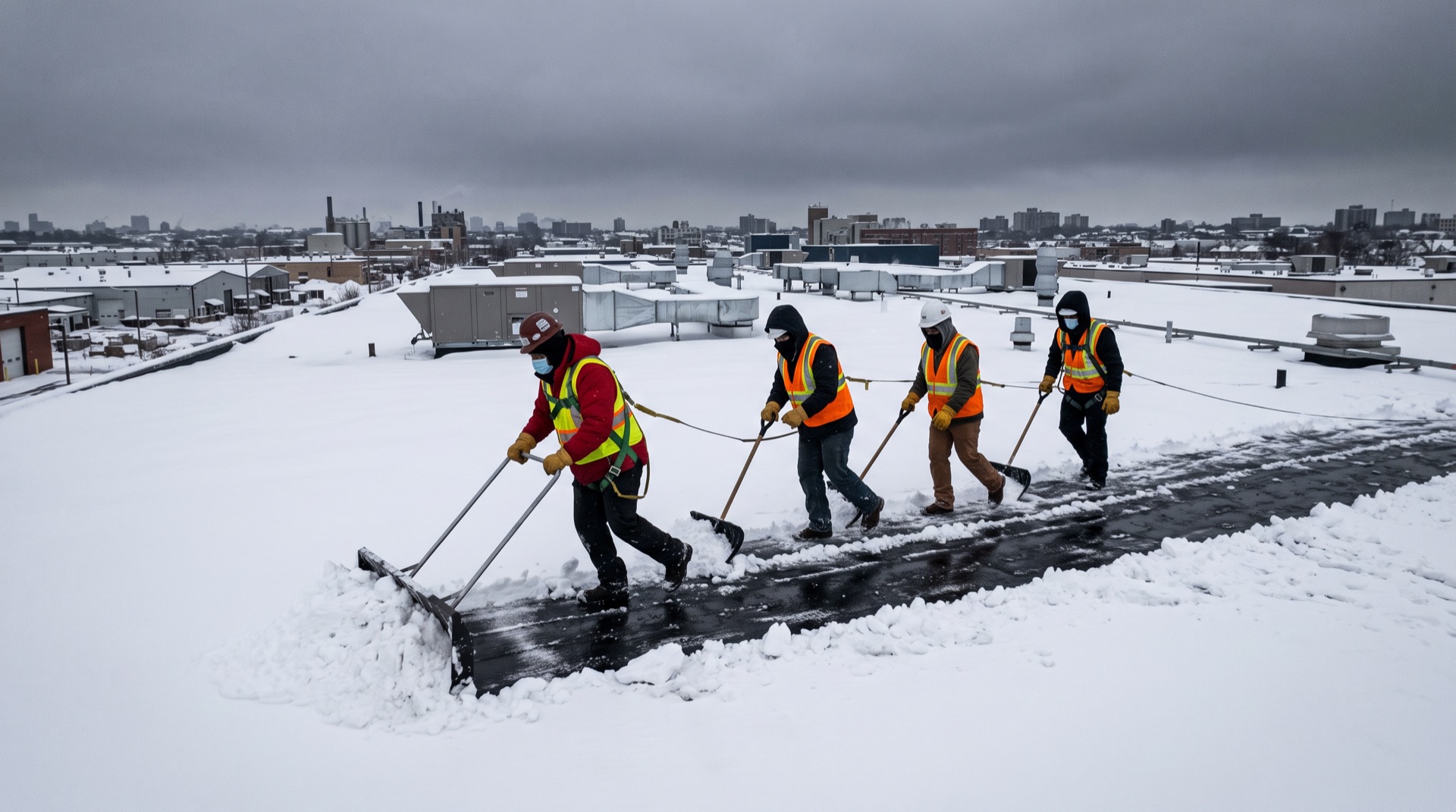
Removal then works from the worst point outward, so water starts draining early rather than at the end. Gutters and downspouts frozen solid get steamed through in the same visit — leaving them means the eave dams again within days.
Access, ladders and what the crew needs on site
Steam equipment needs somewhere to park within hose reach, and ladders need footing that is not a buried flower bed or a sheet of ice. Clearing a path to the affected eave, moving vehicles off the driveway and unlocking a side gate takes ten minutes and saves considerably more than that on the clock.
Where the only access is through a neighbor's property, that conversation is worth having before the crew is in the street rather than while it waits.
Steep, high and awkward Batavia roofs
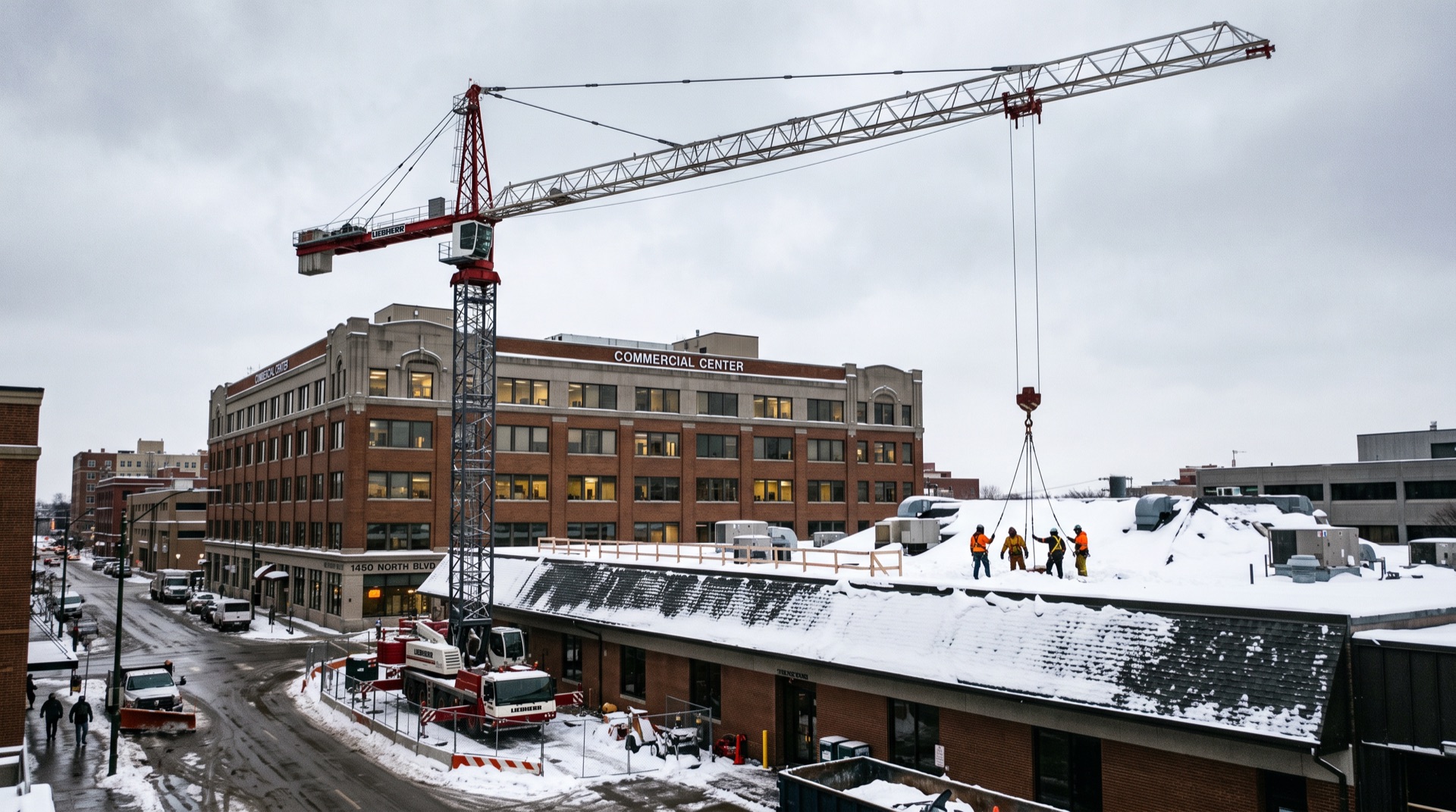
Pitch and height change the job more than ice thickness does. A walkable ranch eave is a ladder and a lance. A three-story roof with a steep pitch means anchors, rope, staging and two people where one would otherwise do.
Crews quote on that honestly. If a property in Batavia needs a longer setup, it is said on the phone rather than discovered at the end of the invoice.
What the dam has already done to the gutter and fascia
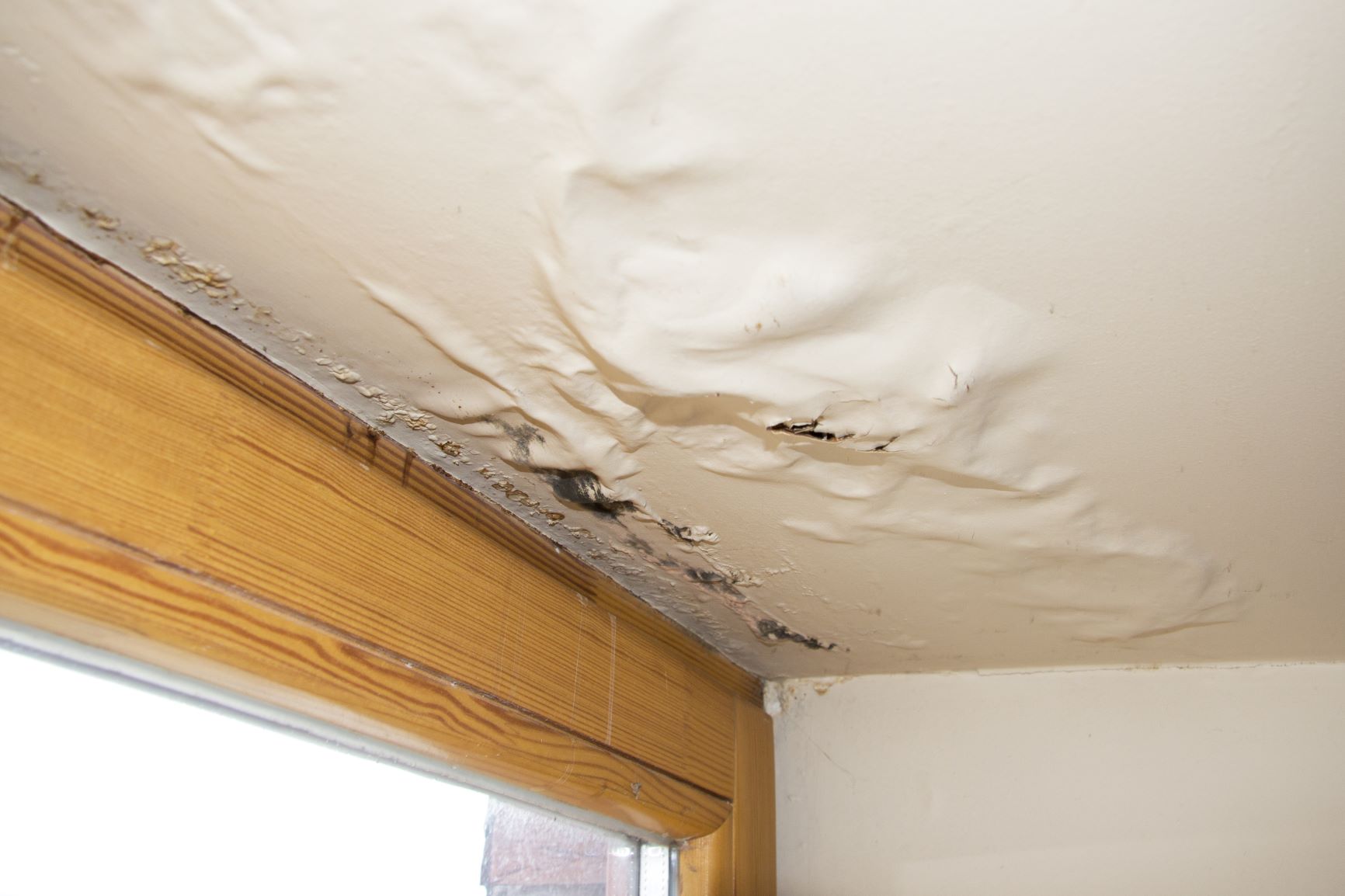
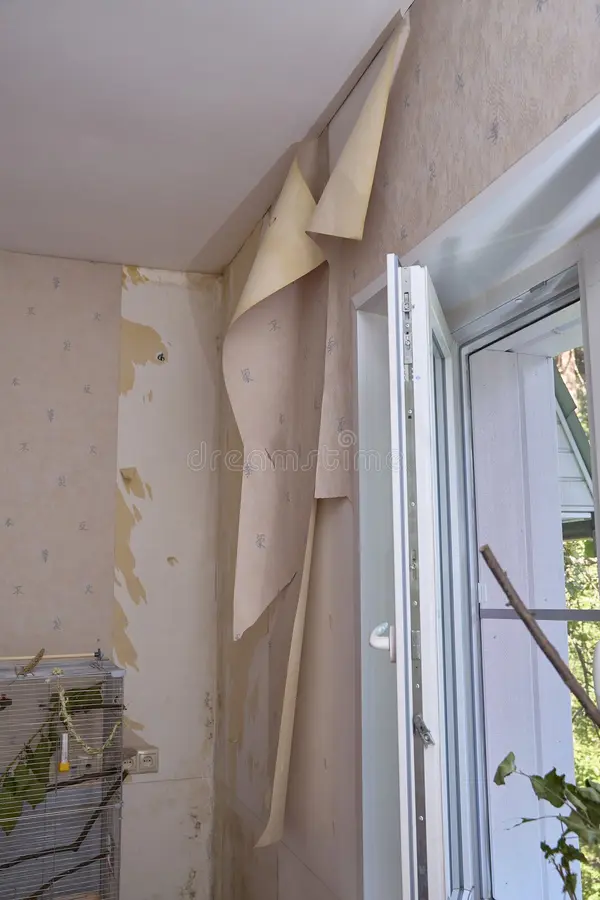
Ice expands as it forms, and a trough packed solid pushes the gutter away from the fascia a little more every cycle. By the time the dam is thick enough to leak, the hangers are often pulled, the back of the trough has lifted, and the fascia board behind it has been wet for weeks.
None of that is visible until the ice is off. It gets photographed when it appears, because a bent gutter found in February is a great deal easier to argue about with a carrier than one discovered in May.
| Primary climate stressor | Sustained sub-freezing, long season |
|---|---|
| Dispatch window | Same day to 24 hours |
| Pricing model | Billed by the crew hour, rate quoted before dispatch |
| Documentation | Dated before and after photos, written scope in Xactimate line items |
| Coverage area | Batavia and Genesee County |
| Removal method | Low-pressure steam only. No chipping, salt or pressure washing. |
| Service | Ice dam removal in Batavia, NY |
Genesee County Coverage From Batavia
Crews working Batavia cover the adjoining communities on the same route — Stafford, East Pembroke, Elba, Oakfield and East Bethany — so a storm week usually means one truck handling several addresses in Genesee County rather than separate trips.
Nearest hub towns with their own crew pages: Lockport, Rochester, North Tonawanda, Buffalo, Niagara Falls, Geneva.
During a cold snap Batavia gets worked alongside the neighboring Genesee County towns on the same route, with active interior leaks moved to the front of the list.
If water is already inside a property in Batavia, call (888) 561-9664 rather than filling in a form — the phone is faster and leaks jump the line.