



Wet Snow, Swinging Air: Atlantic City Ice Dams
Coastal snow is heavy with water, and a roof in Atlantic City can take a foot of it in a night. That pack is a full reservoir from the moment it lands, not something that becomes one slowly.

Add the architecture and the problem concentrates. Dormers, ells, knee walls and additions over porches all create pockets where warm air meets cold deck, and those are the eaves that dam first on a roof in Atlantic City.
Ice-barrier practice in Atlantic County
Historic district review in parts of Atlantic County adds a step on materials and sometimes on color, which is worth knowing before a re-roof is scheduled rather than after the permit is refused.
How an Atlantic City Steam Call Runs, Start to Finish
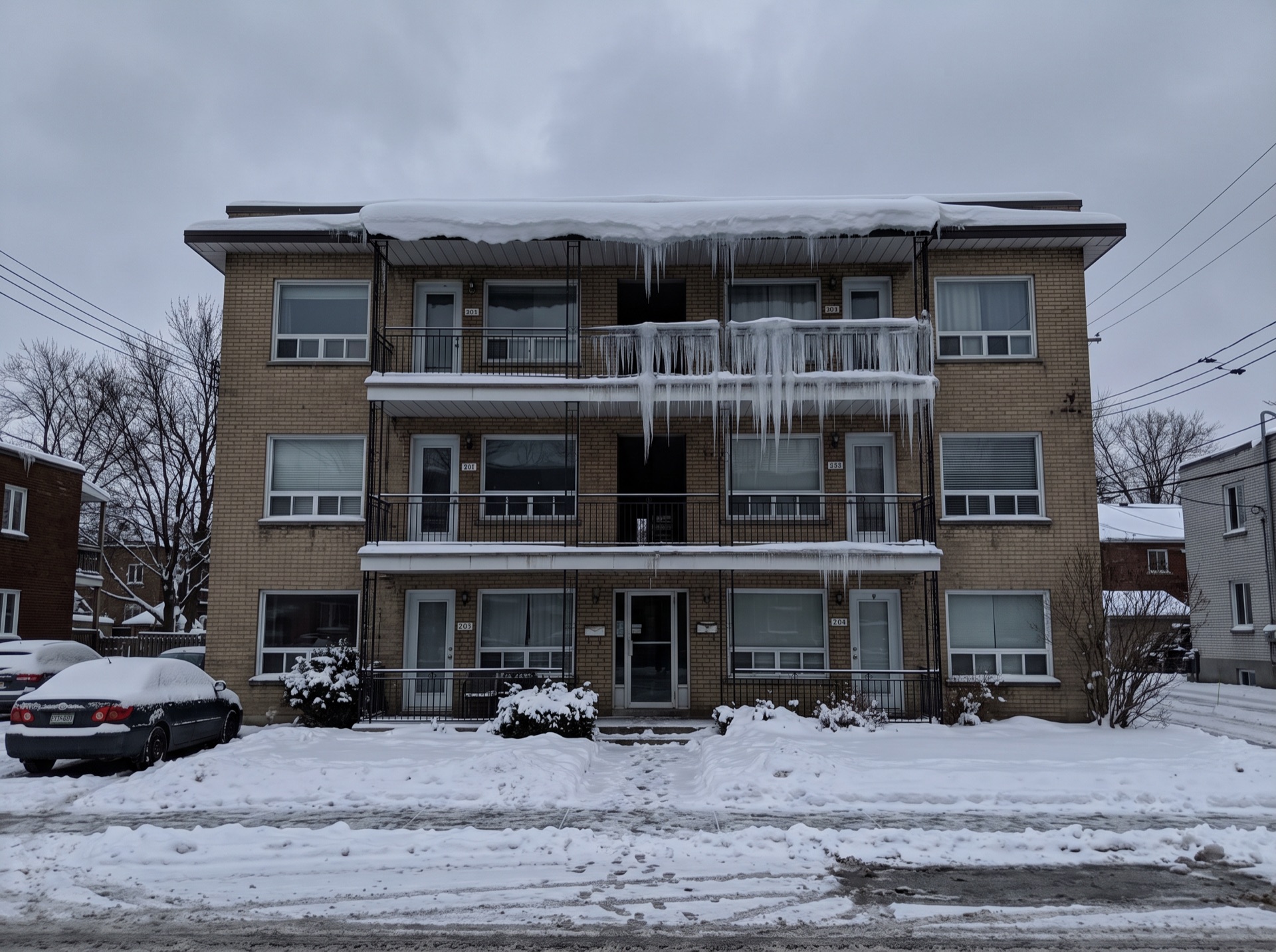
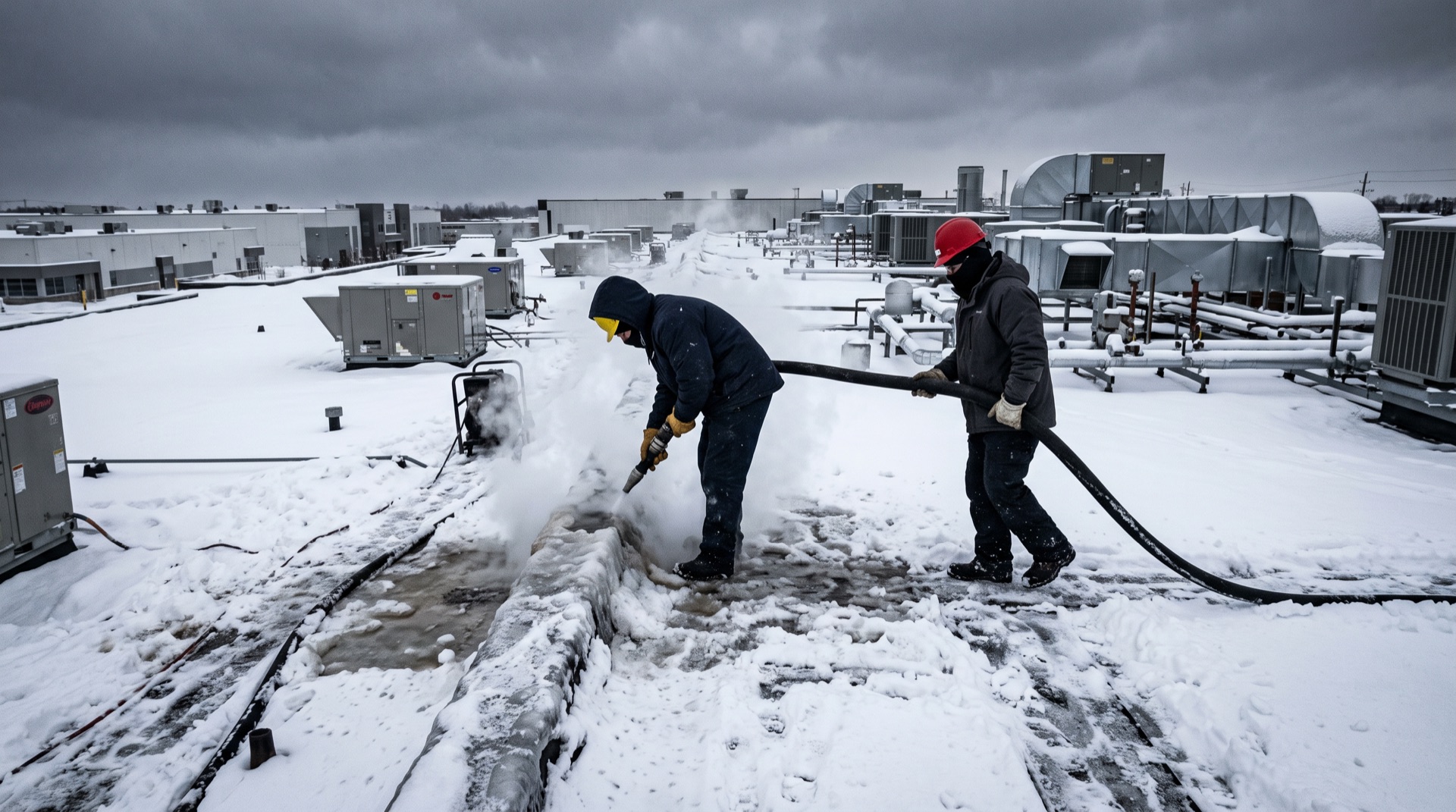
Nothing gets touched until the roof has been walked and photographed. The crew finds every dam, locates where water is getting in, shows you, and gives you the crew-hour rate and a time estimate before the equipment comes off the truck.
Removal then works from the worst point outward, so water starts draining early rather than at the end. Gutters and downspouts frozen solid get steamed through in the same visit — leaving them means the eave dams again within days.
Access, ladders and what the crew needs on site
Steam equipment needs somewhere to park within hose reach, and ladders need footing that is not a buried flower bed or a sheet of ice. Clearing a path to the affected eave, moving vehicles off the driveway and unlocking a side gate takes ten minutes and saves considerably more than that on the clock.
Where the only access is through a neighbor's property, that conversation is worth having before the crew is in the street rather than while it waits.
Why the dam formed in the first place
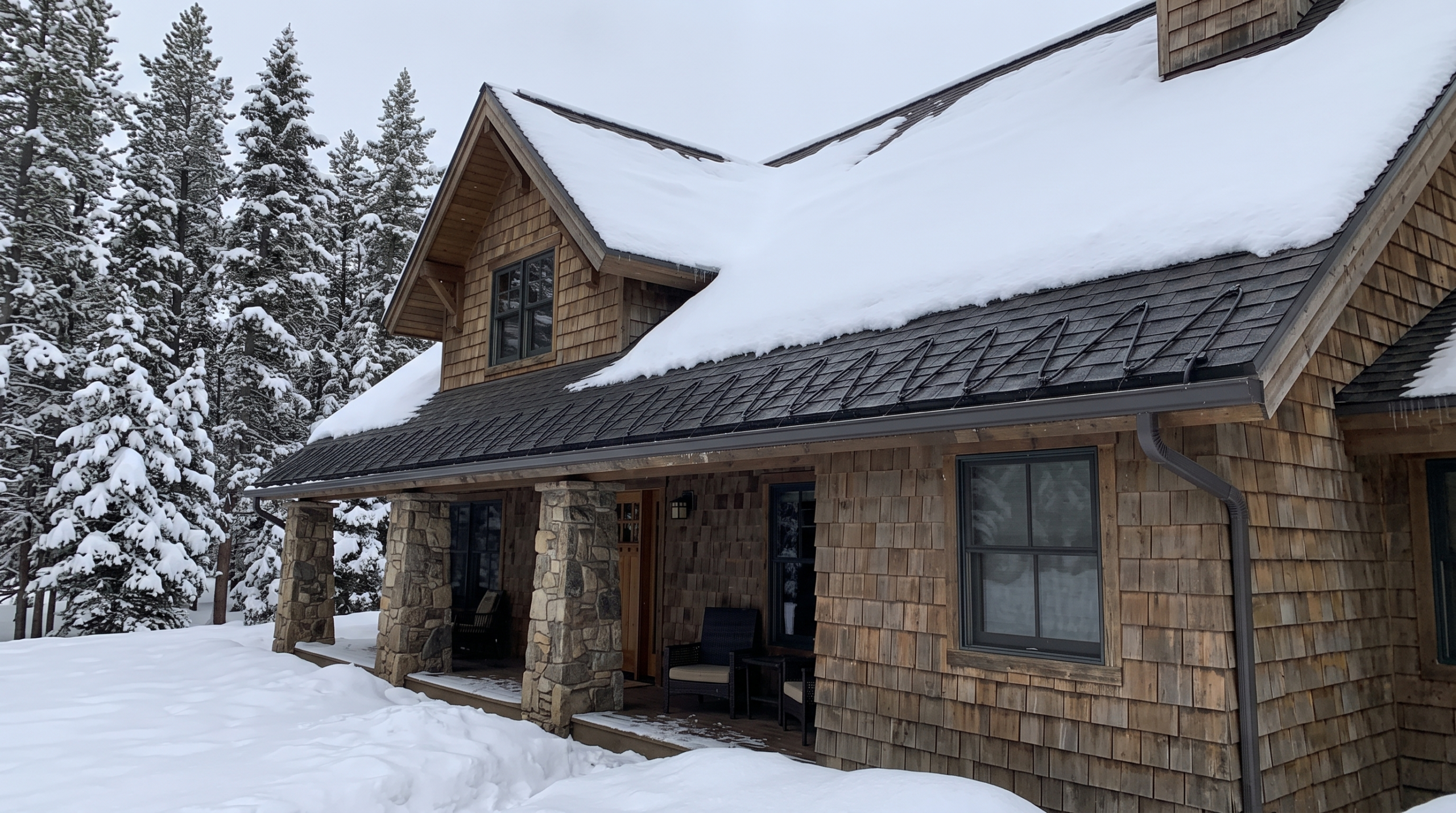
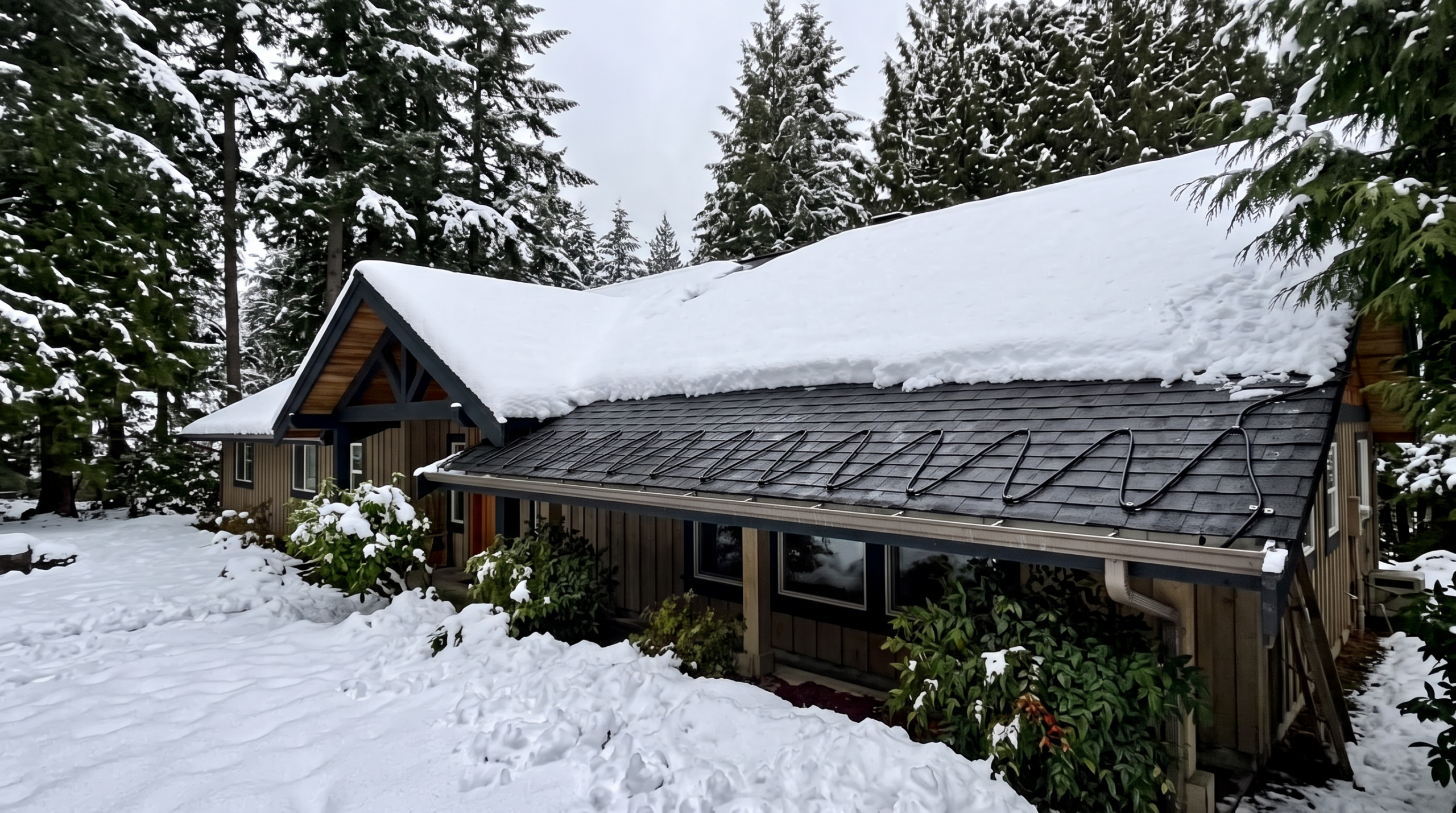
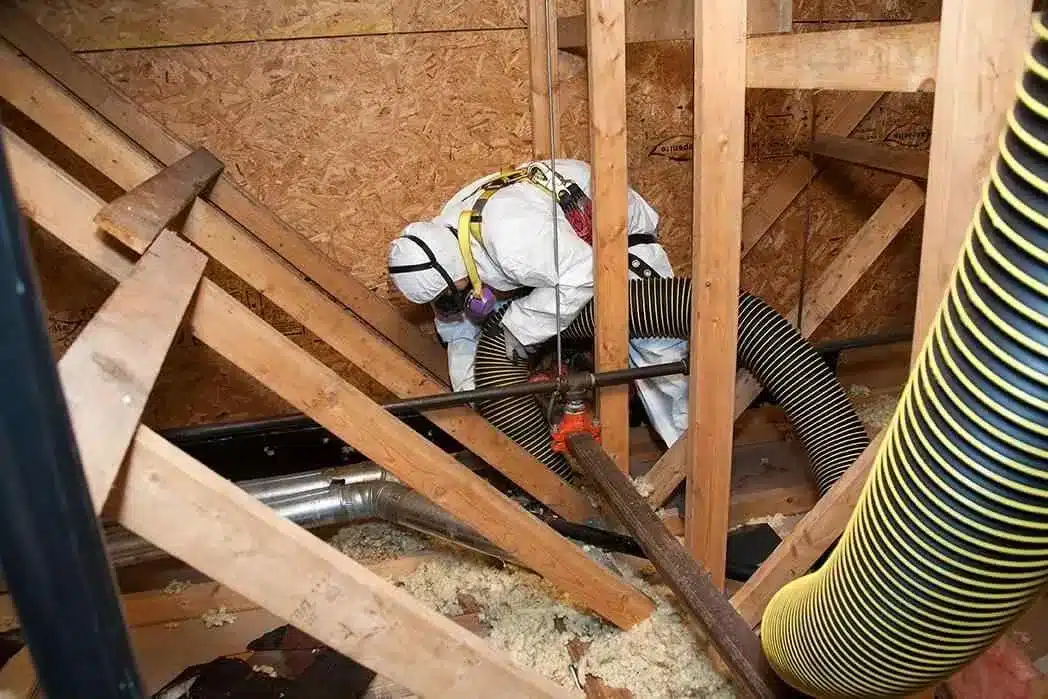
Ice dams are a heat problem wearing a weather costume. Warm air escaping into the attic melts snow on the upper roof; that meltwater runs to the eave, which hangs past the heated envelope and stays below freezing; it refreezes there, and the ridge of ice grows a layer every cycle. Removal is the emergency fix. Before the crew leaves you will know which part of your attic is feeding it.
Working at night and during an active storm
Freeze events do not keep office hours, and the worst leaks tend to announce themselves in the evening when the day's melt refreezes. Crews run lit, and a roof that is actively collecting snow is worked anyway, because waiting for better weather means the dam is bigger when somebody finally gets to it.
What does stop a crew is wind and lightning. Both are judgment calls made on site in Atlantic City, and a postponed start gets explained rather than dressed up.
| Pricing model | Billed by the crew hour, rate quoted before dispatch |
|---|---|
| Primary climate stressor | Nor'easters, rapid thaw-freeze swing |
| Dispatch window | Same day to 24 hours |
| Typical scope | Steam, 4-10 crew hours typical |
| Coverage area | Atlantic City and Atlantic County |
| Local ice-barrier practice | Eave membrane standard on re-roofs |
| Service | Ice dam removal in Atlantic City, NJ |
Where We Dispatch Around Atlantic City
Crews working Atlantic City cover the adjoining communities on the same route — Ventnor City, Brigantine, Margate City, Northfield and Pleasantville — so a storm week usually means one truck handling several addresses in Atlantic County rather than separate trips.
Nearest hub towns with their own crew pages: Gloucester, Toms River, Brick, Cherry Hill, Lakewood, Camden.
Atlantic City sits inside the regular New Jersey service area, so a crew is usually scheduled the same day or the following morning.
Active leak at an address in Atlantic City? (888) 561-9664 reaches dispatch directly. Interior water moves a job to the front of the day.