


Snow Bands, Warm Attics and the Wyoming Eave
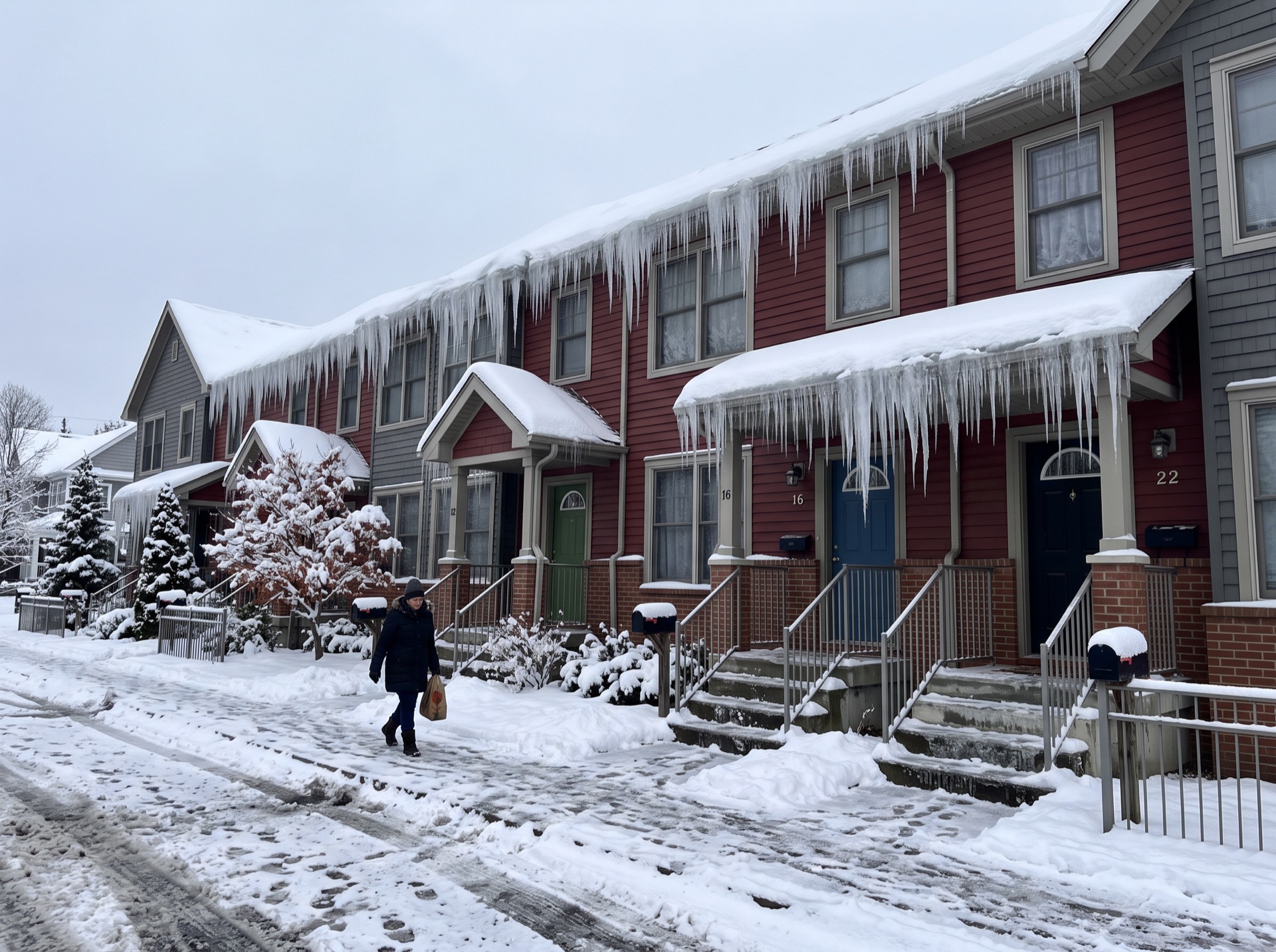
What makes Kent County roofs dam is not the seasonal total, it is how the snow arrives. Bands dump a heavy, saturated pack in hours, and that pack becomes a water reservoir sitting on a heated surface.

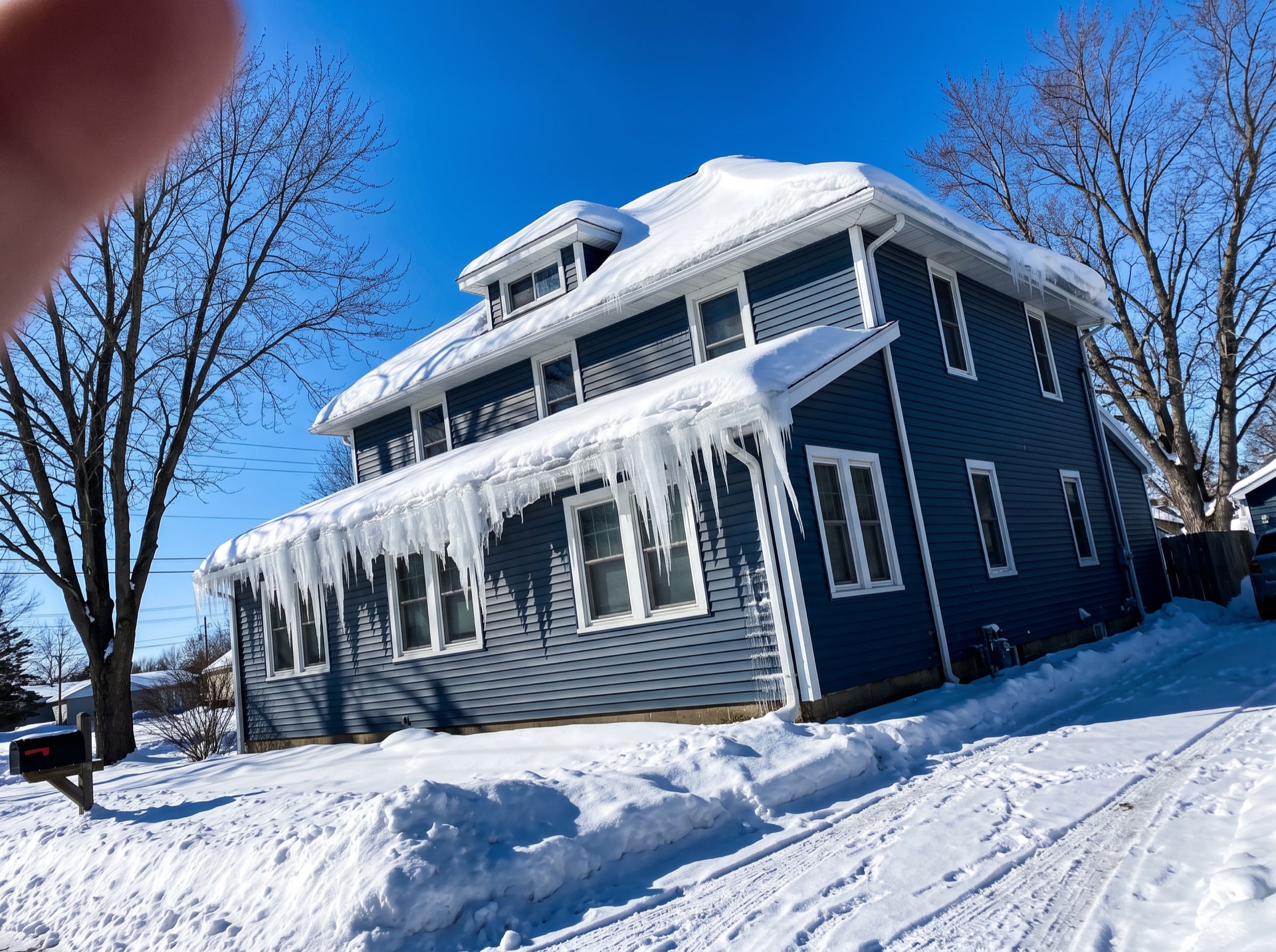
What turns that pack into a dam is the house underneath it. Warm air finds its way into the attic, the underside of the snow melts, and the water travels to an overhang that has no heated space below it. There it stops.
Ice-barrier practice in Kent County
Most Kent County building departments expect self-adhering ice barrier at the eaves on any re-roof permit. The houses that leak are generally the ones last roofed before that became routine.
How We Work a Wyoming Ice Dam
The first pass is assessment: eaves, valleys, gutter line and any interior staining, all photographed with timestamps. You see what the crew sees, and the rate and likely hours are agreed before work begins.
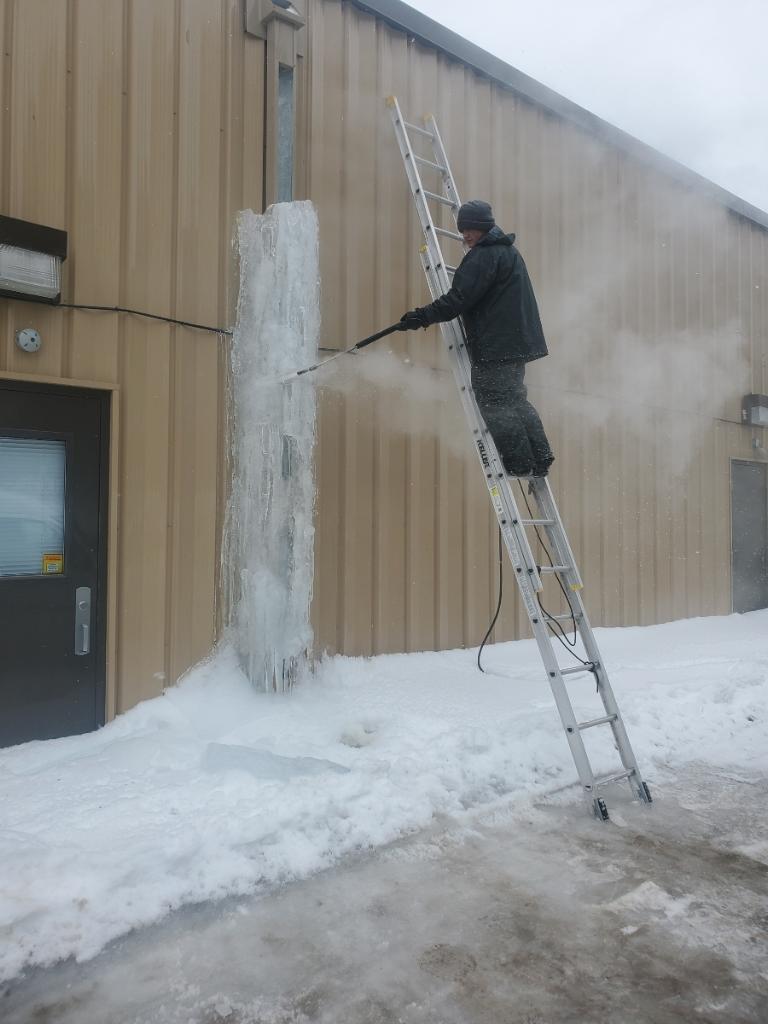
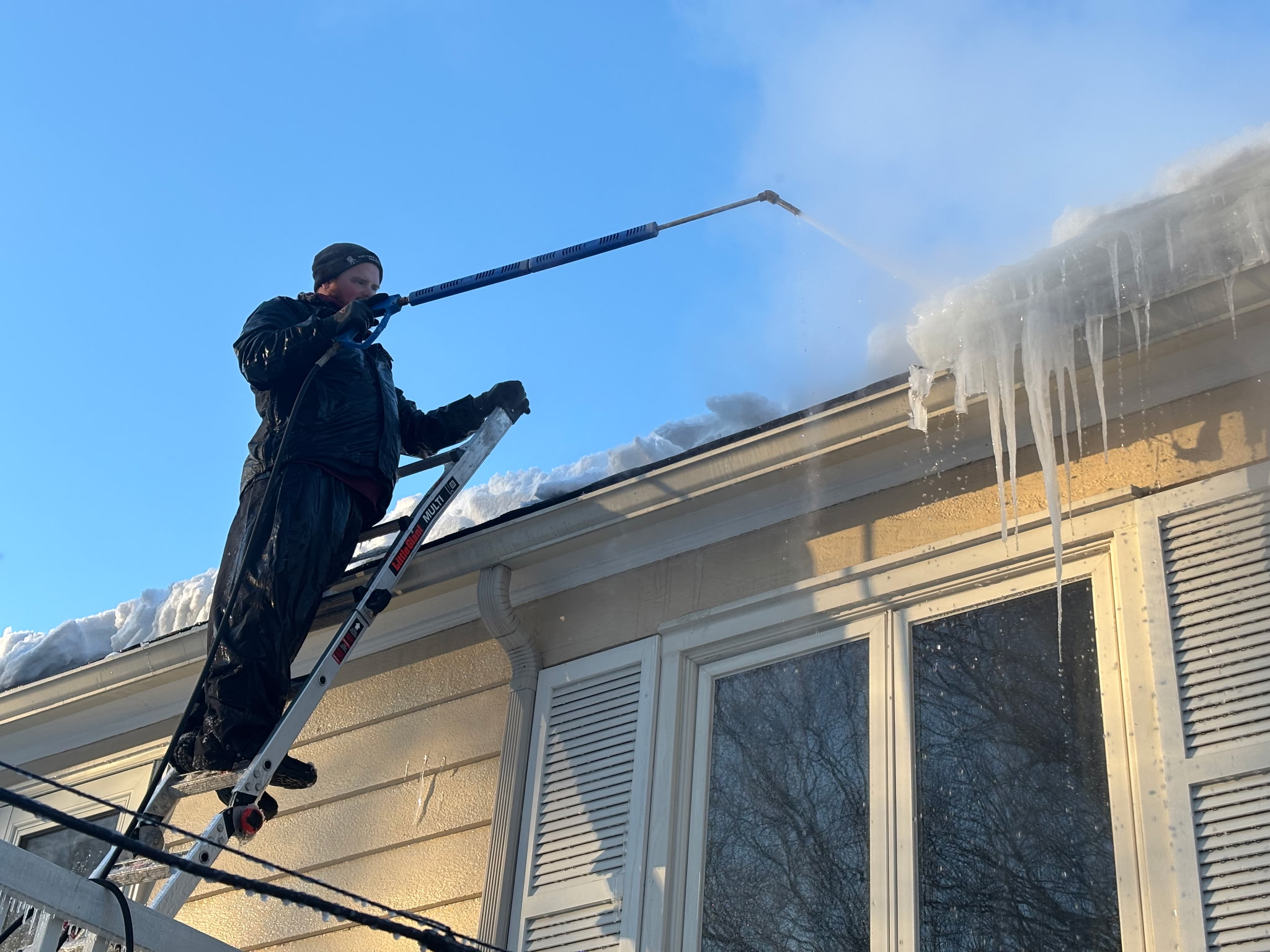
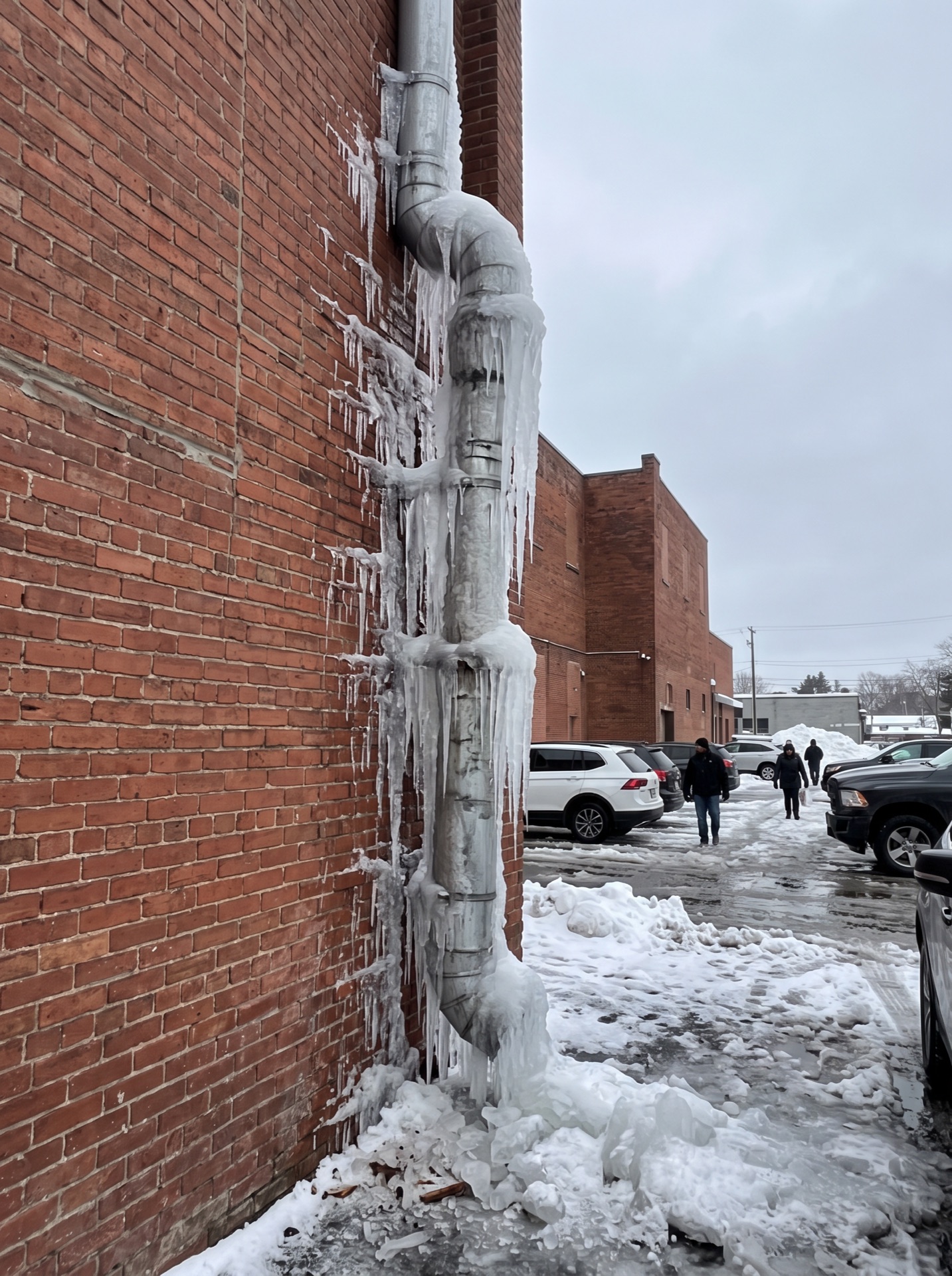
Steam then takes the dam off in sections, prioritizing wherever water is actively backing up behind it. The gutter trough and downspout are cleared through to daylight on the same visit, because a clear eave over a frozen gutter is a temporary fix.
Steep, high and awkward Wyoming roofs
Pitch and height change the job more than ice thickness does. A walkable ranch eave is a ladder and a lance. A three-story roof with a steep pitch means anchors, rope, staging and two people where one would otherwise do.
Crews quote on that honestly. If a property in Wyoming needs a longer setup, it is said on the phone rather than discovered at the end of the invoice.
If water already got inside
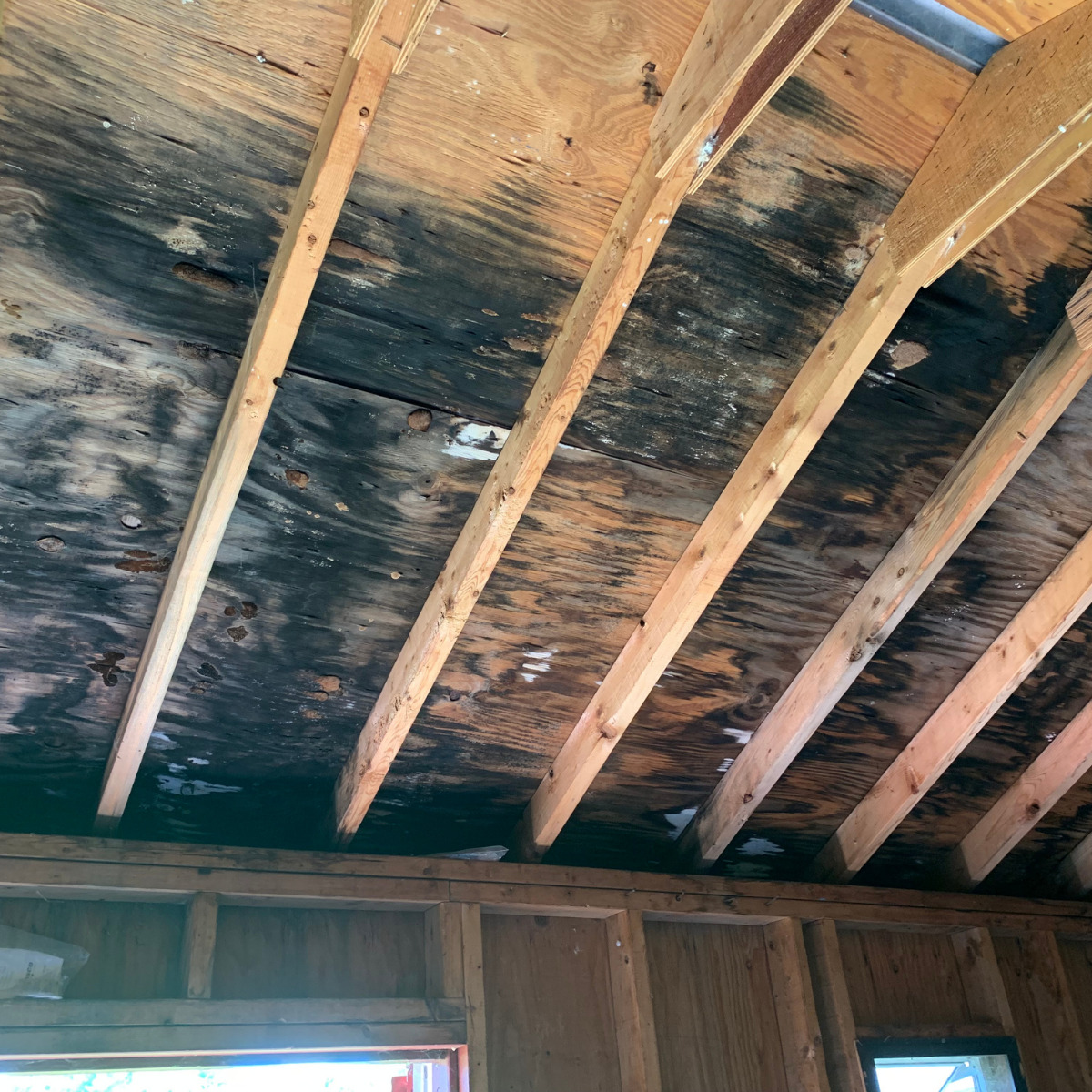
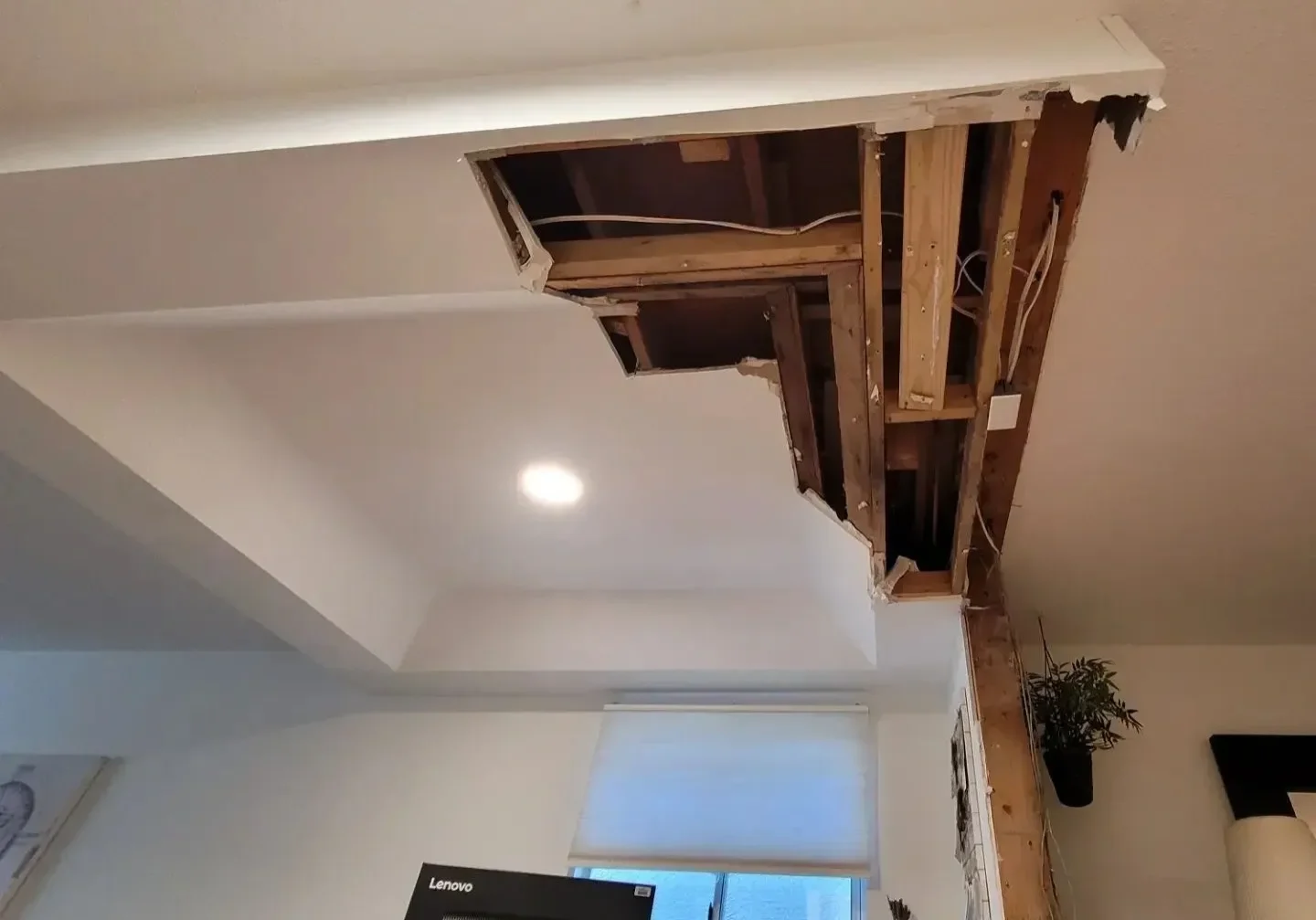
Taking the ice off stops new water. It does nothing about what is already in the insulation, the ceiling and the walls of a Wyoming home.
The same company handles the rest: water mitigation and dryout, mold remediation where the water has led to growth, the interior repair, and the roof where the dam damaged it, all documented on one insurance claim.
What happens after the ice is off
Once the eave is clear and water is draining, the crew walks the interior with you where there is visible damage and says plainly whether it needs drying. Wet insulation and a damp ceiling cavity do not resolve themselves in a cold Wyoming February.
If it does, that is a separate scope and it gets written separately — nobody is upsold a dryout on the strength of one damp patch.
| Dispatch window | Same day to 24 hours |
|---|---|
| Typical scope | Steam, 6-12 crew hours typical |
| Service | Ice dam removal in Wyoming, MI |
| Primary climate stressor | Lake-effect bands, wet heavy pack |
| Documentation | Dated before and after photos, written scope in Xactimate line items |
| Removal method | Low-pressure steam only. No chipping, salt or pressure washing. |
| Local ice-barrier practice | Eave membrane expected on re-roofs |
Wyoming Coverage and the Adjoining Communities
Crews working Wyoming cover the adjoining communities on the same route — Grandville, Jenison, Byron Center, Jamestown and Hudsonville — so a storm week usually means one truck handling several addresses in Kent County rather than separate trips.
Nearest hub towns with their own crew pages: Kentwood, Grand Rapids, Holland, Muskegon, Kalamazoo, Portage.
When a storm hits Kent County, crews are dispatched by severity rather than by call order — water already inside the house goes first.
Water through a ceiling in Wyoming is a same-day call, not a next-week one. (888) 561-9664 goes straight to dispatch.