If you are in Fort Thomas watching icicles grow along the gutter line, what you are really watching is water that no longer has anywhere to drain. As part of our complete Fort Thomas winter roof services, crews handle heated roof & gutter cables across Campbell County.
Fort Thomas Ice Dams: Why a Few Inches Is Enough
An ice dam needs meltwater and a cold eave, and Fort Thomas supplies both on an ordinary week. A thin cover that melts by lunchtime and sets again after dark is a perfectly good dam factory.

And the cycling is relentless rather than dramatic. Fifteen or twenty crossings of freezing in a season each add a layer, and the houses with the thinnest attic insulation in Campbell County all find out in the same week.
Ice-barrier practice in Campbell County
Because ice is not the first thing a homeowner in Fort Thomas thinks about, the membrane is the detail most often value-engineered out of a re-roof. It is worth asking for by name on any quote.
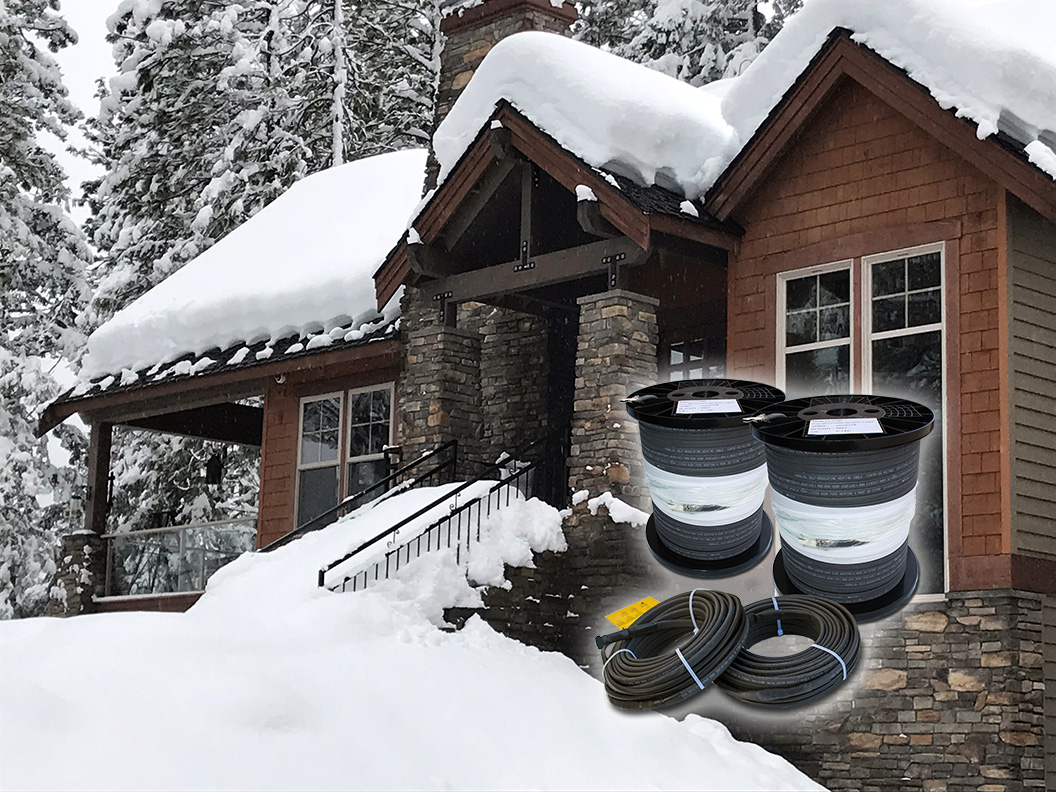
Heated Roof & Gutter Cables in Fort Thomas: How The Work Runs
What happens when a section stops working
A dead run is usually one of four things: a tripped ground fault, a failed controller or sensor, physical damage at a specific point, or a connection at the end seal that has let water in. Icicles and a Wet Ceiling.
They are diagnosed with a meter rather than by replacing the whole run. Self-regulating cable can generally be repaired in place with a proper splice kit, so a single damaged section does not mean a new system.
Commercial and multi-family runs
The same cable on a large building becomes a different exercise - several hundred feet of run, multiple circuits, a controller that something has to monitor, and a decision about who gets the alarm when a circuit fails.
Scope, circuit loading and control strategy get worked out with whoever maintains the Fort Thomas building, because a heat-trace system nobody owns is a heat-trace system that stops working in its third winter.
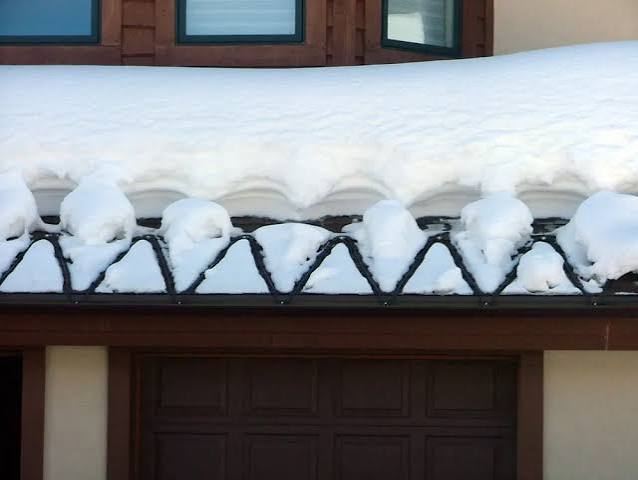
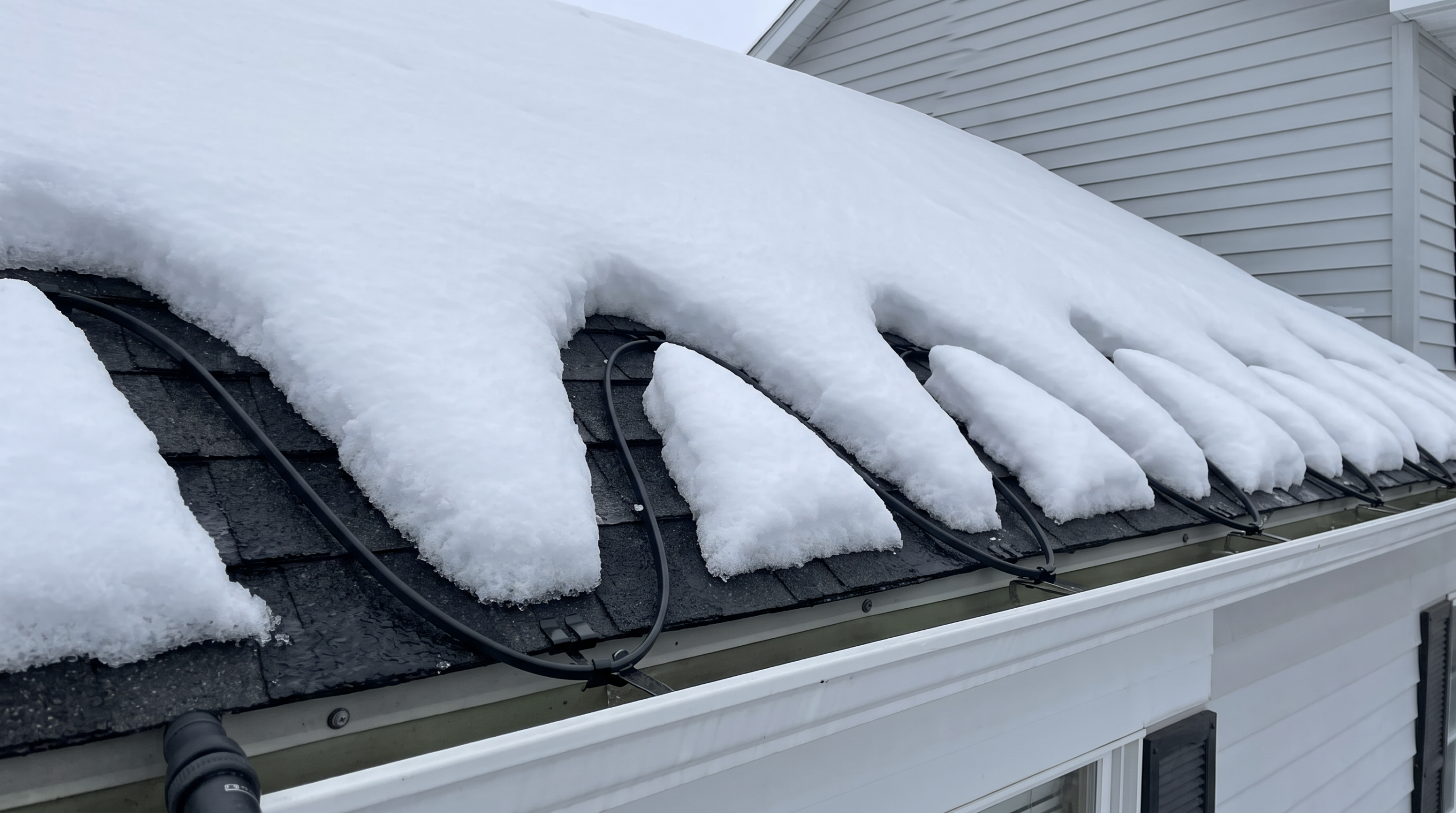
Sizing the eave zig-zag to the cold overhang
The zig-zag has to extend far enough up the roof to cover the part of the deck that sits past the heated wall line, because that is the part that stays below freezing.
Measured from inside the attic rather than guessed from the ground. On a house in Fort Thomas with a deep overhang or a cantilever that distance is often further up than people expect.
What shortens the life of a cable run
Self-regulating cable is generally good for a decade or more. What ends it early is ultraviolet exposure on a run left unshaded through summer, physical damage from somebody raking or shovelling over it, rodents in the gutter, and ice loading on clips that were never rated for it.
A system installed with UV-stable cable, proper clips and a note on the roof plan saying where it runs will usually outlast one that was simply stapled up in a hurry.
Valleys, downspouts and the parts people forget
A zig-zag along the eave with nothing in the valley and nothing down the downspout produces a melted strip of roof draining into a solid block of ice. The water still has nowhere to go, and the dam just forms somewhere slightly different.
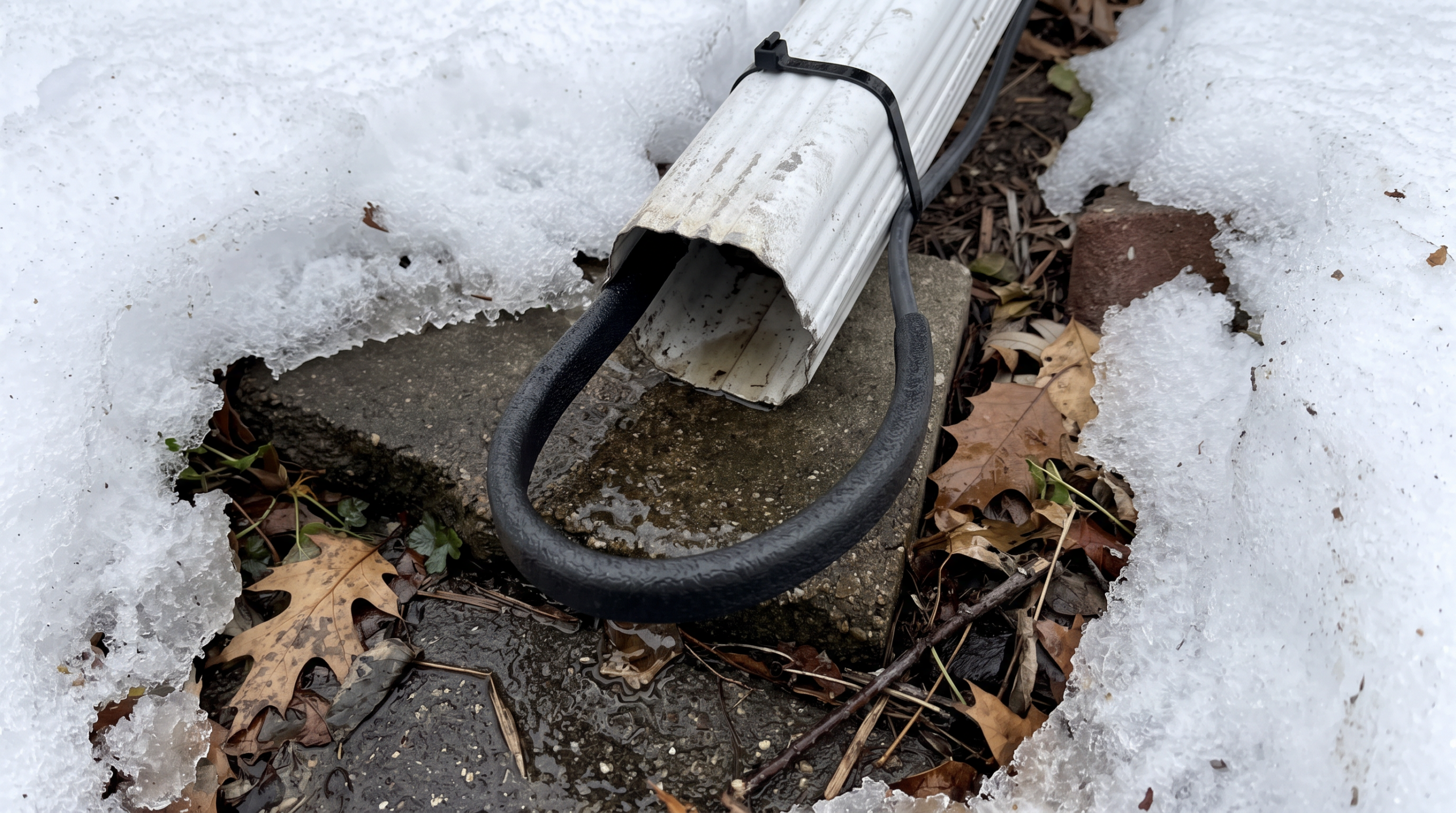
A system that works runs the full path: eave, valley, gutter trough and all the way down the downspout to daylight. The downspout run is the piece most often left out and the piece most often responsible for the system not working.
What you get in Fort Thomas
- Zig-zag sized properlyEave coverage measured against the actual cold overhang
- Smart controlsThermostat and moisture sensing so it runs on the conditions that make ice
- No fasteners through the roofClips and standoffs only, nothing driven through the covering
| Dispatch window | Same day to 24 hours |
|---|---|
| Removal method | Low-pressure steam only. No chipping, salt or pressure washing. |
| Coverage area | Fort Thomas and Campbell County |
| Pricing model | Billed by the crew hour, rate quoted before dispatch |
| Primary climate stressor | Repeated thaw-freeze cycling |
| Typical scope | Steam, 4-8 crew hours typical |
| Local ice-barrier practice | Eave membrane on new work, often absent |
Fort Thomas Coverage and the Adjoining Communities
Crews working Fort Thomas cover the adjoining communities on the same route — Bellevue, Dayton, Silver Grove, Latonia and Ft Mitchell — so a storm week usually means one truck handling several addresses in Campbell County rather than separate trips.
Nearest hub towns with their own heat cables pages: Newport, Covington, Florence, Georgetown, Lexington, Nicholasville.
Crews cover Fort Thomas and the surrounding Campbell County towns through the whole season, and during a freeze event they run from first light until dark.
Most jobs do not stop at one service. Heat Cables in Fort Thomas often runs alongside ice dam removal in Fort Thomas, and both get written into one scope rather than billed as separate visits.
Active leak right now? Our 24/7 Fort Thomas steam ice dam removal crews are dispatched first during a freeze event. Call (888) 561-9664.