


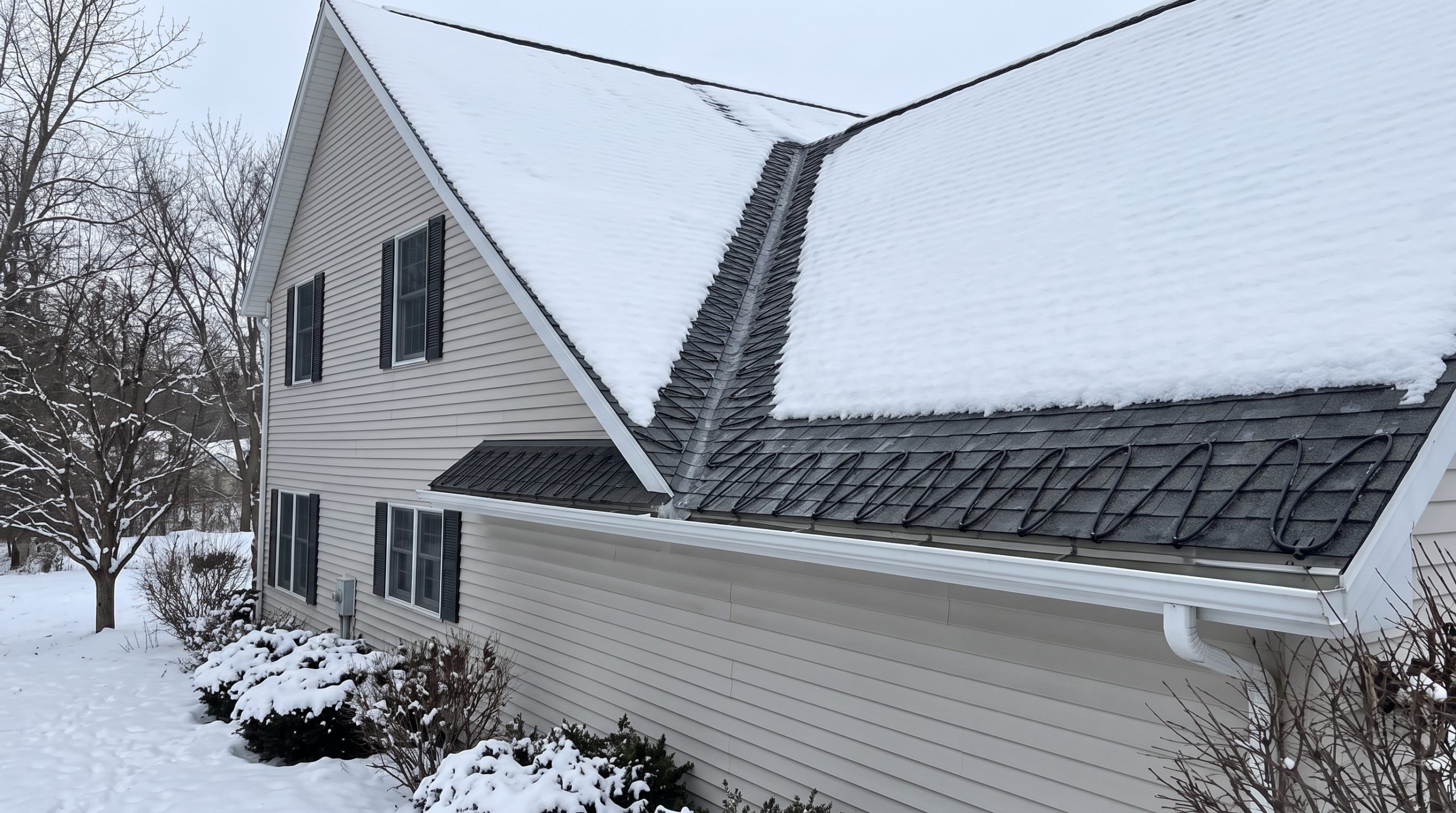
Marion Ice Dams: Why a Few Inches Is Enough
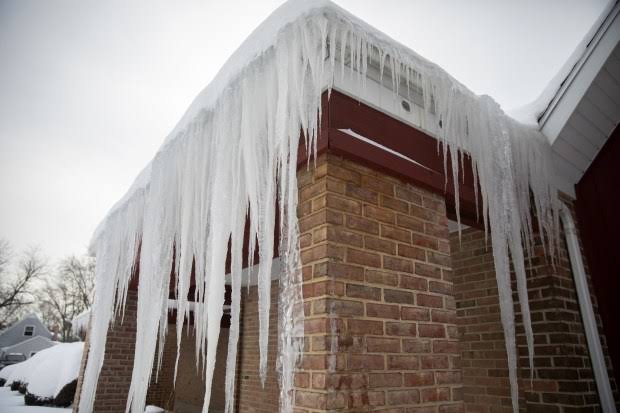
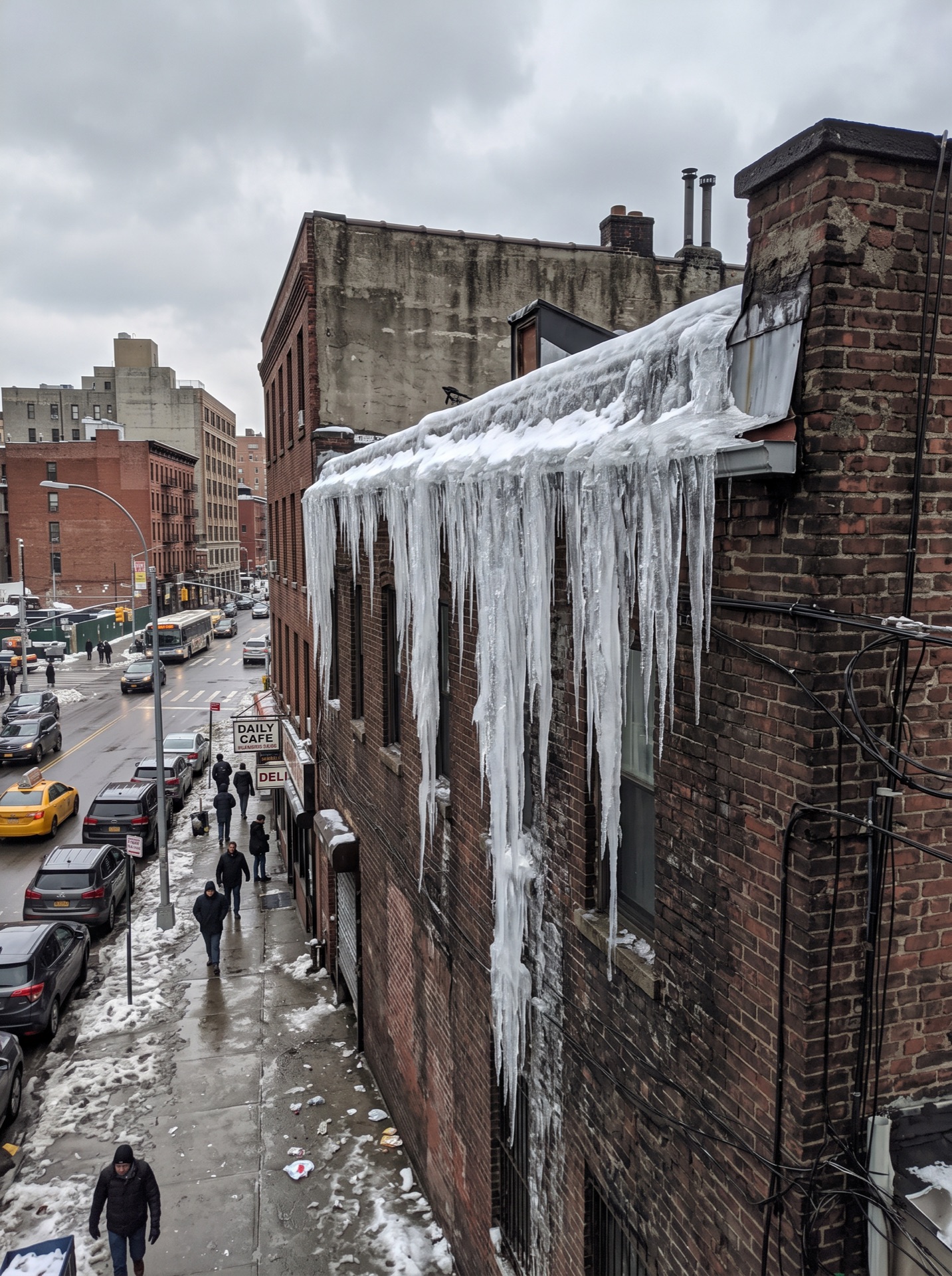
Marion does not need a blizzard to get an ice dam. A few inches that melts by afternoon and refreezes overnight builds one just as effectively, and it does it over and over through the season.

The expectation is the problem. Nobody in Marion re-roofs with ice dams in mind, so when a cycling stretch arrives the houses with the least margin all leak in the same week.
Ice-barrier practice in Linn County
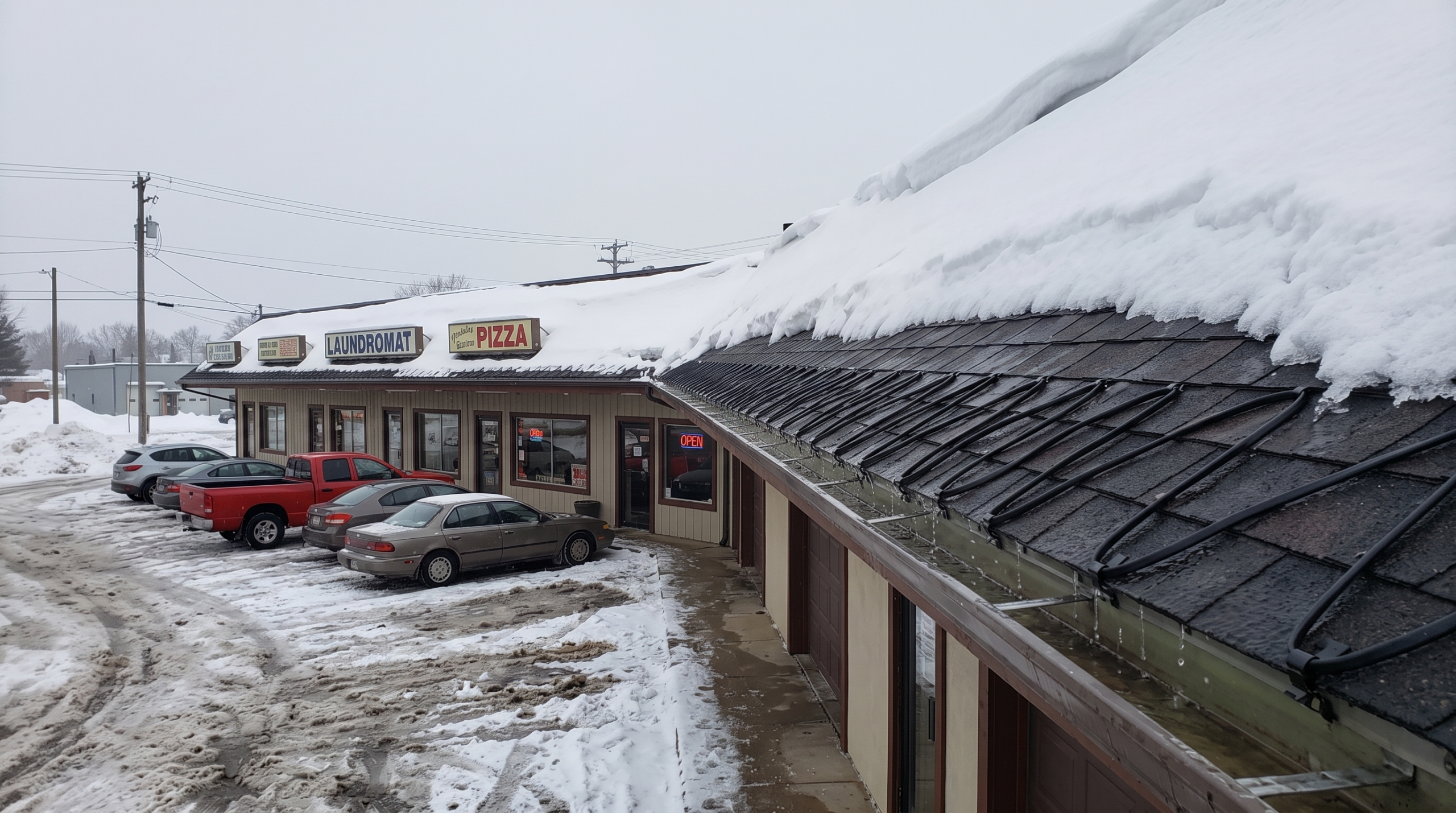
Ice-barrier membrane at the eaves is required on new work under the residential code Iowa follows, but on a roof built before that it is frequently absent — and this is the region where it is most often skipped.
What a Crew Does on a Marion Roof
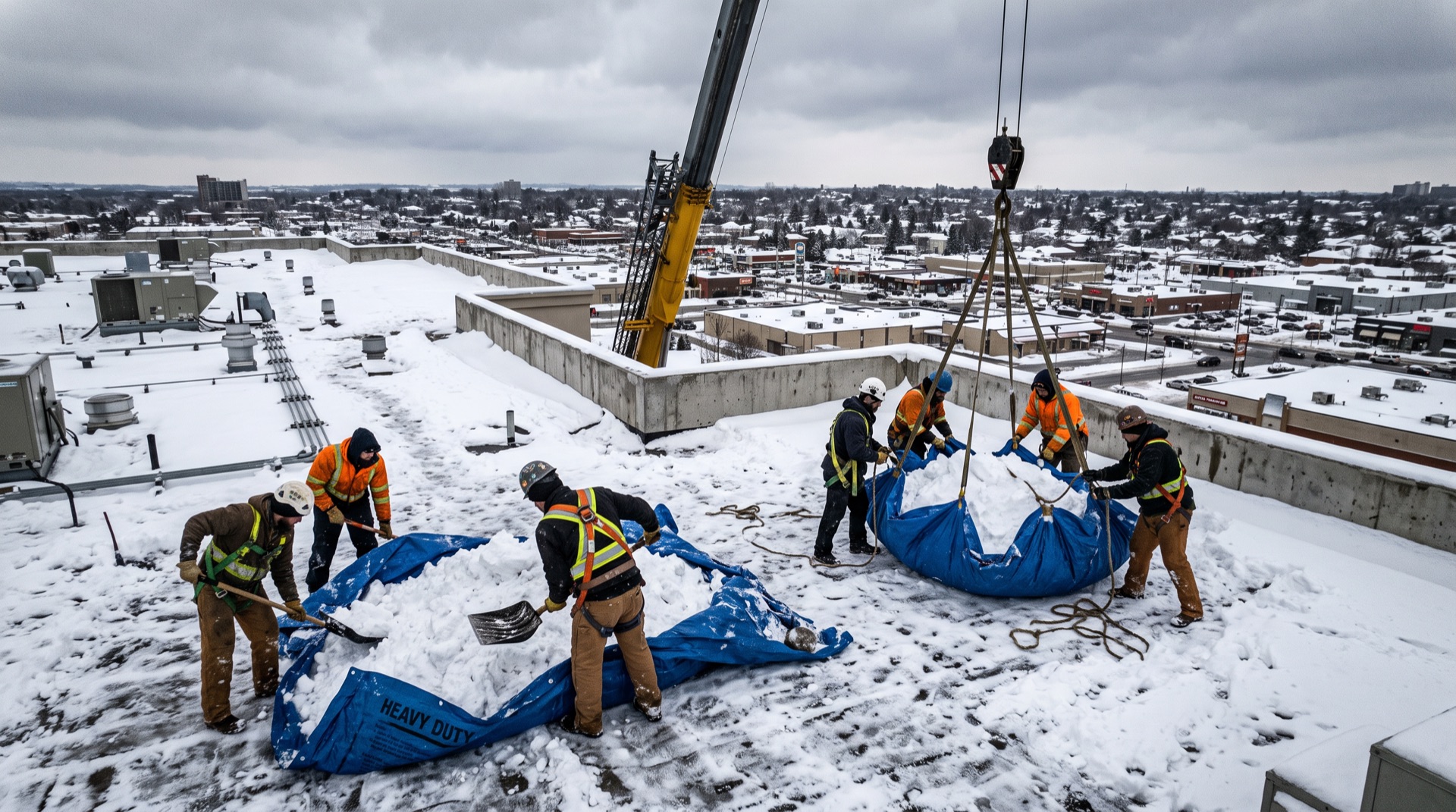
The first pass is assessment: eaves, valleys, gutter line and any interior staining, all photographed with timestamps. You see what the crew sees, and the rate and likely hours are agreed before work begins.
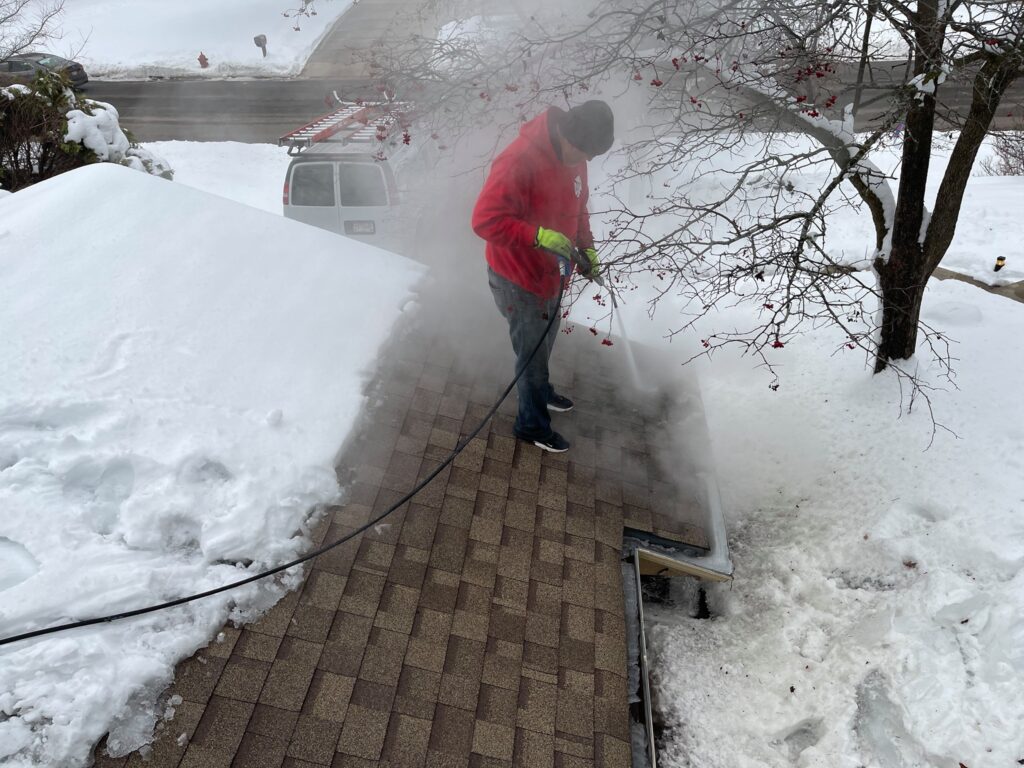
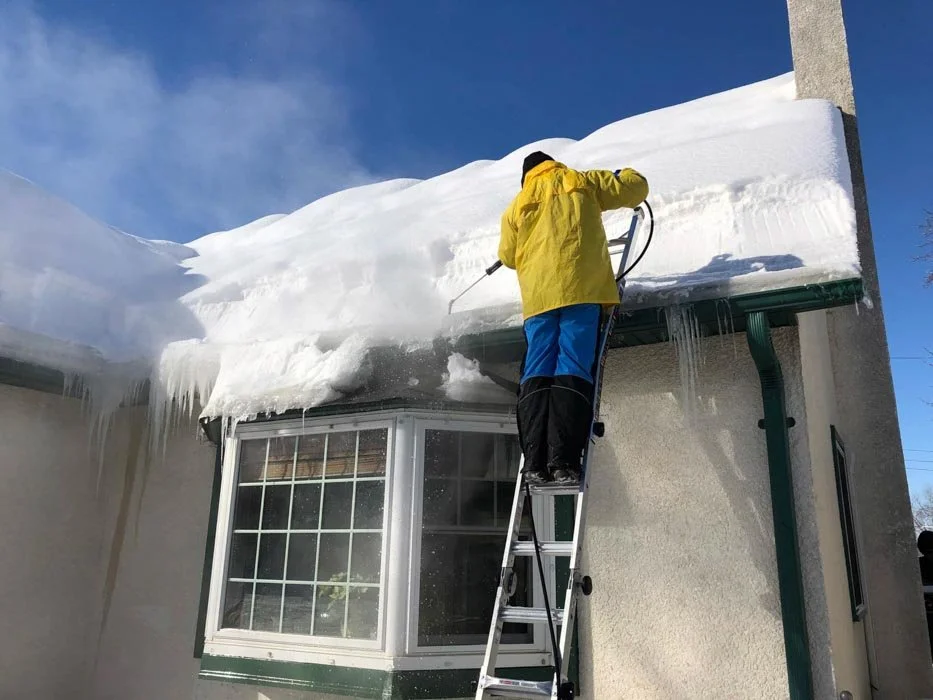
Steam then takes the dam off in sections, prioritizing wherever water is actively backing up behind it. The gutter trough and downspout are cleared through to daylight on the same visit, because a clear eave over a frozen gutter is a temporary fix.
If water already got inside
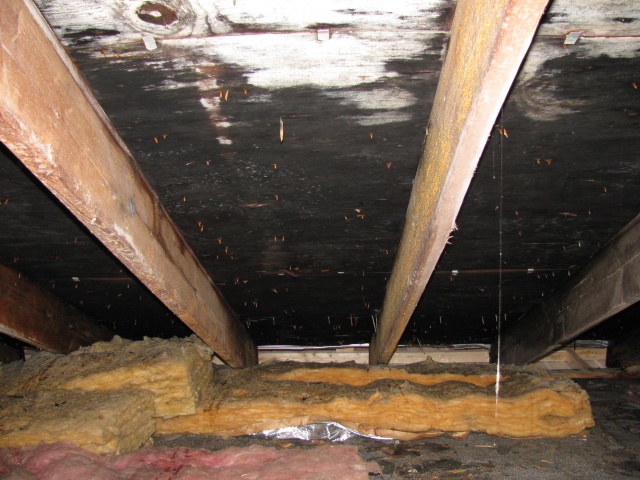
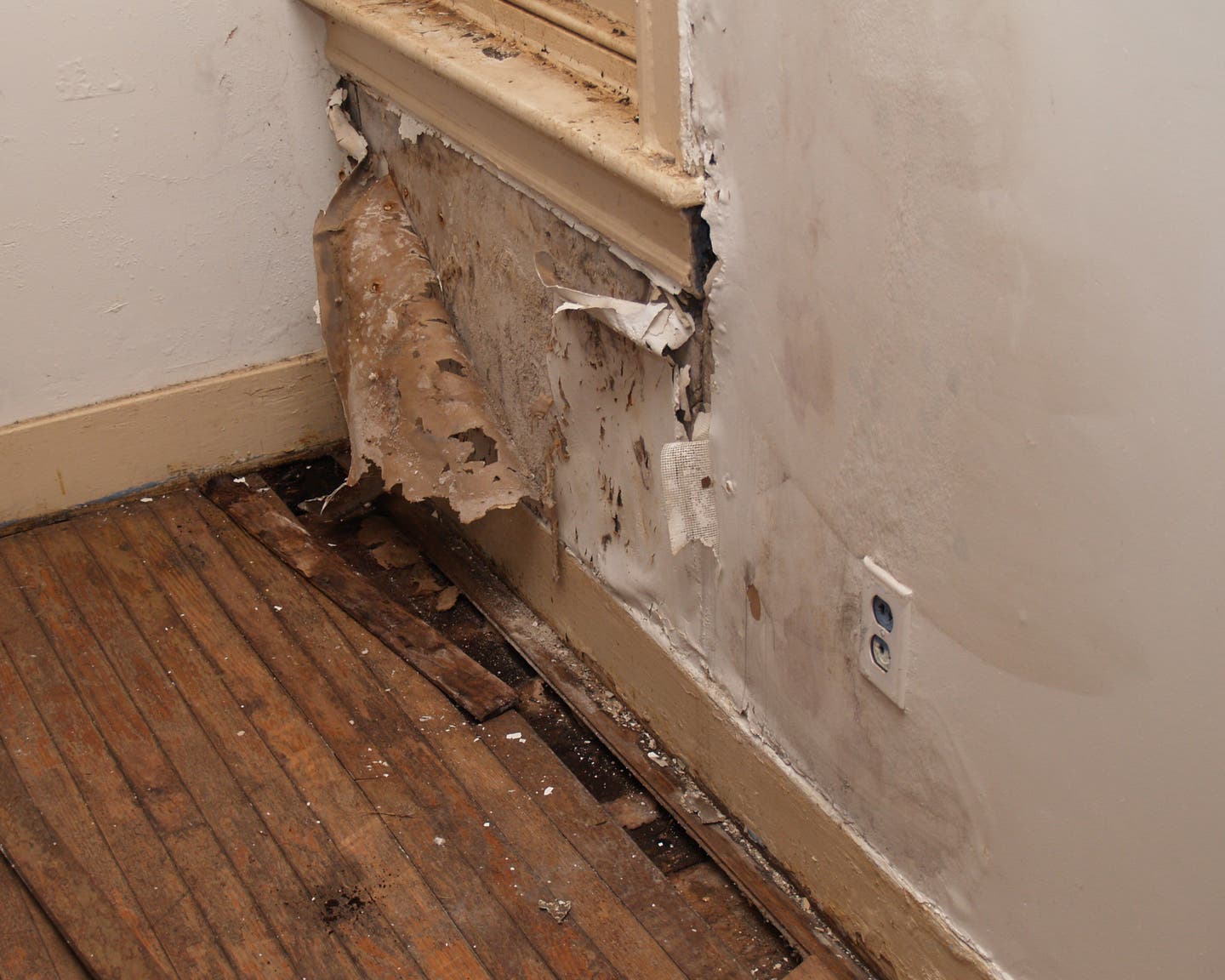
Taking the ice off stops new water. It does nothing about what is already in the insulation, the ceiling and the walls of a Marion home.
The same company handles the rest: water mitigation and dryout, mold remediation where the water has led to growth, the interior repair, and the roof where the dam damaged it, all documented on one insurance claim.
What steam actually does
A steam unit delivers water at roughly 290°F at a pressure low enough to rest your hand in the plume. It cuts a channel straight through the ice and lifts the dam off in sections, right down to the shingle. The heat does the work, not force, so granules, seal strips and flashing come through untouched.
That is the whole difference between steam and the hot pressure washers often sold as steam. A pressure washer cuts ice fast because of its pressure — and that same pressure strips the granules off asphalt shingles and drives water up under the courses. One method removes ice. The other removes ice and roof.
Dormers, valleys and dead spots
Ice does not distribute evenly. It concentrates where two roof planes meet, behind dormers, in dead valleys that drain nowhere, and along the north face that never sees sun. Those pockets hold water deepest and leak first.
A crew working a roof in Marion clears the full eave line and then goes back through the valleys and dormer pockets specifically, because clearing the easy straight run and calling it done is how a roof leaks again a week later.
| Typical scope | Steam, 4-8 crew hours typical |
|---|---|
| Local ice-barrier practice | Eave membrane on new work, often absent |
| Documentation | Dated before and after photos, written scope in Xactimate line items |
| Dispatch window | Same day to 24 hours |
| Primary climate stressor | Repeated thaw-freeze cycling |
| Pricing model | Billed by the crew hour, rate quoted before dispatch |
| Coverage area | Marion and Linn County |
Linn County Coverage From Marion
Crews working Marion cover the adjoining communities on the same route — Robins, Hiawatha, Springville, Toddville and Alburnett — so a storm week usually means one truck handling several addresses in Linn County rather than separate trips.
Nearest hub towns with their own crew pages: Cedar Rapids, Iowa City, Waterloo, Muscatine, Cedar Falls, Dubuque.
Scheduling for Marion tightens up during a freeze event, which is exactly when the phone beats the form. Water coming in means a call, not an email.
If water is already inside a property in Marion, call (888) 561-9664 rather than filling in a form — the phone is faster and leaks jump the line.