



Cedar Rapids Ice Dams: Why a Few Inches Is Enough
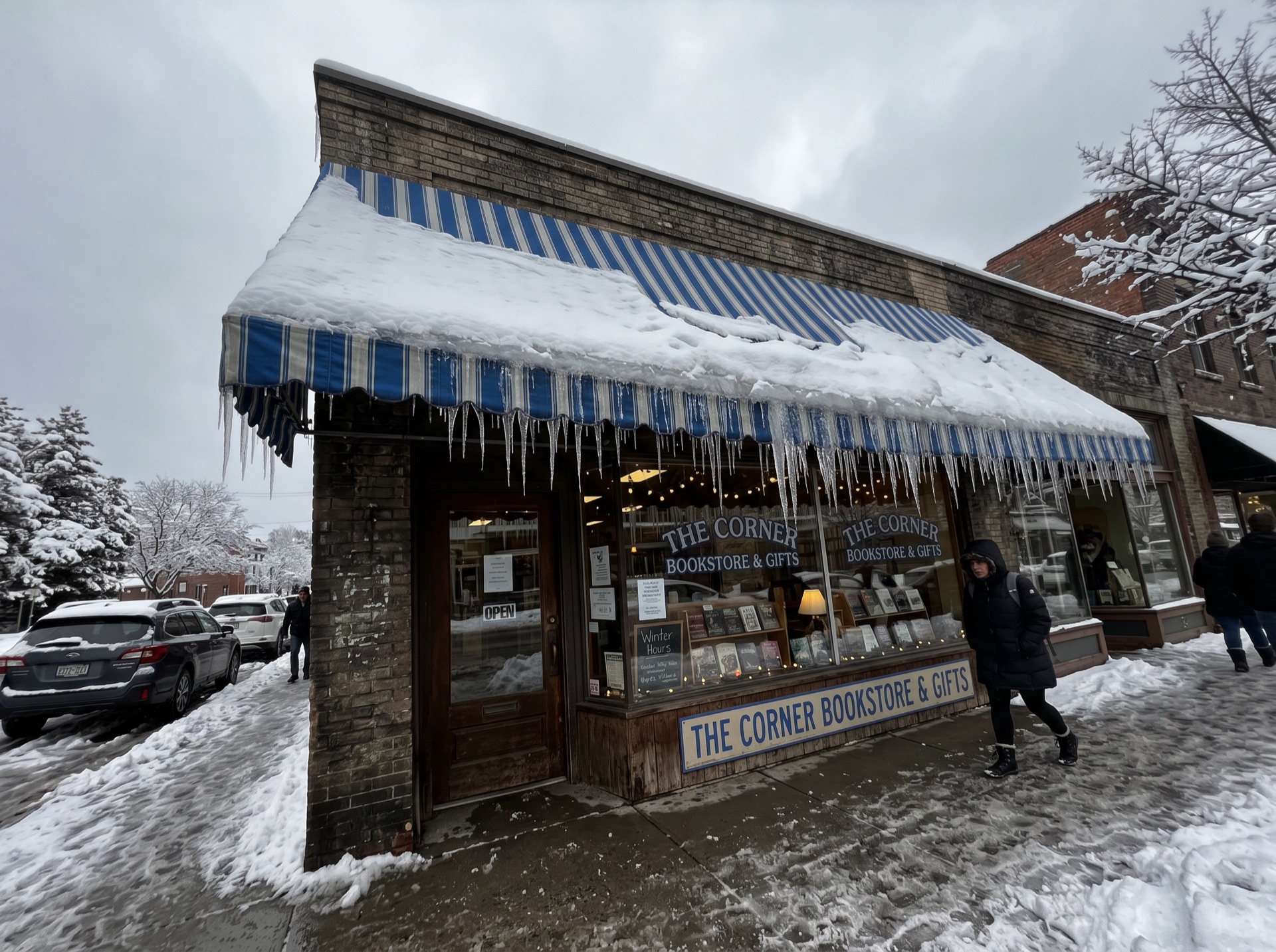
The snow totals here are unremarkable, which is exactly why Cedar Rapids roofs get caught out. An ice dam needs meltwater and a cold eave, not a record storm.

That is the part homeowners miss. Total snowfall here is modest compared with the northern belt, so roofs in Linn County are often built and insulated as though ice is not a concern. Then a cycling week in January finds every weak eave at once.
Ice-barrier practice in Linn County
The residential code Iowa follows calls for eave ice barrier on new work. Enforcement in Linn County is real but recent, so the age of the roof is what decides whether it is there.
The Cedar Rapids Dispatch Process, Step by Step
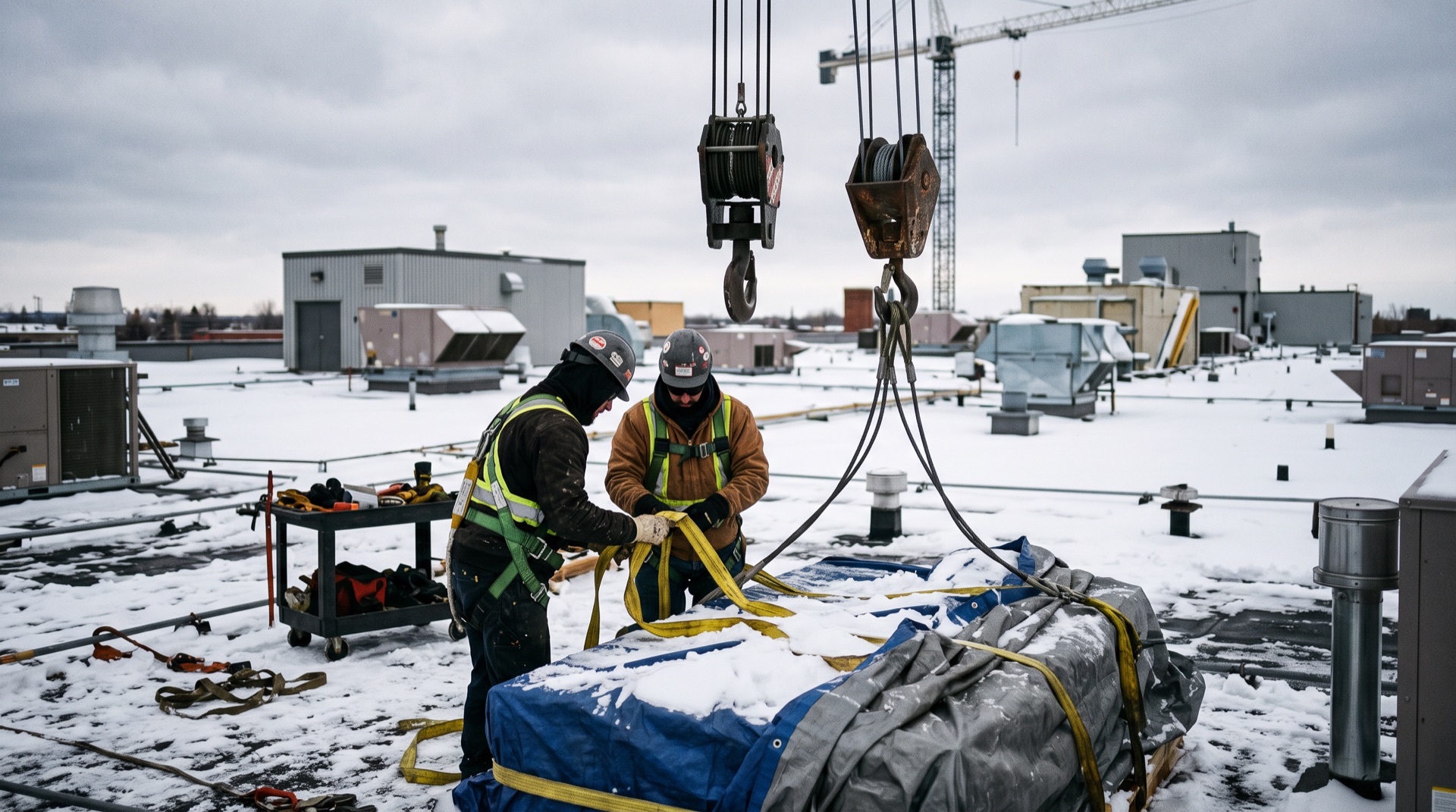
Nothing gets touched until the roof has been walked and photographed. The crew finds every dam, locates where water is getting in, shows you, and gives you the crew-hour rate and a time estimate before the equipment comes off the truck.
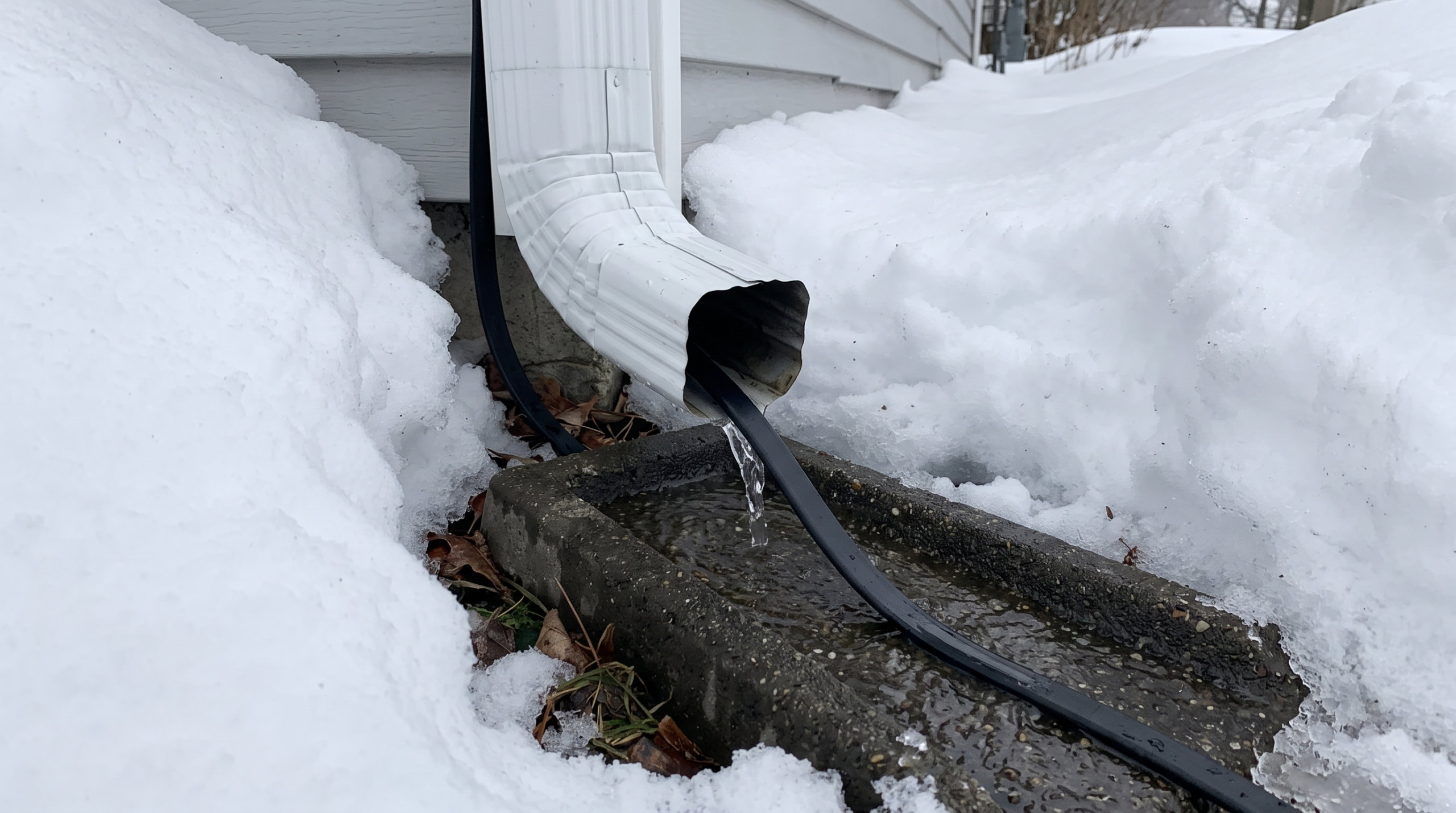
Removal then works from the worst point outward, so water starts draining early rather than at the end. Gutters and downspouts frozen solid get steamed through in the same visit — leaving them means the eave dams again within days.
Why salt and ice melt make it worse
Calcium chloride opens a narrow channel and leaves the dam standing. The channel refreezes, the dam does not go anywhere, and in the meantime the runoff corrodes gutter seams, fasteners, flashing and anything growing underneath.
It is a stopgap at best. On a roof in Cedar Rapids with an active leak it buys hours, not days, and it adds a corrosion problem to the water problem.
How long a removal actually takes
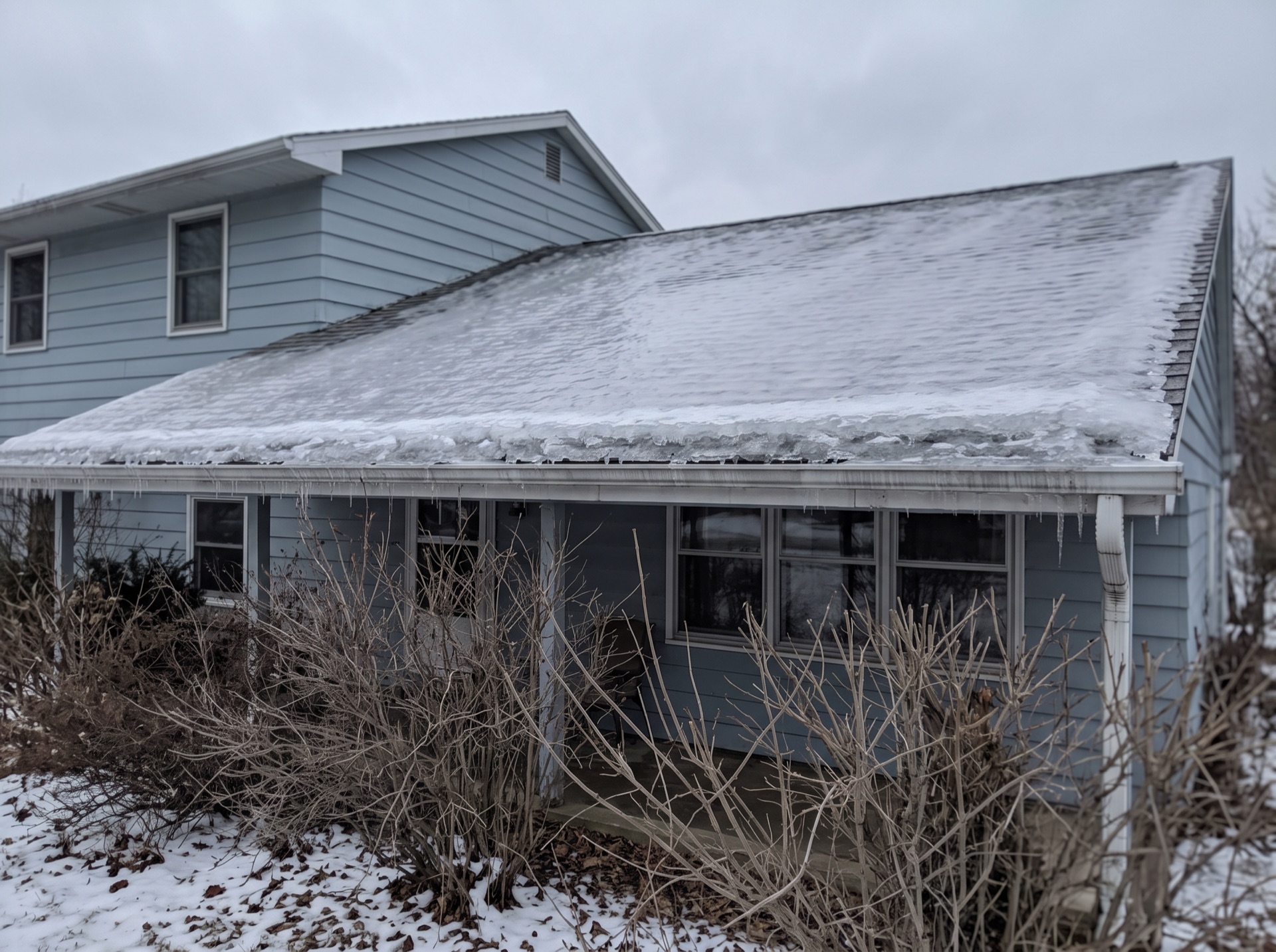
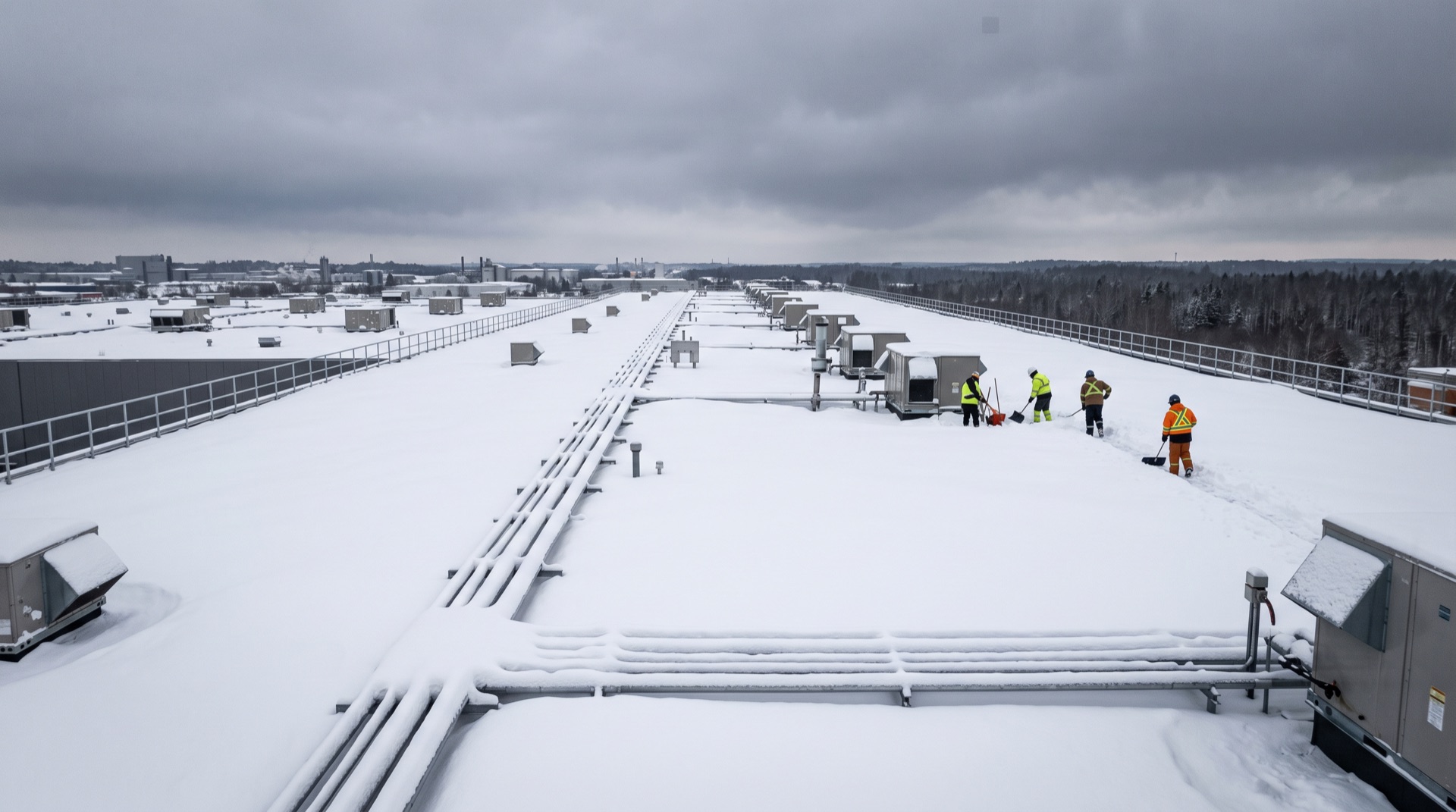
A single-story eave with a thin dam and clear gutters is often an hour or two. A two-story Cedar Rapids house with ice standing a foot deep across the front, frozen downspouts and a valley packed solid is most of a day for a two-man crew. The honest answer on the phone is a range and the reason for it, not a number designed to win the booking.
The estimate is revised out loud if the roof turns out worse than it looked from the ground, before the extra hours are worked rather than after they appear on the invoice.
Why the dam formed in the first place
Ice dams are a heat problem wearing a weather costume. Warm air escaping into the attic melts snow on the upper roof; that meltwater runs to the eave, which hangs past the heated envelope and stays below freezing; it refreezes there, and the ridge of ice grows a layer every cycle. Removal is the emergency fix. Before the crew leaves you will know which part of your attic is feeding it.
| Local ice-barrier practice | Eave membrane on new work, often absent |
|---|---|
| Coverage area | Cedar Rapids and Linn County |
| Typical scope | Steam, 4-8 crew hours typical |
| Pricing model | Billed by the crew hour, rate quoted before dispatch |
| Dispatch window | Same day to 24 hours |
| Documentation | Dated before and after photos, written scope in Xactimate line items |
| Service | Ice dam removal in Cedar Rapids, IA |
Where We Dispatch Around Cedar Rapids
Crews working Cedar Rapids cover the adjoining communities on the same route — Hiawatha, Robins, Ely, Fairfax and Palo — so a storm week usually means one truck handling several addresses in Linn County rather than separate trips.
Nearest hub towns with their own crew pages: Marion, Iowa City, Muscatine, Waterloo, Cedar Falls, Dubuque.
Crews cover Cedar Rapids and the surrounding Linn County towns through the whole season, and during a freeze event they run from first light until dark.
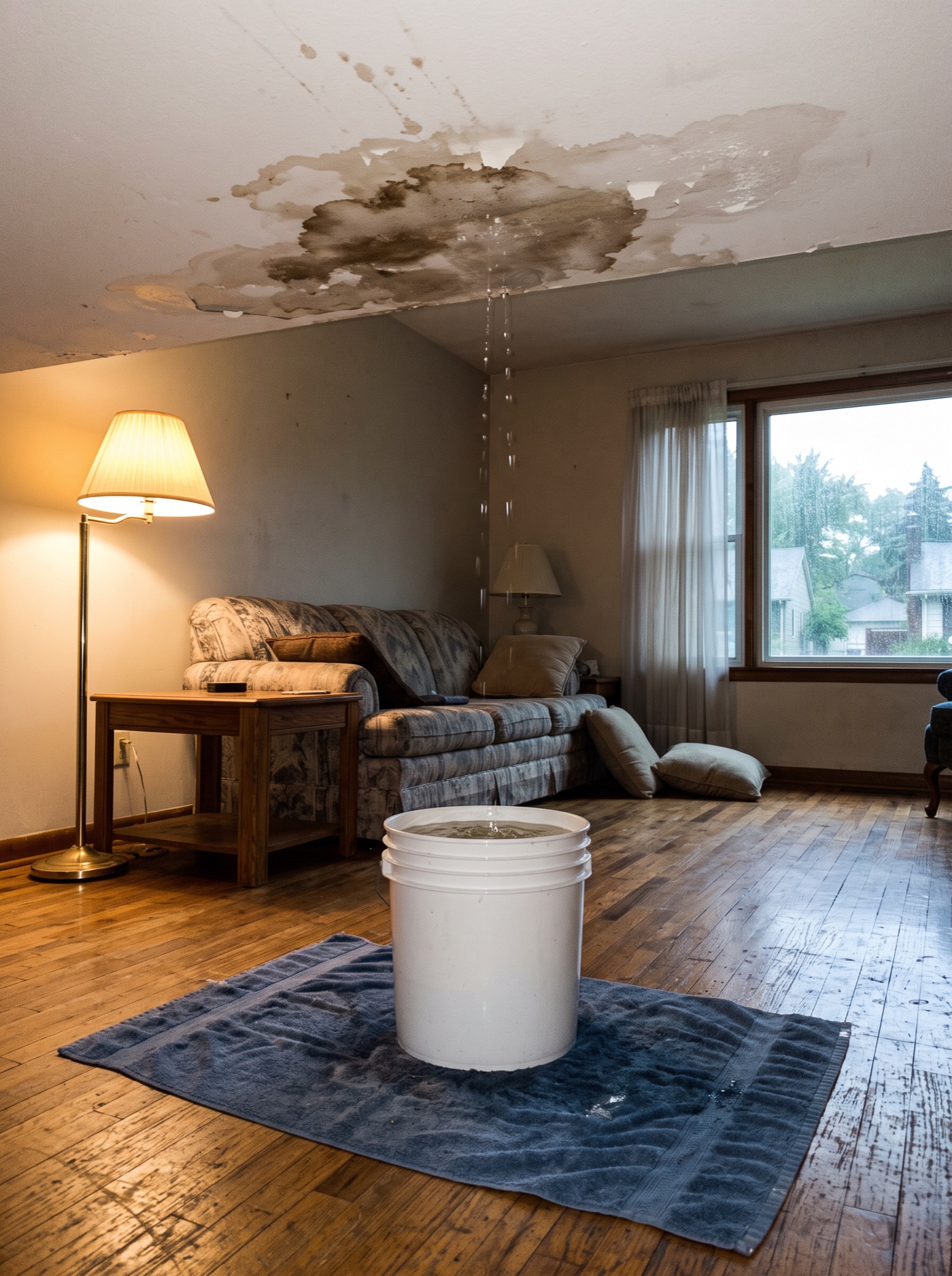
Water coming in right now in Cedar Rapids? Call (888) 561-9664. Active interior leaks go to the front of the schedule.