



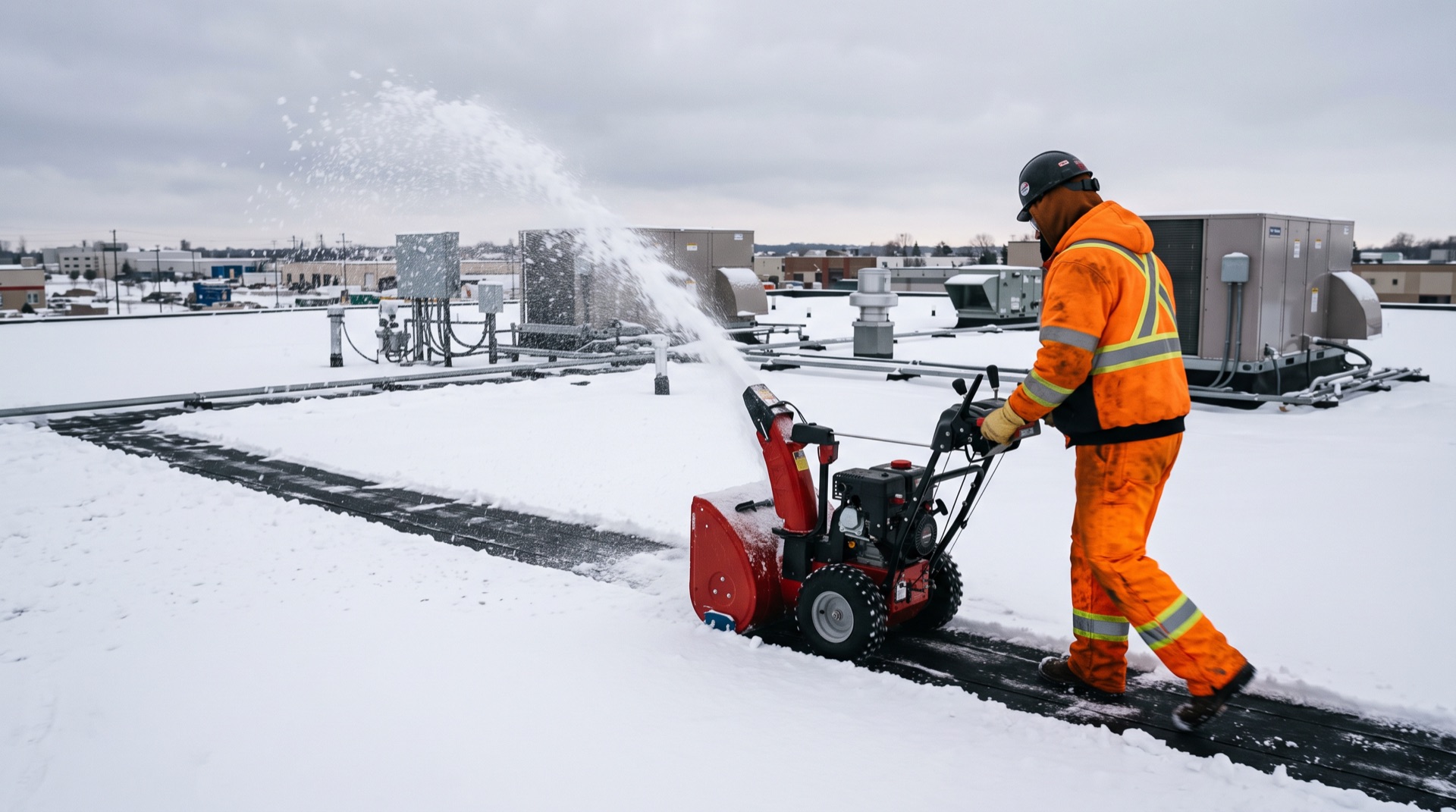
The Allen County Trap: Modest Snow, Constant Cycling
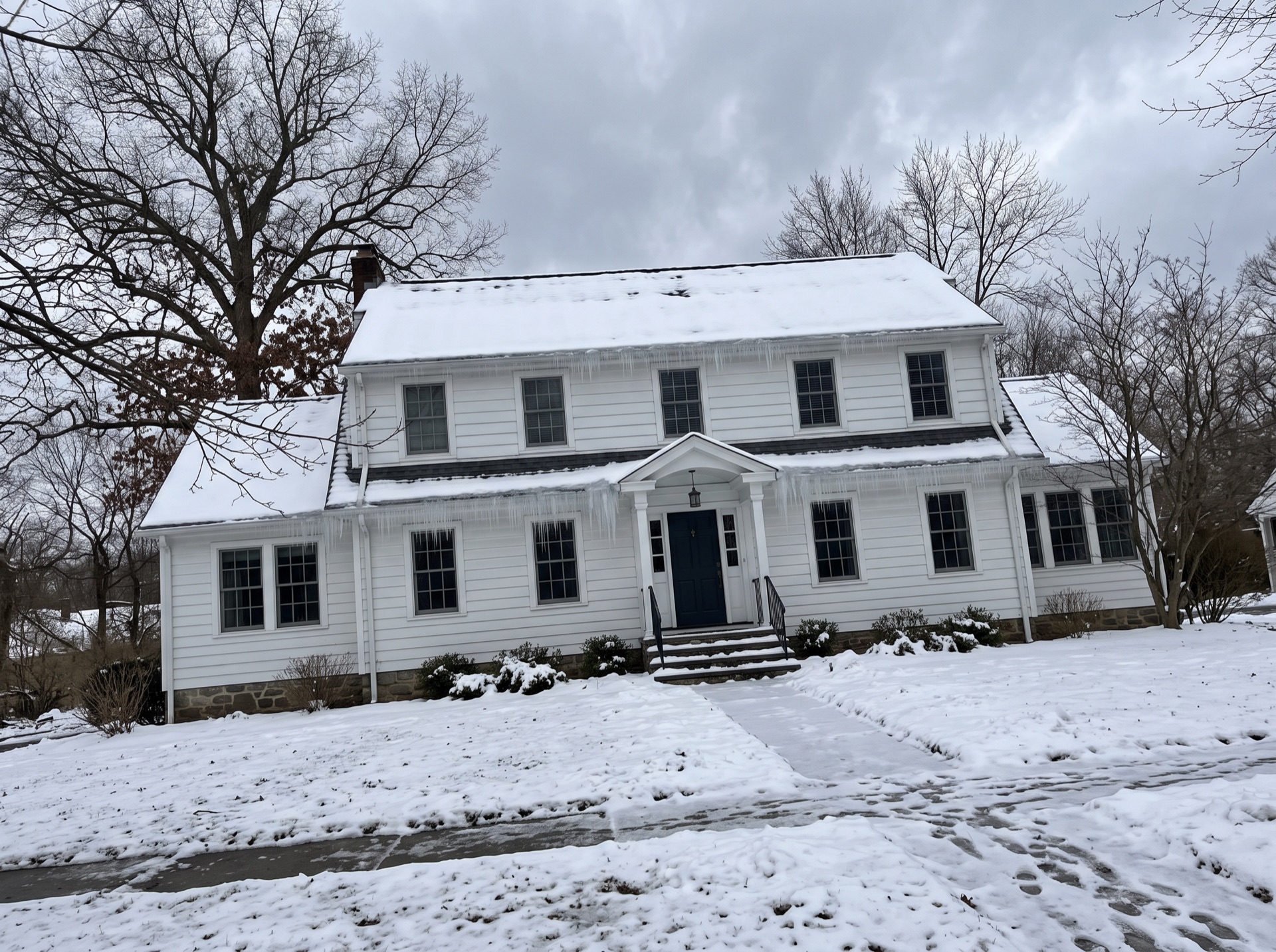
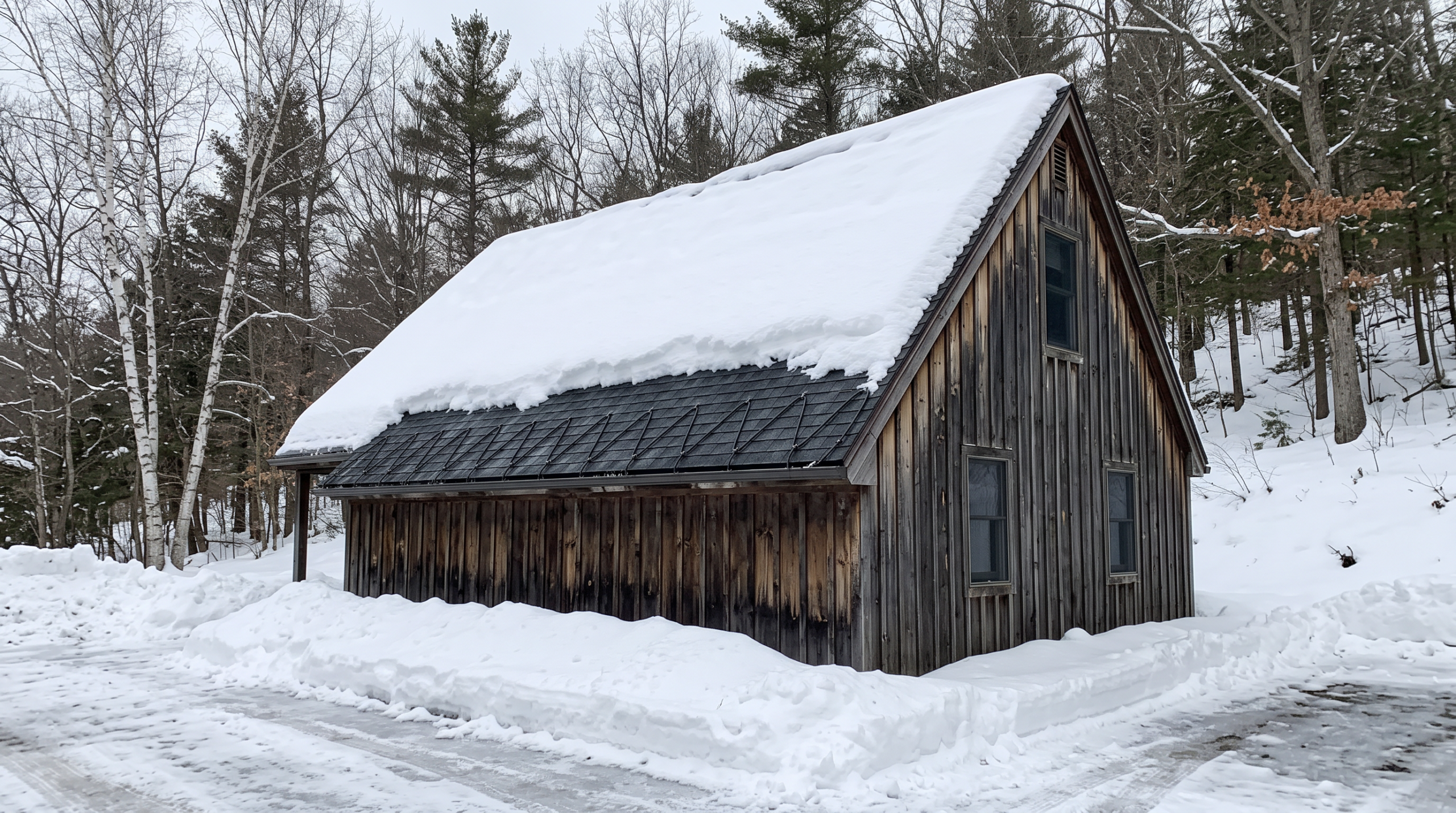
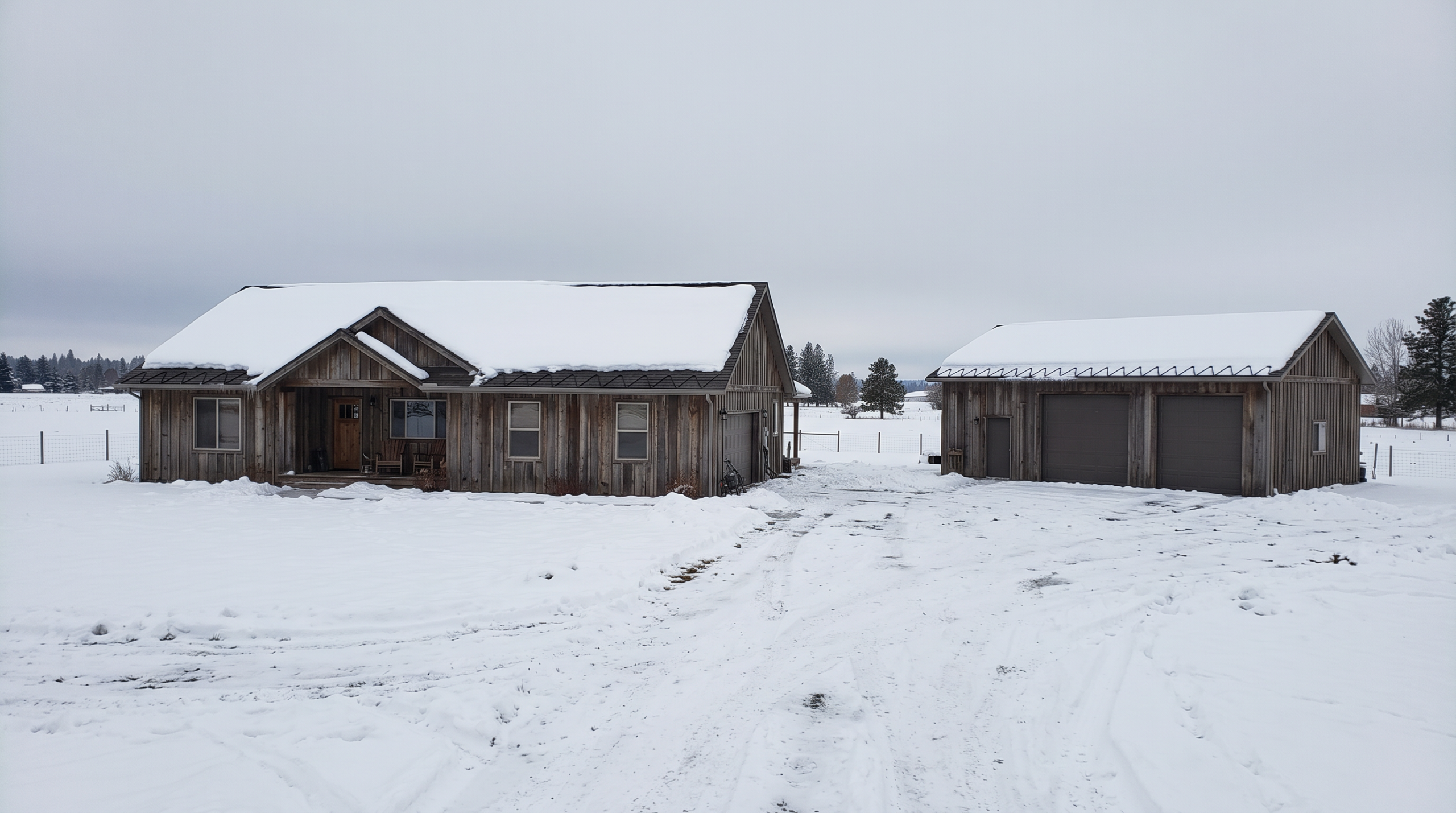
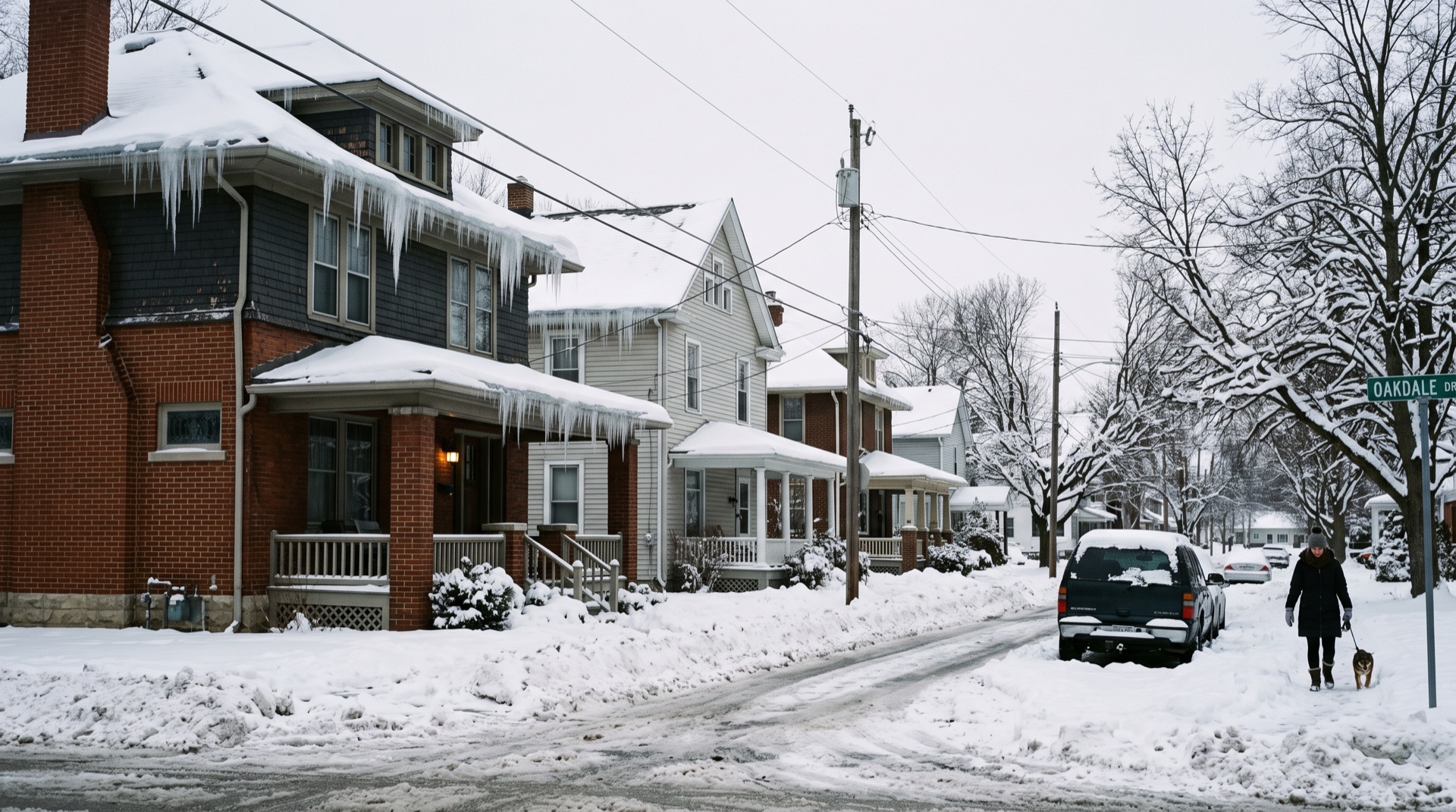
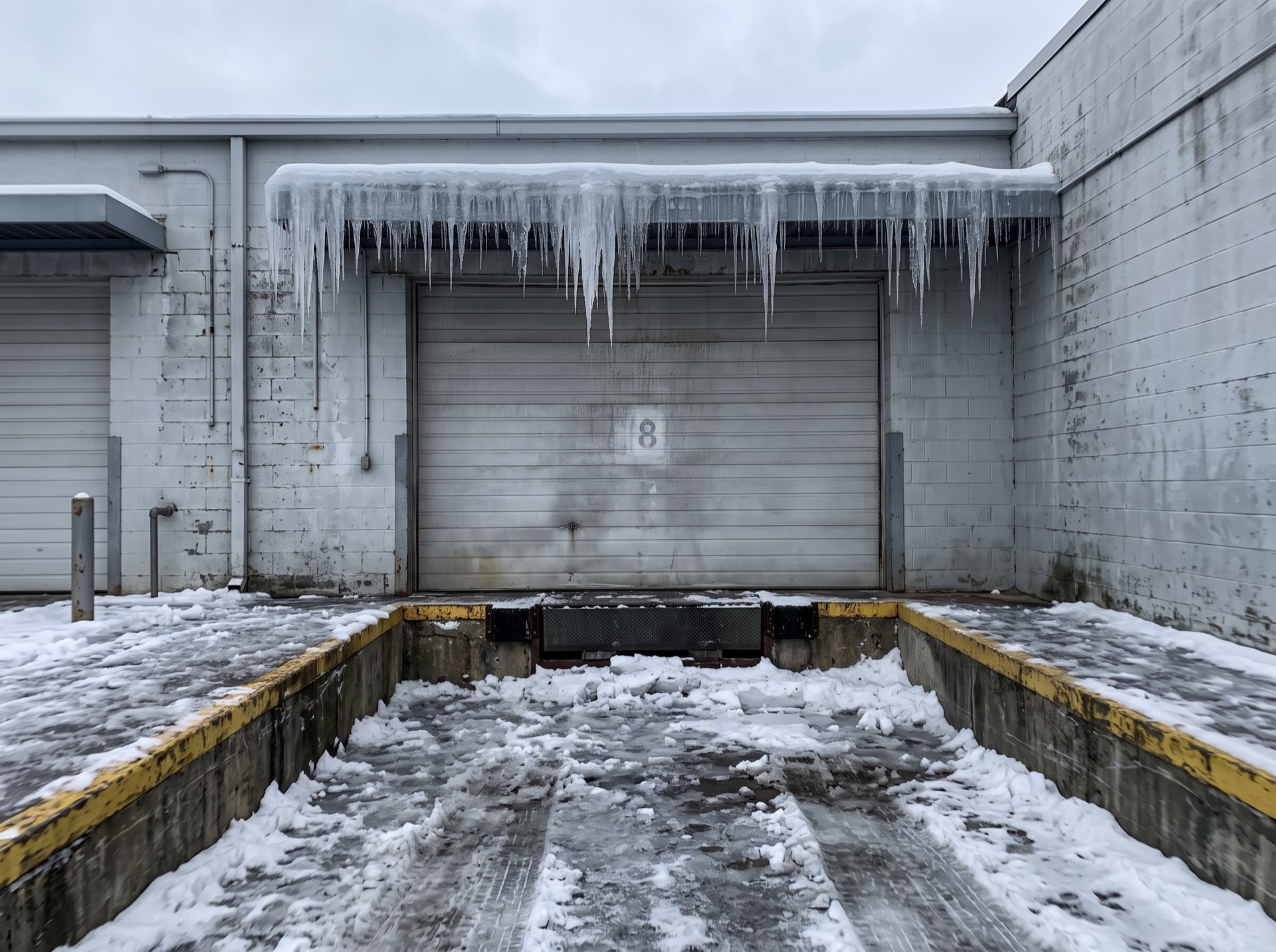
The snow totals here are unremarkable, which is exactly why Fort Wayne roofs get caught out. An ice dam needs meltwater and a cold eave, not a record storm.

The building stock has no margin for it. Because the winters here read as mild, attics tend to be under-insulated, eave details are less considered, and ice barrier is as often absent as present on a roof in Fort Wayne.
Ice-barrier practice in Allen County
The residential code Indiana follows requires eave ice barrier on new work, and Allen County enforces it. The variable on any given house is simply when it was last roofed.
What a Crew Does on a Fort Wayne Roof
Nothing gets touched until the roof has been walked and photographed. The crew finds every dam, locates where water is getting in, shows you, and gives you the crew-hour rate and a time estimate before the equipment comes off the truck.
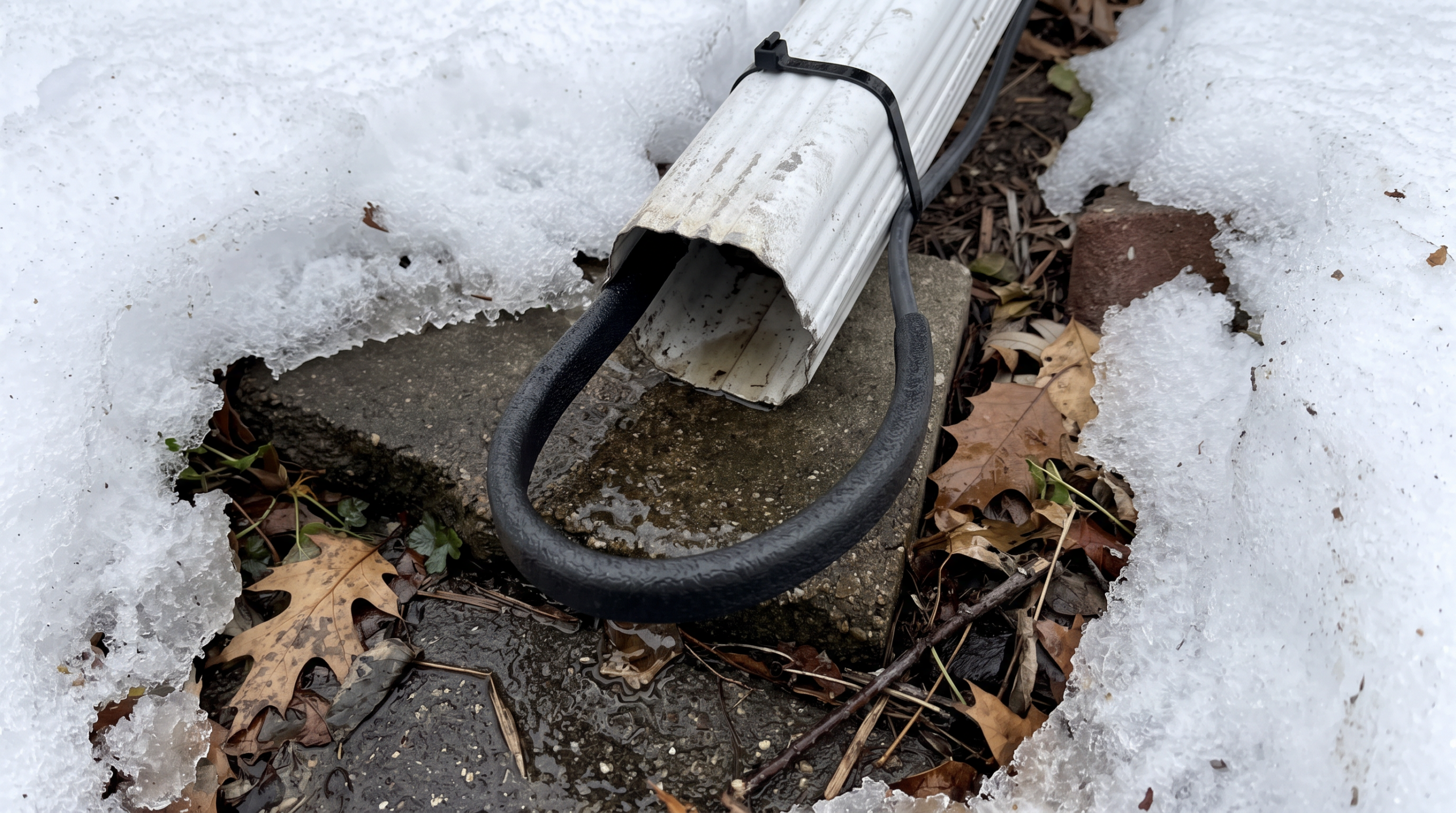
Removal then works from the worst point outward, so water starts draining early rather than at the end. Gutters and downspouts frozen solid get steamed through in the same visit — leaving them means the eave dams again within days.
What happens after the ice is off
Once the eave is clear and water is draining, the crew walks the interior with you where there is visible damage and says plainly whether it needs drying. Wet insulation and a damp ceiling cavity do not resolve themselves in a cold Fort Wayne February.
If it does, that is a separate scope and it gets written separately — nobody is upsold a dryout on the strength of one damp patch.
How long a removal actually takes
A single-story eave with a thin dam and clear gutters is often an hour or two. A two-story Fort Wayne house with ice standing a foot deep across the front, frozen downspouts and a valley packed solid is most of a day for a two-man crew. The honest answer on the phone is a range and the reason for it, not a number designed to win the booking.
The estimate is revised out loud if the roof turns out worse than it looked from the ground, before the extra hours are worked rather than after they appear on the invoice.
If water already got inside
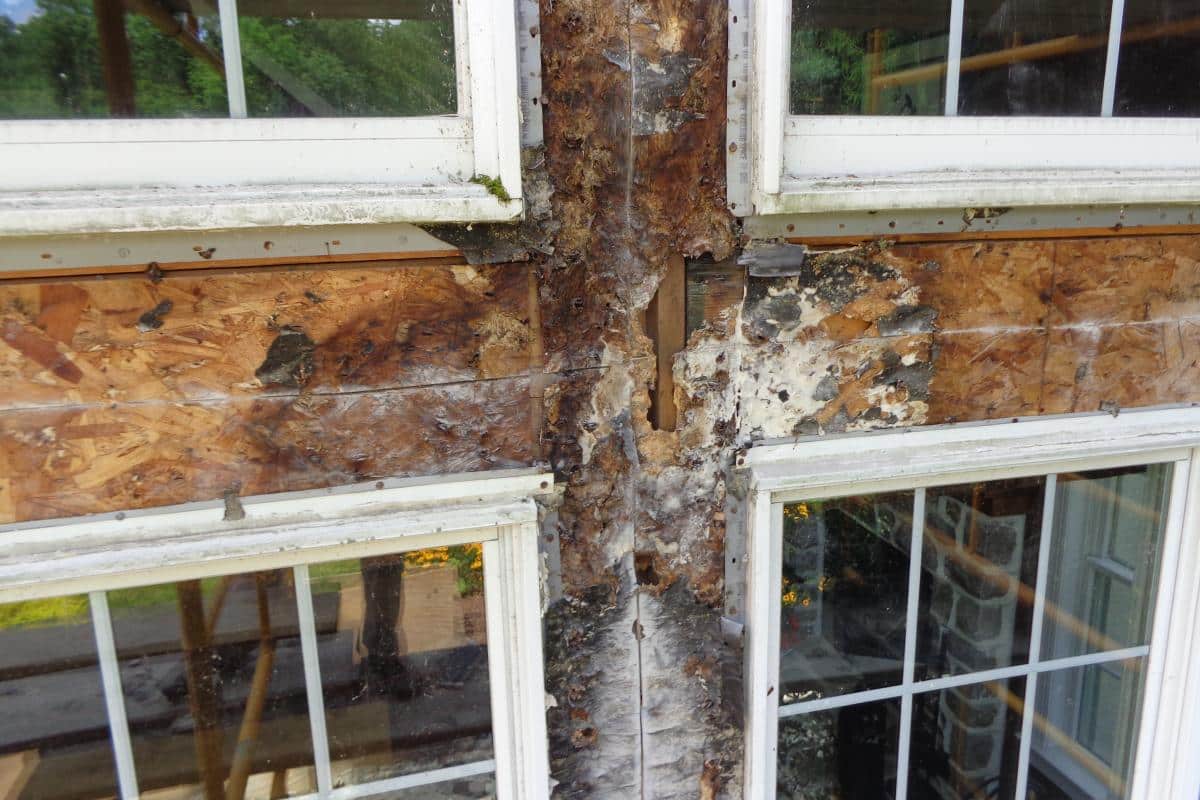
Taking the ice off stops new water. It does nothing about what is already in the insulation, the ceiling and the walls of a Fort Wayne home.
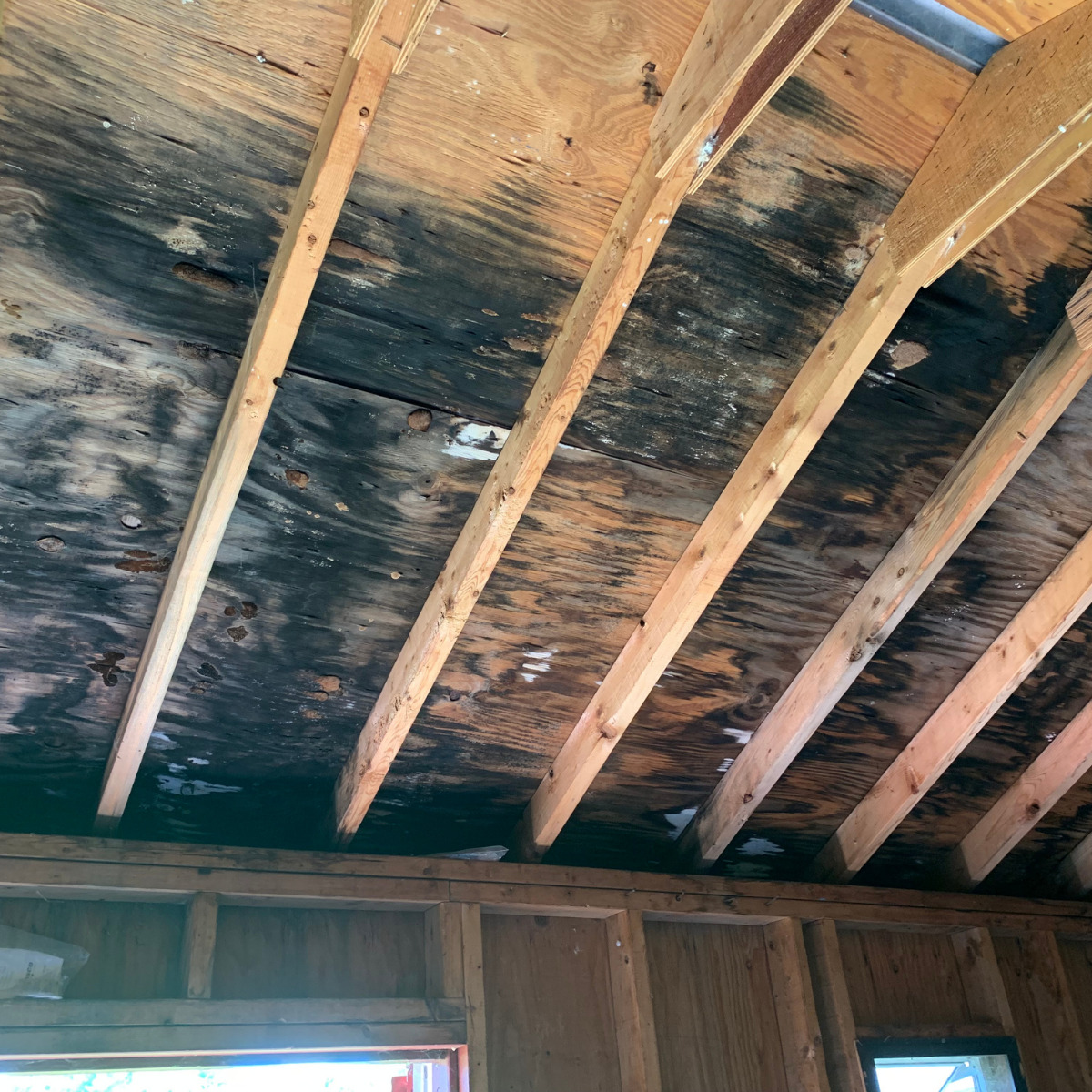
The same company handles the rest: water mitigation and dryout, mold remediation where the water has led to growth, the interior repair, and the roof where the dam damaged it, all documented on one insurance claim.
| Coverage area | Fort Wayne and Allen County |
|---|---|
| Local ice-barrier practice | Eave membrane on new work, often absent |
| Dispatch window | Same day to 24 hours |
| Removal method | Low-pressure steam only. No chipping, salt or pressure washing. |
| Typical scope | Steam, 4-8 crew hours typical |
| Documentation | Dated before and after photos, written scope in Xactimate line items |
| Service | Ice dam removal in Fort Wayne, IN |
Allen County Coverage From Fort Wayne
Crews working Fort Wayne cover the adjoining communities on the same route — New Haven, Arcola, Yoder, Hoagland and Huntertown — so a storm week usually means one truck handling several addresses in Allen County rather than separate trips.
Nearest hub towns with their own crew pages: Goshen, Elkhart, Muncie, Kokomo, Mishawaka, Granger.
During a cold snap Fort Wayne gets worked alongside the neighboring Allen County towns on the same route, with active interior leaks moved to the front of the list.
If water is already inside a property in Fort Wayne, call (888) 561-9664 rather than filling in a form — the phone is faster and leaks jump the line.