



Why Schaumburg Roofs Dam Up: Cycling, Not Snowfall Totals
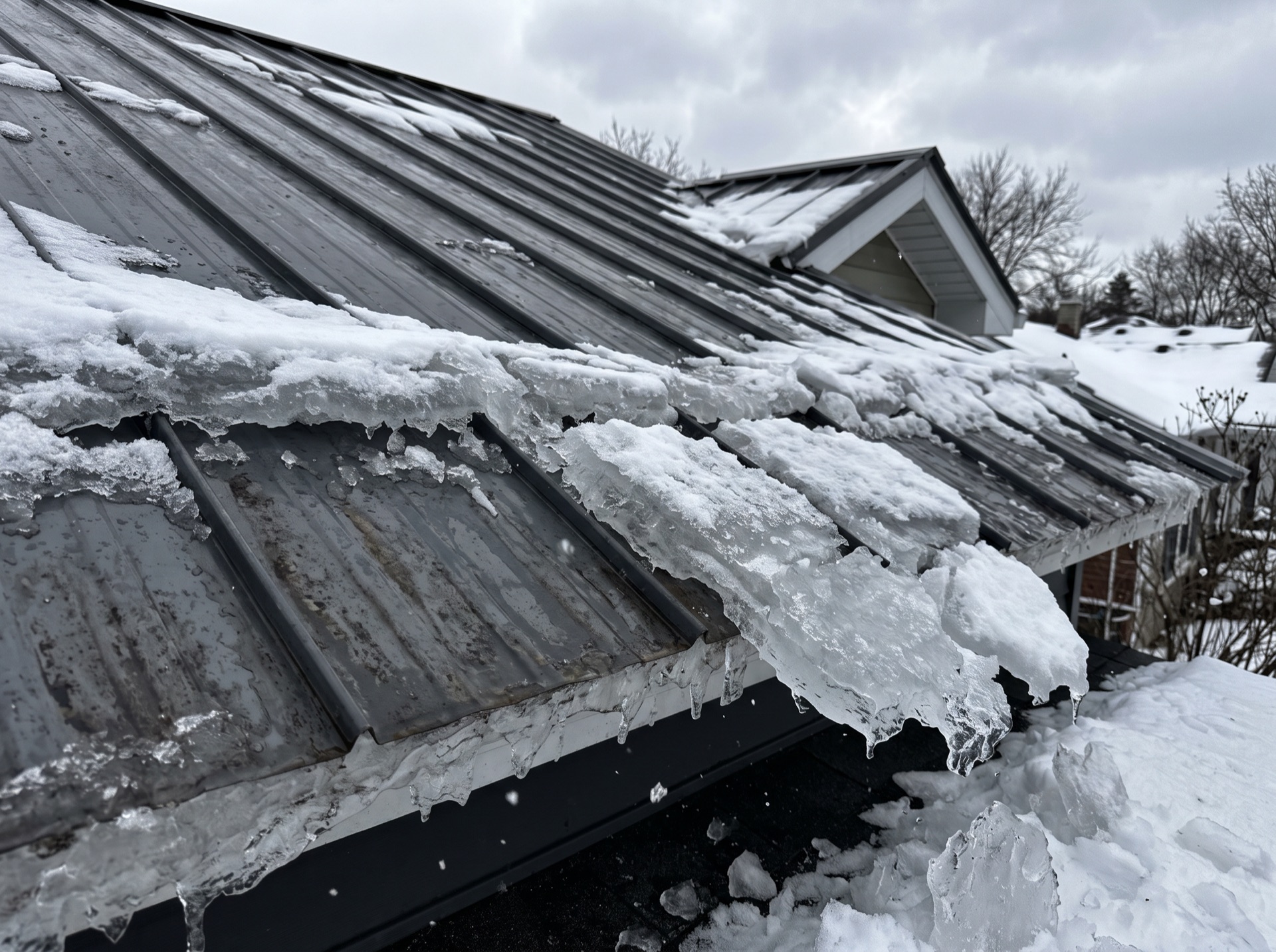
What catches people out in Cook County is that the snow looks harmless. Two or three inches reads as nothing, and it builds ice on an eave just as effectively as a northern storm given enough cycles.

That is the part homeowners miss. Total snowfall here is modest compared with the northern belt, so roofs in Cook County are often built and insulated as though ice is not a concern. Then a cycling week in January finds every weak eave at once.
Ice-barrier practice in Cook County
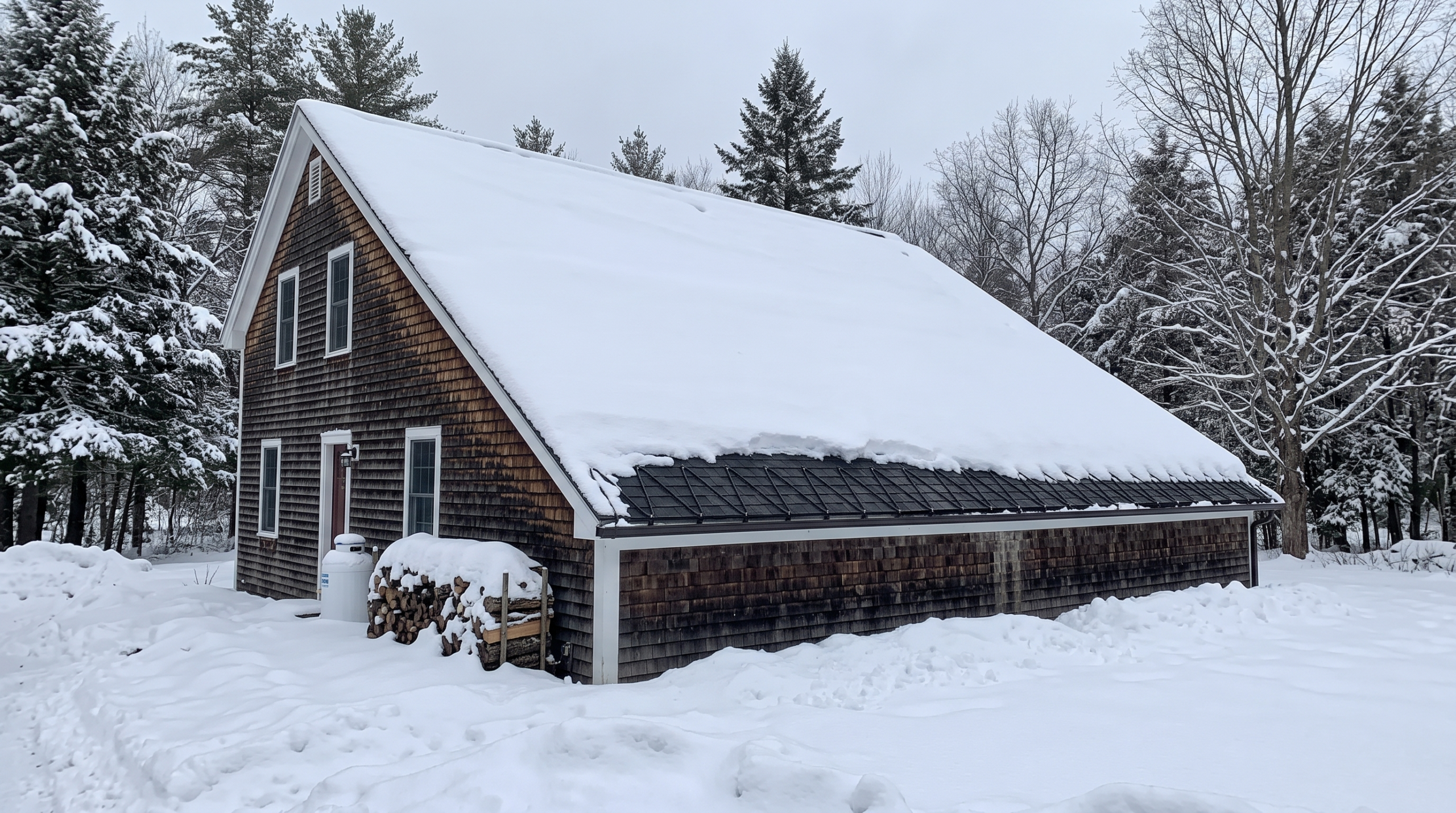
Ice-barrier membrane at the eaves is required on new work under the residential code Illinois follows, but on a roof built before that it is frequently absent — and this is the region where it is most often skipped.
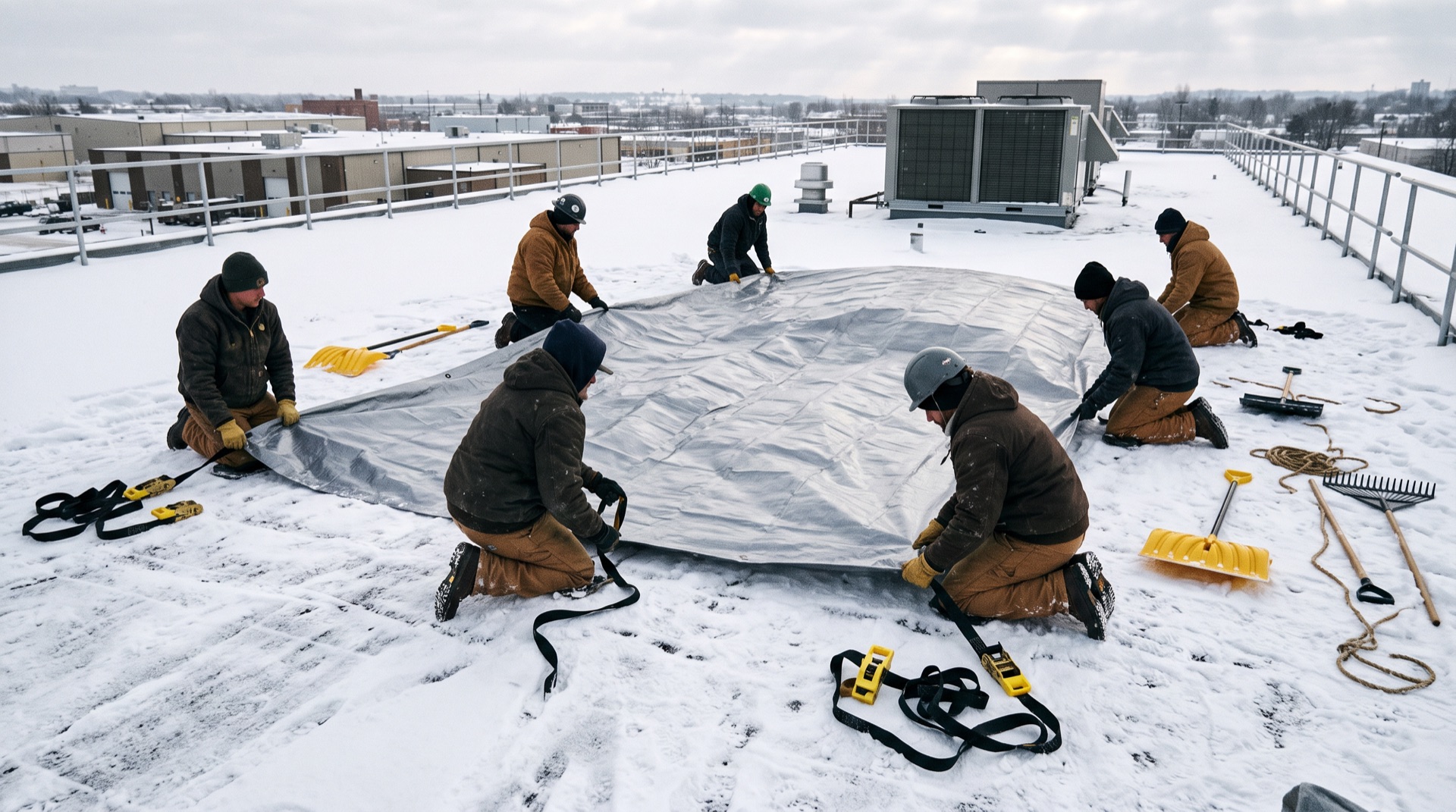
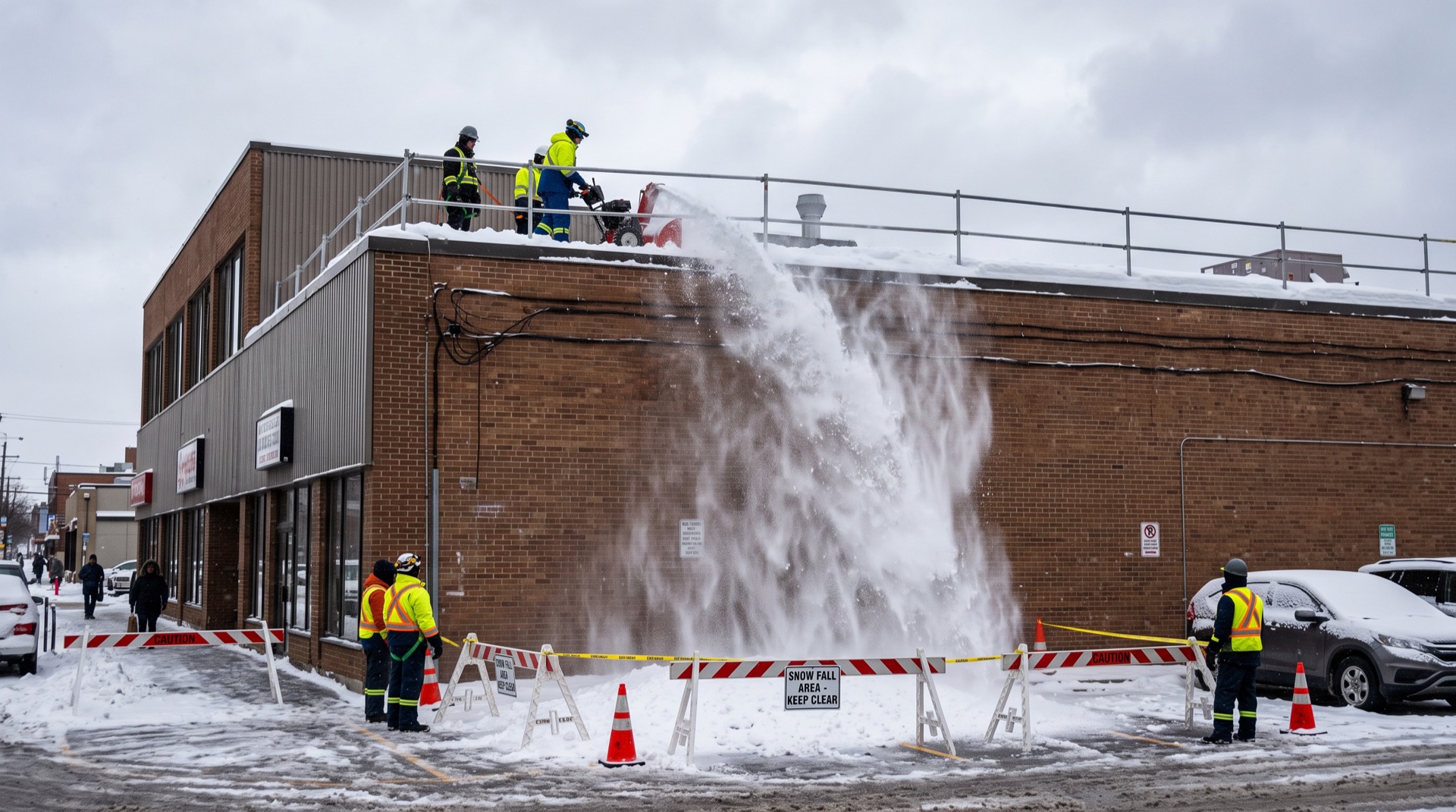
What a Crew Does on a Schaumburg Roof
The first pass is assessment: eaves, valleys, gutter line and any interior staining, all photographed with timestamps. You see what the crew sees, and the rate and likely hours are agreed before work begins.
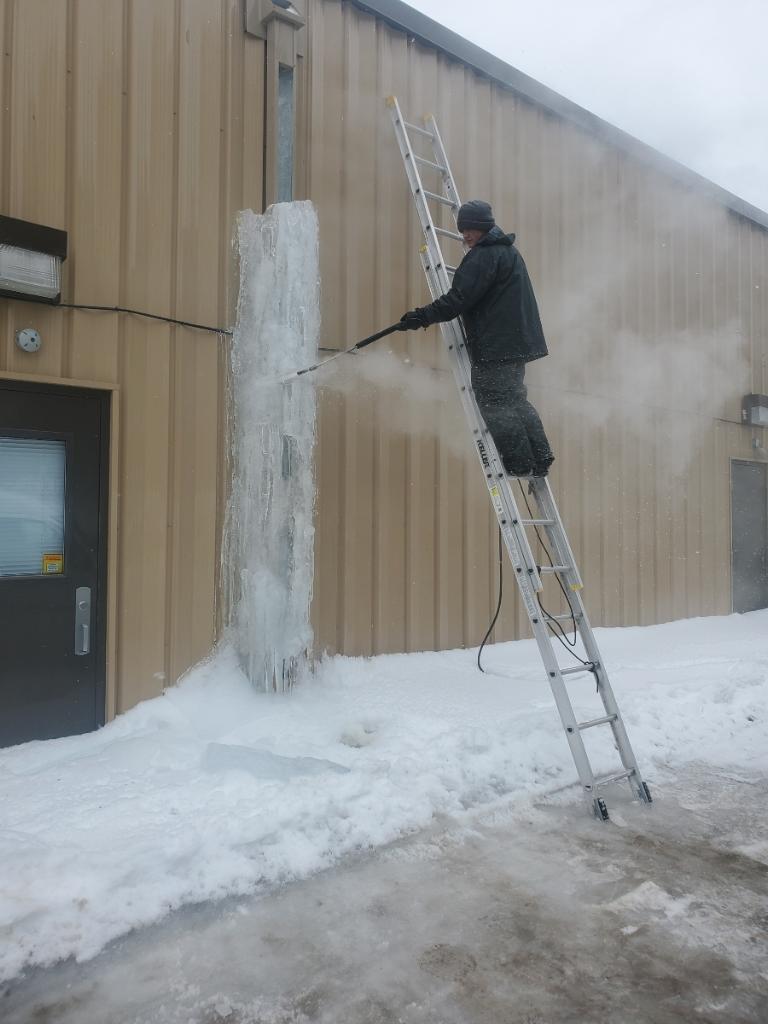
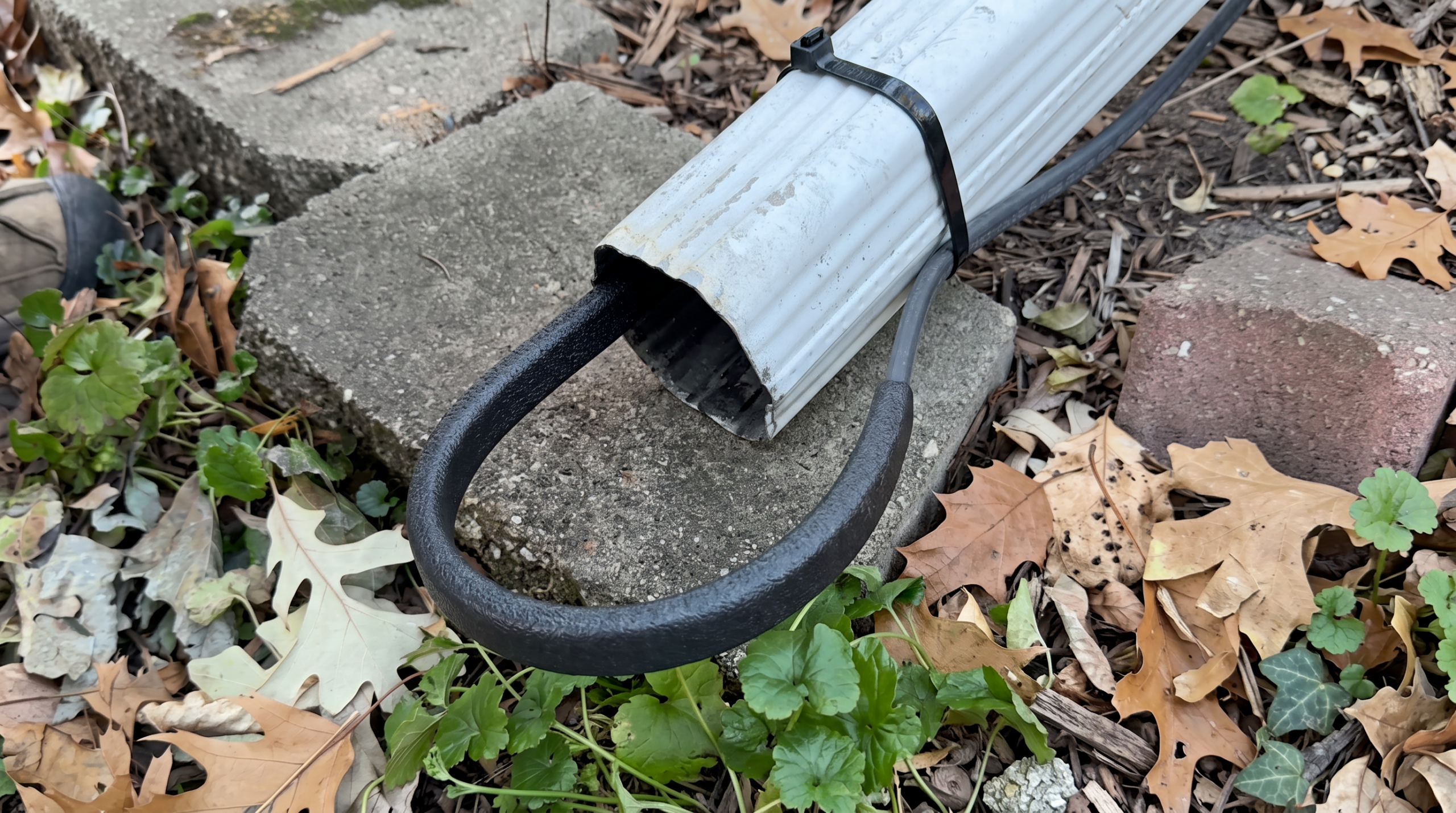
Steam then takes the dam off in sections, prioritizing wherever water is actively backing up behind it. The gutter trough and downspout are cleared through to daylight on the same visit, because a clear eave over a frozen gutter is a temporary fix.
What the dam has already done to the gutter and fascia
Ice expands as it forms, and a trough packed solid pushes the gutter away from the fascia a little more every cycle. By the time the dam is thick enough to leak, the hangers are often pulled, the back of the trough has lifted, and the fascia board behind it has been wet for weeks.
None of that is visible until the ice is off. It gets photographed when it appears, because a bent gutter found in February is a great deal easier to argue about with a carrier than one discovered in May.
What happens after the ice is off
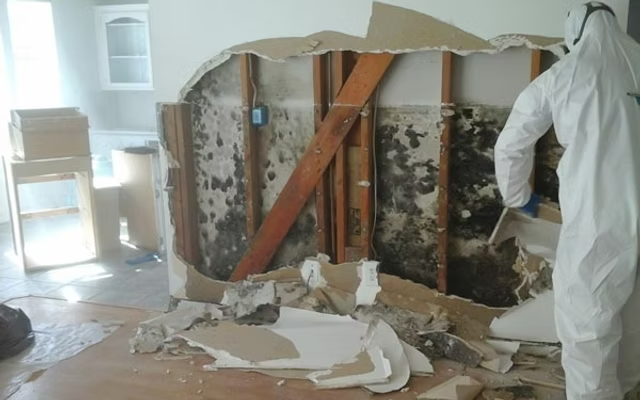
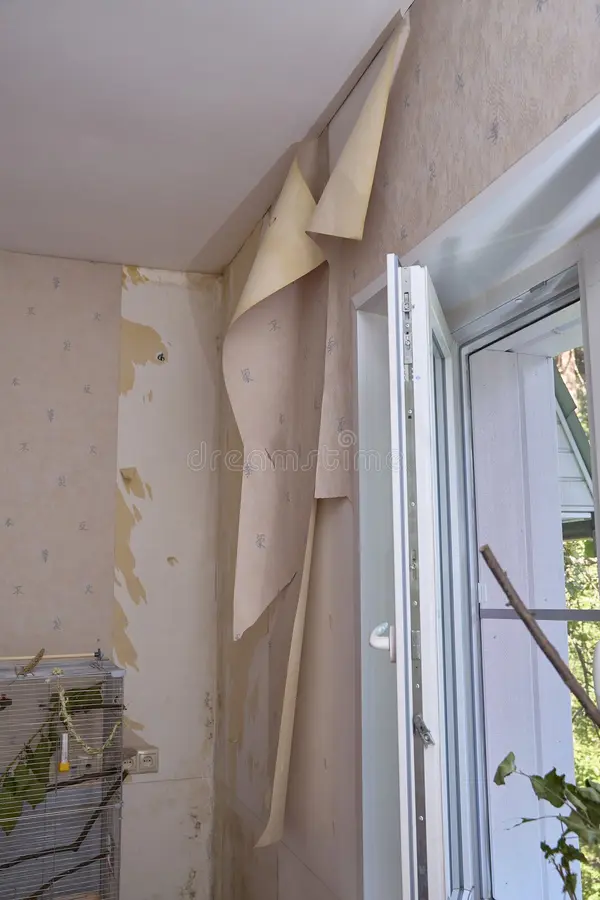
Once the eave is clear and water is draining, the crew walks the interior with you where there is visible damage and says plainly whether it needs drying. Wet insulation and a damp ceiling cavity do not resolve themselves in a cold Schaumburg February.
If it does, that is a separate scope and it gets written separately — nobody is upsold a dryout on the strength of one damp patch.
How long a removal actually takes
A single-story eave with a thin dam and clear gutters is often an hour or two. A two-story Schaumburg house with ice standing a foot deep across the front, frozen downspouts and a valley packed solid is most of a day for a two-man crew. The honest answer on the phone is a range and the reason for it, not a number designed to win the booking.
The estimate is revised out loud if the roof turns out worse than it looked from the ground, before the extra hours are worked rather than after they appear on the invoice.
| Coverage area | Schaumburg and Cook County |
|---|---|
| Typical scope | Steam, 4-8 crew hours typical |
| Removal method | Low-pressure steam only. No chipping, salt or pressure washing. |
| Local ice-barrier practice | Eave membrane on new work, often absent |
| Primary climate stressor | Repeated thaw-freeze cycling |
| Pricing model | Billed by the crew hour, rate quoted before dispatch |
| Documentation | Dated before and after photos, written scope in Xactimate line items |
Schaumburg Coverage and the Adjoining Communities
Crews working Schaumburg cover the adjoining communities on the same route — Roselle, Rolling Meadows, Medinah, Itasca and Bloomingdale — so a storm week usually means one truck handling several addresses in Cook County rather than separate trips.
Nearest hub towns with their own crew pages: Hoffman Estates, Elk Grove Village, Streamwood, Bartlett, Palatine, Arlington Heights.
Scheduling for Schaumburg tightens up during a freeze event, which is exactly when the phone beats the form. Water coming in means a call, not an email.
If water is already inside a property in Schaumburg, call (888) 561-9664 rather than filling in a form — the phone is faster and leaks jump the line.