



Why Arlington Heights Roofs Dam Up: Cycling, Not Snowfall Totals
The snow totals here are unremarkable, which is exactly why Arlington Heights roofs get caught out. An ice dam needs meltwater and a cold eave, not a record storm.

The expectation is the problem. Nobody in Arlington Heights re-roofs with ice dams in mind, so when a cycling stretch arrives the houses with the least margin all leak in the same week.
Ice-barrier practice in Cook County
Because ice is not the first thing a homeowner in Arlington Heights thinks about, the eave membrane is the detail most often value-engineered out of a re-roof quote. It is worth asking for by name.
What a Crew Does on an Arlington Heights Roof
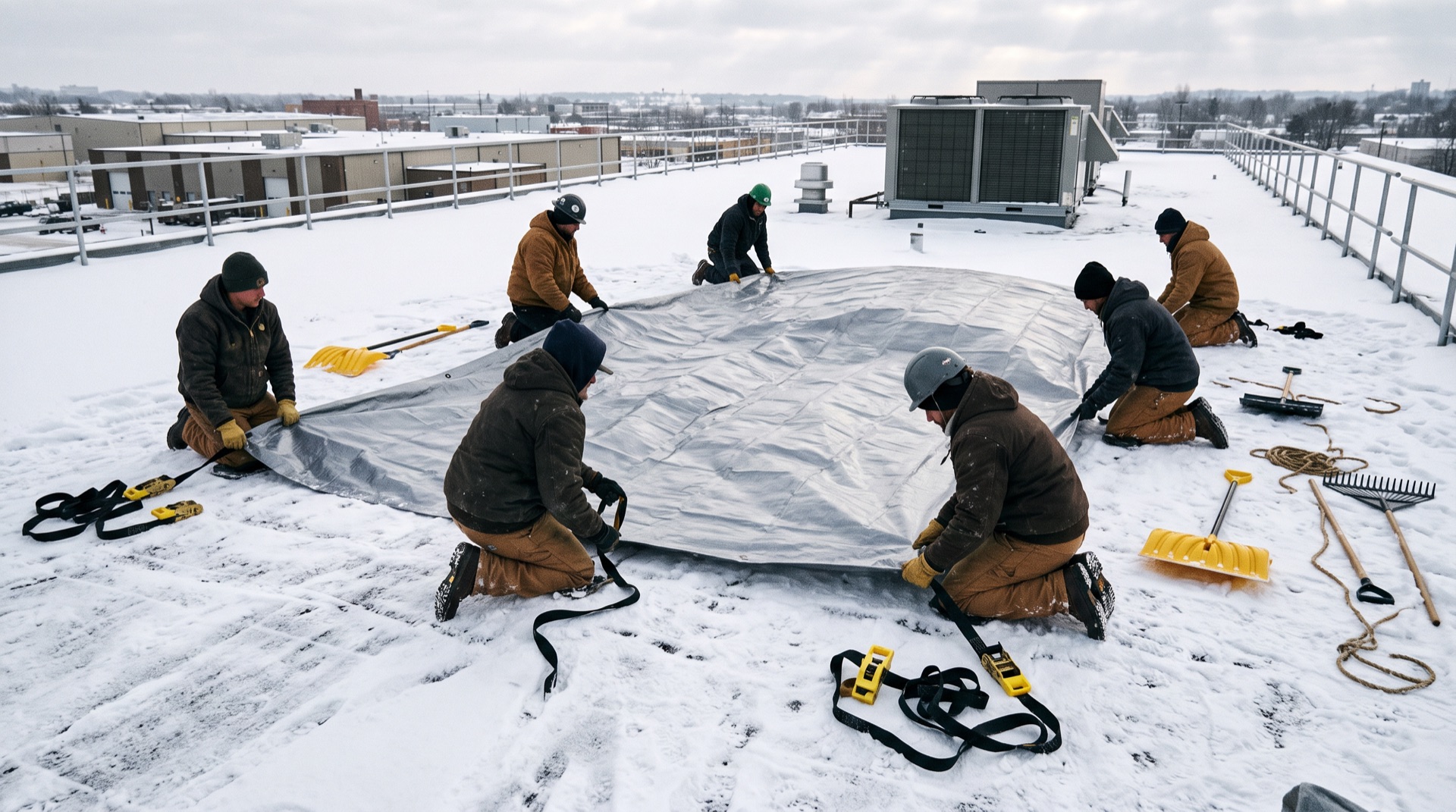
Nothing gets touched until the roof has been walked and photographed. The crew finds every dam, locates where water is getting in, shows you, and gives you the crew-hour rate and a time estimate before the equipment comes off the truck.
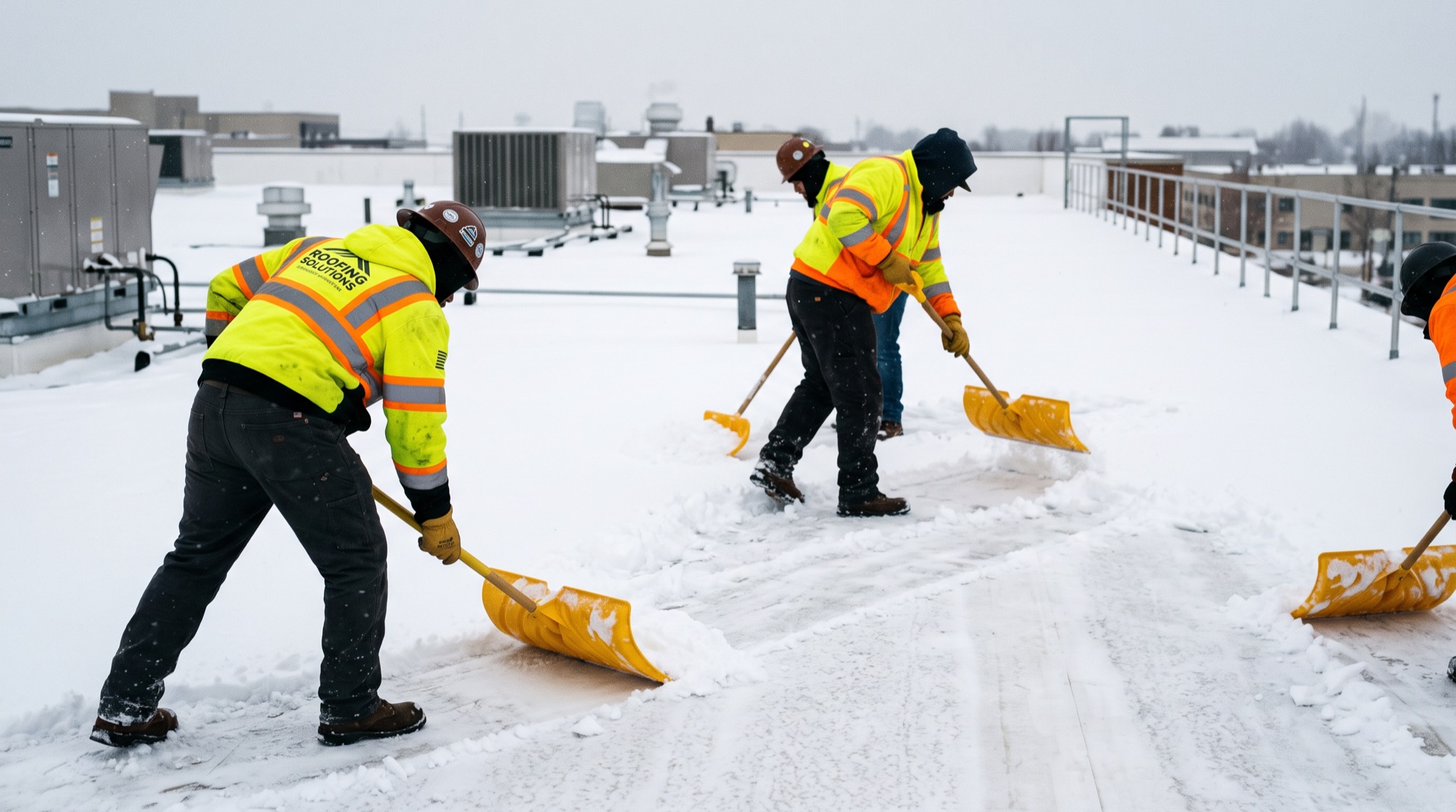
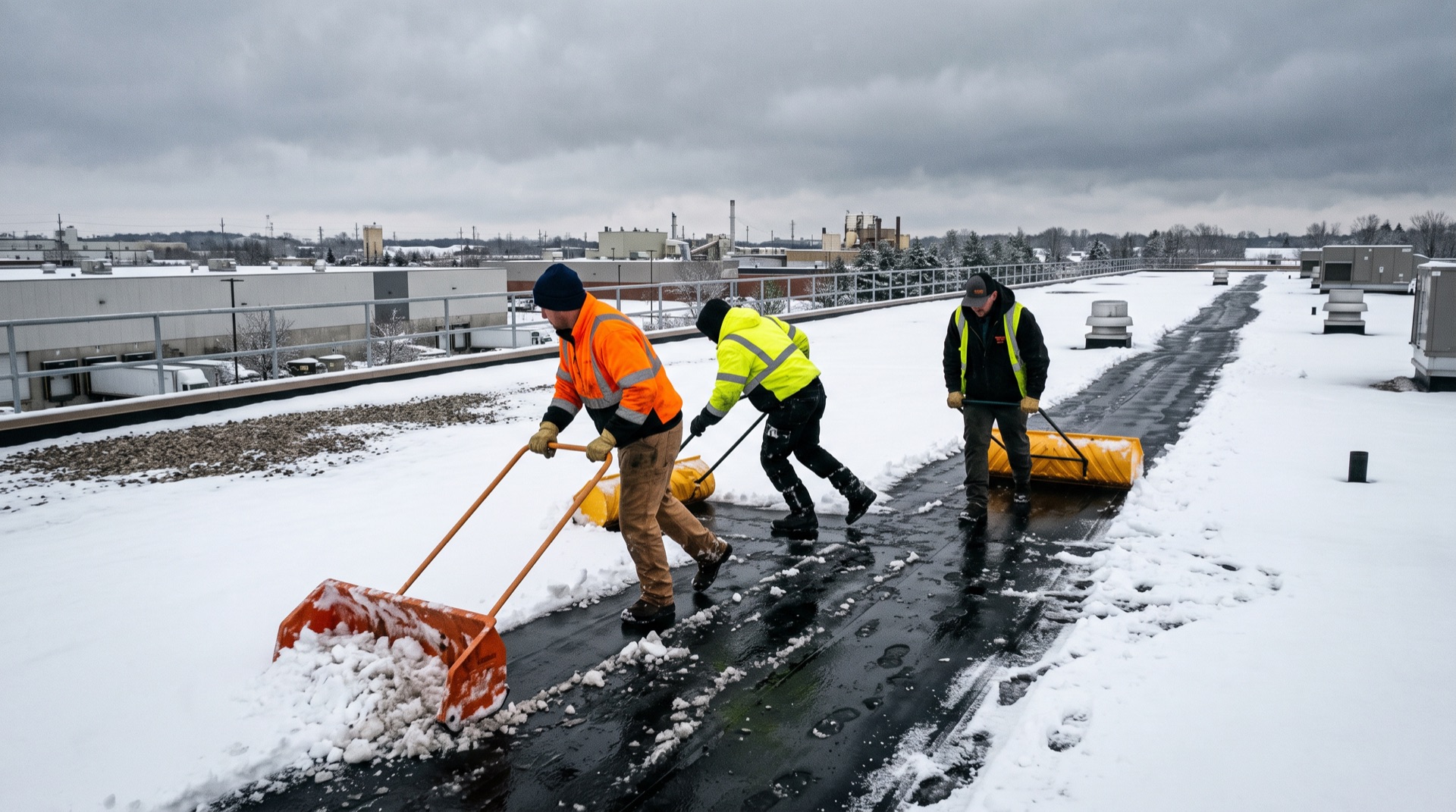
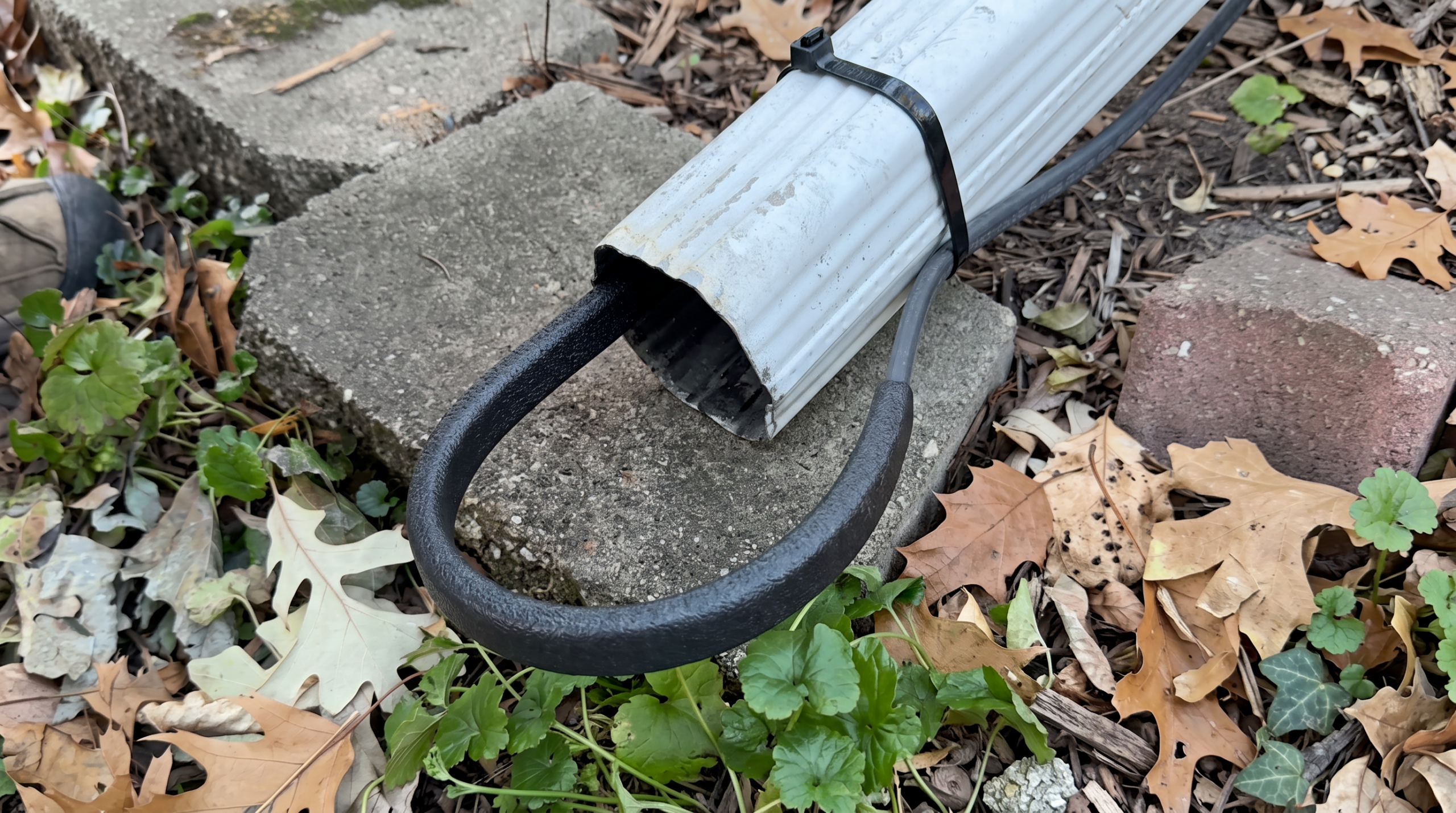
Removal then works from the worst point outward, so water starts draining early rather than at the end. Gutters and downspouts frozen solid get steamed through in the same visit — leaving them means the eave dams again within days.
How long a removal actually takes
A single-story eave with a thin dam and clear gutters is often an hour or two. A two-story Arlington Heights house with ice standing a foot deep across the front, frozen downspouts and a valley packed solid is most of a day for a two-man crew. The honest answer on the phone is a range and the reason for it, not a number designed to win the booking.
The estimate is revised out loud if the roof turns out worse than it looked from the ground, before the extra hours are worked rather than after they appear on the invoice.
Dormers, valleys and dead spots
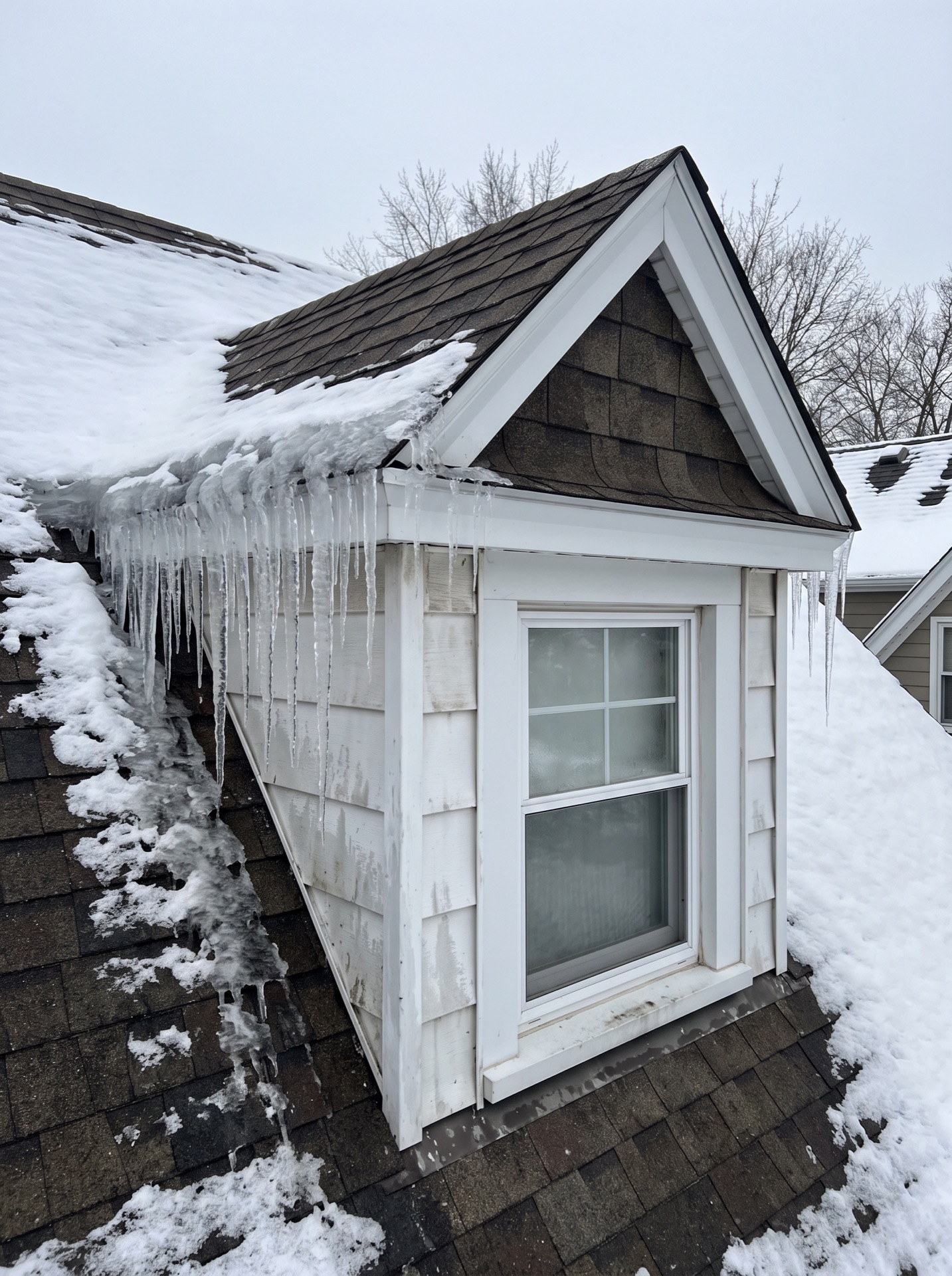
Ice does not distribute evenly. It concentrates where two roof planes meet, behind dormers, in dead valleys that drain nowhere, and along the north face that never sees sun. Those pockets hold water deepest and leak first.
A crew working a roof in Arlington Heights clears the full eave line and then goes back through the valleys and dormer pockets specifically, because clearing the easy straight run and calling it done is how a roof leaks again a week later.
What the dam has already done to the gutter and fascia
Ice expands as it forms, and a trough packed solid pushes the gutter away from the fascia a little more every cycle. By the time the dam is thick enough to leak, the hangers are often pulled, the back of the trough has lifted, and the fascia board behind it has been wet for weeks.
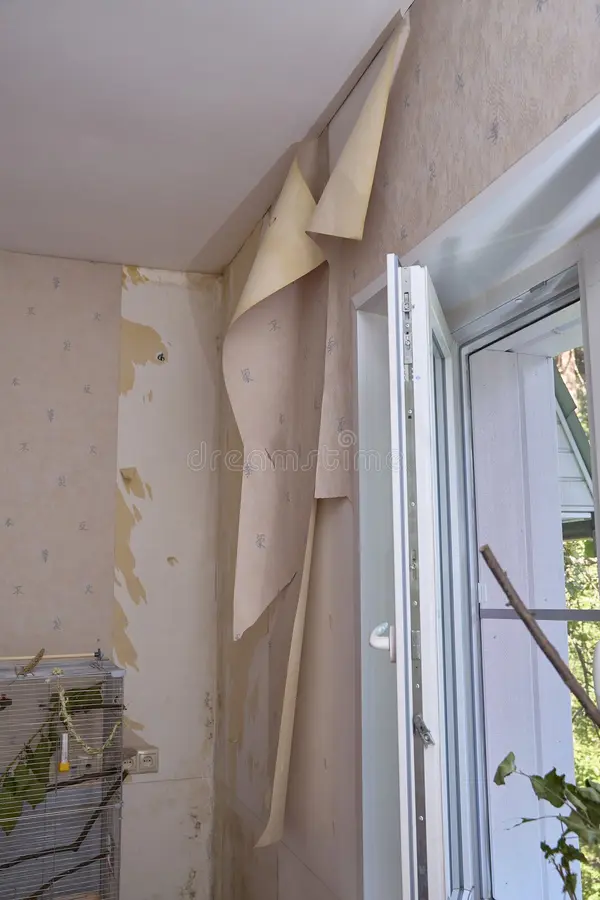
None of that is visible until the ice is off. It gets photographed when it appears, because a bent gutter found in February is a great deal easier to argue about with a carrier than one discovered in May.
| Pricing model | Billed by the crew hour, rate quoted before dispatch |
|---|---|
| Service | Ice dam removal in Arlington Heights, IL |
| Dispatch window | Same day to 24 hours |
| Local ice-barrier practice | Eave membrane on new work, often absent |
| Primary climate stressor | Repeated thaw-freeze cycling |
| Removal method | Low-pressure steam only. No chipping, salt or pressure washing. |
| Typical scope | Steam, 4-8 crew hours typical |
Arlington Heights Coverage and the Adjoining Communities
Crews working Arlington Heights cover the adjoining communities on the same route — Prospect Heights, Rolling Meadows, Long Grove, Lincolnshire and Vernon Hills — so a storm week usually means one truck handling several addresses in Cook County rather than separate trips.
Nearest hub towns with their own crew pages: Wheeling, Buffalo Grove, Mount Prospect, Palatine, Des Plaines, Northbrook.
When a storm hits Cook County, crews are dispatched by severity rather than by call order — water already inside the house goes first.
If water is already inside a property in Arlington Heights, call (888) 561-9664 rather than filling in a form — the phone is faster and leaks jump the line.