




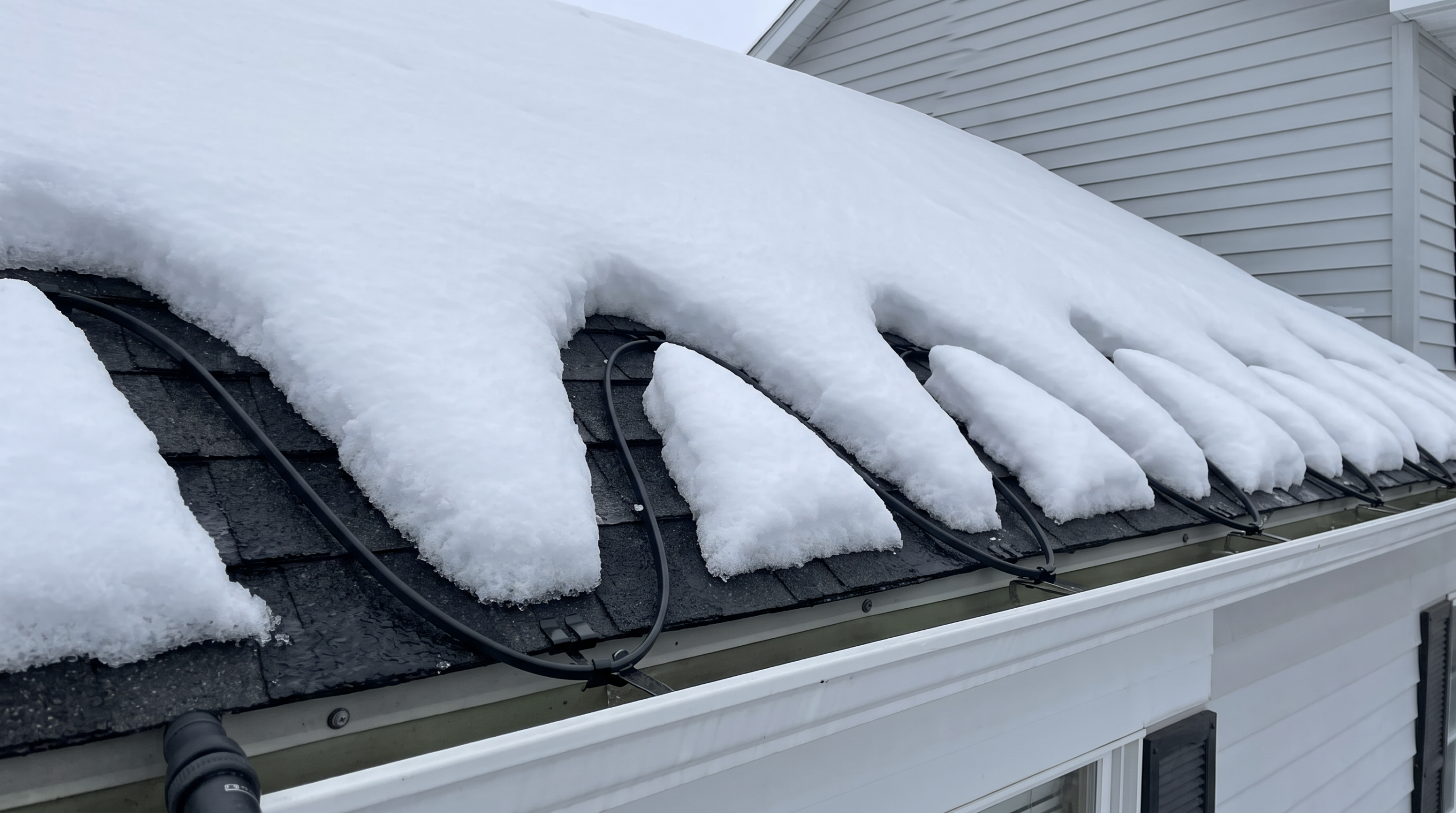
Why Aurora Roofs Dam Up: Altitude Sun on a Deep Pack
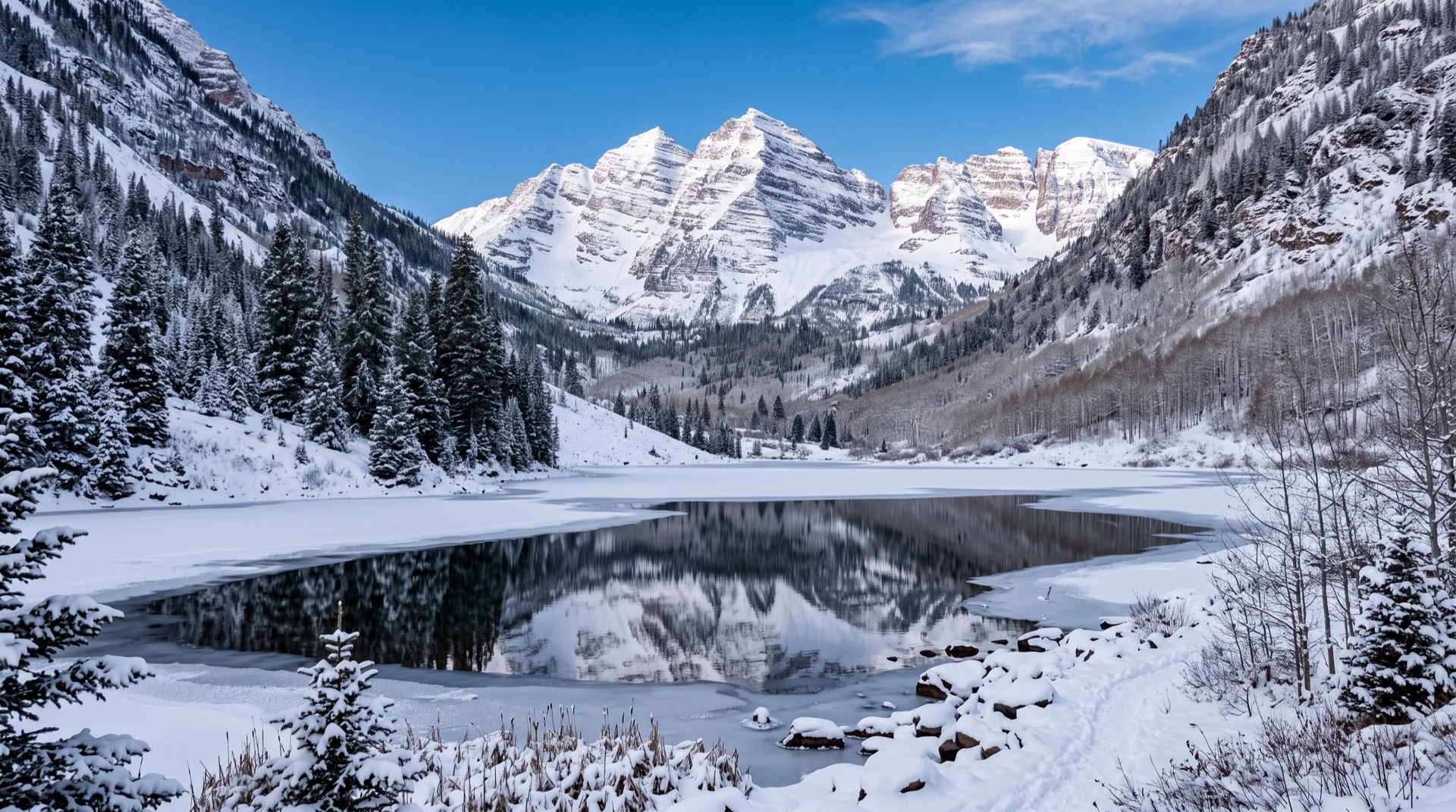
Thin air at altitude means intense direct sun even in deep cold. A Aurora roof can be melting on its south face at midday in air that never gets near freezing, and all of that water has to go somewhere.

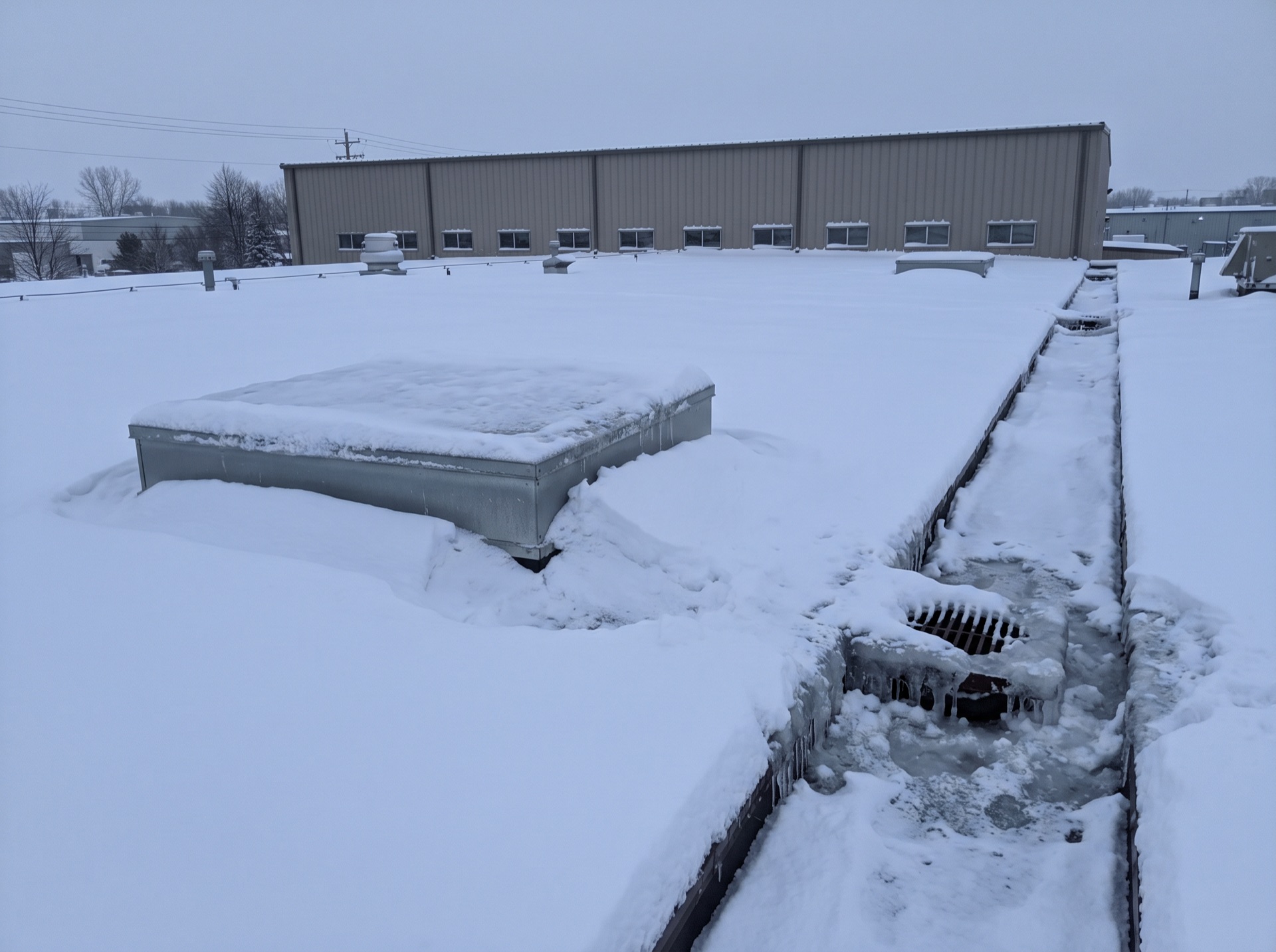
Volume is the other factor. A Adams County roof carrying several feet of pack has an enormous reservoir above an overhang that never sees direct sun, and the supply does not run out until spring.
Ice-barrier practice in Adams County
Design snow loads up here are among the highest in the country, and the membrane and retention details that come with them are not paperwork. On an older Aurora cabin neither is likely to be present.
The Aurora Dispatch Process, Step by Step
The first pass is assessment: eaves, valleys, gutter line and any interior staining, all photographed with timestamps. You see what the crew sees, and the rate and likely hours are agreed before work begins.
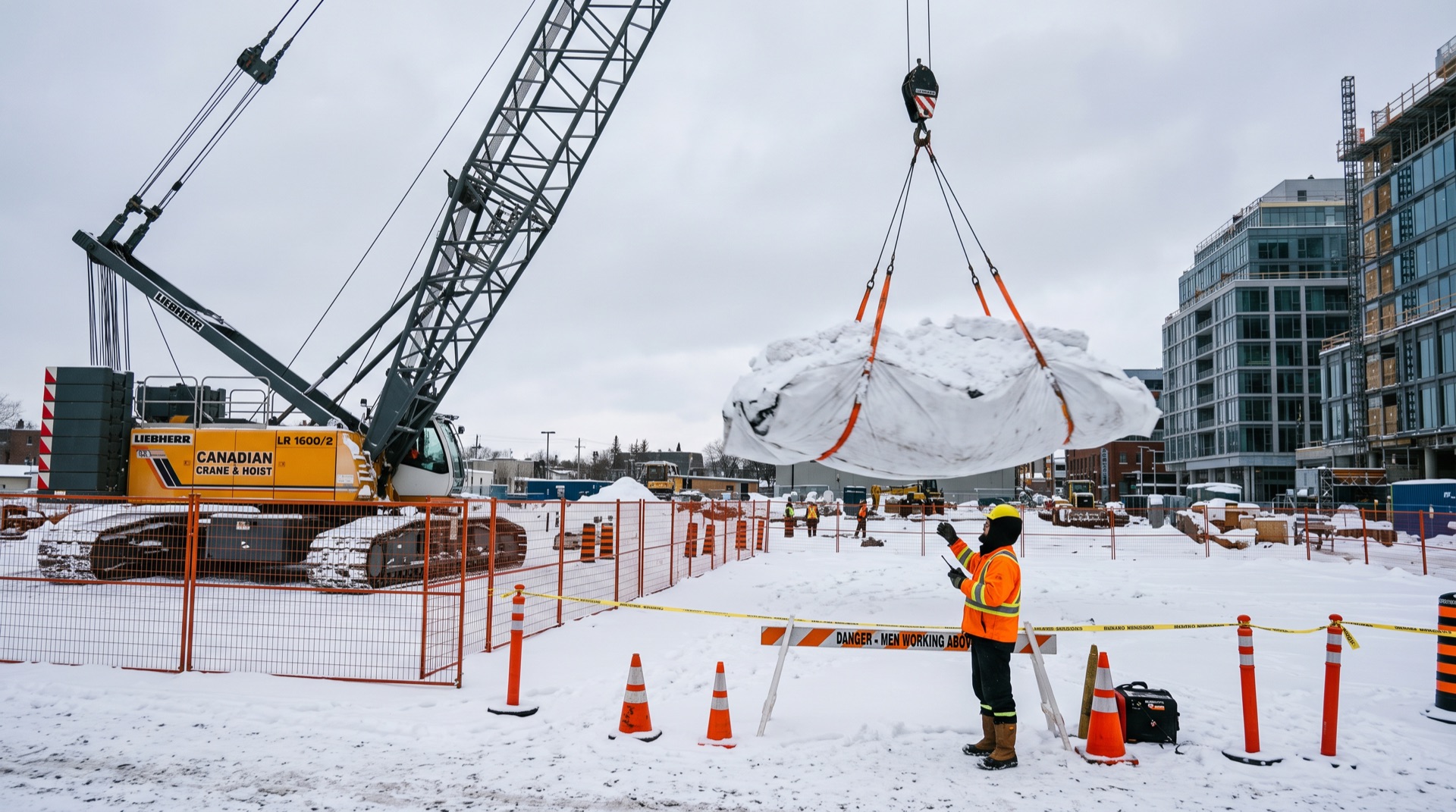
Steam then takes the dam off in sections, prioritizing wherever water is actively backing up behind it. The gutter trough and downspout are cleared through to daylight on the same visit, because a clear eave over a frozen gutter is a temporary fix.
Why the dam formed in the first place
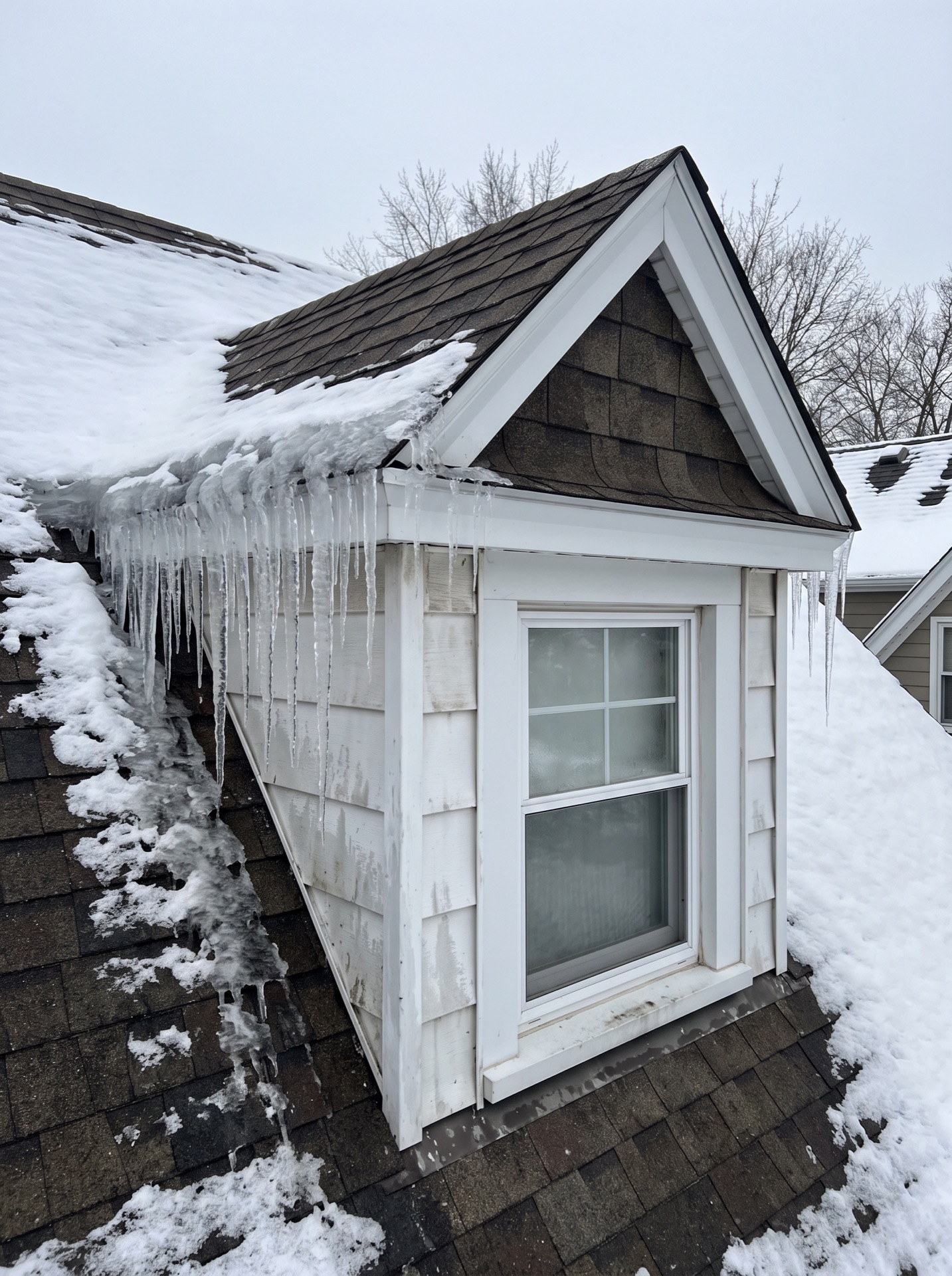
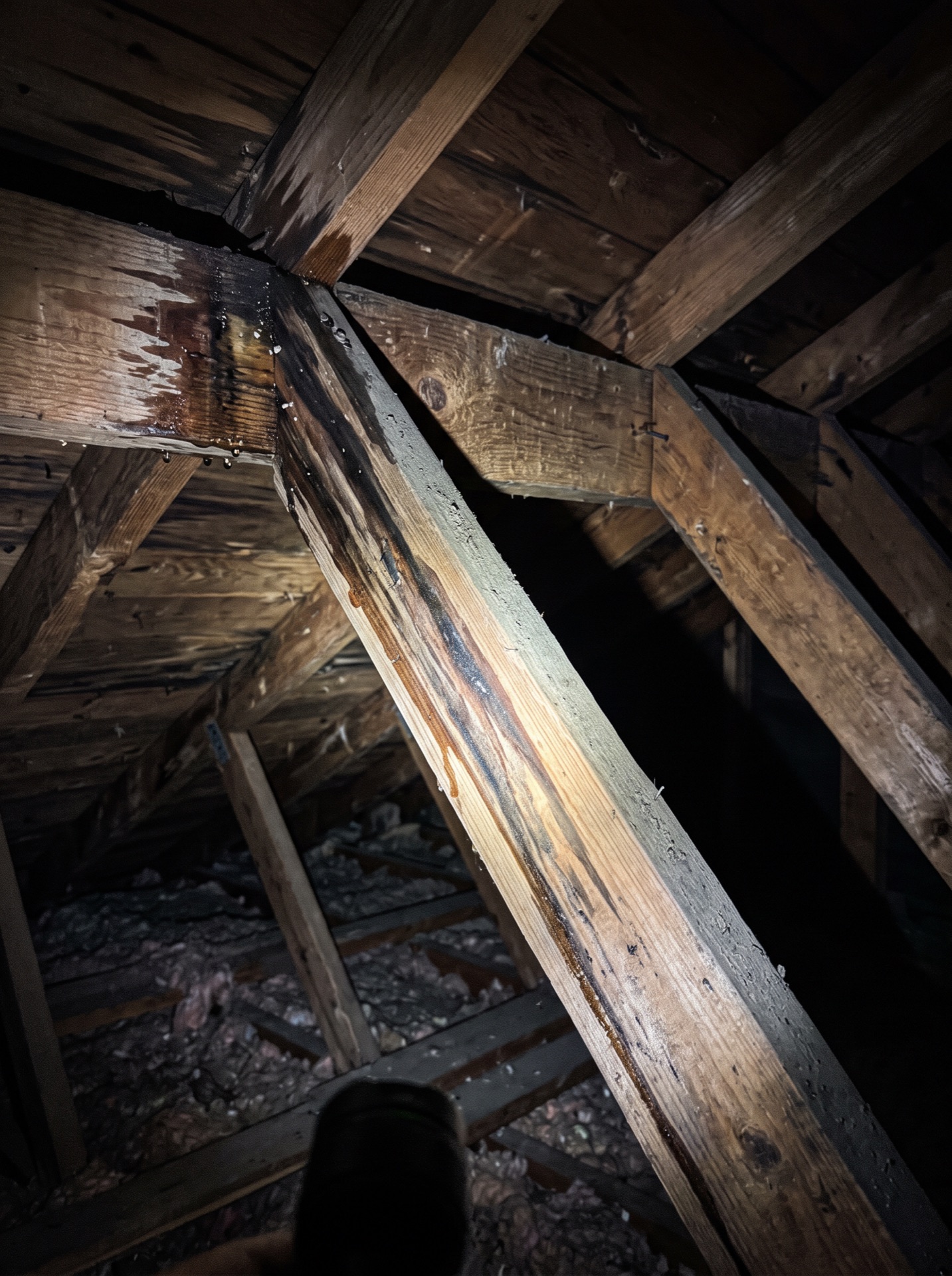
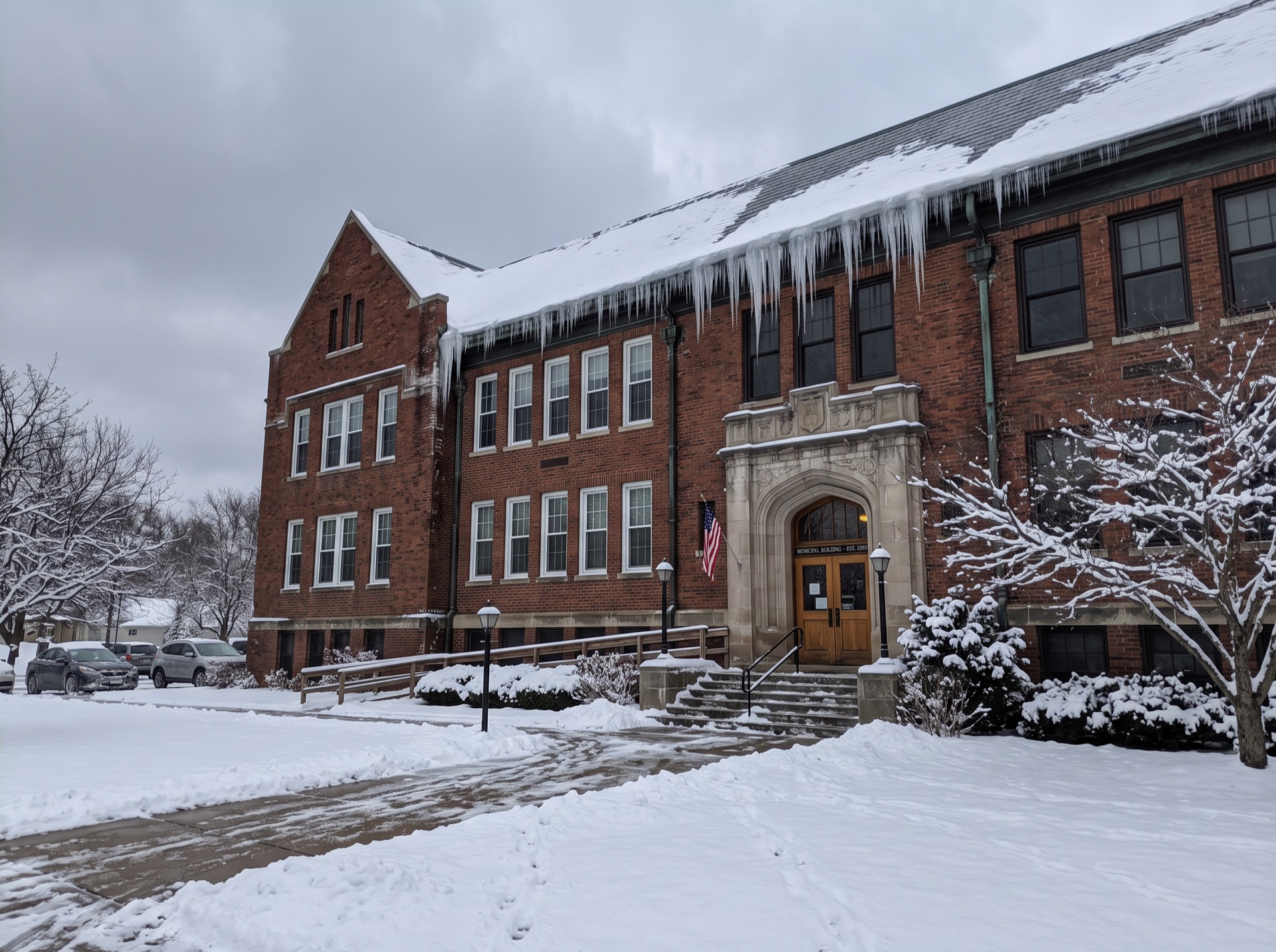
Ice dams are a heat problem wearing a weather costume. Warm air escaping into the attic melts snow on the upper roof; that meltwater runs to the eave, which hangs past the heated envelope and stays below freezing; it refreezes there, and the ridge of ice grows a layer every cycle. Removal is the emergency fix. Before the crew leaves you will know which part of your attic is feeding it.
Steep, high and awkward Aurora roofs
Pitch and height change the job more than ice thickness does. A walkable ranch eave is a ladder and a lance. A three-story roof with a steep pitch means anchors, rope, staging and two people where one would otherwise do.
Crews quote on that honestly. If a property in Aurora needs a longer setup, it is said on the phone rather than discovered at the end of the invoice.
What happens after the ice is off
Once the eave is clear and water is draining, the crew walks the interior with you where there is visible damage and says plainly whether it needs drying. Wet insulation and a damp ceiling cavity do not resolve themselves in a cold Aurora February.
If it does, that is a separate scope and it gets written separately — nobody is upsold a dryout on the strength of one damp patch.
| Service | Ice dam removal in Aurora, CO |
|---|---|
| Primary climate stressor | Solar melt on deep pack, shaded eaves |
| Dispatch window | 24 to 48 hours in mountain terrain |
| Local ice-barrier practice | Extended membrane plus snow retention |
| Documentation | Dated before and after photos, written scope in Xactimate line items |
| Pricing model | Billed by the crew hour, rate quoted before dispatch |
| Typical scope | Steam, 8-16 crew hours typical |
Neighborhoods and Towns We Reach From Aurora
Crews working Aurora cover the adjoining communities on the same route — Dupont, Henderson and Watkins — so a storm week usually means one truck handling several addresses in Adams County rather than separate trips.
Nearest hub towns with their own crew pages: Commerce City, Denver, Englewood, Centennial, Thornton, Northglenn.
Crews cover Aurora and the surrounding Adams County towns through the whole season, and during a freeze event they run from first light until dark.
Water coming in right now in Aurora? Call (888) 561-9664. Active interior leaks go to the front of the schedule.