Winter in Sedona does not need a record storm to put water inside a house. It needs a roof with snow on it, an attic leaking heat, and one cold night. As part of our complete Sedona winter roof services, crews handle crane-assisted snow removal across Coconino County.
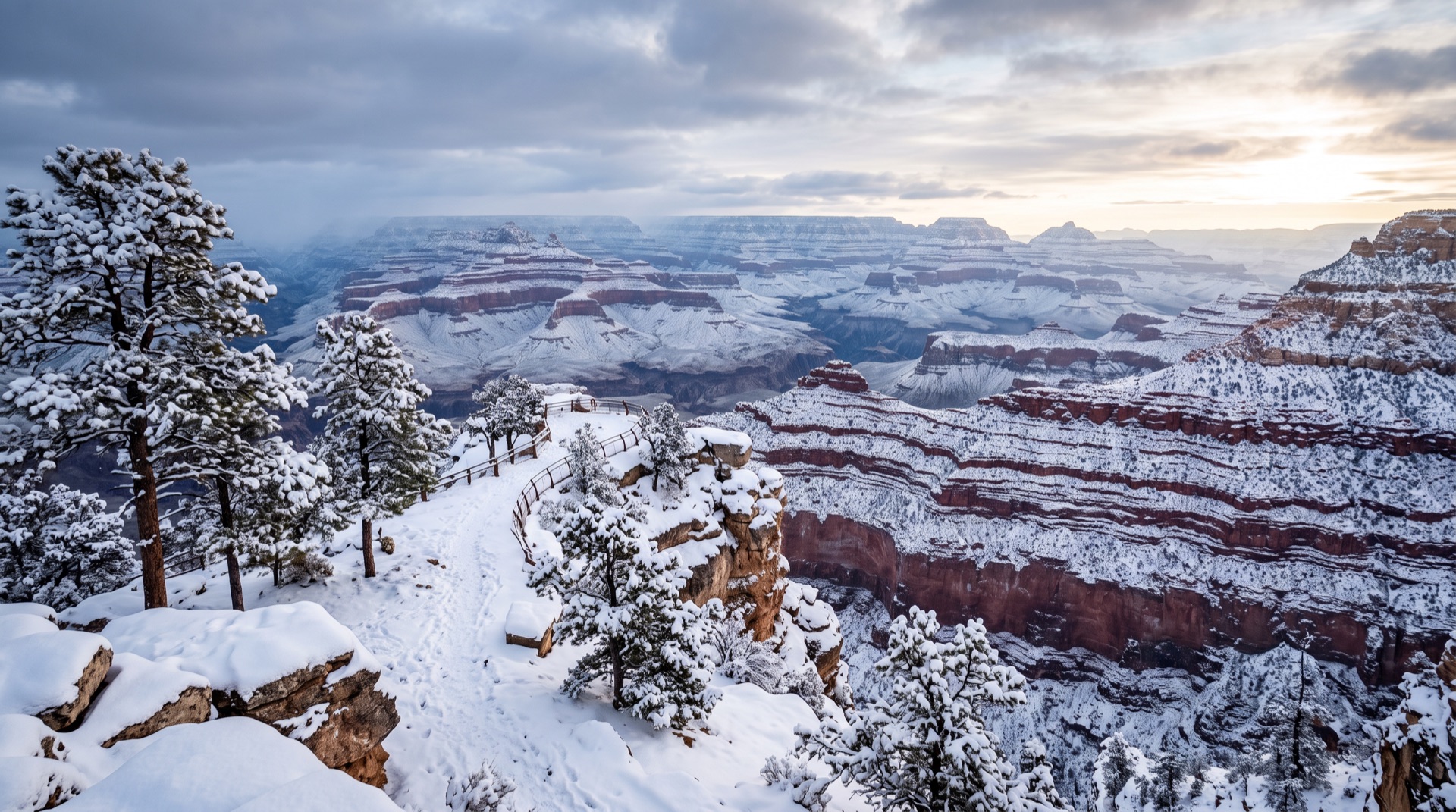
Elevation, Aspect and Ice: The Coconino County Pattern
Mountain ice dams are a solar problem more than a temperature one. The sun works the pack from above while the air stays cold, so meltwater is produced and refrozen within the same afternoon.

Volume is the other factor. A Coconino County roof carrying several feet of pack has an enormous reservoir above an overhang that never sees direct sun, and the supply does not run out until spring.
Ice-barrier practice in Coconino County
Design snow loads up here are among the highest in the country, and the membrane and retention details that come with them are not paperwork. On an older Sedona cabin neither is likely to be present.
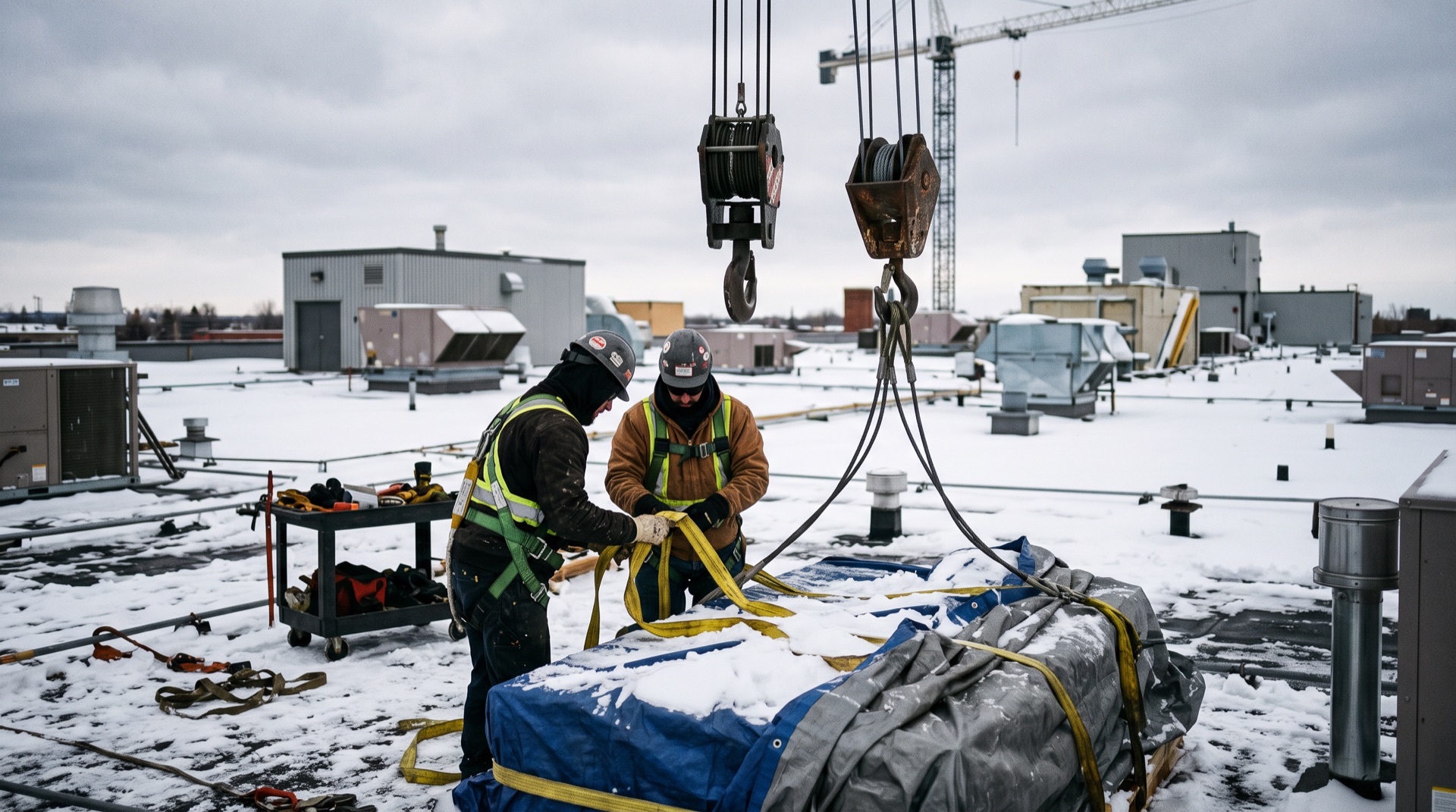
Crane-Assisted Snow Removal in Sedona: How The Work Runs
When a crane is the right call
Multi-story homes and estates where the upper roof cannot be safely reached. Large commercial and industrial decks where the sheer tonnage makes hand clearing a multi-day job. Any roof where deflection is already visible and the load has to come off today rather than over a week. Ceiling Sagging or Bulging After Snow.
The decision is made on numbers, not instinct. Depth, density and area give a working load figure, and that figure against the roof's design capacity is what determines whether a crane gets mobilised to a property in Sedona.
Planning the lift before anything moves
Site access, the swing radius, overhead lines, ground bearing for the outriggers and the ground drop zone all get walked first. On a site in Sedona that walk often determines where the crane can physically sit, which determines everything else.
Permits get pulled where the municipality requires them for a street setup, and that lead time is built into the schedule rather than discovered on the day.
The arithmetic that justifies a crane
Snow weight is depth times density times area. Fresh powder is light; settled wet pack can be several times heavier for the same depth, and drifted pack heavier again.
Crews take depth and density readings at the drift points on a roof in Sedona, work out the load, and compare it to the structure's design capacity. A crane gets mobilised when that number says hand clearing cannot win the race against the next storm.
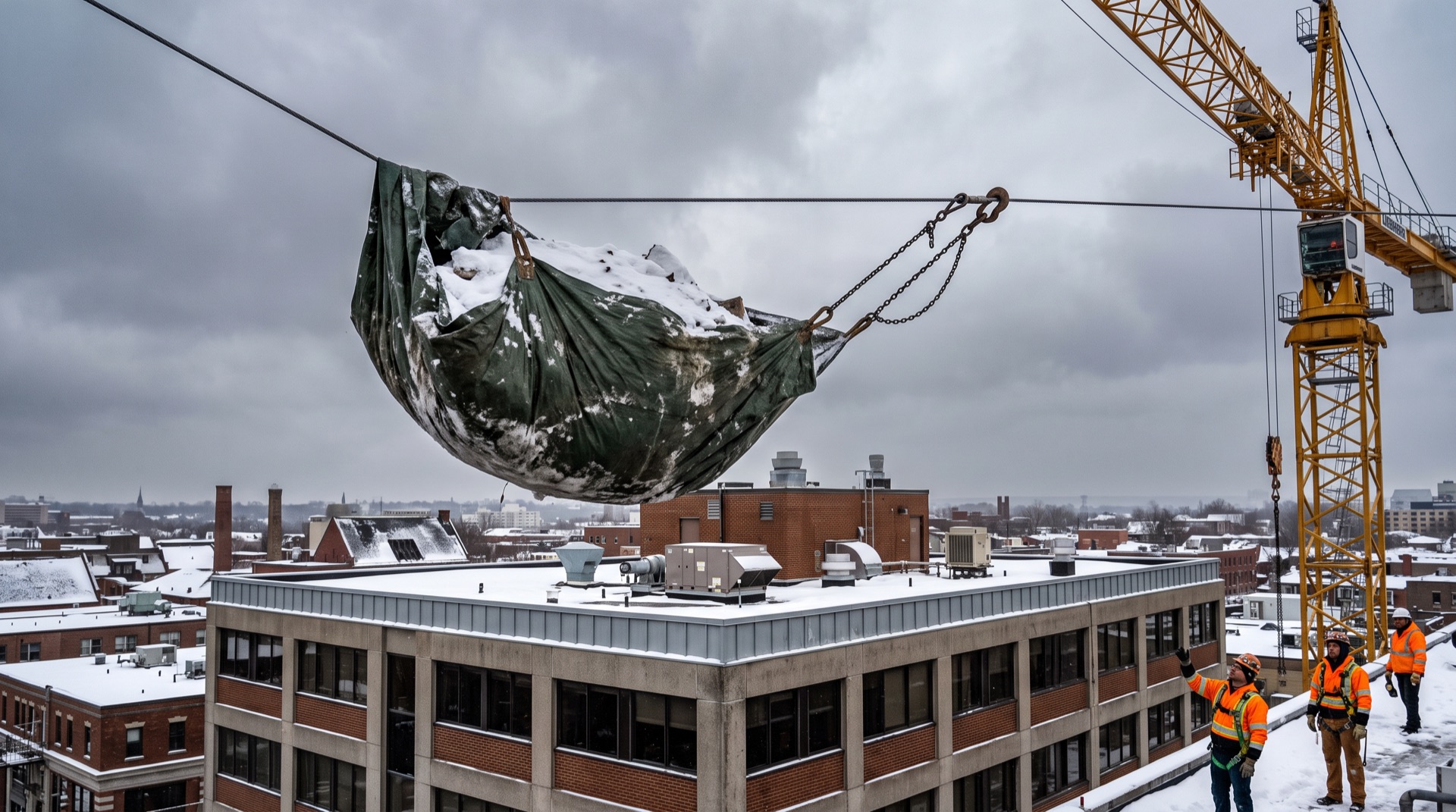
What goes in the tarp and what does not
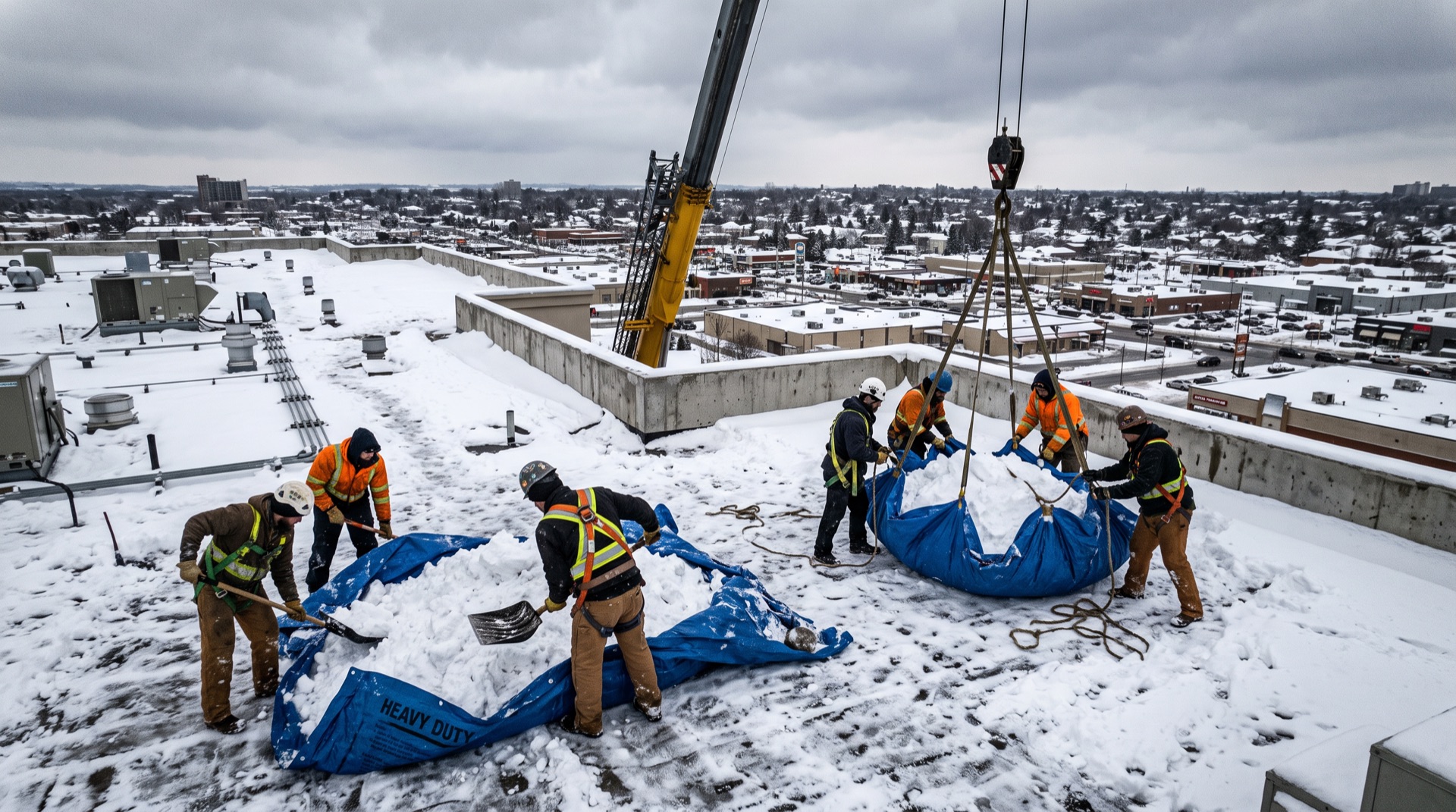
A pick lifts loose and broken snow. It does not lift a solid sheet of ice frozen to the membrane, and trying to make it do so is how a tarp takes the roof covering with it.
So the sequence is crews cutting and breaking the pack into liftable material, the crane moving it, and steam dealing with whatever is bonded to the surface. The crane is the transport, not the demolition.
Wind limits and when a pick gets postponed
Every crane has a wind chart, and a tarp full of snow is about the worst possible load to put on a hook in a gust - large surface area, light enough to sail, heavy enough to hurt. The limit is lower than people expect and it is not negotiable.
A Sedona pick that is cancelled for wind gets rescheduled rather than argued about. The alternative is a swinging load over an occupied building.
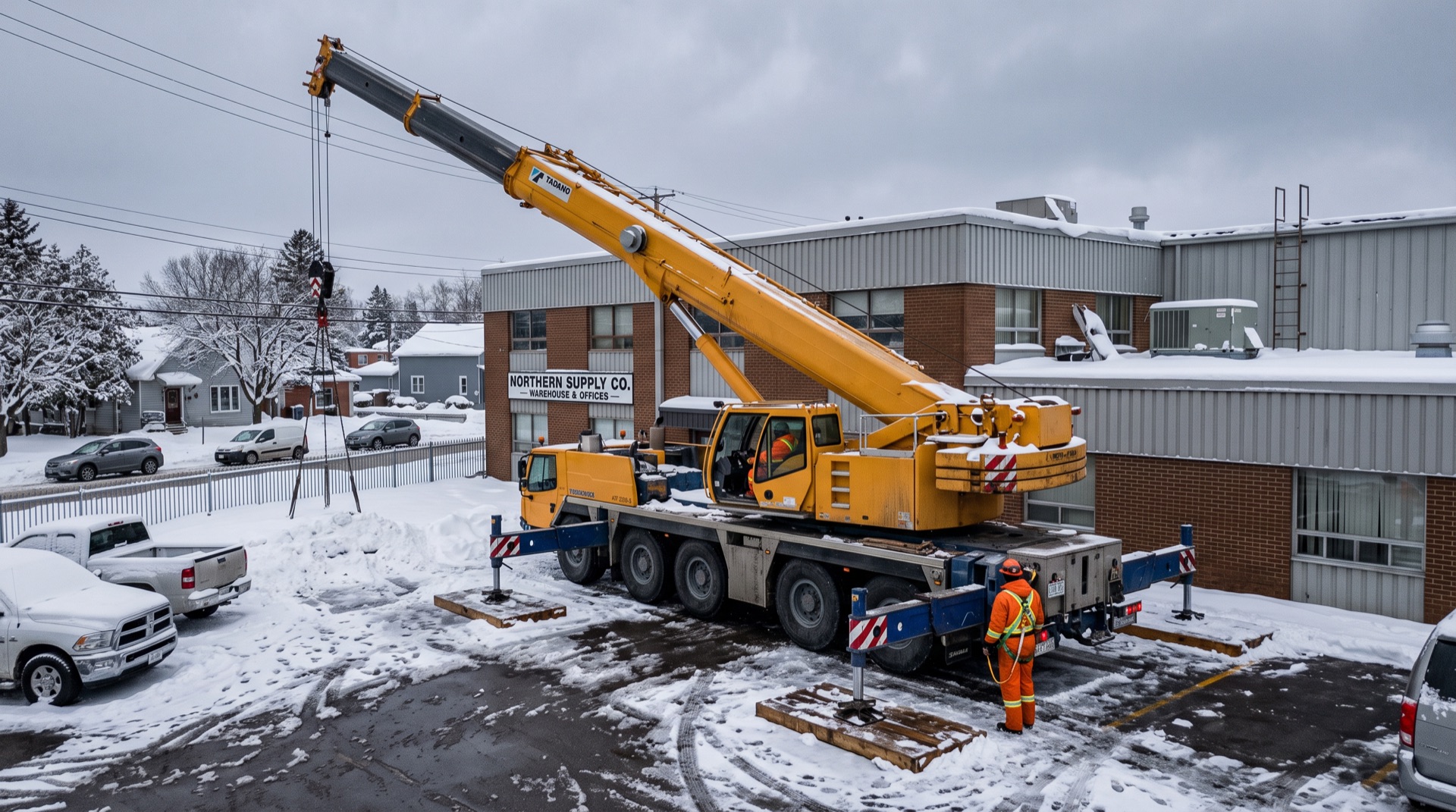
What you get in Sedona
- Marshalled exclusion zonePedestrian and vehicle control for the whole operation
- Load calculated firstDepth, density and area against design capacity before anything mobilises
- Lift planned firstAccess, swing radius, overhead lines and drop zone walked before scheduling
| Documentation | Dated before and after photos, written scope in Xactimate line items |
|---|---|
| Service | Crane-Assisted Snow Removal in Sedona, AZ |
| Typical scope | Steam, 8-16 crew hours typical |
| Removal method | Low-pressure steam only. No chipping, salt or pressure washing. |
| Local ice-barrier practice | Extended membrane plus snow retention |
| Dispatch window | 24 to 48 hours in mountain terrain |
| Primary climate stressor | Solar melt on deep pack, shaded eaves |
Coconino County Coverage From Sedona
Crews working Sedona cover the adjoining communities on the same route — Munds Park and Cornville — so a storm week usually means one truck handling several addresses in Coconino County rather than separate trips.
Nearest hub towns with their own crane snow removal pages: Flagstaff, Williams, Prescott Valley, Payson, Prescott, Show Low.
Crews cover Sedona and the surrounding Coconino County towns through the whole season, and during a freeze event they run from first light until dark.
Most jobs do not stop at one service. Crane Snow Removal in Sedona often runs alongside commercial roof snow removal in Sedona, and both get written into one scope rather than billed as separate visits.
Active leak right now? Our 24/7 Sedona steam ice dam removal crews are dispatched first during a freeze event. Call (888) 561-9664.