



Sun on Cold Snow: The Teton Village Pattern
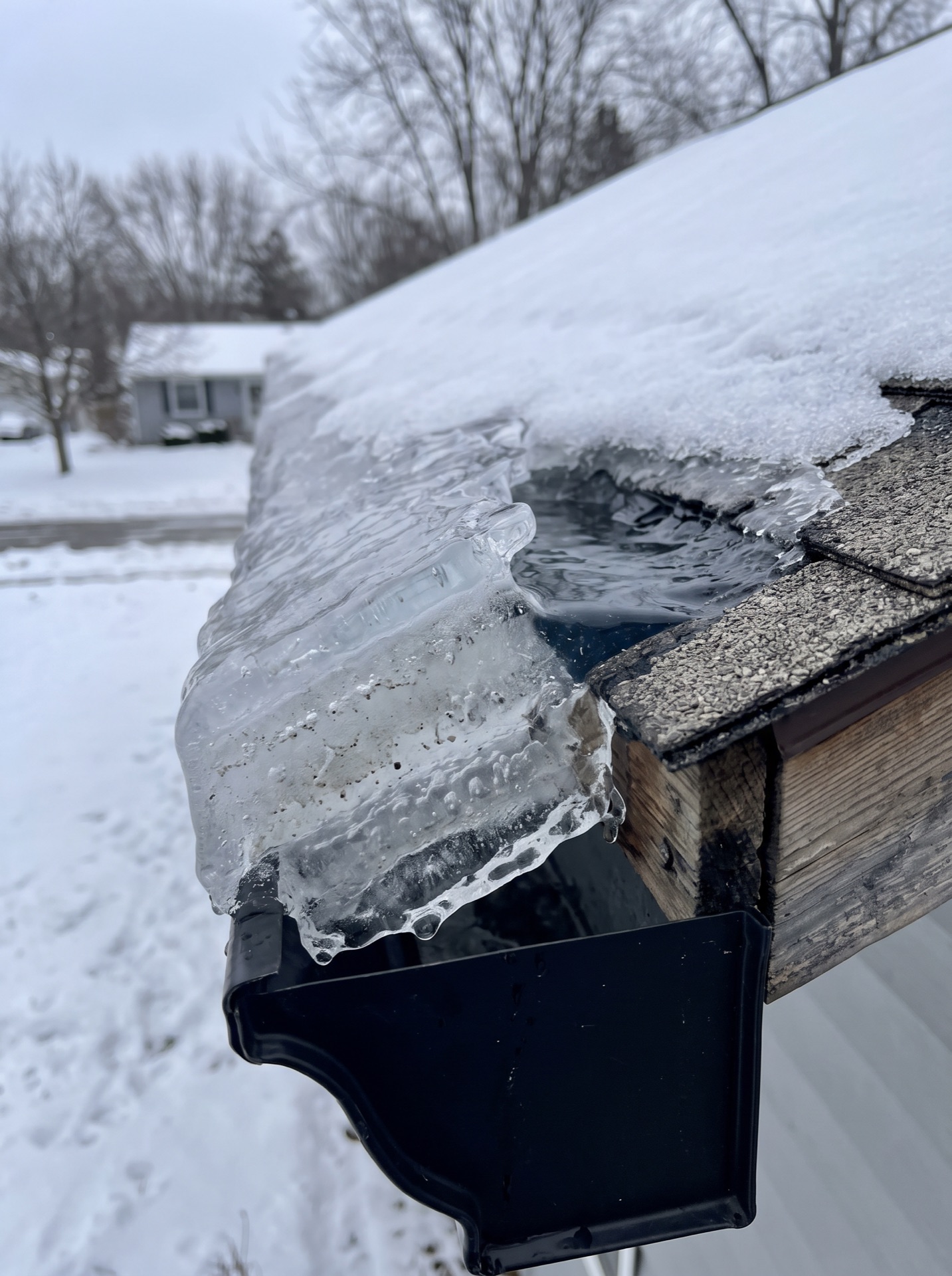
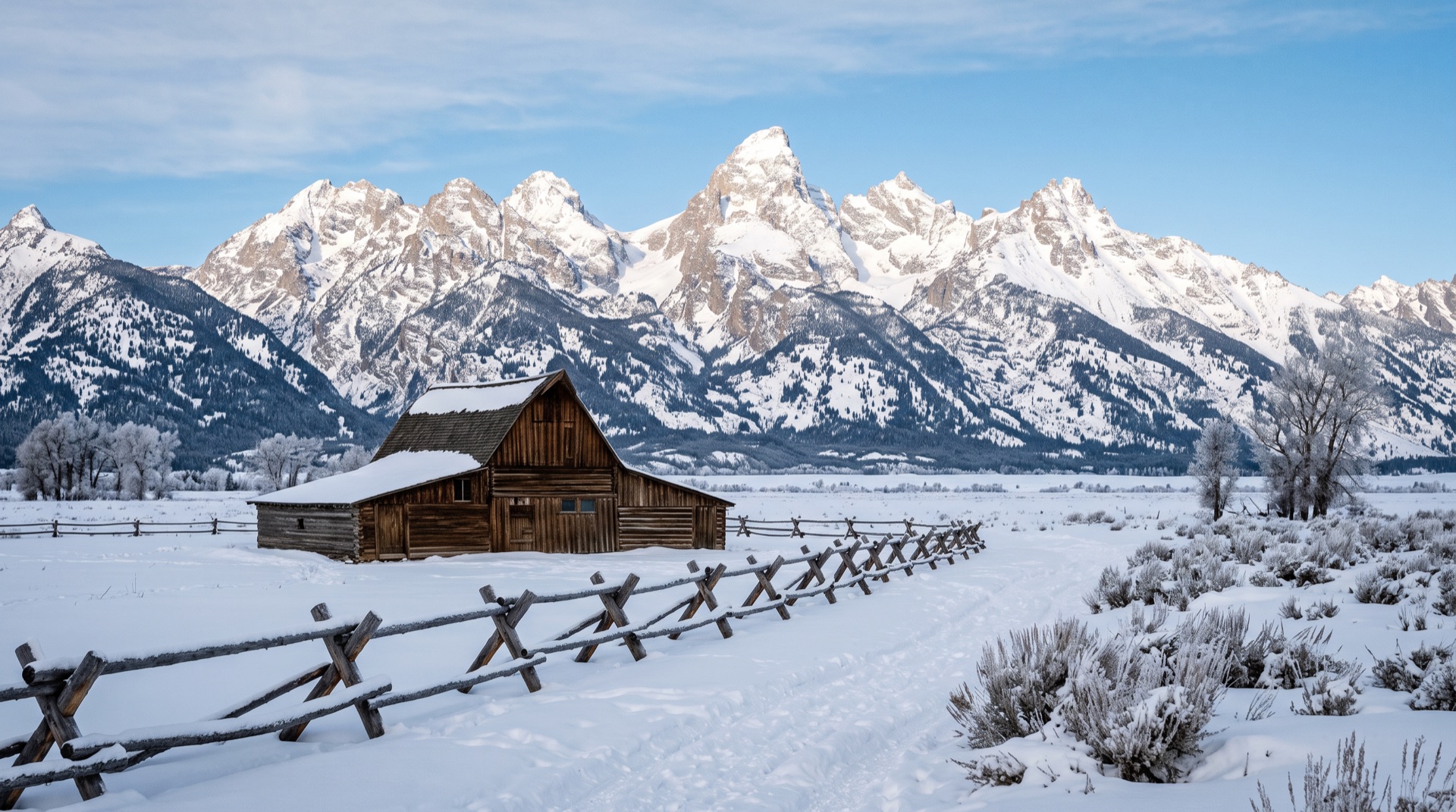
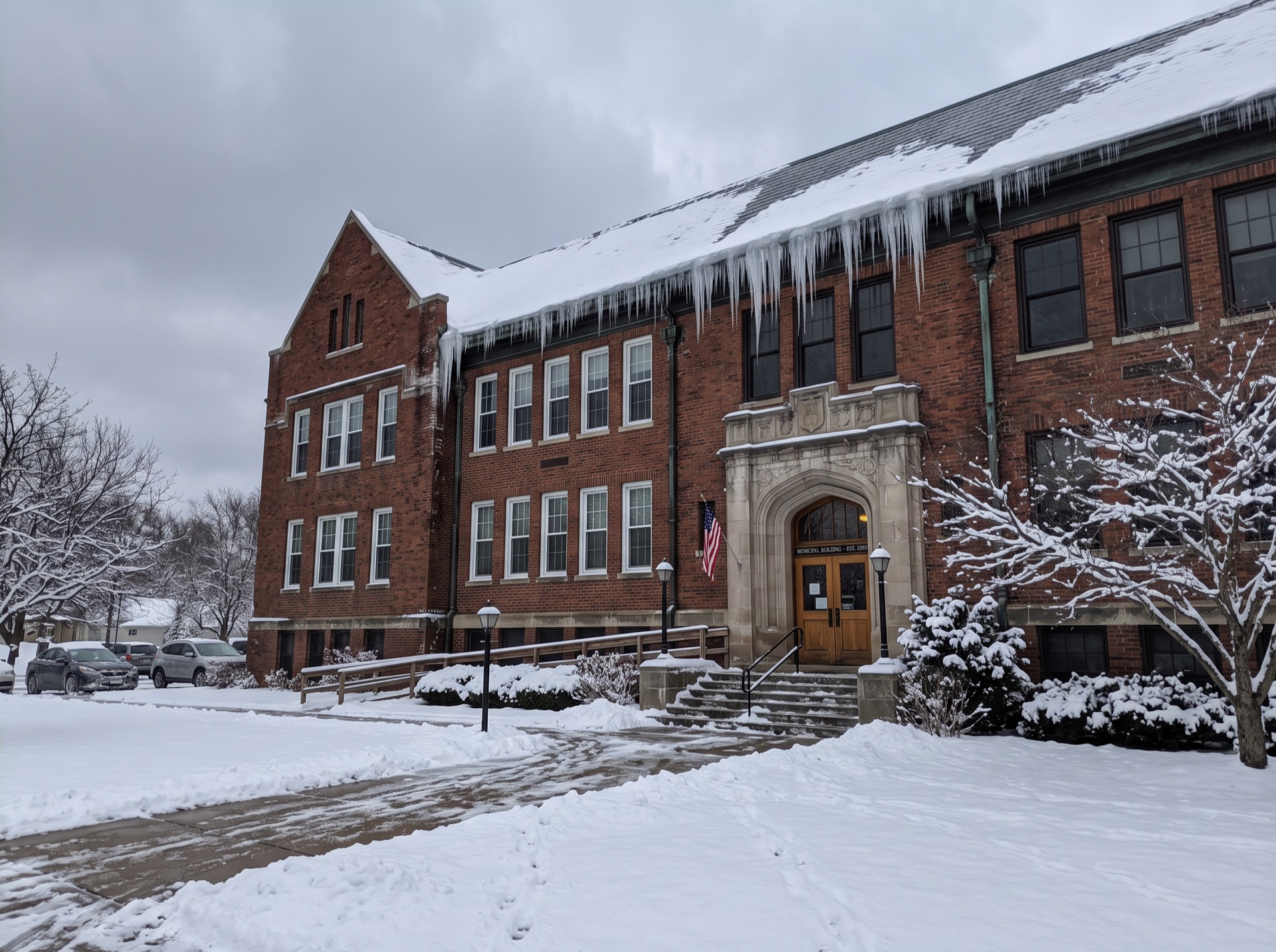
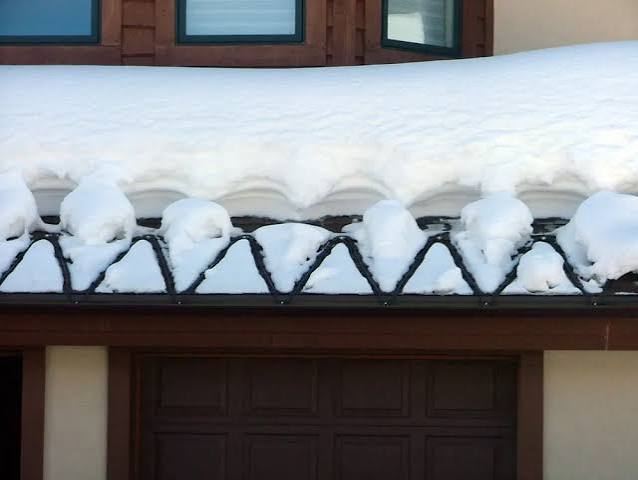
Mountain ice dams are a solar problem more than a temperature one. The sun works the pack from above while the air stays cold, so meltwater is produced and refrozen within the same afternoon.

Aspect decides everything here. The sunny plane sheds water that the shaded plane and the shaded eave then lock up, so one side of a roof in Teton Village is clear while the other carries a wall of ice.
Ice-barrier practice in Teton County
Design snow loads up here are among the highest in the country, and the membrane and retention details that come with them are not paperwork. On an older Teton Village cabin neither is likely to be present.
The Teton Village Dispatch Process, Step by Step
The first pass is assessment: eaves, valleys, gutter line and any interior staining, all photographed with timestamps. You see what the crew sees, and the rate and likely hours are agreed before work begins.
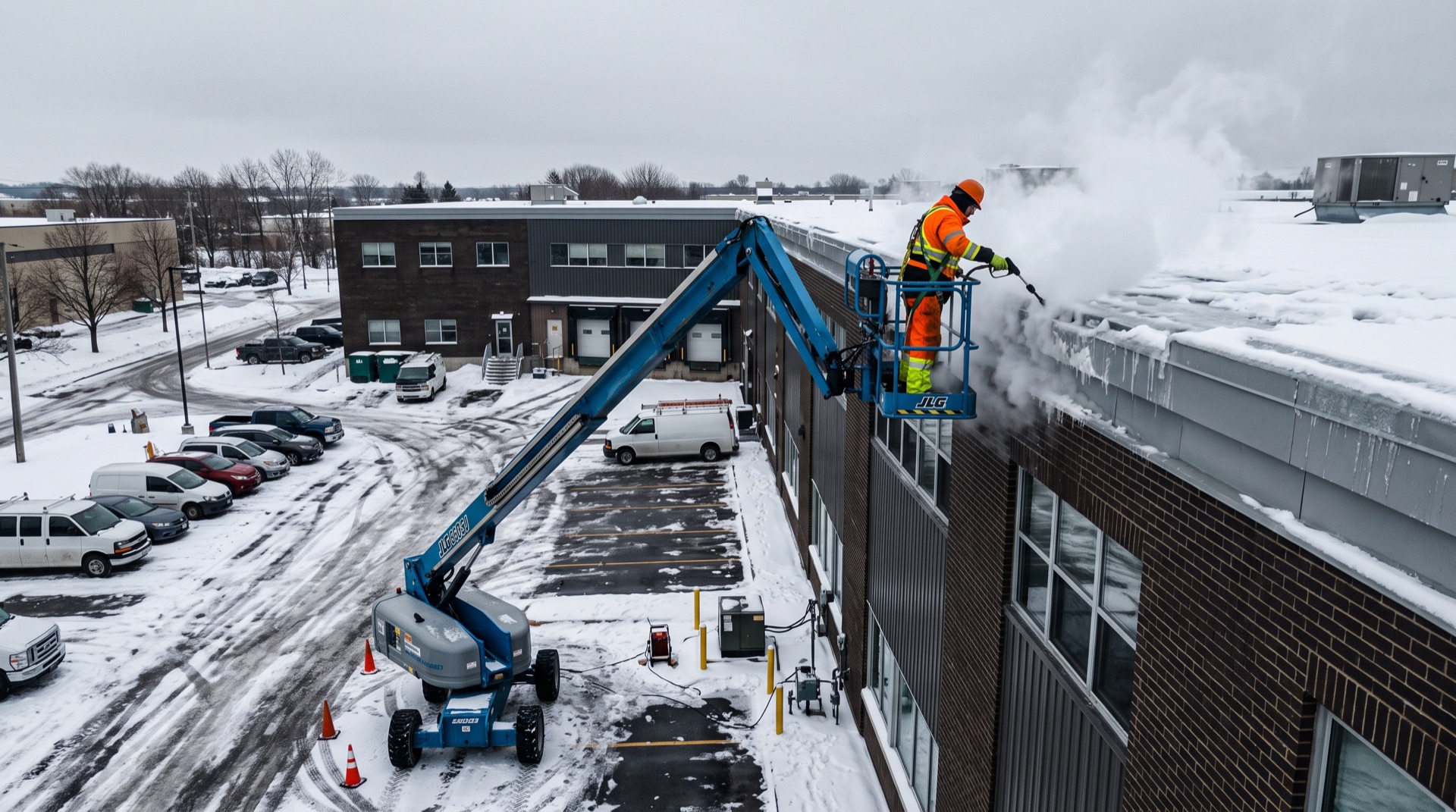
Steam then takes the dam off in sections, prioritizing wherever water is actively backing up behind it. The gutter trough and downspout are cleared through to daylight on the same visit, because a clear eave over a frozen gutter is a temporary fix.
Dormers, valleys and dead spots
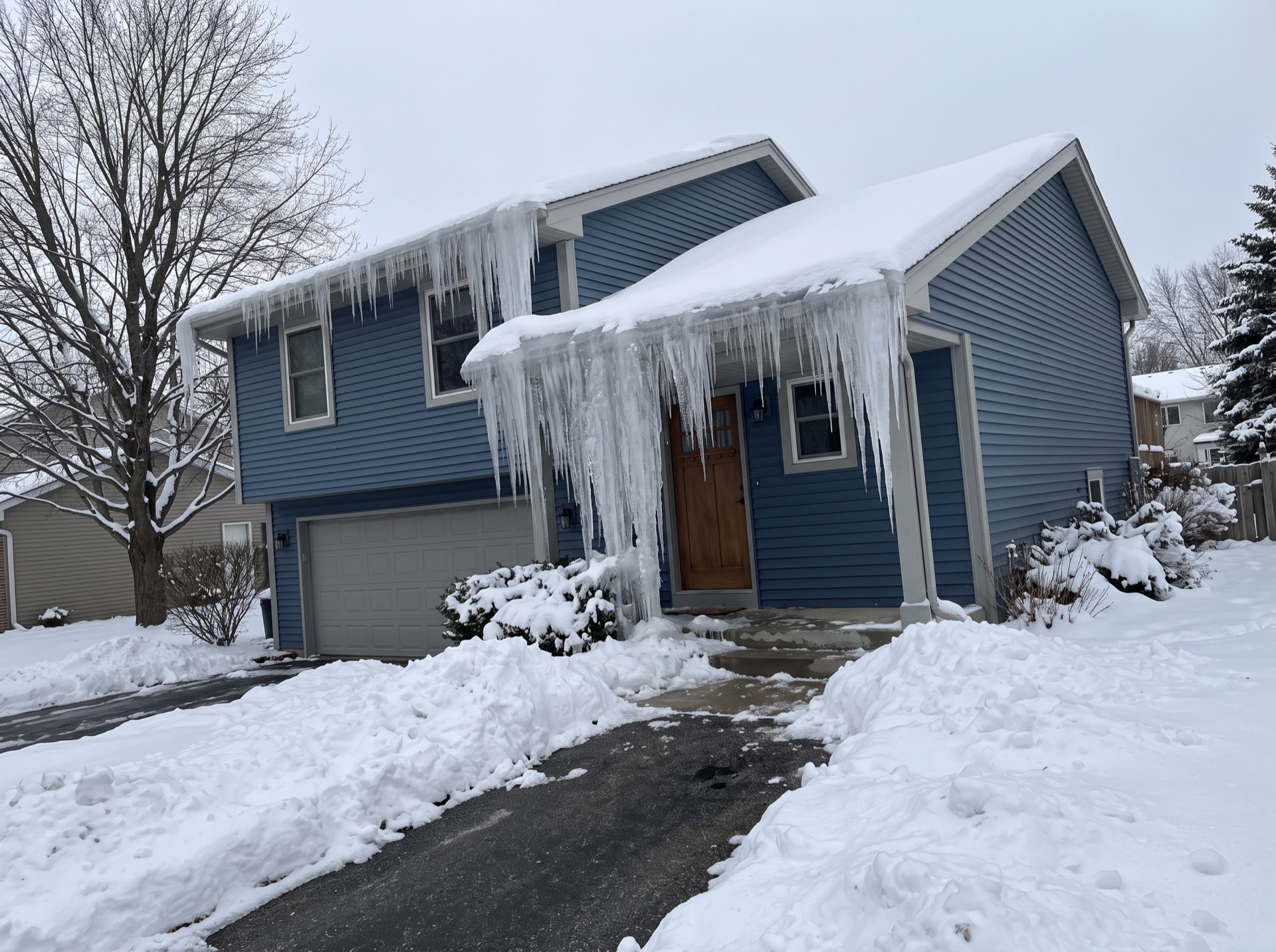
Ice does not distribute evenly. It concentrates where two roof planes meet, behind dormers, in dead valleys that drain nowhere, and along the north face that never sees sun. Those pockets hold water deepest and leak first.
A crew working a roof in Teton Village clears the full eave line and then goes back through the valleys and dormer pockets specifically, because clearing the easy straight run and calling it done is how a roof leaks again a week later.
What the crew does on arrival
Before anything is touched, the crew walks the eaves, valleys and gutter line and photographs every dam and every point where water is tracking inside. You get shown what they found. Then the dam comes off in sections, starting wherever water is actively backing up, so drainage opens early rather than at the end.
Downspouts and gutter troughs get cleared in the same visit where they are frozen, because a dam removed above a solid block of ice in the gutter just reforms in the next cold night.
What happens after the ice is off
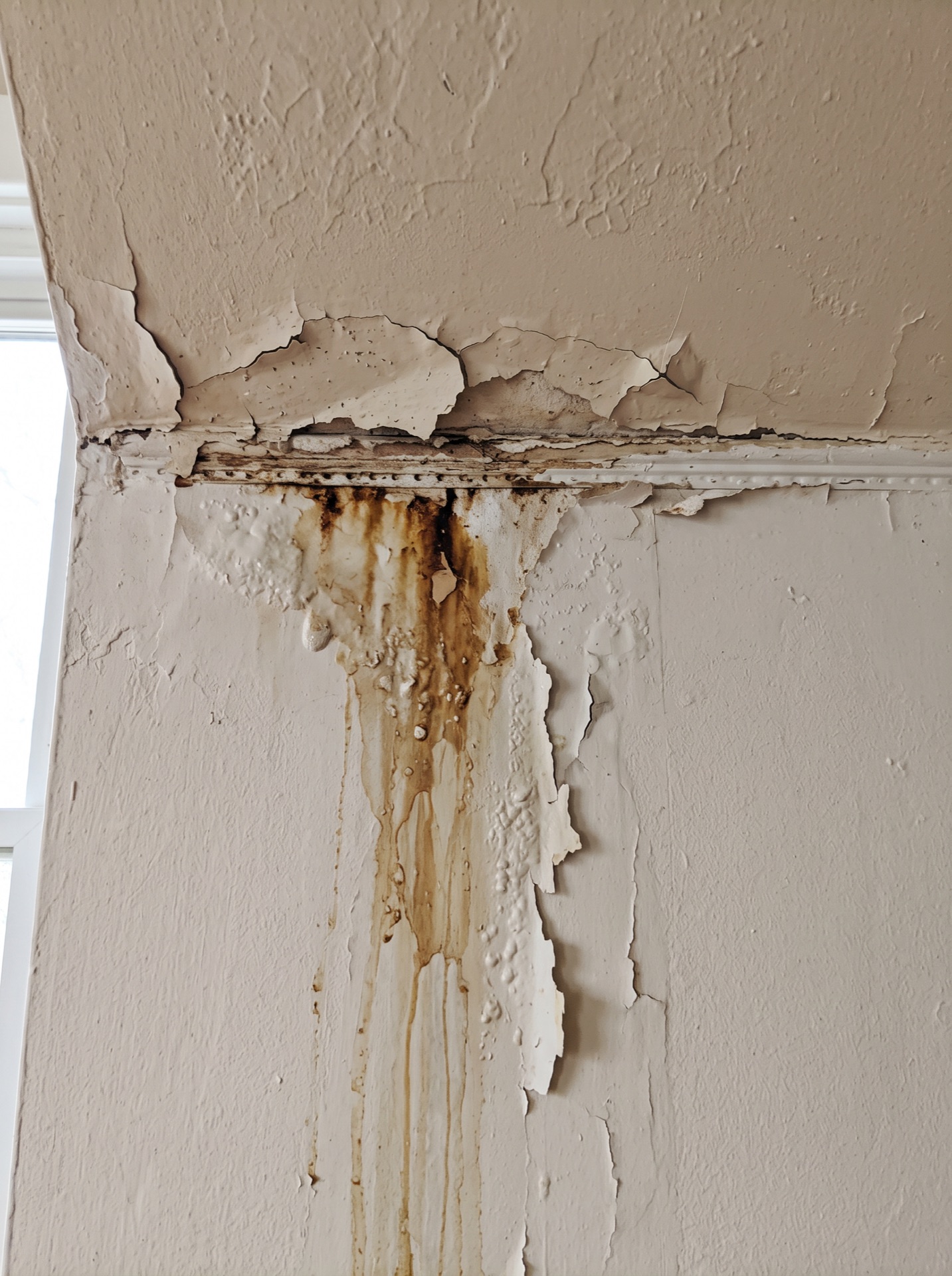
Once the eave is clear and water is draining, the crew walks the interior with you where there is visible damage and says plainly whether it needs drying. Wet insulation and a damp ceiling cavity do not resolve themselves in a cold Teton Village February.
If it does, that is a separate scope and it gets written separately — nobody is upsold a dryout on the strength of one damp patch.
| Coverage area | Teton Village and Teton County |
|---|---|
| Typical scope | Steam, 8-16 crew hours typical |
| Documentation | Dated before and after photos, written scope in Xactimate line items |
| Service | Ice dam removal in Teton Village, WY |
| Removal method | Low-pressure steam only. No chipping, salt or pressure washing. |
| Dispatch window | 24 to 48 hours in mountain terrain |
| Local ice-barrier practice | Extended membrane plus snow retention |
Where We Dispatch Around Teton Village
Crews working Teton Village cover the adjoining communities on the same route — Wilson and Moose — so a storm week usually means one truck handling several addresses in Teton County rather than separate trips.
Nearest hub towns with their own crew pages: Jackson, Cody, Lander, Riverton, Powell, Green River.
Teton Village sits inside the regular Wyoming service area, so a crew is usually scheduled the same day or the following morning.
Water coming in right now in Teton Village? Call (888) 561-9664. Active interior leaks go to the front of the schedule.