



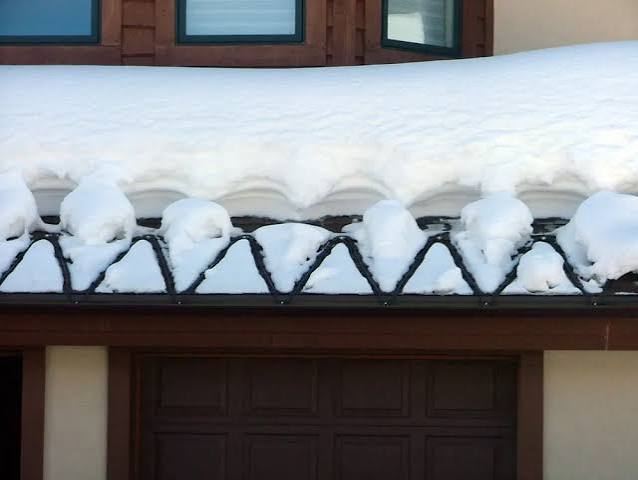
Mequon Ice Dams: What Lake-Effect Snow Does to an Eave
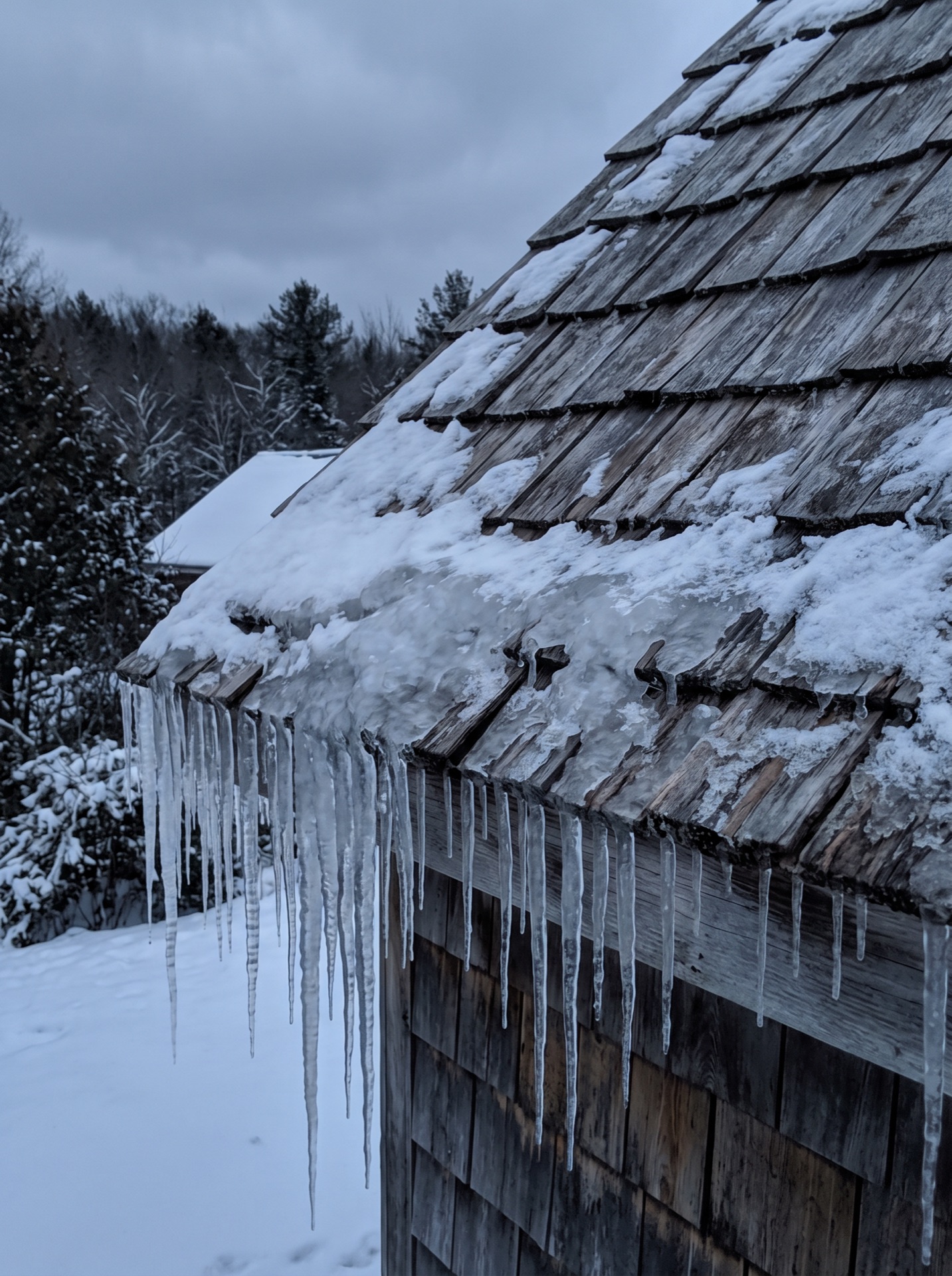
What makes Ozaukee County roofs dam is not the seasonal total, it is how the snow arrives. Bands dump a heavy, saturated pack in hours, and that pack becomes a water reservoir sitting on a heated surface.

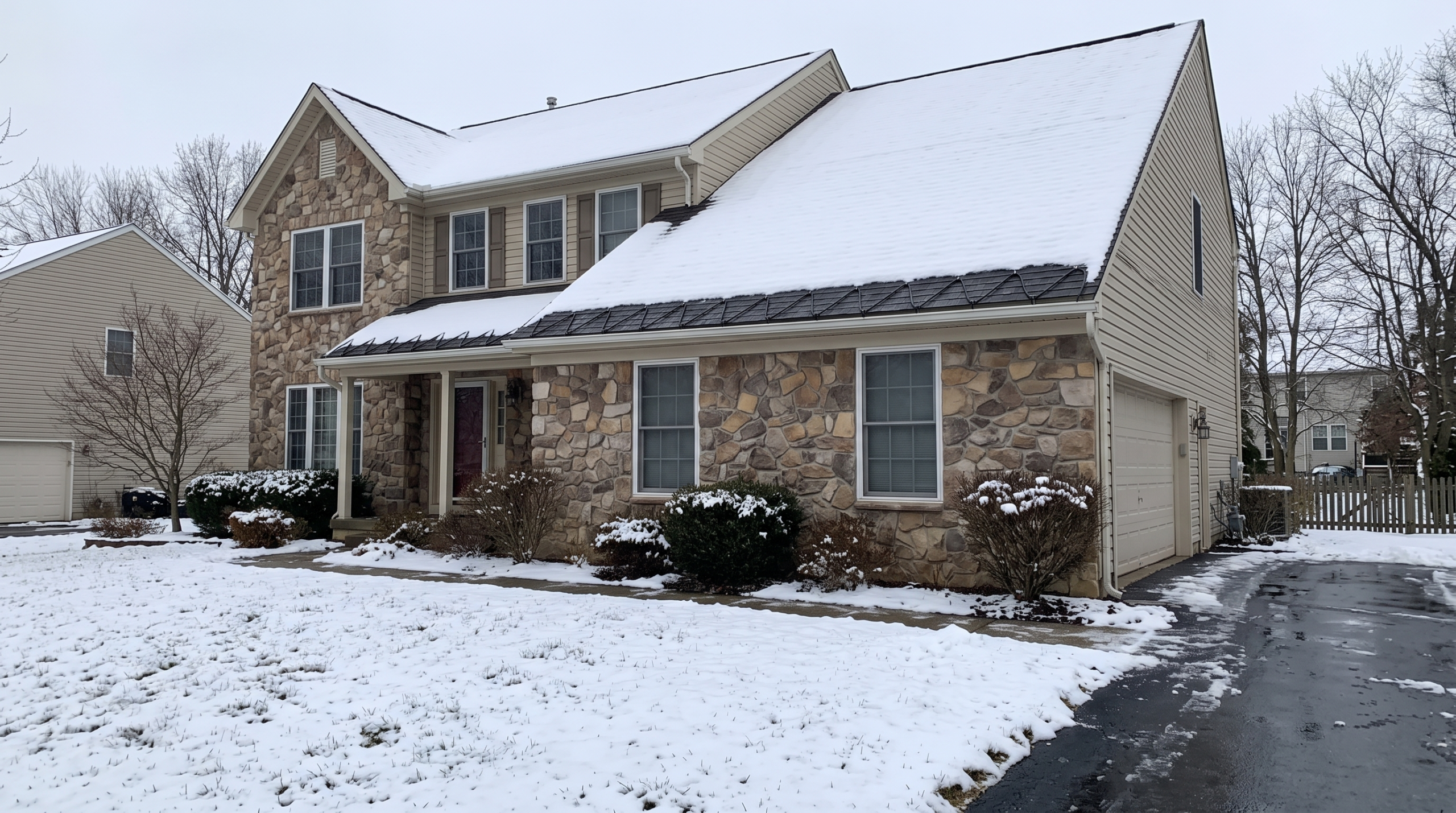
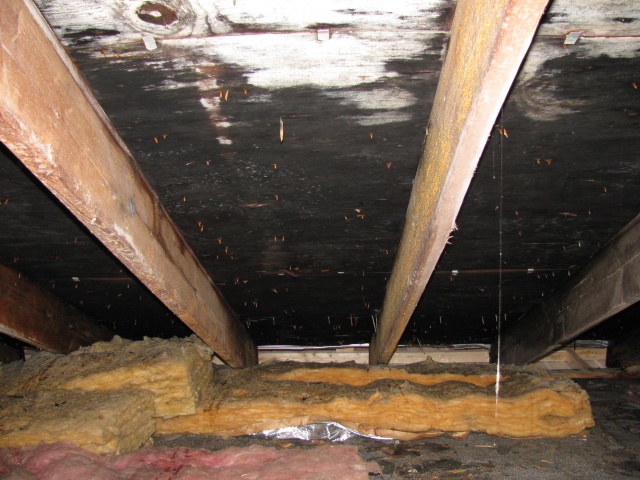
What turns that pack into a dam is the house underneath it. Warm air finds its way into the attic, the underside of the snow melts, and the water travels to an overhang that has no heated space below it. There it stops.
Ice-barrier practice in Ozaukee County
Ice-barrier membrane at the eaves is standard practice across the lake-effect counties, and most Wisconsin jurisdictions enforce it on re-roofs. If your roof predates that, the eave has nothing under the shingles holding water out.
What a Crew Does on a Mequon Roof
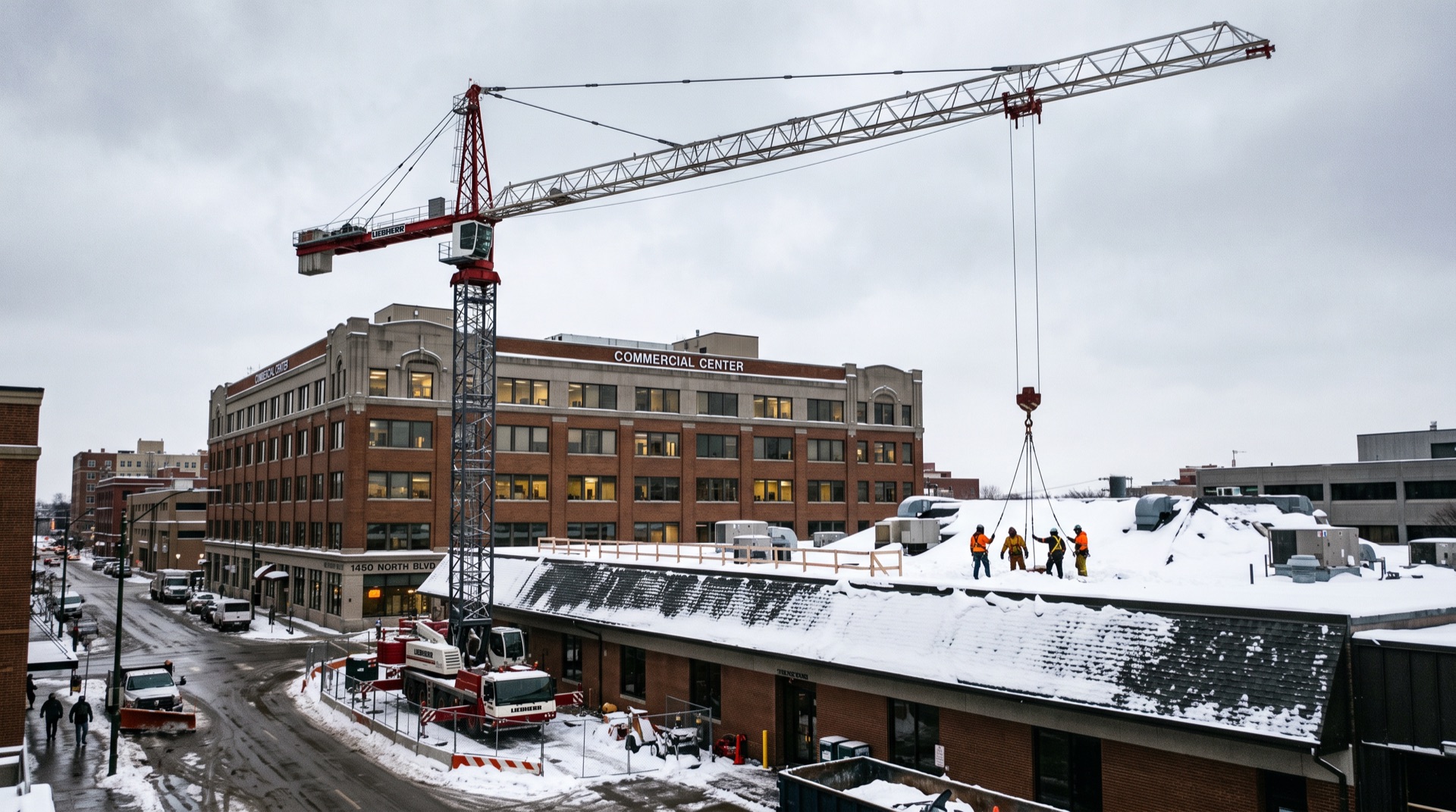
Crews walk the eaves, valleys and gutter line first and photograph every dam and every point where water is tracking inside, before touching anything. You get shown what they found and quoted the crew-hour rate before work starts.
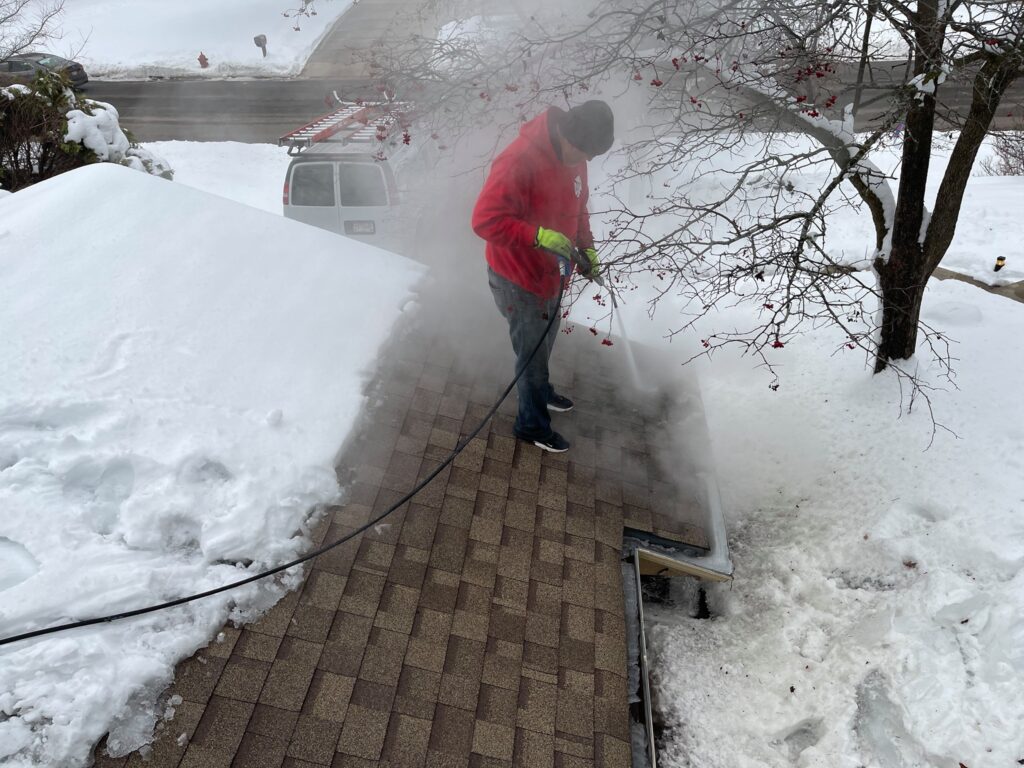
Then the ice comes off with low-pressure steam, starting wherever water is actively backing up so drainage opens early. Frozen gutters and downspouts are cleared in the same visit, because a cleared eave above a solid block of ice in the gutter dams again on the next cold night.
Why the gutter has to be cleared in the same visit
A dam sitting above a gutter packed solid with ice is only half the problem. Clear the eave and leave the trough frozen, and the next day's meltwater has nowhere to run — it backs up onto the roof and the dam rebuilds from the bottom.
Crews steam the trough and the downspout through to daylight on the same visit. It adds time, which is why the hour estimate given on the phone accounts for it, and it is the difference between a fix and a repeat visit in Mequon the following week.
Why a drainage channel is not removal
Cutting a few channels through a dam so water can get past is quick and it is sometimes sold as ice dam removal. It drains the roof for as long as the channels stay open, which in a Mequon cold snap can be a single night before they close again.
Removing the dam means taking the ice off down to the shingle along the whole affected run, so the eave can drain the way it was built to. It takes longer and it is the only version that holds.
What gets photographed, and why it matters later
Before the lance comes out, the crew shoots the dam from the ground and from the roof, the icicle line, any staining visible inside, and the specific courses where water is tracking under the shingles. Timestamps are on every frame.
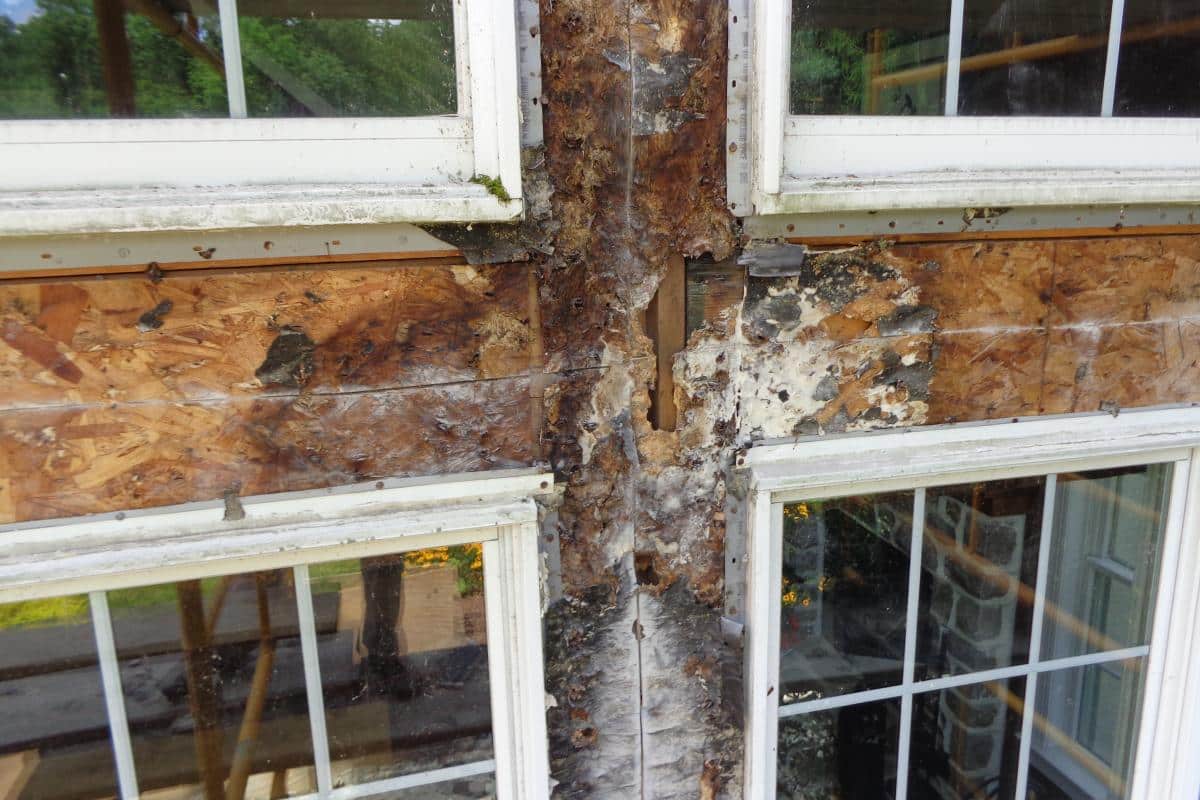
That record is the whole case if a claim follows. An adjuster arriving in March sees a dry roof and a stained ceiling; the photographs are what connect the two, and they are what a maintenance-exclusion denial runs into.
| Documentation | Dated before and after photos, written scope in Xactimate line items |
|---|---|
| Typical scope | Steam, 6-12 crew hours typical |
| Removal method | Low-pressure steam only. No chipping, salt or pressure washing. |
| Primary climate stressor | Lake-effect bands, wet heavy pack |
| Service | Ice dam removal in Mequon, WI |
| Dispatch window | Same day to 24 hours |
| Coverage area | Mequon and Ozaukee County |
Mequon Coverage and the Adjoining Communities
Crews working Mequon cover the adjoining communities on the same route — Thiensville, Cedarburg, Grafton, Butler and Saukville — so a storm week usually means one truck handling several addresses in Ozaukee County rather than separate trips.
Nearest hub towns with their own crew pages: Germantown, Menomonee Falls, Wauwatosa, Brookfield, Milwaukee, West Allis.
During a cold snap Mequon gets worked alongside the neighboring Ozaukee County towns on the same route, with active interior leaks moved to the front of the list.
If water is already inside a property in Mequon, call (888) 561-9664 rather than filling in a form — the phone is faster and leaks jump the line.