



Why Manitowoc Roofs Dam Up: Lake-Effect Load and Freeze-Thaw
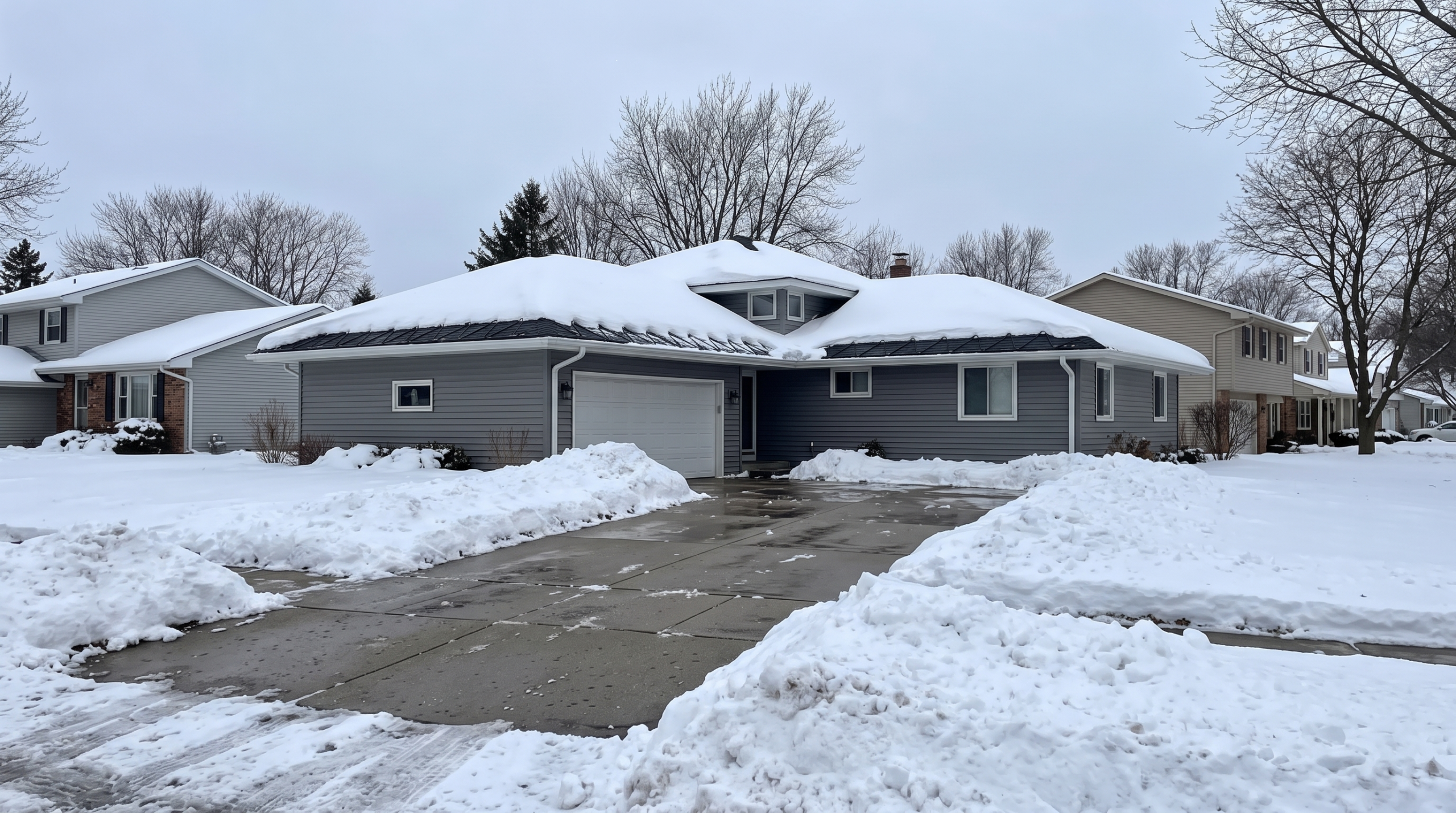
Lake-effect snow arrives in bands rather than fronts, which is why Manitowoc can take a foot overnight while a town twenty miles inland takes two inches. It falls wet, it compacts fast, and it does not blow off.

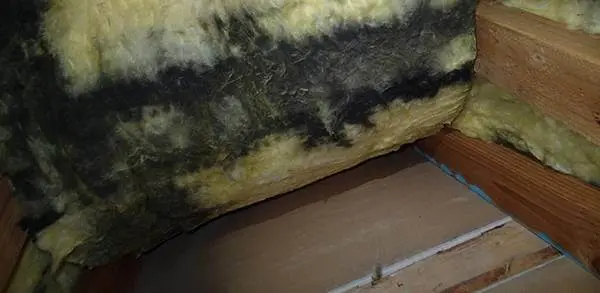
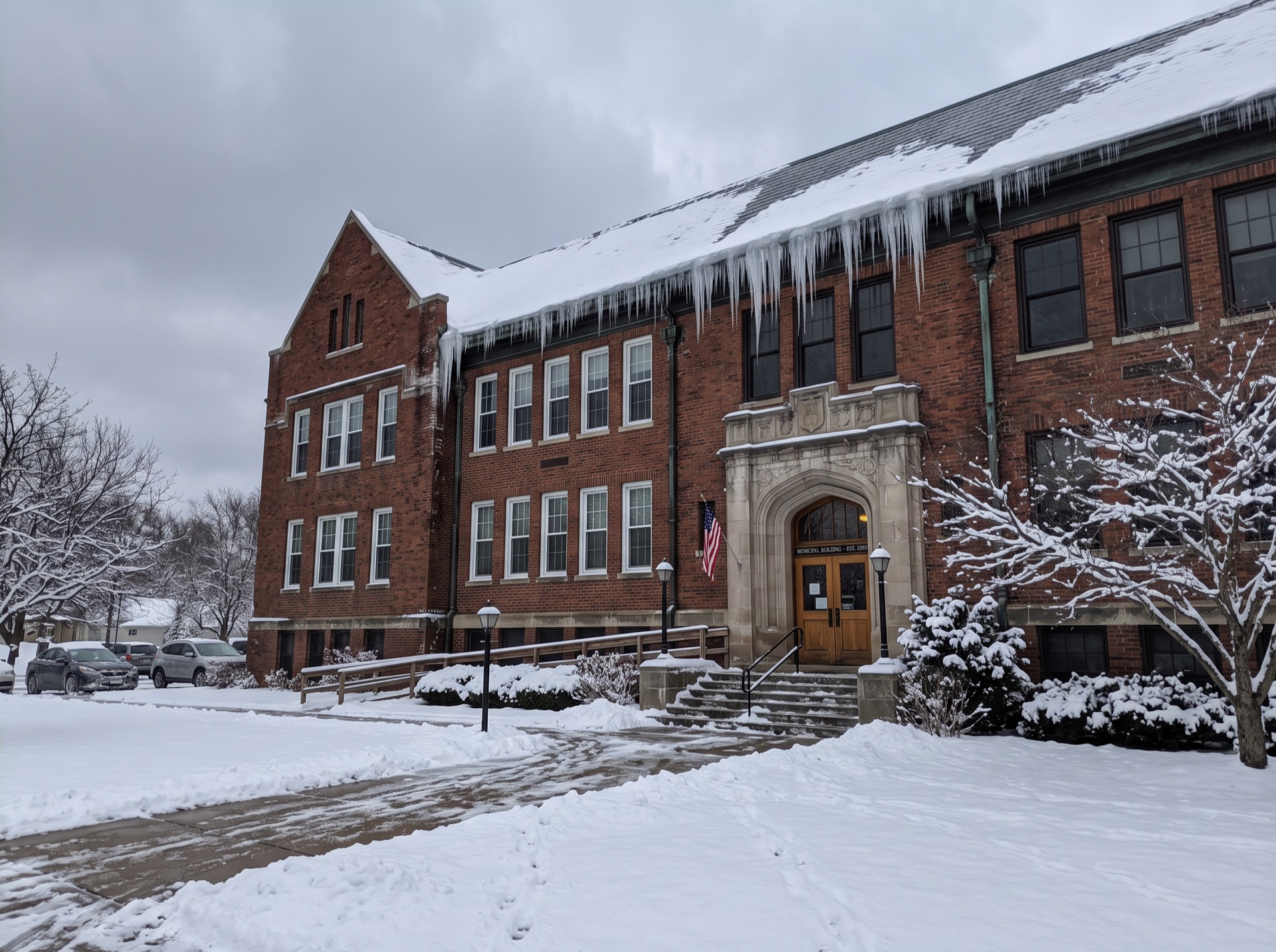
Melting happens from underneath, not from the sun. Attic heat releases water under the pack, it runs to the overhang where there is no heated space below, and it freezes. That is the engine, and in Manitowoc it runs most of the winter.
Ice-barrier practice in Manitowoc County
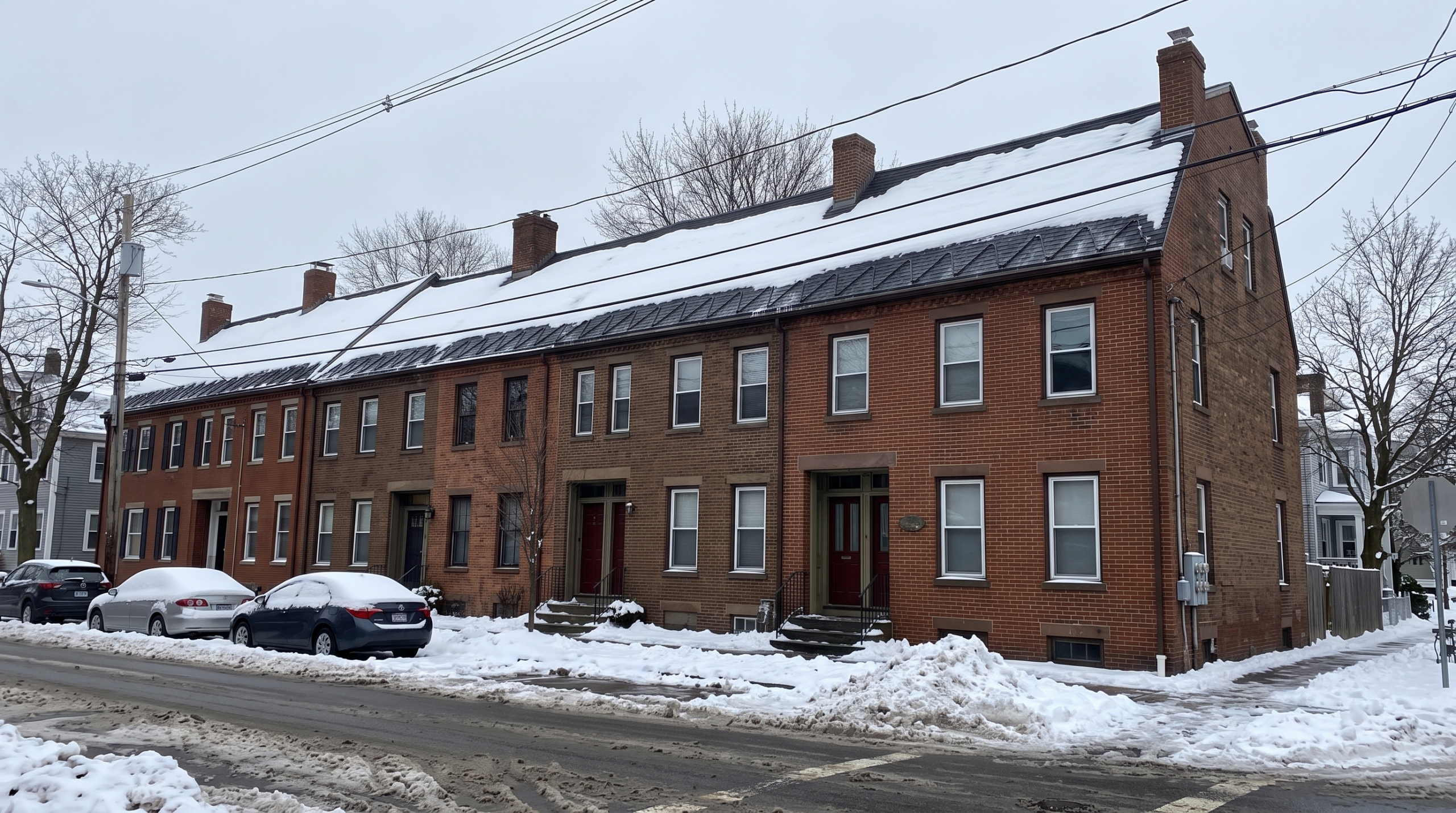
Lake-belt jurisdictions in Wisconsin have enforced eave membrane on re-roof permits for a long time. The roofs that leak are, almost without exception, the ones that have not been touched since before that.
What a Crew Does on a Manitowoc Roof
Crews walk the eaves, valleys and gutter line first and photograph every dam and every point where water is tracking inside, before touching anything. You get shown what they found and quoted the crew-hour rate before work starts.
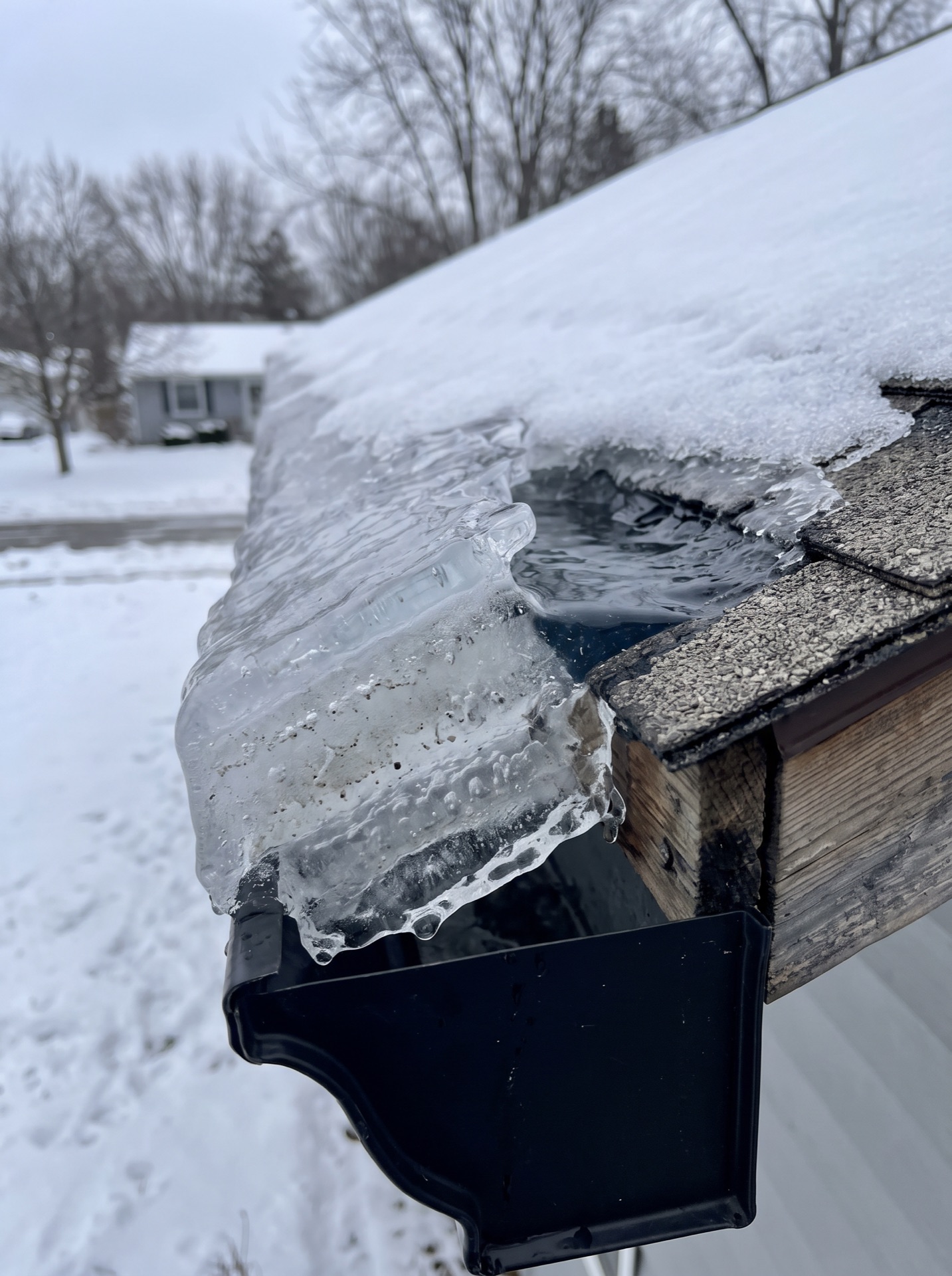
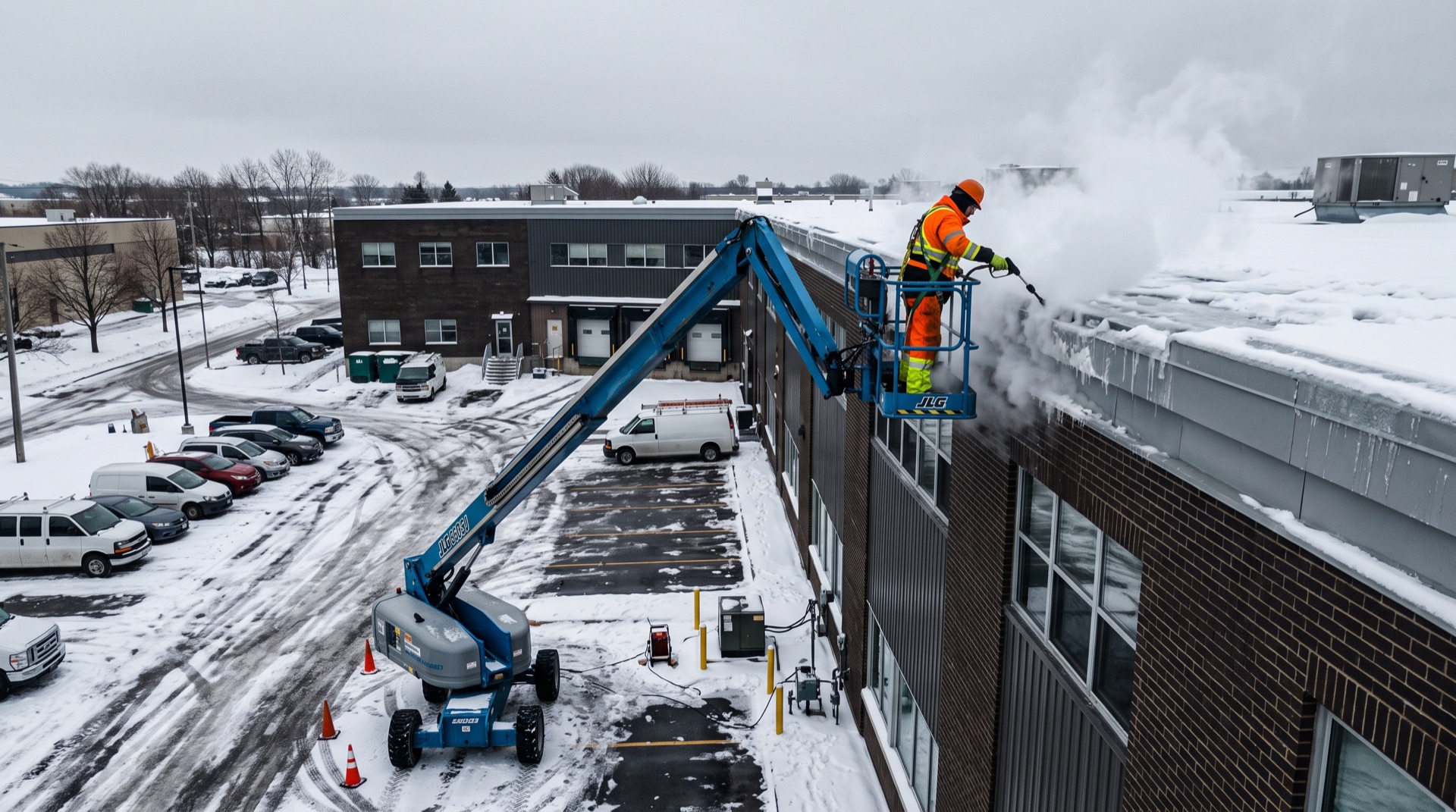
Then the ice comes off with low-pressure steam, starting wherever water is actively backing up so drainage opens early. Frozen gutters and downspouts are cleared in the same visit, because a cleared eave above a solid block of ice in the gutter dams again on the next cold night.
Why the gutter has to be cleared in the same visit
A dam sitting above a gutter packed solid with ice is only half the problem. Clear the eave and leave the trough frozen, and the next day's meltwater has nowhere to run — it backs up onto the roof and the dam rebuilds from the bottom.
Crews steam the trough and the downspout through to daylight on the same visit. It adds time, which is why the hour estimate given on the phone accounts for it, and it is the difference between a fix and a repeat visit in Manitowoc the following week.
Working at night and during an active storm
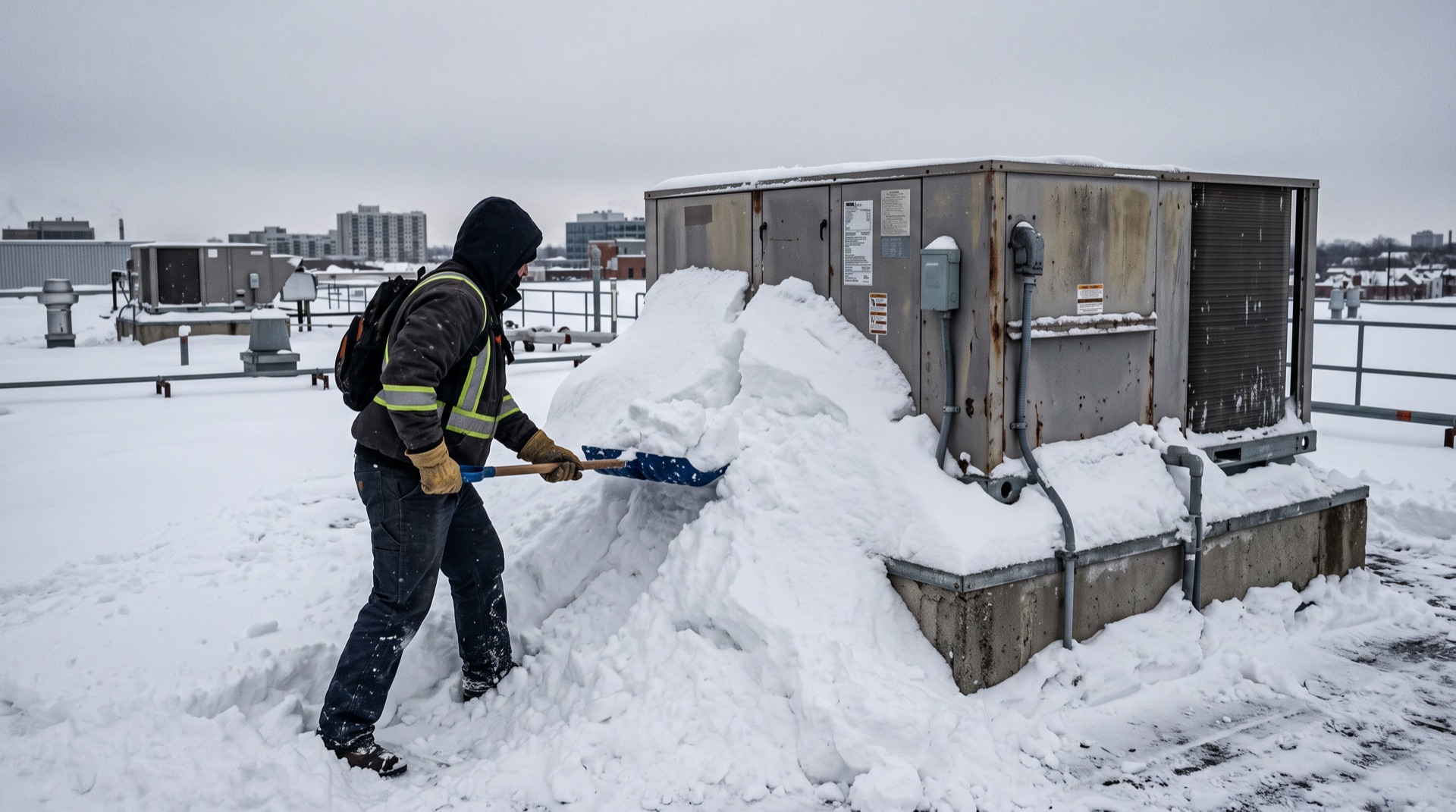
Freeze events do not keep office hours, and the worst leaks tend to announce themselves in the evening when the day's melt refreezes. Crews run lit, and a roof that is actively collecting snow is worked anyway, because waiting for better weather means the dam is bigger when somebody finally gets to it.
What does stop a crew is wind and lightning. Both are judgment calls made on site in Manitowoc, and a postponed start gets explained rather than dressed up.
What the dam has already done to the gutter and fascia
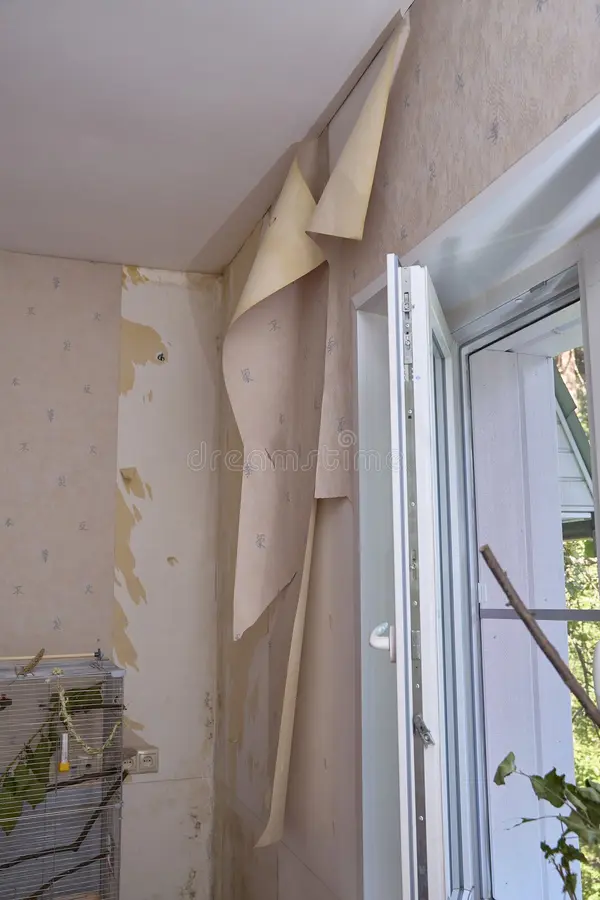
Ice expands as it forms, and a trough packed solid pushes the gutter away from the fascia a little more every cycle. By the time the dam is thick enough to leak, the hangers are often pulled, the back of the trough has lifted, and the fascia board behind it has been wet for weeks.
None of that is visible until the ice is off. It gets photographed when it appears, because a bent gutter found in February is a great deal easier to argue about with a carrier than one discovered in May.
| Dispatch window | Same day to 24 hours |
|---|---|
| Service | Ice dam removal in Manitowoc, WI |
| Pricing model | Billed by the crew hour, rate quoted before dispatch |
| Documentation | Dated before and after photos, written scope in Xactimate line items |
| Local ice-barrier practice | Eave membrane expected on re-roofs |
| Coverage area | Manitowoc and Manitowoc County |
| Primary climate stressor | Lake-effect bands, wet heavy pack |
Manitowoc Coverage and the Adjoining Communities
Crews working Manitowoc cover the adjoining communities on the same route — Two Rivers, Francis Creek, Whitelaw, Newton and Valders — so a storm week usually means one truck handling several addresses in Manitowoc County rather than separate trips.
Nearest hub towns with their own crew pages: Sheboygan, De Pere, Green Bay, Appleton, Neenah, Oshkosh.
During a cold snap Manitowoc gets worked alongside the neighboring Manitowoc County towns on the same route, with active interior leaks moved to the front of the list.
If water is already inside a property in Manitowoc, call (888) 561-9664 rather than filling in a form — the phone is faster and leaks jump the line.