


Elevation, Aspect and Ice: The Skagit County Pattern
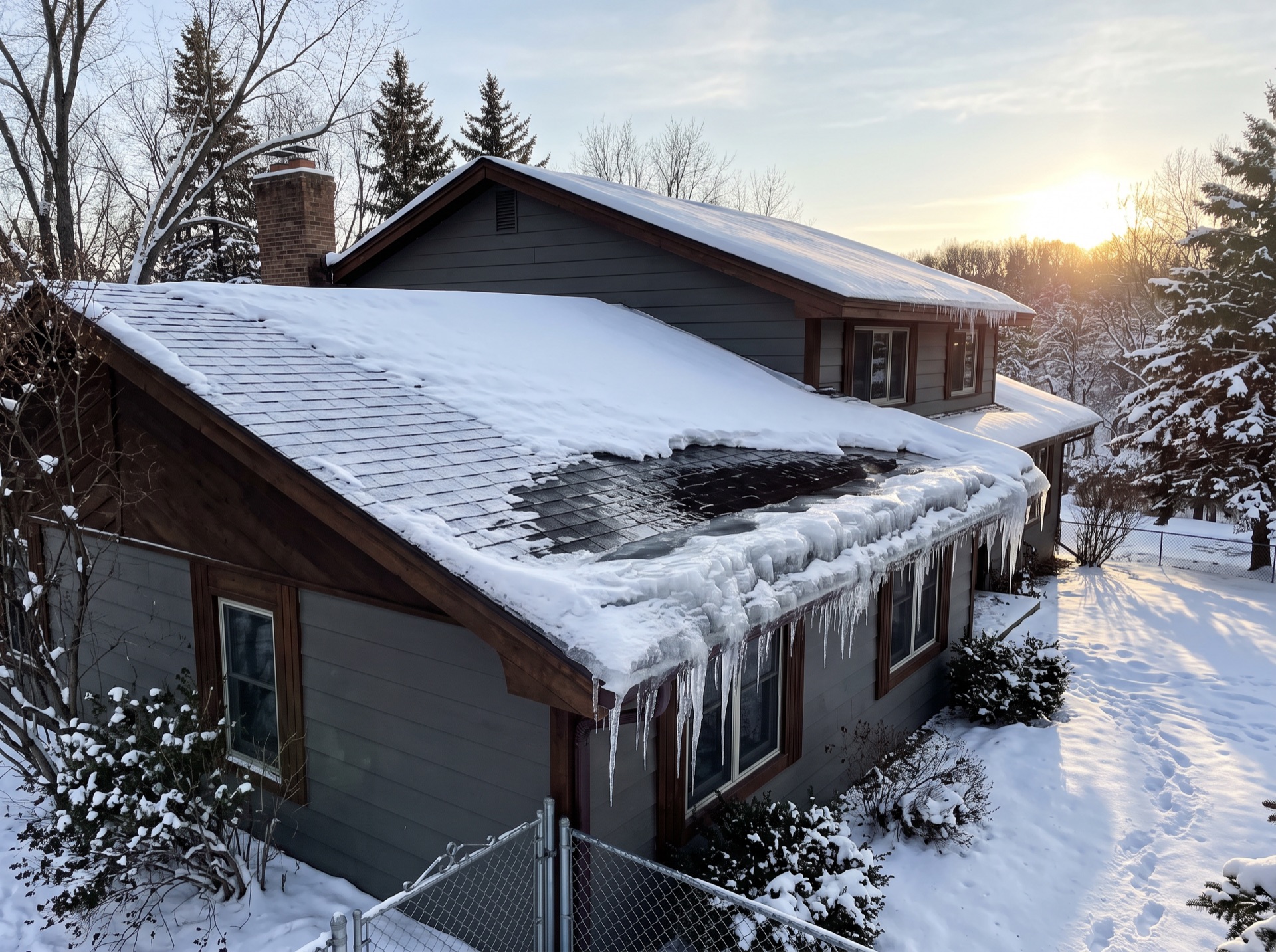
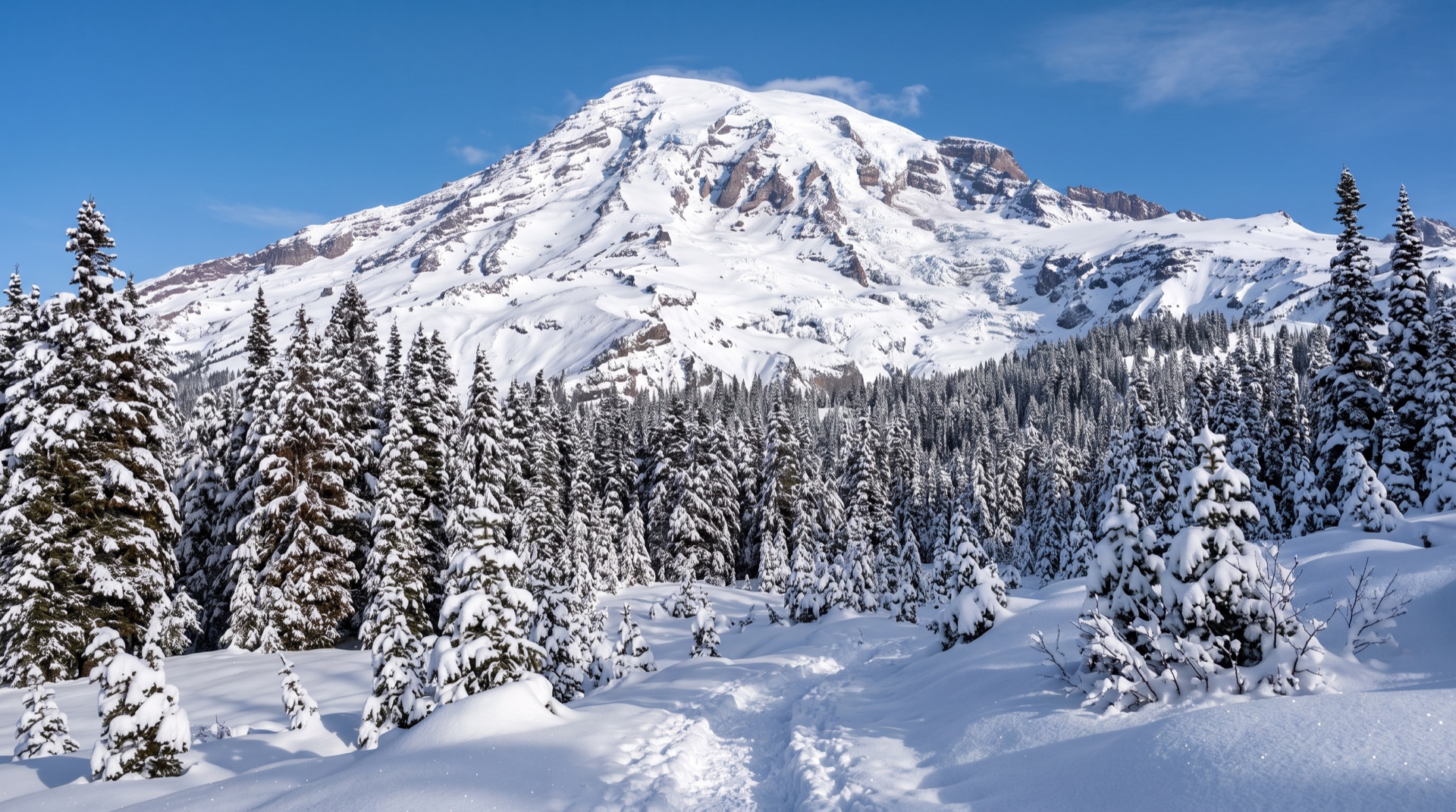
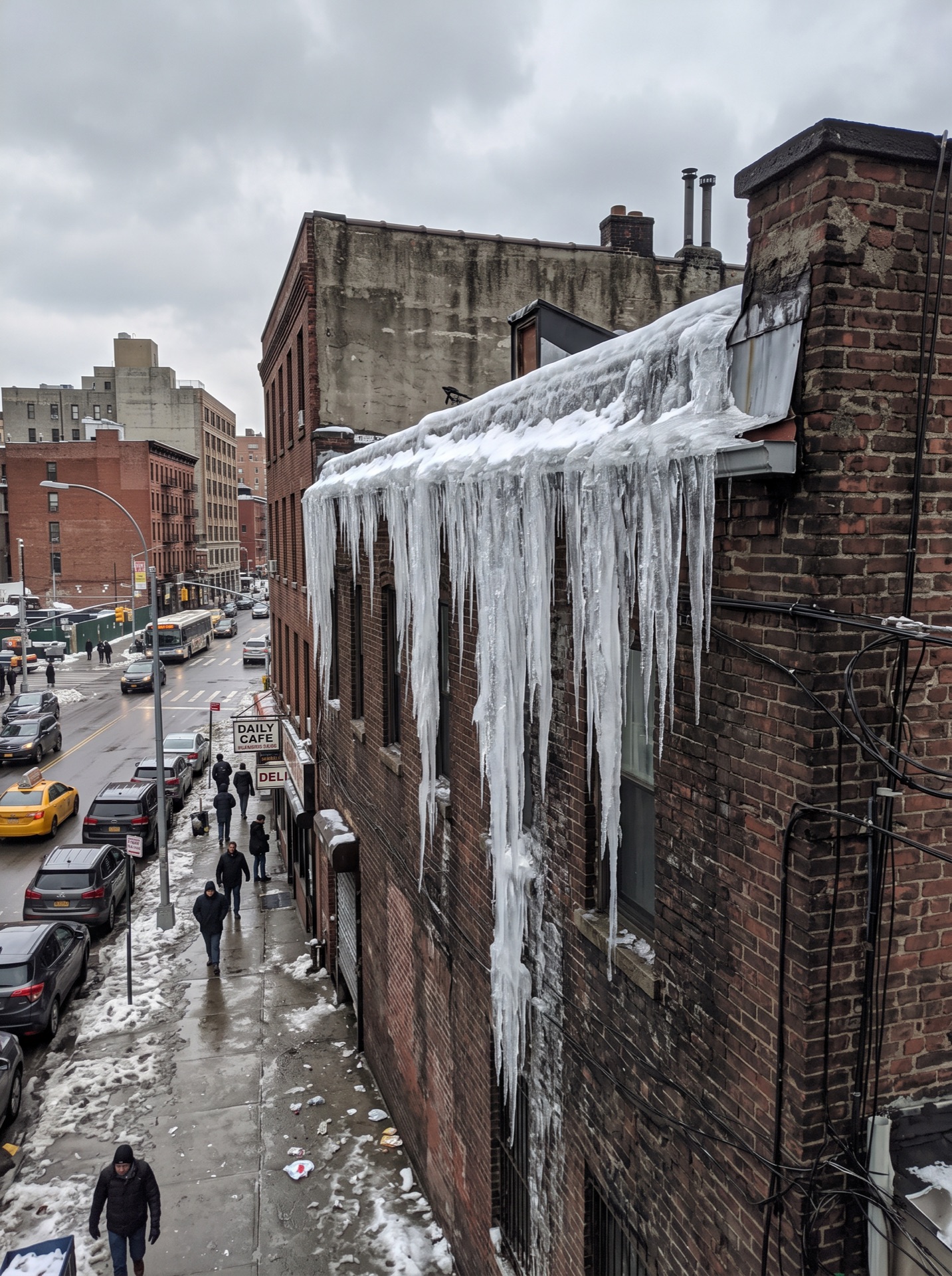
At Mount Vernon's elevation the air can stay below freezing all day while direct sun still melts the top of the snowpack. That meltwater runs down under the pack, reaches a shaded eave, and refreezes — on a day the thermometer never rose above freezing.

Depth makes it worse. A Skagit County roof can carry several feet of pack, and all of that is a reservoir sitting above an eave that never sees sun.
Ice-barrier practice in Skagit County
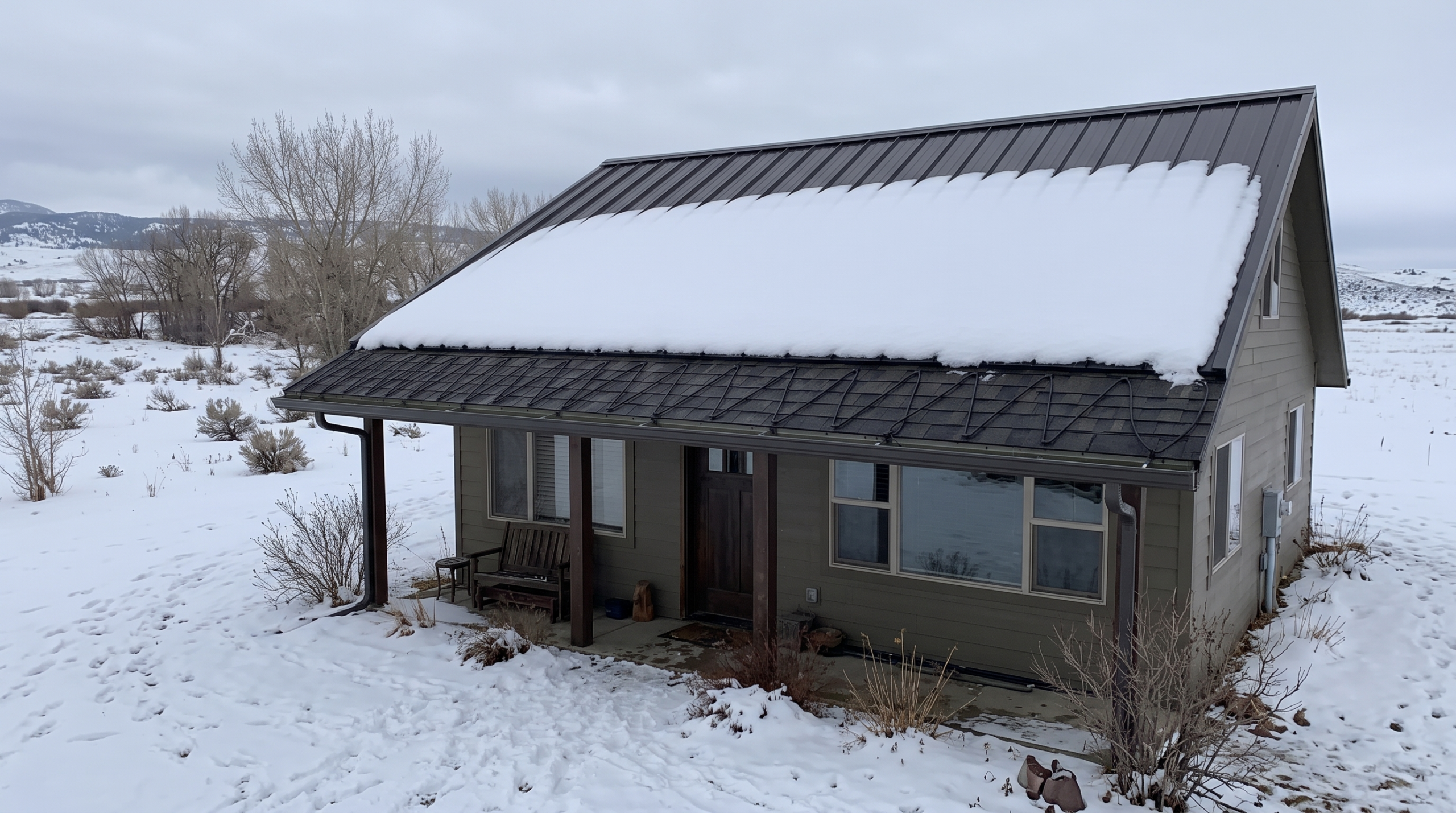
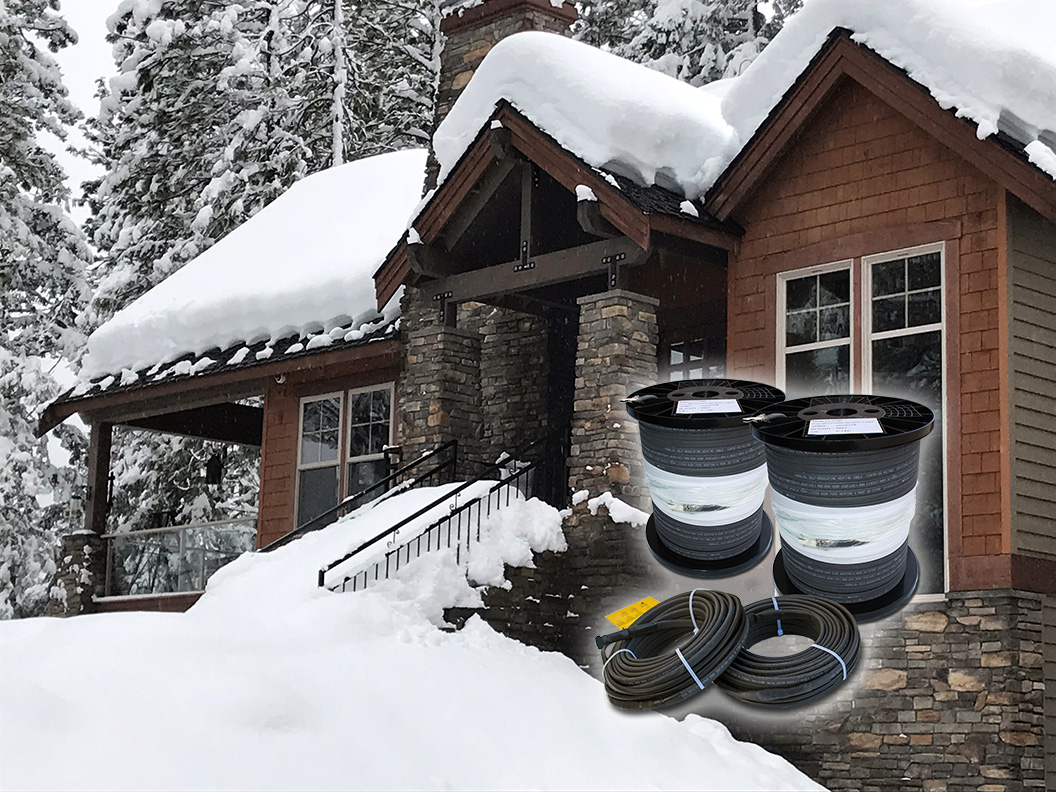
Snow retention above doors, walkways and parking is a requirement in most Skagit County jurisdictions for good reason: a release off a metal mountain roof is a serious event, not an inconvenience.
What a Crew Does on a Mount Vernon Roof
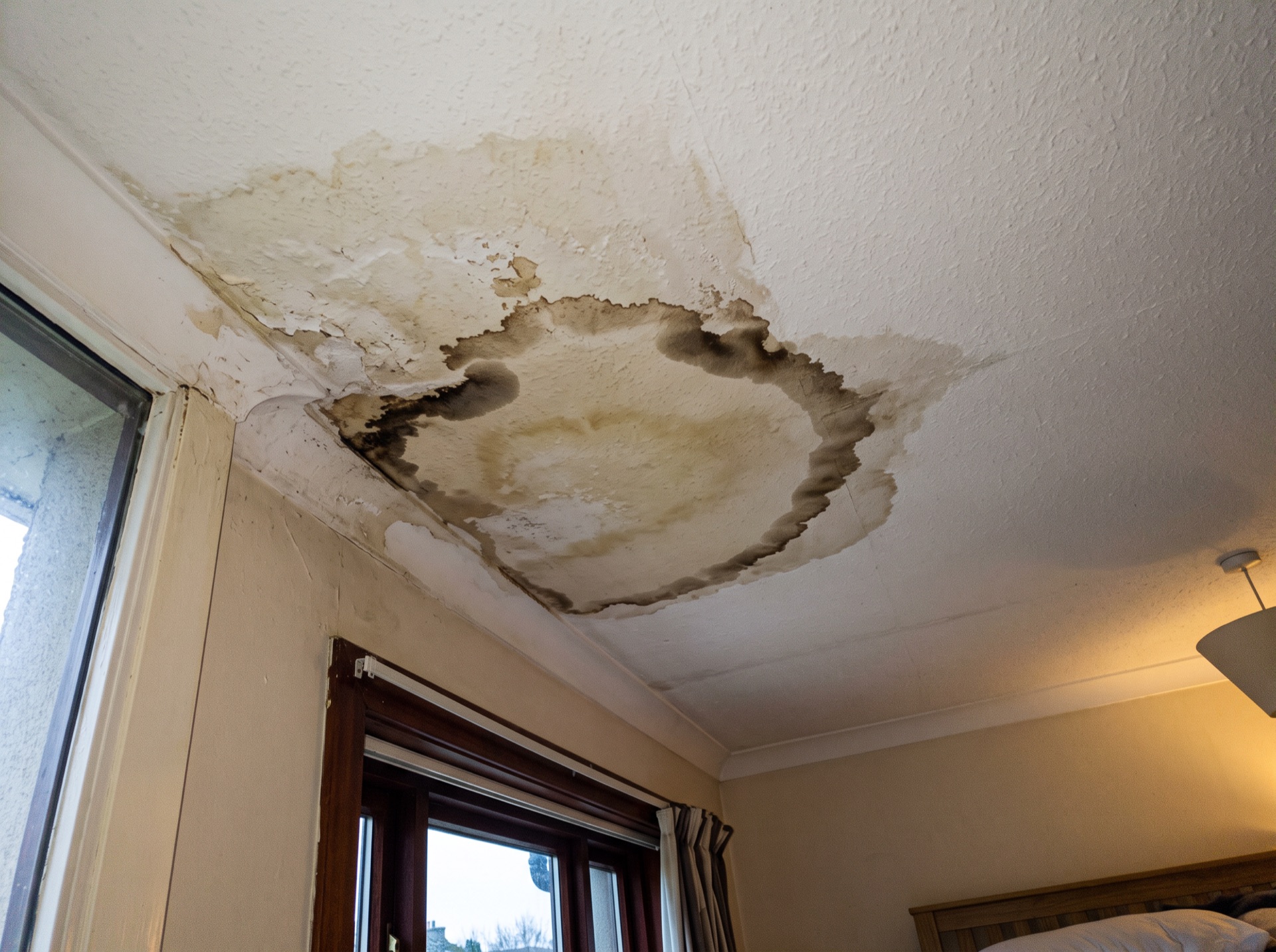
Crews walk the eaves, valleys and gutter line first and photograph every dam and every point where water is tracking inside, before touching anything. You get shown what they found and quoted the crew-hour rate before work starts.
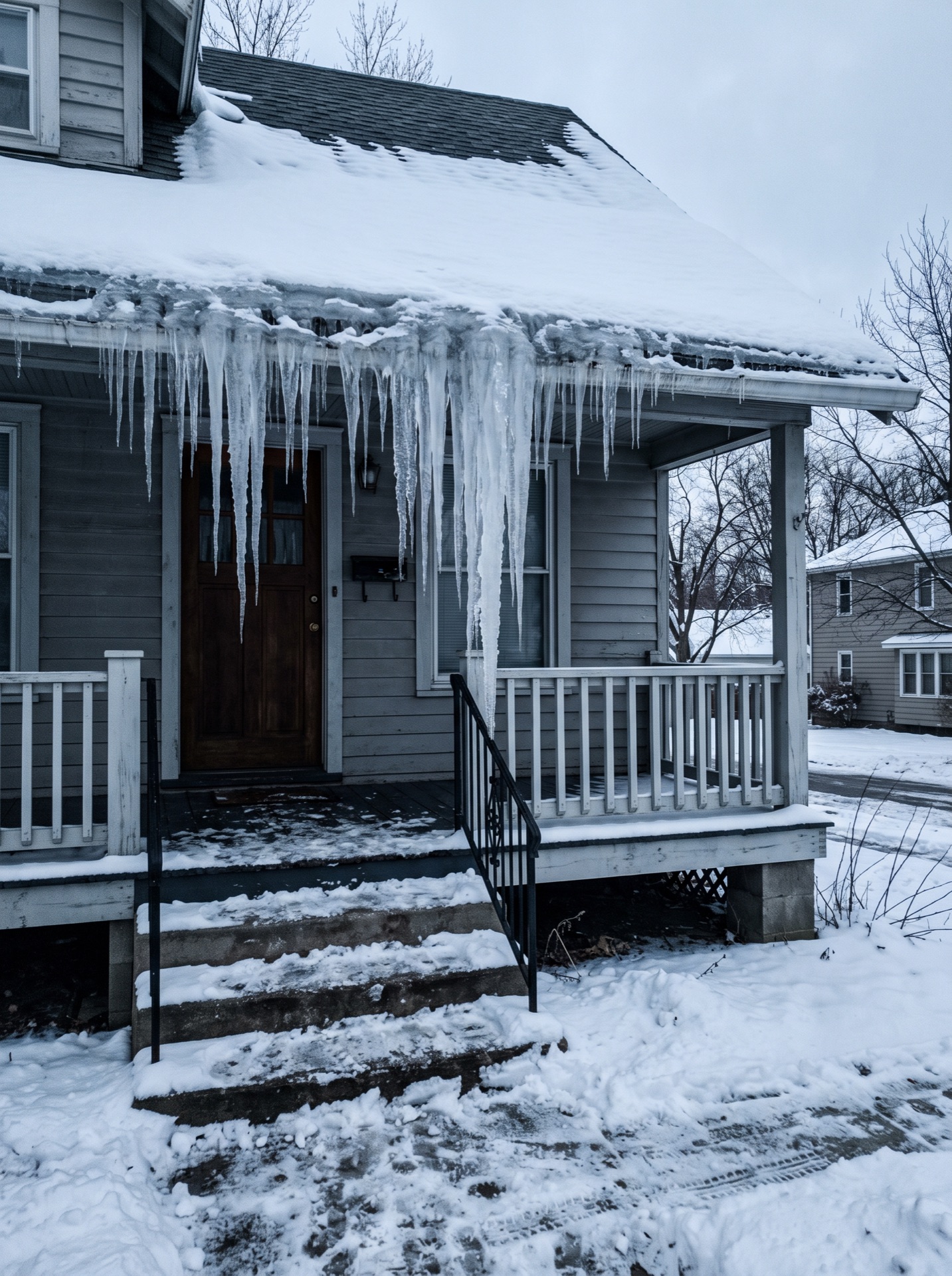
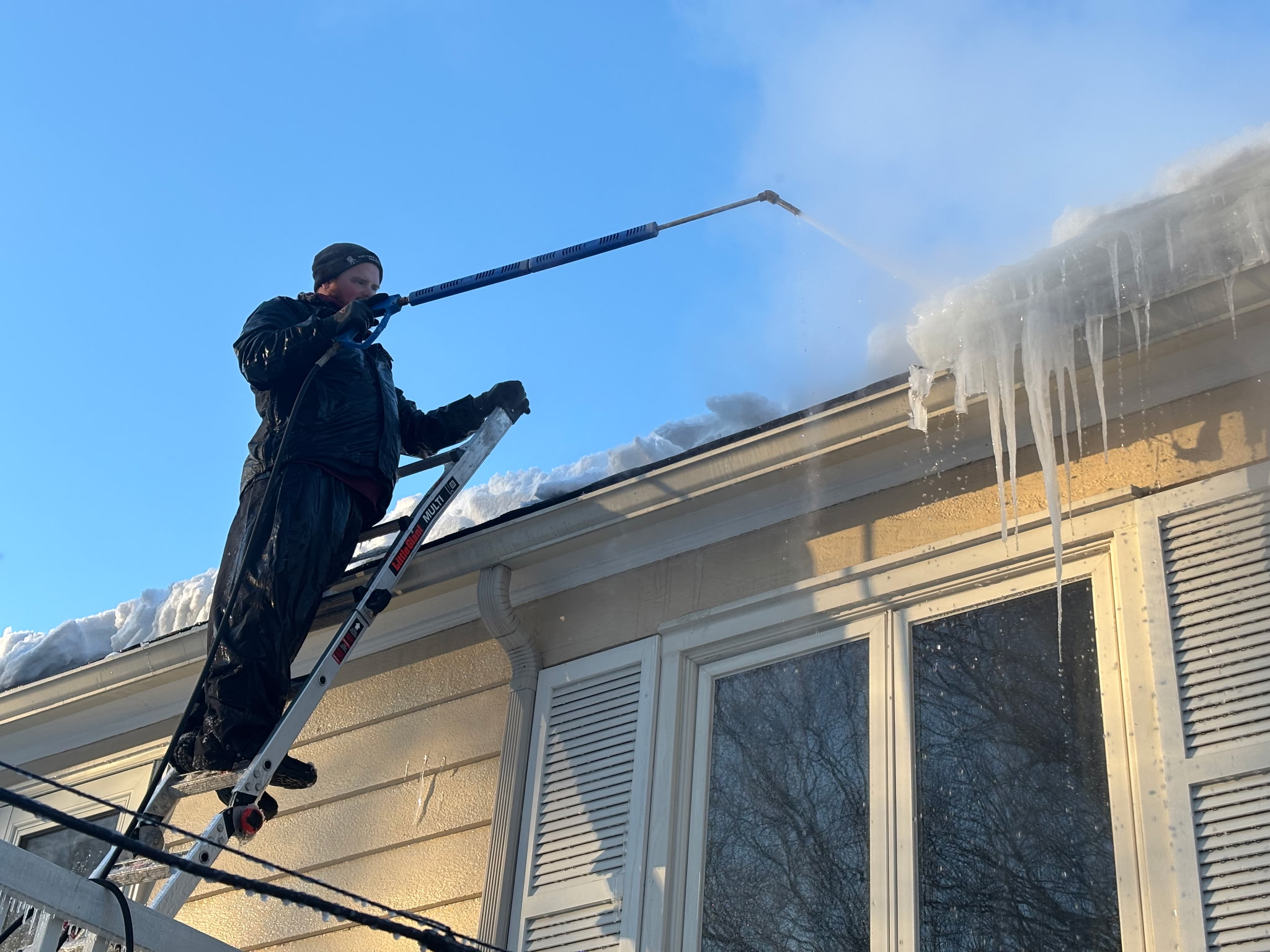
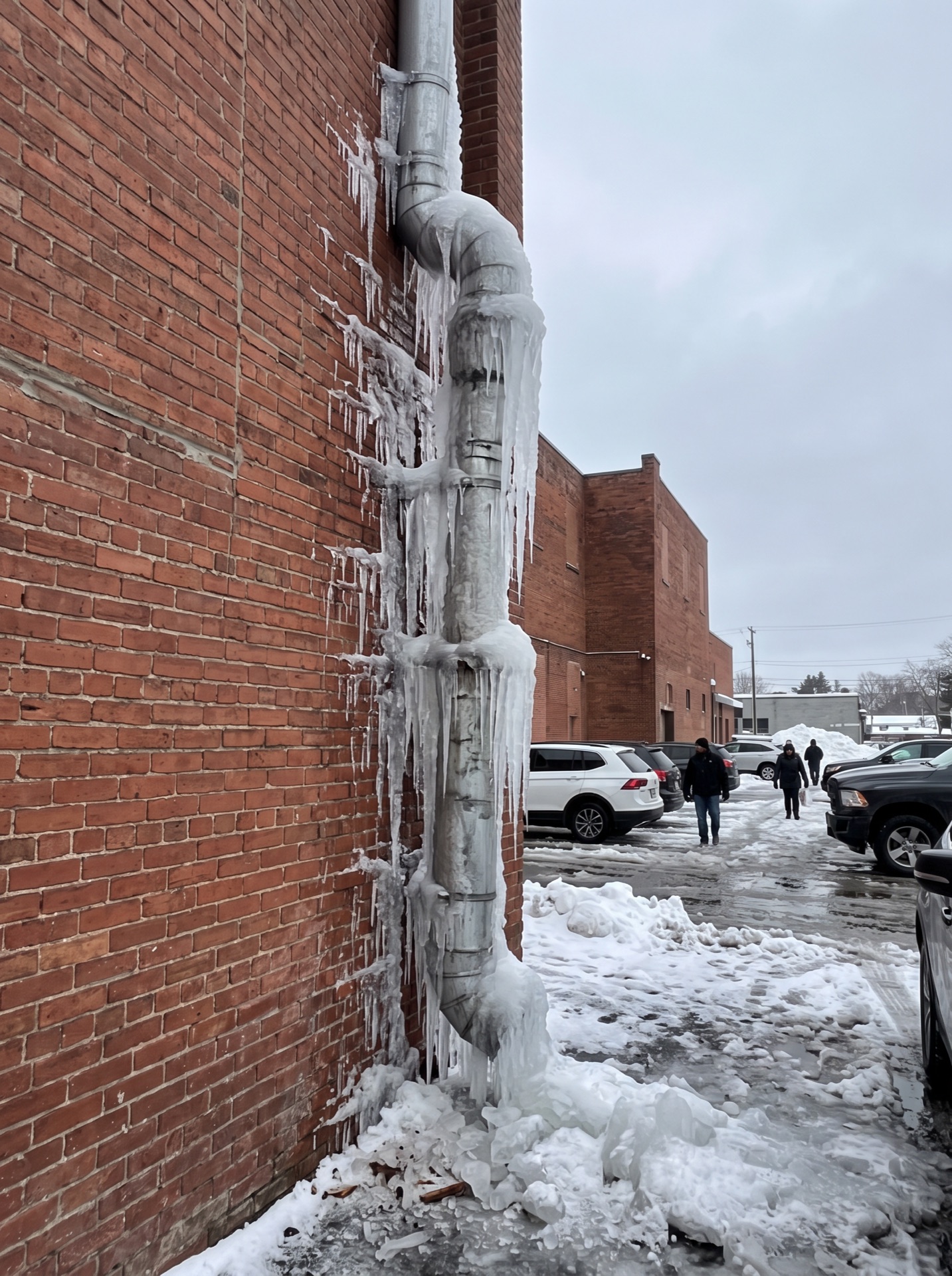
Then the ice comes off with low-pressure steam, starting wherever water is actively backing up so drainage opens early. Frozen gutters and downspouts are cleared in the same visit, because a cleared eave above a solid block of ice in the gutter dams again on the next cold night.
Why salt and ice melt make it worse
Calcium chloride opens a narrow channel and leaves the dam standing. The channel refreezes, the dam does not go anywhere, and in the meantime the runoff corrodes gutter seams, fasteners, flashing and anything growing underneath.
It is a stopgap at best. On a roof in Mount Vernon with an active leak it buys hours, not days, and it adds a corrosion problem to the water problem.
How long a removal actually takes
A single-story eave with a thin dam and clear gutters is often an hour or two. A two-story Mount Vernon house with ice standing a foot deep across the front, frozen downspouts and a valley packed solid is most of a day for a two-man crew. The honest answer on the phone is a range and the reason for it, not a number designed to win the booking.
The estimate is revised out loud if the roof turns out worse than it looked from the ground, before the extra hours are worked rather than after they appear on the invoice.
Steep, high and awkward Mount Vernon roofs
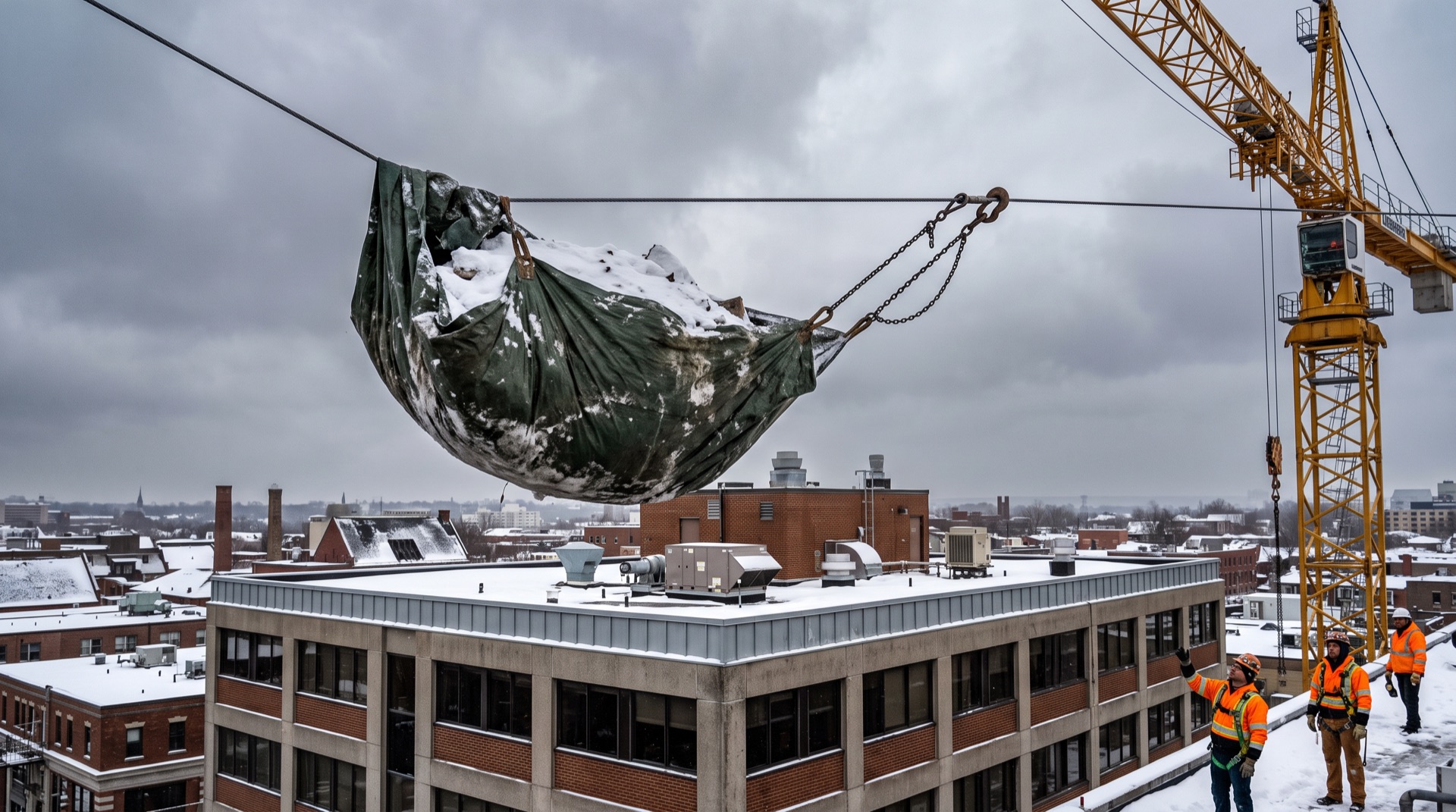
Pitch and height change the job more than ice thickness does. A walkable ranch eave is a ladder and a lance. A three-story roof with a steep pitch means anchors, rope, staging and two people where one would otherwise do.
Crews quote on that honestly. If a property in Mount Vernon needs a longer setup, it is said on the phone rather than discovered at the end of the invoice.
| Typical scope | Steam, 8-16 crew hours typical |
|---|---|
| Removal method | Low-pressure steam only. No chipping, salt or pressure washing. |
| Local ice-barrier practice | Extended membrane plus snow retention |
| Dispatch window | 24 to 48 hours in mountain terrain |
| Documentation | Dated before and after photos, written scope in Xactimate line items |
| Pricing model | Billed by the crew hour, rate quoted before dispatch |
| Coverage area | Mount Vernon and Skagit County |
Skagit County Coverage From Mount Vernon
Crews working Mount Vernon cover the adjoining communities on the same route — Burlington, Conway, Clearlake, Sedro Woolley and La Conner — so a storm week usually means one truck handling several addresses in Skagit County rather than separate trips.
Nearest hub towns with their own crew pages: Oak Harbor, Bellingham, Everett, Port Angeles, Bremerton, Snoqualmie.
When a storm hits Skagit County, crews are dispatched by severity rather than by call order — water already inside the house goes first.
If water is already inside a property in Mount Vernon, call (888) 561-9664 rather than filling in a form — the phone is faster and leaks jump the line.