



Why a Pittsburgh Roof Dams Between Storms
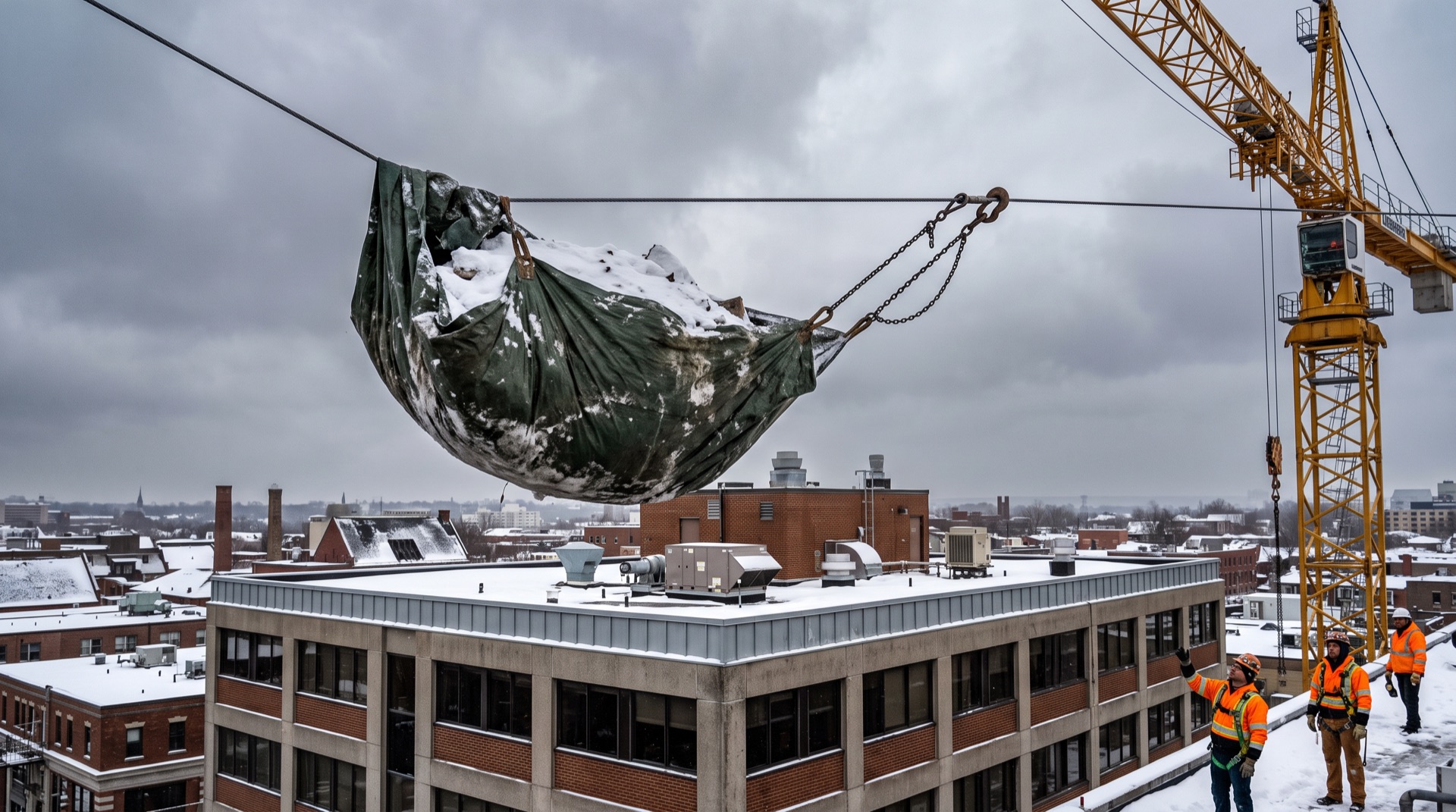
A nor'easter can load a roof in Pittsburgh with heavy, wet snow overnight. Coastal air then swings the temperature either side of freezing for days, which is the exact condition that builds ice fastest.

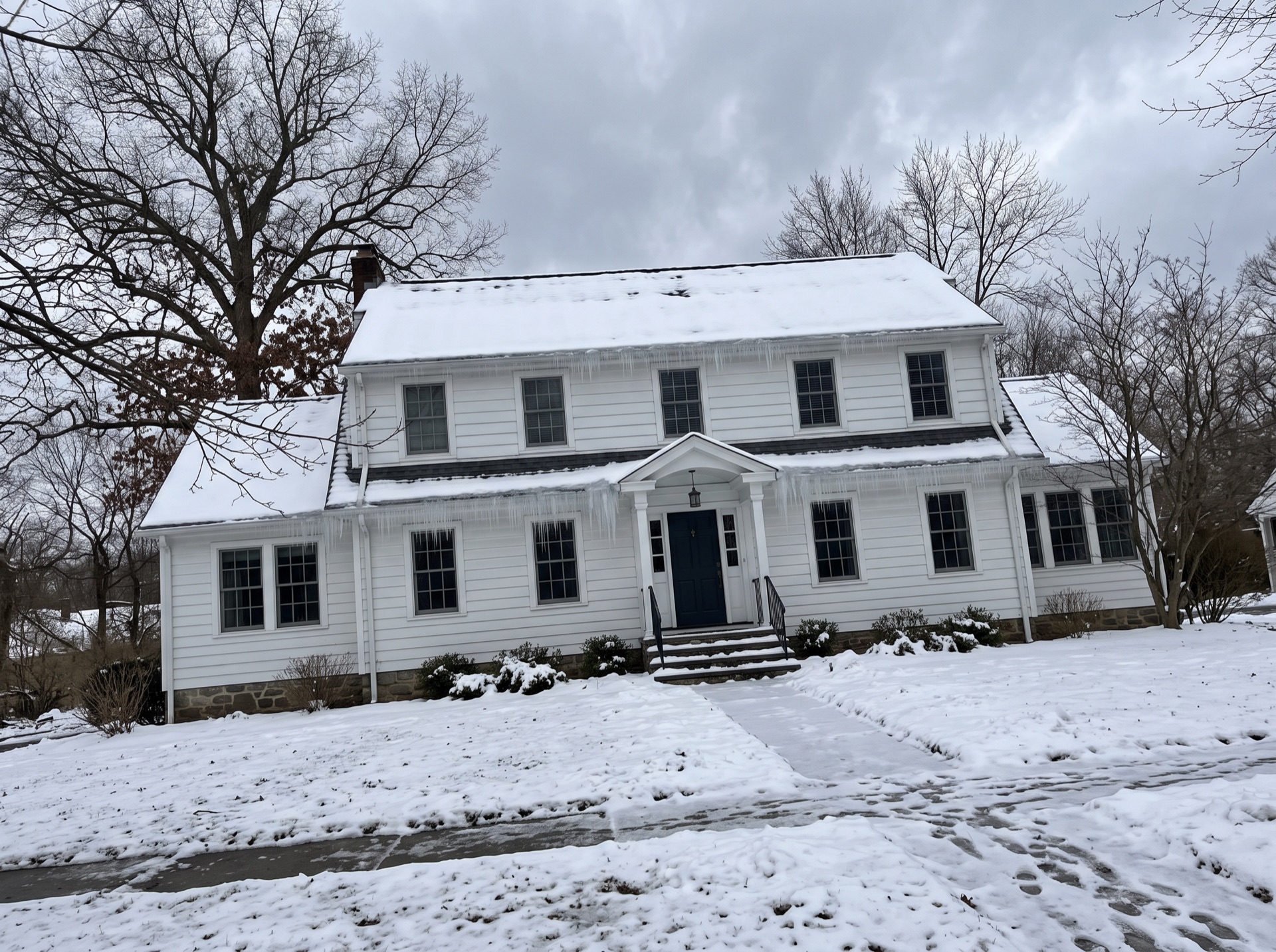
Add the architecture and the problem concentrates. Dormers, ells, knee walls and additions over porches all create pockets where warm air meets cold deck, and those are the eaves that dam first on a roof in Pittsburgh.
Ice-barrier practice in Allegheny County
Ice-barrier membrane at the eaves is standard on re-roofs across coastal Pennsylvania, and many towns enforce it strictly. Homes that have not been re-roofed since that became normal practice are the ones that leak first.
What a Crew Does on a Pittsburgh Roof
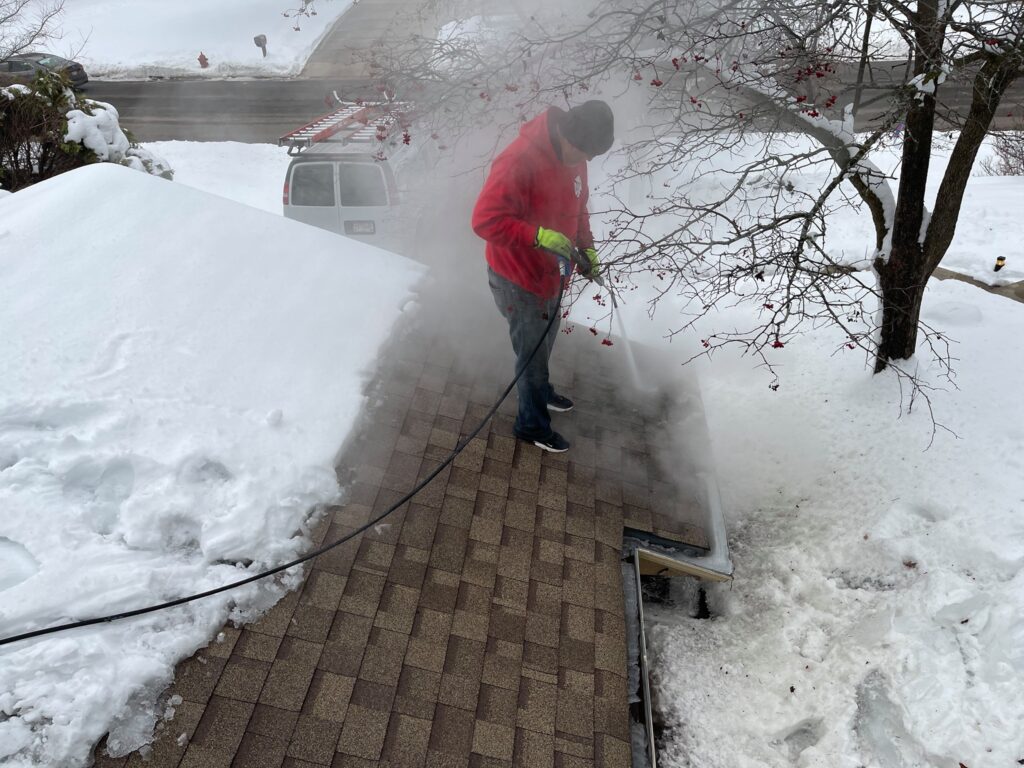
Nothing gets touched until the roof has been walked and photographed. The crew finds every dam, locates where water is getting in, shows you, and gives you the crew-hour rate and a time estimate before the equipment comes off the truck.
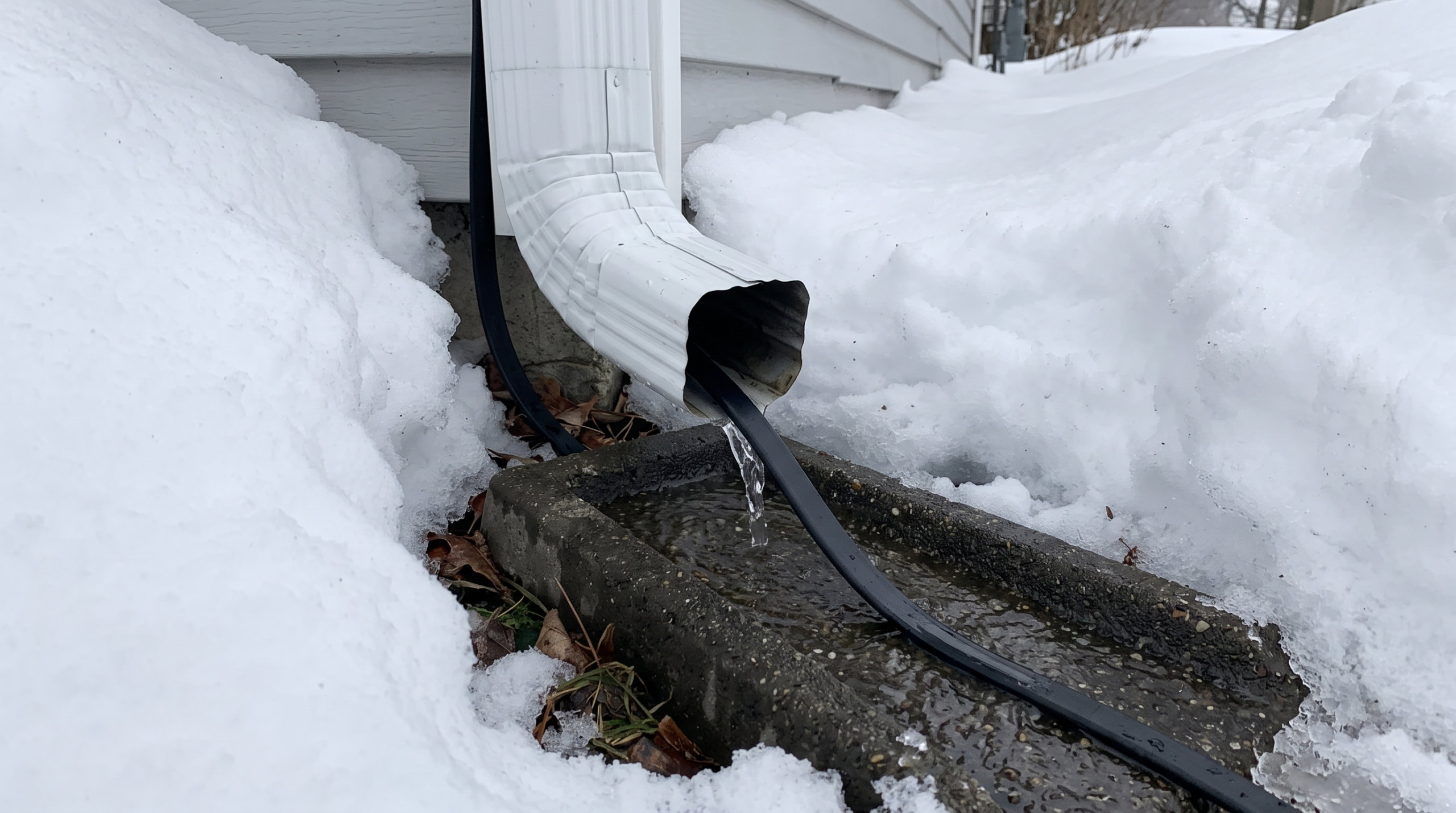
Removal then works from the worst point outward, so water starts draining early rather than at the end. Gutters and downspouts frozen solid get steamed through in the same visit — leaving them means the eave dams again within days.
What gets photographed, and why it matters later
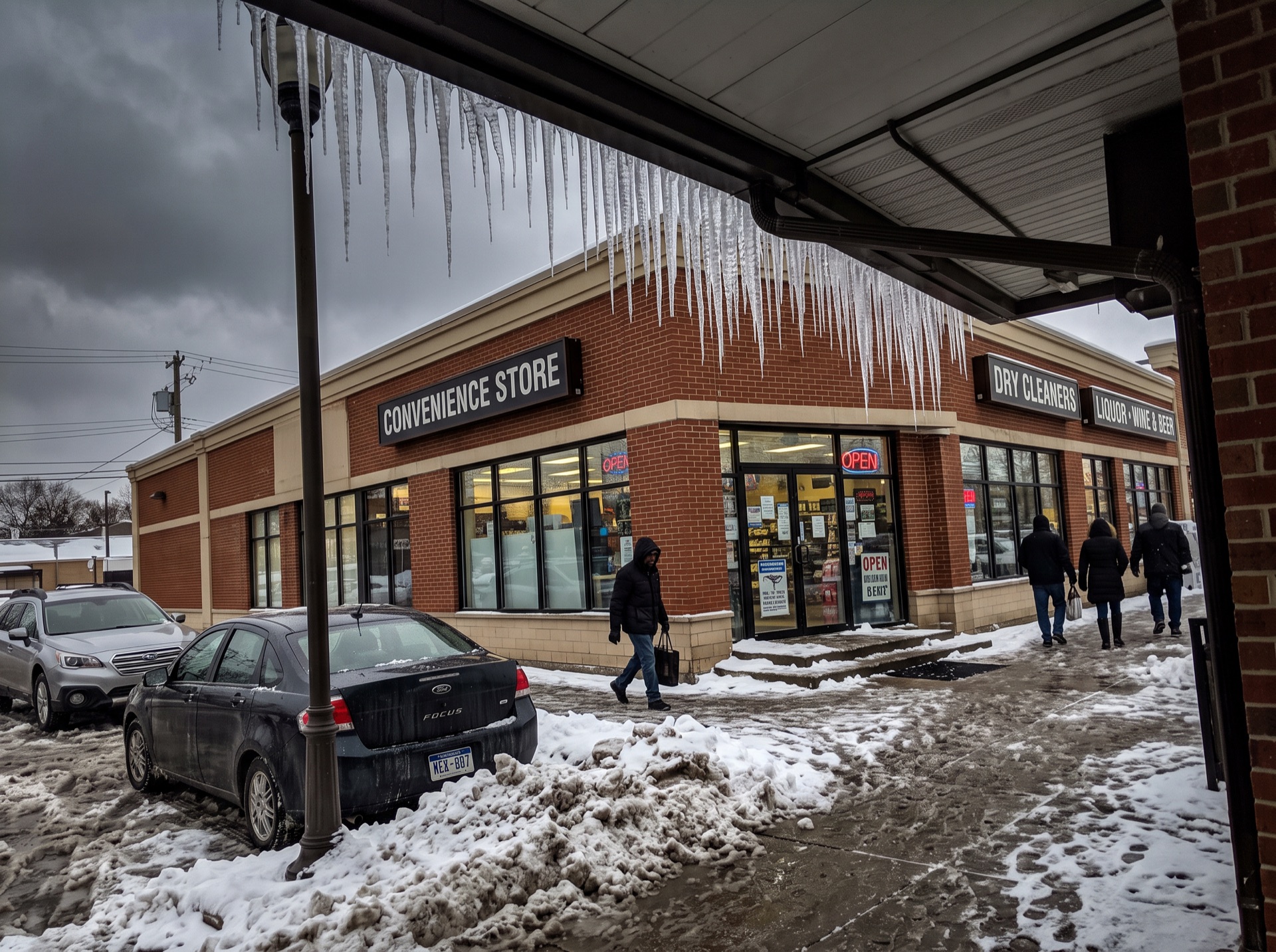
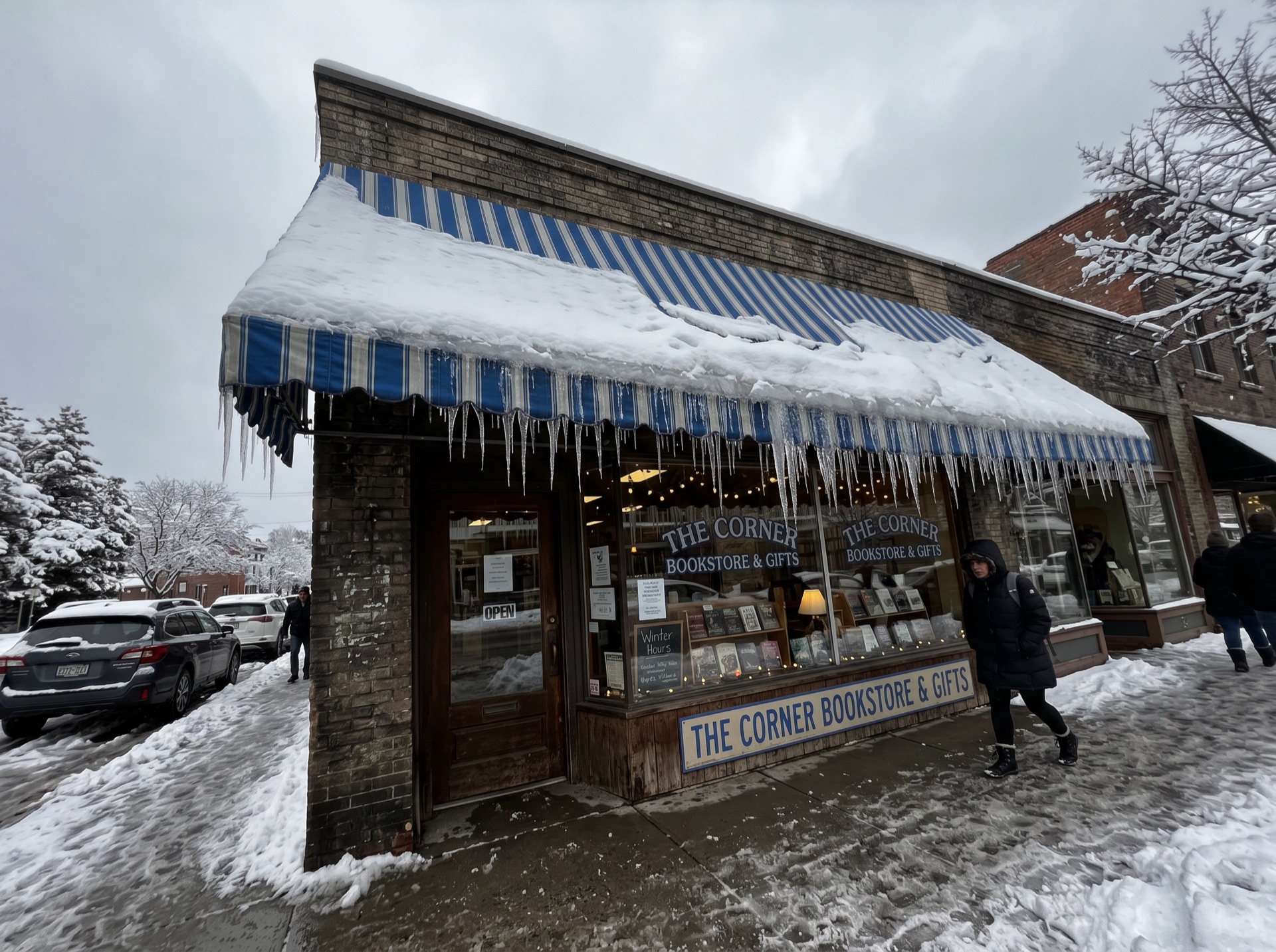
Before the lance comes out, the crew shoots the dam from the ground and from the roof, the icicle line, any staining visible inside, and the specific courses where water is tracking under the shingles. Timestamps are on every frame.
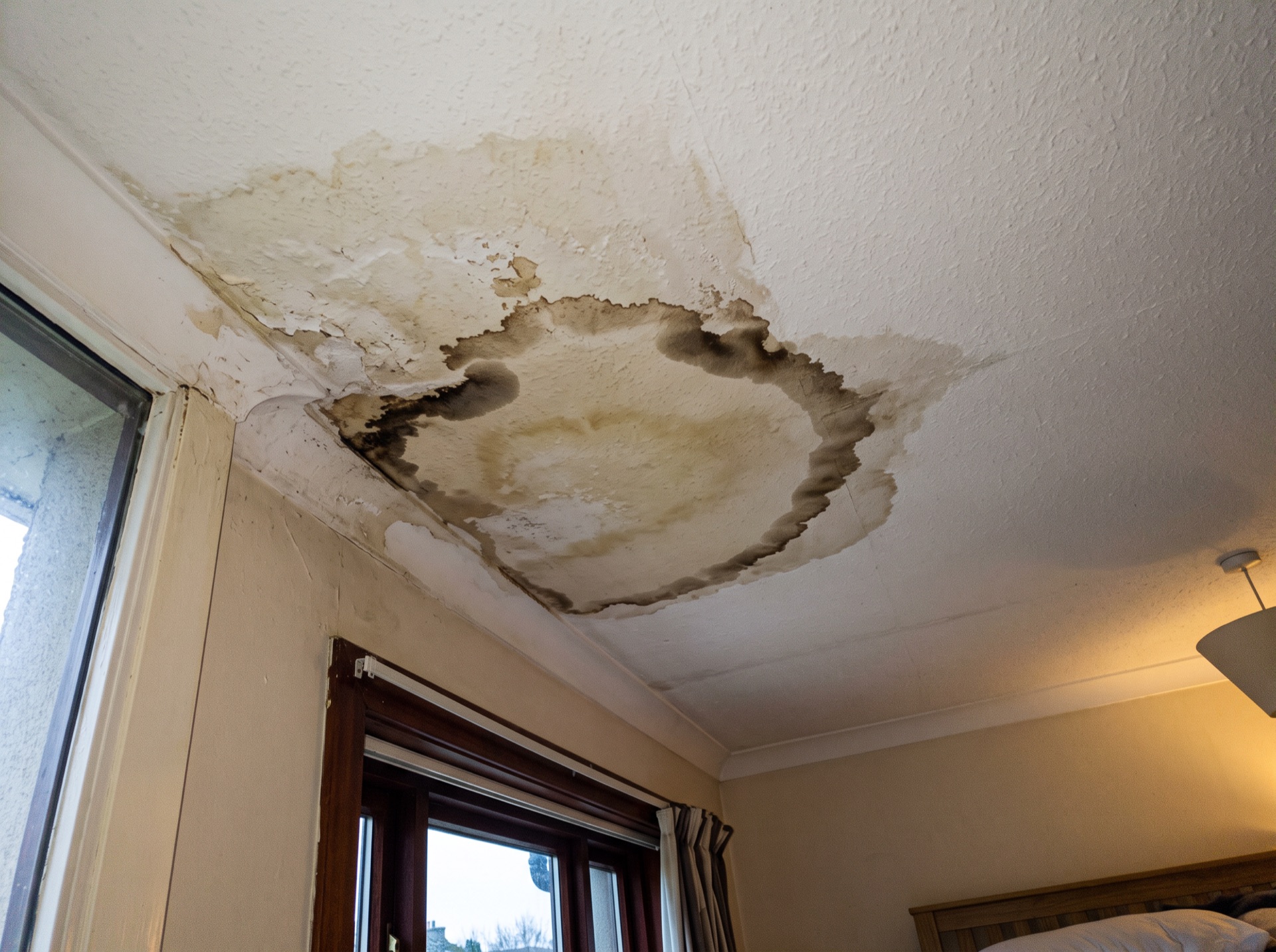
That record is the whole case if a claim follows. An adjuster arriving in March sees a dry roof and a stained ceiling; the photographs are what connect the two, and they are what a maintenance-exclusion denial runs into.
Access, ladders and what the crew needs on site
Steam equipment needs somewhere to park within hose reach, and ladders need footing that is not a buried flower bed or a sheet of ice. Clearing a path to the affected eave, moving vehicles off the driveway and unlocking a side gate takes ten minutes and saves considerably more than that on the clock.
Where the only access is through a neighbor's property, that conversation is worth having before the crew is in the street rather than while it waits.
Dormers, valleys and dead spots
Ice does not distribute evenly. It concentrates where two roof planes meet, behind dormers, in dead valleys that drain nowhere, and along the north face that never sees sun. Those pockets hold water deepest and leak first.
A crew working a roof in Pittsburgh clears the full eave line and then goes back through the valleys and dormer pockets specifically, because clearing the easy straight run and calling it done is how a roof leaks again a week later.
| Removal method | Low-pressure steam only. No chipping, salt or pressure washing. |
|---|---|
| Dispatch window | Same day to 24 hours |
| Local ice-barrier practice | Eave membrane standard on re-roofs |
| Pricing model | Billed by the crew hour, rate quoted before dispatch |
| Typical scope | Steam, 4-10 crew hours typical |
| Coverage area | Pittsburgh and Allegheny County |
| Service | Ice dam removal in Pittsburgh, PA |
Allegheny County Coverage From Pittsburgh
Crews working Pittsburgh cover the adjoining communities on the same route — Glenshaw, Homestead, Verona, Braddock and Allison Park — so a storm week usually means one truck handling several addresses in Allegheny County rather than separate trips.
Nearest hub towns with their own crew pages: Penn Hills, West Mifflin, McCandless, Baldwin, Monroeville, Plum.
During a cold snap Pittsburgh gets worked alongside the neighboring Allegheny County towns on the same route, with active interior leaks moved to the front of the list.
If water is already inside a property in Pittsburgh, call (888) 561-9664 rather than filling in a form — the phone is faster and leaks jump the line.