



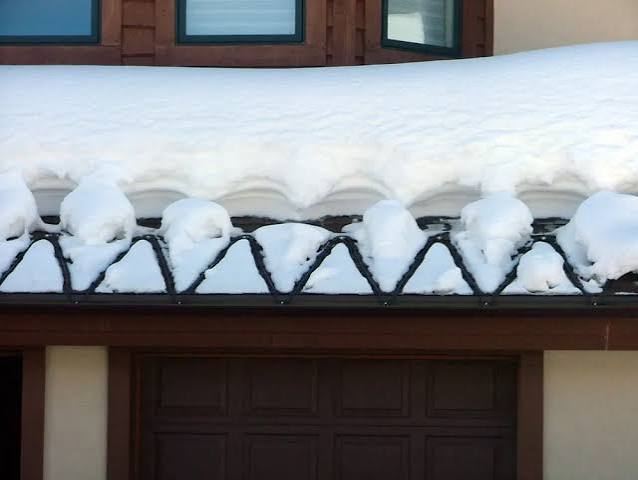
Troy Ice Dams: Why a Few Inches Is Enough
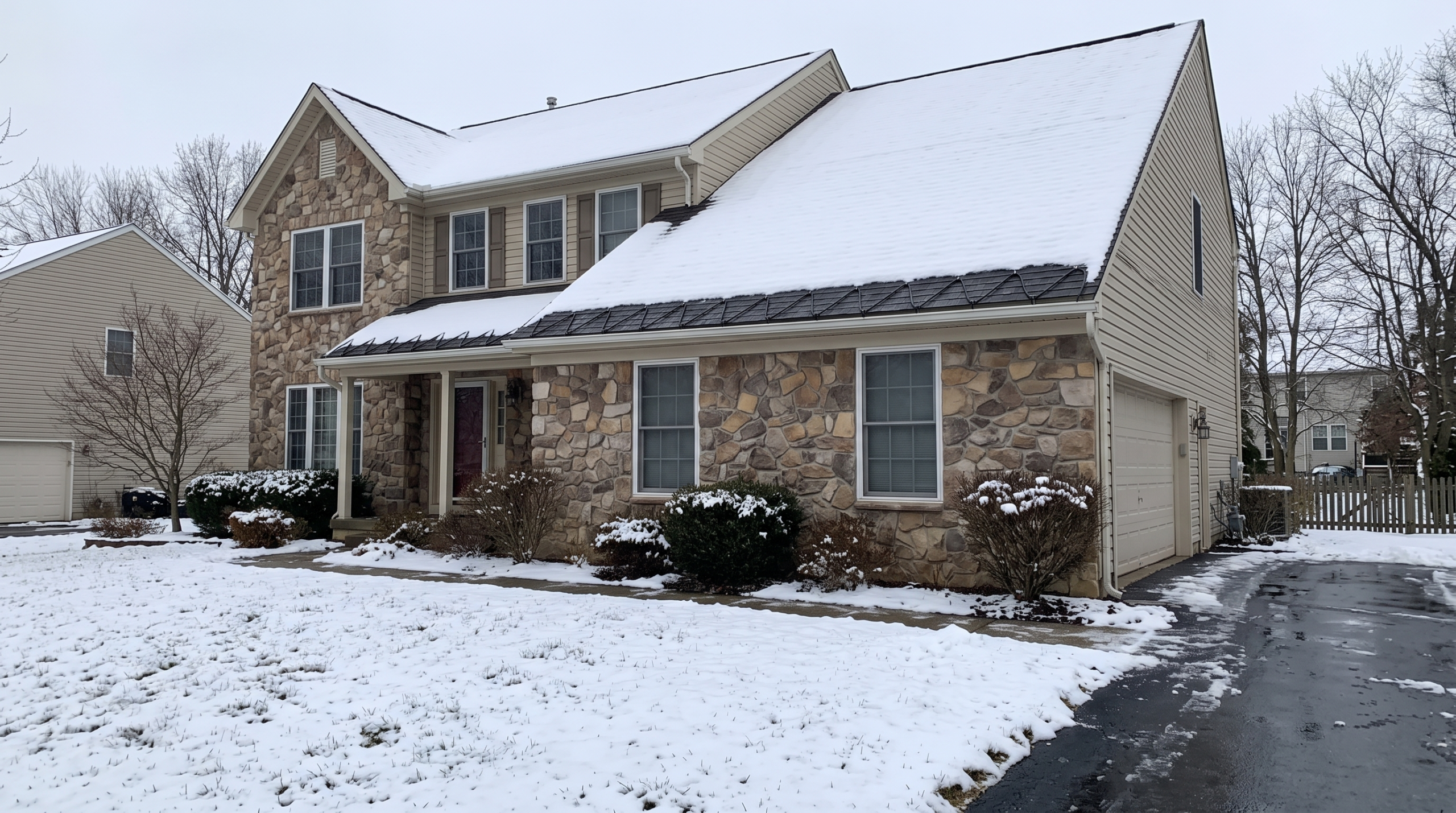
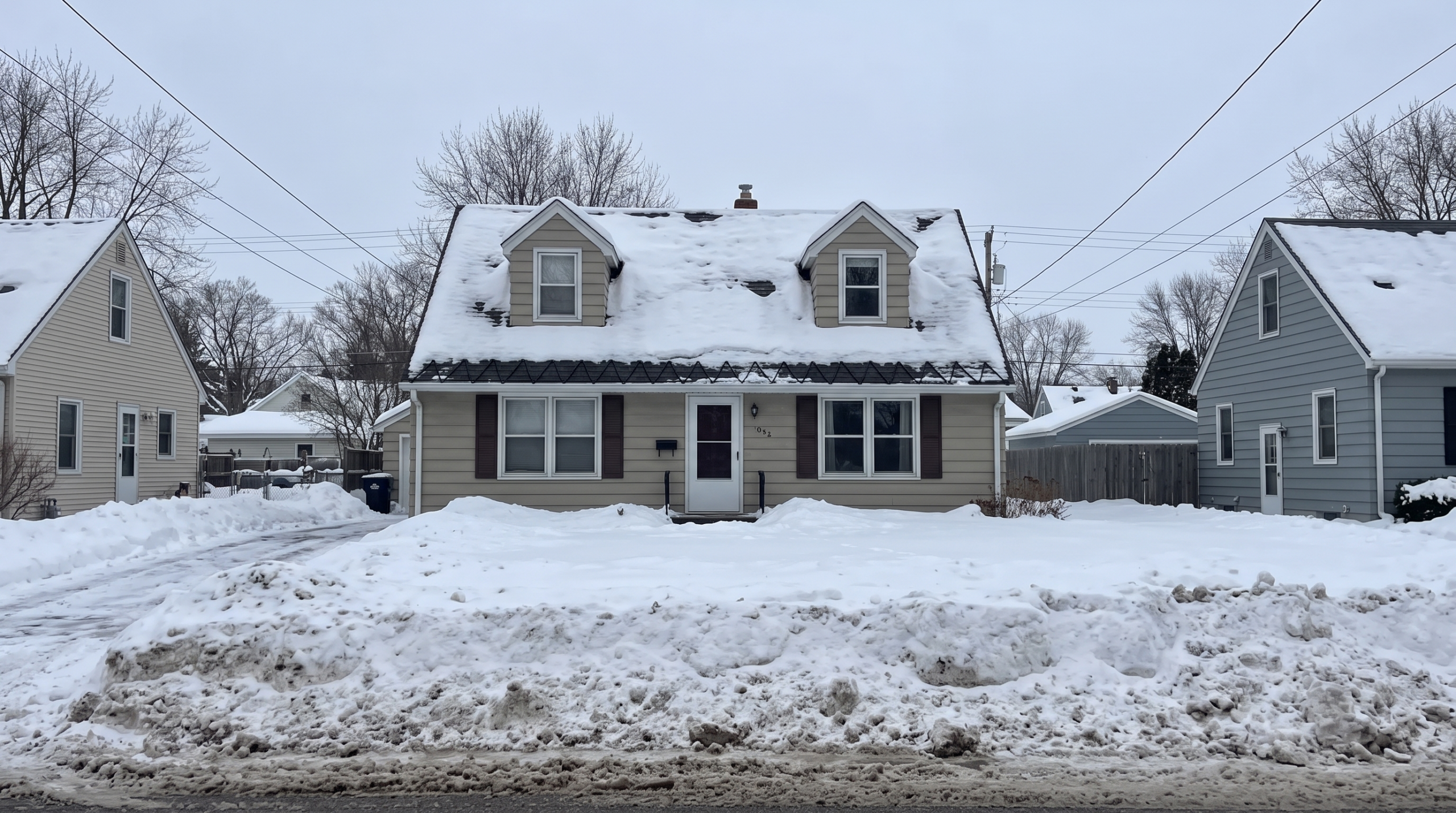
Troy does not need a blizzard to get an ice dam. A few inches that melts by afternoon and refreezes overnight builds one just as effectively, and it does it over and over through the season.

And the cycling is relentless rather than dramatic. Fifteen or twenty crossings of freezing in a season each add a layer, and the houses with the thinnest attic insulation in Miami County all find out in the same week.
Ice-barrier practice in Miami County
Because ice is not the first thing a homeowner in Troy thinks about, the eave membrane is the detail most often value-engineered out of a re-roof quote. It is worth asking for by name.
How a Troy Steam Call Runs, Start to Finish
Crews walk the eaves, valleys and gutter line first and photograph every dam and every point where water is tracking inside, before touching anything. You get shown what they found and quoted the crew-hour rate before work starts.
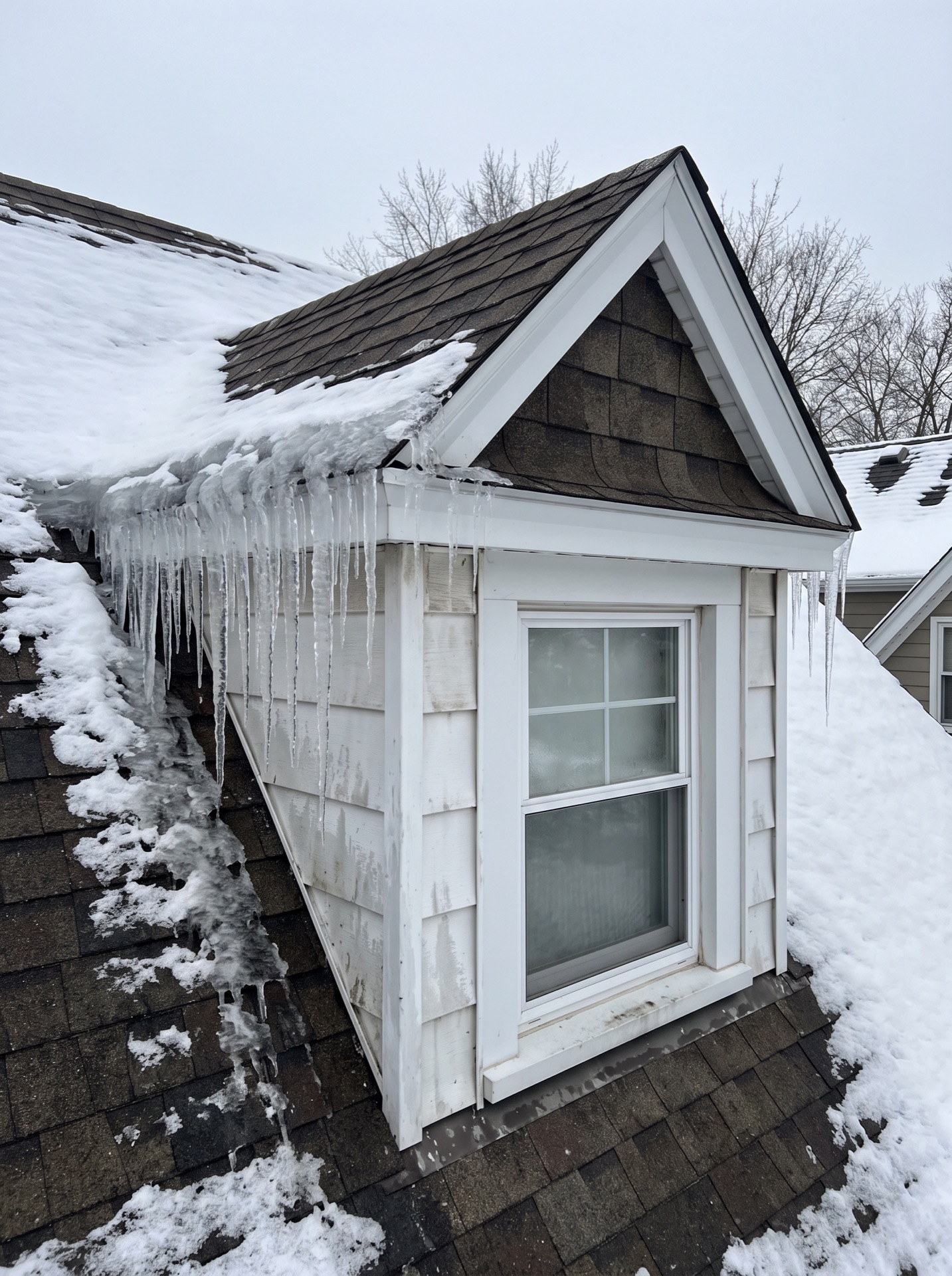
Then the ice comes off with low-pressure steam, starting wherever water is actively backing up so drainage opens early. Frozen gutters and downspouts are cleared in the same visit, because a cleared eave above a solid block of ice in the gutter dams again on the next cold night.
How long a removal actually takes
A single-story eave with a thin dam and clear gutters is often an hour or two. A two-story Troy house with ice standing a foot deep across the front, frozen downspouts and a valley packed solid is most of a day for a two-man crew. The honest answer on the phone is a range and the reason for it, not a number designed to win the booking.
The estimate is revised out loud if the roof turns out worse than it looked from the ground, before the extra hours are worked rather than after they appear on the invoice.
Why salt and ice melt make it worse
Calcium chloride opens a narrow channel and leaves the dam standing. The channel refreezes, the dam does not go anywhere, and in the meantime the runoff corrodes gutter seams, fasteners, flashing and anything growing underneath.
It is a stopgap at best. On a roof in Troy with an active leak it buys hours, not days, and it adds a corrosion problem to the water problem.
Why the dam formed in the first place
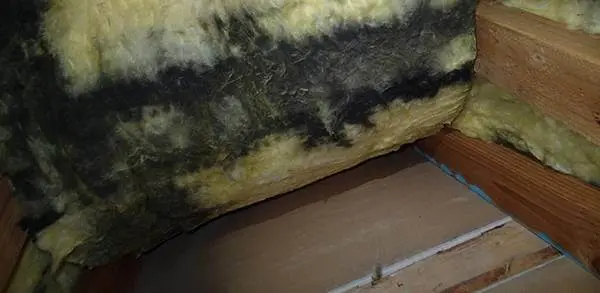
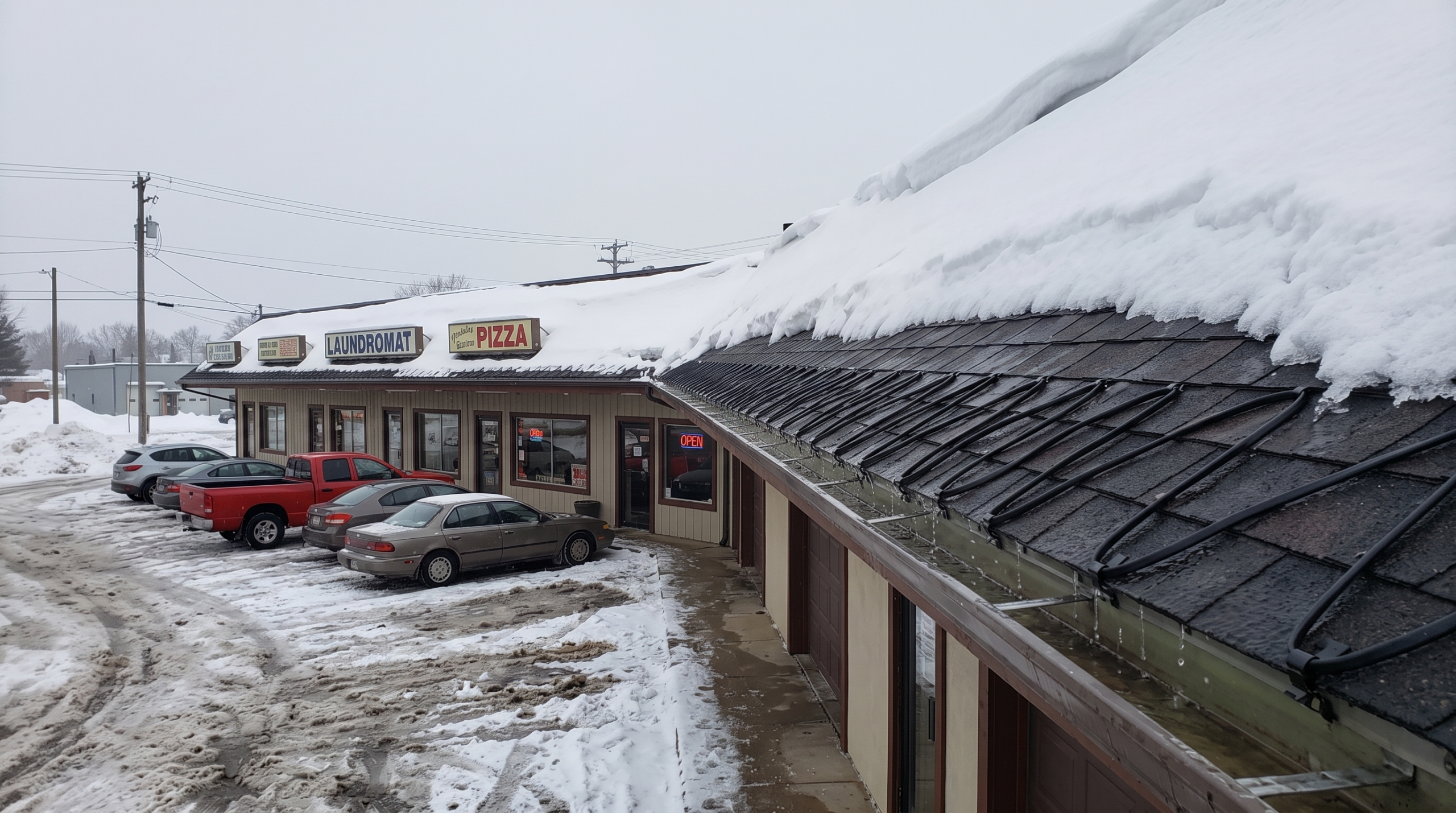
Ice dams are a heat problem wearing a weather costume. Warm air escaping into the attic melts snow on the upper roof; that meltwater runs to the eave, which hangs past the heated envelope and stays below freezing; it refreezes there, and the ridge of ice grows a layer every cycle. Removal is the emergency fix. Before the crew leaves you will know which part of your attic is feeding it.
| Pricing model | Billed by the crew hour, rate quoted before dispatch |
|---|---|
| Documentation | Dated before and after photos, written scope in Xactimate line items |
| Coverage area | Troy and Miami County |
| Service | Ice dam removal in Troy, OH |
| Primary climate stressor | Repeated thaw-freeze cycling |
| Dispatch window | Same day to 24 hours |
| Removal method | Low-pressure steam only. No chipping, salt or pressure washing. |
Where We Dispatch Around Troy
Crews working Troy cover the adjoining communities on the same route — Casstown, Tipp City, Pleasant Hill, Ludlow Falls and Piqua — so a storm week usually means one truck handling several addresses in Miami County rather than separate trips.
Nearest hub towns with their own crew pages: Huber Heights, Sidney, Riverside, Dayton, Springfield, Beavercreek.
Coverage runs across Troy and the nearby towns all winter, and capacity is surged into whichever Ohio market the storm actually hits.
Active leak at an address in Troy? (888) 561-9664 reaches dispatch directly. Interior water moves a job to the front of the day.