


Watertown Ice Dams and the Winter That Does Not Break
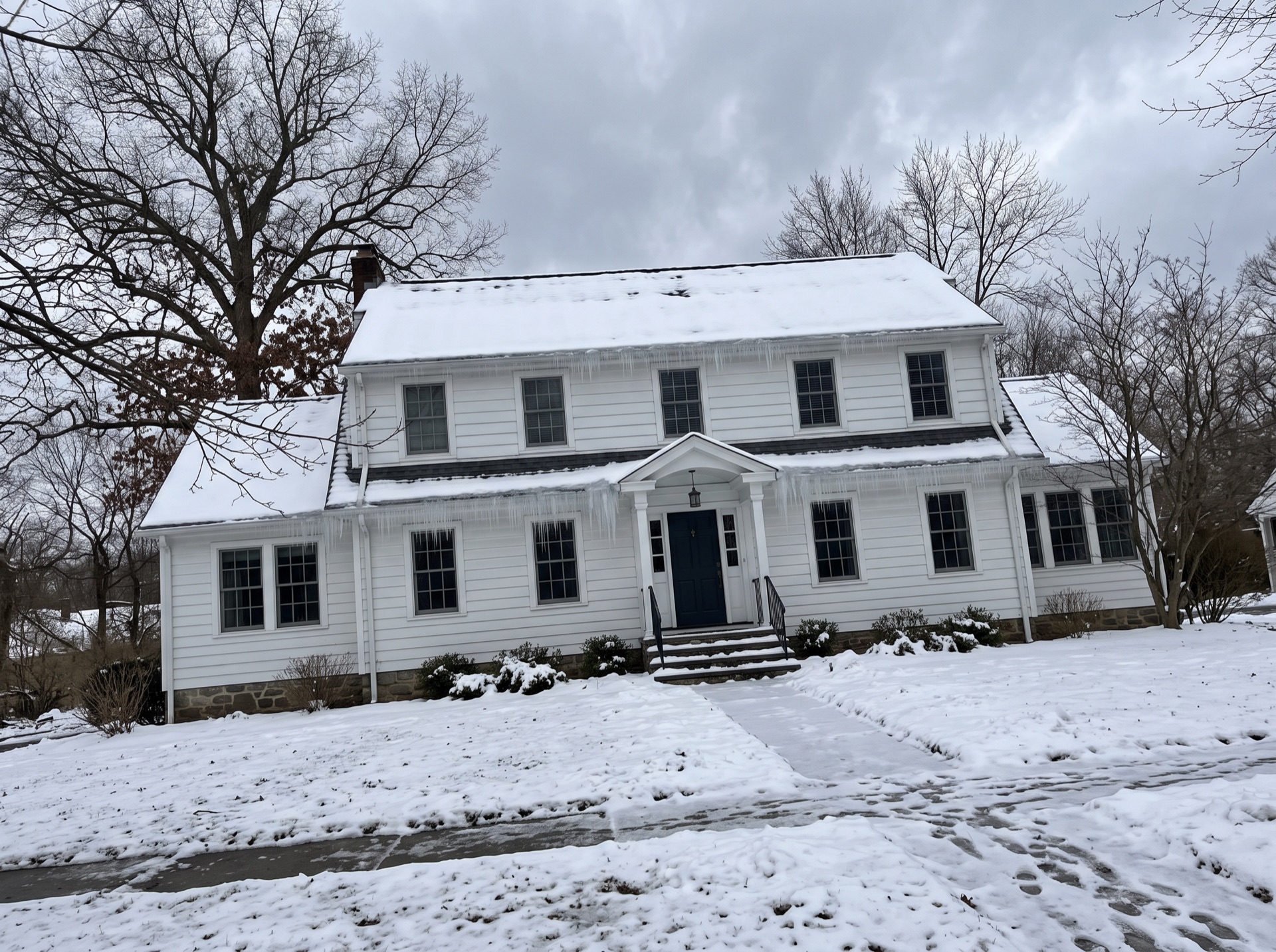
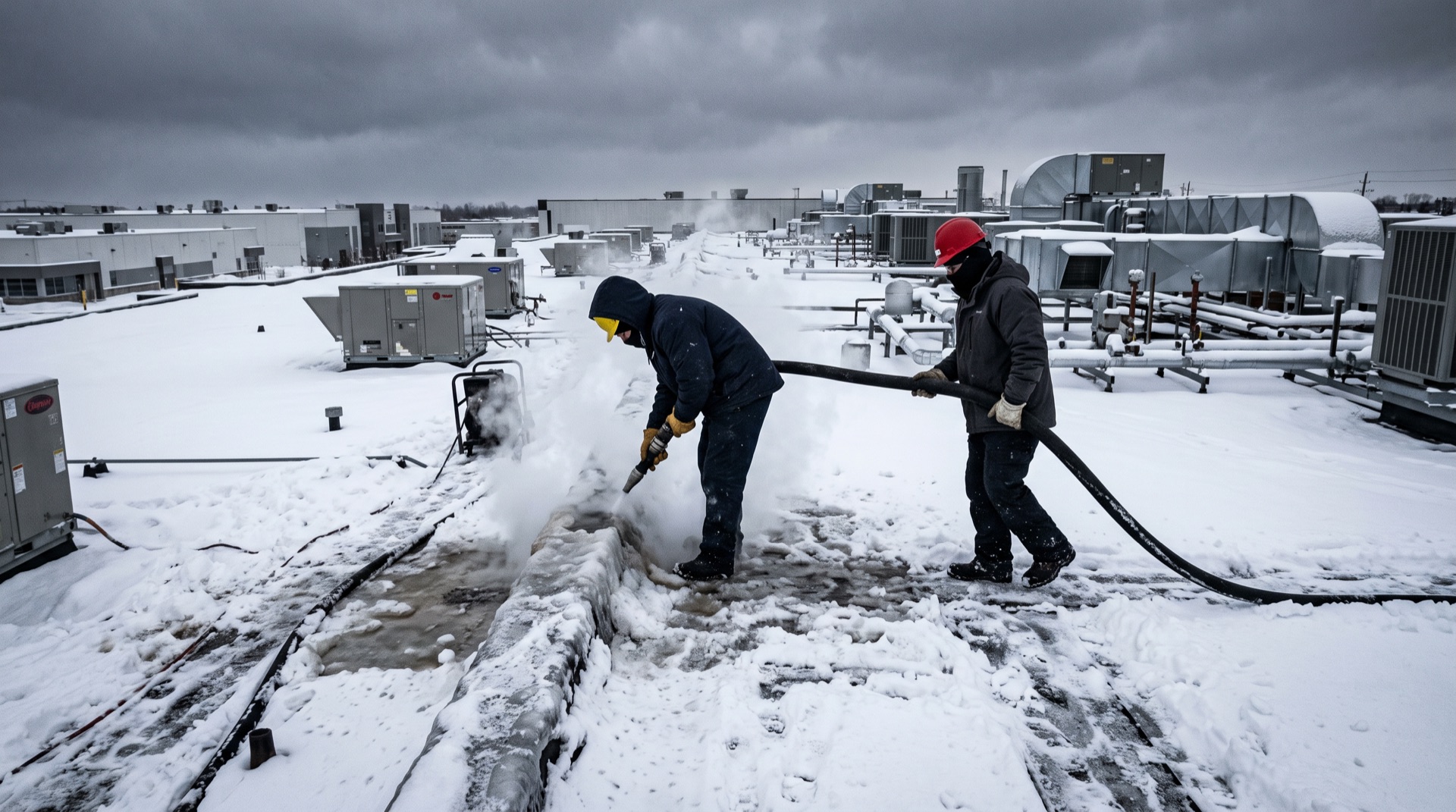
Watertown holds snow. In a normal winter the pack that lands in December is still on the roof in February, which means the eave spends months below freezing while the attic underneath stays heated.

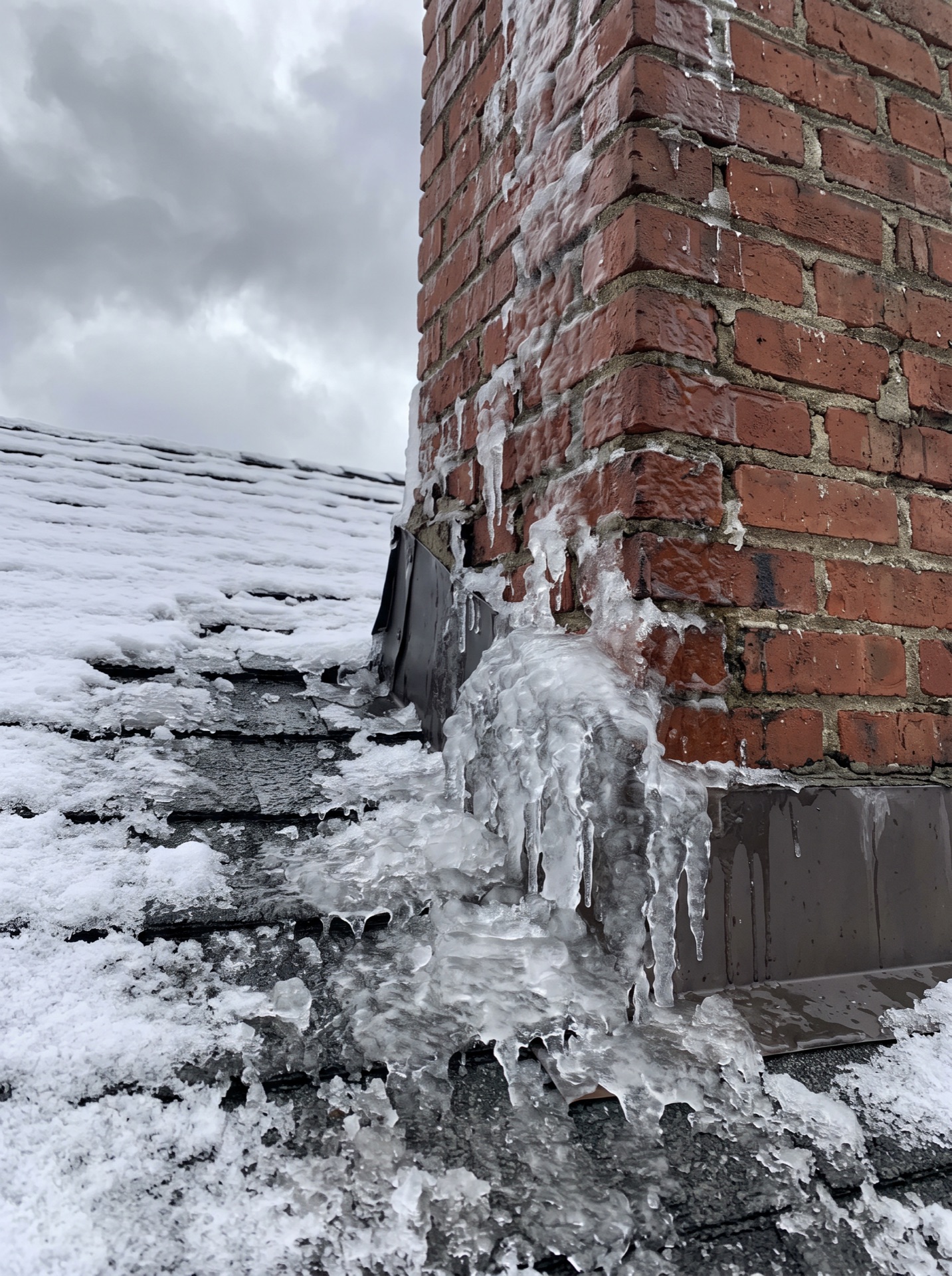
Ice built this way is dense and bonded. It is not the brittle shell that comes off a mild-climate roof in one piece - it is layered, hard and locked to the shingle, which is exactly why mechanical removal does so much damage here.
Ice-barrier practice in Jefferson County
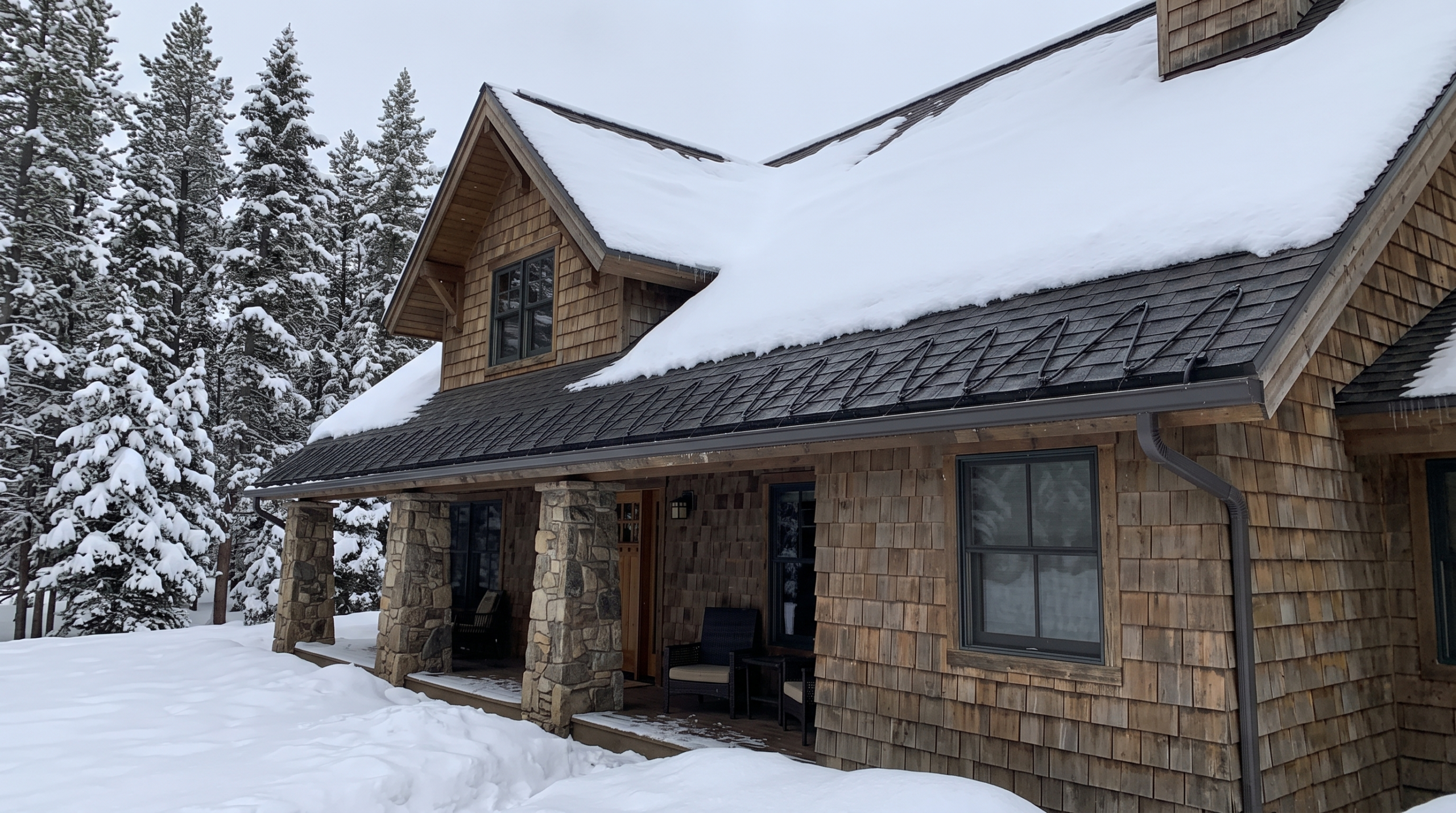
In the colder New York jurisdictions the membrane requirement extends well up the roof plane rather than stopping at the first course, precisely because the ice here does not stay near the edge.
How a Watertown Steam Call Runs, Start to Finish
Nothing gets touched until the roof has been walked and photographed. The crew finds every dam, locates where water is getting in, shows you, and gives you the crew-hour rate and a time estimate before the equipment comes off the truck.
Removal then works from the worst point outward, so water starts draining early rather than at the end. Gutters and downspouts frozen solid get steamed through in the same visit — leaving them means the eave dams again within days.
What gets photographed, and why it matters later
Before the lance comes out, the crew shoots the dam from the ground and from the roof, the icicle line, any staining visible inside, and the specific courses where water is tracking under the shingles. Timestamps are on every frame.
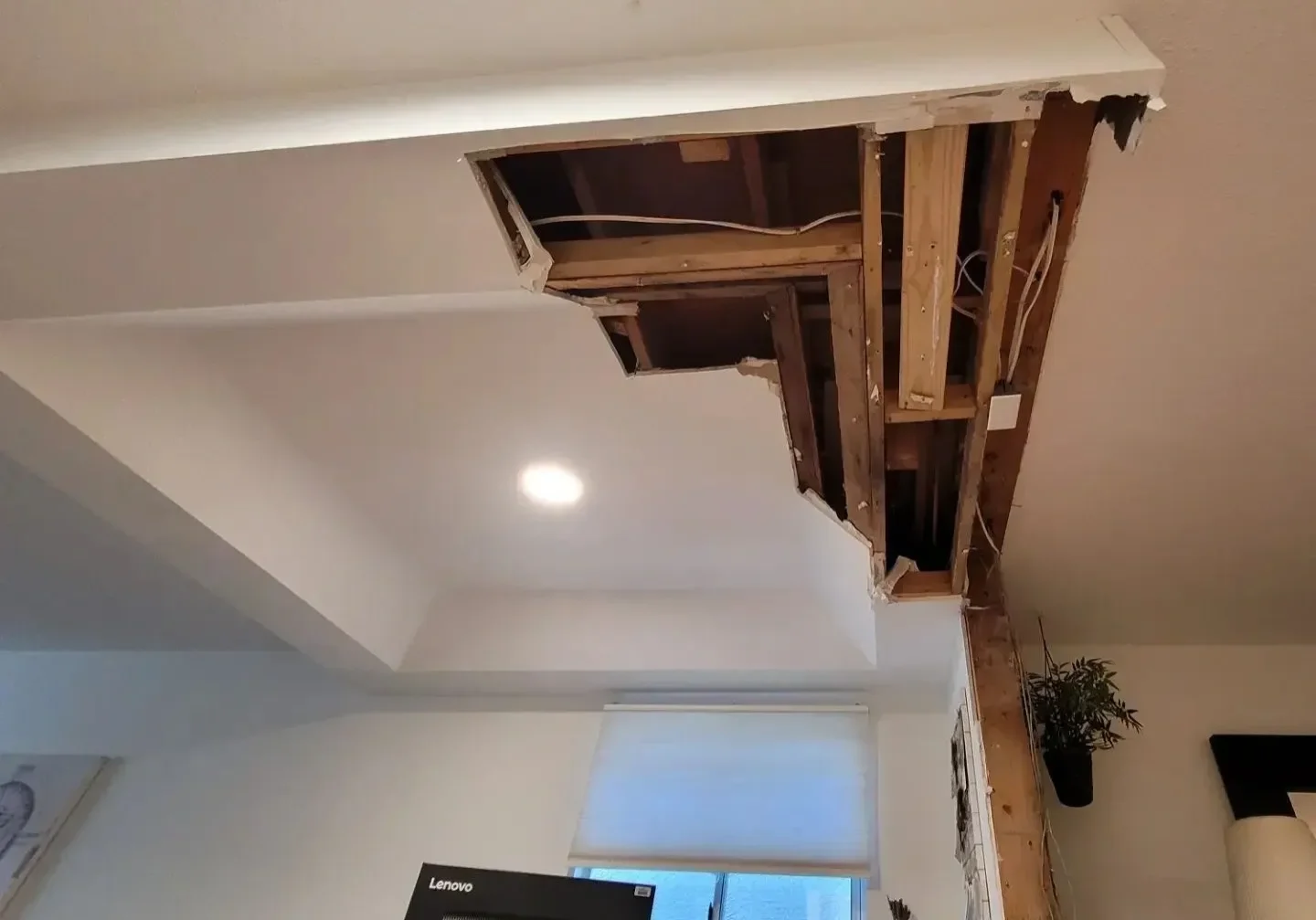
That record is the whole case if a claim follows. An adjuster arriving in March sees a dry roof and a stained ceiling; the photographs are what connect the two, and they are what a maintenance-exclusion denial runs into.
Steep, high and awkward Watertown roofs
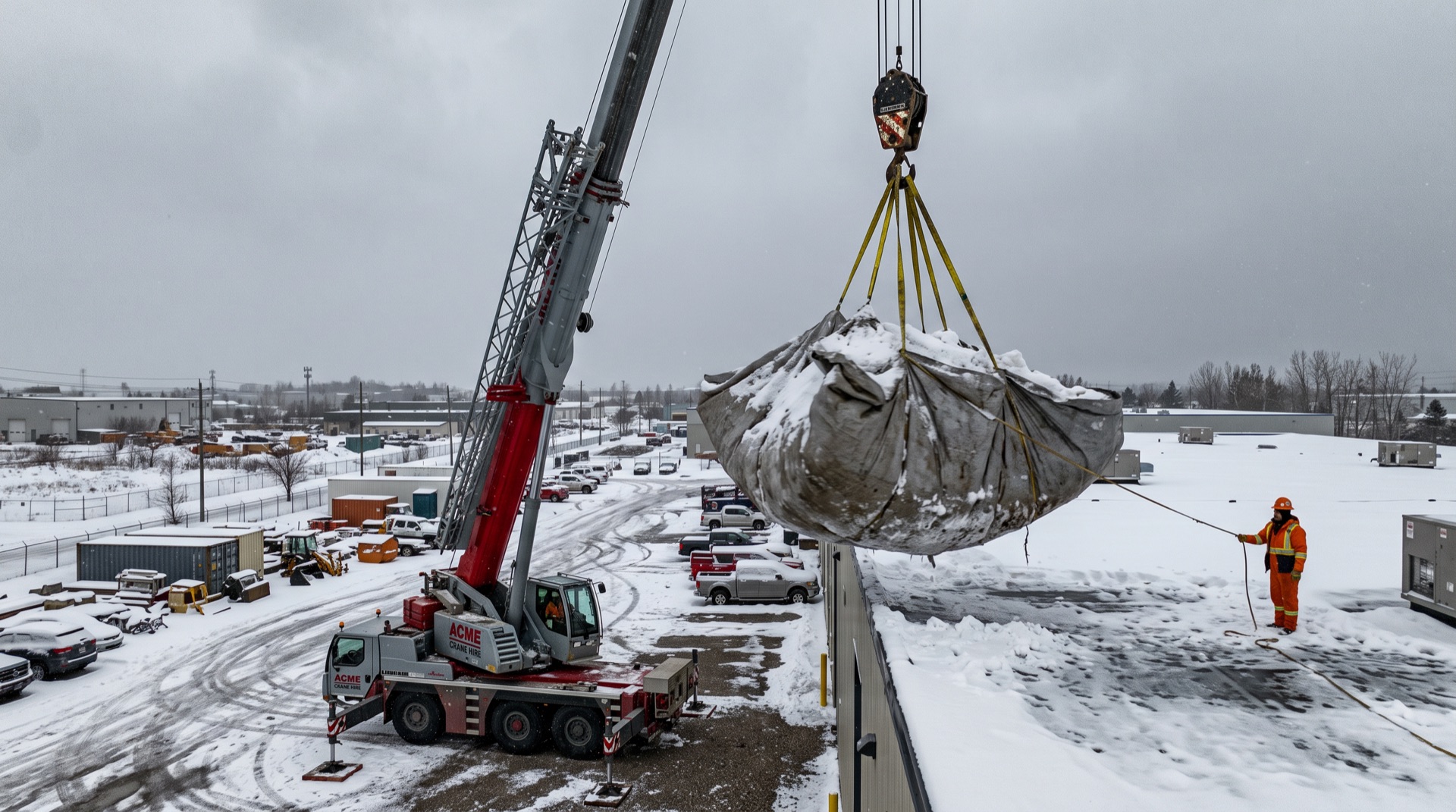
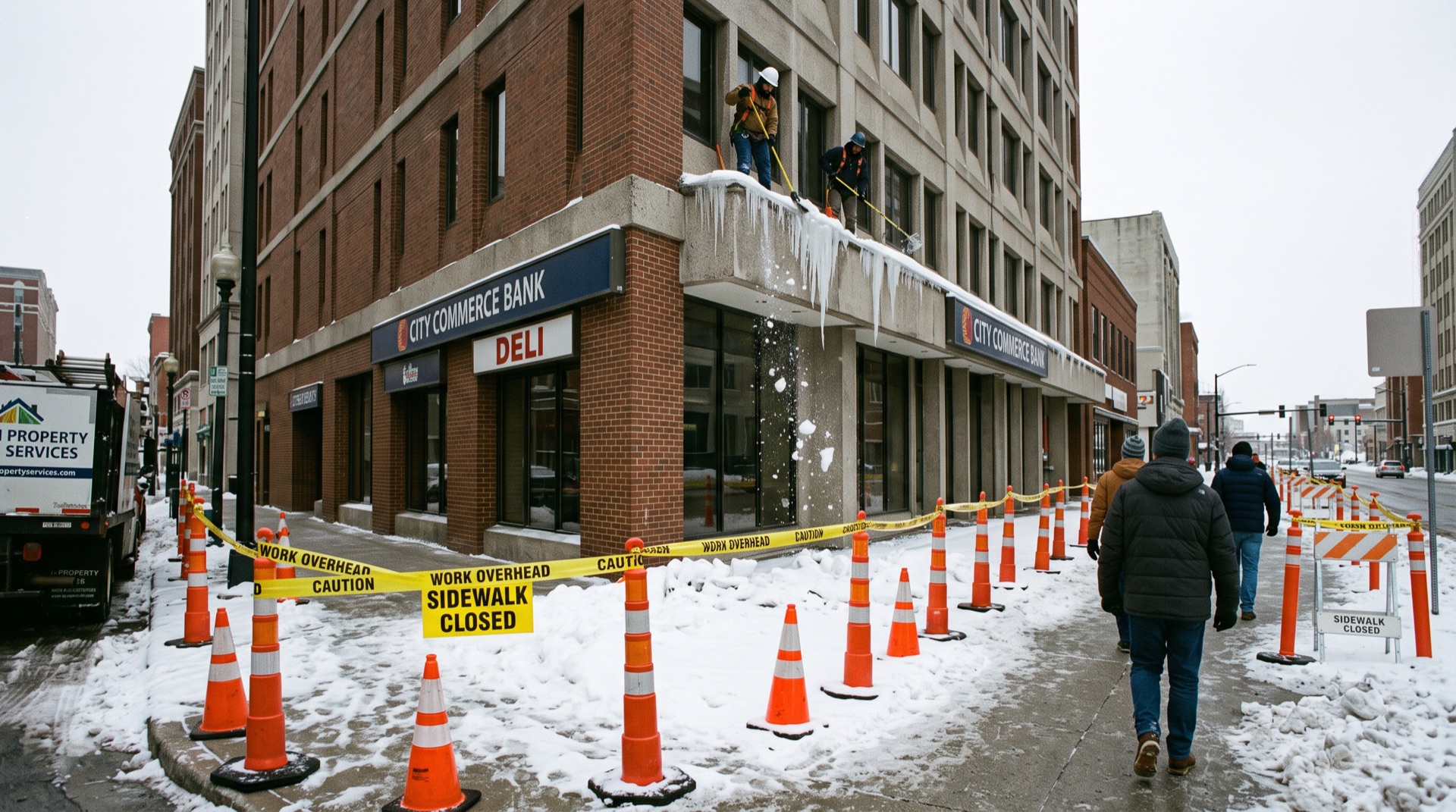
Pitch and height change the job more than ice thickness does. A walkable ranch eave is a ladder and a lance. A three-story roof with a steep pitch means anchors, rope, staging and two people where one would otherwise do.
Crews quote on that honestly. If a property in Watertown needs a longer setup, it is said on the phone rather than discovered at the end of the invoice.
Why the gutter has to be cleared in the same visit
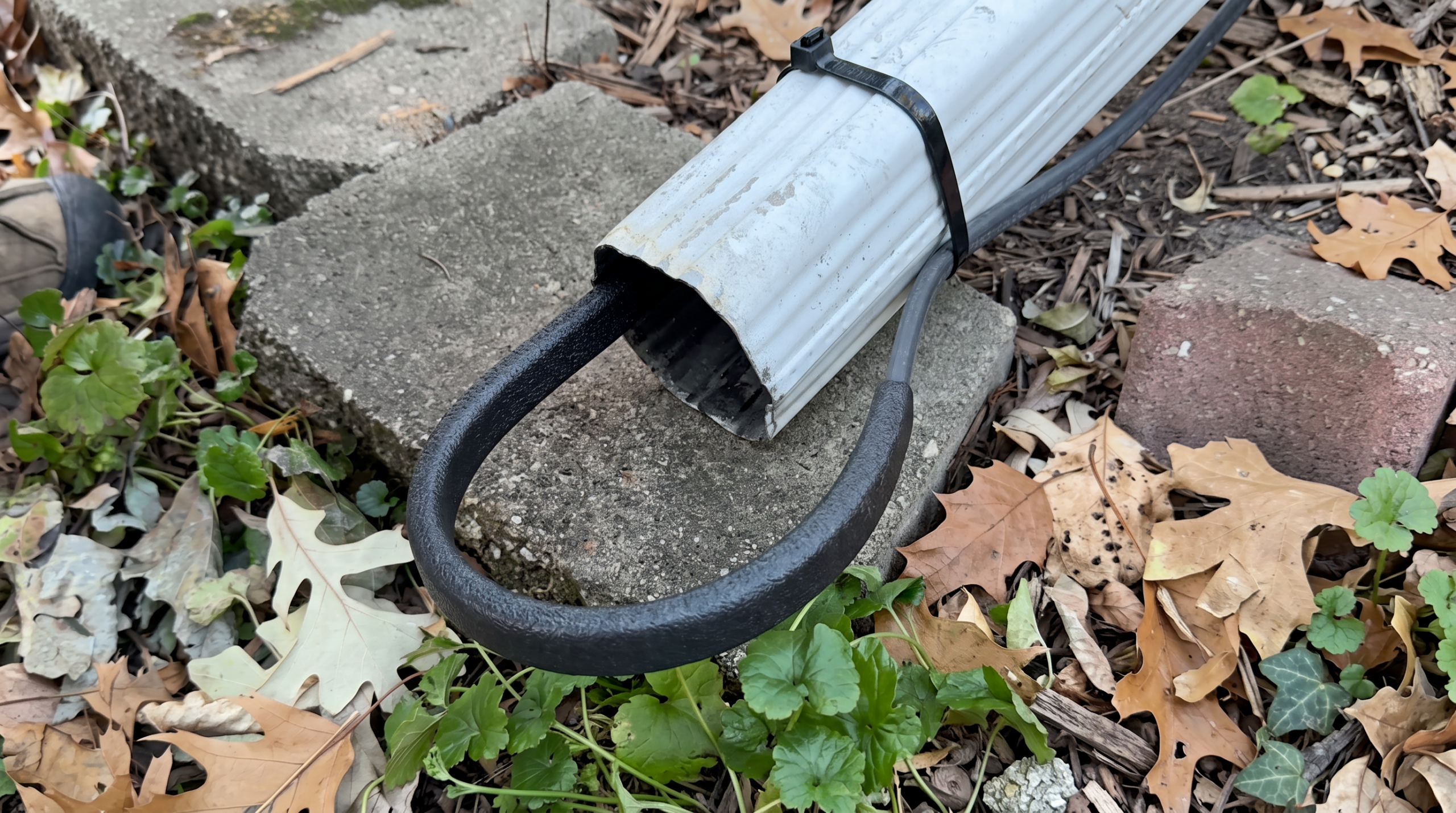
A dam sitting above a gutter packed solid with ice is only half the problem. Clear the eave and leave the trough frozen, and the next day's meltwater has nowhere to run — it backs up onto the roof and the dam rebuilds from the bottom.
Crews steam the trough and the downspout through to daylight on the same visit. It adds time, which is why the hour estimate given on the phone accounts for it, and it is the difference between a fix and a repeat visit in Watertown the following week.
| Removal method | Low-pressure steam only. No chipping, salt or pressure washing. |
|---|---|
| Local ice-barrier practice | Eave membrane required on new work |
| Typical scope | Steam, 6-14 crew hours typical |
| Documentation | Dated before and after photos, written scope in Xactimate line items |
| Pricing model | Billed by the crew hour, rate quoted before dispatch |
| Coverage area | Watertown and Jefferson County |
| Primary climate stressor | Sustained sub-freezing, long season |
Neighborhoods and Towns We Reach From Watertown
Crews working Watertown cover the adjoining communities on the same route — Brownville, Calcium, Black River, Limerick and Dexter — so a storm week usually means one truck handling several addresses in Jefferson County rather than separate trips.
Nearest hub towns with their own crew pages: Oswego, Rome, Syracuse, Utica, Auburn, Geneva.
Coverage runs across Watertown and the nearby towns all winter, and capacity is surged into whichever New York market the storm actually hits.
Active leak at an address in Watertown? (888) 561-9664 reaches dispatch directly. Interior water moves a job to the front of the day.