



Glens Falls Ice Dams: What a Five-Month Snow Pack Does
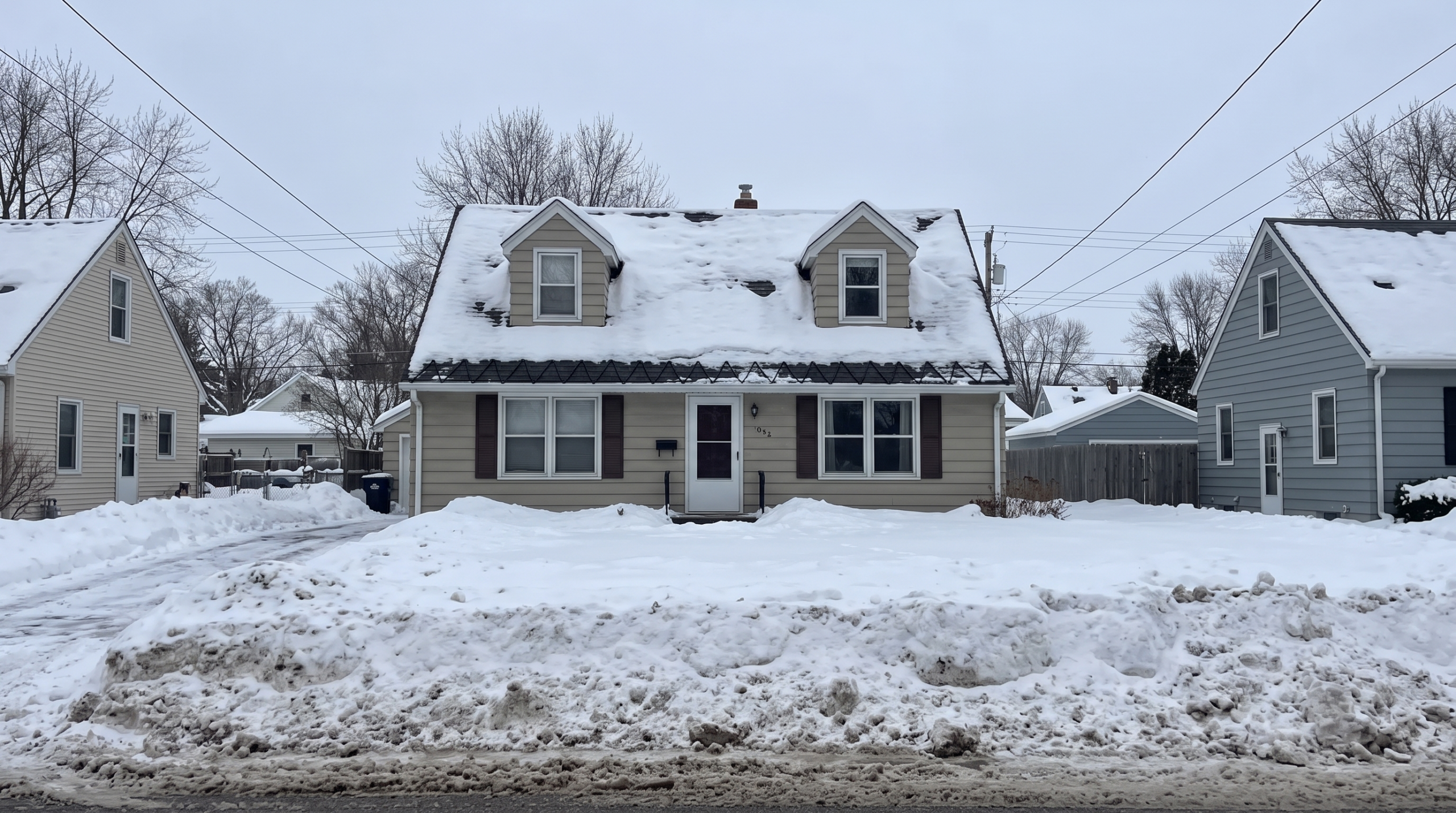
The defining feature of a Warren County winter is persistence. It is not one storm, it is a continuous load sitting on the roof from late fall through to a spring thaw.

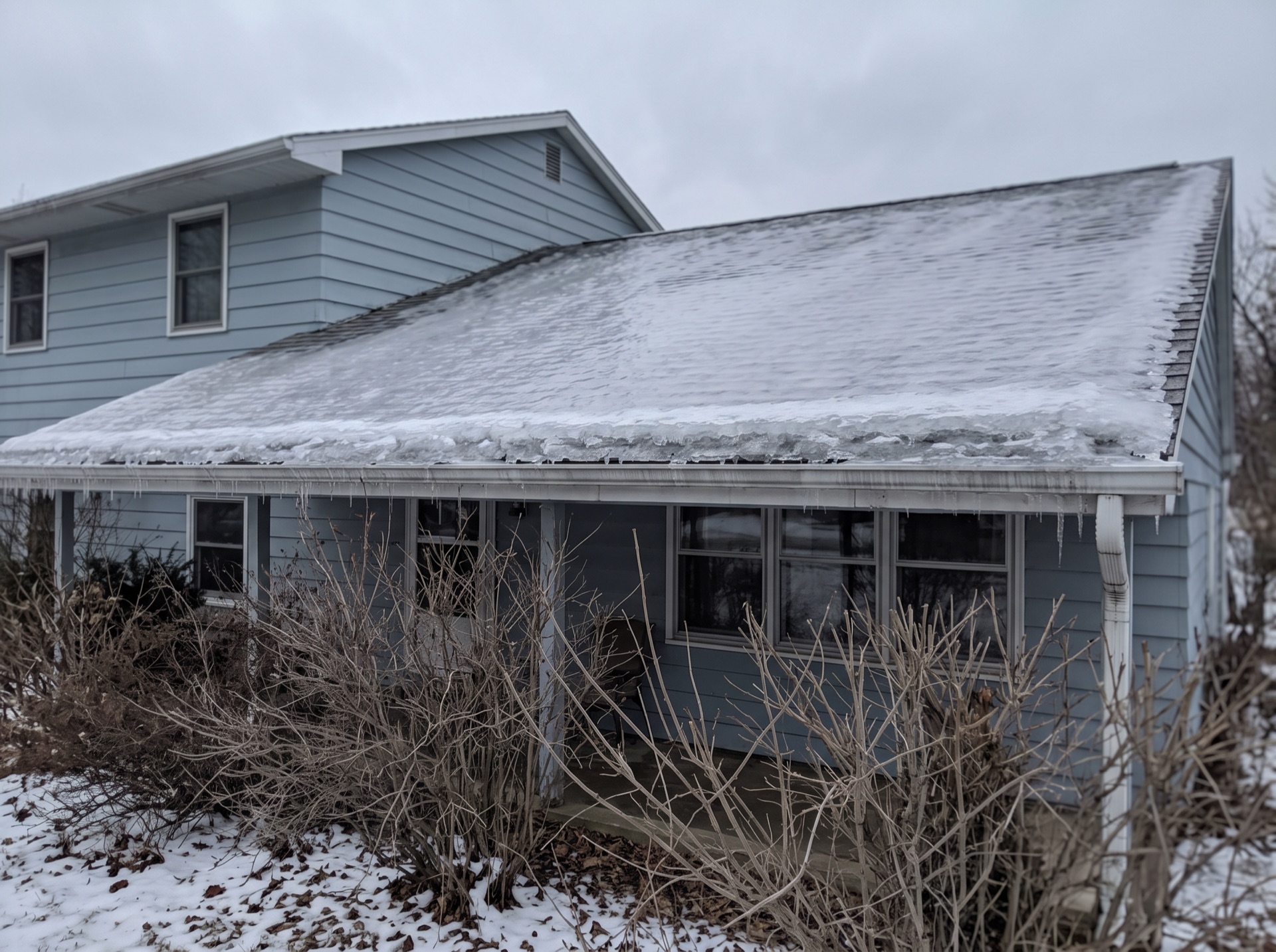
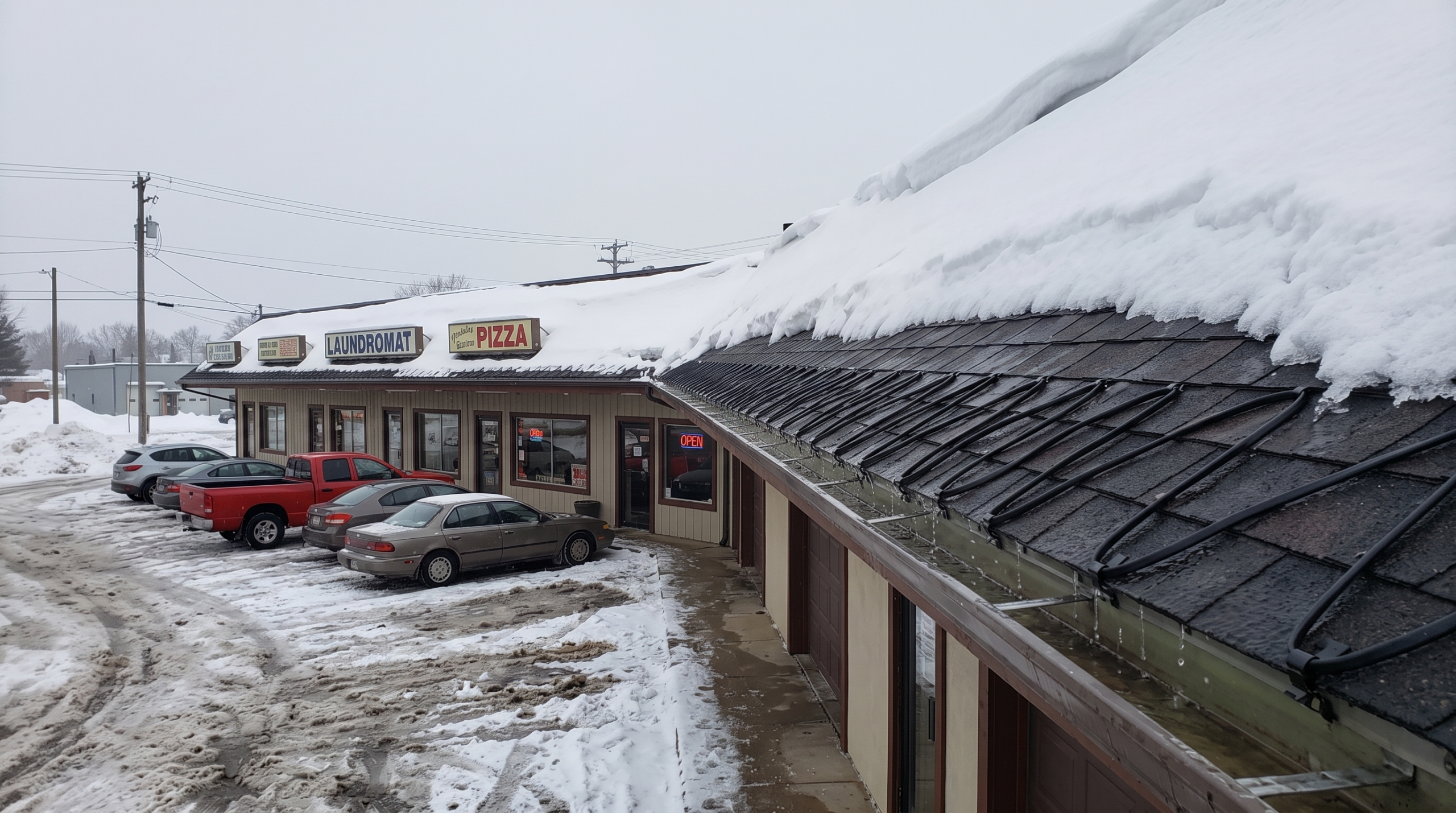
Depth accumulates faster than people expect because nothing in between melts it away. By February a Glens Falls eave can be carrying several hundred pounds of ice with standing water sitting behind the whole length of it.
Ice-barrier practice in Warren County
Because the ice here does not stay near the edge, the New York requirement generally runs the membrane well up the roof plane. On a house in Glens Falls roofed a few decades ago it is frequently missing entirely.
What a Crew Does on a Glens Falls Roof
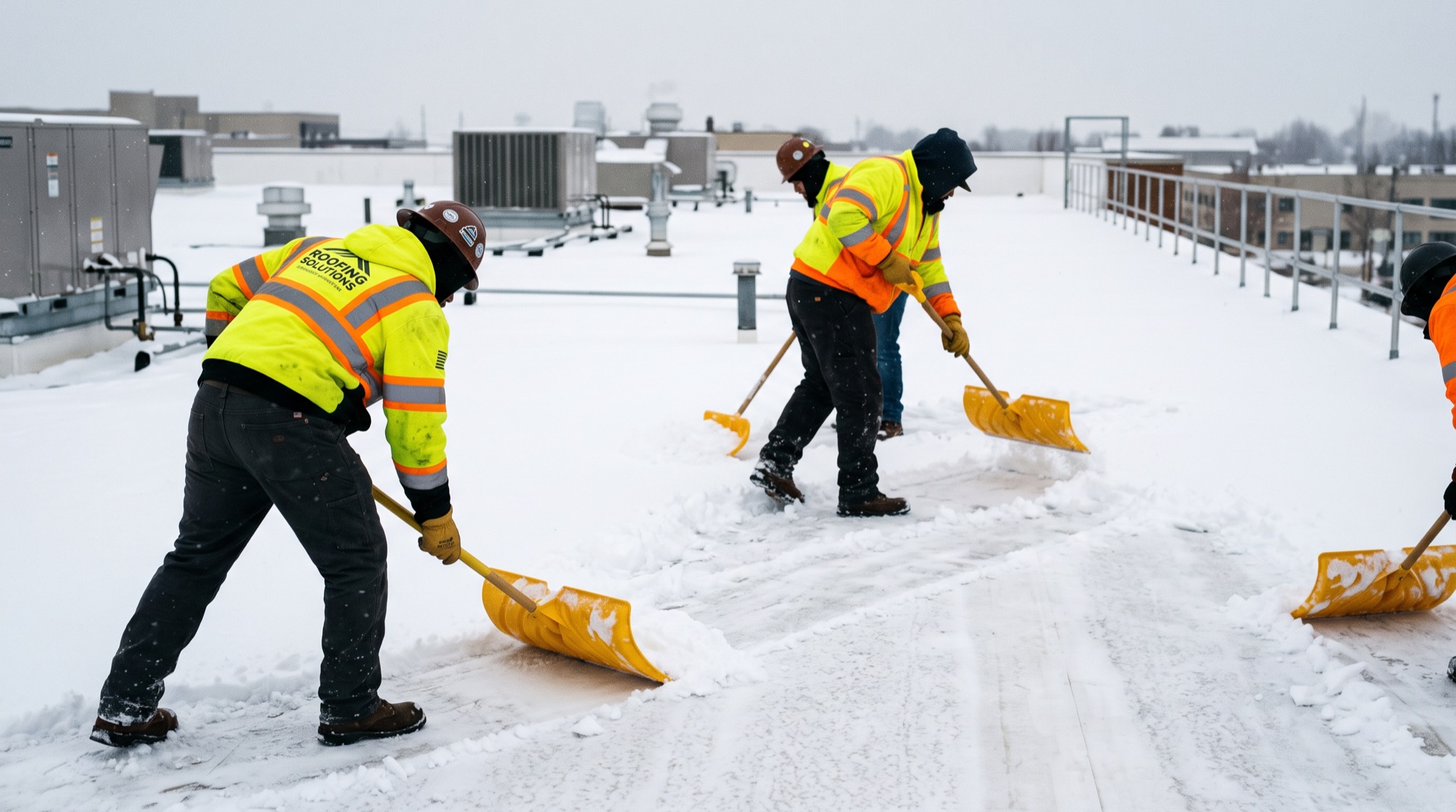
Crews walk the eaves, valleys and gutter line first and photograph every dam and every point where water is tracking inside, before touching anything. You get shown what they found and quoted the crew-hour rate before work starts.
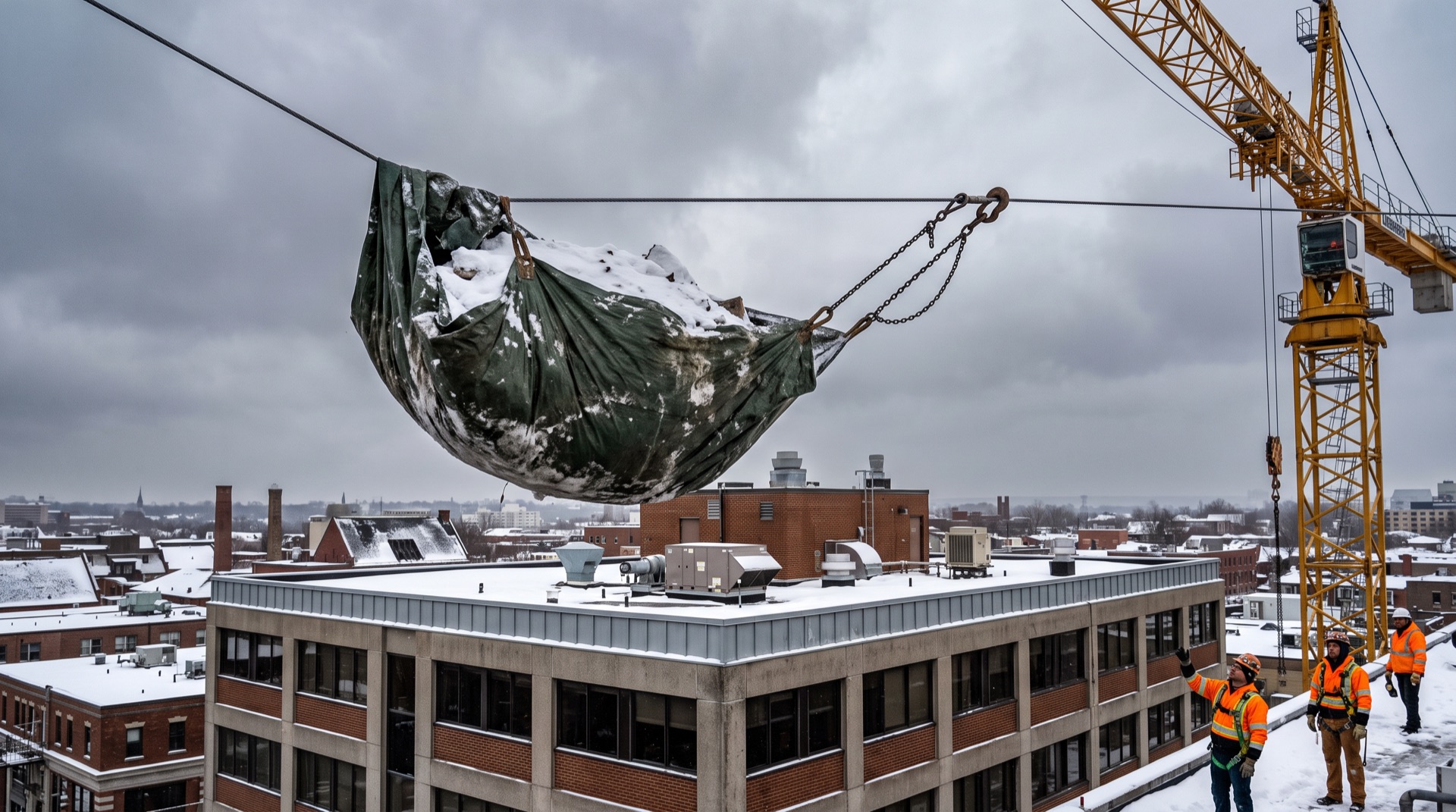
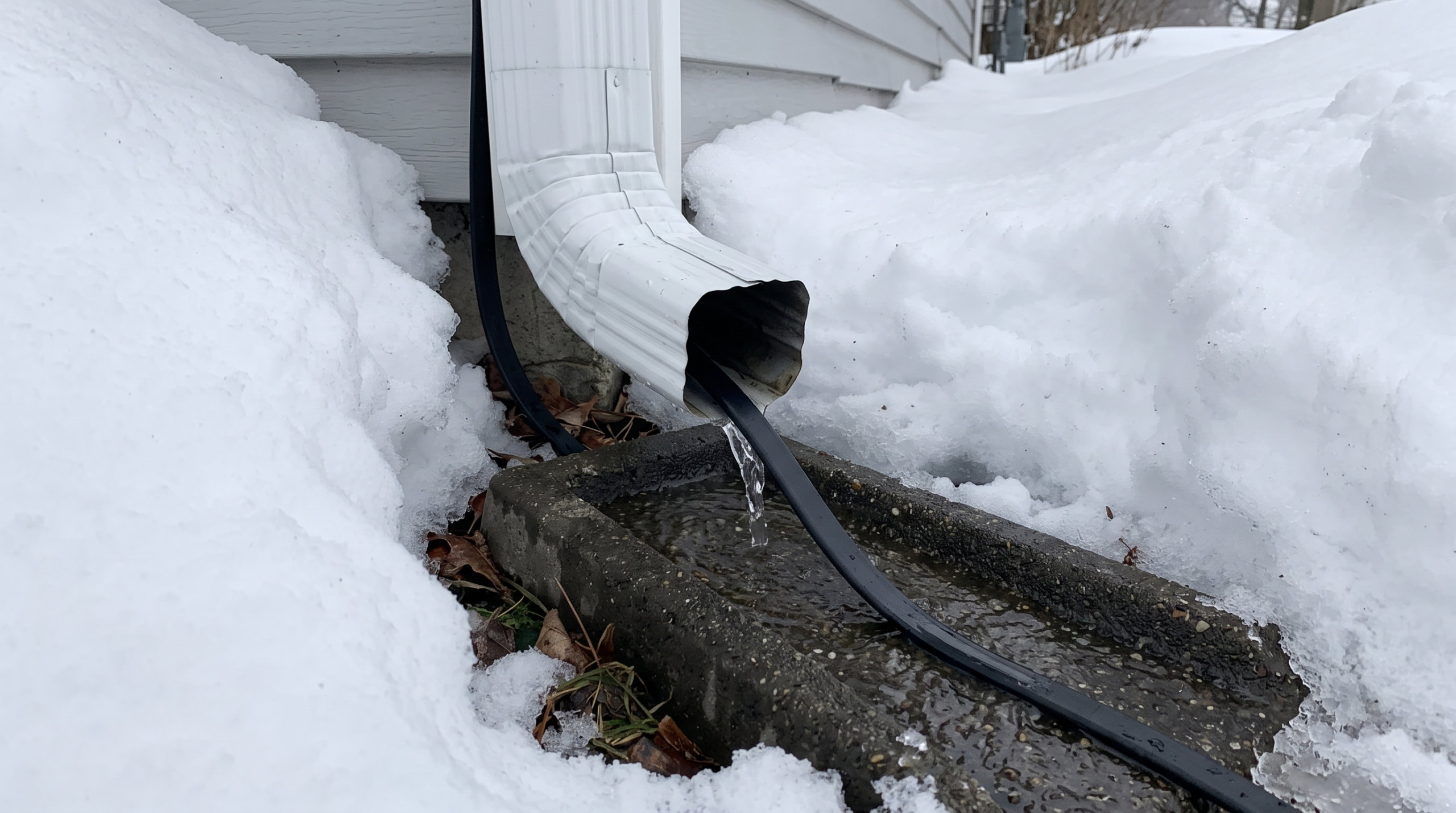
Then the ice comes off with low-pressure steam, starting wherever water is actively backing up so drainage opens early. Frozen gutters and downspouts are cleared in the same visit, because a cleared eave above a solid block of ice in the gutter dams again on the next cold night.
If water already got inside
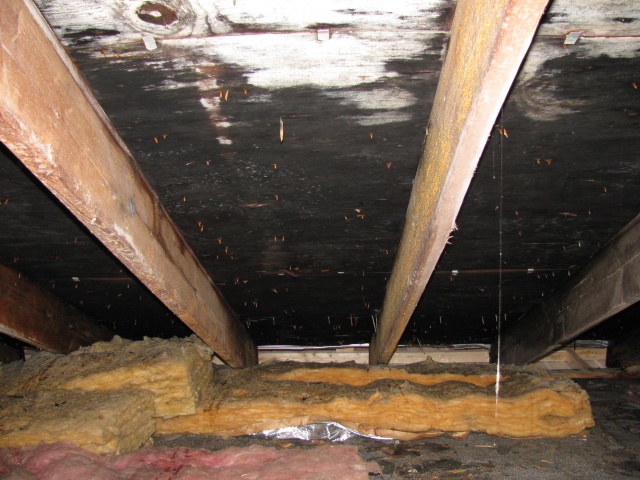
Taking the ice off stops new water. It does nothing about what is already in the insulation, the ceiling and the walls of a Glens Falls home.
The same company handles the rest: water mitigation and dryout, mold remediation where the water has led to growth, the interior repair, and the roof where the dam damaged it, all documented on one insurance claim.
How long a removal actually takes
A single-story eave with a thin dam and clear gutters is often an hour or two. A two-story Glens Falls house with ice standing a foot deep across the front, frozen downspouts and a valley packed solid is most of a day for a two-man crew. The honest answer on the phone is a range and the reason for it, not a number designed to win the booking.
The estimate is revised out loud if the roof turns out worse than it looked from the ground, before the extra hours are worked rather than after they appear on the invoice.
What happens after the ice is off
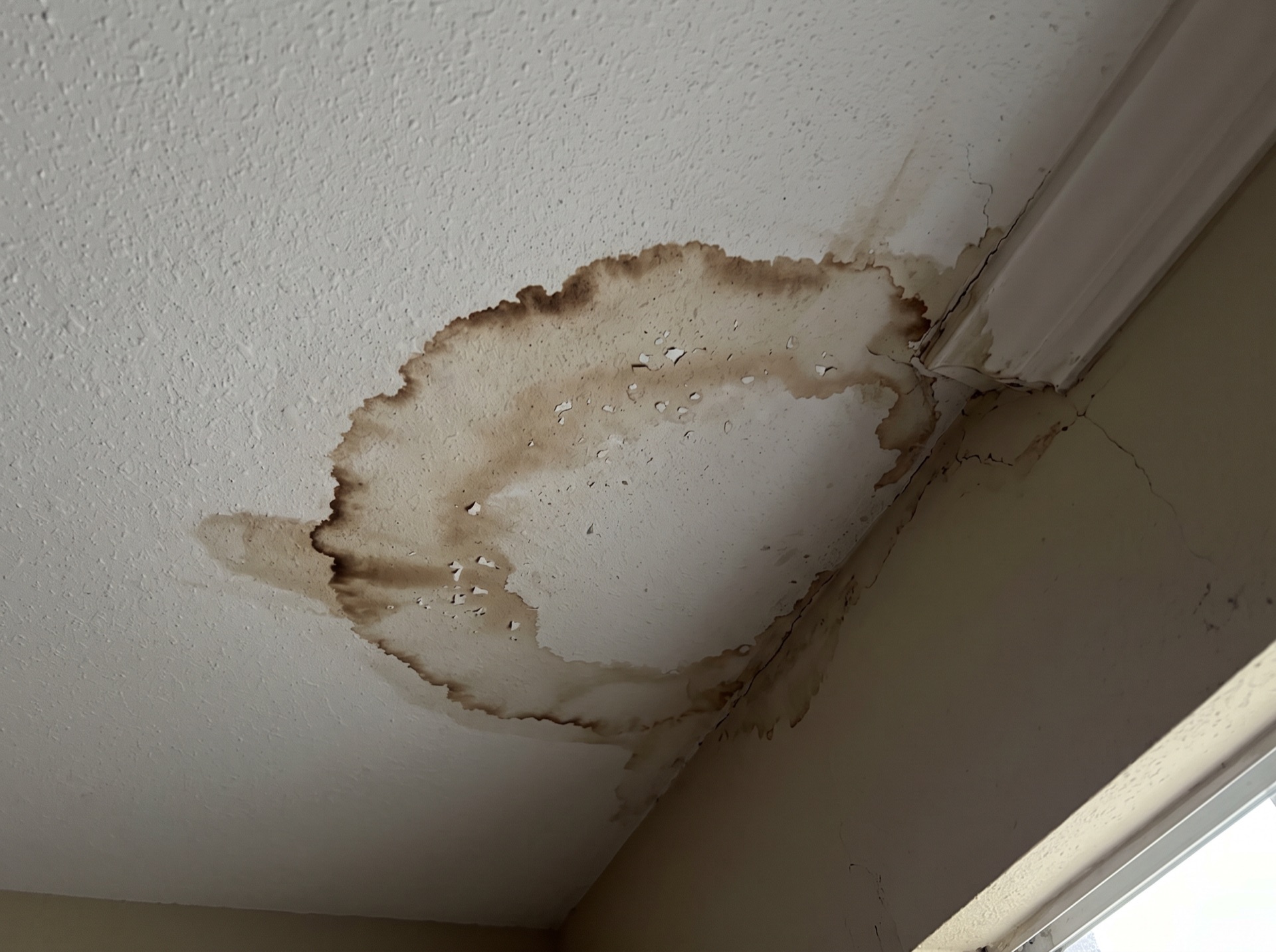
Once the eave is clear and water is draining, the crew walks the interior with you where there is visible damage and says plainly whether it needs drying. Wet insulation and a damp ceiling cavity do not resolve themselves in a cold Glens Falls February.
If it does, that is a separate scope and it gets written separately — nobody is upsold a dryout on the strength of one damp patch.
| Removal method | Low-pressure steam only. No chipping, salt or pressure washing. |
|---|---|
| Dispatch window | Same day to 24 hours |
| Primary climate stressor | Sustained sub-freezing, long season |
| Coverage area | Glens Falls and Warren County |
| Typical scope | Steam, 6-14 crew hours typical |
| Service | Ice dam removal in Glens Falls, NY |
| Documentation | Dated before and after photos, written scope in Xactimate line items |
Warren County Coverage From Glens Falls
Crews working Glens Falls cover the adjoining communities on the same route — Queensbury, South Glens Falls, Hudson Falls, Fort Edward and Lake George — so a storm week usually means one truck handling several addresses in Warren County rather than separate trips.
Nearest hub towns with their own crew pages: Saratoga Springs, Schenectady, Troy, Albany, Lake Placid, Utica.
Scheduling for Glens Falls tightens up during a freeze event, which is exactly when the phone beats the form. Water coming in means a call, not an email.
If water is already inside a property in Glens Falls, call (888) 561-9664 rather than filling in a form — the phone is faster and leaks jump the line.