



Elko Ice Dams: Melting on Days It Never Thaws
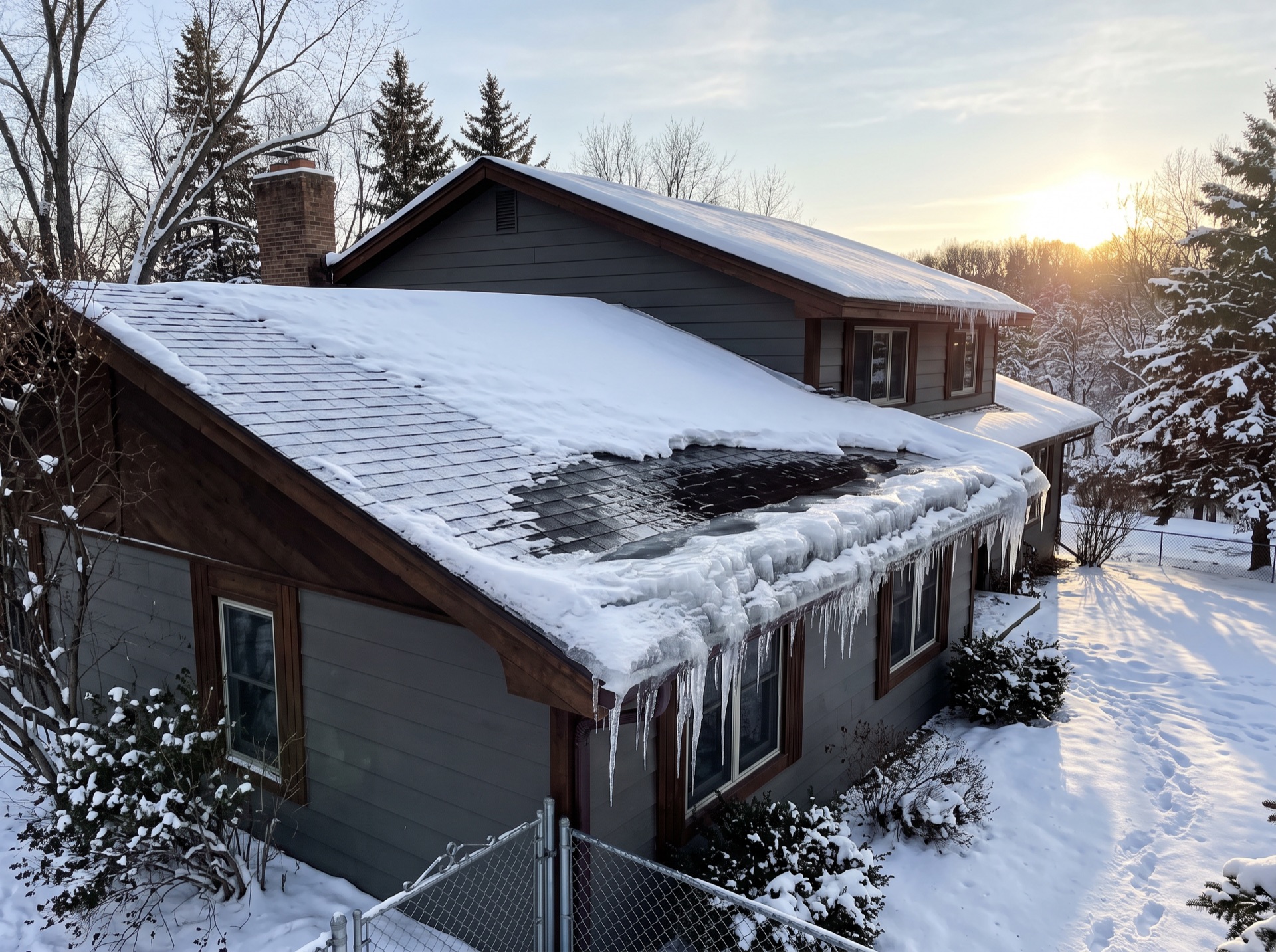
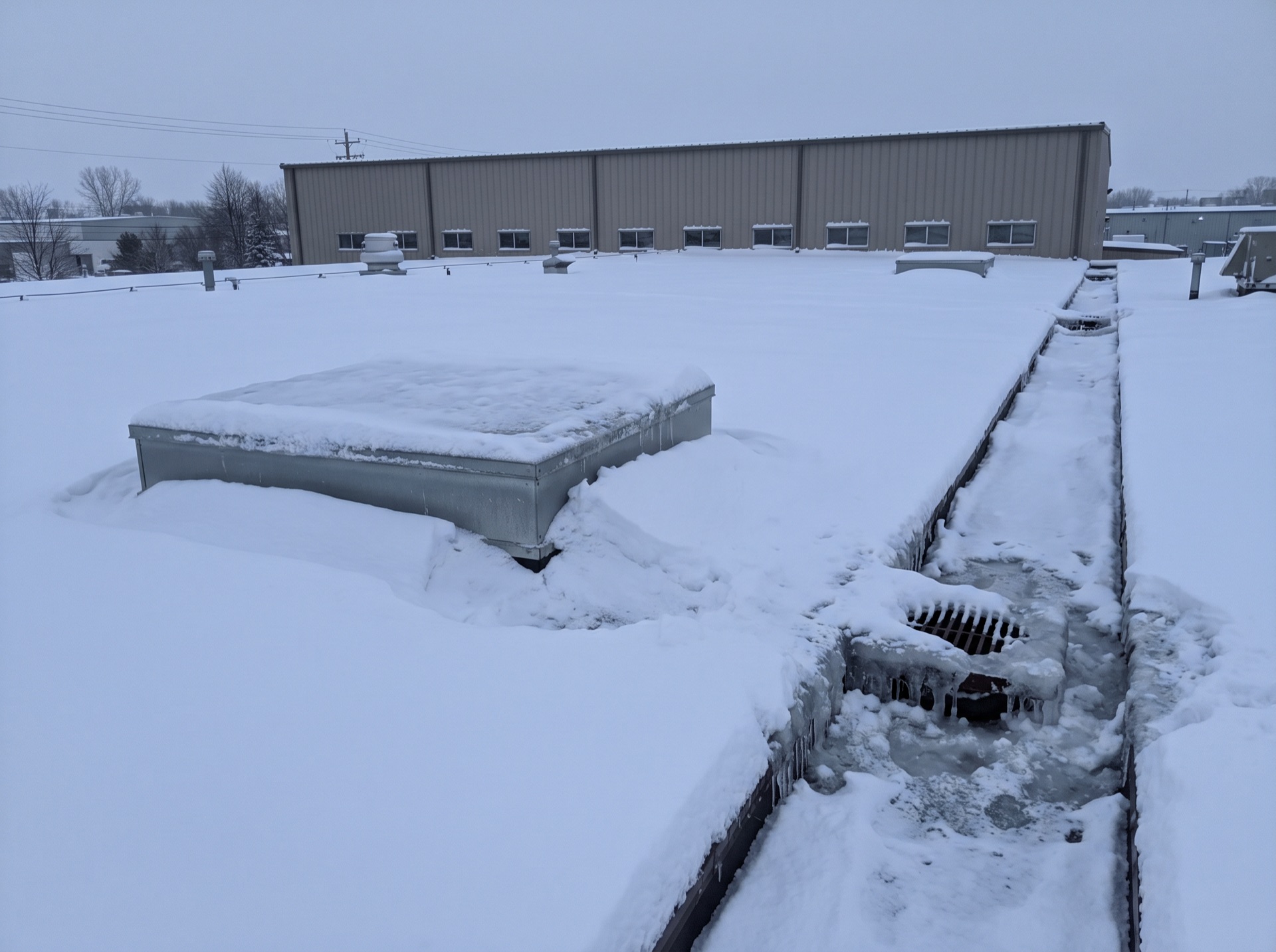
At Elko's elevation the air can stay below freezing all day while direct sun still melts the top of the snowpack. That meltwater runs down under the pack, reaches a shaded eave, and refreezes — on a day the thermometer never rose above freezing.

Aspect decides everything here. The sunny plane sheds water that the shaded plane and the shaded eave then lock up, so one side of a roof in Elko is clear while the other carries a wall of ice.
Ice-barrier practice in Elko County
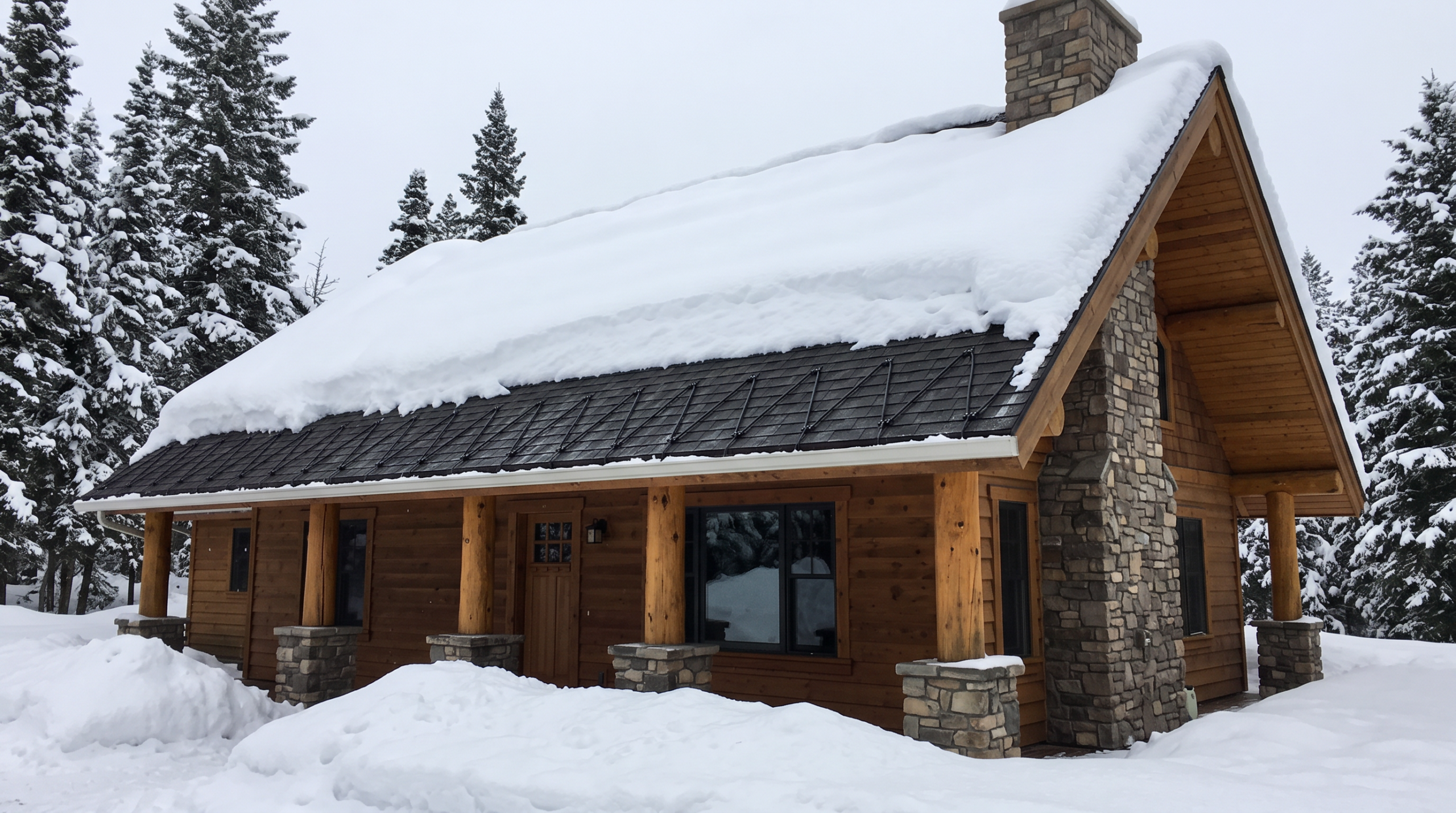
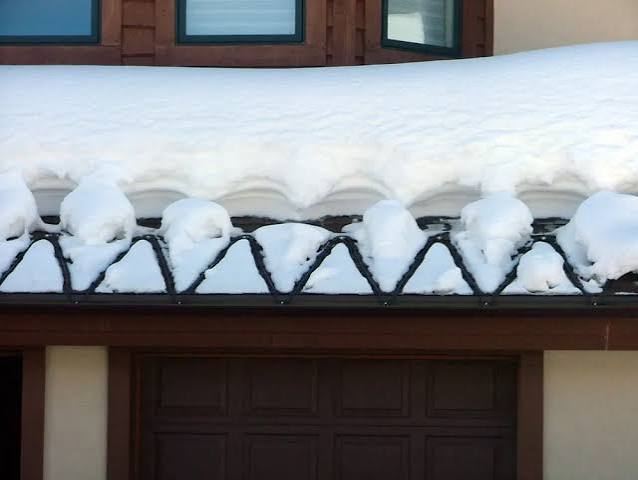
Design snow loads up here are among the highest in the country, and the membrane and retention details that come with them are not paperwork. On an older Elko cabin neither is likely to be present.
What a Crew Does on an Elko Roof
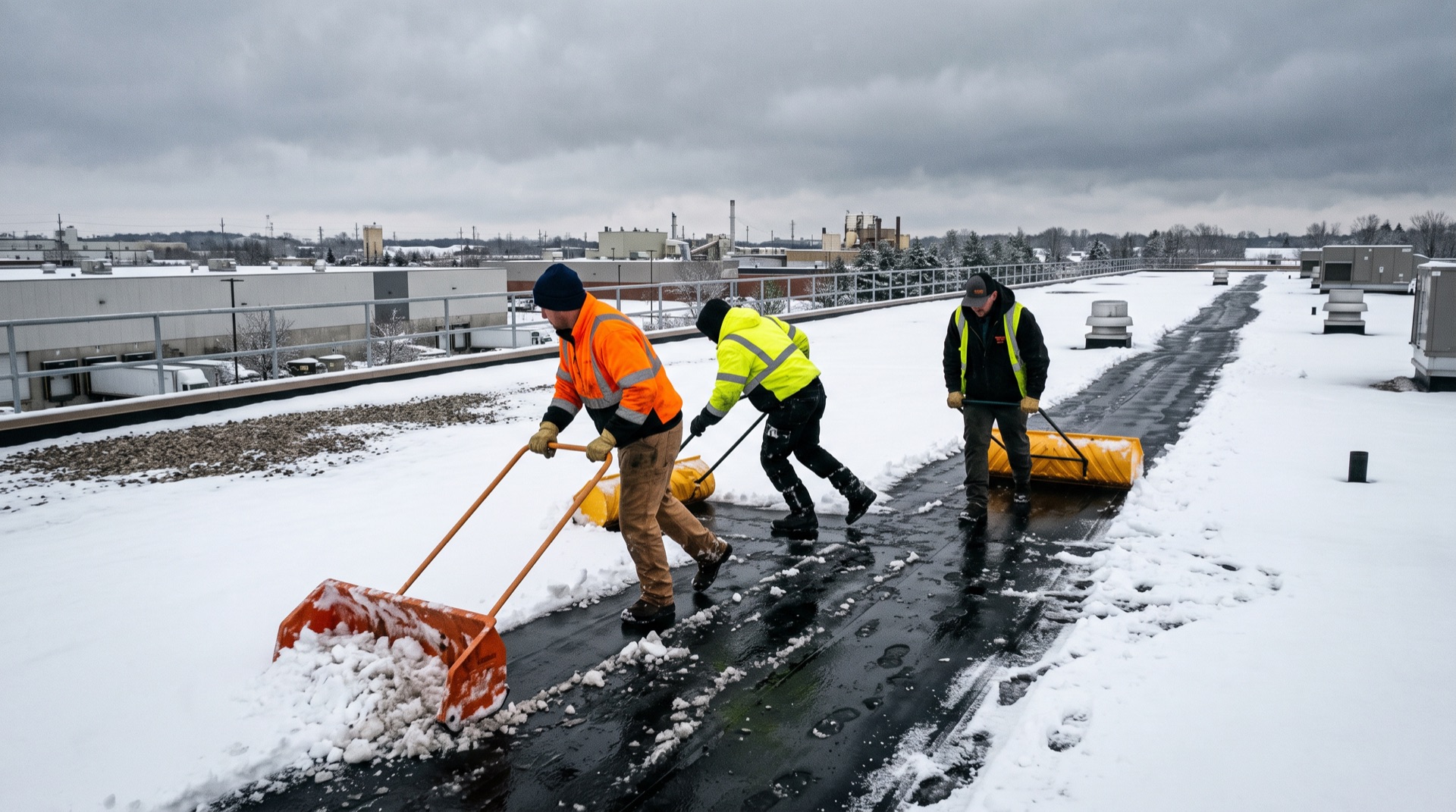
Nothing gets touched until the roof has been walked and photographed. The crew finds every dam, locates where water is getting in, shows you, and gives you the crew-hour rate and a time estimate before the equipment comes off the truck.
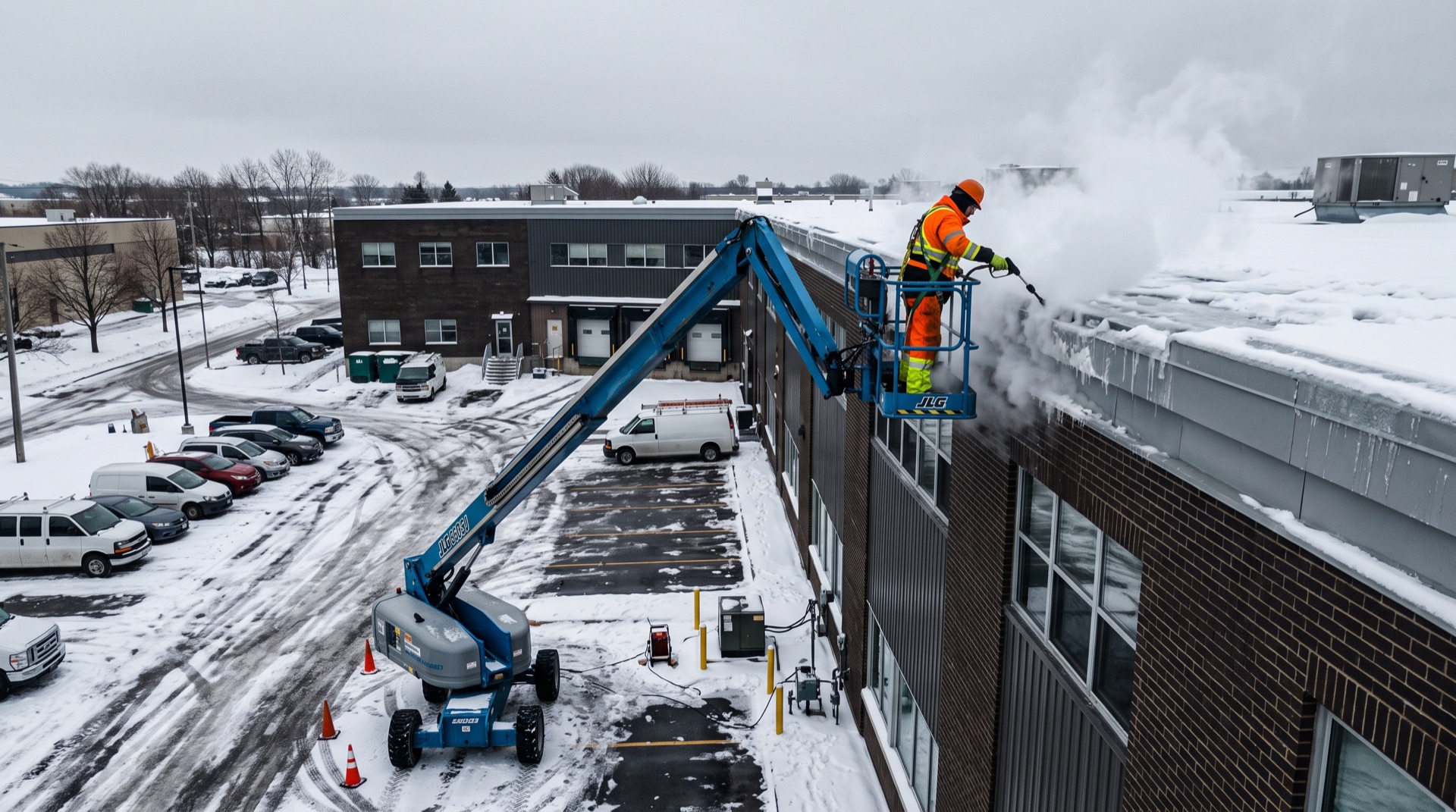
Removal then works from the worst point outward, so water starts draining early rather than at the end. Gutters and downspouts frozen solid get steamed through in the same visit — leaving them means the eave dams again within days.
What happens after the ice is off
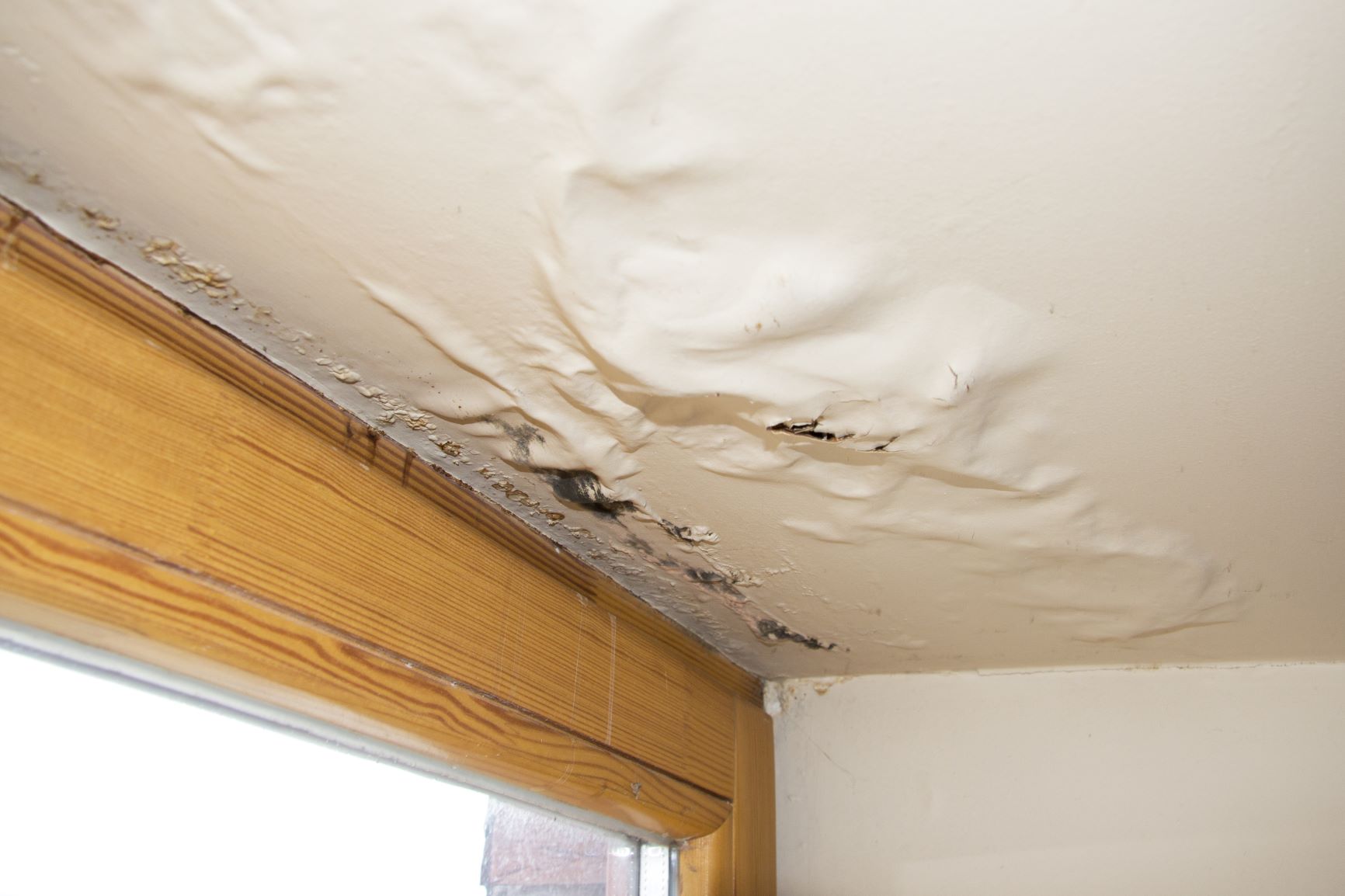
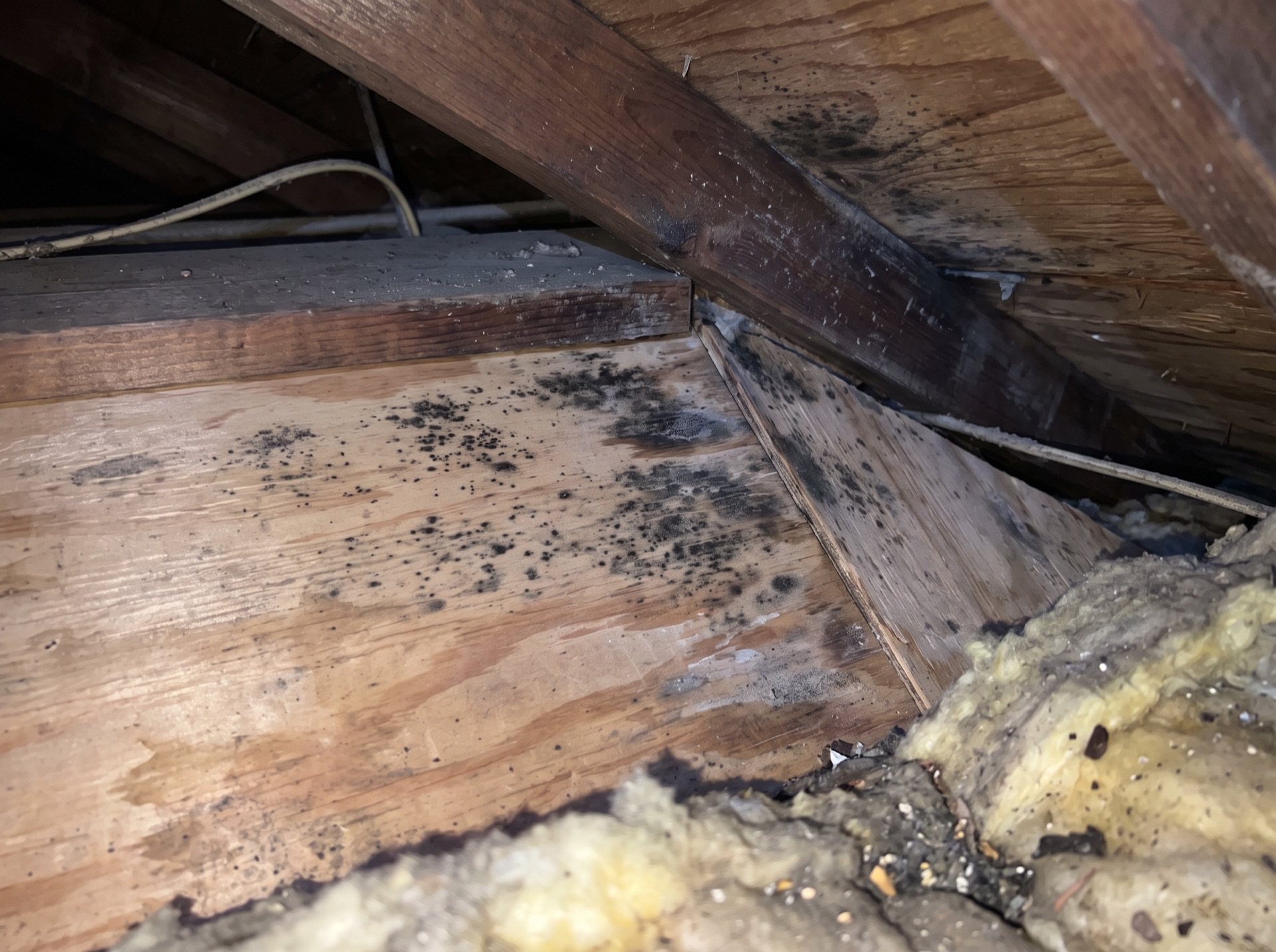
Once the eave is clear and water is draining, the crew walks the interior with you where there is visible damage and says plainly whether it needs drying. Wet insulation and a damp ceiling cavity do not resolve themselves in a cold Elko February.
If it does, that is a separate scope and it gets written separately — nobody is upsold a dryout on the strength of one damp patch.
What steam actually does
A steam unit delivers water at roughly 290°F at a pressure low enough to rest your hand in the plume. It cuts a channel straight through the ice and lifts the dam off in sections, right down to the shingle. The heat does the work, not force, so granules, seal strips and flashing come through untouched.
That is the whole difference between steam and the hot pressure washers often sold as steam. A pressure washer cuts ice fast because of its pressure — and that same pressure strips the granules off asphalt shingles and drives water up under the courses. One method removes ice. The other removes ice and roof.
What the dam has already done to the gutter and fascia
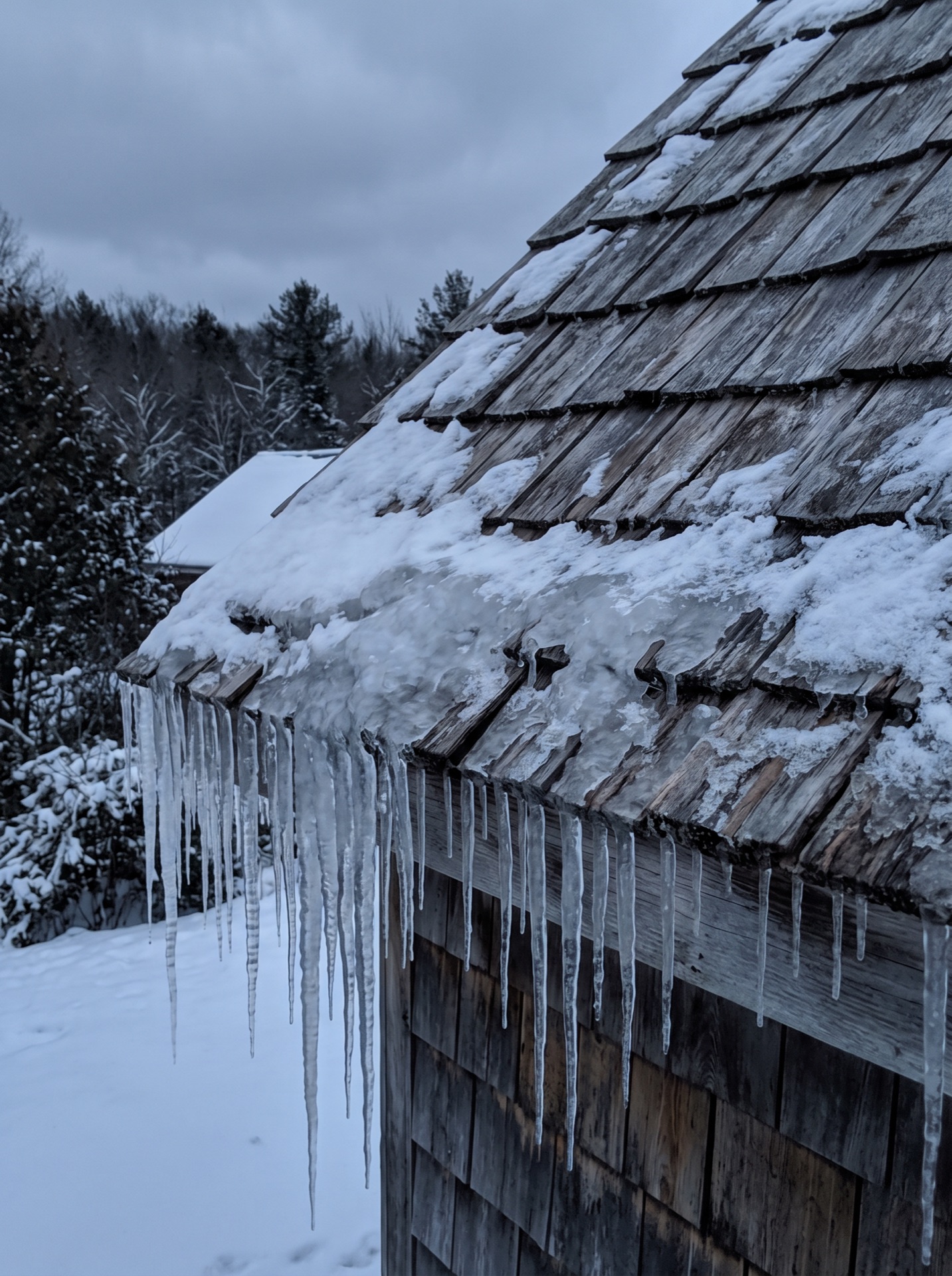
Ice expands as it forms, and a trough packed solid pushes the gutter away from the fascia a little more every cycle. By the time the dam is thick enough to leak, the hangers are often pulled, the back of the trough has lifted, and the fascia board behind it has been wet for weeks.
None of that is visible until the ice is off. It gets photographed when it appears, because a bent gutter found in February is a great deal easier to argue about with a carrier than one discovered in May.
| Documentation | Dated before and after photos, written scope in Xactimate line items |
|---|---|
| Local ice-barrier practice | Extended membrane plus snow retention |
| Removal method | Low-pressure steam only. No chipping, salt or pressure washing. |
| Pricing model | Billed by the crew hour, rate quoted before dispatch |
| Primary climate stressor | Solar melt on deep pack, shaded eaves |
| Dispatch window | 24 to 48 hours in mountain terrain |
| Service | Ice dam removal in Elko, NV |
Elko Coverage and the Adjoining Communities
Crews working Elko cover the surrounding Elko County addresses on the same route, so a storm week usually means one truck handling several properties rather than separate trips.
Nearest hub towns with their own crew pages: Winnemucca, Sparks, Reno, Carson City, Minden, Incline Village.
During a cold snap Elko gets worked alongside the neighboring Elko County towns on the same route, with active interior leaks moved to the front of the list.
If water is already inside a property in Elko, call (888) 561-9664 rather than filling in a form — the phone is faster and leaks jump the line.