



The Buchanan County Trap: Modest Snow, Constant Cycling
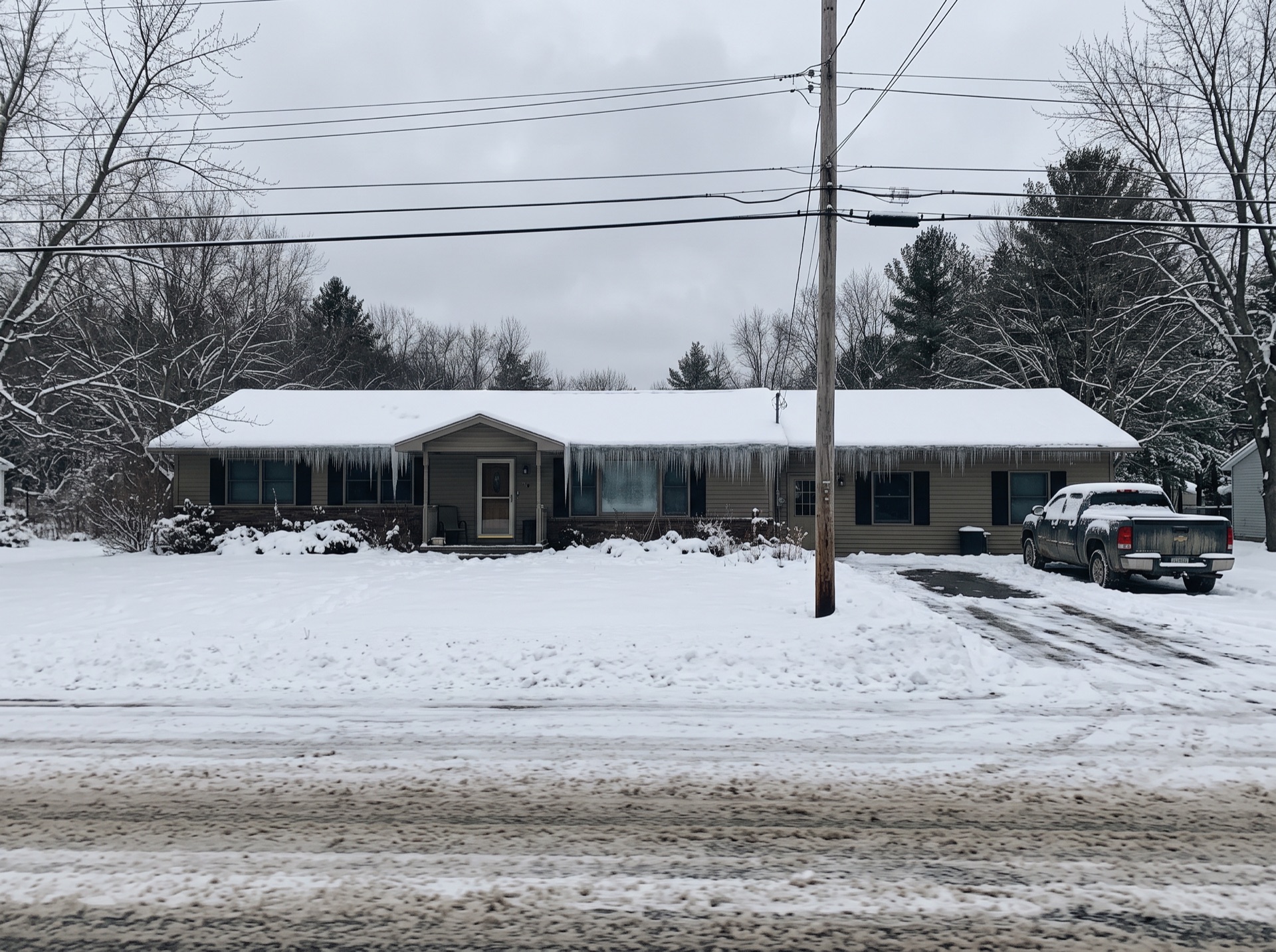
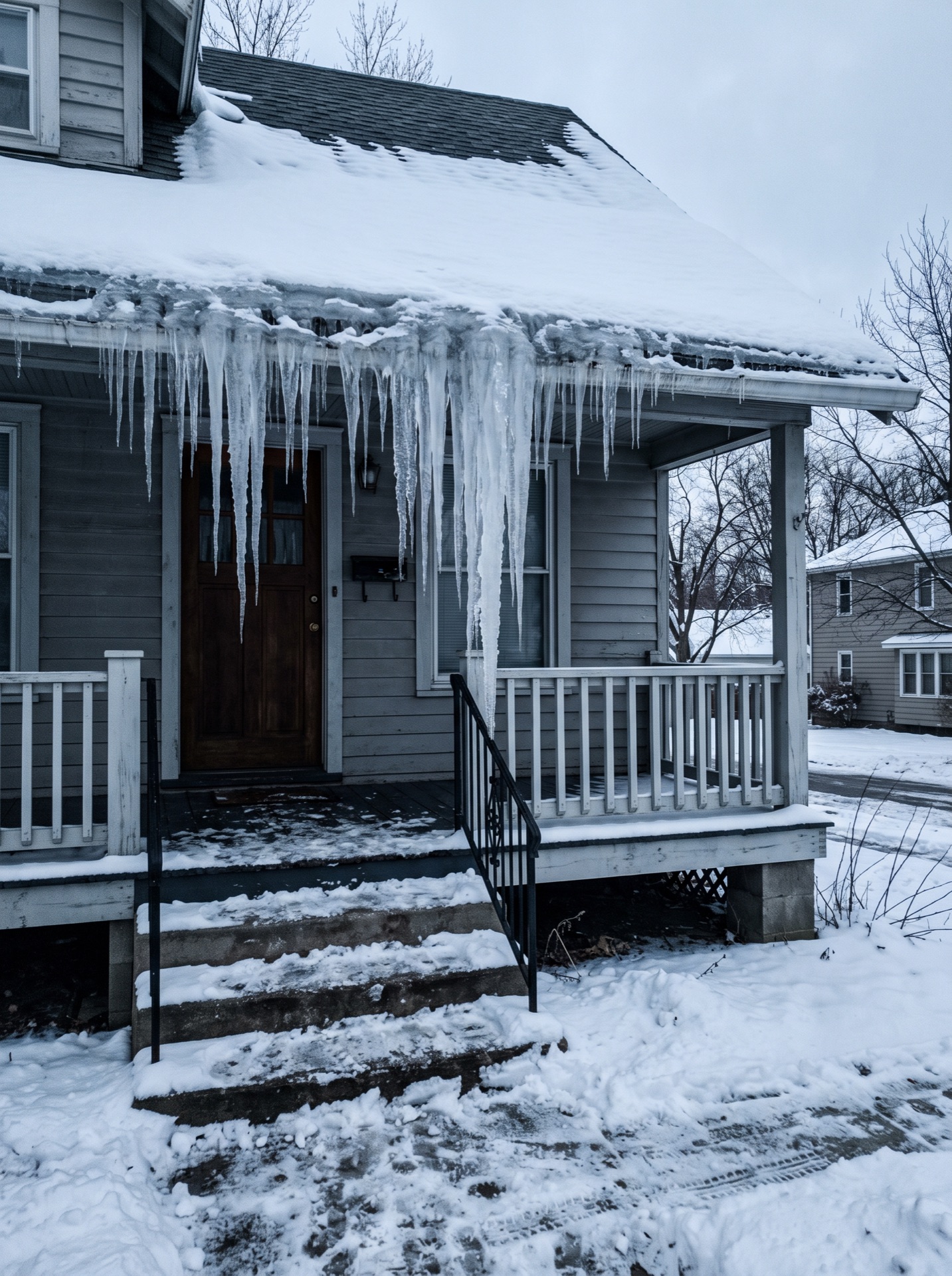
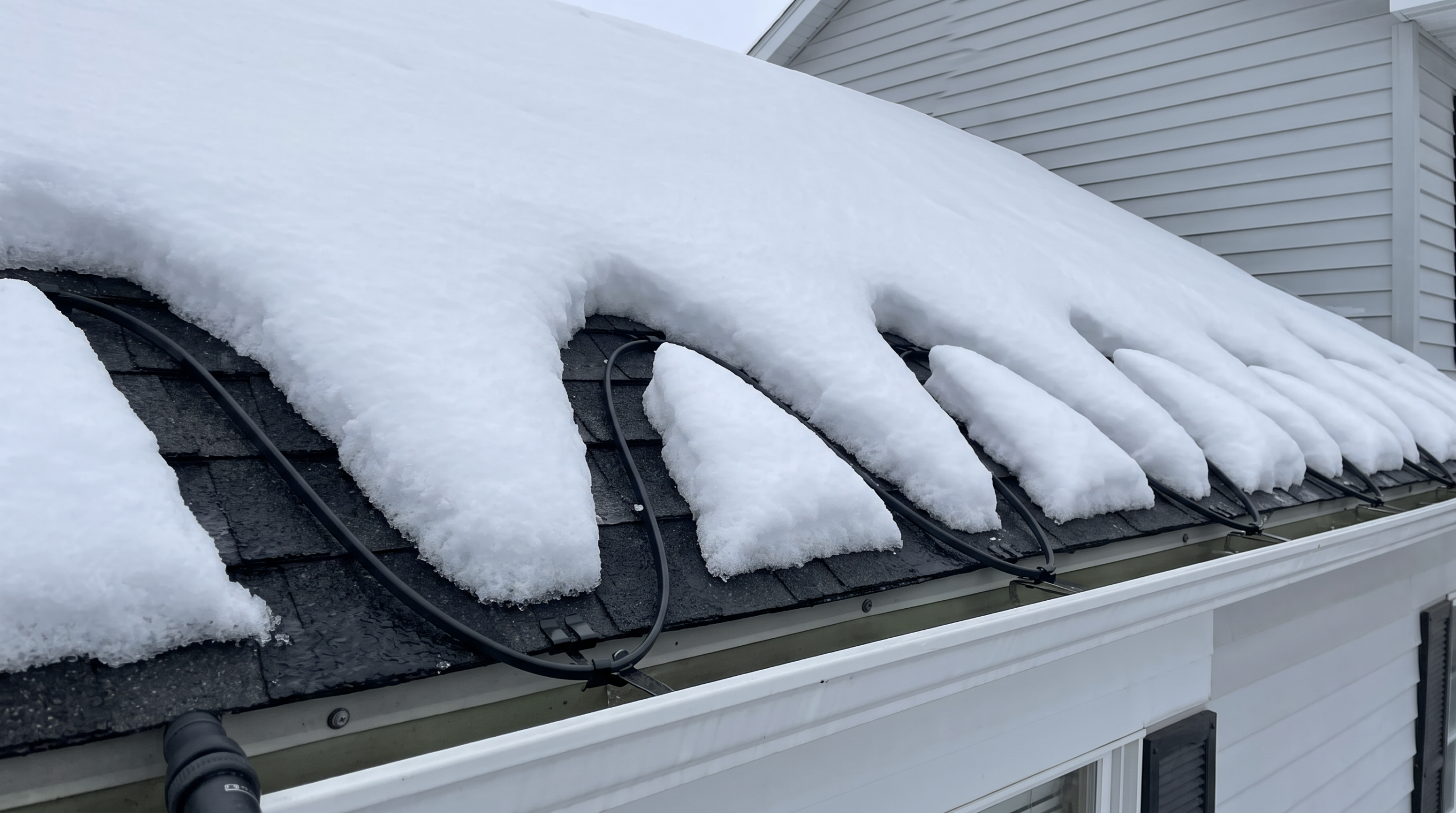
An ice dam needs meltwater and a cold eave, and St. Joseph supplies both on an ordinary week. A thin cover that melts by lunchtime and sets again after dark is a perfectly good dam factory.

And the cycling is relentless rather than dramatic. Fifteen or twenty crossings of freezing in a season each add a layer, and the houses with the thinnest attic insulation in Buchanan County all find out in the same week.
Ice-barrier practice in Buchanan County
Because ice is not the first thing a homeowner in St. Joseph thinks about, the membrane is the detail most often value-engineered out of a re-roof. It is worth asking for by name on any quote.
What a Crew Does on a St. Joseph Roof
The first pass is assessment: eaves, valleys, gutter line and any interior staining, all photographed with timestamps. You see what the crew sees, and the rate and likely hours are agreed before work begins.
Steam then takes the dam off in sections, prioritizing wherever water is actively backing up behind it. The gutter trough and downspout are cleared through to daylight on the same visit, because a clear eave over a frozen gutter is a temporary fix.
What the dam has already done to the gutter and fascia
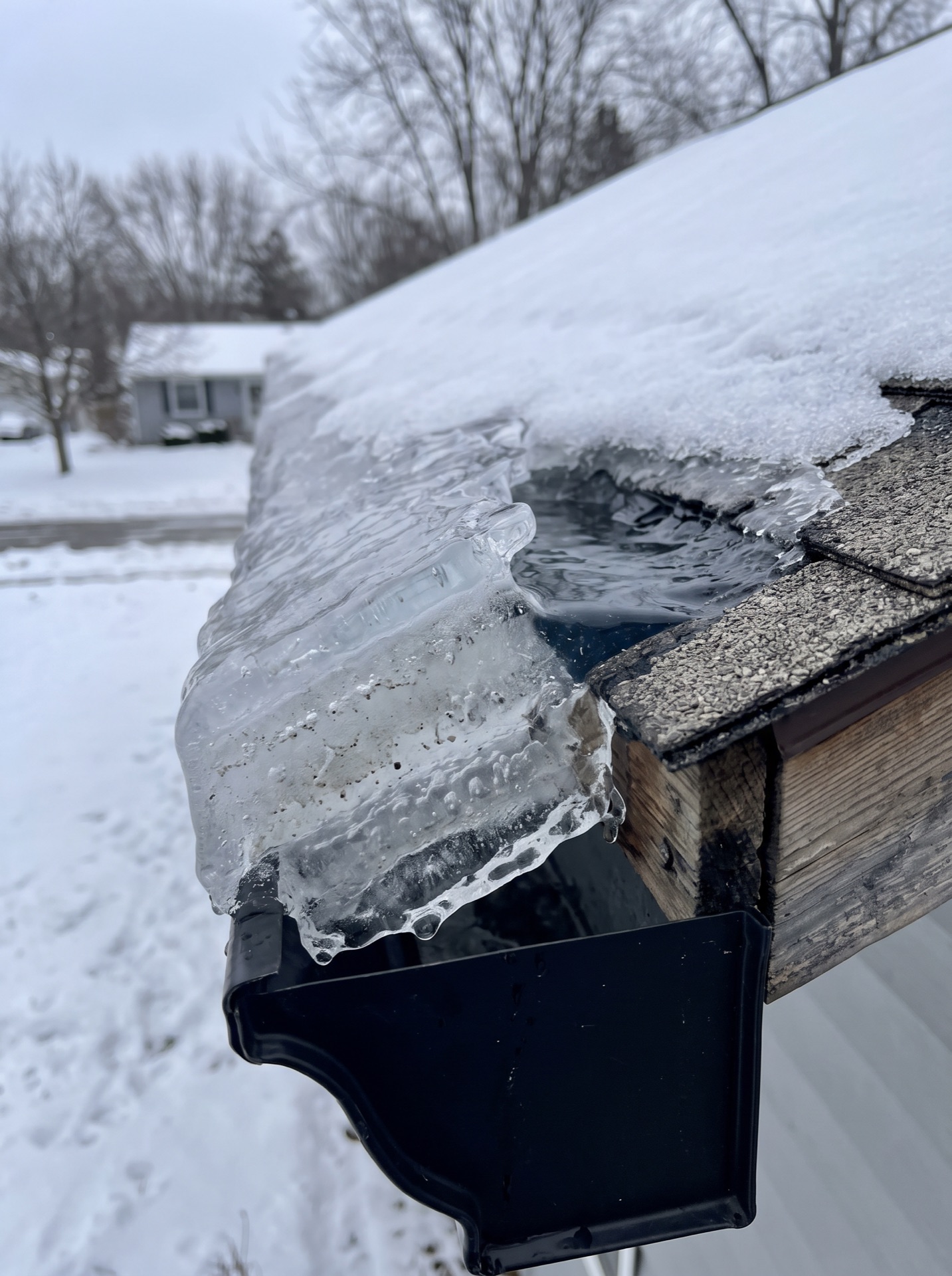
Ice expands as it forms, and a trough packed solid pushes the gutter away from the fascia a little more every cycle. By the time the dam is thick enough to leak, the hangers are often pulled, the back of the trough has lifted, and the fascia board behind it has been wet for weeks.
None of that is visible until the ice is off. It gets photographed when it appears, because a bent gutter found in February is a great deal easier to argue about with a carrier than one discovered in May.
What the crew does on arrival
Before anything is touched, the crew walks the eaves, valleys and gutter line and photographs every dam and every point where water is tracking inside. You get shown what they found. Then the dam comes off in sections, starting wherever water is actively backing up, so drainage opens early rather than at the end.
Downspouts and gutter troughs get cleared in the same visit where they are frozen, because a dam removed above a solid block of ice in the gutter just reforms in the next cold night.
Why the gutter has to be cleared in the same visit
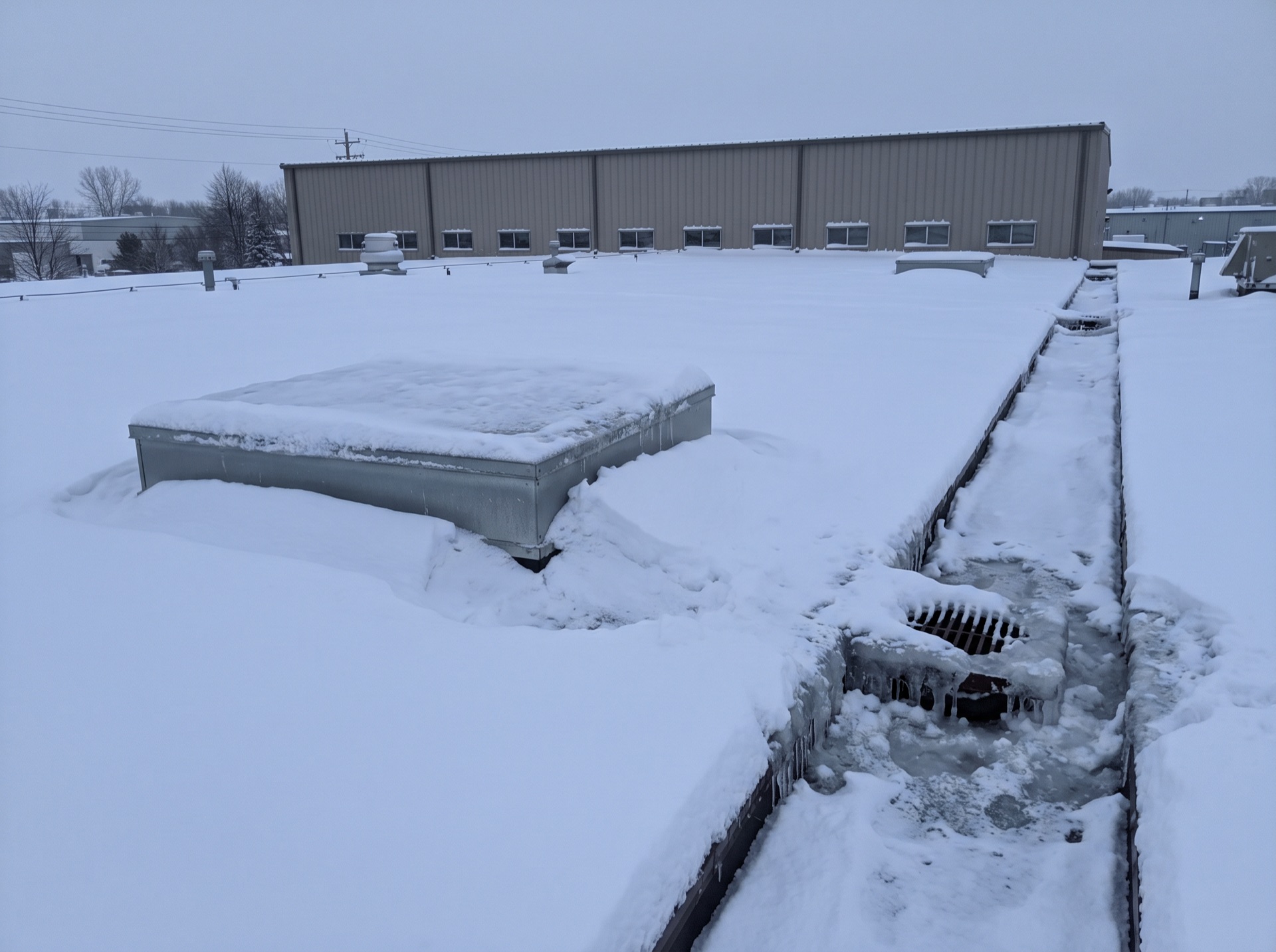
A dam sitting above a gutter packed solid with ice is only half the problem. Clear the eave and leave the trough frozen, and the next day's meltwater has nowhere to run — it backs up onto the roof and the dam rebuilds from the bottom.
Crews steam the trough and the downspout through to daylight on the same visit. It adds time, which is why the hour estimate given on the phone accounts for it, and it is the difference between a fix and a repeat visit in St. Joseph the following week.
| Local ice-barrier practice | Eave membrane on new work, often absent |
|---|---|
| Typical scope | Steam, 4-8 crew hours typical |
| Coverage area | St. Joseph and Buchanan County |
| Primary climate stressor | Repeated thaw-freeze cycling |
| Pricing model | Billed by the crew hour, rate quoted before dispatch |
| Documentation | Dated before and after photos, written scope in Xactimate line items |
| Dispatch window | Same day to 24 hours |
St. Joseph Coverage and the Adjoining Communities
Crews working St. Joseph cover the adjoining communities on the same route — Saint Joseph, Cosby, Agency, Easton and Savannah — so a storm week usually means one truck handling several addresses in Buchanan County rather than separate trips.
Nearest hub towns with their own crew pages: Kansas City, Independence, Blue Springs, Lee's Summit, Columbia, Jefferson City.
During a cold snap St. Joseph gets worked alongside the neighboring Buchanan County towns on the same route, with active interior leaks moved to the front of the list.
If water is already inside a property in St. Joseph, call (888) 561-9664 rather than filling in a form — the phone is faster and leaks jump the line.