



What the Lake Does to a Roof in Marquette
Roofs in Marquette are loaded unevenly and quickly. A band sets up, dumps for six hours and moves, and the roof is carrying a dense wet pack it did not have at breakfast. Nothing about that snow wants to slide off.

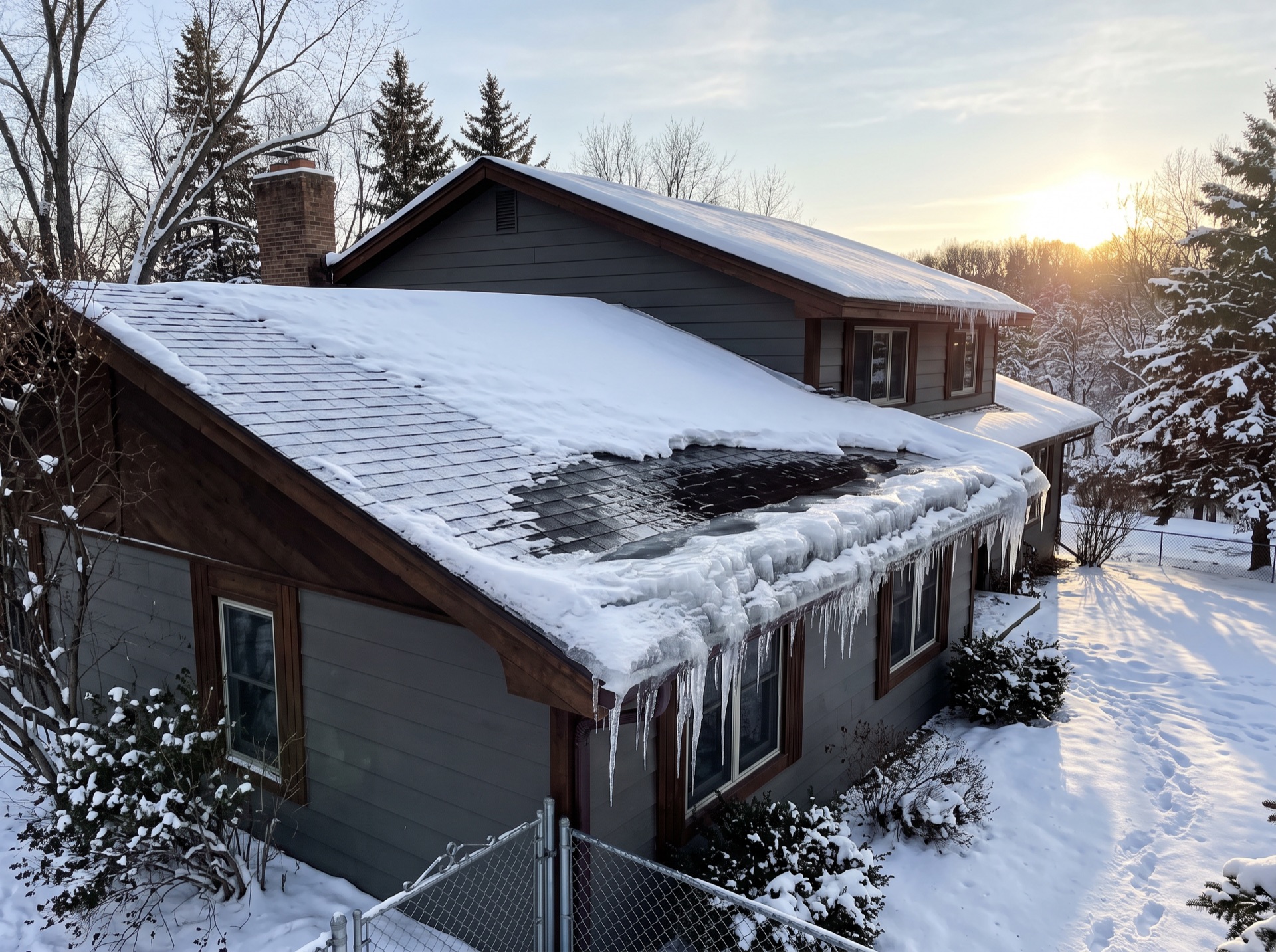
Each band is followed by a clearance and a cold night, and that is the cycle doing the damage. Meltwater released during the day sets at the eave after dark, and the ridge at the gutter line gains a layer every time.
Ice-barrier practice in Marquette County
What matters on a Marquette roof is not whether ice barrier exists but how far up it runs. Water backed up behind a foot of ice travels much further than the first course, and a membrane that stops short is a membrane that stops working.
How We Work a Marquette Ice Dam
The first pass is assessment: eaves, valleys, gutter line and any interior staining, all photographed with timestamps. You see what the crew sees, and the rate and likely hours are agreed before work begins.
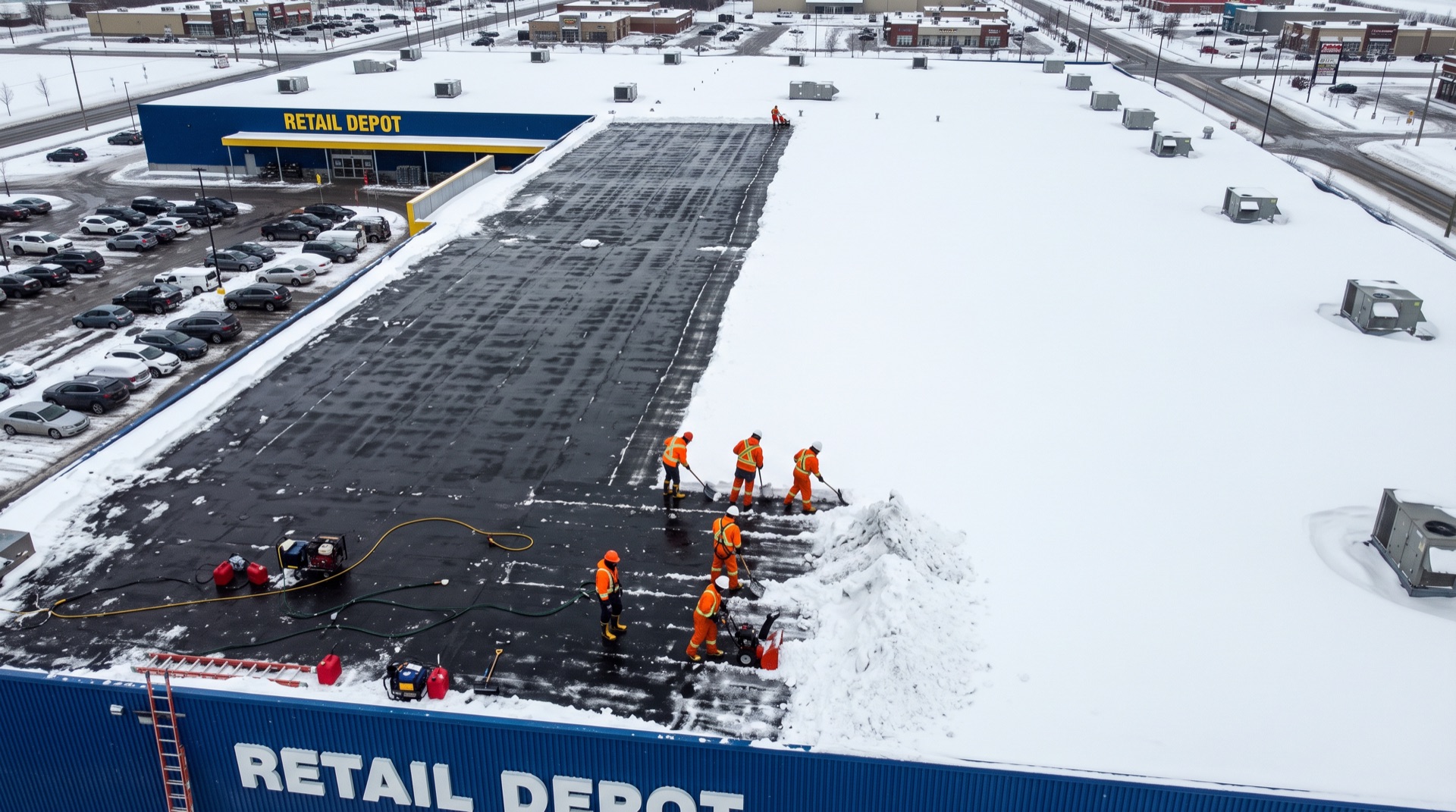
Steam then takes the dam off in sections, prioritizing wherever water is actively backing up behind it. The gutter trough and downspout are cleared through to daylight on the same visit, because a clear eave over a frozen gutter is a temporary fix.
What the crew does on arrival
Before anything is touched, the crew walks the eaves, valleys and gutter line and photographs every dam and every point where water is tracking inside. You get shown what they found. Then the dam comes off in sections, starting wherever water is actively backing up, so drainage opens early rather than at the end.
Downspouts and gutter troughs get cleared in the same visit where they are frozen, because a dam removed above a solid block of ice in the gutter just reforms in the next cold night.
Why the dam formed in the first place
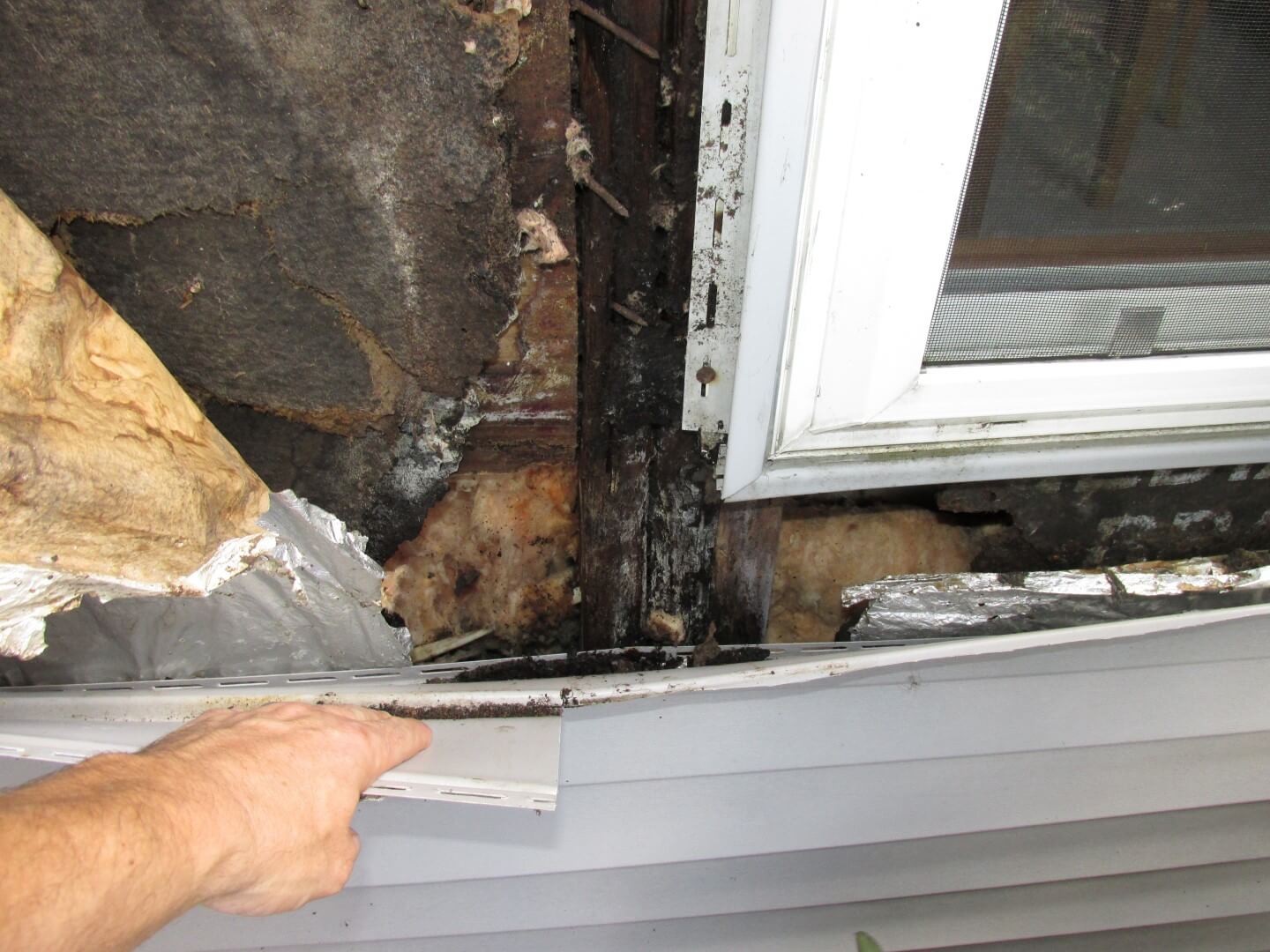
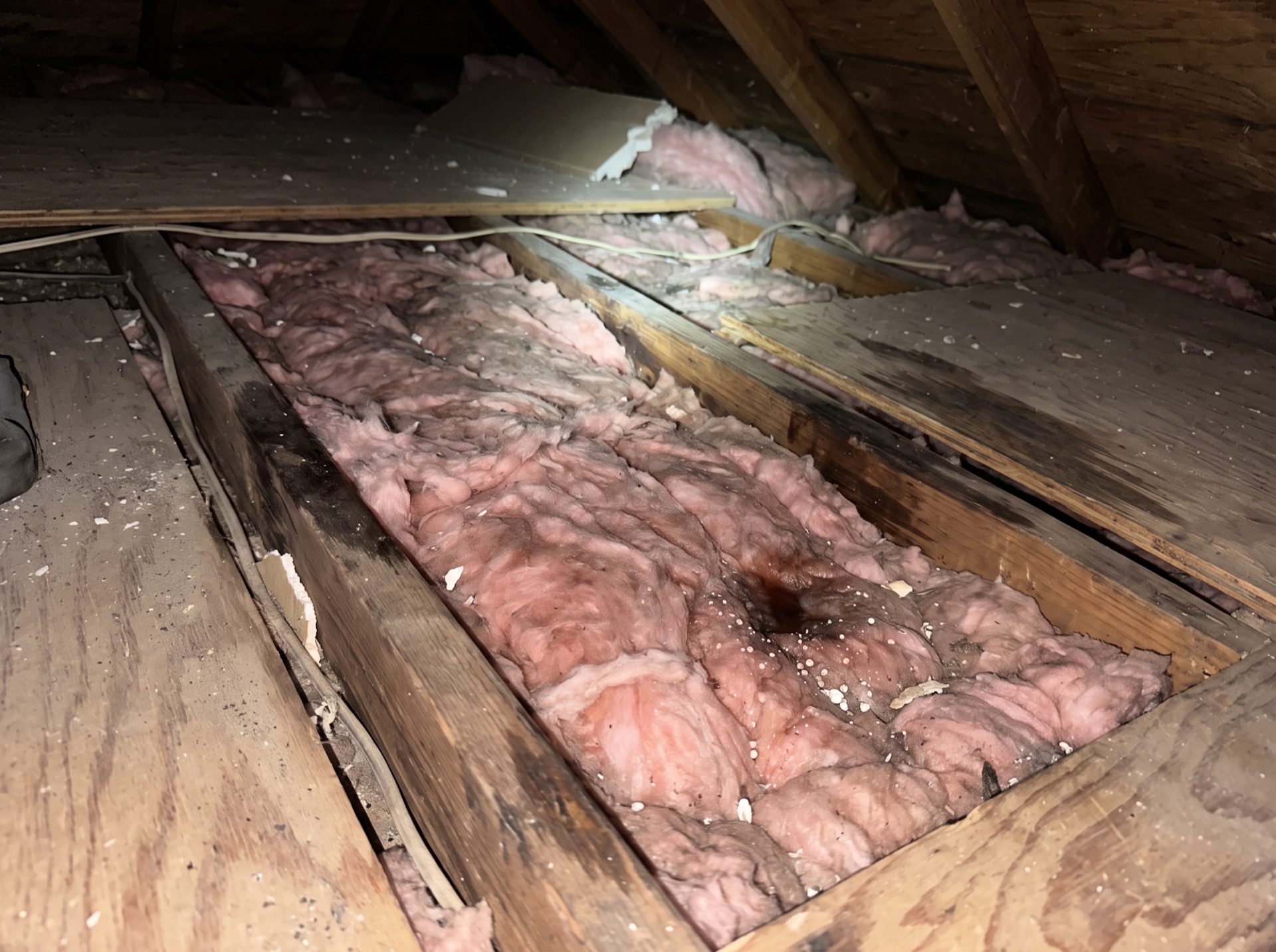
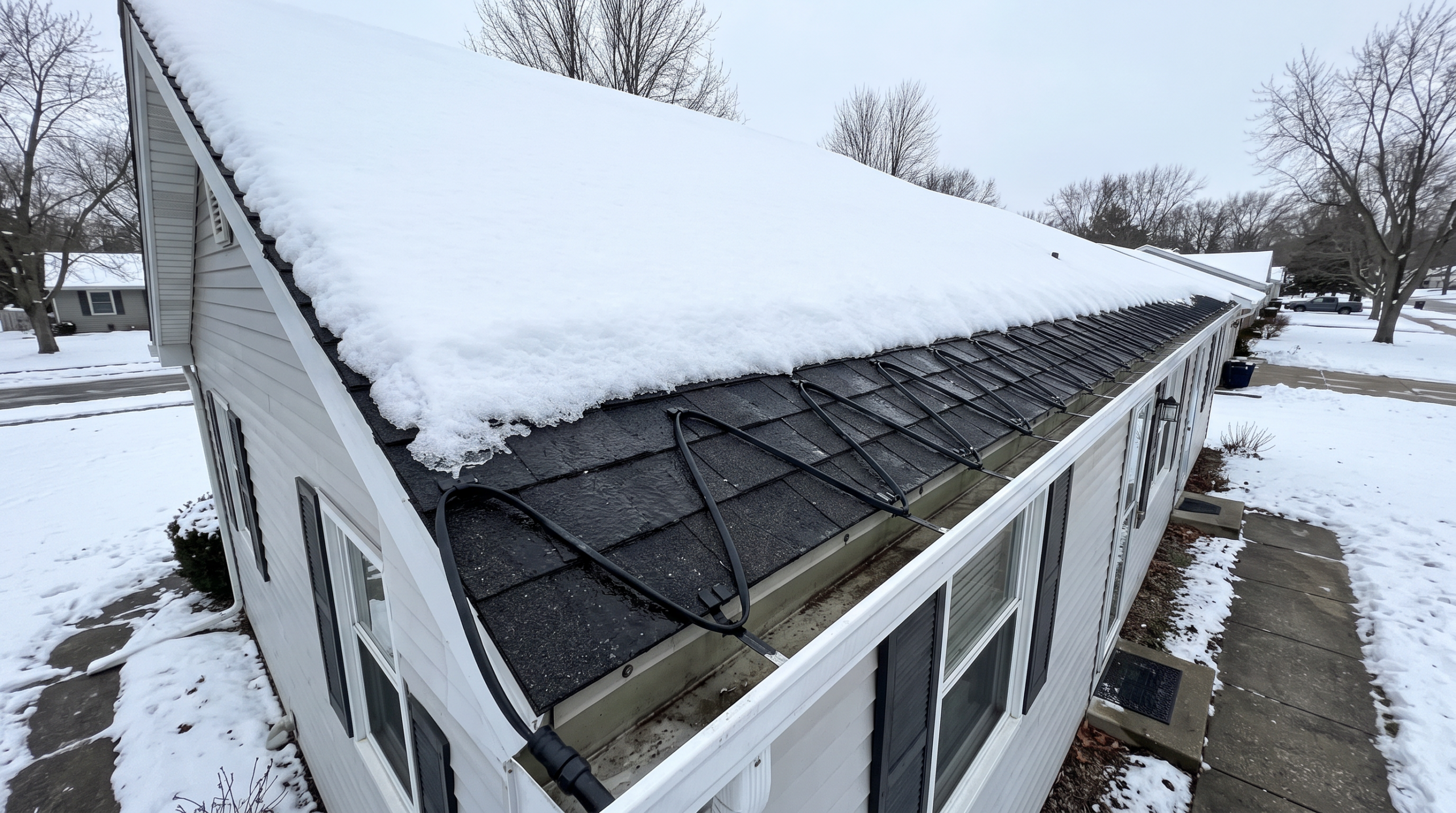
Ice dams are a heat problem wearing a weather costume. Warm air escaping into the attic melts snow on the upper roof; that meltwater runs to the eave, which hangs past the heated envelope and stays below freezing; it refreezes there, and the ridge of ice grows a layer every cycle. Removal is the emergency fix. Before the crew leaves you will know which part of your attic is feeding it.
What steam actually does
A steam unit delivers water at roughly 290°F at a pressure low enough to rest your hand in the plume. It cuts a channel straight through the ice and lifts the dam off in sections, right down to the shingle. The heat does the work, not force, so granules, seal strips and flashing come through untouched.
That is the whole difference between steam and the hot pressure washers often sold as steam. A pressure washer cuts ice fast because of its pressure — and that same pressure strips the granules off asphalt shingles and drives water up under the courses. One method removes ice. The other removes ice and roof.
| Documentation | Dated before and after photos, written scope in Xactimate line items |
|---|---|
| Pricing model | Billed by the crew hour, rate quoted before dispatch |
| Service | Ice dam removal in Marquette, MI |
| Primary climate stressor | Lake-effect bands, wet heavy pack |
| Coverage area | Marquette and Marquette County |
| Dispatch window | Same day to 24 hours |
| Typical scope | Steam, 6-12 crew hours typical |
Marquette Coverage and the Adjoining Communities
Crews working Marquette cover the adjoining communities on the same route — Negaunee, Palmer and National Mine — so a storm week usually means one truck handling several addresses in Marquette County rather than separate trips.
Nearest hub towns with their own crew pages: Escanaba, Petoskey, Sault Ste. Marie, Traverse City, Alpena, Muskegon.
When a storm hits Marquette County, crews are dispatched by severity rather than by call order — water already inside the house goes first.
Water through a ceiling in Marquette is a same-day call, not a next-week one. (888) 561-9664 goes straight to dispatch.