


The Jackson County Trap: Modest Snow, Constant Cycling
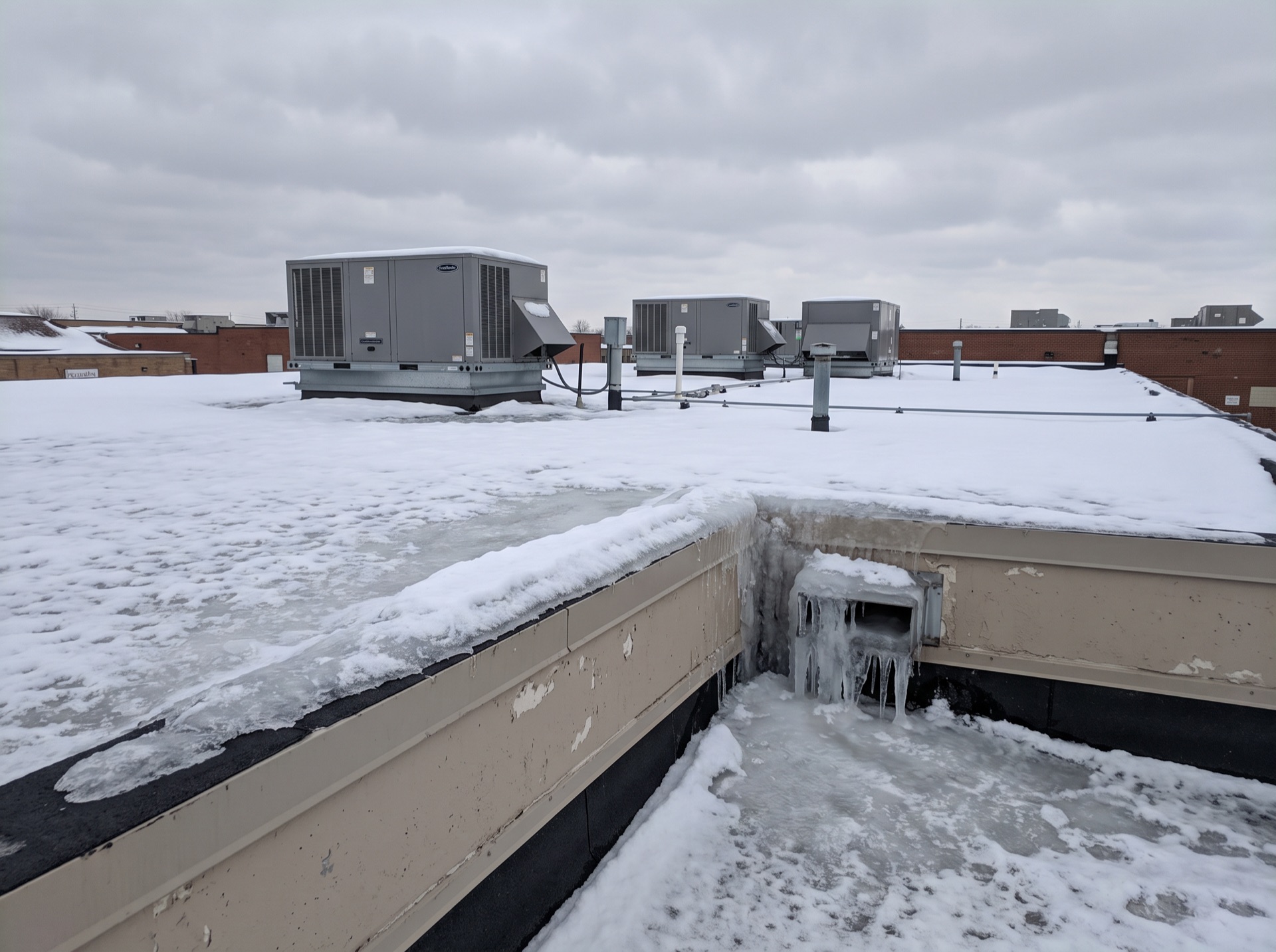
Three inches of snow and a week of days above freezing and nights below it will build ice on a Jackson County eave just as reliably as a foot of snow further north.

Because the winters read as mild, the building stock is not built for ice. Attic insulation is thinner, eave details are less considered, and ice barrier is more often absent than present on a roof in Jackson.
Ice-barrier practice in Jackson County
Because ice is not the first thing a homeowner in Jackson thinks about, the membrane is the detail most often value-engineered out of a re-roof. It is worth asking for by name on any quote.
The Jackson Dispatch Process, Step by Step
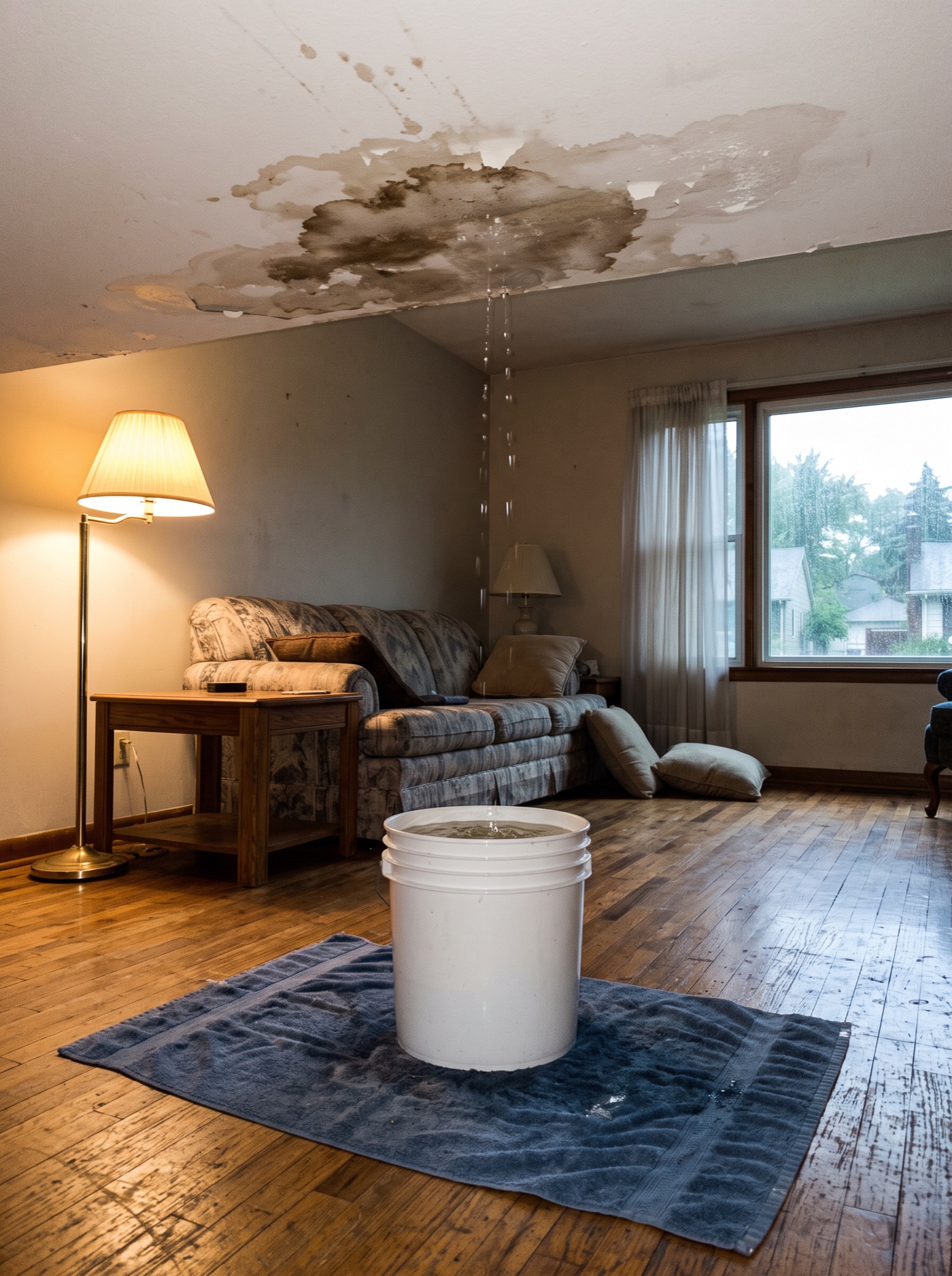
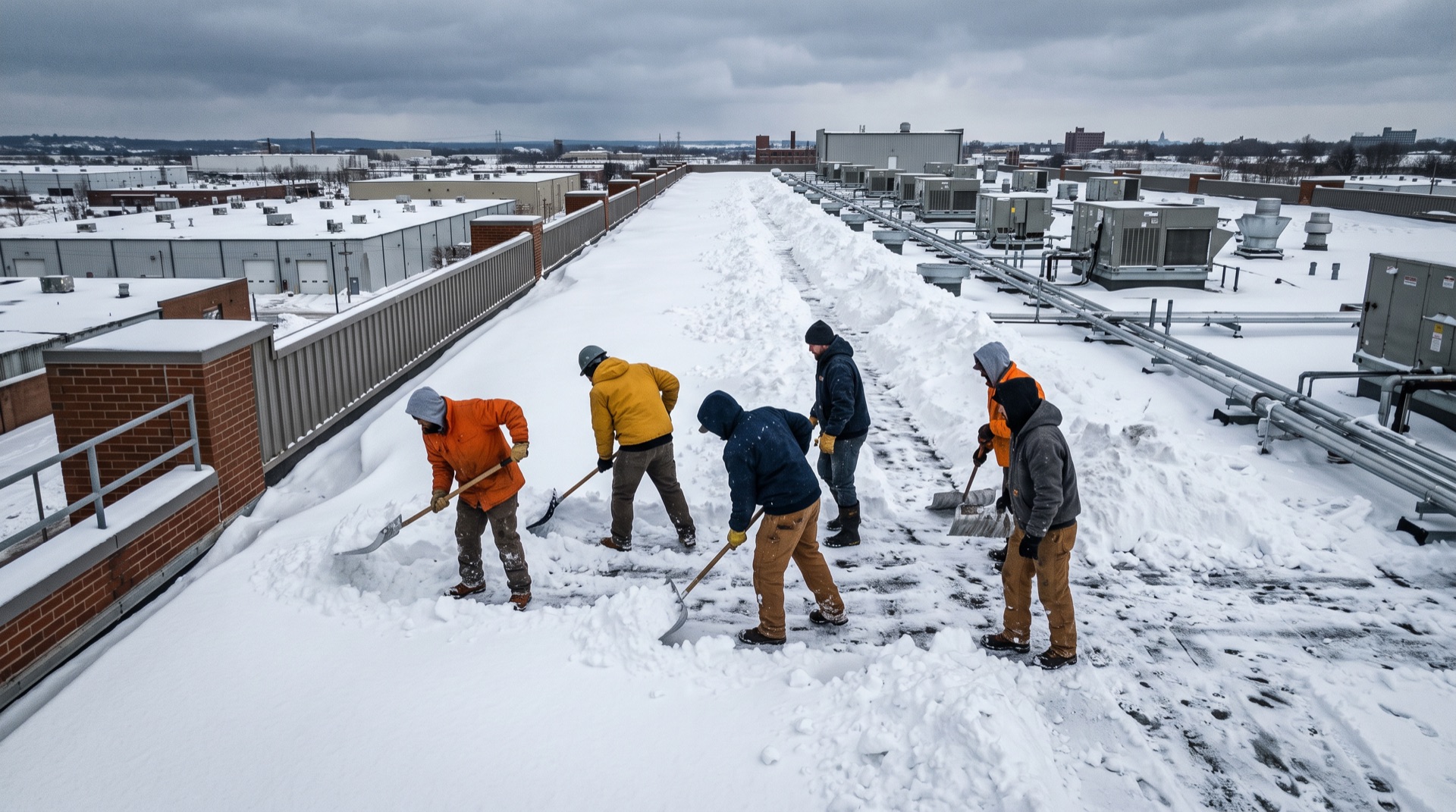
Nothing gets touched until the roof has been walked and photographed. The crew finds every dam, locates where water is getting in, shows you, and gives you the crew-hour rate and a time estimate before the equipment comes off the truck.
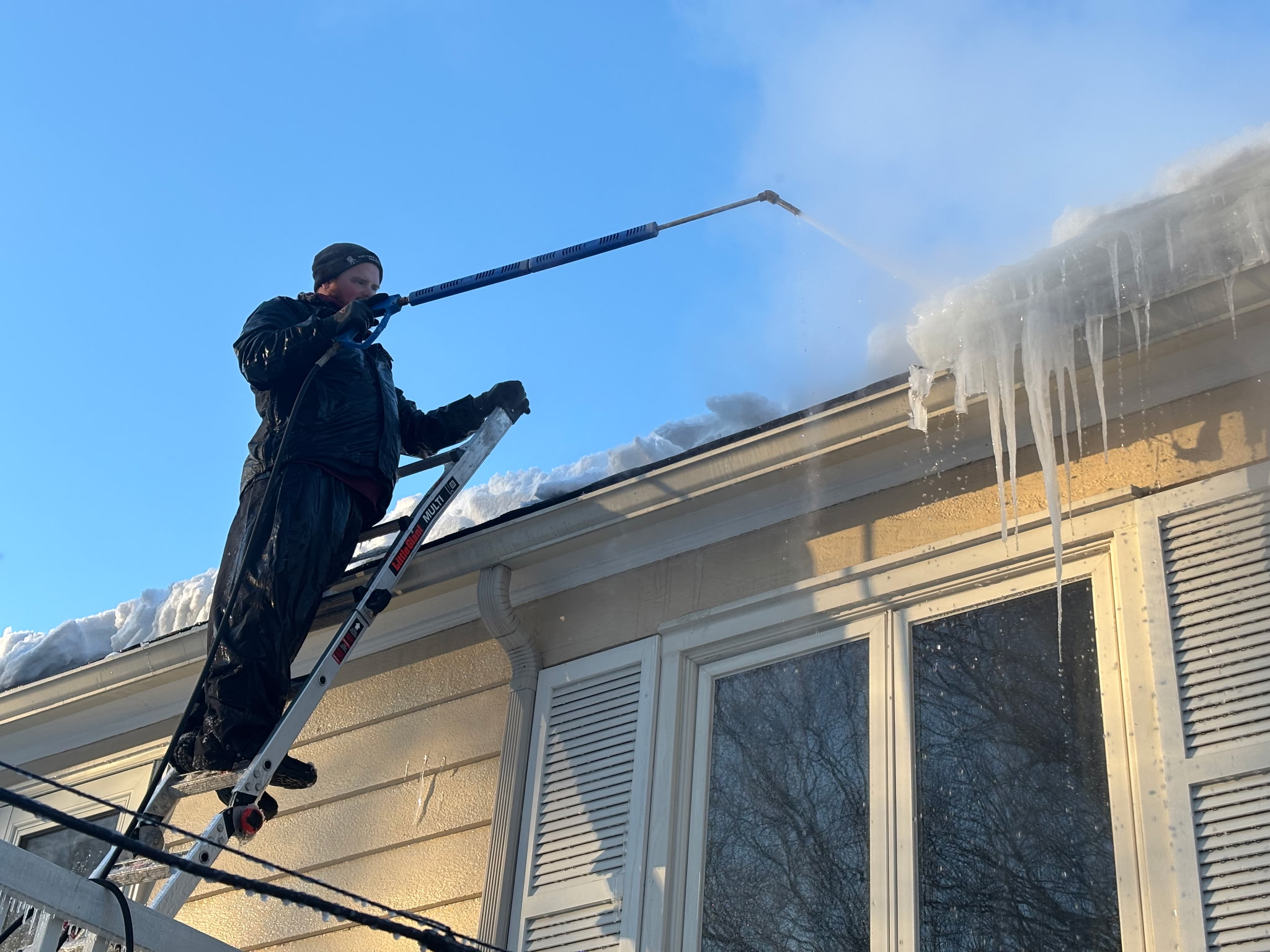
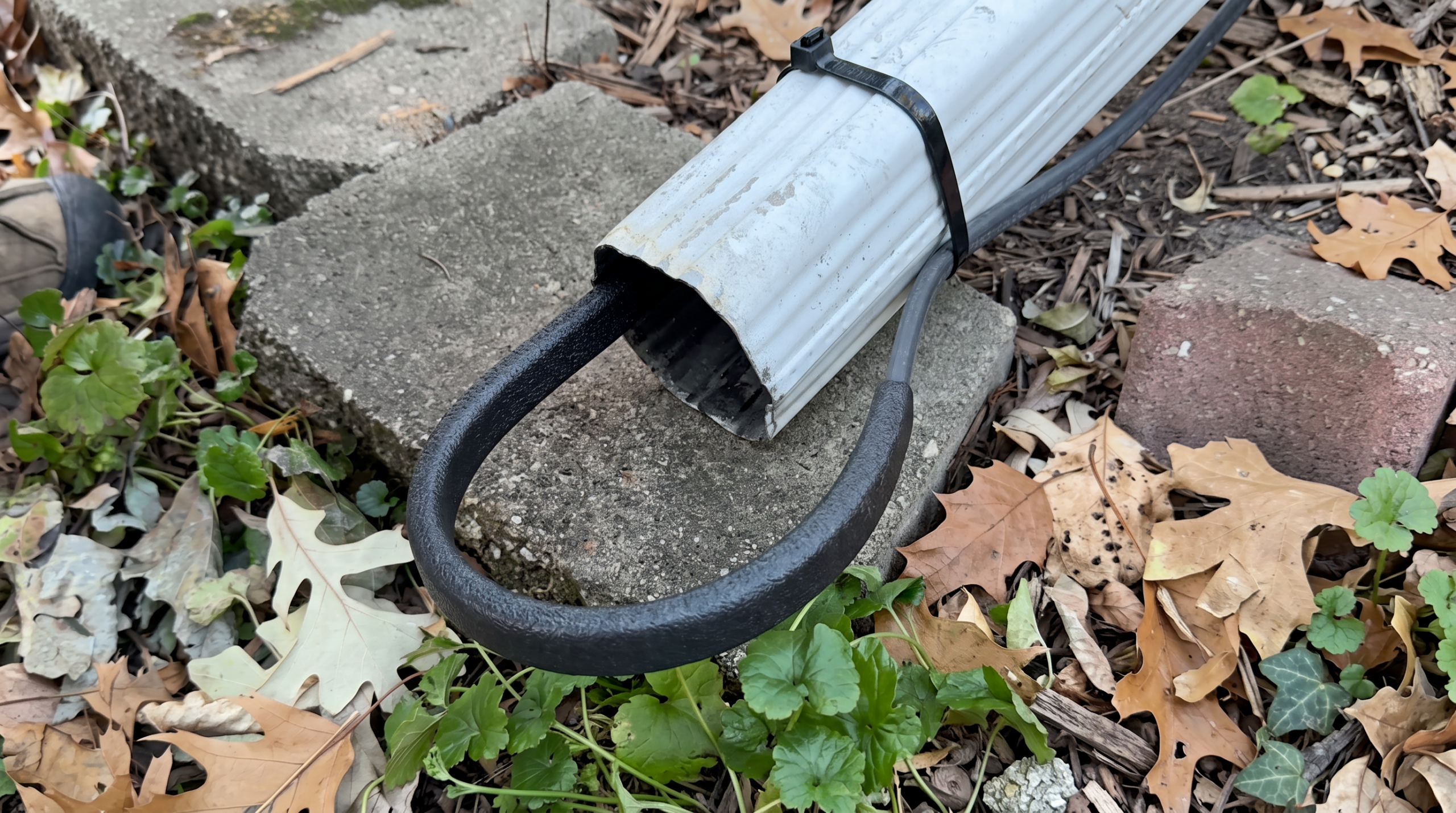
Removal then works from the worst point outward, so water starts draining early rather than at the end. Gutters and downspouts frozen solid get steamed through in the same visit — leaving them means the eave dams again within days.
What happens after the ice is off
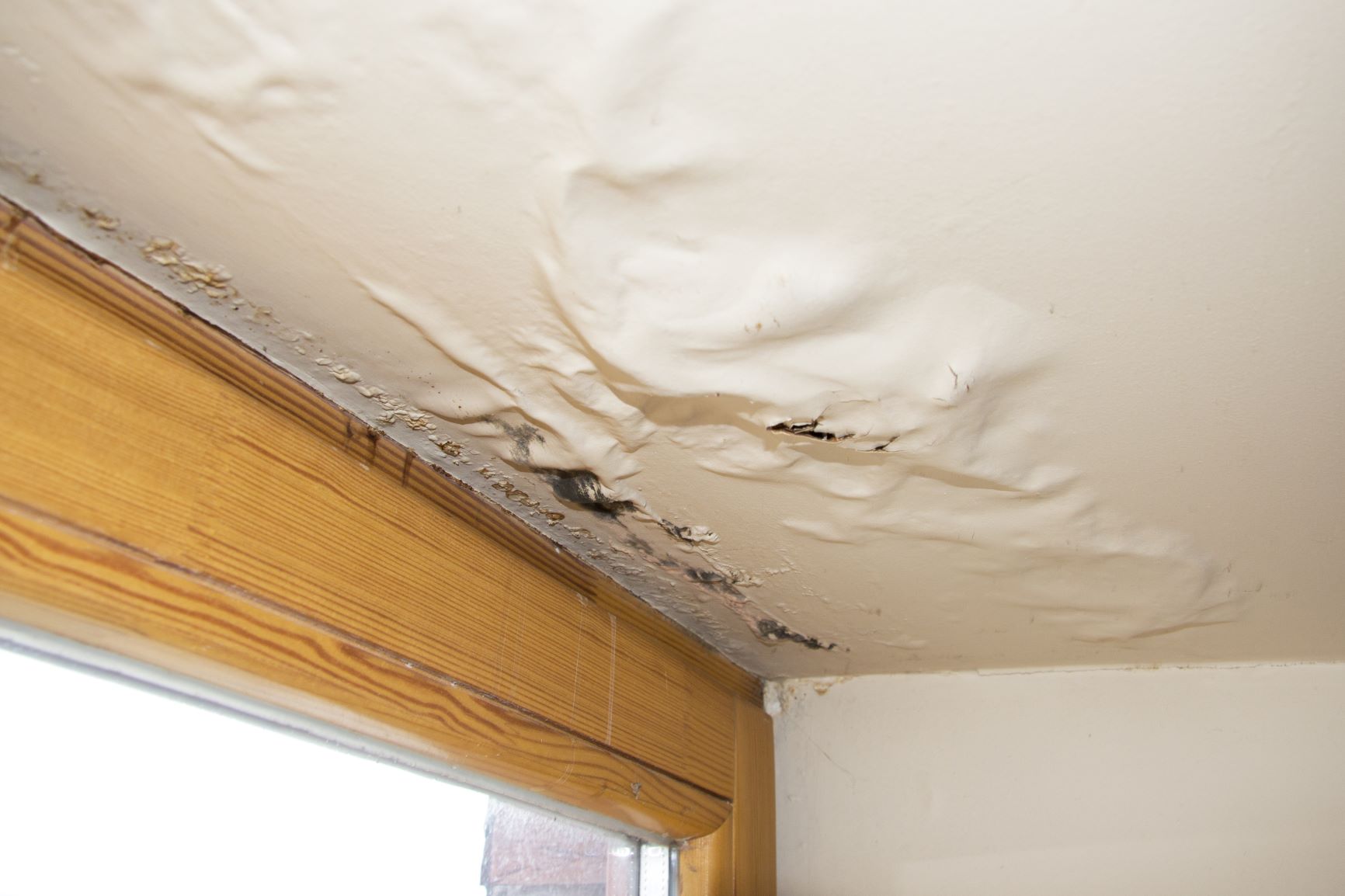
Once the eave is clear and water is draining, the crew walks the interior with you where there is visible damage and says plainly whether it needs drying. Wet insulation and a damp ceiling cavity do not resolve themselves in a cold Jackson February.
If it does, that is a separate scope and it gets written separately — nobody is upsold a dryout on the strength of one damp patch.
Working at night and during an active storm
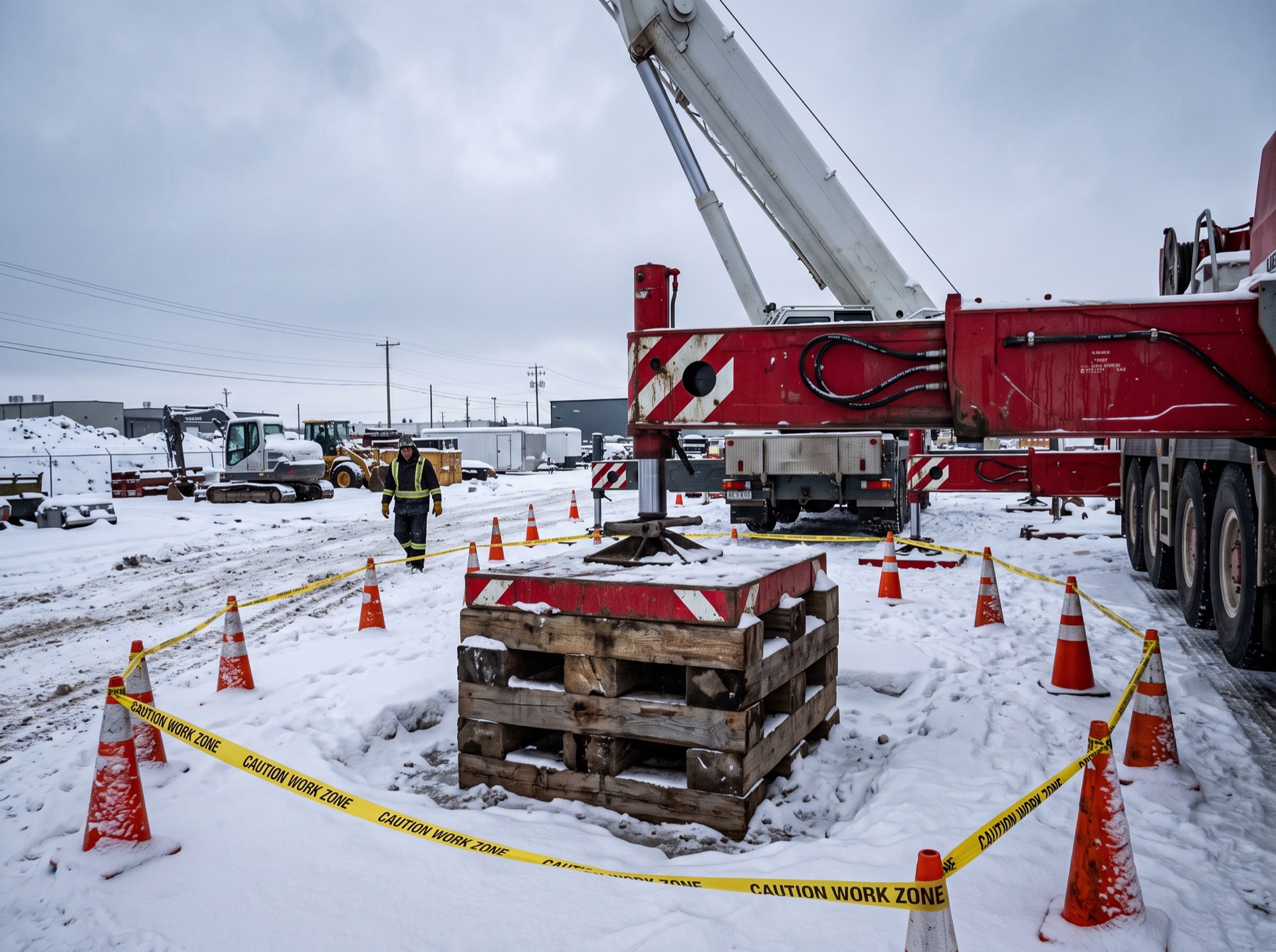
Freeze events do not keep office hours, and the worst leaks tend to announce themselves in the evening when the day's melt refreezes. Crews run lit, and a roof that is actively collecting snow is worked anyway, because waiting for better weather means the dam is bigger when somebody finally gets to it.
What does stop a crew is wind and lightning. Both are judgment calls made on site in Jackson, and a postponed start gets explained rather than dressed up.
What the dam has already done to the gutter and fascia
Ice expands as it forms, and a trough packed solid pushes the gutter away from the fascia a little more every cycle. By the time the dam is thick enough to leak, the hangers are often pulled, the back of the trough has lifted, and the fascia board behind it has been wet for weeks.
None of that is visible until the ice is off. It gets photographed when it appears, because a bent gutter found in February is a great deal easier to argue about with a carrier than one discovered in May.
| Local ice-barrier practice | Eave membrane on new work, often absent |
|---|---|
| Pricing model | Billed by the crew hour, rate quoted before dispatch |
| Service | Ice dam removal in Jackson, MI |
| Documentation | Dated before and after photos, written scope in Xactimate line items |
| Coverage area | Jackson and Jackson County |
| Primary climate stressor | Repeated thaw-freeze cycling |
| Removal method | Low-pressure steam only. No chipping, salt or pressure washing. |
Where We Dispatch Around Jackson
Crews working Jackson cover the adjoining communities on the same route — Michigan Center, Spring Arbor, Clarklake, Pleasant Lake and Napoleon — so a storm week usually means one truck handling several addresses in Jackson County rather than separate trips.
Nearest hub towns with their own crew pages: Adrian, Ann Arbor, East Lansing, Lansing, Battle Creek, Ypsilanti.
Jackson sits inside the regular Michigan service area, so a crew is usually scheduled the same day or the following morning.
Water coming in right now in Jackson? Call (888) 561-9664. Active interior leaks go to the front of the schedule.