



Older Housing, Heavy Snow: The Hampden County Case
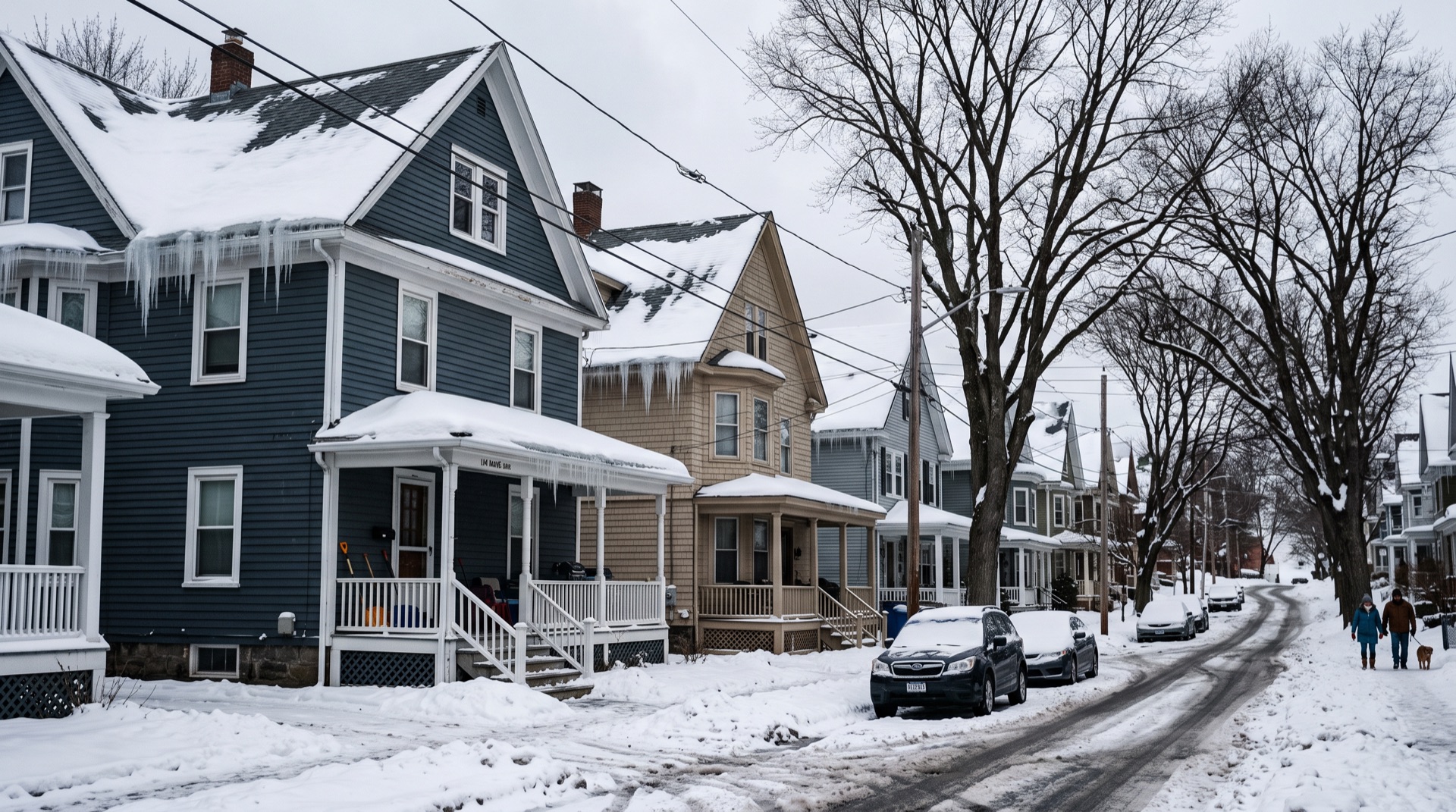
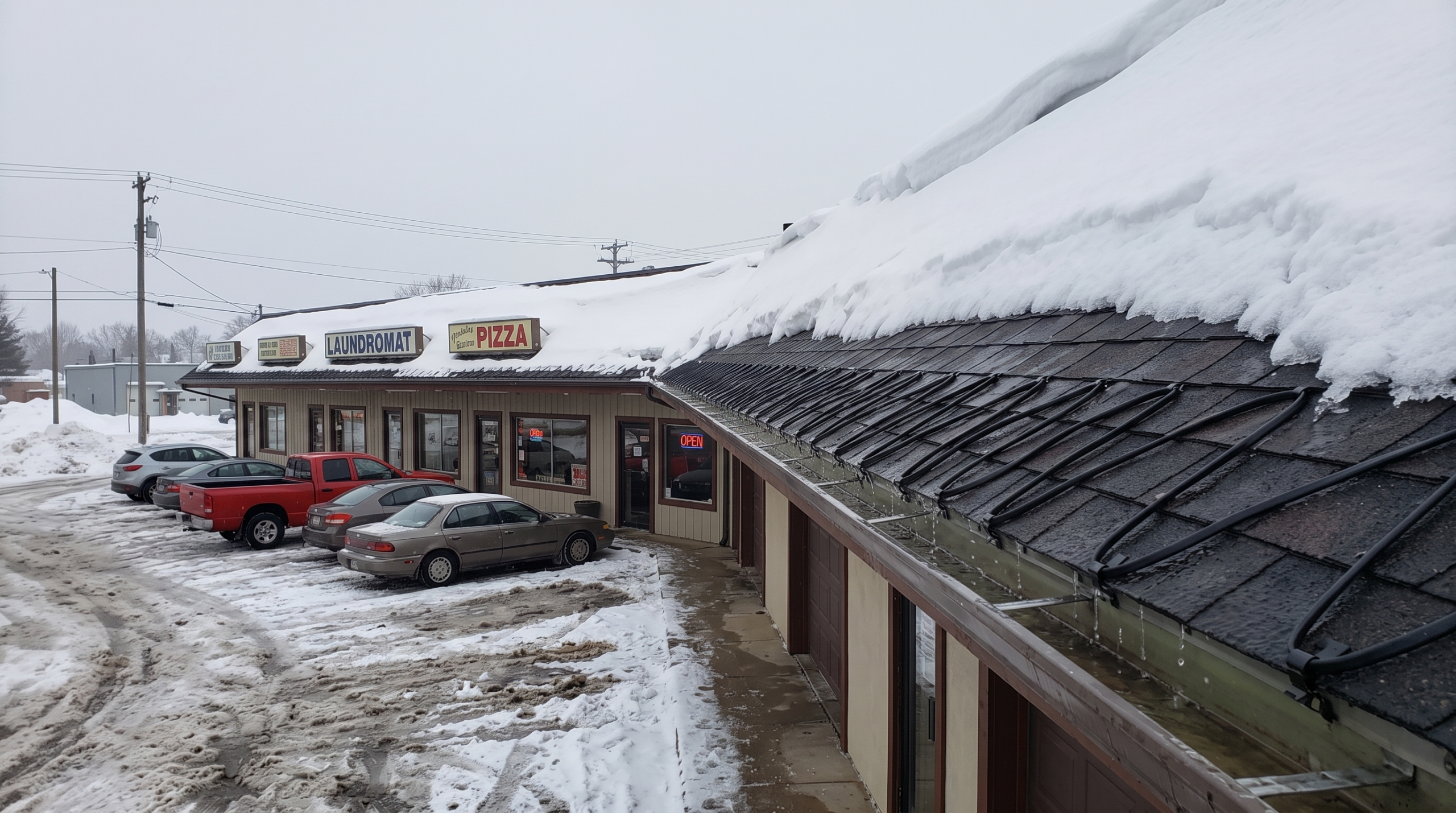
Coastal snow is heavy with water, and a roof in Springfield can take a foot of it in a night. That pack is a full reservoir from the moment it lands, not something that becomes one slowly.

The building stock compounds it. A great many Springfield houses were built long before attic air sealing was a consideration, and the retrofits that followed often insulated the floor while leaving the bypasses wide open.
Ice-barrier practice in Hampden County
Historic district review in parts of Hampden County adds a step on materials and sometimes on color, which is worth knowing before a re-roof is scheduled rather than after the permit is refused.
How a Springfield Steam Call Runs, Start to Finish
The first pass is assessment: eaves, valleys, gutter line and any interior staining, all photographed with timestamps. You see what the crew sees, and the rate and likely hours are agreed before work begins.
Steam then takes the dam off in sections, prioritizing wherever water is actively backing up behind it. The gutter trough and downspout are cleared through to daylight on the same visit, because a clear eave over a frozen gutter is a temporary fix.
Working at night and during an active storm
Freeze events do not keep office hours, and the worst leaks tend to announce themselves in the evening when the day's melt refreezes. Crews run lit, and a roof that is actively collecting snow is worked anyway, because waiting for better weather means the dam is bigger when somebody finally gets to it.
What does stop a crew is wind and lightning. Both are judgment calls made on site in Springfield, and a postponed start gets explained rather than dressed up.
Access, ladders and what the crew needs on site
Steam equipment needs somewhere to park within hose reach, and ladders need footing that is not a buried flower bed or a sheet of ice. Clearing a path to the affected eave, moving vehicles off the driveway and unlocking a side gate takes ten minutes and saves considerably more than that on the clock.
Where the only access is through a neighbor's property, that conversation is worth having before the crew is in the street rather than while it waits.
If water already got inside
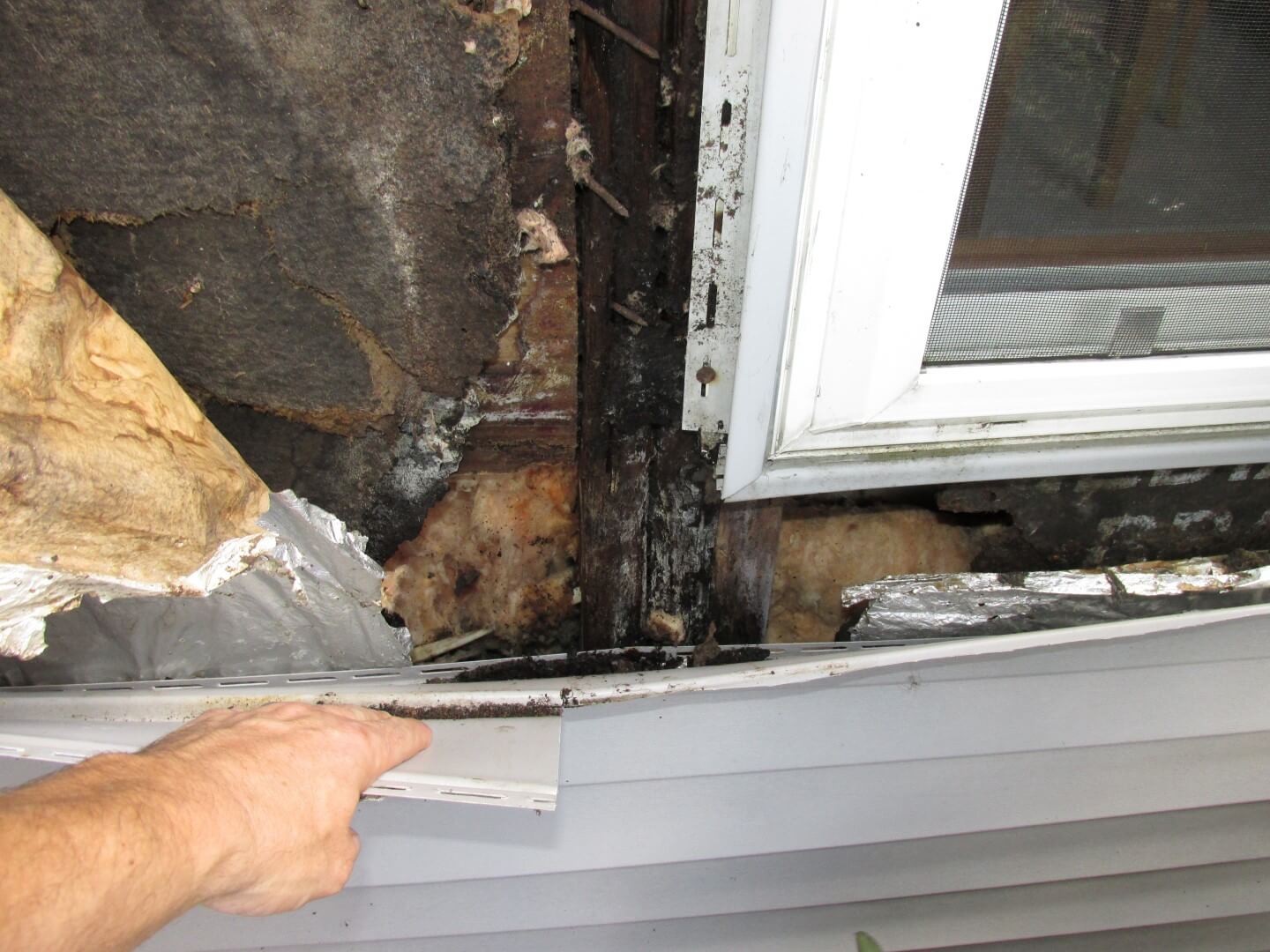
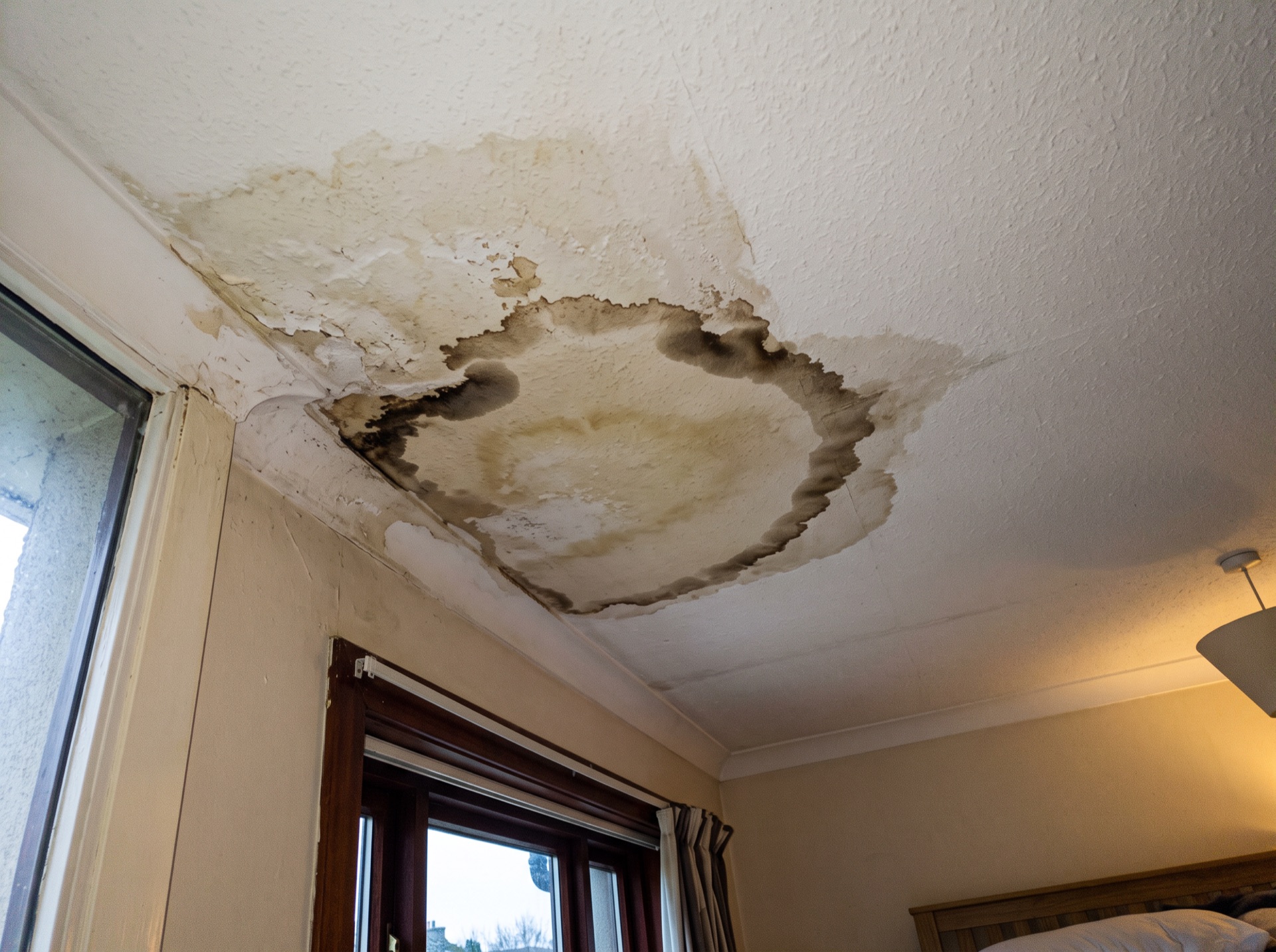
Taking the ice off stops new water. It does nothing about what is already in the insulation, the ceiling and the walls of a Springfield home.
The same company handles the rest: water mitigation and dryout, mold remediation where the water has led to growth, the interior repair, and the roof where the dam damaged it, all documented on one insurance claim.
| Coverage area | Springfield and Hampden County |
|---|---|
| Local ice-barrier practice | Eave membrane standard on re-roofs |
| Removal method | Low-pressure steam only. No chipping, salt or pressure washing. |
| Service | Ice dam removal in Springfield, MA |
| Dispatch window | Same day to 24 hours |
| Typical scope | Steam, 4-10 crew hours typical |
| Primary climate stressor | Nor'easters, rapid thaw-freeze swing |
Neighborhoods and Towns We Reach From Springfield
Crews working Springfield cover the adjoining communities on the same route — West Springfield, Agawam, Chicopee, Longmeadow and Feeding Hills — so a storm week usually means one truck handling several addresses in Hampden County rather than separate trips.
Nearest hub towns with their own crew pages: Holyoke, Westfield, Northampton, Amherst, Pittsfield, Worcester.
Springfield sits inside the regular Massachusetts service area, so a crew is usually scheduled the same day or the following morning.
Active leak at an address in Springfield? (888) 561-9664 reaches dispatch directly. Interior water moves a job to the front of the day.