



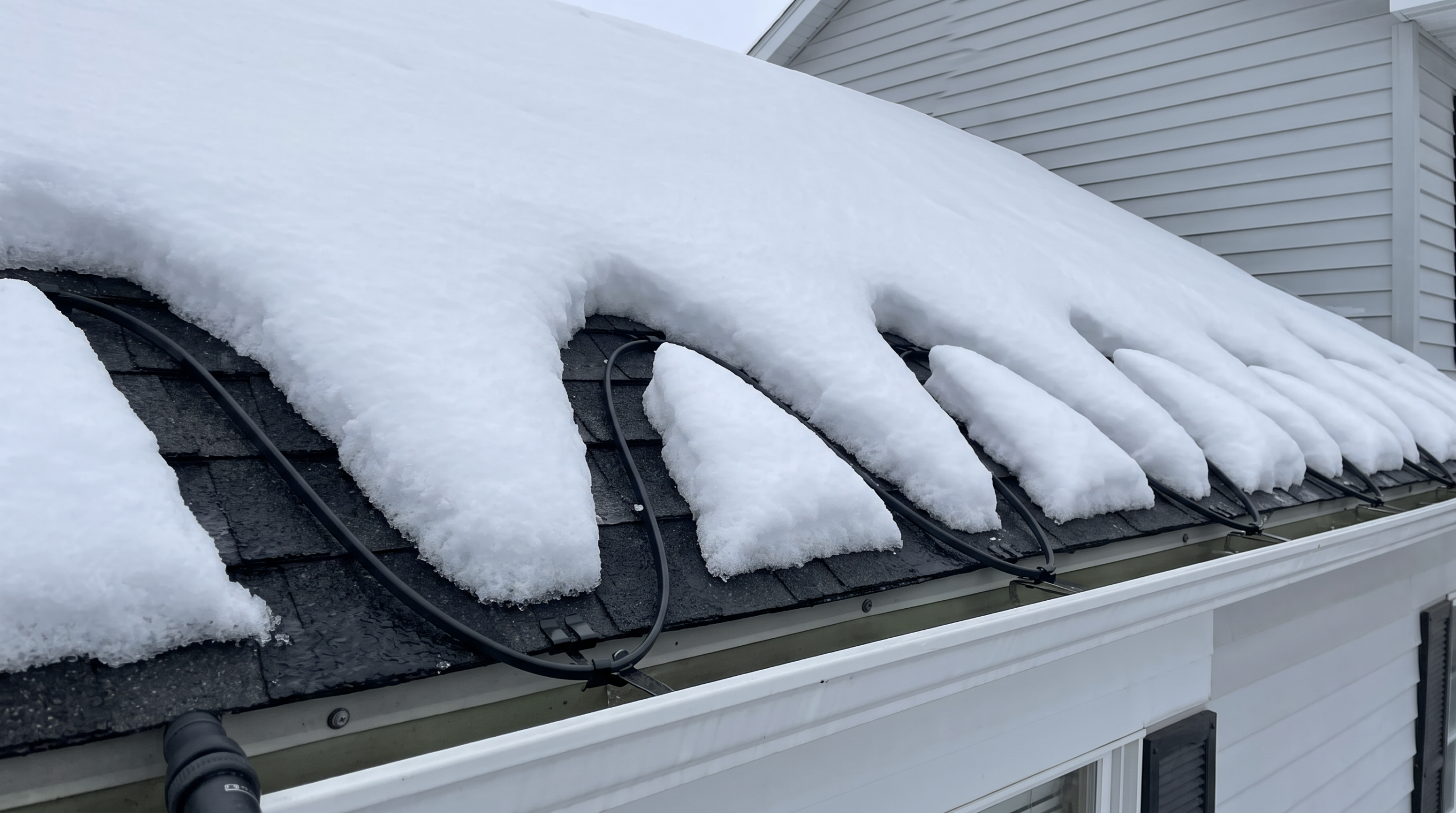
Cumberland Ice Dams: Why a Few Inches Is Enough
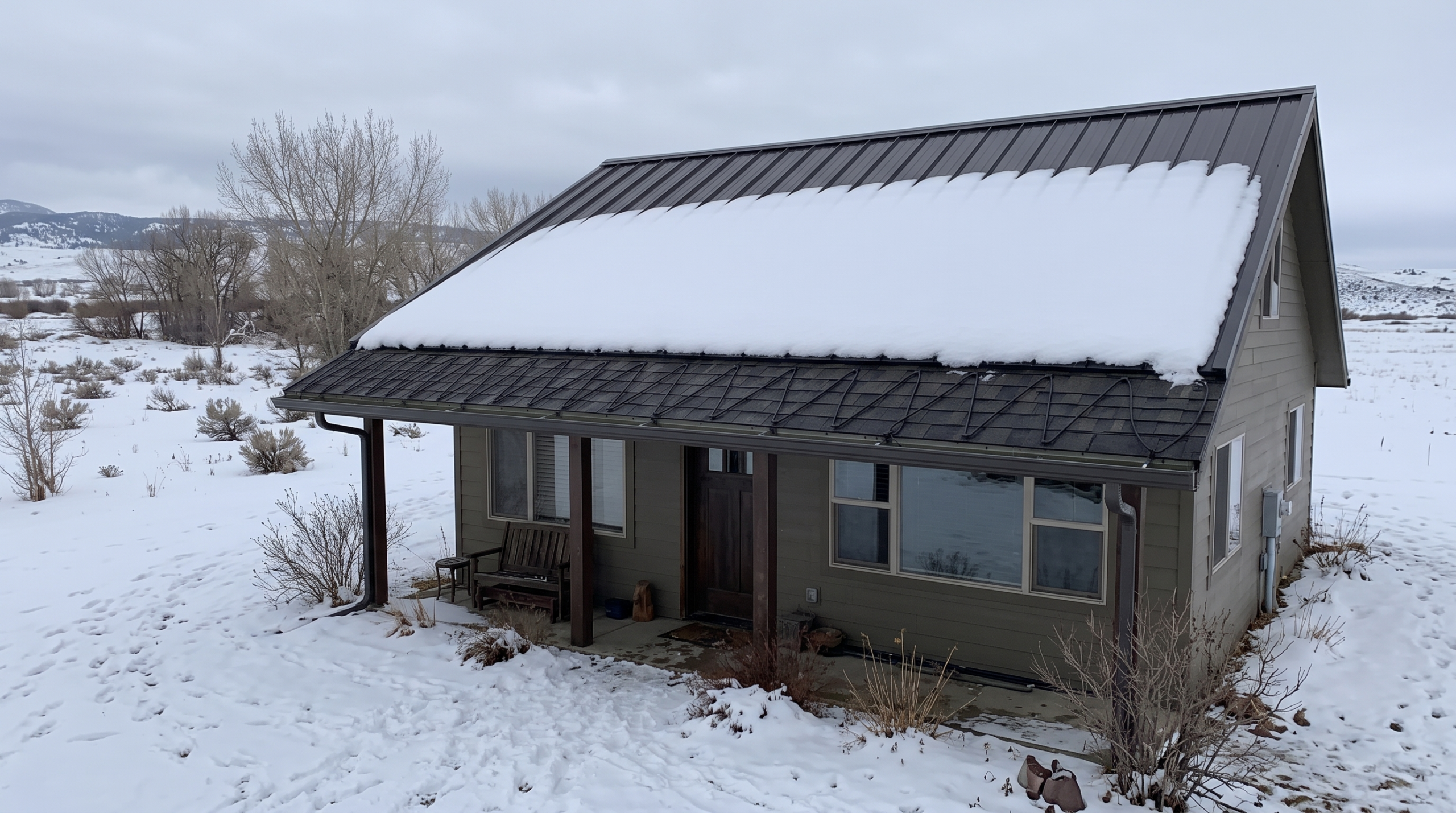
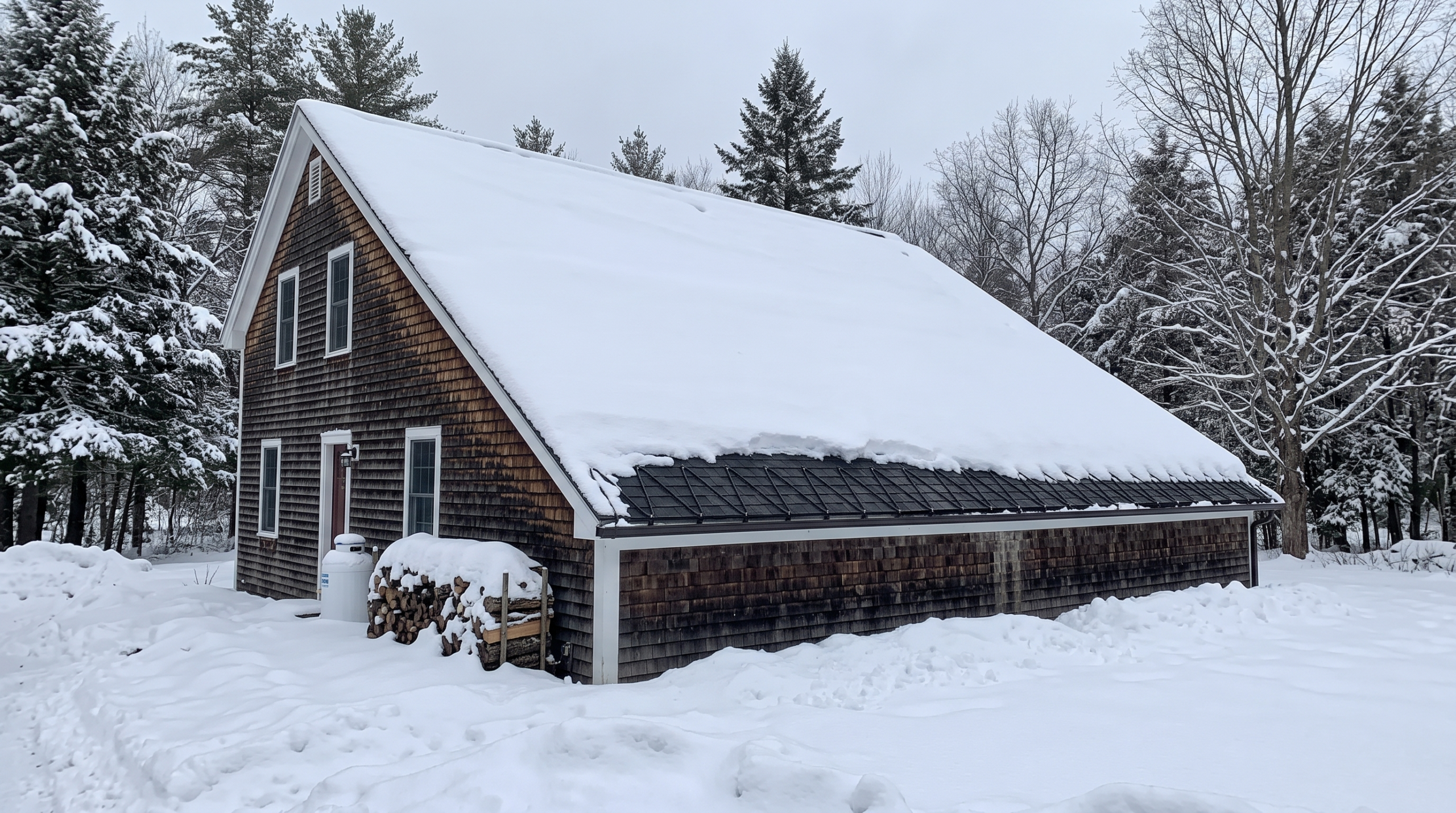
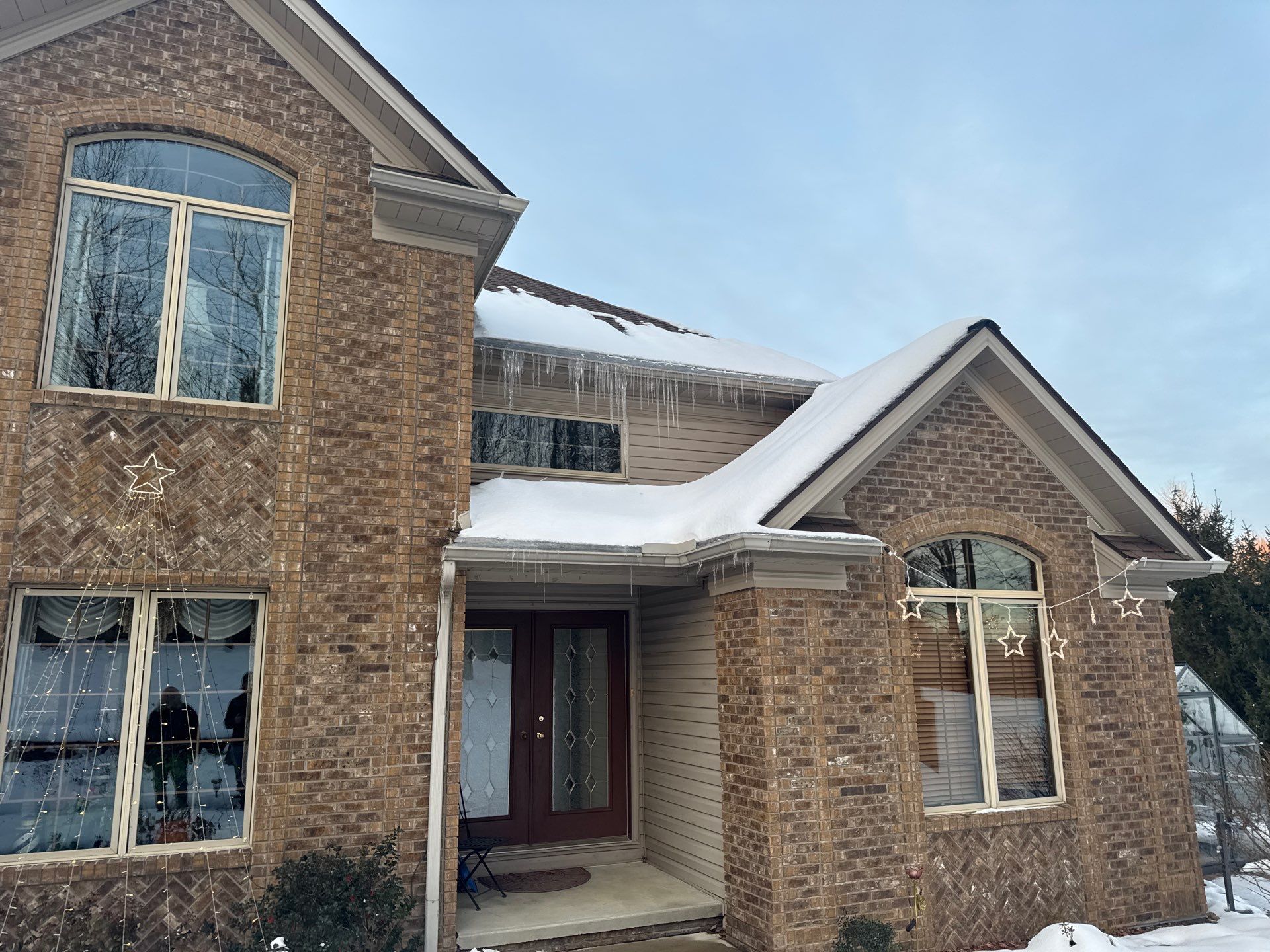
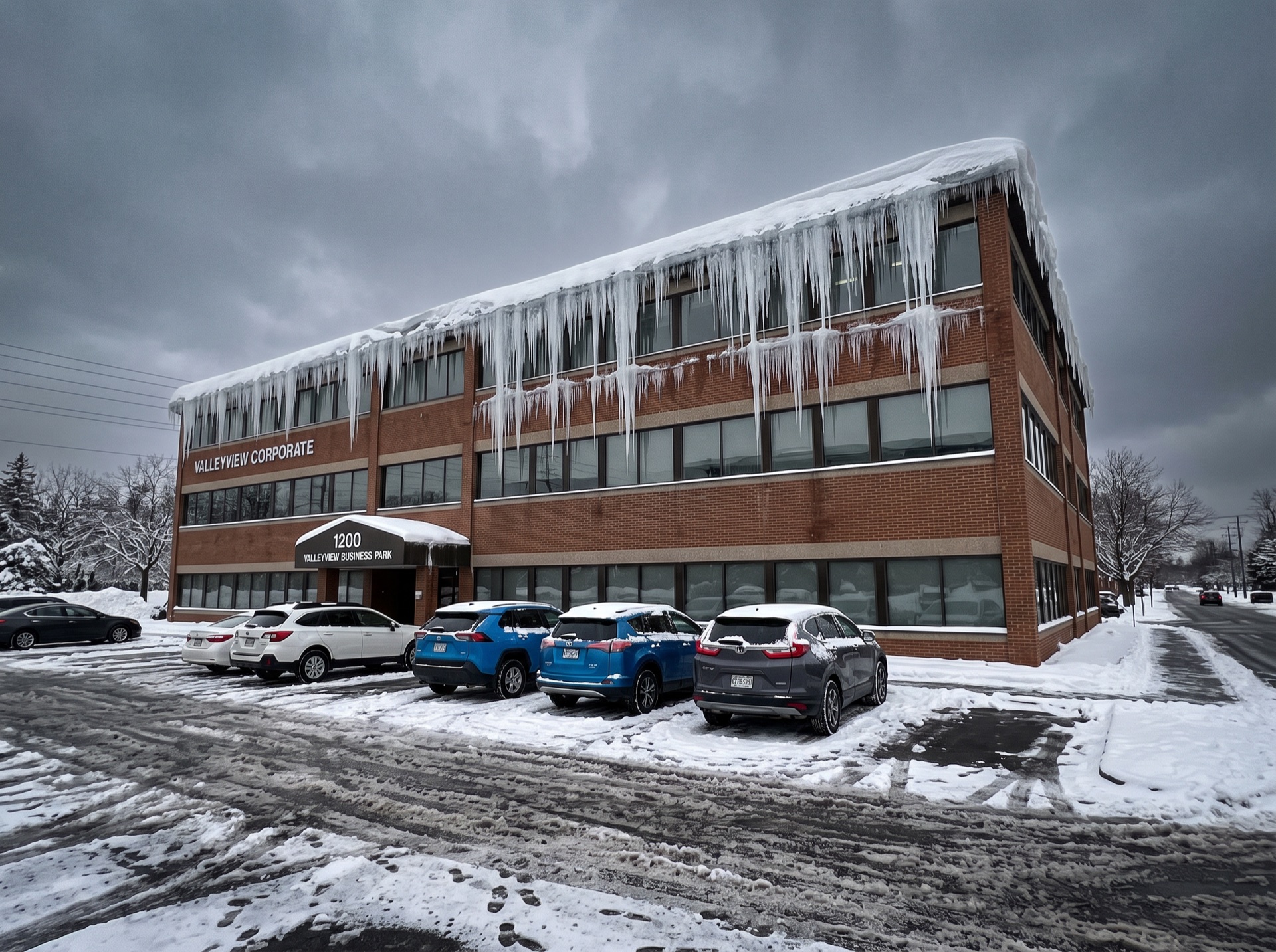
What catches people out in Allegany County is that the snow looks harmless. Two or three inches reads as nothing, and it builds ice on an eave just as effectively as a northern storm given enough cycles.

The expectation is the problem. Nobody in Cumberland re-roofs with ice dams in mind, so when a cycling stretch arrives the houses with the least margin all leak in the same week.
Ice-barrier practice in Allegany County
The residential code Maryland follows requires eave ice barrier on new work, and Allegany County enforces it. The variable on any given house is simply when it was last roofed.
How a Cumberland Steam Call Runs, Start to Finish
Crews walk the eaves, valleys and gutter line first and photograph every dam and every point where water is tracking inside, before touching anything. You get shown what they found and quoted the crew-hour rate before work starts.
Then the ice comes off with low-pressure steam, starting wherever water is actively backing up so drainage opens early. Frozen gutters and downspouts are cleared in the same visit, because a cleared eave above a solid block of ice in the gutter dams again on the next cold night.
What steam actually does
A steam unit delivers water at roughly 290°F at a pressure low enough to rest your hand in the plume. It cuts a channel straight through the ice and lifts the dam off in sections, right down to the shingle. The heat does the work, not force, so granules, seal strips and flashing come through untouched.
That is the whole difference between steam and the hot pressure washers often sold as steam. A pressure washer cuts ice fast because of its pressure — and that same pressure strips the granules off asphalt shingles and drives water up under the courses. One method removes ice. The other removes ice and roof.
If water already got inside
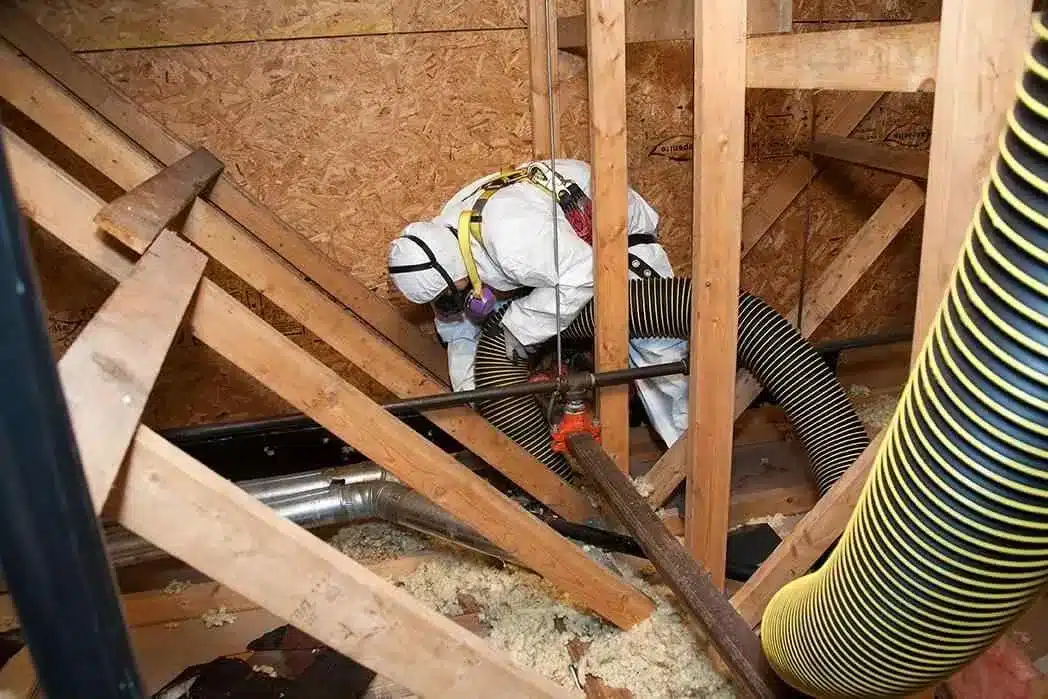
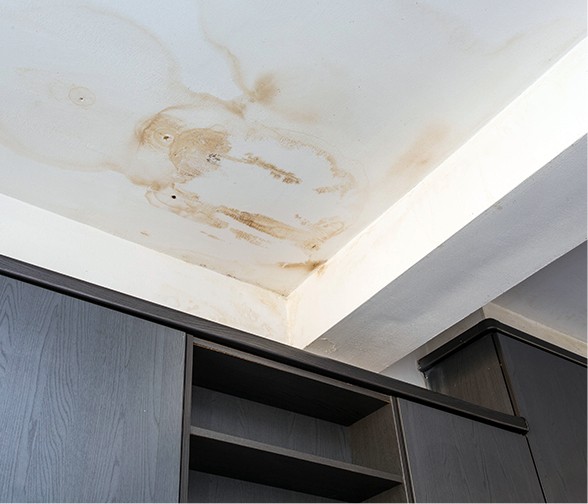
Taking the ice off stops new water. It does nothing about what is already in the insulation, the ceiling and the walls of a Cumberland home.
The same company handles the rest: water mitigation and dryout, mold remediation where the water has led to growth, the interior repair, and the roof where the dam damaged it, all documented on one insurance claim.
What happens after the ice is off
Once the eave is clear and water is draining, the crew walks the interior with you where there is visible damage and says plainly whether it needs drying. Wet insulation and a damp ceiling cavity do not resolve themselves in a cold Cumberland February.
If it does, that is a separate scope and it gets written separately — nobody is upsold a dryout on the strength of one damp patch.
| Coverage area | Cumberland and Allegany County |
|---|---|
| Local ice-barrier practice | Eave membrane on new work, often absent |
| Pricing model | Billed by the crew hour, rate quoted before dispatch |
| Typical scope | Steam, 4-8 crew hours typical |
| Documentation | Dated before and after photos, written scope in Xactimate line items |
| Dispatch window | Same day to 24 hours |
| Primary climate stressor | Repeated thaw-freeze cycling |
Neighborhoods and Towns We Reach From Cumberland
Crews working Cumberland cover the adjoining communities on the same route — Corriganville, Ellerslie, Spring Gap, Mount Savage and Pinto — so a storm week usually means one truck handling several addresses in Allegany County rather than separate trips.
Nearest hub towns with their own crew pages: Frostburg, Deep Creek Lake (McHenry), Oakland, Hagerstown, Frederick, Gaithersburg.
Crews cover Cumberland and the surrounding Allegany County towns through the whole season, and during a freeze event they run from first light until dark.
Active leak at an address in Cumberland? (888) 561-9664 reaches dispatch directly. Interior water moves a job to the front of the day.