




Saco Ice Dams: What a Five-Month Snow Pack Does
A roof in York County spends most of the year's coldest months under continuous load. That is a different problem from a single heavy storm, and it produces a different kind of ice.

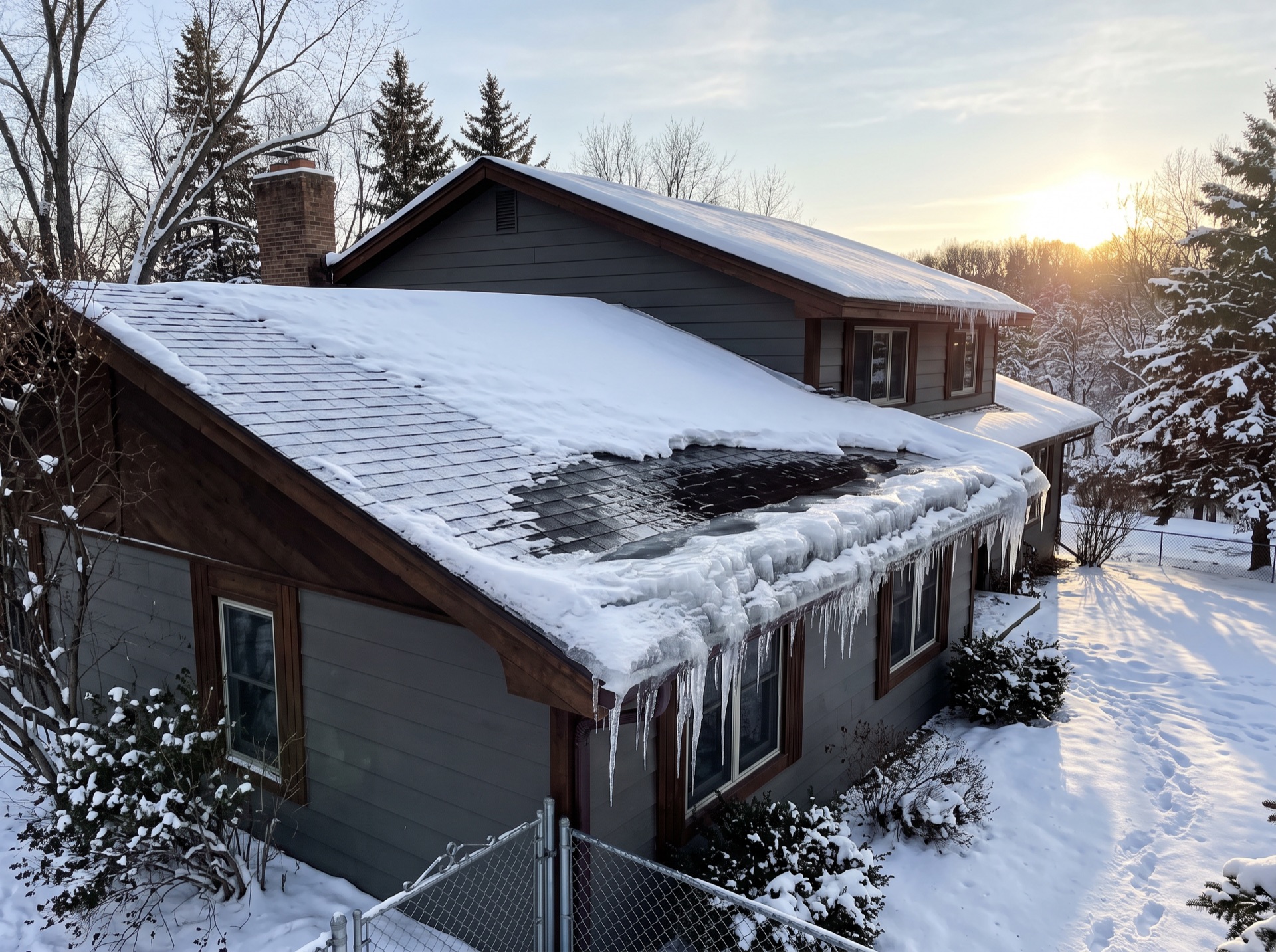
A long season is not a safer one. It means more freeze-thaw cycles, and each one adds a layer to the dam. By late winter the ice at a York County eave can be a foot deep and locked to the shingle, with standing water sitting behind it.
Ice-barrier practice in York County
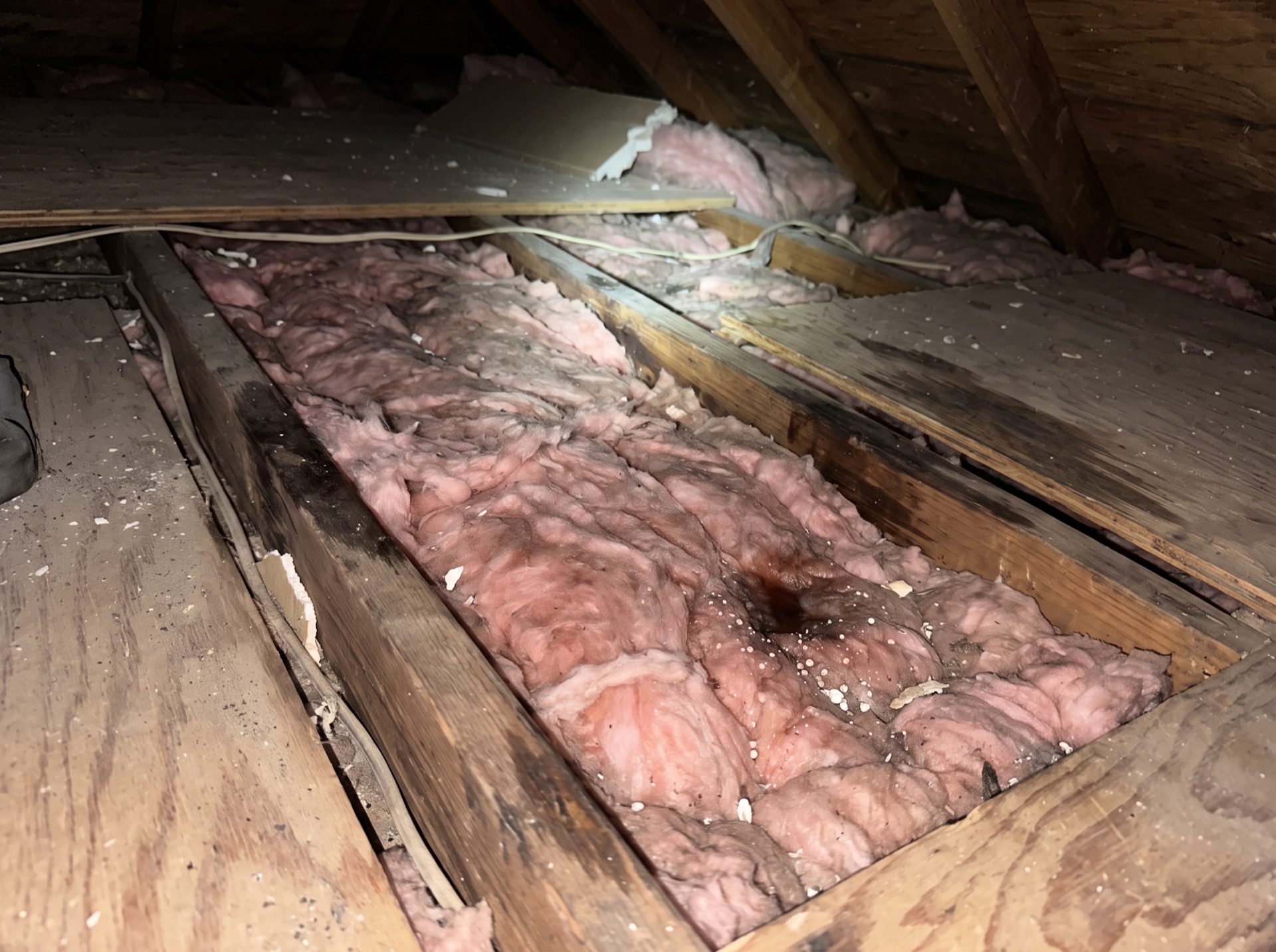
Insulation depth matters at least as much as membrane in this climate, and York County stock built before modern attic standards tends to be short on both. One is a code question; the other is why the dam formed.
How We Work a Saco Ice Dam
The first pass is assessment: eaves, valleys, gutter line and any interior staining, all photographed with timestamps. You see what the crew sees, and the rate and likely hours are agreed before work begins.
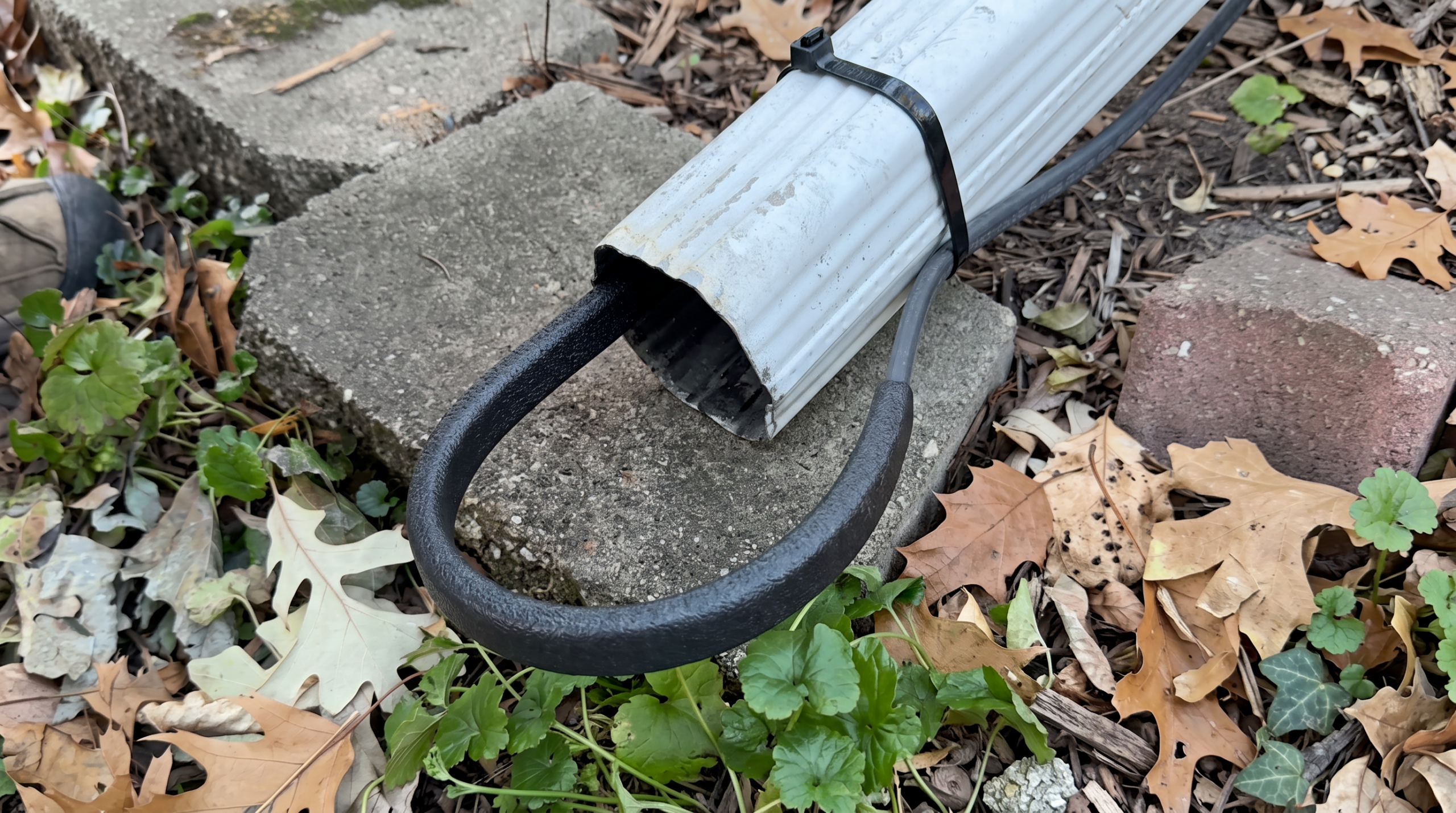
Steam then takes the dam off in sections, prioritizing wherever water is actively backing up behind it. The gutter trough and downspout are cleared through to daylight on the same visit, because a clear eave over a frozen gutter is a temporary fix.
Why the gutter has to be cleared in the same visit
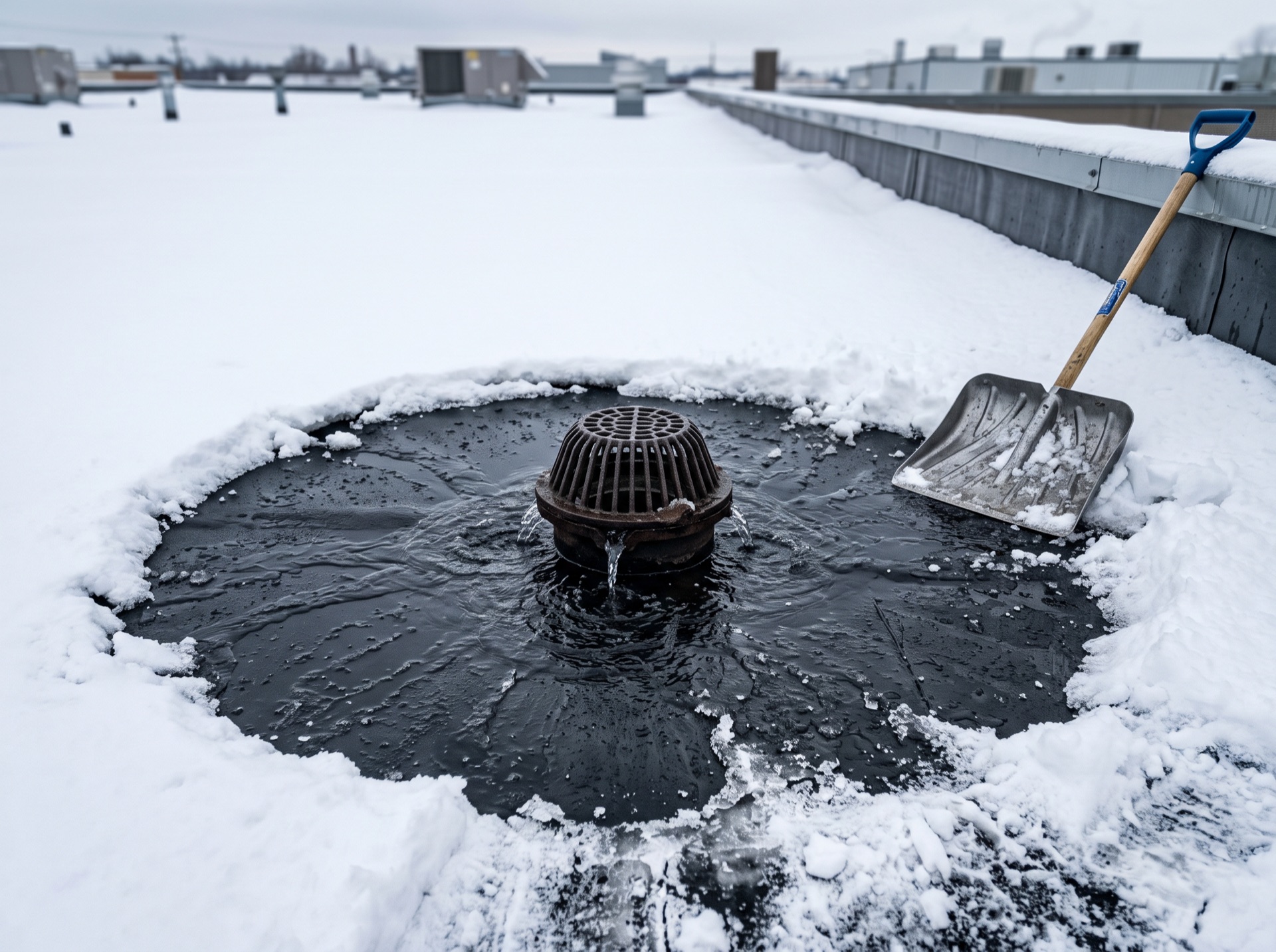
A dam sitting above a gutter packed solid with ice is only half the problem. Clear the eave and leave the trough frozen, and the next day's meltwater has nowhere to run — it backs up onto the roof and the dam rebuilds from the bottom.
Crews steam the trough and the downspout through to daylight on the same visit. It adds time, which is why the hour estimate given on the phone accounts for it, and it is the difference between a fix and a repeat visit in Saco the following week.
Dormers, valleys and dead spots
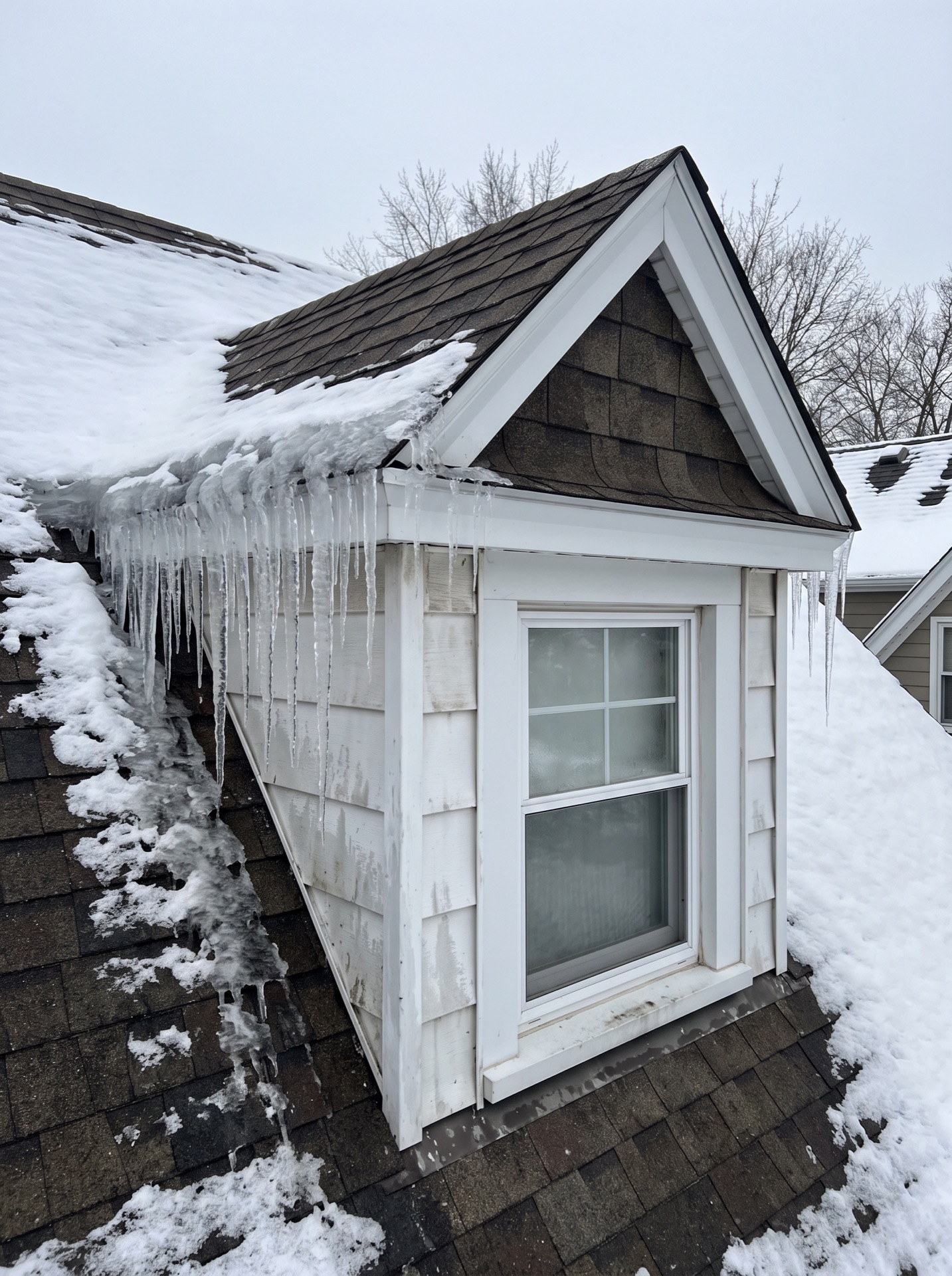
Ice does not distribute evenly. It concentrates where two roof planes meet, behind dormers, in dead valleys that drain nowhere, and along the north face that never sees sun. Those pockets hold water deepest and leak first.
A crew working a roof in Saco clears the full eave line and then goes back through the valleys and dormer pockets specifically, because clearing the easy straight run and calling it done is how a roof leaks again a week later.
What the crew does on arrival
Before anything is touched, the crew walks the eaves, valleys and gutter line and photographs every dam and every point where water is tracking inside. You get shown what they found. Then the dam comes off in sections, starting wherever water is actively backing up, so drainage opens early rather than at the end.
Downspouts and gutter troughs get cleared in the same visit where they are frozen, because a dam removed above a solid block of ice in the gutter just reforms in the next cold night.
| Pricing model | Billed by the crew hour, rate quoted before dispatch |
|---|---|
| Service | Ice dam removal in Saco, ME |
| Typical scope | Steam, 6-14 crew hours typical |
| Documentation | Dated before and after photos, written scope in Xactimate line items |
| Dispatch window | Same day to 24 hours |
| Removal method | Low-pressure steam only. No chipping, salt or pressure washing. |
| Primary climate stressor | Sustained sub-freezing, long season |
Saco Coverage and the Adjoining Communities
Crews working Saco cover the adjoining communities on the same route — Old Orchard Beach, Ocean Park, Biddeford Pool, Scarborough and Bar Mills — so a storm week usually means one truck handling several addresses in York County rather than separate trips.
Nearest hub towns with their own crew pages: Biddeford, Kennebunk, Gorham, South Portland, Westbrook, Portland.
Scheduling for Saco tightens up during a freeze event, which is exactly when the phone beats the form. Water coming in means a call, not an email.
Water through a ceiling in Saco is a same-day call, not a next-week one. (888) 561-9664 goes straight to dispatch.