



The Will County Trap: Modest Snow, Constant Cycling
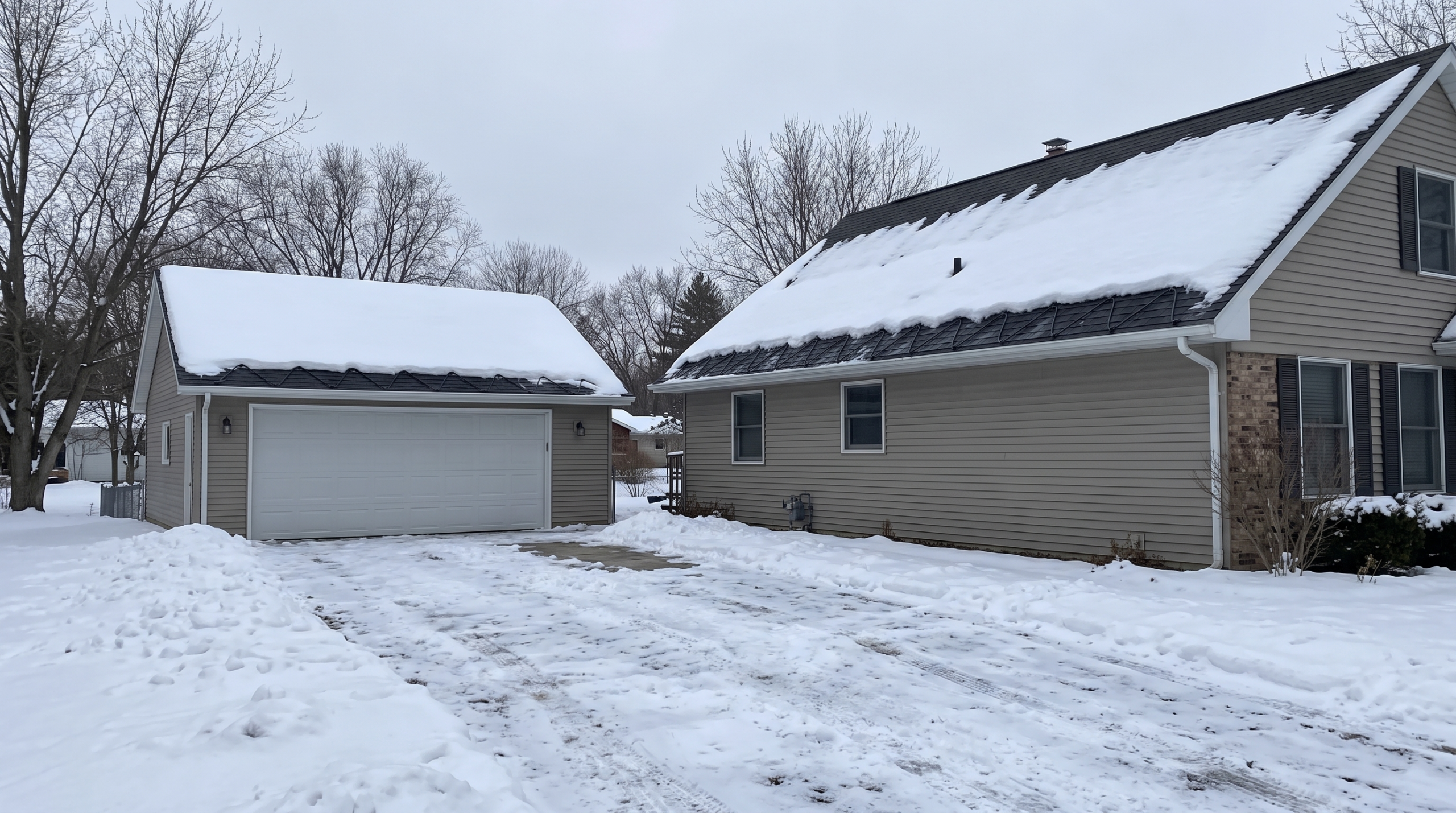
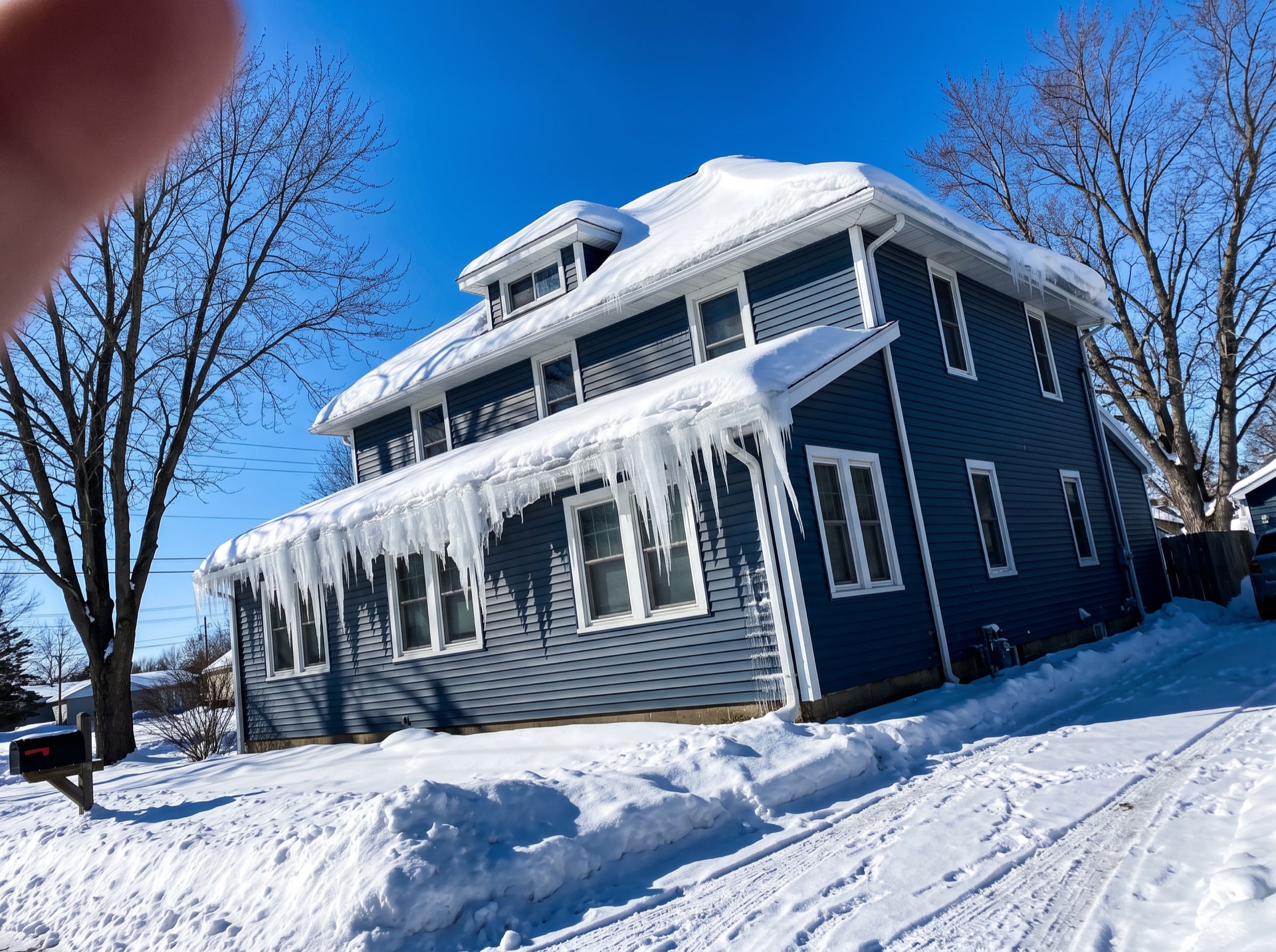
Plainfield does not need a blizzard to get an ice dam. A few inches that melts by afternoon and refreezes overnight builds one just as effectively, and it does it over and over through the season.

And the cycling is relentless rather than dramatic. Fifteen or twenty crossings of freezing in a season each add a layer, and the houses with the thinnest attic insulation in Will County all find out in the same week.
Ice-barrier practice in Will County
Because ice is not the first thing a homeowner in Plainfield thinks about, the membrane is the detail most often value-engineered out of a re-roof. It is worth asking for by name on any quote.
How a Plainfield Steam Call Runs, Start to Finish
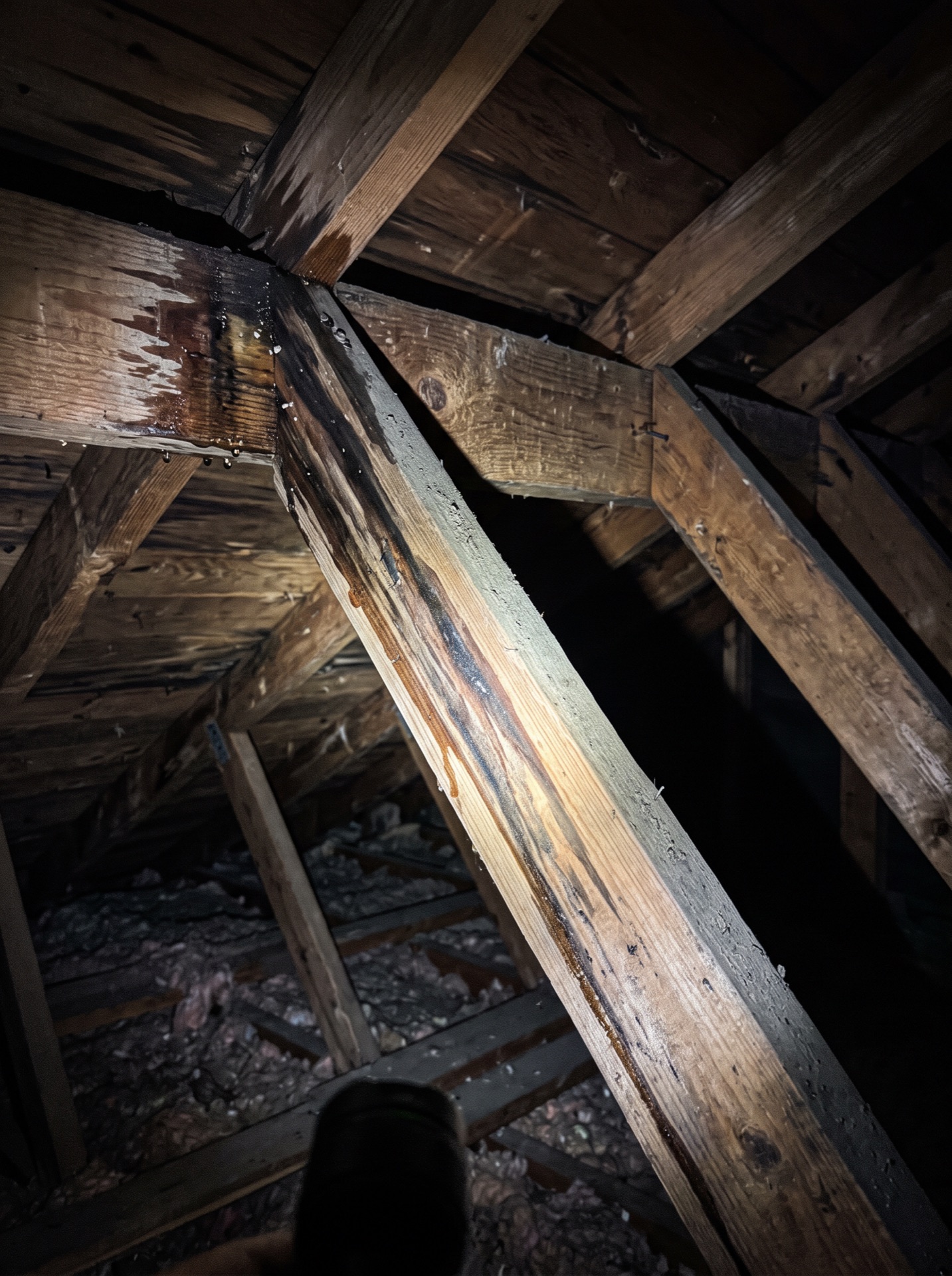
The first pass is assessment: eaves, valleys, gutter line and any interior staining, all photographed with timestamps. You see what the crew sees, and the rate and likely hours are agreed before work begins.
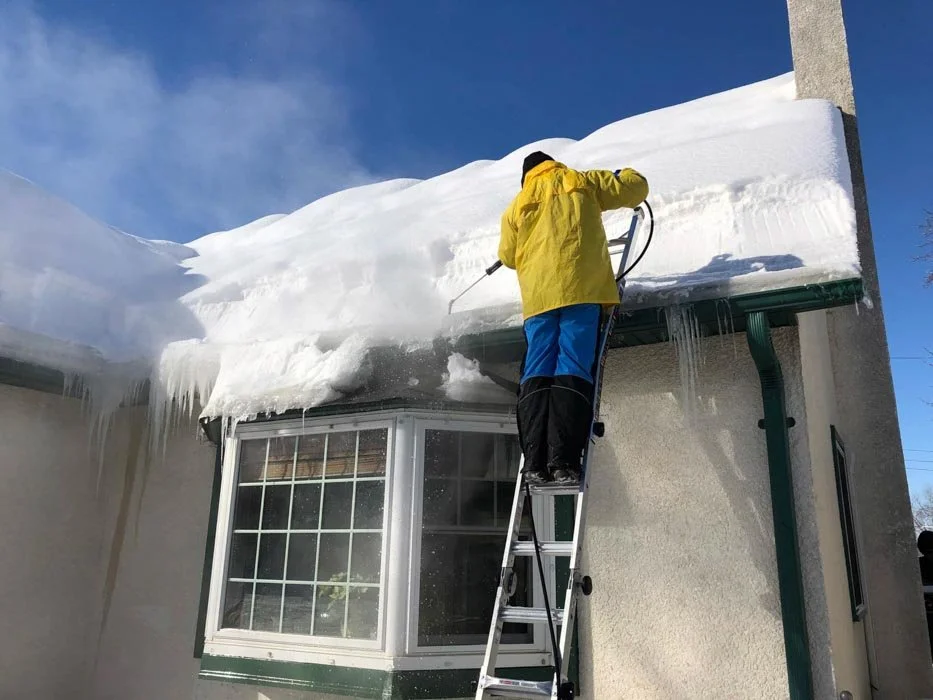
Steam then takes the dam off in sections, prioritizing wherever water is actively backing up behind it. The gutter trough and downspout are cleared through to daylight on the same visit, because a clear eave over a frozen gutter is a temporary fix.
Why a drainage channel is not removal
Cutting a few channels through a dam so water can get past is quick and it is sometimes sold as ice dam removal. It drains the roof for as long as the channels stay open, which in a Plainfield cold snap can be a single night before they close again.
Removing the dam means taking the ice off down to the shingle along the whole affected run, so the eave can drain the way it was built to. It takes longer and it is the only version that holds.
What steam actually does
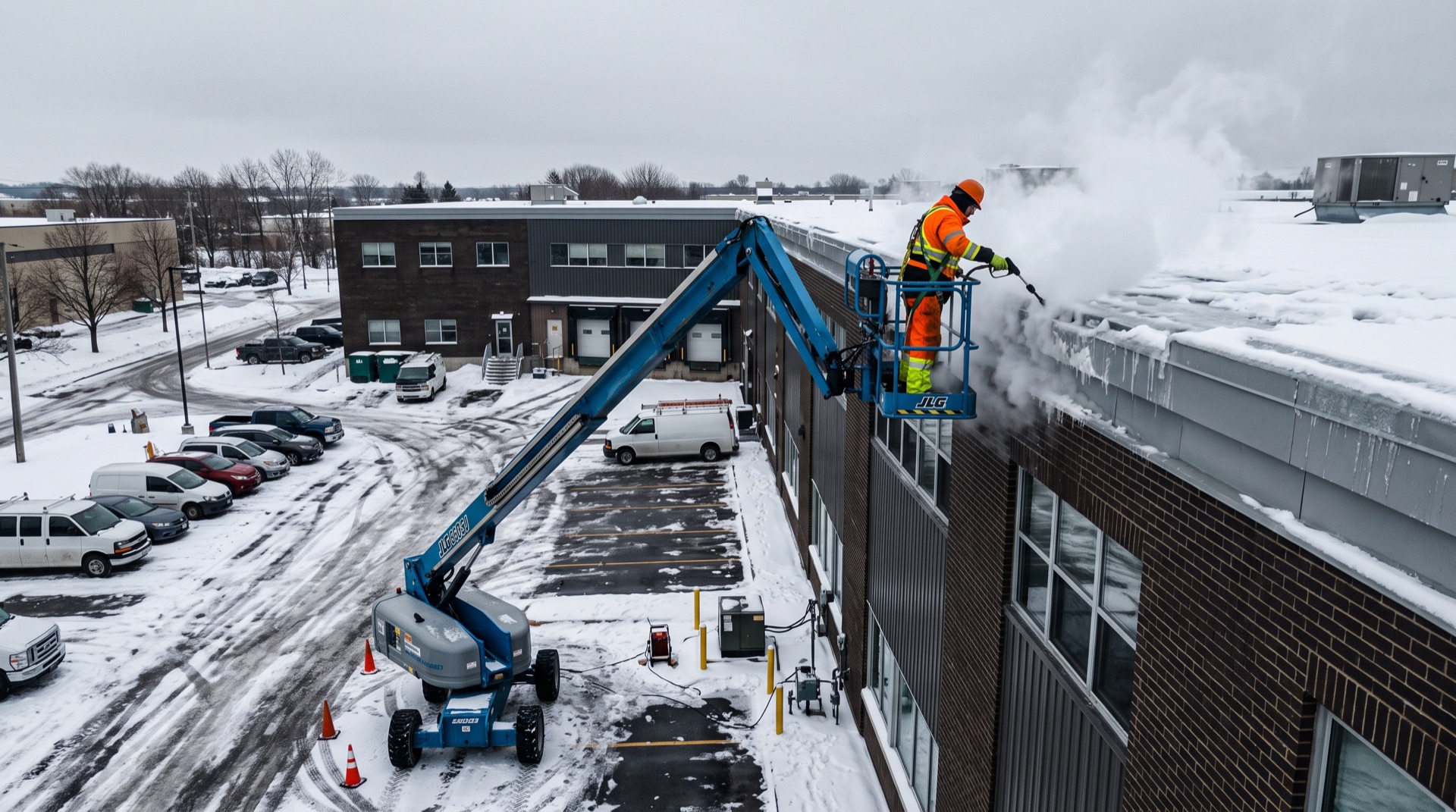
A steam unit delivers water at roughly 290°F at a pressure low enough to rest your hand in the plume. It cuts a channel straight through the ice and lifts the dam off in sections, right down to the shingle. The heat does the work, not force, so granules, seal strips and flashing come through untouched.
That is the whole difference between steam and the hot pressure washers often sold as steam. A pressure washer cuts ice fast because of its pressure — and that same pressure strips the granules off asphalt shingles and drives water up under the courses. One method removes ice. The other removes ice and roof.
Why the gutter has to be cleared in the same visit
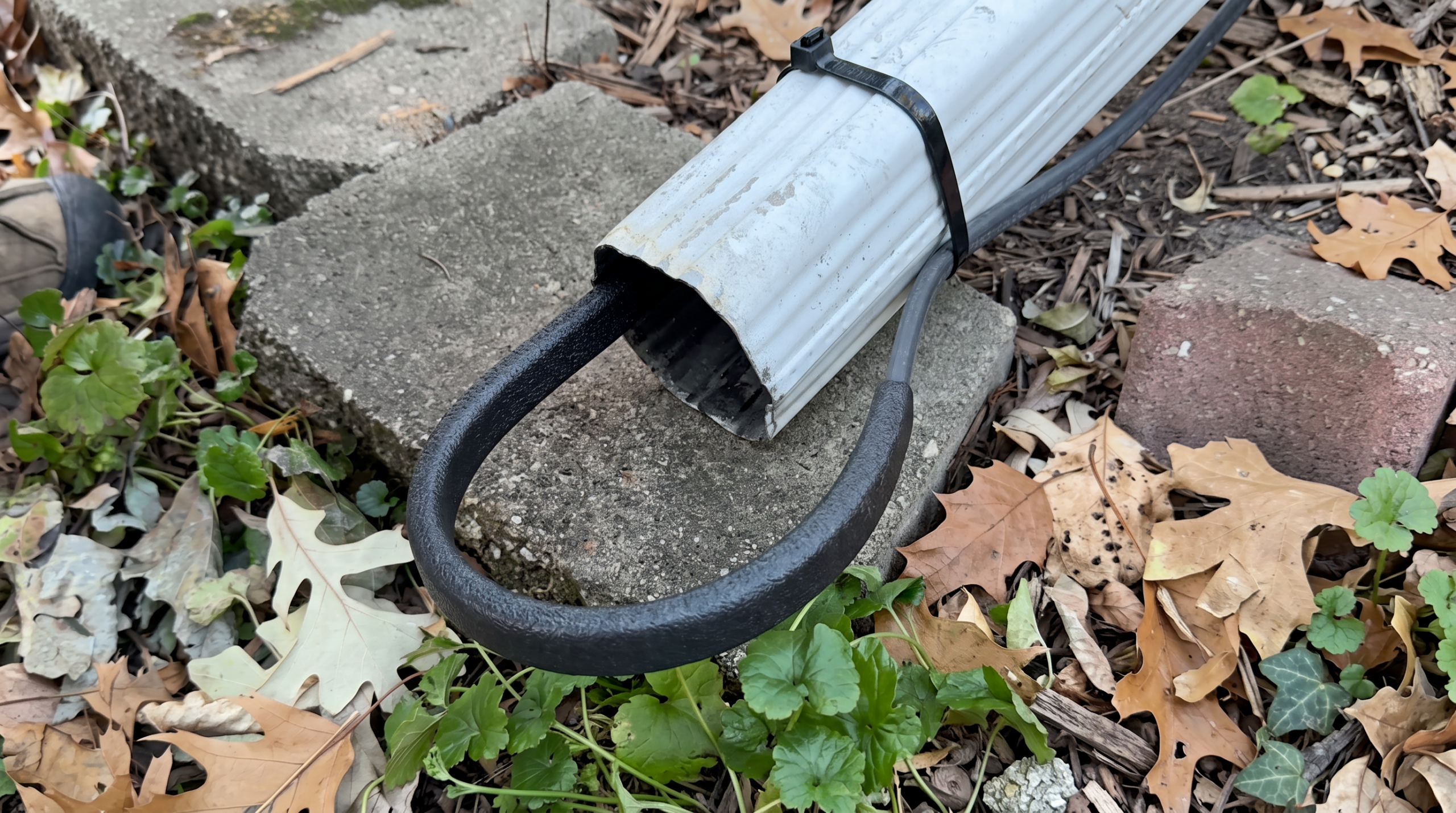
A dam sitting above a gutter packed solid with ice is only half the problem. Clear the eave and leave the trough frozen, and the next day's meltwater has nowhere to run — it backs up onto the roof and the dam rebuilds from the bottom.
Crews steam the trough and the downspout through to daylight on the same visit. It adds time, which is why the hour estimate given on the phone accounts for it, and it is the difference between a fix and a repeat visit in Plainfield the following week.
| Dispatch window | Same day to 24 hours |
|---|---|
| Pricing model | Billed by the crew hour, rate quoted before dispatch |
| Local ice-barrier practice | Eave membrane on new work, often absent |
| Typical scope | Steam, 4-8 crew hours typical |
| Removal method | Low-pressure steam only. No chipping, salt or pressure washing. |
| Service | Ice dam removal in Plainfield, IL |
| Documentation | Dated before and after photos, written scope in Xactimate line items |
Where We Dispatch Around Plainfield
Crews working Plainfield cover the adjoining communities on the same route — Crest Hill, Shorewood, Lockport, Minooka and Montgomery — so a storm week usually means one truck handling several addresses in Will County rather than separate trips.
Nearest hub towns with their own crew pages: Romeoville, Joliet, Bolingbrook, Oswego, Naperville, Aurora.
Plainfield sits inside the regular Illinois service area, so a crew is usually scheduled the same day or the following morning.
Active leak at an address in Plainfield? (888) 561-9664 reaches dispatch directly. Interior water moves a job to the front of the day.