



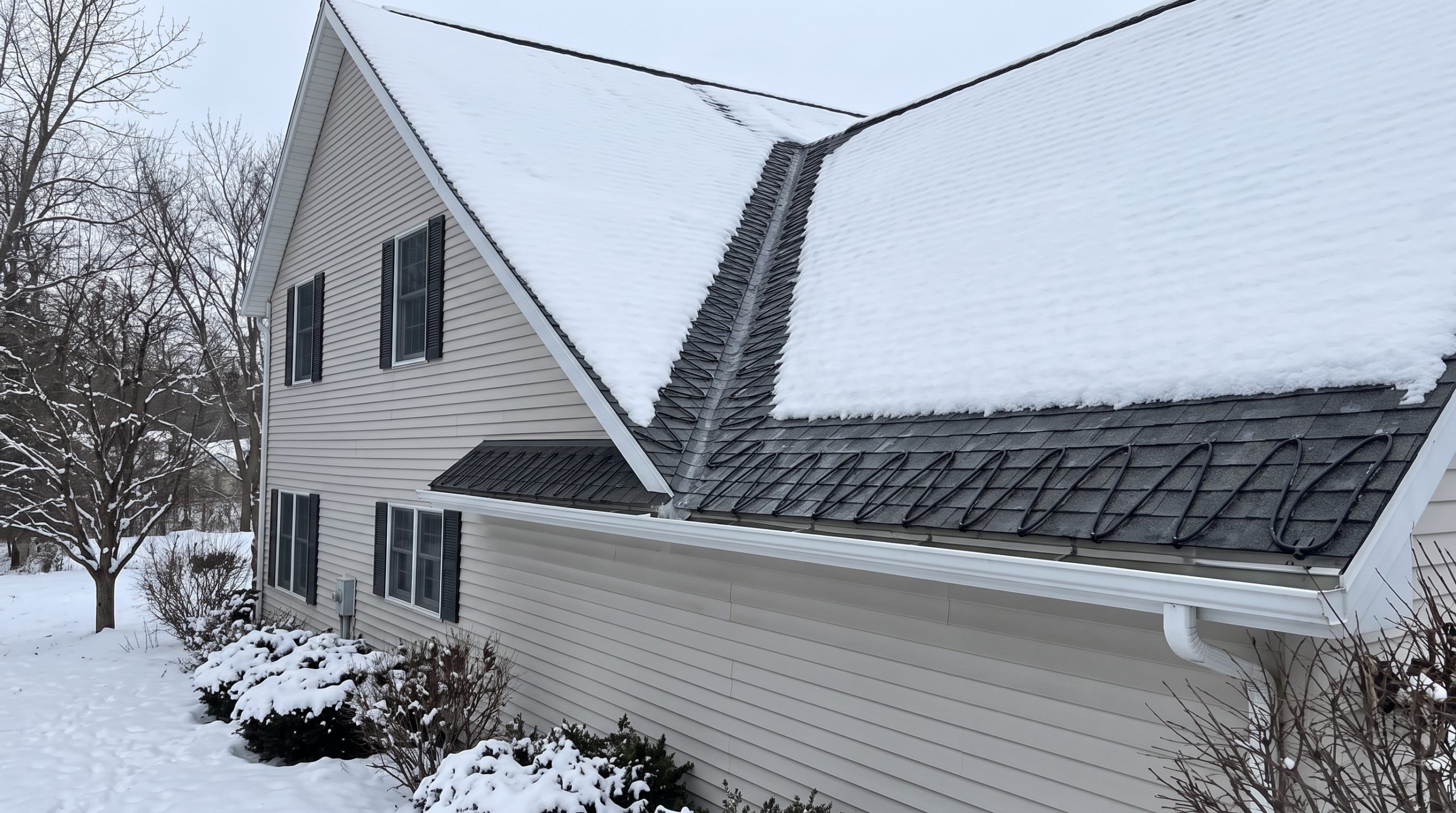
The Dupage County Trap: Modest Snow, Constant Cycling
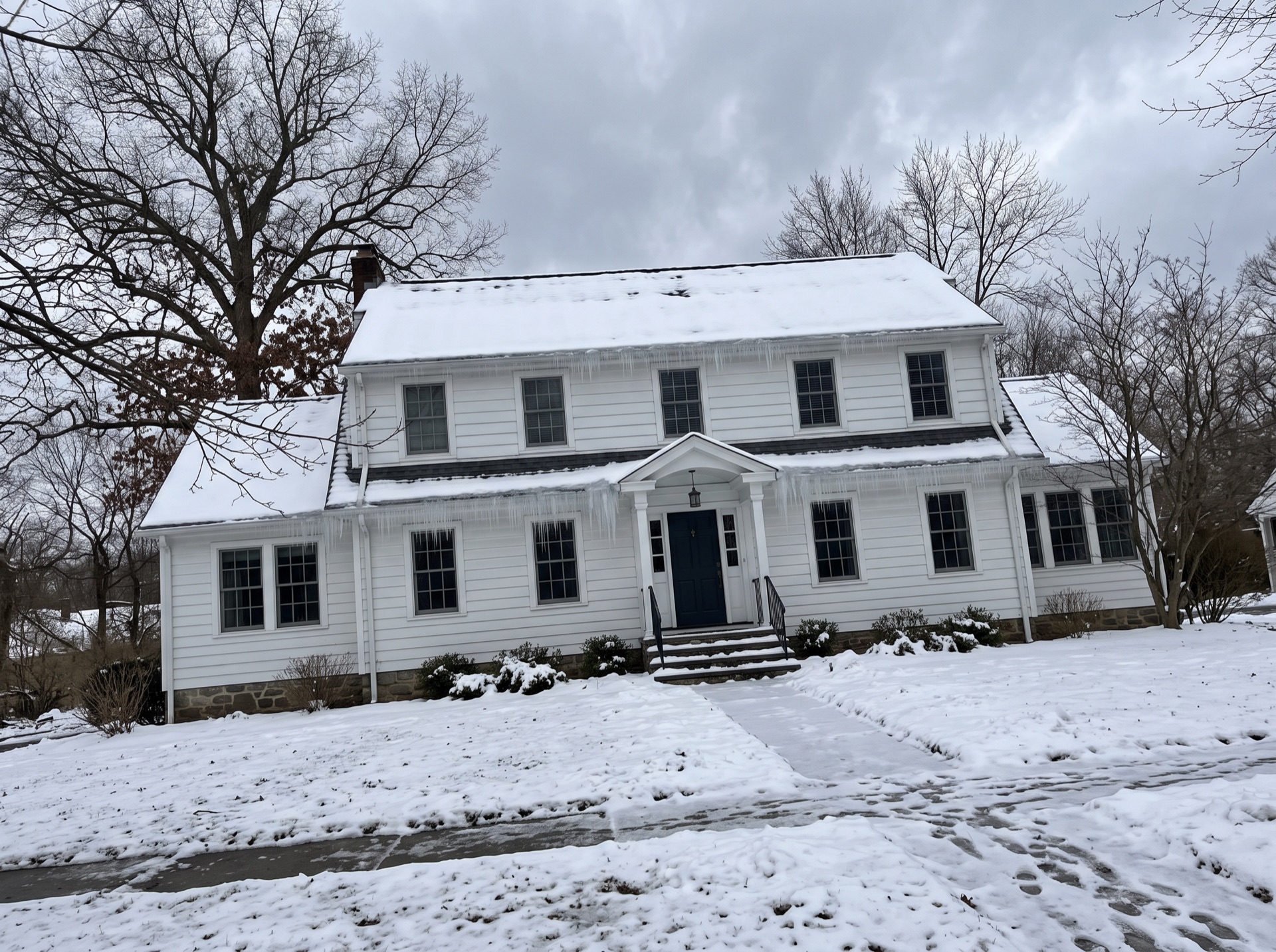
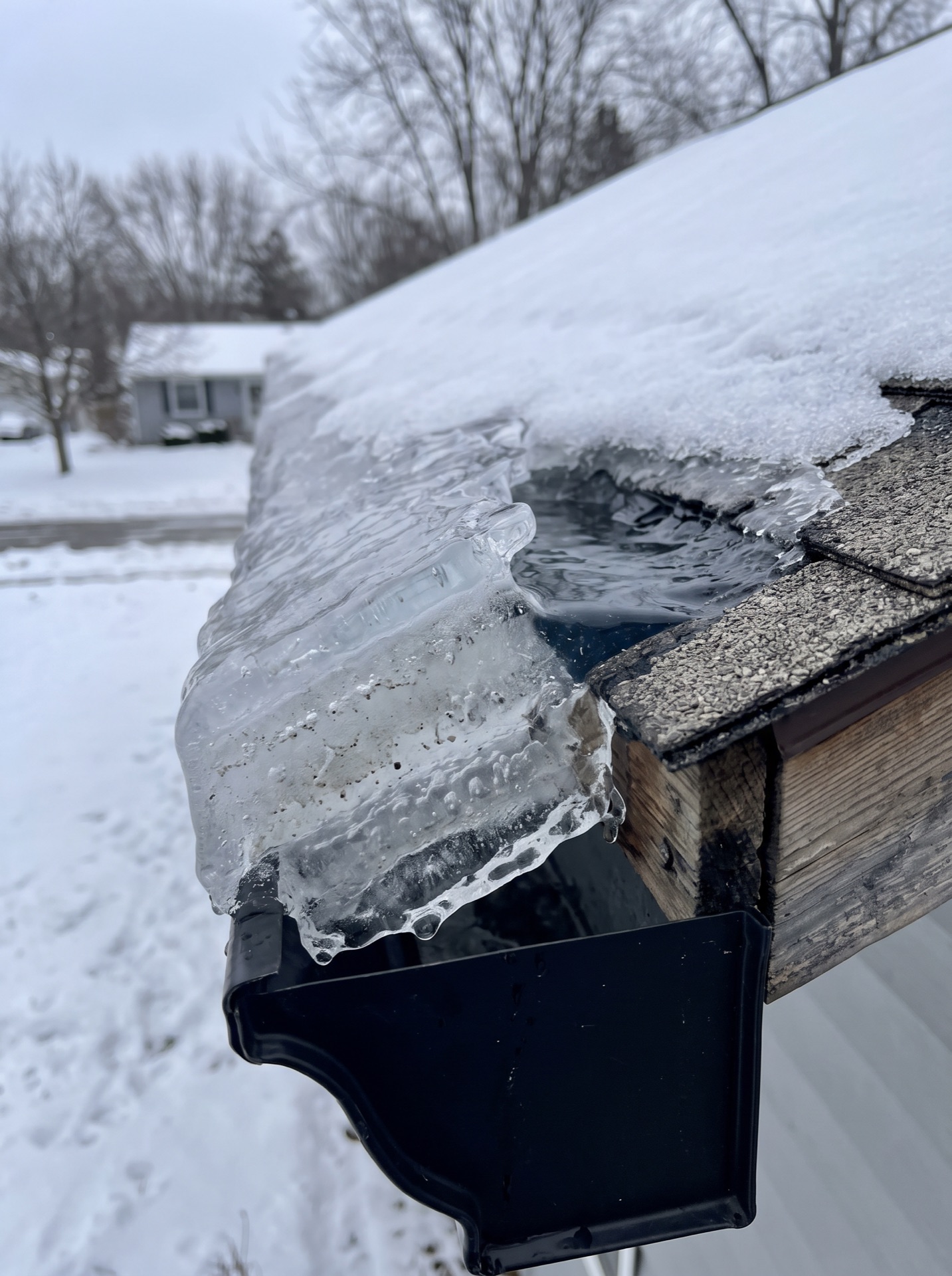
An ice dam needs meltwater and a cold eave, and Downers Grove supplies both on an ordinary week. A thin cover that melts by lunchtime and sets again after dark is a perfectly good dam factory.

Because the winters read as mild, the building stock is not built for ice. Attic insulation is thinner, eave details are less considered, and ice barrier is more often absent than present on a roof in Downers Grove.
Ice-barrier practice in Dupage County
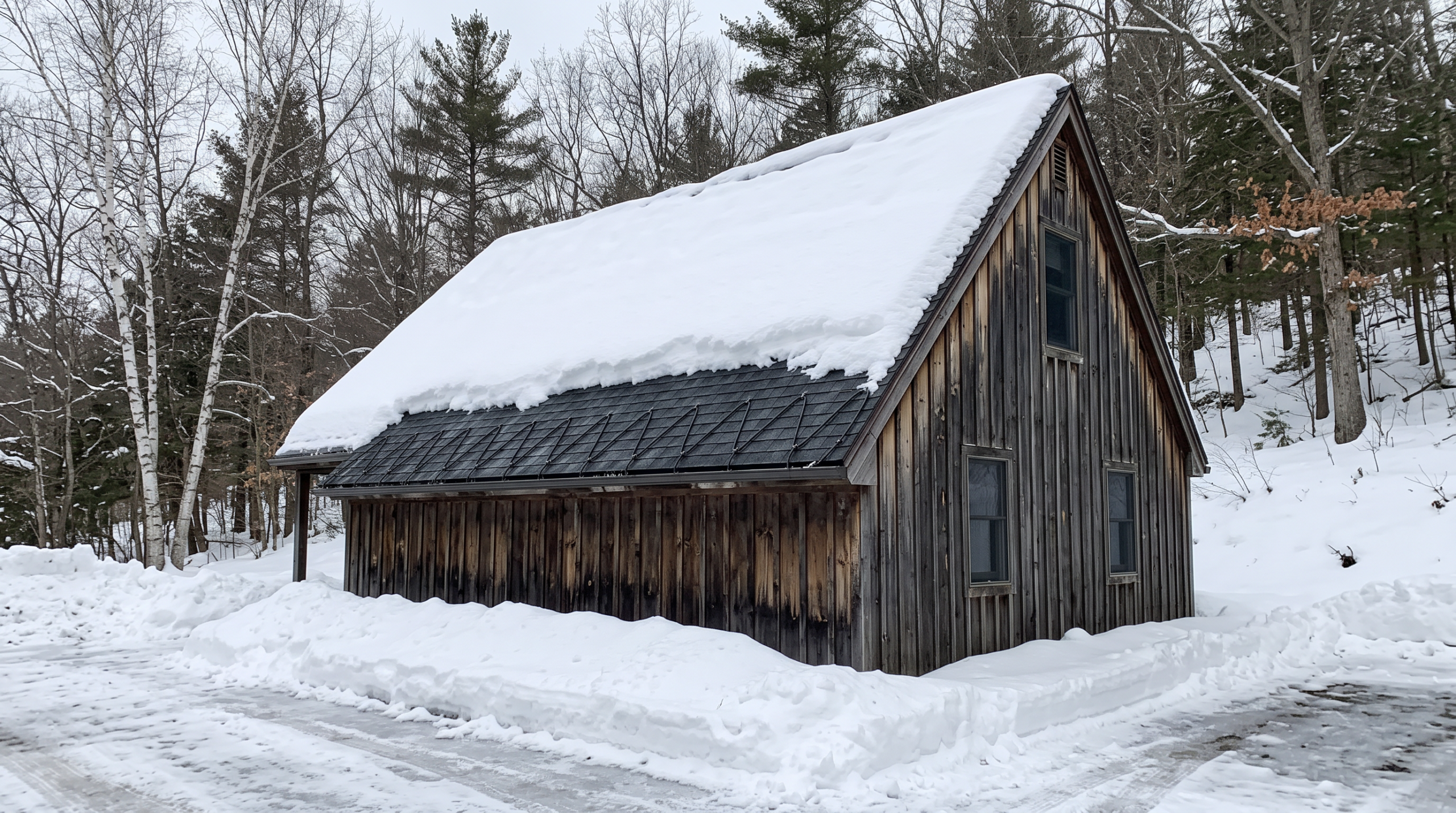
The residential code Illinois follows requires eave ice barrier on new work, and Dupage County enforces it. The variable on any given house is simply when it was last roofed.
The Downers Grove Dispatch Process, Step by Step
The first pass is assessment: eaves, valleys, gutter line and any interior staining, all photographed with timestamps. You see what the crew sees, and the rate and likely hours are agreed before work begins.
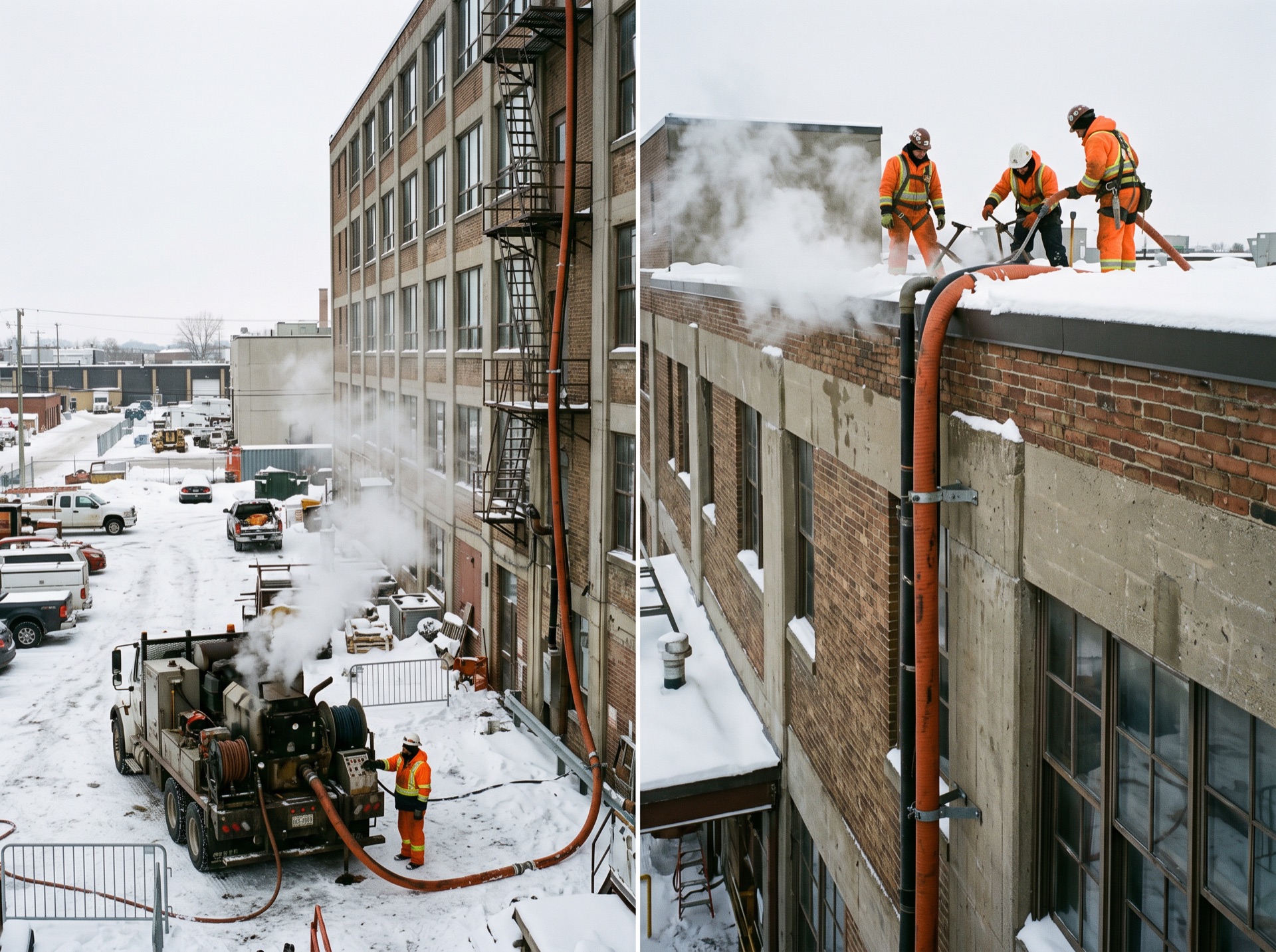
Steam then takes the dam off in sections, prioritizing wherever water is actively backing up behind it. The gutter trough and downspout are cleared through to daylight on the same visit, because a clear eave over a frozen gutter is a temporary fix.
What steam actually does
A steam unit delivers water at roughly 290°F at a pressure low enough to rest your hand in the plume. It cuts a channel straight through the ice and lifts the dam off in sections, right down to the shingle. The heat does the work, not force, so granules, seal strips and flashing come through untouched.
That is the whole difference between steam and the hot pressure washers often sold as steam. A pressure washer cuts ice fast because of its pressure — and that same pressure strips the granules off asphalt shingles and drives water up under the courses. One method removes ice. The other removes ice and roof.
Why salt and ice melt make it worse
Calcium chloride opens a narrow channel and leaves the dam standing. The channel refreezes, the dam does not go anywhere, and in the meantime the runoff corrodes gutter seams, fasteners, flashing and anything growing underneath.
It is a stopgap at best. On a roof in Downers Grove with an active leak it buys hours, not days, and it adds a corrosion problem to the water problem.
Dormers, valleys and dead spots
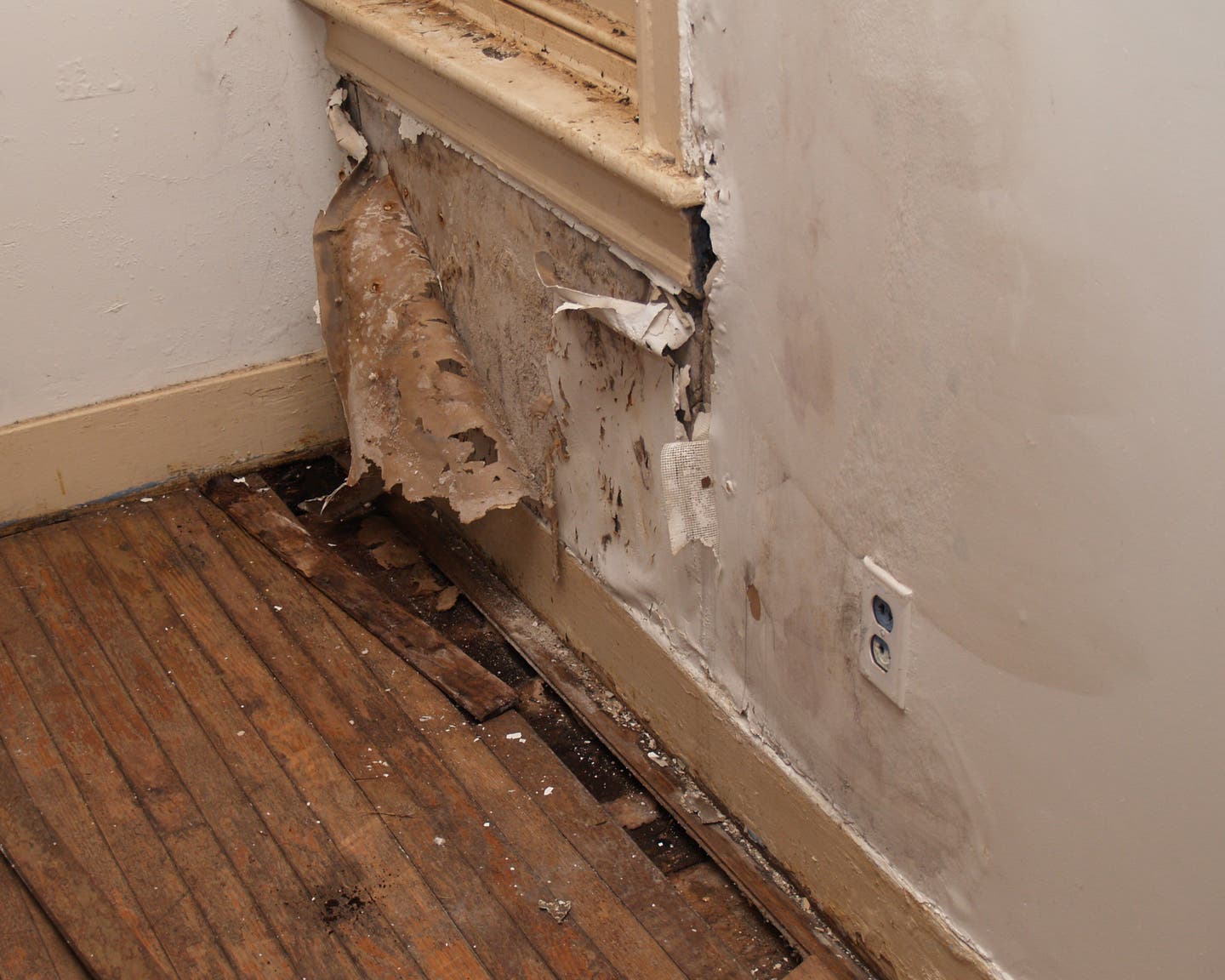
Ice does not distribute evenly. It concentrates where two roof planes meet, behind dormers, in dead valleys that drain nowhere, and along the north face that never sees sun. Those pockets hold water deepest and leak first.
A crew working a roof in Downers Grove clears the full eave line and then goes back through the valleys and dormer pockets specifically, because clearing the easy straight run and calling it done is how a roof leaks again a week later.
| Primary climate stressor | Repeated thaw-freeze cycling |
|---|---|
| Typical scope | Steam, 4-8 crew hours typical |
| Coverage area | Downers Grove and Dupage County |
| Dispatch window | Same day to 24 hours |
| Local ice-barrier practice | Eave membrane on new work, often absent |
| Service | Ice dam removal in Downers Grove, IL |
| Pricing model | Billed by the crew hour, rate quoted before dispatch |
Neighborhoods and Towns We Reach From Downers Grove
Crews working Downers Grove cover the adjoining communities on the same route — Westmont, Clarendon Hills, Oak Brook, Hinsdale and Lisle — so a storm week usually means one truck handling several addresses in Dupage County rather than separate trips.
Nearest hub towns with their own crew pages: Woodridge, Lombard, Wheaton, Naperville, Elmhurst, Bolingbrook.
Crews cover Downers Grove and the surrounding Dupage County towns through the whole season, and during a freeze event they run from first light until dark.
Water coming in right now in Downers Grove? Call (888) 561-9664. Active interior leaks go to the front of the schedule.