




The Dupage County Trap: Modest Snow, Constant Cycling
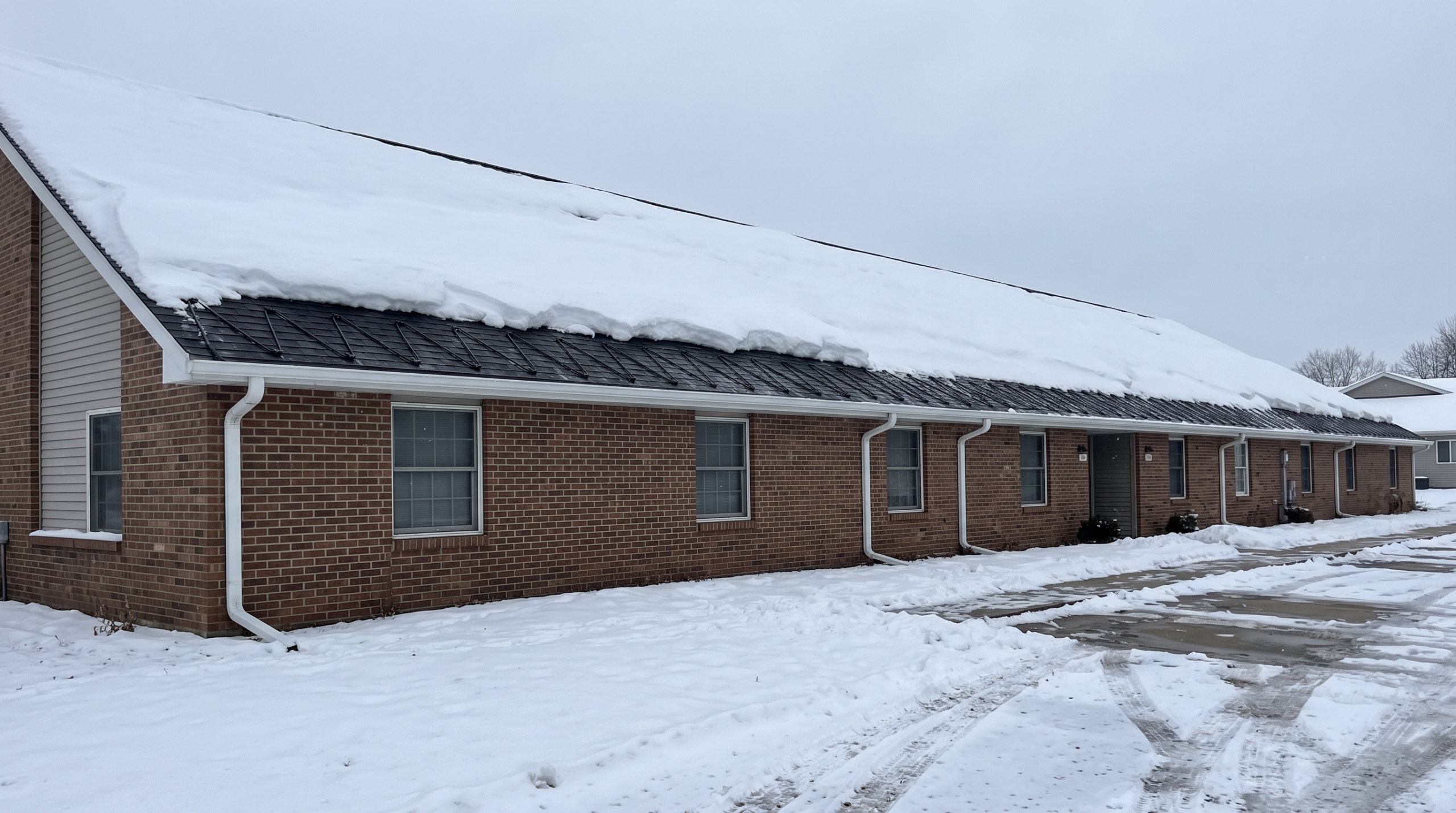
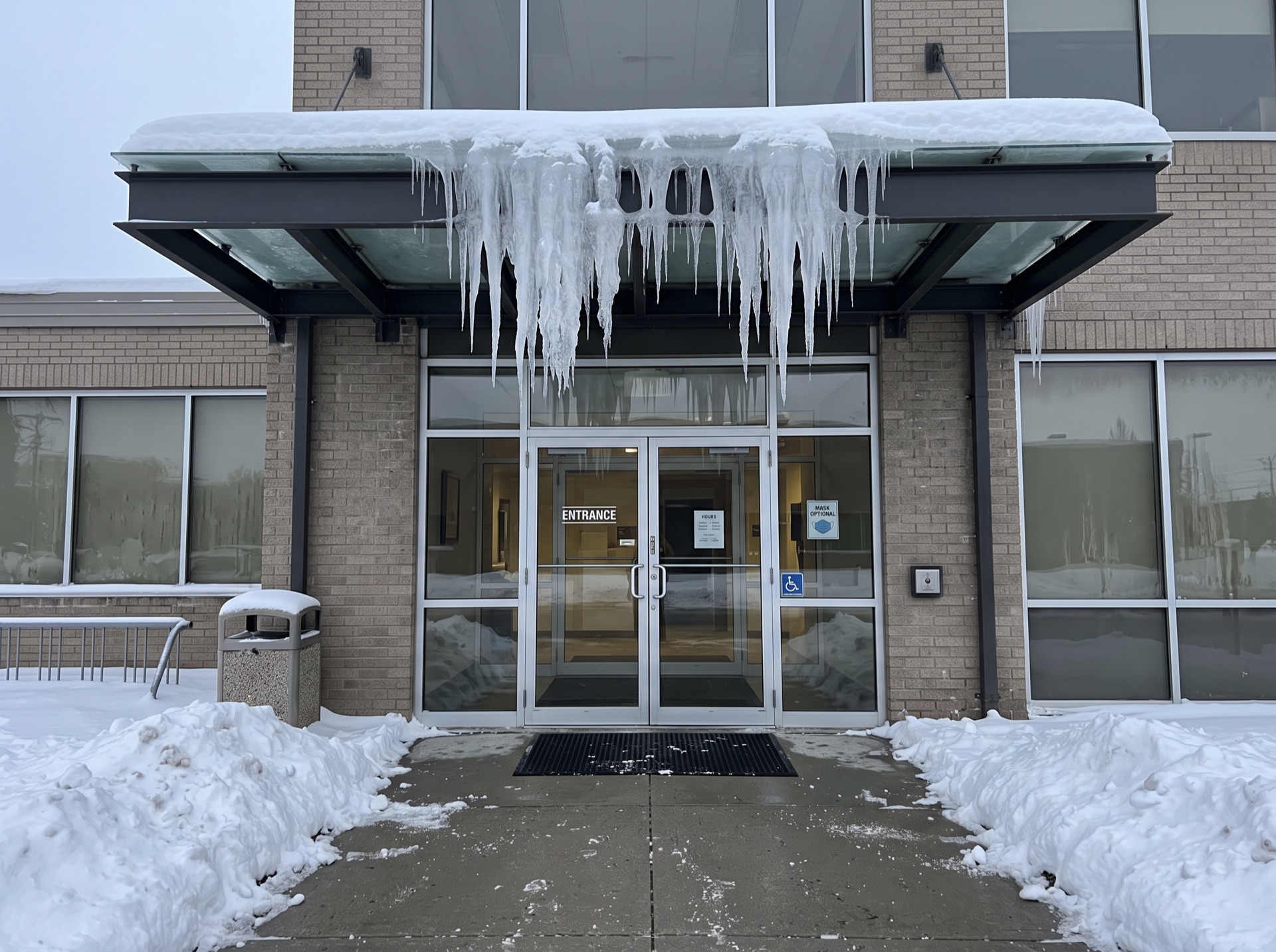
Addison does not need a blizzard to get an ice dam. A few inches that melts by afternoon and refreezes overnight builds one just as effectively, and it does it over and over through the season.

The building stock has no margin for it. Because the winters here read as mild, attics tend to be under-insulated, eave details are less considered, and ice barrier is as often absent as present on a roof in Addison.
Ice-barrier practice in Dupage County
Because ice is not the first thing a homeowner in Addison thinks about, the membrane is the detail most often value-engineered out of a re-roof. It is worth asking for by name on any quote.
The Addison Dispatch Process, Step by Step
The first pass is assessment: eaves, valleys, gutter line and any interior staining, all photographed with timestamps. You see what the crew sees, and the rate and likely hours are agreed before work begins.
Steam then takes the dam off in sections, prioritizing wherever water is actively backing up behind it. The gutter trough and downspout are cleared through to daylight on the same visit, because a clear eave over a frozen gutter is a temporary fix.
Access, ladders and what the crew needs on site
Steam equipment needs somewhere to park within hose reach, and ladders need footing that is not a buried flower bed or a sheet of ice. Clearing a path to the affected eave, moving vehicles off the driveway and unlocking a side gate takes ten minutes and saves considerably more than that on the clock.
Where the only access is through a neighbor's property, that conversation is worth having before the crew is in the street rather than while it waits.
Why the dam formed in the first place
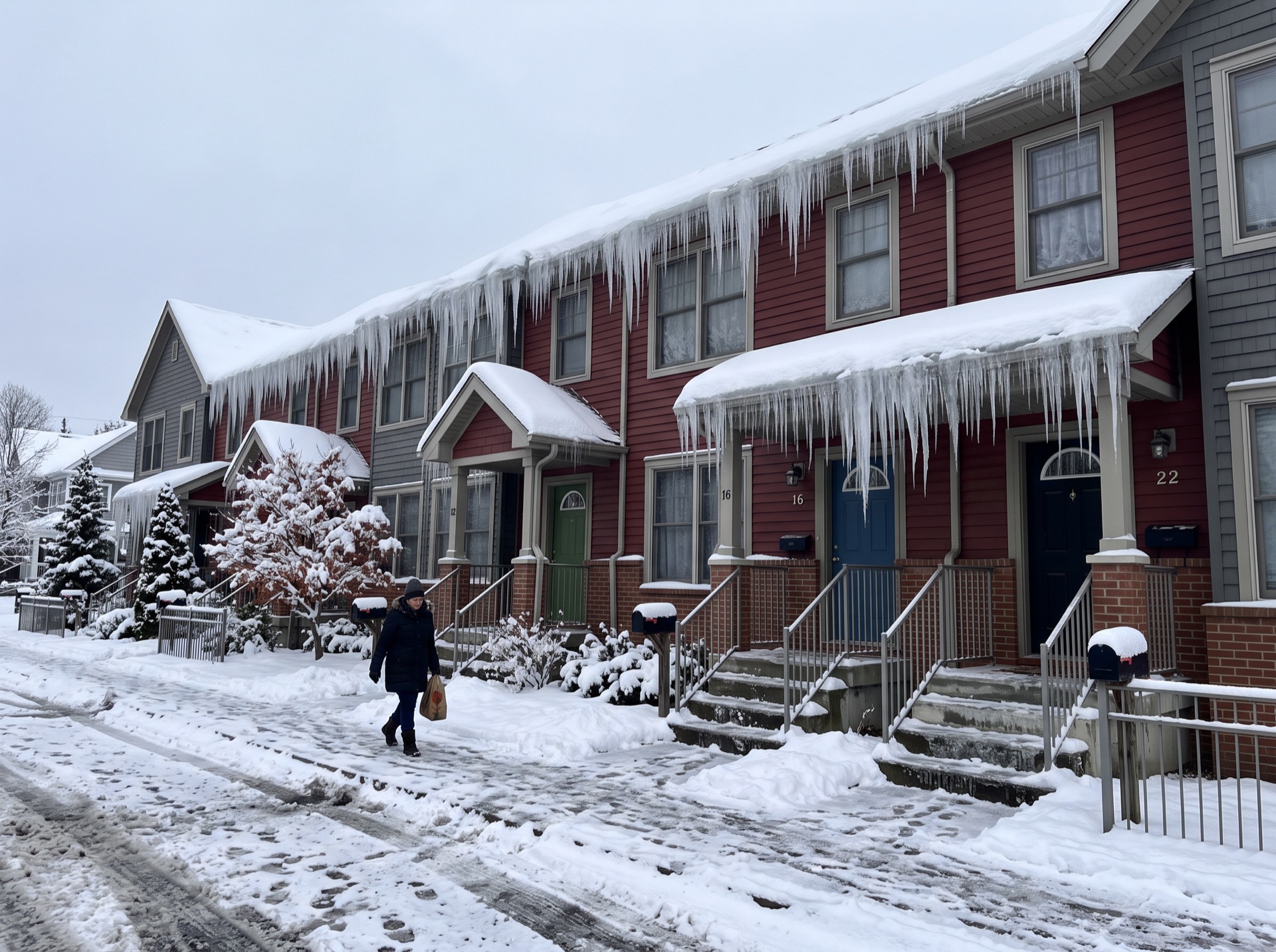
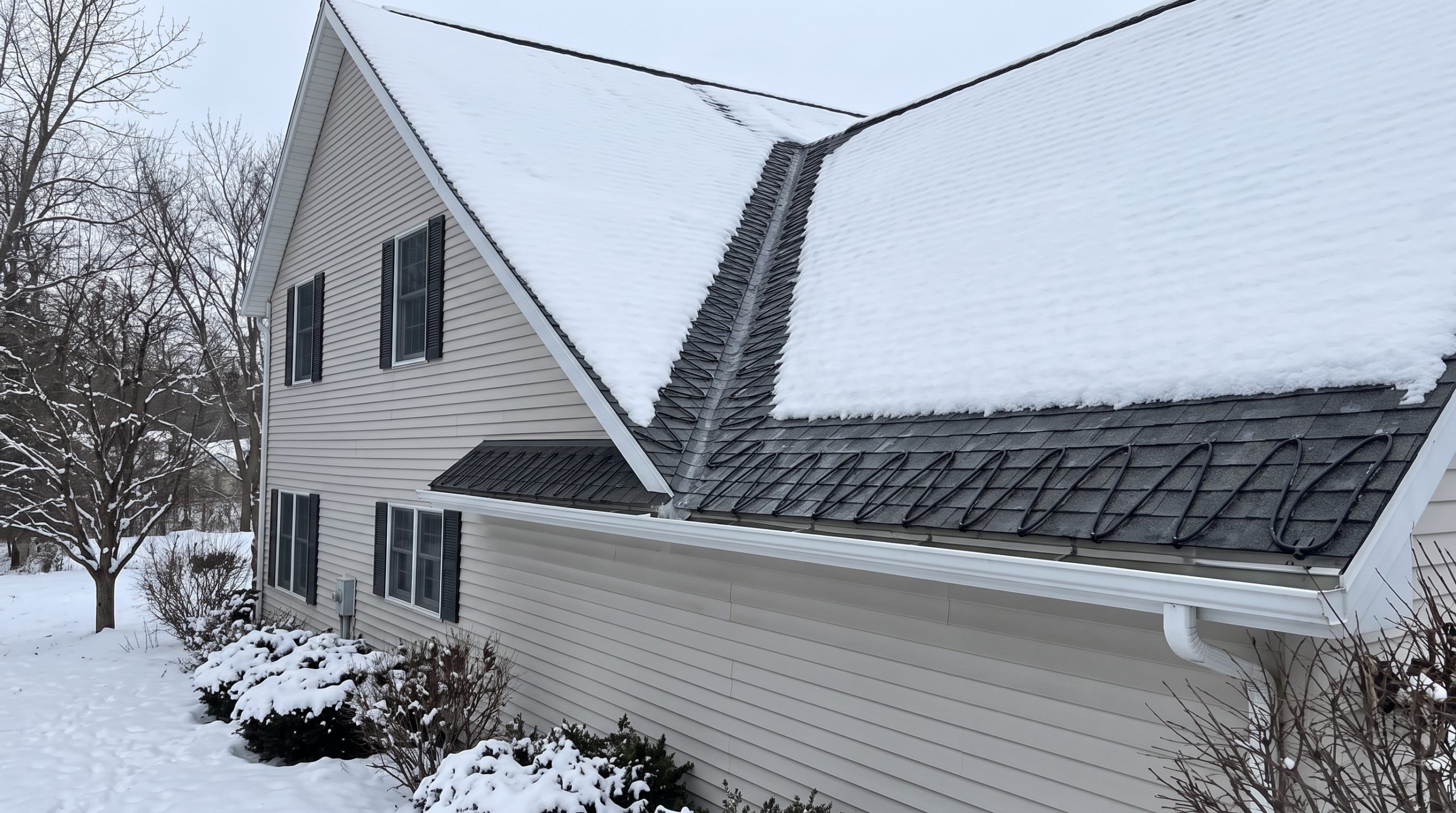
Ice dams are a heat problem wearing a weather costume. Warm air escaping into the attic melts snow on the upper roof; that meltwater runs to the eave, which hangs past the heated envelope and stays below freezing; it refreezes there, and the ridge of ice grows a layer every cycle. Removal is the emergency fix. Before the crew leaves you will know which part of your attic is feeding it.
Why a drainage channel is not removal
Cutting a few channels through a dam so water can get past is quick and it is sometimes sold as ice dam removal. It drains the roof for as long as the channels stay open, which in an Addison cold snap can be a single night before they close again.
Removing the dam means taking the ice off down to the shingle along the whole affected run, so the eave can drain the way it was built to. It takes longer and it is the only version that holds.
| Local ice-barrier practice | Eave membrane on new work, often absent |
|---|---|
| Coverage area | Addison and Dupage County |
| Primary climate stressor | Repeated thaw-freeze cycling |
| Dispatch window | Same day to 24 hours |
| Documentation | Dated before and after photos, written scope in Xactimate line items |
| Removal method | Low-pressure steam only. No chipping, salt or pressure washing. |
| Typical scope | Steam, 4-8 crew hours typical |
Neighborhoods and Towns We Reach From Addison
Crews working Addison cover the adjoining communities on the same route — Wood Dale, Itasca, Medinah, Bloomingdale and Glendale Heights — so a storm week usually means one truck handling several addresses in Dupage County rather than separate trips.
Nearest hub towns with their own crew pages: Bensenville, Lombard, Elmhurst, Elk Grove Village, Carol Stream, Wheaton.
Addison sits inside the regular Illinois service area, so a crew is usually scheduled the same day or the following morning.
Water coming in right now in Addison? Call (888) 561-9664. Active interior leaks go to the front of the schedule.