



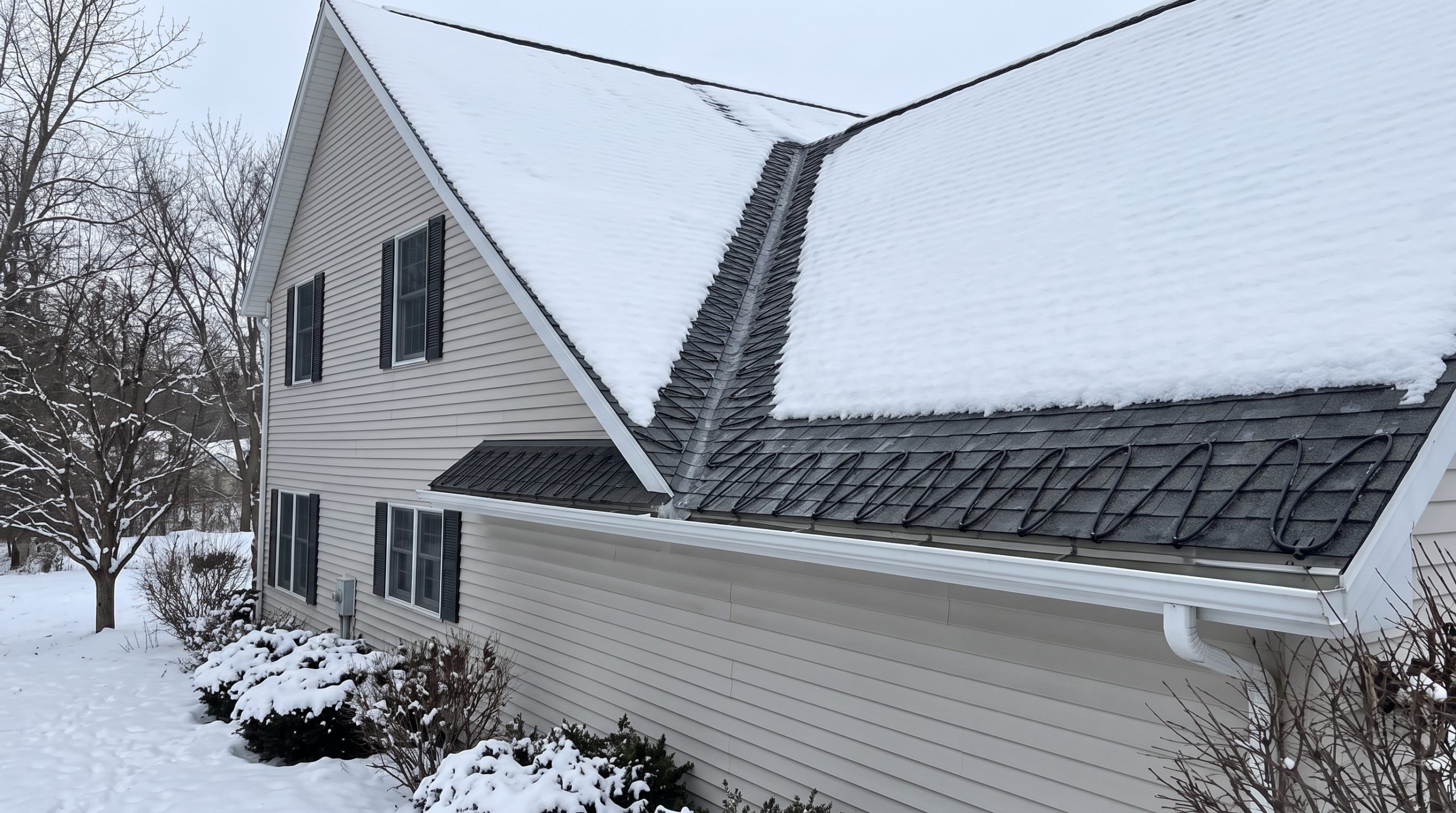
Wet Snow, Swinging Air: Darien Ice Dams
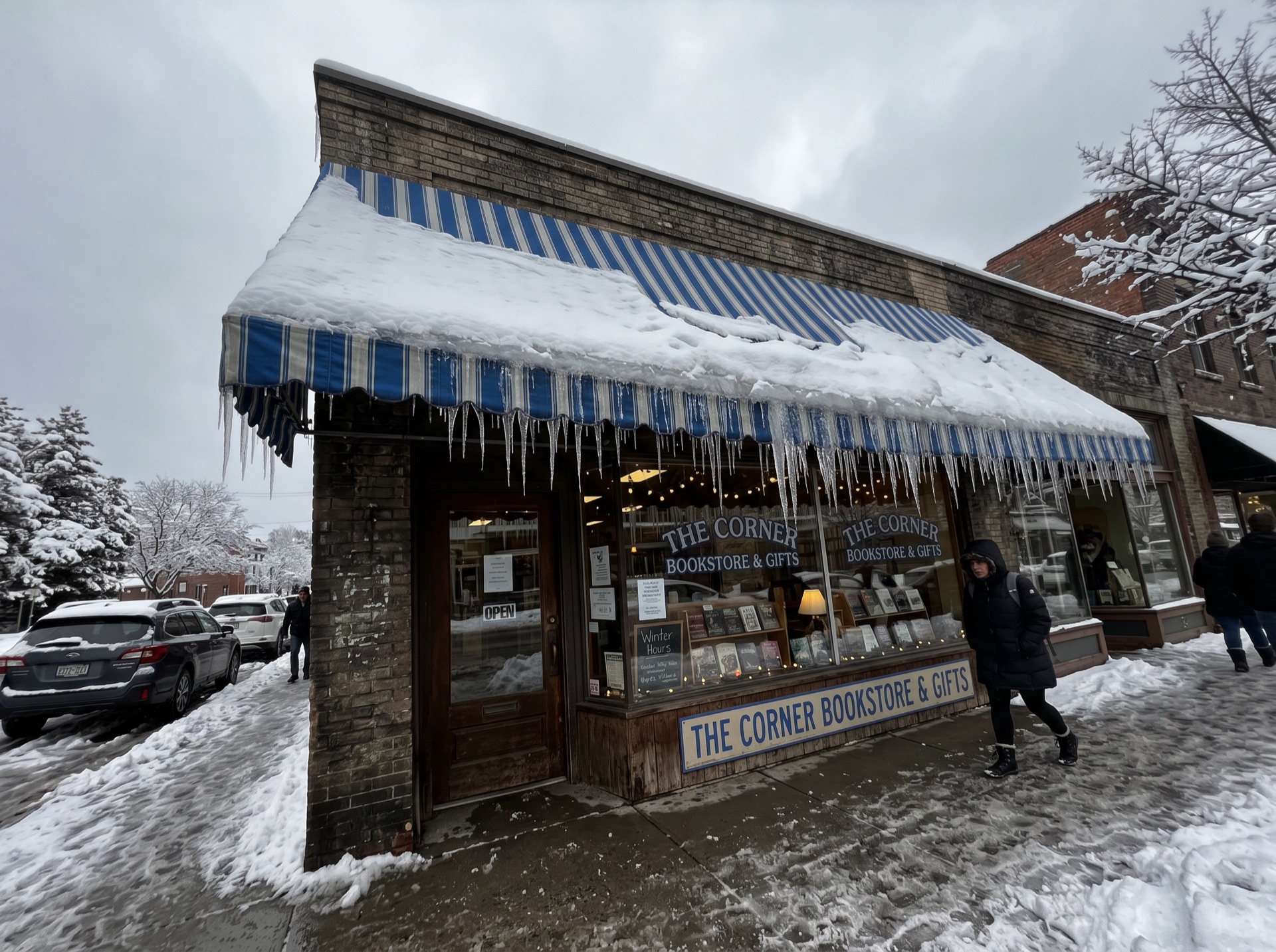
Fairfield County gets the worst combination for ice: snow with high water content, followed by temperatures that oscillate rather than settle. The pack does not stay frozen and it does not drain.

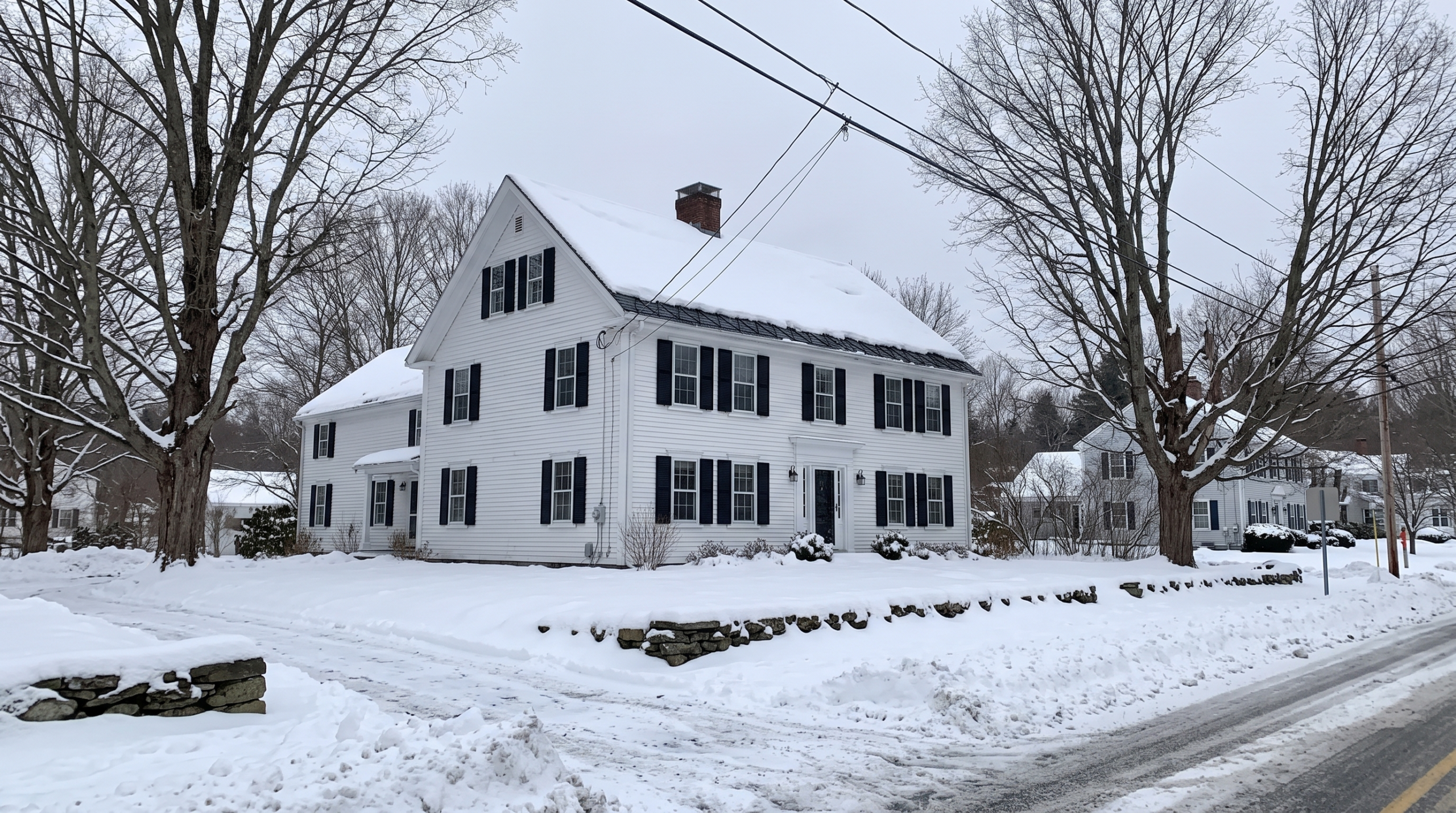
Then there is the architecture. Darien has a great deal of older housing with shallow eave returns, knee-wall attics and rooms built out over porches, all of which put heated air against cold deck with very little between.
Ice-barrier practice in Fairfield County
Ice-barrier membrane at the eaves is standard on re-roofs across coastal Connecticut, and many towns enforce it strictly. Homes that have not been re-roofed since that became normal practice are the ones that leak first.
What a Crew Does on a Darien Roof
The first pass is assessment: eaves, valleys, gutter line and any interior staining, all photographed with timestamps. You see what the crew sees, and the rate and likely hours are agreed before work begins.
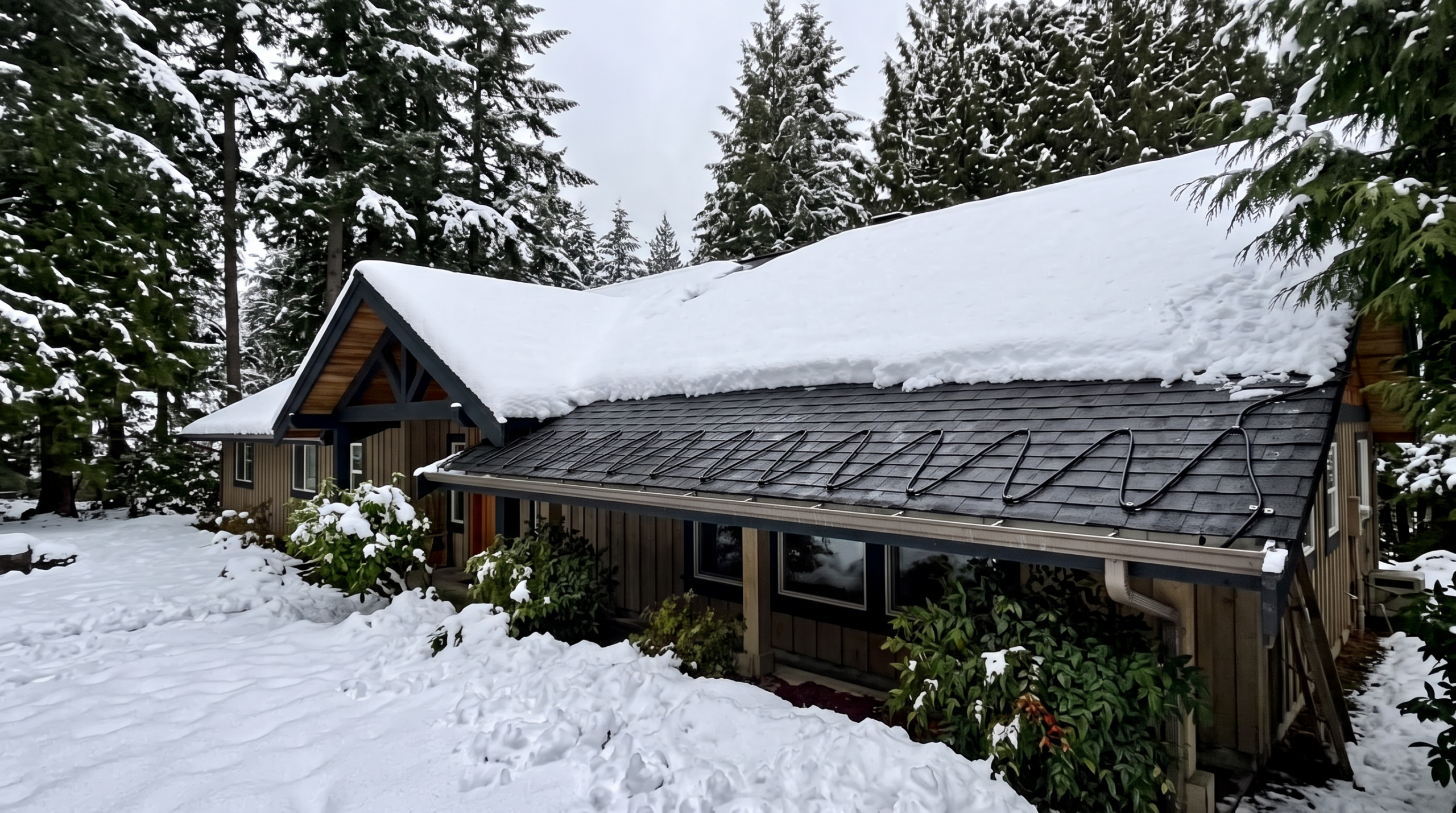
Steam then takes the dam off in sections, prioritizing wherever water is actively backing up behind it. The gutter trough and downspout are cleared through to daylight on the same visit, because a clear eave over a frozen gutter is a temporary fix.
Dormers, valleys and dead spots
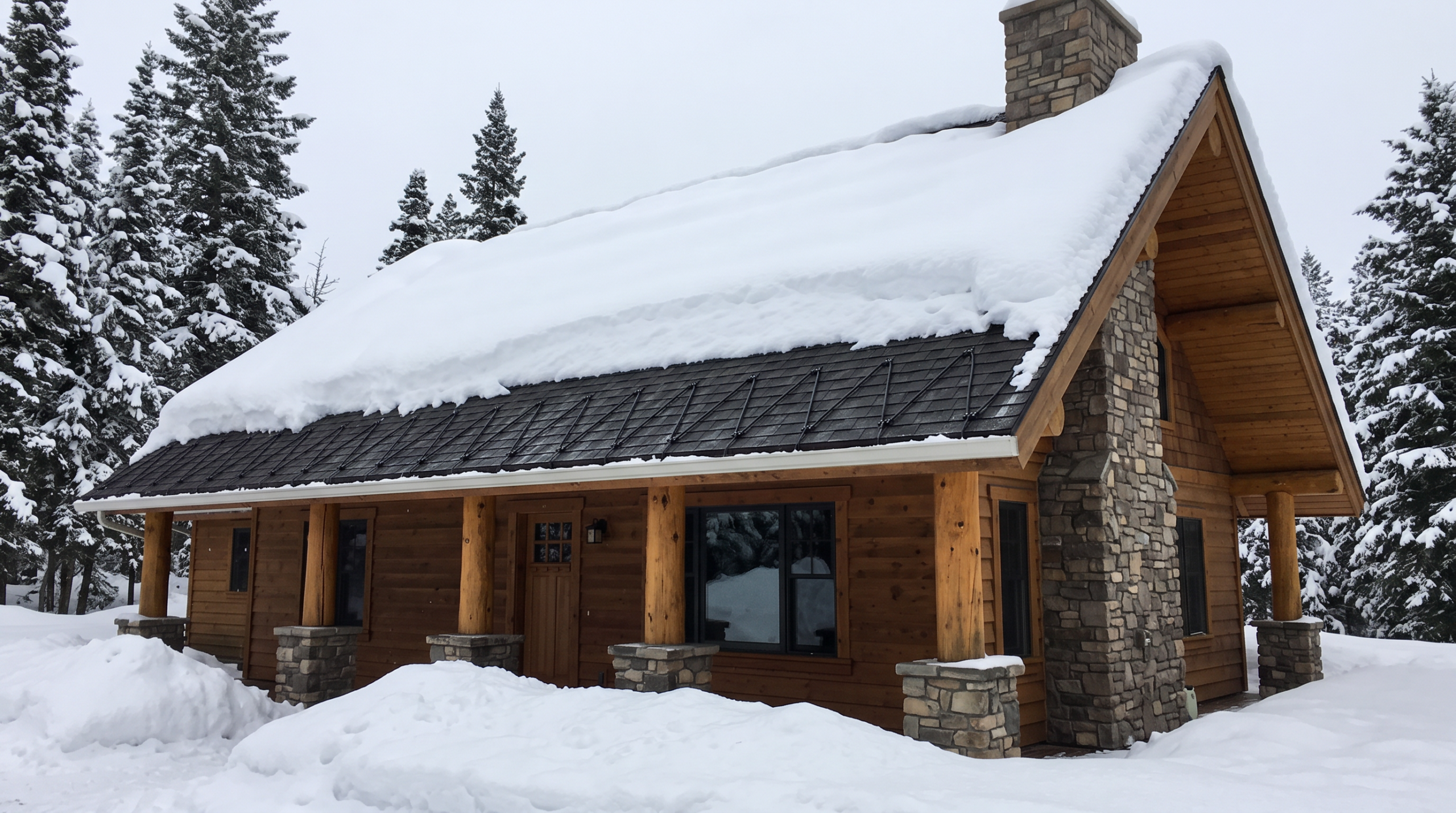
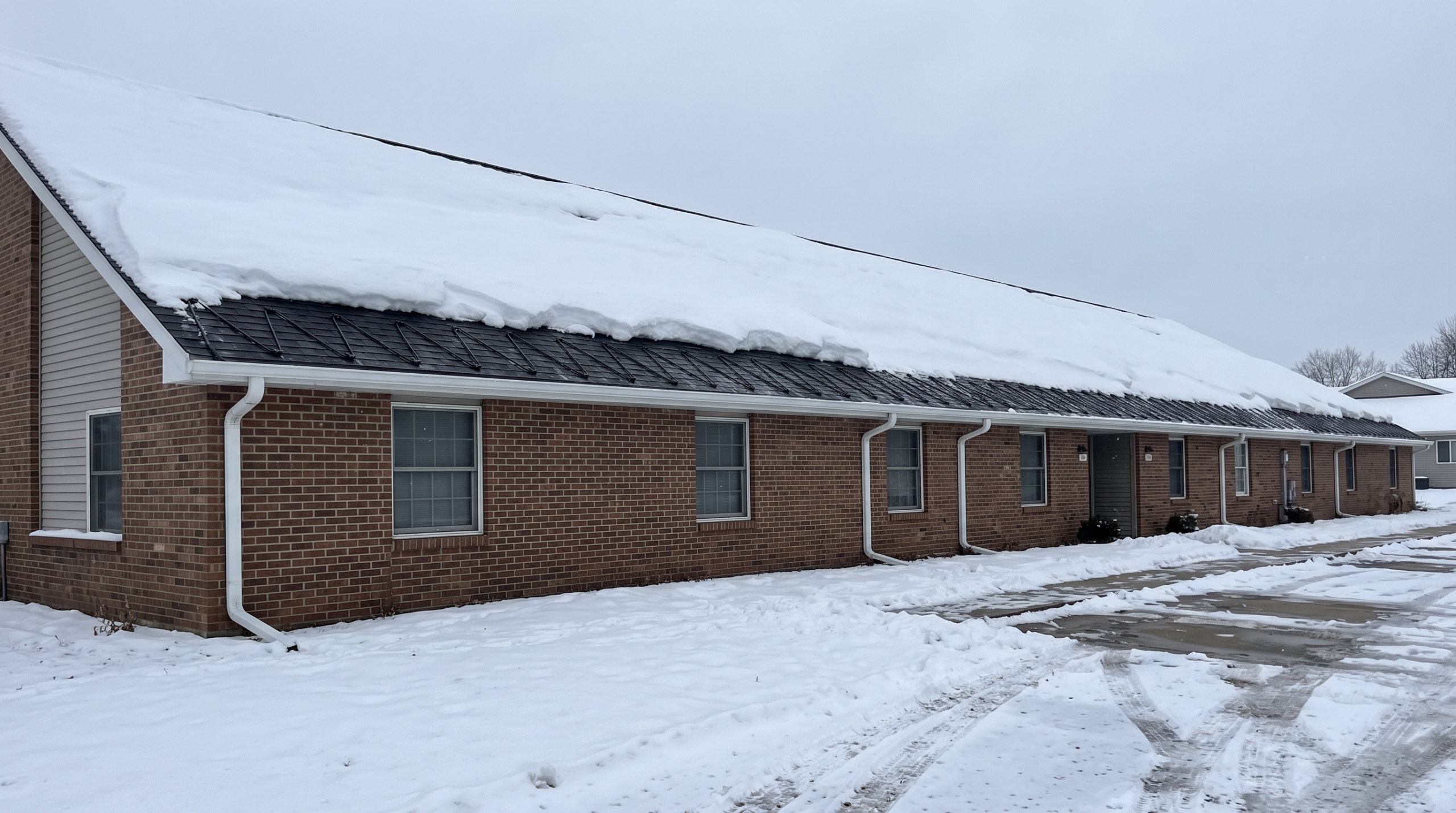
Ice does not distribute evenly. It concentrates where two roof planes meet, behind dormers, in dead valleys that drain nowhere, and along the north face that never sees sun. Those pockets hold water deepest and leak first.
A crew working a roof in Darien clears the full eave line and then goes back through the valleys and dormer pockets specifically, because clearing the easy straight run and calling it done is how a roof leaks again a week later.
Working at night and during an active storm
Freeze events do not keep office hours, and the worst leaks tend to announce themselves in the evening when the day's melt refreezes. Crews run lit, and a roof that is actively collecting snow is worked anyway, because waiting for better weather means the dam is bigger when somebody finally gets to it.
What does stop a crew is wind and lightning. Both are judgment calls made on site in Darien, and a postponed start gets explained rather than dressed up.
What happens after the ice is off
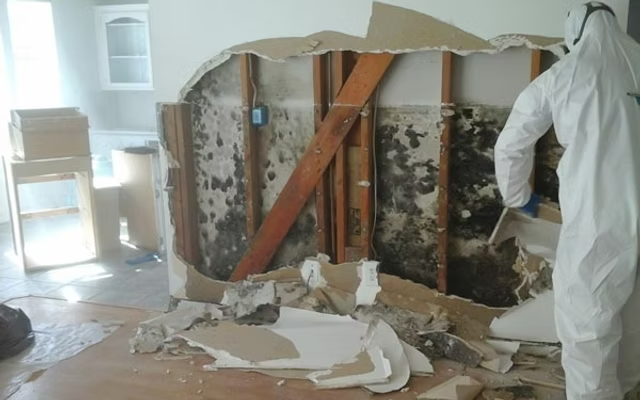
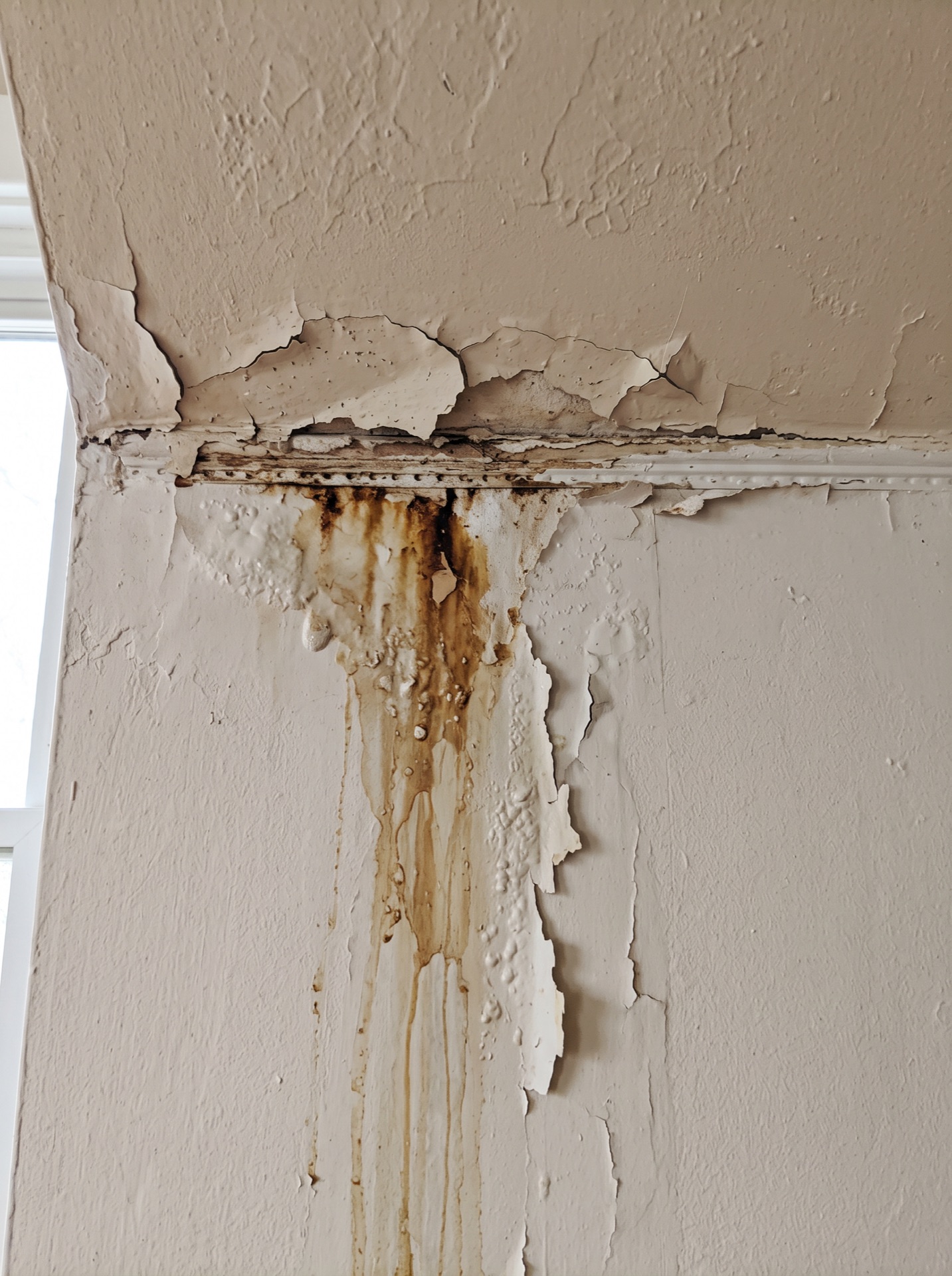
Once the eave is clear and water is draining, the crew walks the interior with you where there is visible damage and says plainly whether it needs drying. Wet insulation and a damp ceiling cavity do not resolve themselves in a cold Darien February.
If it does, that is a separate scope and it gets written separately — nobody is upsold a dryout on the strength of one damp patch.
| Local ice-barrier practice | Eave membrane standard on re-roofs |
|---|---|
| Removal method | Low-pressure steam only. No chipping, salt or pressure washing. |
| Documentation | Dated before and after photos, written scope in Xactimate line items |
| Dispatch window | Same day to 24 hours |
| Typical scope | Steam, 4-10 crew hours typical |
| Pricing model | Billed by the crew hour, rate quoted before dispatch |
| Primary climate stressor | Nor'easters, rapid thaw-freeze swing |
Darien Coverage and the Adjoining Communities
Crews working Darien cover the adjoining communities on the same route — Old Greenwich, Riverside, Cos Cob, Wilton and Greens Farms — so a storm week usually means one truck handling several addresses in Fairfield County rather than separate trips.
Nearest hub towns with their own crew pages: Stamford, Norwalk, New Canaan, Greenwich, Westport, Fairfield.
When a storm hits Fairfield County, crews are dispatched by severity rather than by call order — water already inside the house goes first.
If water is already inside a property in Darien, call (888) 561-9664 rather than filling in a form — the phone is faster and leaks jump the line.