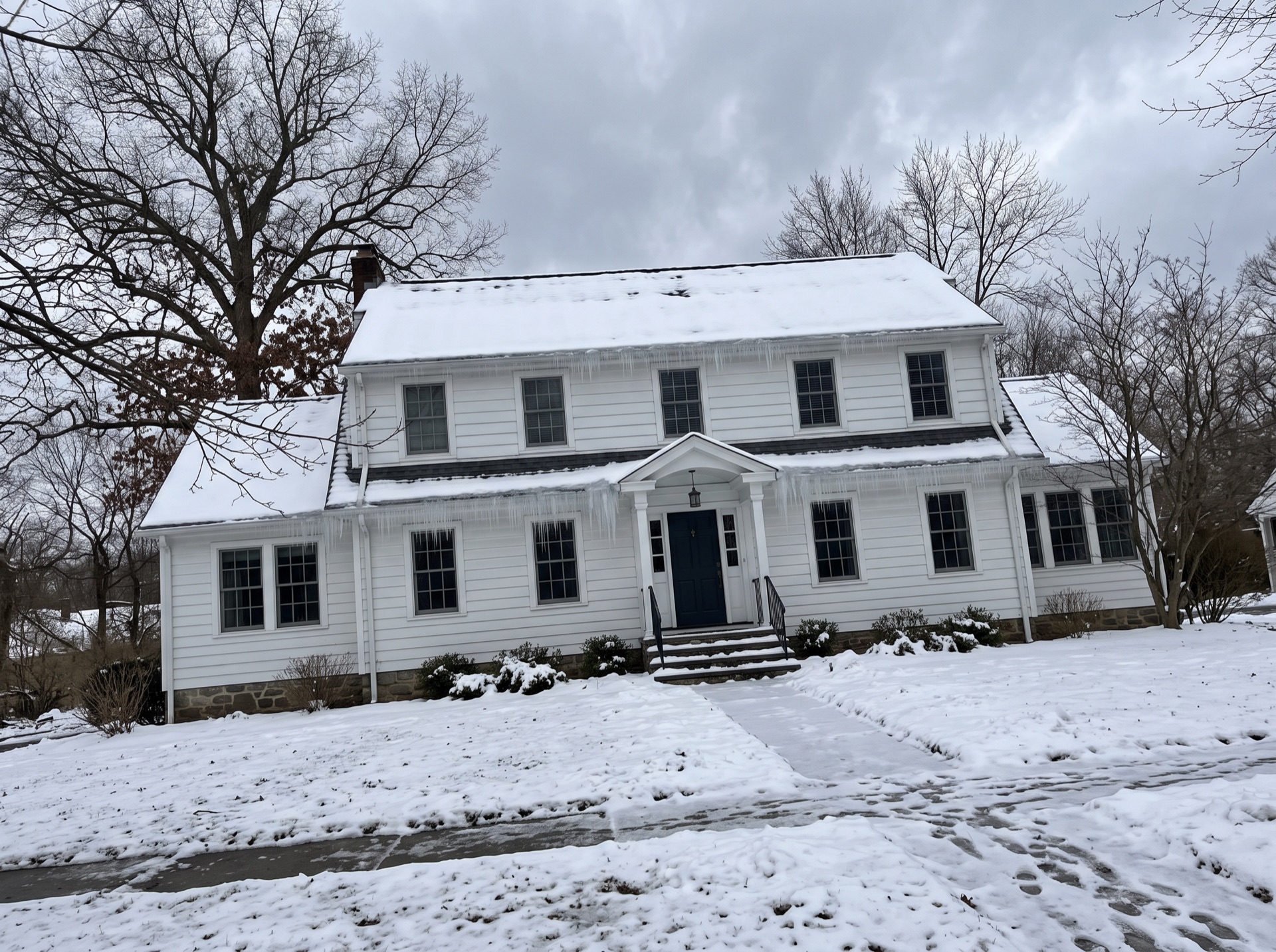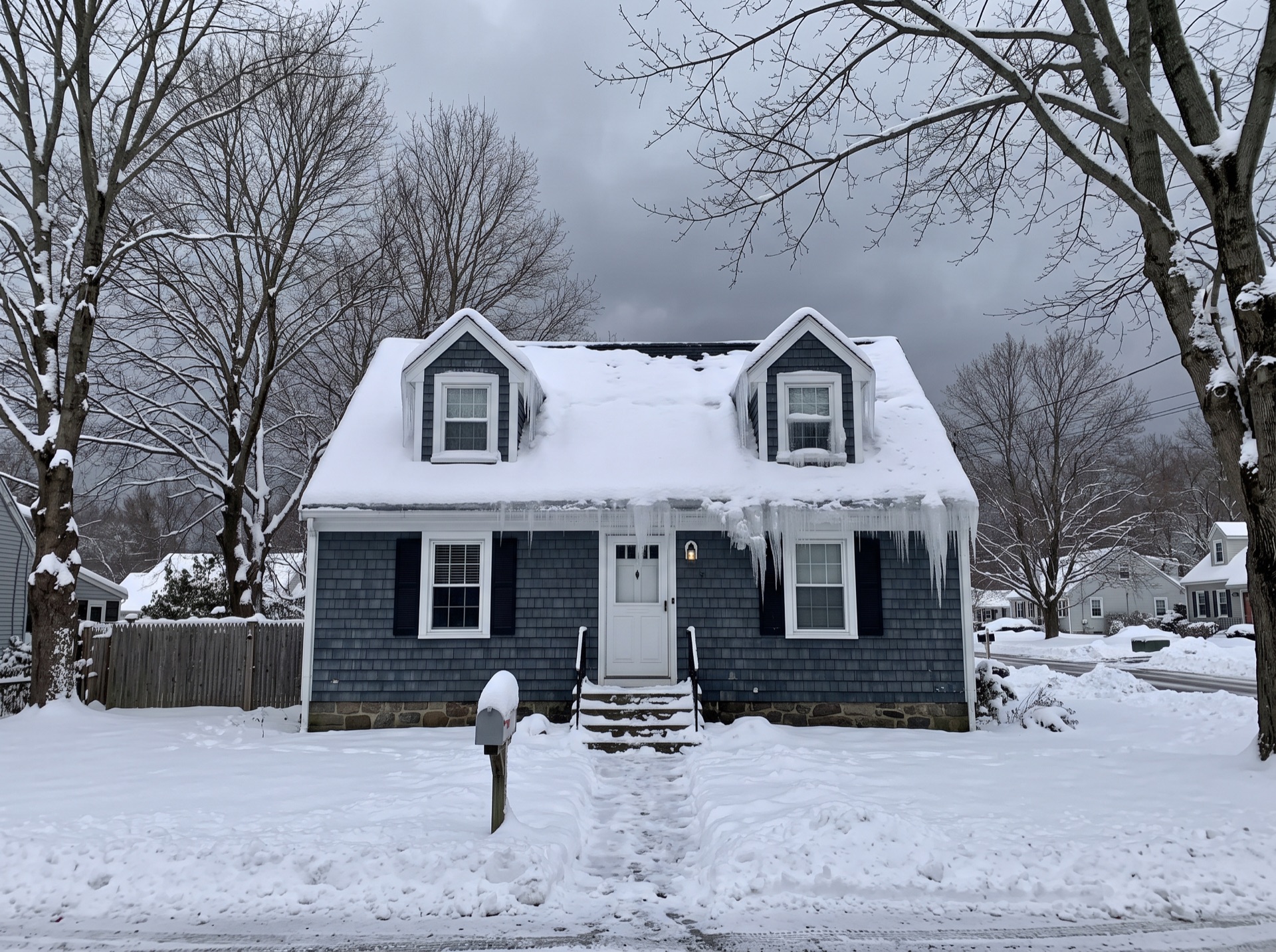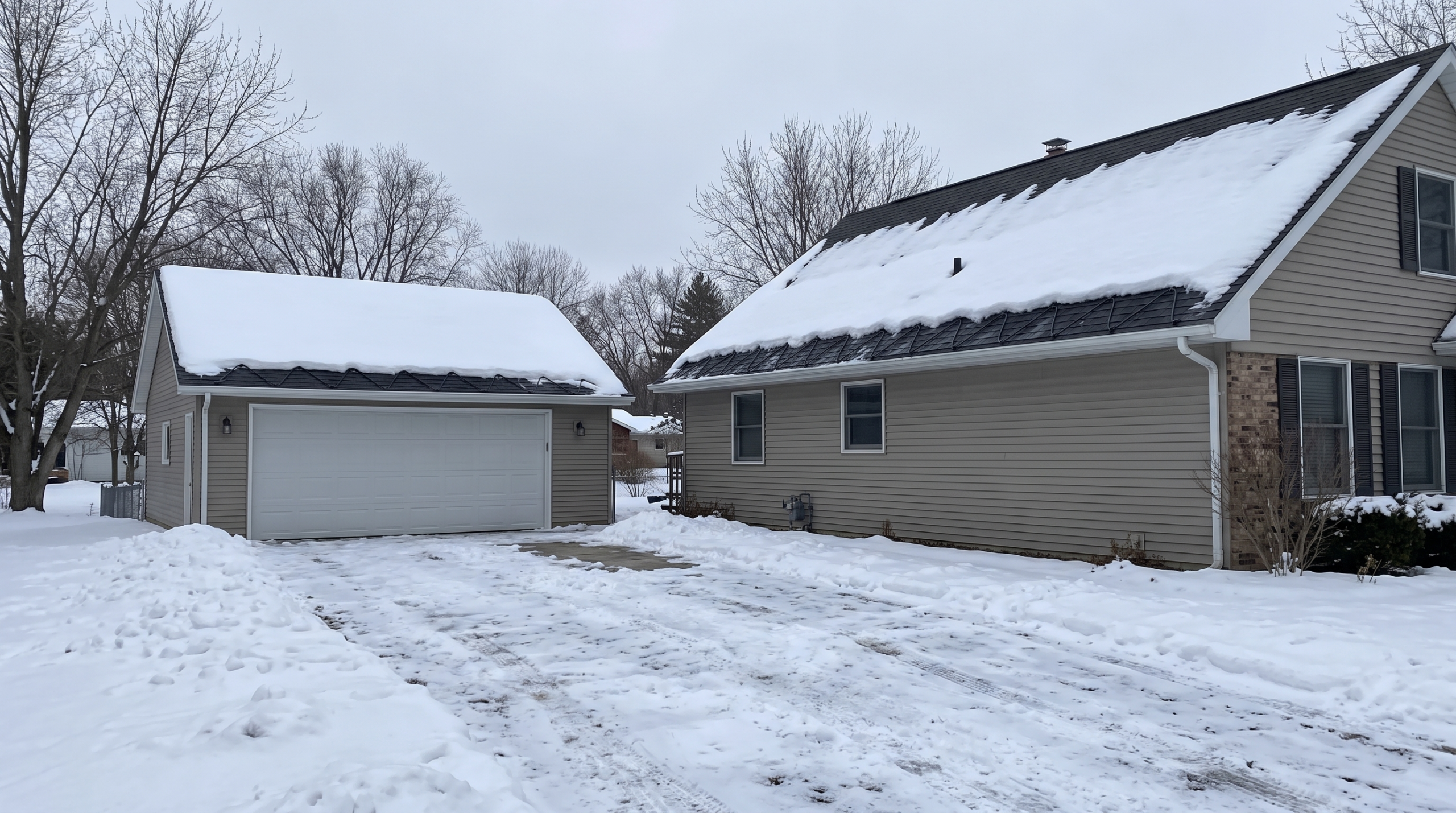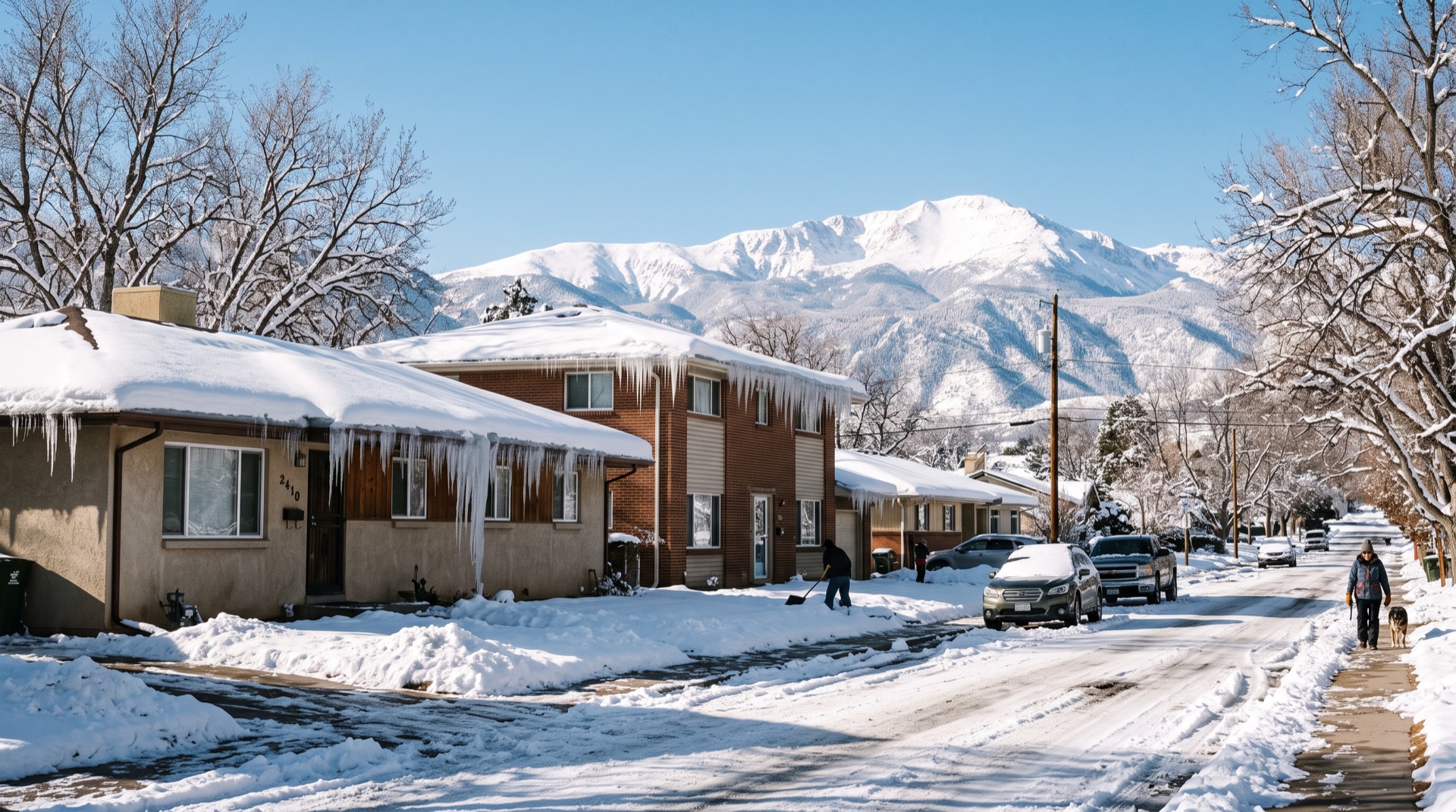





Sun on Cold Snow: The Colorado Springs Pattern
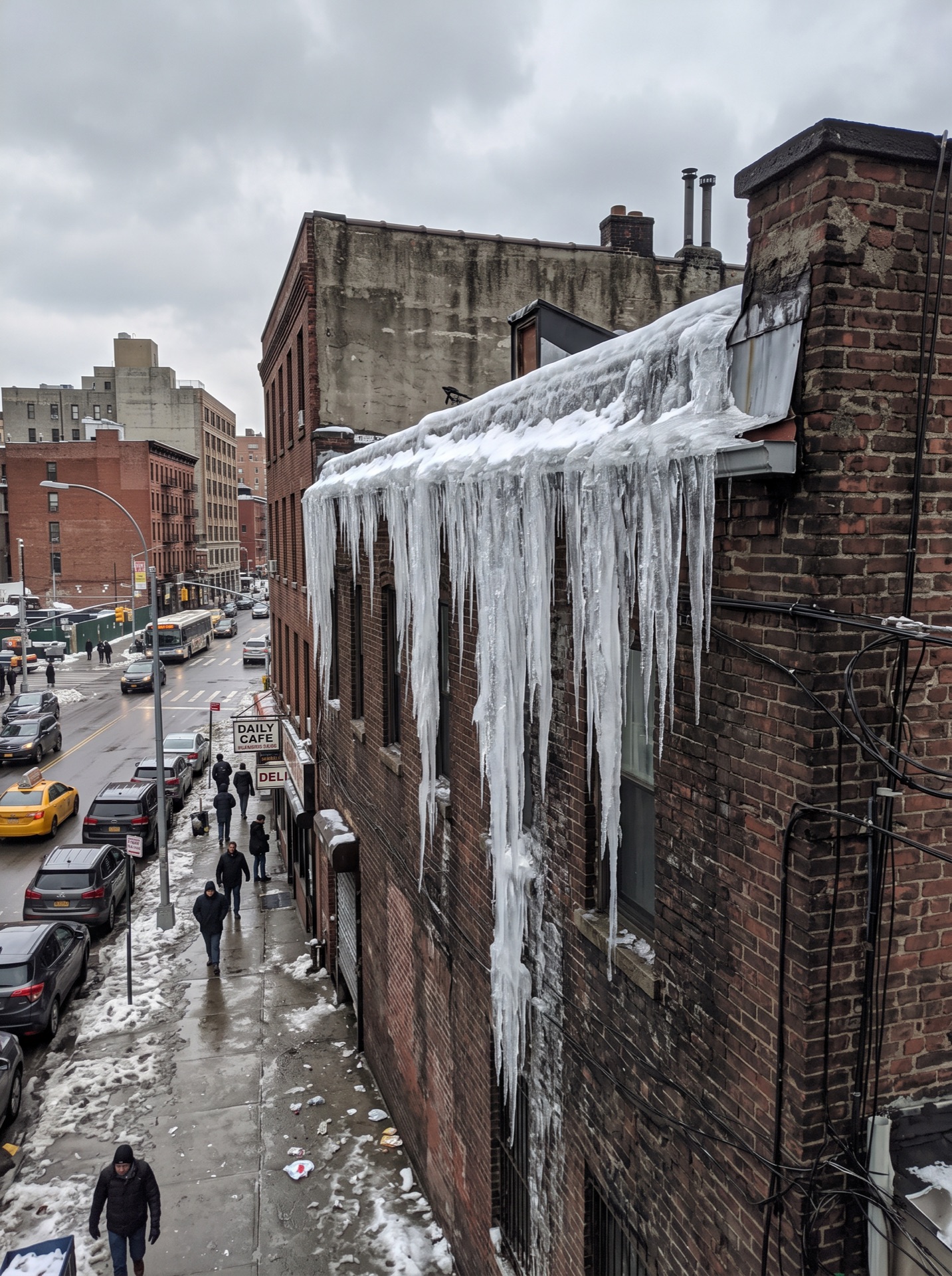
Thin air at altitude means intense direct sun even in deep cold. A Colorado Springs roof can be melting on its south face at midday in air that never gets near freezing, and all of that water has to go somewhere.

Volume is the other factor. A El Paso County roof carrying several feet of pack has an enormous reservoir above an overhang that never sees direct sun, and the supply does not run out until spring.
Ice-barrier practice in El Paso County
Design snow loads in El Paso County are among the highest anywhere, and the membrane and retention requirements that go with them are not formalities. On an older Colorado Springs cabin or chalet neither may be present.
The Colorado Springs Dispatch Process, Step by Step
Nothing gets touched until the roof has been walked and photographed. The crew finds every dam, locates where water is getting in, shows you, and gives you the crew-hour rate and a time estimate before the equipment comes off the truck.
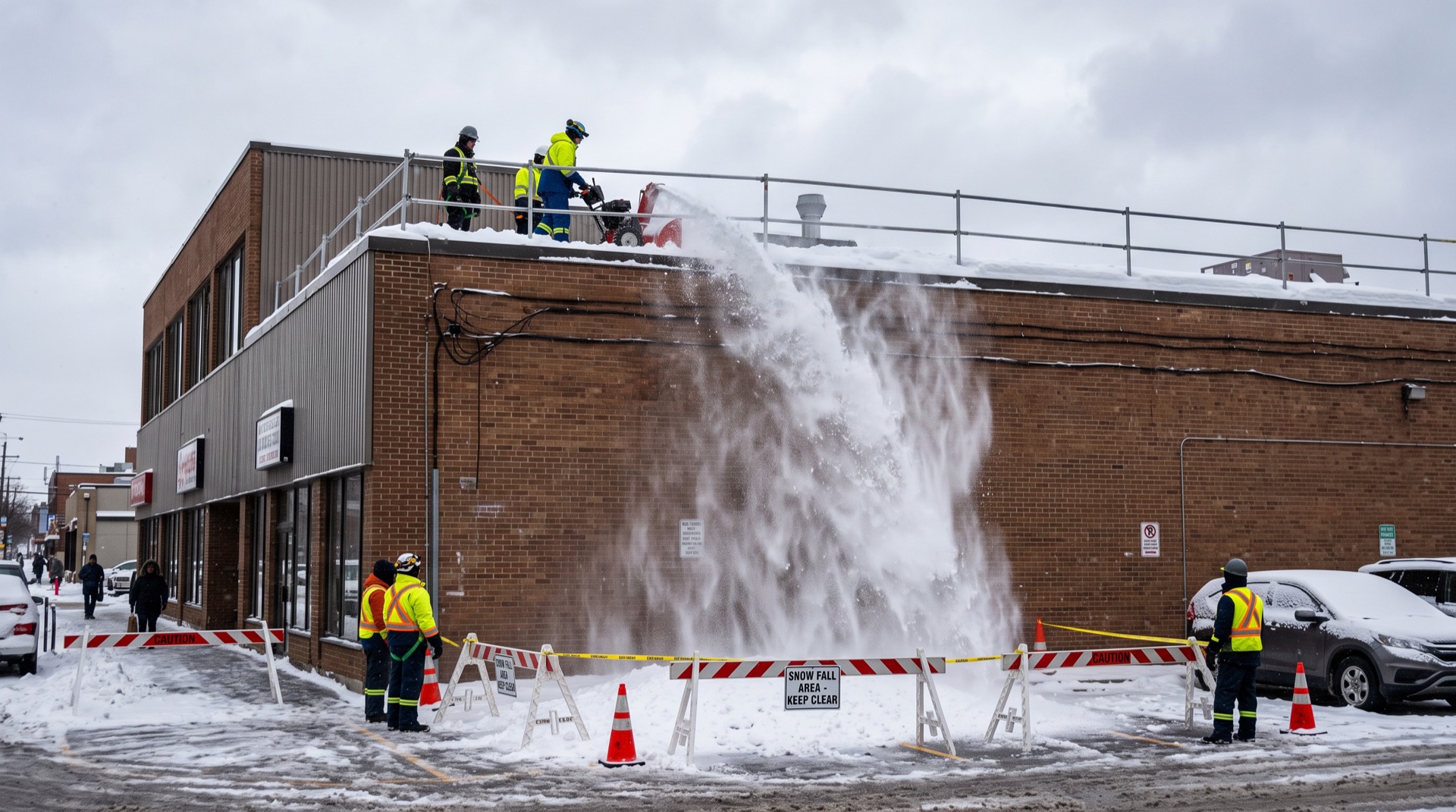
Removal then works from the worst point outward, so water starts draining early rather than at the end. Gutters and downspouts frozen solid get steamed through in the same visit — leaving them means the eave dams again within days.
If water already got inside
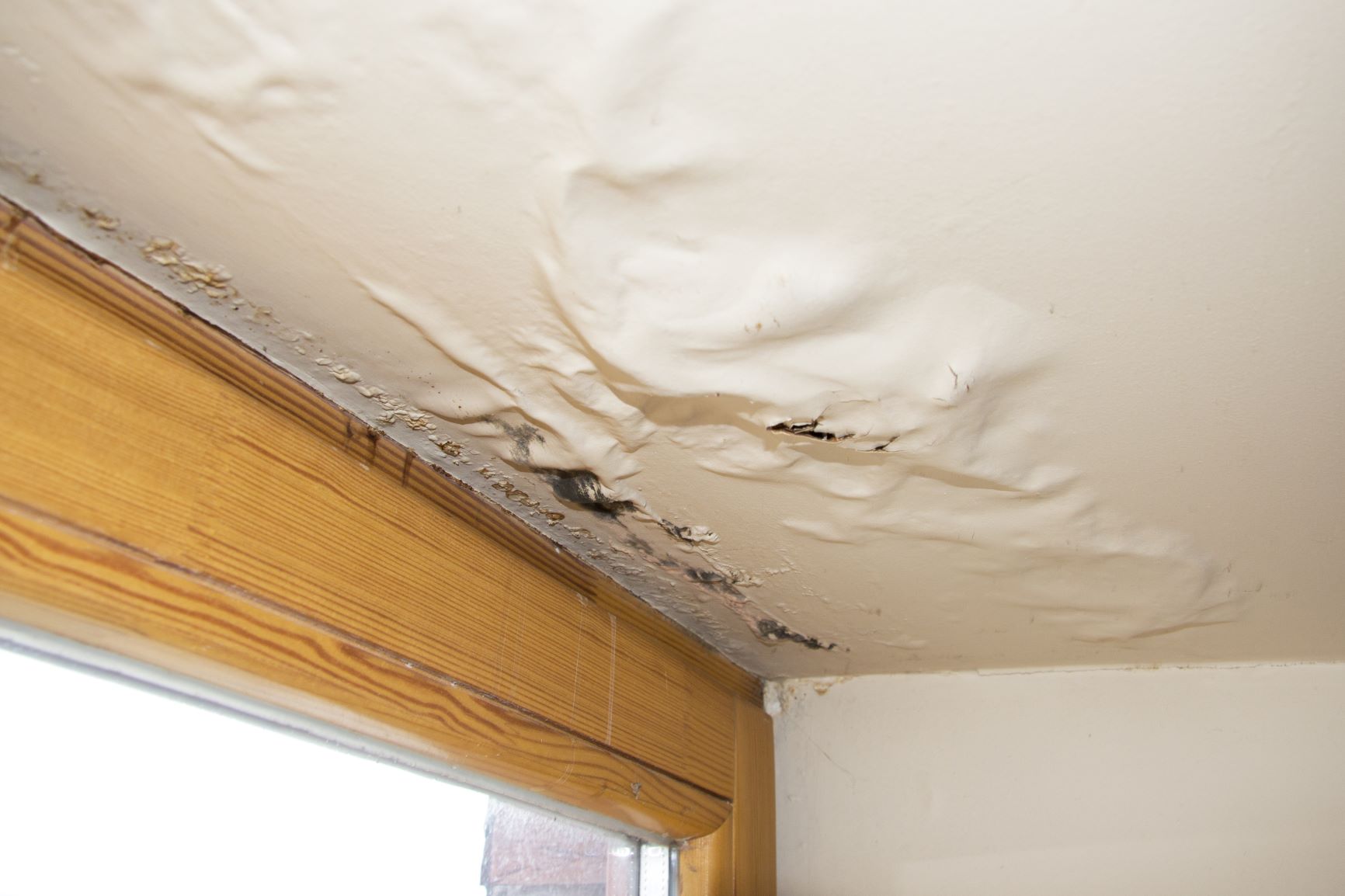
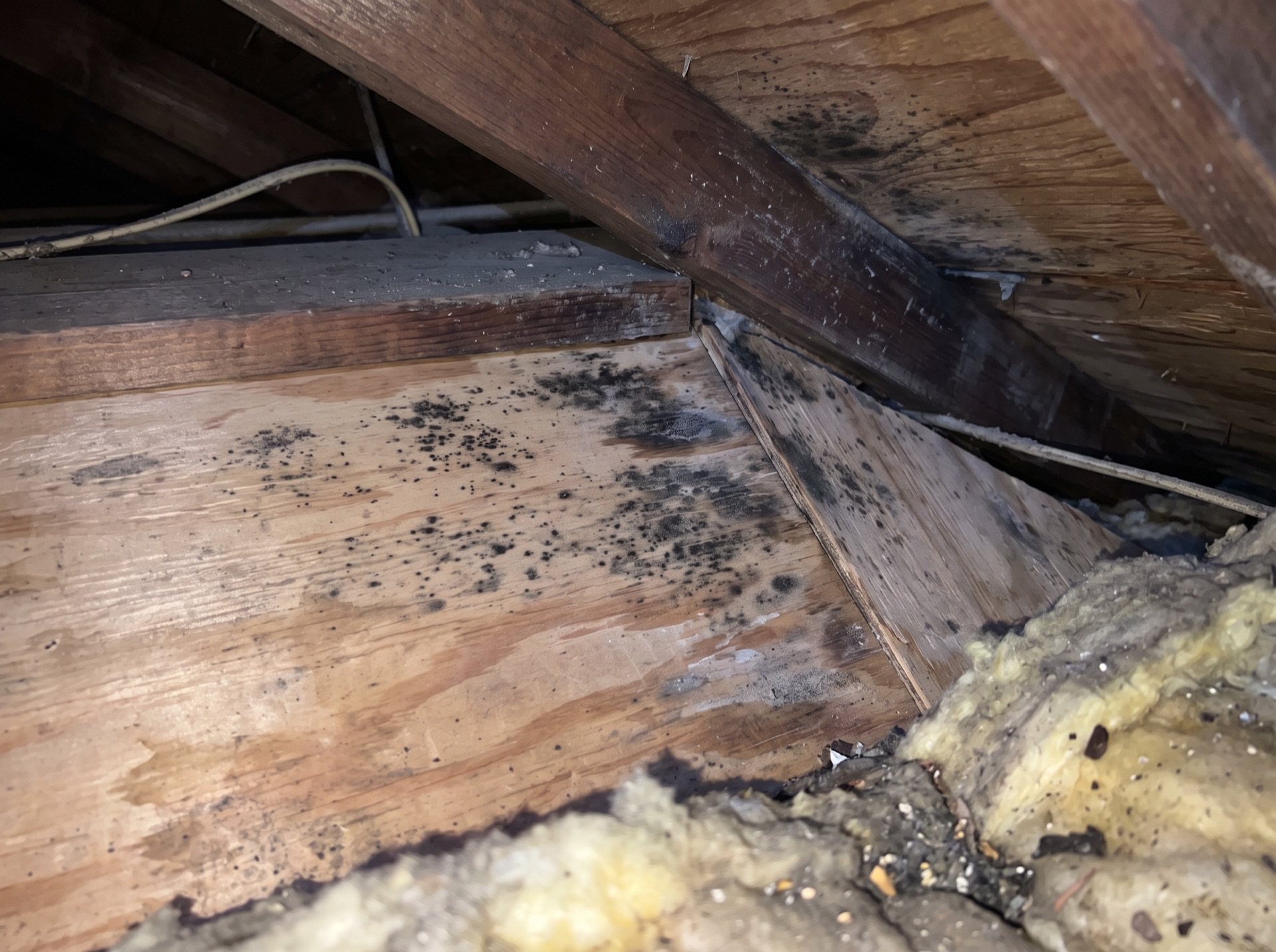
Taking the ice off stops new water. It does nothing about what is already in the insulation, the ceiling and the walls of a Colorado Springs home.
The same company handles the rest: water mitigation and dryout, mold remediation where the water has led to growth, the interior repair, and the roof where the dam damaged it, all documented on one insurance claim.
Steep, high and awkward Colorado Springs roofs
Pitch and height change the job more than ice thickness does. A walkable ranch eave is a ladder and a lance. A three-story roof with a steep pitch means anchors, rope, staging and two people where one would otherwise do.
Crews quote on that honestly. If a property in Colorado Springs needs a longer setup, it is said on the phone rather than discovered at the end of the invoice.
What steam actually does
A steam unit delivers water at roughly 290°F at a pressure low enough to rest your hand in the plume. It cuts a channel straight through the ice and lifts the dam off in sections, right down to the shingle. The heat does the work, not force, so granules, seal strips and flashing come through untouched.
That is the whole difference between steam and the hot pressure washers often sold as steam. A pressure washer cuts ice fast because of its pressure — and that same pressure strips the granules off asphalt shingles and drives water up under the courses. One method removes ice. The other removes ice and roof.
| Dispatch window | 24 to 48 hours in mountain terrain |
|---|---|
| Primary climate stressor | Solar melt on deep pack, shaded eaves |
| Pricing model | Billed by the crew hour, rate quoted before dispatch |
| Removal method | Low-pressure steam only. No chipping, salt or pressure washing. |
| Coverage area | Colorado Springs and El Paso County |
| Typical scope | Steam, 8-16 crew hours typical |
| Local ice-barrier practice | Extended membrane plus snow retention |
Neighborhoods and Towns We Reach From Colorado Springs
Crews working Colorado Springs cover the adjoining communities on the same route — Manitou Springs, U S A F Academy, Cascade, Fountain and Green Mountain Falls — so a storm week usually means one truck handling several addresses in El Paso County rather than separate trips.
Nearest hub towns with their own crew pages: Castle Rock, Pueblo, Parker, Centennial, Littleton, Englewood.
Crews cover Colorado Springs and the surrounding El Paso County towns through the whole season, and during a freeze event they run from first light until dark.
Water coming in right now in Colorado Springs? Call (888) 561-9664. Active interior leaks go to the front of the schedule.