



Elevation, Aspect and Ice: The Siskiyou County Pattern
Thin air at altitude means intense direct sun even in deep cold. A Mount Shasta roof can be melting on its south face at midday in air that never gets near freezing, and all of that water has to go somewhere.

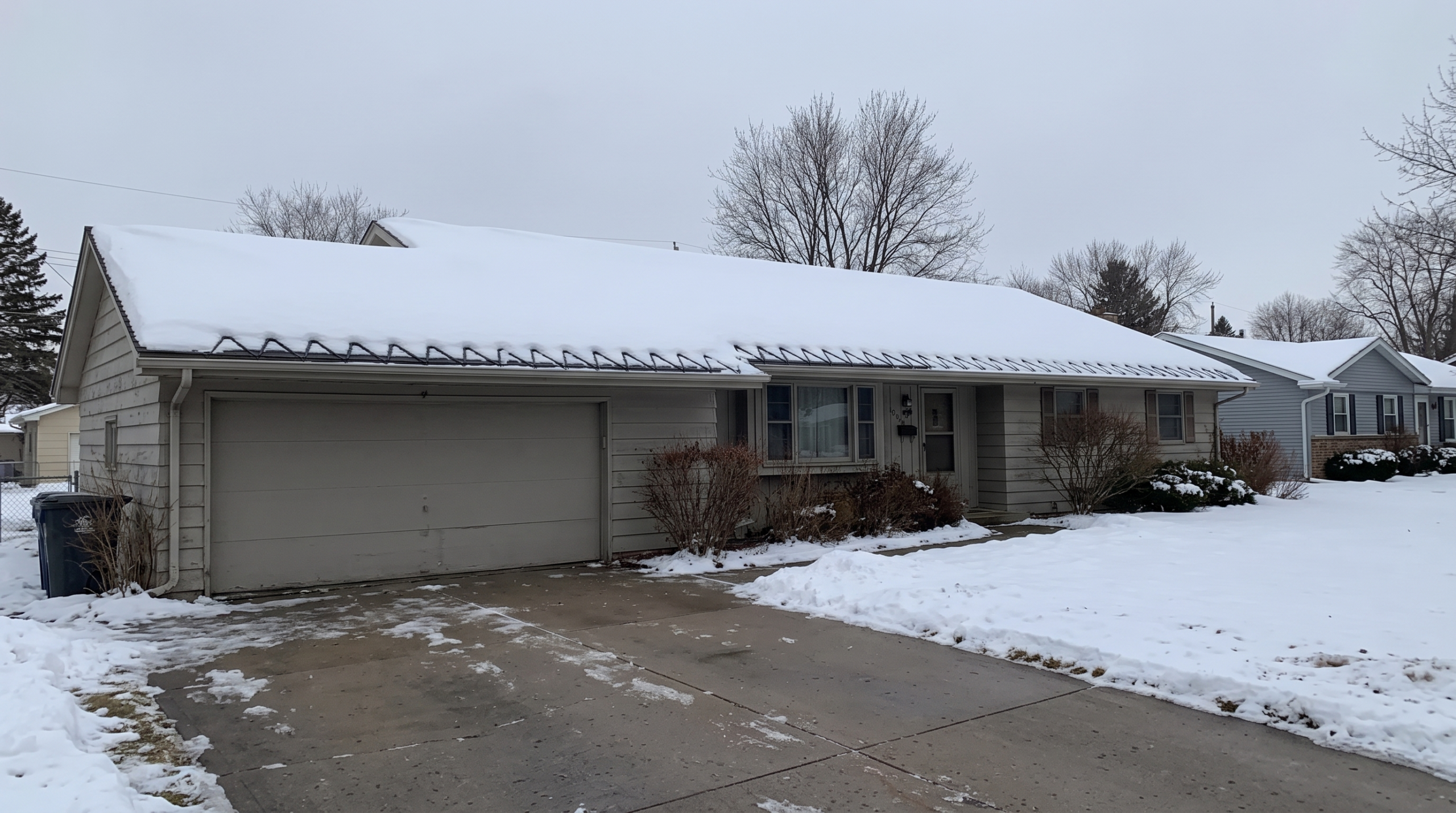
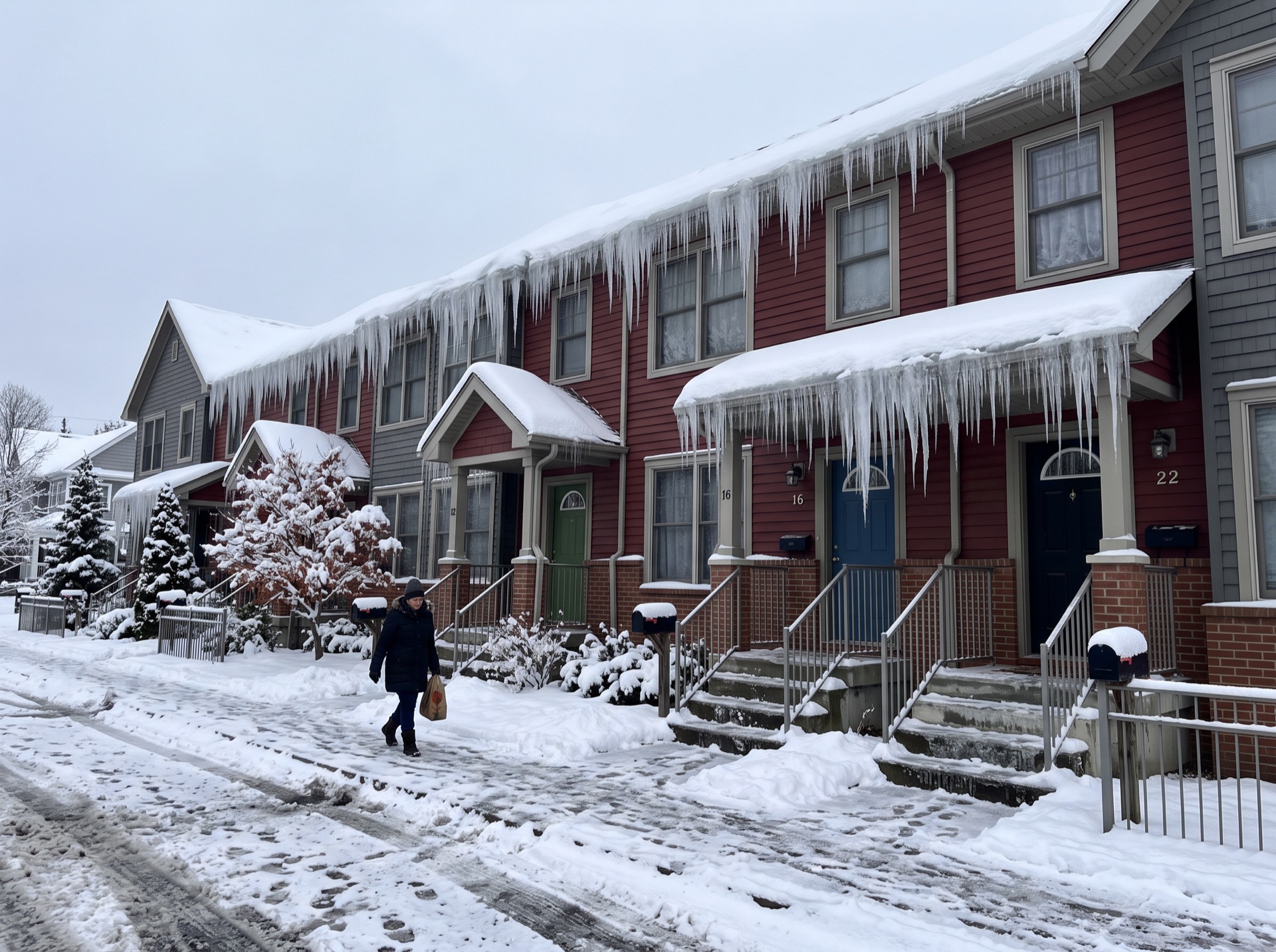
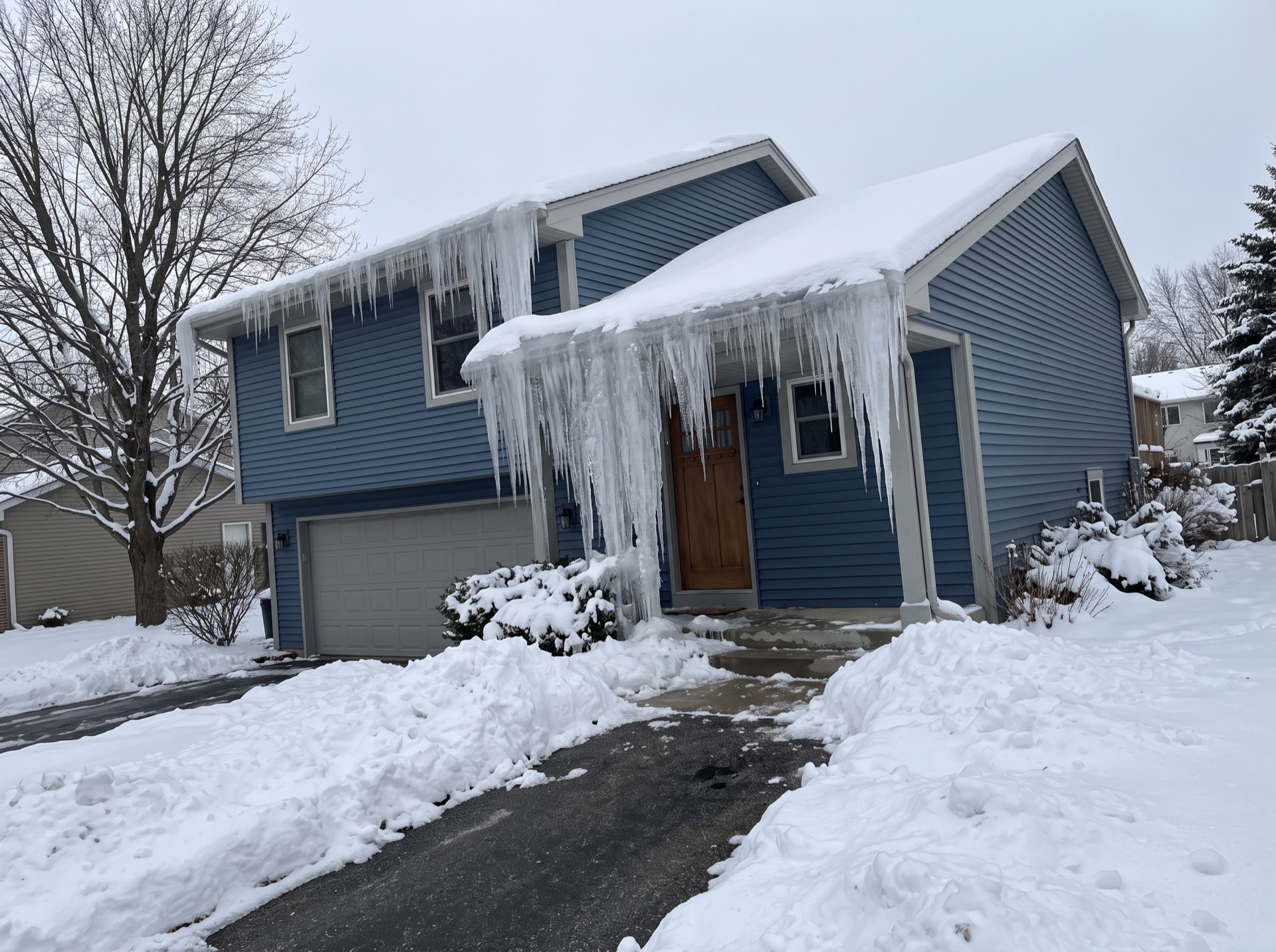
Aspect decides which eaves suffer. A sunny plane sheds water across a roof in Mount Shasta to a shaded eave that has not been above freezing for weeks, and that is where the ice builds into a wall.
Ice-barrier practice in Siskiyou County
Mountain jurisdictions across Siskiyou County generally require ice-barrier membrane well up the roof plane, not just the first course, along with snow retention on metal roofs above entries and walkways.
What a Crew Does on a Mount Shasta Roof
Crews walk the eaves, valleys and gutter line first and photograph every dam and every point where water is tracking inside, before touching anything. You get shown what they found and quoted the crew-hour rate before work starts.
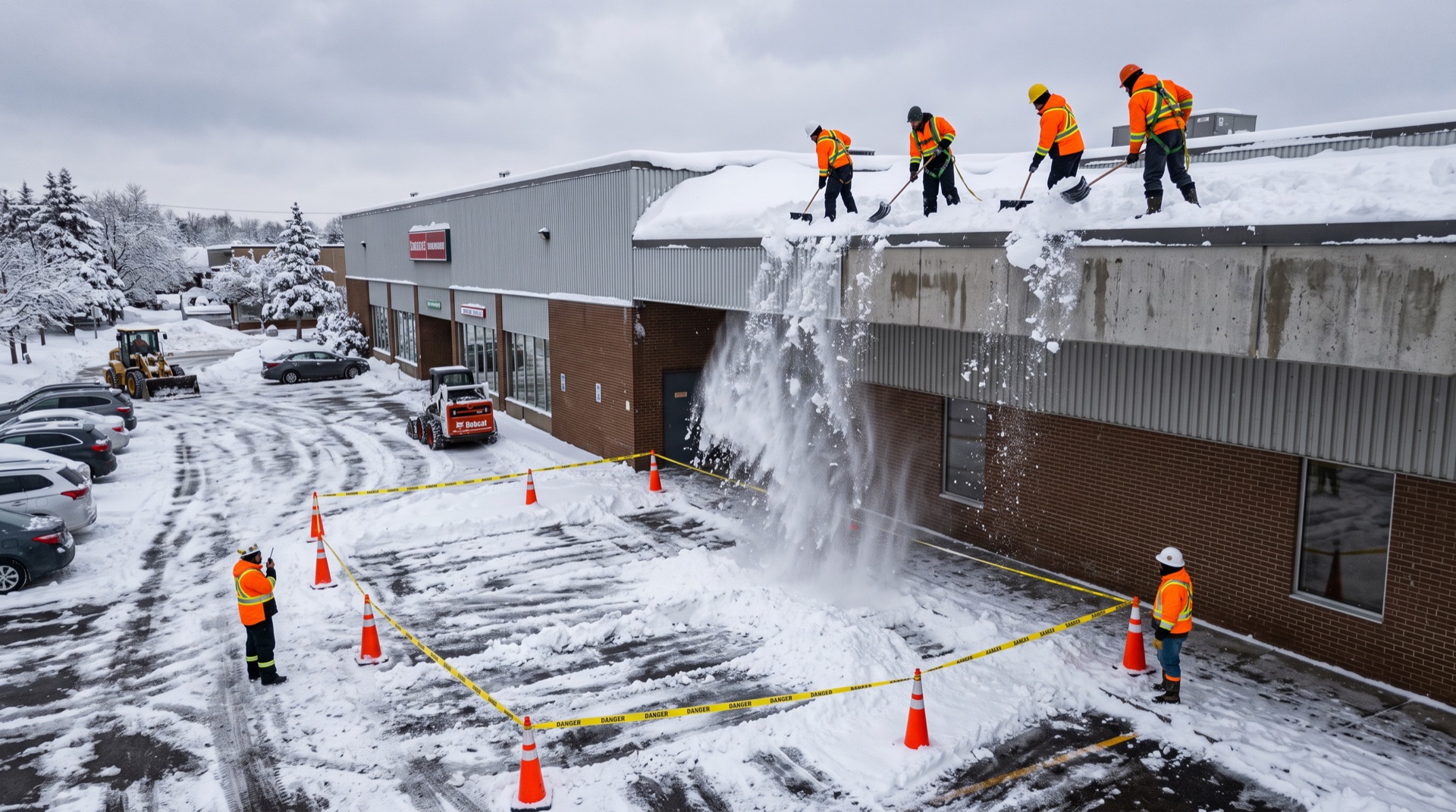
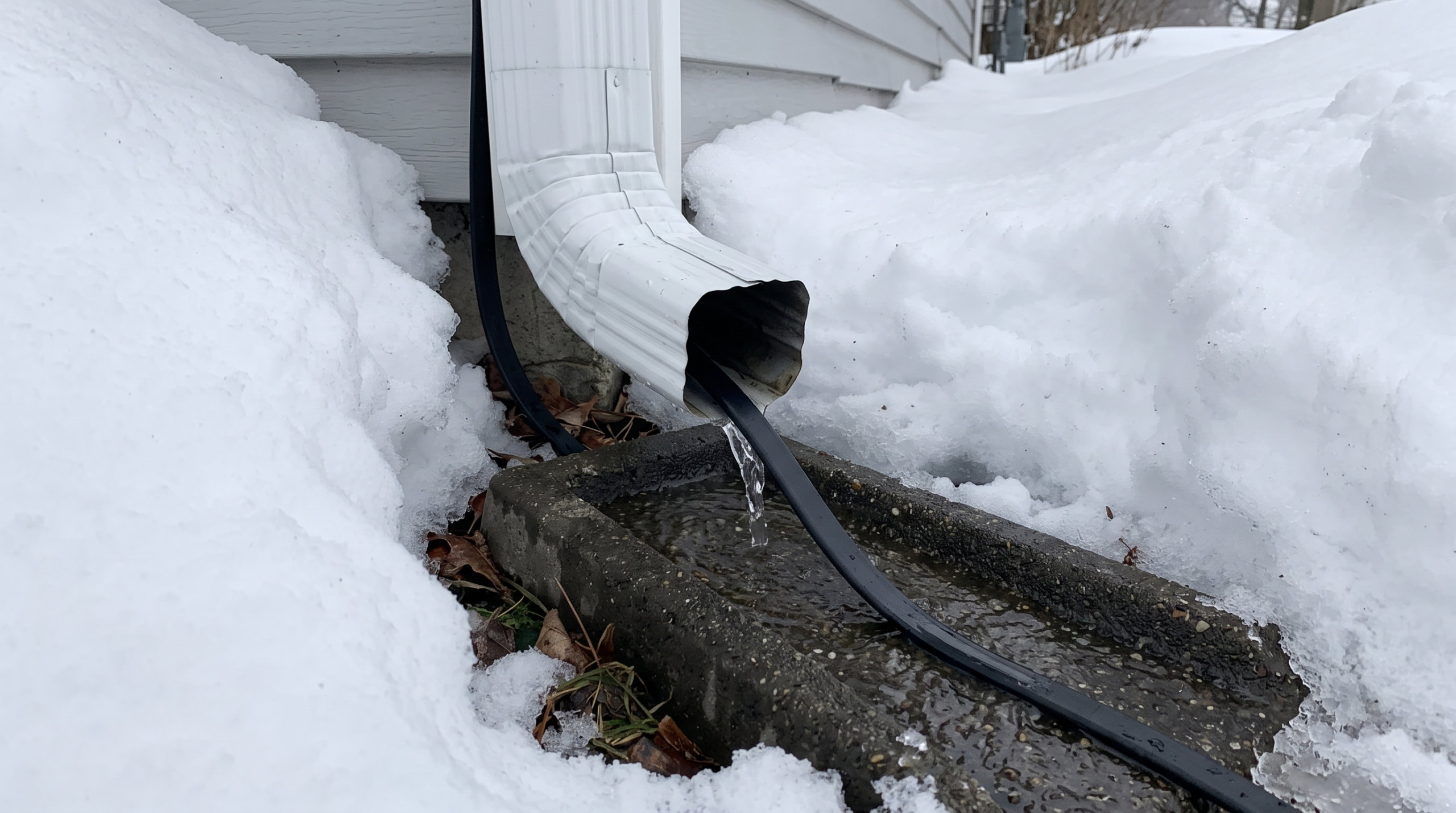
Then the ice comes off with low-pressure steam, starting wherever water is actively backing up so drainage opens early. Frozen gutters and downspouts are cleared in the same visit, because a cleared eave above a solid block of ice in the gutter dams again on the next cold night.
What gets photographed, and why it matters later
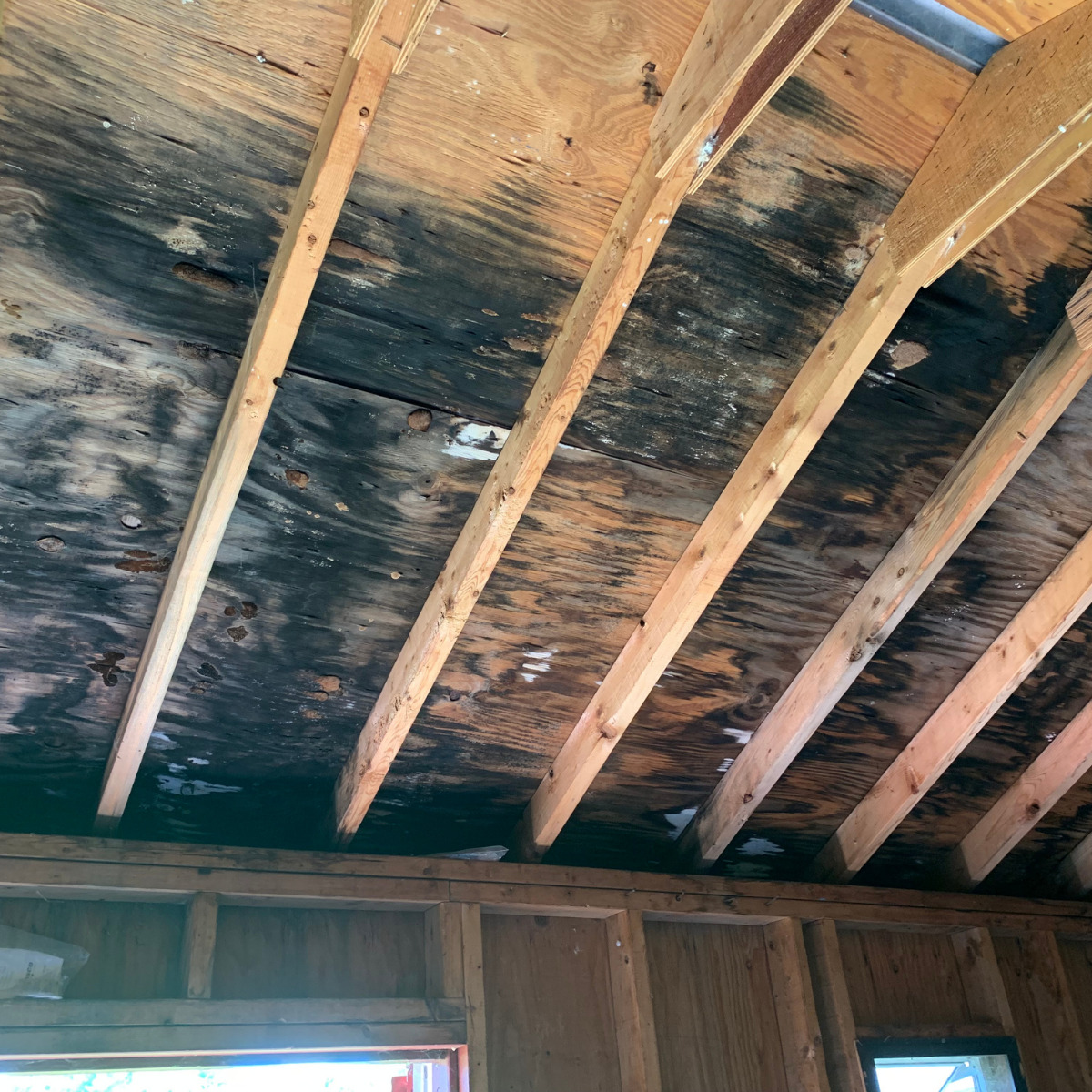
Before the lance comes out, the crew shoots the dam from the ground and from the roof, the icicle line, any staining visible inside, and the specific courses where water is tracking under the shingles. Timestamps are on every frame.
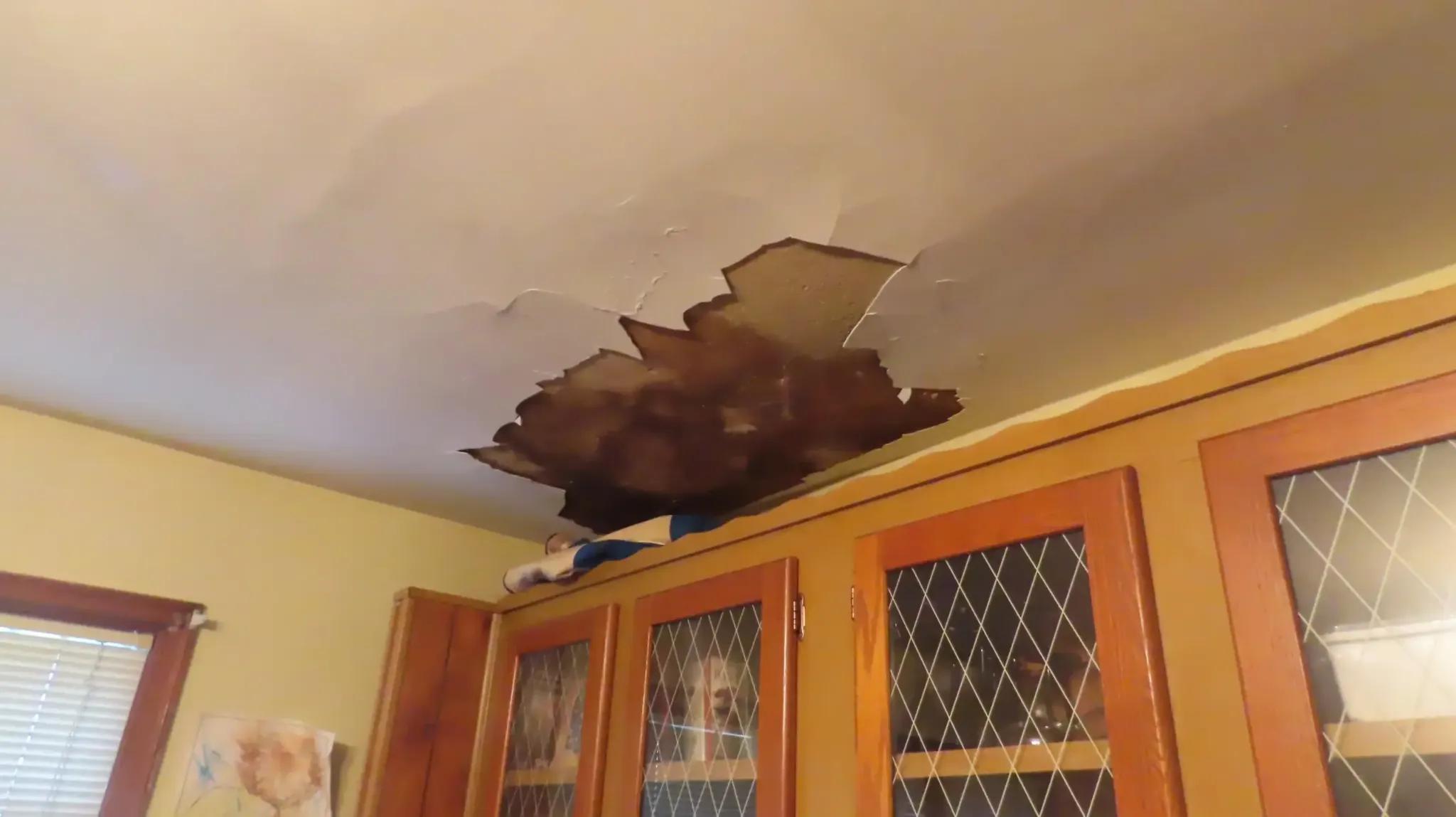
That record is the whole case if a claim follows. An adjuster arriving in March sees a dry roof and a stained ceiling; the photographs are what connect the two, and they are what a maintenance-exclusion denial runs into.
Steep, high and awkward Mount Shasta roofs
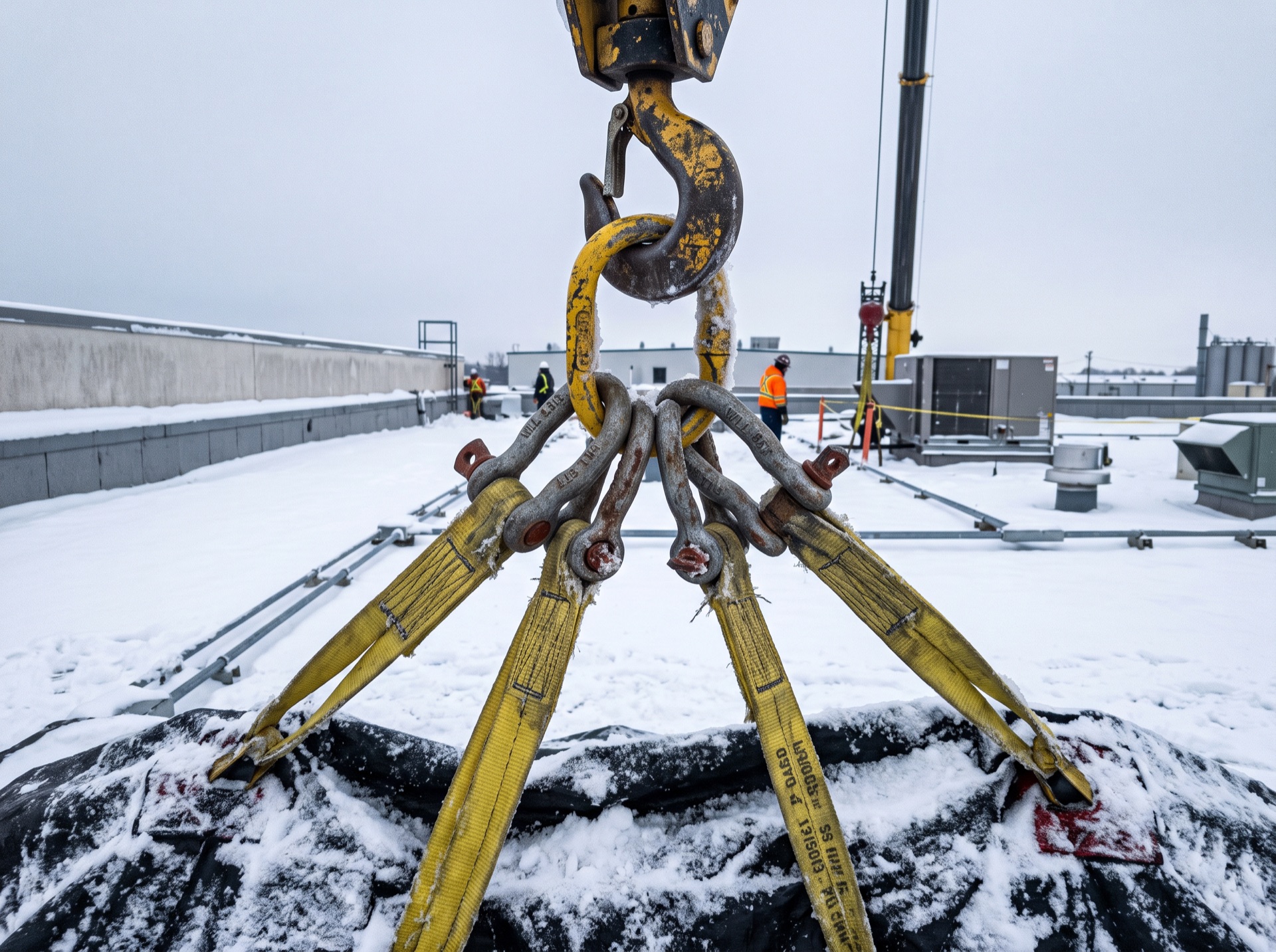
Pitch and height change the job more than ice thickness does. A walkable ranch eave is a ladder and a lance. A three-story roof with a steep pitch means anchors, rope, staging and two people where one would otherwise do.
Crews quote on that honestly. If a property in Mount Shasta needs a longer setup, it is said on the phone rather than discovered at the end of the invoice.
Working at night and during an active storm
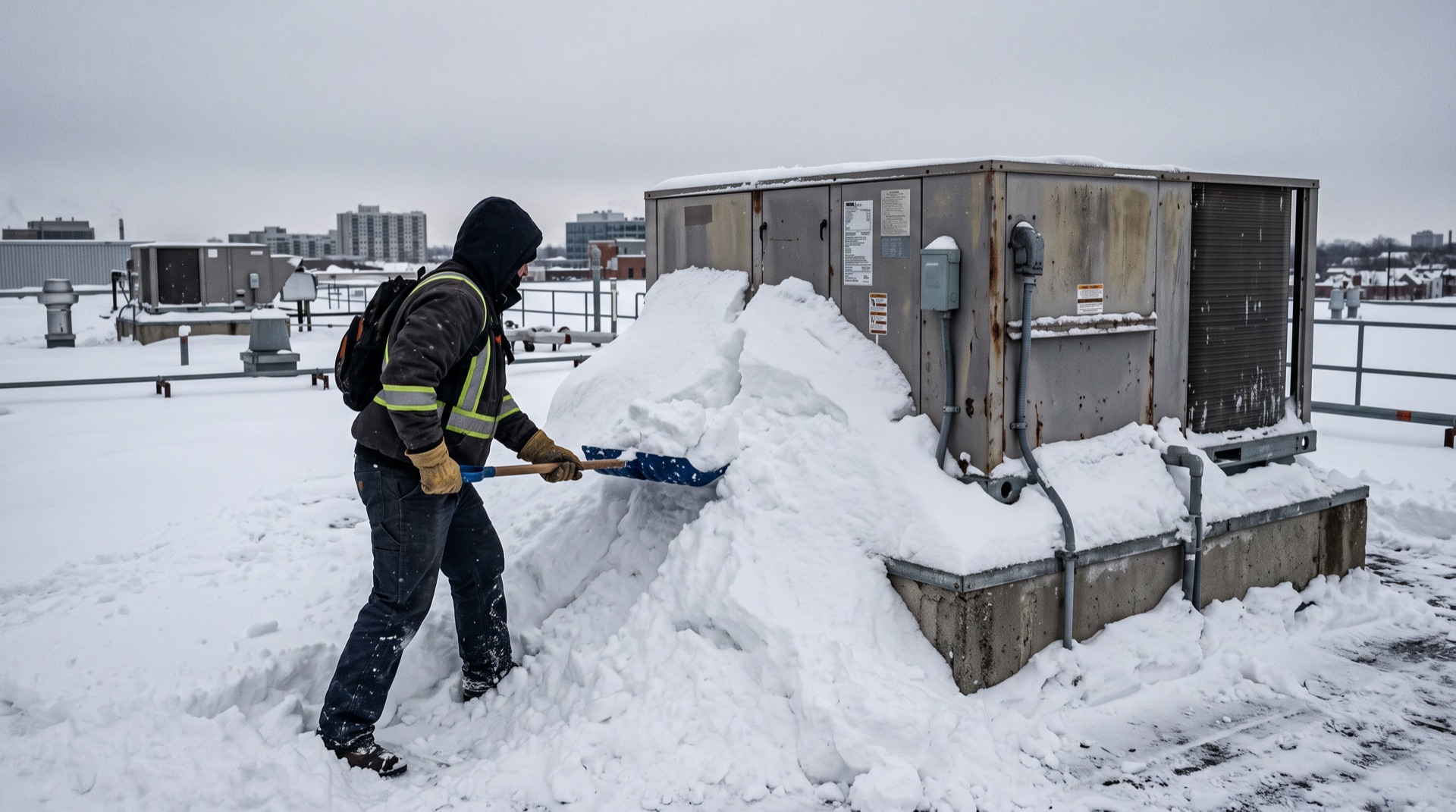
Freeze events do not keep office hours, and the worst leaks tend to announce themselves in the evening when the day's melt refreezes. Crews run lit, and a roof that is actively collecting snow is worked anyway, because waiting for better weather means the dam is bigger when somebody finally gets to it.
What does stop a crew is wind and lightning. Both are judgment calls made on site in Mount Shasta, and a postponed start gets explained rather than dressed up.
| Primary climate stressor | Solar melt on deep pack, shaded eaves |
|---|---|
| Typical scope | Steam, 8-16 crew hours typical |
| Service | Ice dam removal in Mount Shasta, CA |
| Pricing model | Billed by the crew hour, rate quoted before dispatch |
| Documentation | Dated before and after photos, written scope in Xactimate line items |
| Coverage area | Mount Shasta and Siskiyou County |
| Local ice-barrier practice | Extended membrane plus snow retention |
Siskiyou County Coverage From Mount Shasta
Crews working Mount Shasta cover the adjoining communities on the same route — Dunsmuir, Weed, Mccloud and Castella — so a storm week usually means one truck handling several addresses in Siskiyou County rather than separate trips.
Nearest hub towns with their own crew pages: Portola, Nevada City, Grass Valley, Truckee, Olympic Valley (Palisades), Tahoe City.
When a storm hits Siskiyou County, crews are dispatched by severity rather than by call order — water already inside the house goes first.
If water is already inside a property in Mount Shasta, call (888) 561-9664 rather than filling in a form — the phone is faster and leaks jump the line.